Estimated read time: 5 min read
One Sentence Summary
A misanthropic architect's obsessive reflections on his life and the flaws of society.
Table of Contents
Introduction
In his novel "Concrete," Thomas Bernhard delves into the dark and unsettling aspects of human existence. With his signature style of intense introspection and biting social commentary, Bernhard explores themes of isolation, obsession, and the relentless pursuit of perfection. Set in a small Austrian village, the story follows the life of the narrator and his interactions with a group of eccentric individuals.
Brief Synopsis
The novel is set in the fictional village of Weng, located in the Austrian countryside. The protagonist, an unnamed narrator, returns to Weng after spending years in a mental institution. He is haunted by the memories of his past and finds solace in his solitary walks through the village.
The narrator becomes fixated on the construction of a building, the epitome of perfection, being erected in Weng. He becomes obsessed with the idea of concrete, seeing it as a symbol of permanence and stability in a world filled with chaos and decay. As he observes the construction process, the narrator reflects on his own life and the futility of human existence.
Main Characters
| Character | Description |
|---|---|
| Narrator | The protagonist of the story, haunted by his past and obsessed with perfection. |
| Konrad | A childhood friend of the narrator, equally obsessed with concrete. |
| Reger | An elderly man who engages in philosophical discussions with the narrator. |
| Hoeller | A fellow patient from the mental institution who accompanies the narrator on his walks. |
Summary of Story Points
Chapter 1: The Return to Weng
The narrator returns to Weng after being released from a mental institution. He reflects on his troubled past and the impact it has had on his life. He begins to take long walks through the village, observing the changes that have occurred during his absence.
Chapter 2: The Obsession with Concrete
The narrator becomes fixated on the construction of a building made entirely of concrete. He sees it as a representation of perfection and stability. He spends hours observing the construction process and discussing concrete with his friend Konrad.
Chapter 3: Philosophical Discussions with Reger
The narrator engages in philosophical discussions with Reger, an elderly man who often visits the village square. They delve into topics such as the meaning of life, the nature of art, and the inevitability of death.
Chapter 4: The Walks with Hoeller
The narrator meets Hoeller, a fellow patient from the mental institution, and they begin taking walks together. They discuss their experiences in the institution and the impact it has had on their lives. The narrator finds solace in their conversations and the shared understanding they have.
Chapter 5: The Unveiling of the Building
The building made of concrete is finally unveiled to the public. The narrator attends the event and is overwhelmed by a sense of disappointment. He realizes that his obsession with perfection has led him to a state of perpetual dissatisfaction. He questions the significance of his own existence and the pursuit of perfection.
Main Events
- The narrator's return to Weng after his release from a mental institution.
- The narrator's obsession with the construction of a building made of concrete.
- Philosophical discussions with Reger, exploring the meaning of life and art.
- The walks with Hoeller, providing a sense of companionship and understanding.
- The unveiling of the concrete building, leading to the narrator's existential crisis.
Themes and Insights
Isolation and Alienation
Throughout the novel, the narrator experiences a profound sense of isolation and alienation. His past experiences and mental health issues have made it difficult for him to connect with others. This isolation drives him to seek solace in his own thoughts and observations.
Obsession and Perfection
The narrator's obsession with the construction of the concrete building reflects his desire for perfection and stability in an imperfect world. However, this obsession ultimately leads to his own dissatisfaction and existential crisis. Bernhard explores the inherent futility of pursuing perfection and the toll it takes on one's mental well-being.
The Nature of Existence
"Concrete" delves into the existential themes of human existence. The novel raises questions about the meaning and purpose of life, the inevitability of death, and the struggle to find meaning in a world filled with chaos and decay. Bernhard's introspective narrative forces readers to confront their own existential dilemmas.
Reader's Takeaway
"Concrete" is a thought-provoking and introspective novel that delves into the darker aspects of human existence. Through his vivid prose and biting social commentary, Thomas Bernhard explores themes of isolation, obsession, and the search for meaning in an imperfect world. The novel challenges readers to reflect on their own lives and the pursuit of perfection.
Conclusion
In "Concrete," Thomas Bernhard presents a haunting and introspective exploration of the human condition. Through the lens of the narrator's obsession with a concrete building, Bernhard delves into themes of isolation, obsession, and the pursuit of perfection. The novel's dark and thought-provoking narrative leaves readers with a deep sense of introspection and contemplation about the nature of existence.
Concrete FAQ
What is the main theme of the book 'Concrete'?
The main theme of 'Concrete' is the struggle and obsession of the narrator with his friend and fellow writer, Konrad.
Who is the author of the book 'Concrete'?
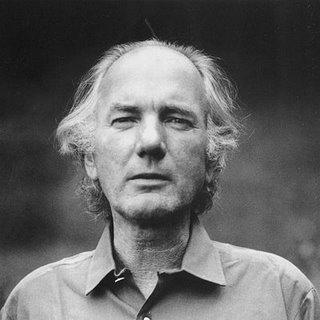
The author of 'Concrete' is Thomas Bernhard.
What is the writing style of 'Concrete'?
The writing style of 'Concrete' is characterized by long, intricate sentences and monologues that delve into the narrator's thoughts and observations.
Is 'Concrete' a work of fiction or non-fiction?
'Concrete' is a work of fiction.
What is the setting of the book 'Concrete'?
The book 'Concrete' is set in Austria, primarily in Vienna.
Is 'Concrete' a part of a series or standalone novel?
'Concrete' is a standalone novel.
What is the publication date of 'Concrete'?
The book 'Concrete' was first published in 1982.
What are some other notable works by Thomas Bernhard?
Some other notable works by Thomas Bernhard include 'The Loser', 'Extinction', and 'Woodcutters'.
What is the narrative perspective in 'Concrete'?
The narrative perspective in 'Concrete' is first-person, with the narrator recounting his experiences and thoughts.
What is the central conflict in 'Concrete'?
The central conflict in 'Concrete' revolves around the narrator's intense and complicated relationship with his friend Konrad and their shared passion for writing.