
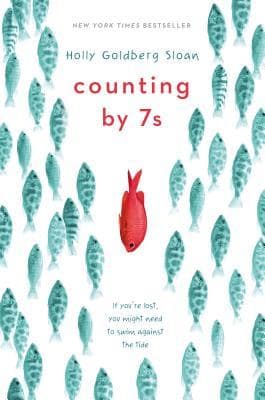
Synopsis
Covers the whole plot, including the ending.
- Difficulty
- Easy
- Pacing
- Moderate
- Mood
- Heartwarming, Hopeful, Quirky, Emotional
- Read it if
- You enjoy heartwarming stories about quirky characters, found families, and overcoming grief with a touch of humor and optimism.
- Skip it if
- You prefer fast-paced thrillers or stories with minimal emotional depth.
Counting by 7s Plot Summary
Covers the whole plot, including the ending.
A World of Sevens and Solitude
Willow Chance is a twelve-year-old gifted girl with an interest in medical conditions, plants, and the number seven. She lives a somewhat isolated life, finding comfort in her routines and her unique way of seeing the world, which often confuses her peers and teachers. Her adoptive parents, Pattie and Jimmy Chance, are her entire world, giving her a loving and stable home where Willow can be herself. Despite her intelligence, Willow has trouble connecting with others besides her parents. She attends Sequoia Middle School, where her differences often make her an outsider. Her life, though unusual, is calm, centered on her parents and her interests.
Unexpected News Shatters Willow's World
Willow is accused of cheating on a standardized test because she finished too quickly and got a perfect score. She denies it but accepts the consequence of needing counseling. This leads her to Dell Duke's office. Dell is a guidance counselor as socially awkward and isolated as Willow. During their second session, Dell gets a call saying Willow's parents, Pattie and Jimmy, died in a car accident. The news shatters Willow's world, leaving her in shock and grief. Dell, not ready to handle such a tragedy, is overwhelmed, and Willow's life falls apart.
An Unlikely Guardian and a Temporary Home
After the news, Dell Duke, despite his lack of ability, becomes responsible for Willow. He takes her to the emergency room, where she meets Mai Nguyen, a high school student and Dell's former client, who is waiting for her mother. Mai sees Willow's distress and Dell's helplessness, so she helps. Dell cannot take Willow to a foster home right away, so he brings her to Mai's small, crowded apartment, where Mai lives with her younger brother, Quang-ha, and their Vietnamese mother, Linh. What was supposed to be a temporary stay for a few hours turns into days, forming an unexpected makeshift family.
Life with the Nguyens and a New Routine
Living with the Nguyens, Willow experiences a big contrast to her previous quiet life. The apartment is small, busy, and reflects a Vietnamese immigrant family's culture. Despite initial discomfort, Willow starts to bond with Mai and Quang-ha. She helps Quang-ha with his homework, uses her gardening skills to revive the neglected plants on their balcony, and slowly finds a new routine. Linh Nguyen, Mai and Quang-ha's mother, at first hesitant, grows to care for Willow, seeing her as a valuable addition to their struggling family. Willow still grieves, but the constant activity and care from the Nguyens offer a needed distraction and a sense of belonging.
The Quest for a Permanent Home
As days become weeks, Willow's legal status as an orphan without a permanent guardian becomes a concern. Dell, under pressure from social services, realizes he cannot house Willow indefinitely, nor is he equipped to be her long-term guardian. Mai, attached to Willow, decides to help her find a stable, loving home. They visit a local library, where Willow's intelligence and interests are clear. This search leads them to look for a new place for Willow, showing the urgency of her situation and the growing commitment of her new, unconventional support system.
Meeting Patti Nguyen and the Sunflower Project
Dell Duke lives in an old apartment complex managed by his neighbor, Patti Nguyen, a kind but quiet woman who owns a nail salon. Mai and Willow visit Patti's salon, where Willow notices Patti's messy garden beds. Willow, with her knowledge of plants, suggests fixing them. This gives them an idea for a community garden project. Patti, at first unwilling, is slowly drawn in by Willow's quiet resolve and the enthusiasm of Mai and Quang-ha. The garden becomes a sign of hope and connection, bringing together various residents of the apartment complex, and giving Willow a project to focus her grief and skills.
The Court Hearing and a Desperate Plea
The day of Willow's court hearing arrives, with a stern judge. Dell, Mai, Quang-ha, and Linh all attend, making up Willow's new support network. Dell, despite his social awkwardness, tries to speak for Willow. But Mai gives a powerful and heartfelt speech to the judge, explaining the bond they have formed with Willow and how she has become part of their family. Mai describes Willow's qualities and their love for her, asking for Willow to stay with them, despite their limited money and unusual living situation.
A Judge's Decision and a New Family's Formation
Moved by Mai's sincerity and the Nguyen family's clear care, the judge makes an unusual decision. Recognizing the genuine love and stability Willow has found, the judge rules that Willow will be placed in Linh Nguyen's temporary care, with Dell Duke as co-guardian, making sure the Nguyens get financial support to care for Willow. This decision legally makes the family unit that formed around Willow official. The Nguyens, Dell, and Willow leave the courthouse as a newly recognized, if eccentric, family, ready for the future. The community garden project also grows, showing their collective progress.
The Garden Flourishes and Life Continues
With the legal matters settled, Willow fully accepts her life with the Nguyens and Dell. The community garden project does well under her guidance, changing the neglected area into a green space. Residents of the apartment complex, including Patti Nguyen, take part, creating a sense of community and shared purpose. Willow still grieves for her parents, but her sadness is now balanced by the love, laughter, and daily challenges of her new life. She finds comfort in the growing plants, a metaphor for her own healing and the growth of her new family bonds. She is no longer alone, but surrounded by people who like her uniqueness.
A Future Rooted in Love and Connection
As time passes, Willow fully becomes part of the Nguyen household, becoming a beloved daughter figure to Linh, and a sister to Mai and Quang-ha. Dell also grows as a person, finding purpose and connection through his role in Willow's life and his involvement with the community garden. Willow continues to count by sevens, but now she also counts her blessings. The book ends with Willow having found a deep sense of belonging and love, showing that even after great loss, it is possible to build a new, fulfilling life. Her journey from isolation to deep connection shows the power of chosen family and human resilience.
Counting by 7s Characters
Willow Chance
Protagonist
A twelve-year-old genius obsessed with nature and the number seven, who navigates profound grief to find a new family.
Willow is an extraordinarily intelligent and unique twelve-year-old. She is a gifted student, a savant with a deep love for plants, gardening, and diagnosing medical conditions. Her mind operates differently, often finding comfort in patterns like counting by sevens. Socially awkward and an outsider, her world revolves around her adoptive parents, Pattie and Jimmy. After their sudden death, she is forced to confront immense grief and navigate a bewildering world, yet her resilience, quiet strength, and inherent goodness attract unexpected allies. She is kind, observant, and deeply sensitive, using her intelligence to solve problems and connect with others in unconventional ways.
Relationships: Pattie and Jimmy Chance (Adoptive parents, her entire world); Mai Nguyen (Best friend, surrogate sister, fierce advocate); Quang-ha Nguyen (Surrogate younger brother); Linh Nguyen (Surrogate mother, legal guardian); Dell Duke (Guidance counselor, co-guardian, friend); Patti Nguyen (Apartment manager, community garden participant)
Mai Nguyen
Supporting
A high school student and Dell's former client, who becomes Willow's fiercely loyal friend and advocate.
Mai is a spirited and determined Vietnamese-American high school student. She is street-smart, resourceful, and deeply protective of her younger brother, Quang-ha, and her family. She has a strong sense of justice and compassion, which leads her to take Willow under her wing after the tragedy. Despite her own family's struggles and her initial annoyance with Dell Duke, Mai steps up as a primary caregiver and advocate for Willow, demonstrating immense maturity and loyalty. She is the driving force behind finding Willow a permanent home and tirelessly works to make Willow feel loved and safe.
Relationships: Willow Chance (Best friend, surrogate sister); Quang-ha Nguyen (Younger brother); Linh Nguyen (Mother); Dell Duke (Former counselor, co-guardian, friend)
Dell Duke
Supporting
Willow's socially awkward guidance counselor who, through his connection with her, undergoes significant personal growth.
Dell Duke is a deeply flawed but ultimately good-hearted guidance counselor at Willow's middle school. He is socially inept, disorganized, and struggles with loneliness and self-esteem. He initially categorizes his students to maintain a sense of control and distance. The responsibility of Willow's tragedy is thrust upon him, forcing him out of his comfort zone. Through his unexpected guardianship of Willow and his interaction with the Nguyen family, Dell begins to shed his defensive layers, developing genuine care and responsibility. He learns to connect with people on a deeper level and finds purpose beyond his own anxieties.
Relationships: Willow Chance (Client turned ward, co-guardian, friend); Mai Nguyen (Former client, co-guardian, friend); Linh Nguyen (Co-guardian, friend)
Linh Nguyen
Supporting
Mai and Quang-ha's mother, a Vietnamese immigrant who reluctantly, then lovingly, becomes Willow's legal guardian.
Linh Nguyen is Mai and Quang-ha's hardworking mother, a Vietnamese immigrant who runs a small nail salon. She is fiercely protective of her children and deeply dedicated to providing for her family, often working long hours. Initially, she is wary of Willow's presence in her already crowded apartment, concerned about the added burden and the legal implications. However, her compassionate nature and Willow's quiet charm gradually win her over. She comes to see Willow as a part of her family, offering her love, stability, and a sense of belonging, eventually becoming her legal guardian.
Relationships: Mai Nguyen (Daughter); Quang-ha Nguyen (Son); Willow Chance (Adopted daughter, ward); Dell Duke (Co-guardian, friend)
Quang-ha Nguyen
Supporting
Mai's younger brother, who initially resents Willow but quickly forms a strong bond with her.
Quang-ha is Mai's younger brother, a boisterous and sometimes mischievous boy. Initially, he is resistant to Willow joining their household, seeing her as an intruder who takes up space and attention. He often expresses his feelings loudly and without filter. However, Willow's quiet intelligence and her willingness to help him with his schoolwork, particularly with his English, gradually win him over. He grows to see her as a sister, developing a protective and affectionate bond, and becomes an active participant in their new family dynamic and the community garden project.
Relationships: Mai Nguyen (Older sister); Linh Nguyen (Mother); Willow Chance (Surrogate older sister)
Pattie Chance
Mentioned
Willow's adoptive mother, who instilled in her a love for gardening and provided unwavering support.
Pattie Chance was Willow's loving adoptive mother. She was instrumental in nurturing Willow's unique talents and interests, particularly her passion for gardening. Pattie provided a stable, supportive, and understanding home environment that allowed Willow to thrive despite her social challenges. Her sudden death in a car accident, alongside Jimmy, leaves Willow utterly devastated and forms the central tragedy that drives the narrative. Her memory and the values she instilled continue to guide Willow throughout her grief and journey to find a new family.
Relationships: Willow Chance (Adoptive daughter); Jimmy Chance (Husband)
Jimmy Chance
Mentioned
Willow's adoptive father, who provided a calm and loving presence in her life.
Jimmy Chance was Willow's kind and supportive adoptive father. He was a quiet but constant source of love and stability for Willow, complementing Pattie's more outgoing personality. His death in the car accident with Pattie is the catalyst for Willow's journey. Although he is only seen in flashbacks and memories, his presence is deeply felt through Willow's grief and her reflections on her happy, if unconventional, upbringing. He, along with Pattie, shaped Willow into the intelligent and compassionate person she is.
Relationships: Willow Chance (Adoptive daughter); Pattie Chance (Wife)
Patti Nguyen
Supporting
Dell's apartment manager and neighbor, who becomes a participant in the community garden.
Patti Nguyen is the quiet, observant manager of Dell Duke's apartment complex and also owns the nail salon where Linh works. She is initially reserved and somewhat cynical, seemingly detached from her tenants. However, Willow's gentle persistence and her vision for a community garden slowly break down Patti's emotional barriers. She becomes an active participant in the garden project, finding joy and connection through the shared endeavor. Patti represents the broader community that Willow's presence inspires and unites.
Relationships: Dell Duke (Tenant); Linh Nguyen (Employee); Willow Chance (Gardening collaborator, friend)
Judge V. Miller
Supporting
The compassionate judge who presides over Willow's guardianship hearing.
Judge Miller is the judge assigned to Willow's guardianship case. Initially, she appears stern and bound by legal protocol, representing the formal system that Willow must navigate. However, she is also observant and possesses a deep sense of fairness and compassion. She is significantly moved by Mai's heartfelt plea and the genuine love demonstrated by the Nguyen family and Dell Duke. Her decision to grant Linh Nguyen and Dell Duke temporary co-guardianship is a pivotal moment, affirming the power of chosen family over traditional structures.
Relationships: Willow Chance (Subject of her court case); Mai Nguyen (Pleader in court); Dell Duke (Proposed guardian)
Counting by 7s Themes
Family and Belonging
The novel explores the idea that family is not only defined by blood, but by love, commitment, and shared experience. Willow, after losing her adoptive parents, finds a new, unconventional family in the Nguyens and Dell Duke. This theme is key as Willow, Mai, Quang-ha, Linh, and Dell form a unit built on mutual support and affection, proving that belonging can be found in unexpected places. The communal garden project further strengthens this sense of shared identity and purpose among different people.
“Family isn’t always blood. It’s the people in your life who want you in theirs. The ones who accept you for who you are. The ones who would do anything to see you smile, and who love you no matter what.”
Grief and Resilience
The story begins with Willow losing both her parents. The narrative shows her initial shock, sadness, and the challenge of living without them. However, it is not a tragedy. Willow's journey shows human ability to cope with loss and find hope again. Her coping methods, like counting by sevens and focusing on her interests, help her process her emotions. The support system that forms around her, though unusual, helps her grieve, heal, and do well.
“I wasn’t a problem to be solved. I was a person to be loved.”
Identity and Self-Discovery
Willow's identity as a gifted, unique, and socially awkward person is a main part of the story. She deals with being different and finding her place. After her parents' death, her sense of self is challenged, but through her interactions with the Nguyens and Dell, she starts to understand her own strength and worth. Dell also changes, moving past his professional role to connect with others. The characters learn to accept themselves and each other, leading to personal growth and a stronger group identity.
“Sometimes the world doesn’t make sense, but you can still make a difference.”
Community and Connection
The novel shows how important community is and how individuals, even those who feel alone, can come together to form supportive groups. The apartment complex, at first a collection of disconnected residents, changes into a community through the shared garden project. Willow's presence helps bring people like Patti Nguyen, Dell, and the Nguyens into a network of mutual support and friendship. This theme shows how collective effort and real care can create a strong sense of belonging and shared purpose.
“It was hard to imagine a more unlikely group of people. But somehow, it worked.”
The Power of Small Acts of Kindness
Throughout the story, small acts of kindness add up to create a big impact. Mai's initial decision to help Willow at the emergency room, Linh's acceptance of Willow into her home, Dell's attempts at support, and Willow's efforts to revive the garden all help build the new family and community. These acts show that even after great tragedy, human compassion and willingness to help can lead to good outcomes and strong bonds.
“A lot of people don’t know what to do with a sad person. They don’t know how to fix it. But you don’t have to fix it. You just have to be there.”
Plot Devices & Literary Techniques
Counting by Sevens
Willow's unique coping mechanism and a symbol of order in chaos.
Willow's habit of counting by sevens serves as a central motif and a plot device. It highlights her exceptional intelligence and her need for order and patterns in a world that often feels chaotic and overwhelming. After her parents' death, this becomes a crucial coping mechanism, providing her with a sense of control and comfort in her grief. It also subtly symbolizes her unique perspective and how she processes information, making her distinct from others but also endearing to those who come to understand her.
The Community Garden
A symbolic space for growth, healing, and community building.
The neglected garden beds at Dell's apartment complex, which Willow takes on as a project, serve as a powerful symbol. The act of nurturing plants and bringing them back to life directly mirrors Willow's own journey of healing and growth after her devastating loss. As the garden flourishes, it also becomes a literal and metaphorical space for community building, bringing together diverse characters like Patti Nguyen, Dell, and the Nguyens. Its transformation reflects the blossoming of new relationships and the triumph of hope over despair.
First-Person Narrative (Multiple Perspectives)
Alternating narrators provide insight into the diverse emotional landscapes of the characters.
While primarily centered on Willow, the narrative subtly shifts between the perspectives of several characters, including Dell Duke and Mai Nguyen, often without explicit markers. This technique allows the reader to gain a deeper understanding of the motivations, struggles, and emotional growth of the supporting characters. It provides a richer, more nuanced view of the events, highlighting how Willow impacts those around her and how their individual journeys intertwine to form a collective whole. This multi-voiced approach reinforces the theme of interconnectedness.
The Number Seven
A recurring numerical motif representing Willow's unique mind and a subtle theme of completeness.
Beyond Willow's counting habit, the number seven appears throughout the book in various subtle ways. It's not just a quirk but a symbol of Willow's extraordinary mind and her need for order. In many cultures, seven is considered a lucky or complete number. Its recurrence subtly reinforces Willow's journey towards finding completeness and a new sense of luck and belonging, even after profound loss. It's a constant reminder of her singular perspective and the unique way she interacts with the world.
Metaphor of the Seed/Plant Growth
Illustrates personal development and the potential for new life after dormancy.
The metaphor of seeds, plants, and their growth is deeply woven into Willow's character and the plot. Willow's deep connection to botany reflects her belief in life's cycles and the potential for renewal. Her work in the garden, transforming neglected beds into vibrant life, directly parallels her own journey of emerging from the 'dormancy' of grief. It suggests that even after being uprooted, with proper care and the right environment, one can re-root and flourish, finding new life and purpose.
Counting by 7s Quotes
“I am not odd. I am original.”
“The world is not a wish-granting factory.”
“Gardens are a form of autobiography.”
“Sometimes you make a choice and it changes everything.”
“I count by 7s because it's a pattern that makes sense in a world that doesn't.”
“People are like plants; they grow toward the light.”
“You can't judge a book by its cover, but you can judge a person by their library.”
“Grief is a strange companion. It walks with you, but never says a word.”
“The only normal people are the ones you don't know very well.”
“Hope is the thing with feathers that perches in the soul.”
“Sometimes the hardest part isn't letting go but learning to start over.”
“A family isn't always the one you're born into; sometimes it's the one you find.”
“Curiosity is the engine of achievement.”
“In the garden of life, even weeds have a purpose.”
Quiz
10 questions on the plot and the characters. Each answer comes with a short explanation.
Question 1
What is Willow Chance's age at the beginning of the book?
- 10 years old
- 11 years old
- 12 years old
- 13 years old
Show answer
C. 12 years old Willow Chance is explicitly described as a twelve-year-old genius at the start of the book, which establishes her age as a key detail in understanding her character and the events that follow.
Question 2
What tragic event causes Willow to become orphaned?
- A house fire
- A car crash
- A plane accident
- A natural disaster
Show answer
B. A car crash Willow's adoptive parents both die in a car crash, which is the central tragedy that propels the plot forward and leaves her alone, forcing her to navigate grief and find a new family.
Question 3
What is Willow's unique coping mechanism when she feels overwhelmed?
- Drawing pictures
- Counting by 7s
- Writing poetry
- Singing songs
Show answer
B. Counting by 7s The title of the book, 'Counting by 7s,' refers to Willow's habit of counting by sevens as a way to comfort herself and manage stress, highlighting her analytical mind and need for order.
Question 4
What are Willow's two main interests or obsessions mentioned in the book description?
- Music and art
- Nature and diagnosing medical conditions
- Sports and cooking
- History and languages
Show answer
B. Nature and diagnosing medical conditions Willow is described as obsessed with nature and diagnosing medical conditions, which reflects her genius-level intellect and unique personality traits that set her apart from others.
Question 5
How does the book description characterize Willow's journey after her parents' death?
- As a tragic descent into loneliness
- As a quest for revenge
- As a journey to find a surrogate family
- As an escape to a new country
Show answer
C. As a journey to find a surrogate family Despite the tragedy, Willow's story is not portrayed as purely sad; instead, she pushes through grief to find a diverse and believable surrogate family, emphasizing themes of resilience and connection.
Question 6
What is the overall tone of the book as suggested by the description?
- Dark and hopeless
- Joyful and revelatory
- Mysterious and suspenseful
- Romantic and idealistic
Show answer
B. Joyful and revelatory The description states that the book is 'a joy and a revelation to read,' indicating an uplifting and insightful tone, even though it deals with heavy themes like loss and grief.
Question 7
Why is it significant that Willow's parents are described as adoptive?
- It explains why she is a genius
- It highlights her isolation before their death
- It suggests she will inherit a large fortune
- It means she has biological siblings somewhere
Show answer
B. It highlights her isolation before their death The fact that Willow's parents are adoptive underscores her difficulty in connecting with others, as she had only managed to bond with them, making her loss and subsequent search for family even more poignant.
Question 8
What does the book description imply about Willow's personality traits?
- She is ordinary and blends in easily
- She is extraordinarily odd but endearing
- She is aggressive and confrontational
- She is lazy and unmotivated
Show answer
B. She is extraordinarily odd but endearing Willow is described as 'extraordinarily odd, but extraordinarily endearing,' which captures her unique genius and social quirks that make her a compelling and sympathetic protagonist.
Question 9
How does the book description contrast the initial tragedy with the overall narrative?
- By focusing solely on Willow's grief without resolution
- By emphasizing that it is not a tragedy despite the sad events
- By suggesting the tragedy was preventable
- By downplaying the impact of the parents' death
Show answer
B. By emphasizing that it is not a tragedy despite the sad events The description explicitly states, 'The triumph of this book is that it is not a tragedy,' highlighting how Willow's resilience and the formation of a new family transform the story into one of hope and growth.
Question 10
What key theme is emphasized by Willow's ability to 'push through her grief'?
- The inevitability of suffering
- The importance of intellectual pursuits
- Resilience and the human capacity for healing
- The superiority of genius over emotion
Show answer
C. Resilience and the human capacity for healing Willow's journey showcases resilience, as she manages to overcome profound loss and find joy again, underscoring themes of healing, adaptability, and the strength of the human spirit in the face of adversity.
Counting by 7s FAQ
What is 'Counting by 7s' about?
The novel follows twelve-year-old genius Willow Chance, who copes with her parents' sudden death in a car crash by relying on her obsession with nature, medical diagnoses, and counting by sevens. As she navigates grief, she gradually forms an unconventional surrogate family with her school counselor Dell Duke, a Vietnamese-American nail salon owner named Mai, and Mai's brother Quang-ha, finding unexpected connections and resilience.
Why should I read 'Counting by 7s'?
This book offers a heartwarming and uplifting story about grief, resilience, and found family, centered on a unique protagonist whose intelligence and quirks make her journey deeply engaging. It balances emotional depth with humor and hope, showing how community can emerge from tragedy in surprising ways.
What is the background/setting of 'Counting by 7s'?
The story is set in modern-day Bakersfield, California, primarily in Willow's school, her home, and the nail salon run by Pattie Nguyen. The setting reflects Willow's isolation and the diverse, working-class community that becomes central to her new life after her parents' death.
What are the most memorable quotes from 'Counting by 7s'?
Key quotes include Willow's reflection, 'I always have a plan. But my plans don't always work out,' highlighting her adaptability, and Dell Duke's observation, 'Sometimes you make a choice and it changes everything,' underscoring the novel's themes of chance and connection. Willow's mantra, 'I count by sevens. It's what I do when I'm upset,' symbolizes her coping mechanism.
What writing style does Holly Goldberg Sloan use in 'Counting by 7s'?
Sloan employs a first-person narrative from Willow's perspective, infused with precise, analytical language that reflects her genius and obsession with details. The prose is accessible yet rich with emotional nuance, blending humor and poignancy to convey Willow's unique worldview and growth.
What minor details add significant meaning in 'Counting by 7s'?
Willow's garden, which she tends obsessively, symbolizes life and renewal amid loss, while her habit of diagnosing medical conditions subtly shows her desire to understand and control her chaotic world. The repeated motif of the number seven represents order and comfort in her grief.
What are some subtle foreshadowing moments in 'Counting by 7s'?
Early scenes where Willow meticulously plans and observes details foreshadow her ability to adapt and solve problems after her parents' death. Dell Duke's initial incompetence as a counselor hints at his own need for redemption and connection, which later aligns with Willow's journey.
What unexpected character connections exist in 'Counting by 7s'?
Willow forms unlikely bonds with Dell Duke, a disorganized school counselor who becomes a paternal figure, and Pattie Nguyen, a nail salon owner who offers maternal support. These connections, along with Mai and Quang-ha, create a surrogate family that bridges cultural and personal differences.
What are unspoken character motivations in 'Counting by 7s'?
Dell Duke is motivated by a deep-seated loneliness and desire for purpose, which he finds through helping Willow. Pattie Nguyen is driven by a sense of responsibility and empathy, seeing in Willow a chance to nurture someone as she does her own children. Willow herself is motivated by a need to find stability and meaning after loss.
What psychological complexities do characters exhibit in 'Counting by 7s'?
Willow displays traits of high-functioning autism or savant syndrome, with her genius and social awkwardness masking profound grief. Dell Duke grapples with impostor syndrome and self-doubt, while Quang-ha's rebelliousness hides vulnerability and a desire for acceptance within his family.
What are the major emotional turning points in 'Counting by 7s'?
Key turning points include Willow's parents' death, which shatters her world; her decision to trust Dell and the Nguyens, marking the beginning of her healing; and the courtroom scene where the surrogate family fights to keep her, solidifying their bonds and her new sense of belonging.
How do relationship dynamics evolve in 'Counting by 7s'?
Willow's relationships shift from isolation to deep interdependence: she transforms from a lonely orphan to a central figure in a makeshift family. Dell evolves from an indifferent counselor to a committed guardian, while the Nguyen family expands to include Willow, strengthening their own connections in the process.
Which parts of 'Counting by 7s' remain ambiguous or open-ended?
The novel leaves Willow's exact neurological condition (e.g., whether she has autism) undefined, allowing readers to interpret her uniqueness. The future of her surrogate family is hinted at but not fully detailed, emphasizing the ongoing nature of their journey rather than a fixed conclusion.
What are controversial scenes or decisions in 'Counting by 7s'?
Some readers might debate the realism of Willow's rapid bonding with strangers or the legal ease with which Dell and the Nguyens gain custody. Others may find Willow's genius and coping mechanisms overly idealized, though these elements serve the story's themes of hope and resilience.
'Counting by 7s' ending explained: how it ends & what it means
The book ends with Willow living with Dell Duke and the Nguyen family, having formed a stable, loving surrogate family after a custody battle. This conclusion symbolizes that family can be found in unexpected places and that grief can lead to growth, with Willow's counting by sevens representing not just coping but a new rhythm of life.
About the author

Holly Goldberg Sloan is an author known for her work in children's and young adult fiction. Her notable book, "Counting by 7s," explores themes of grief, resilience, and the importance of community. Sloan's storytelling often features complex characters and emotional depth, appealing to both young readers and adults.
Similar books
- Wonder
R.J. Palacio
4.4 (733k) average on GoodreadsChildren'sFeatures a unique, endearing child protagonist navigating social challenges and inspiring those around them.
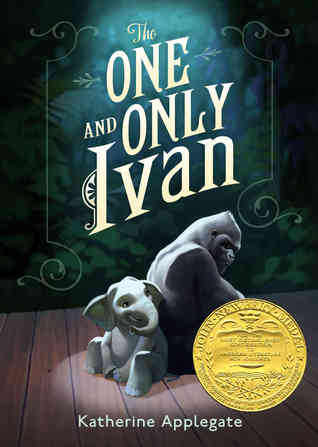
- The One and Only Ivan
Katherine Applegate
4.3 (141k) average on GoodreadsFantasyExplores themes of empathy, unconventional families, and finding a voice through a unique character's perspective.
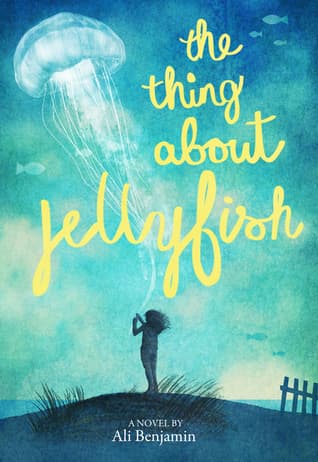
- The Thing About Jellyfish
Ali Benjamin
4.1 (27k) average on GoodreadsChildren'sBoth 'Counting by 7s' and 'The Thing About Jellyfish' feature highly intelligent young protagonists grappling with profound grief and loss. However, 'Jellyfish' delves deeper into the scientific method as a coping mechanism, with Suzy's quest to understand jellyfish, offering a more analytical and less community-focused approach to healing than Willow's journey of building a new family. While both explore isolation, Suzy's is more self-imposed and academic, whereas Willow's is a consequence of her parents' death and her inherent uniqueness.
- Harry Potter and the Sorcerer's Stone
J.K. Rowling
4.5 (7M) average on GoodreadsFantasyRescued from a miserable life under the stairs, an orphaned boy discovers he's a wizard destined for a magical school, where he uncovers a dangerous secret tied to the dark wizard who murdered his parents.
- The Hobbit, or There and Back Again
J.R.R. Tolkien
4.3 (2.9M) average on GoodreadsFantasyA comfort-loving hobbit named Bilbo Baggins is whisked away by a mischievous wizard and a band of dwarves on an unexpected journey to reclaim stolen treasure from a fearsome dragon, discovering courage and a magical ring along the way.
- Harry Potter and the Goblet of Fire
J.K. Rowling
4.6 (2.6M) average on GoodreadsFantasyA bewildered Harry Potter, underage and thrust into a deadly Triwizard Tournament, must brave dragons, mermaids, and a resurgent dark magic to survive a year that will forever alter the wizarding world.




Enjoyed the summary?
A summary gives you the shape of the book. The book itself has the detail, the examples and the voice.
Find Counting by 7s on AmazonAs an Amazon Associate, BookBrief earns from qualifying purchases. How we're funded