

Estimated read time: 5 min read
Table of Contents
List of Characters
| Character Name | Role |
|---|---|
| Cyrus Spitama | Protagonist |
| Darius | Antagonist |
| Xerxes | Supporting |
| Zoroaster | Supporting |
| Atossa | Supporting |
| Pericles | Supporting |
| Confucius | Supporting |
| Buddha | Supporting |
Role Identification
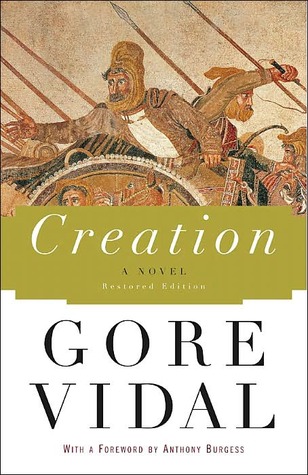
In Gore Vidal's novel "Creation," the characters play various roles in the narrative. The protagonist, Cyrus Spitama, serves as the narrator and central figure, guiding the readers through the story. The antagonist, Darius, represents the opposing force to Spitama's worldview. Other characters, such as Xerxes, Zoroaster, Atossa, Pericles, Confucius, and Buddha, have supporting roles that contribute to the development of the plot and the exploration of different philosophical and cultural perspectives.
Character Descriptions
Cyrus Spitama
Cyrus Spitama is a Persian diplomat and philosopher who serves as the narrator and protagonist of "Creation." He is the grandson of Zoroaster and has been raised by a Greek courtesan. Spitama is a highly educated and introspective character who is well-versed in various philosophies and cultural traditions. He values knowledge, empathy, and understanding, which shape his interactions with other characters and his interpretation of the world.
Darius
Darius, the antagonist of the story, is a powerful Persian ruler who represents the traditionalist viewpoint. He is portrayed as an ambitious and ruthless leader who seeks to expand his empire and enforce his own beliefs on others. Darius opposes Spitama's ideas of cultural exchange and intellectual exploration, leading to conflicts and ideological clashes throughout the narrative.
Xerxes
Xerxes, the son of Darius, is a supporting character who initially shares his father's worldview but gradually becomes more open to different perspectives. He undergoes a transformation as he witnesses the consequences of his father's actions, ultimately questioning the values he has been raised with.
Zoroaster
Zoroaster, the grandfather of Cyrus Spitama, is a revered figure in Persian culture. Although he does not appear extensively in the story, his teachings and legacy influence Spitama's beliefs and shape his philosophical perspective.
Atossa
Atossa, the daughter of Darius, is a strong-willed and independent character who challenges traditional gender roles. She forms a close bond with Spitama and becomes an advocate for cultural exchange and understanding.
Pericles, Confucius, and Buddha
Pericles, Confucius, and Buddha are historical figures who make appearances in the story, representing different philosophical traditions and cultural backgrounds. They interact with Spitama and contribute to the exploration of diverse perspectives on life, governance, and spirituality.
Character Traits
Cyrus Spitama
- Highly educated
- Curious and open-minded
- Empathetic and compassionate
- Introspective and reflective
- Respectful of diverse cultures and beliefs
Darius
- Ambitious and power-hungry
- Traditionalist and resistant to change
- Ruthless and authoritarian
- Patriarchal and rigid in his worldview
Xerxes
- Initially obedient and loyal
- Transformative and open to new ideas
- Conflicted between loyalty and personal beliefs
Zoroaster
- Wise and influential
- Spiritual and philosophical
- Revered by many for his teachings
Atossa
- Independent and assertive
- Progressive and challenging of gender norms
- Supportive of cultural exchange and understanding
Pericles, Confucius, and Buddha
- Respected historical figures
- Represent diverse philosophical and cultural traditions
- Contribute to the exploration of different perspectives
Character Background
Cyrus Spitama, as the grandson of Zoroaster, is raised in a multicultural environment. His upbringing by a Greek courtesan provides him with exposure to both Persian and Greek cultures, shaping his worldview and fostering his curiosity about the world. Darius, as the ruler of the Persian Empire, holds immense power and seeks to expand his influence through conquest.
Xerxes, Darius's son, grows up under his father's authoritative rule but begins to question the values he has been taught. Zoroaster, although not extensively portrayed, is revered as a prominent figure in Persian culture and his teachings play a significant role in shaping Spitama's philosophical perspective.
Character Arcs
Cyrus Spitama undergoes a significant character arc throughout the novel. Initially, he is a curious and introspective individual with a deep appreciation for diverse cultures and beliefs. As the story progresses, Spitama's experiences and interactions challenge his beliefs and force him to confront the darker aspects of human nature. His character arc involves a deeper understanding of the complexities of the world and a gradual shift towards a more tempered perspective.
Xerxes also experiences a character arc as he transitions from blind obedience to his father's rule to a more open-minded perspective. Witnessing the consequences of his father's actions prompts him to question his own beliefs and values, ultimately leading to personal growth and transformation.
Relationships
Cyrus Spitama forms several significant relationships throughout the novel. His bond with Atossa, Darius's daughter, becomes a central aspect of the story, as they share a common desire for cultural exchange and a progressive outlook. Spitama's interactions with historical figures like Pericles, Confucius, and Buddha provide opportunities for intellectual discourse and the exchange of ideas.
The relationship between Spitama and Darius is one of conflict and ideological opposition. Their opposing worldviews create tension and serve as a driving force for the narrative. Through these relationships, the novel explores the power dynamics, cultural clashes, and personal growth that arise from the interactions between characters with differing beliefs and backgrounds.
In conclusion, "Creation" by Gore Vidal presents a diverse cast of characters who embody various philosophical and cultural perspectives. Through their relationships, character arcs, and interactions, the novel delves into the complexities of human nature, the clash of ideologies, and the importance of empathy and understanding in a multicultural world.


