

Estimated read time: 7 min read
One Sentence Summary
In "Dark Places," Libby Day, the lone survivor of her family's massacre, is forced to confront buried memories and dark secrets when a group obsessed with the case believes her imprisoned brother is innocent.
Table of Contents
Introduction
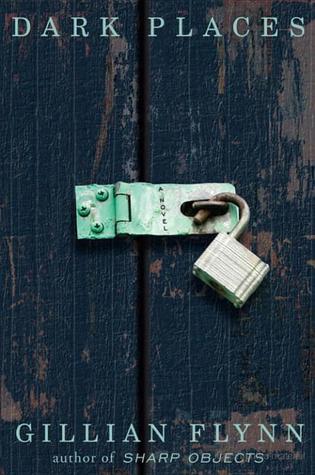
Imagine waking up to discover your entire childhood has been defined by a single, grisly tragedy—a night so horrifying, the echoes redefine your very identity. Gillian Flynn’s Dark Places, a spellbinding thriller, grabs readers by the collar and drags them into the shadowy corners of memory, trauma, and the relentless hunt for truth. Released in 2009, Flynn’s sophomore novel cements her reputation as a master of psychological suspense, weaving a haunting tale that will keep college students and literature buffs alike reading deep into the night. Let’s dive into the darkness—don’t worry, we’ll bring a flashlight.
Historical Context
Set in rural Kansas during the 1980s and mid-2000s, Dark Places is steeped in the bleak realities of American farm decline and the cultural anxieties of the Satanic Panic era. The story’s grisly family murder echoes real-life cases that terrified America in the late 20th century. Unemployment, rural poverty, and the growing distrust of outsiders all simmer beneath the surface, shaping the Day family’s fate.
Notable Historical Elements
- The 1980s Farm Crisis: Plummeting crop prices and mounting debts devastated rural communities.
- Satanic Panic: Widespread fear of ritualistic cults led to numerous false accusations and moral hysteria.
- Media Sensationalism: The rise of 24-hour news cycles amplified public paranoia and shaped perceptions of crime.
Brief Synopsis
Plot Overview
At seven years old, Libby Day survived the massacre that claimed her mother and two sisters. Her testimony helped convict her teenage brother, Ben, as the killer—fueling lurid headlines and public fascination. Decades later, Libby is broke, angry, and living off the dwindling proceeds of her infamy. When a group of amateur detectives—the Kill Club—offers her money to revisit the case, Libby reluctantly agrees. As she digs into the past, she uncovers secrets that threaten everything she thinks she knows about that night…and herself.
Setting
Flynn’s Kansas is bleak and unvarnished, a landscape of abandoned barns, failing farms, and small-town isolation. The narrative alternates between the snowy winter of 1985 and the gritty present, immersing readers in both the Day family’s desperate world and the haunted aftermath that follows.
Main Characters
| Name | Role | Key Traits | Importance to Plot |
|---|---|---|---|
| Libby Day | Protagonist | Cynical, traumatized, resourceful | Survivor of the massacre, her testimony convicted Ben; her quest for truth drives the narrative. |
| Ben Day | Libby’s older brother | Troubled, misunderstood, isolated | Convicted of the family’s murder; his guilt/innocence is central to the mystery. |
| Patty Day | Libby’s mother | Overwhelmed, loving, desperate | Killed in the massacre; her struggles frame the family’s decline and the events of the crime. |
| Diondra Wertzner | Ben’s girlfriend | Manipulative, rebellious, secretive | Central to Ben’s troubles; her actions on the night of the murders are pivotal. |
| Runner Day | Libby’s father | Absent, irresponsible, exploitative | His neglect and sporadic appearances deepen the family’s instability. |
| Lyle Wirth | Kill Club member | Awkward, obsessive, earnest | Convinces Libby to reopen the case; serves as her guide into the world of amateur detectives. |
| Krissi Cates | Childhood accuser | Troubled, evasive, damaged | Claimed Ben molested her, fueling the Satanic Panic; her memories are key to the case. |
Plot Summary
The Night of the Murders: 1985
On a freezing January night, the Day family’s rural farmhouse becomes the scene of unspeakable violence. Seven-year-old Libby escapes, hiding in the snow, while her mother and two sisters are brutally killed. Blood, footprints, and whispers of Satanic rituals lead to Ben—the troubled teenager with a penchant for heavy metal and a reputation for trouble.
Libby’s Present: 25 Years Later
Libby is a mess—emotionally stunted, financially strapped, and deeply mistrustful. Her notoriety is a double-edged sword: it isolates her, yet it’s also her only asset. Enter the Kill Club, a secretive group obsessed with notorious crimes. They believe Ben is innocent and offer Libby cash to revisit her memories.
Unraveling the Truth
Libby’s investigation—motivated by money rather than justice—forces her to reconnect with people from her past. She interviews old friends, distant relatives, and even Ben, now serving a life sentence. As she digs deeper, inconsistencies in her childhood memories emerge. She’s forced to confront the possibility that her testimony may have been manipulated, or even false.
The Final Pieces
As Libby reconstructs the events leading up to the murders, secrets about her family, Ben’s friends, and the town itself come to light. The truth she uncovers is more complicated—and more devastating—than she ever imagined.
Themes and Motifs
Memory and Trauma
Dark Places explores the unreliability of childhood memory, especially when distorted by trauma. Libby’s recollections are fragmented and suspect, raising questions about truth and justice.
Poverty and Desperation
The Day family’s financial struggles are central, shaping their relationships and decisions. Flynn uses their plight to comment on rural hardship and societal neglect.
The Allure of Darkness
From the Kill Club’s obsession with murder to society’s fascination with “evil,” Flynn examines why darkness captivates us—and the consequences of that obsession.
Guilt and Redemption
Each character is haunted by guilt—real or imagined. The novel probes whether redemption is possible after catastrophic loss, and what it costs to seek forgiveness.
Social Hysteria
The Satanic Panic backdrop illustrates how fear and rumor can warp justice, turning suspicion into conviction.
Literary Techniques and Style
Multiple Perspectives
Flynn’s narrative alternates between Libby’s present-day investigation and flashbacks from Patty and Ben’s viewpoints in 1985. This structure builds suspense, gradually revealing the truth as seen through different eyes.
Gritty Realism
Flynn’s prose is unflinching—she never shies away from the grotesque or the uncomfortable. Her depiction of rural poverty is neither romanticized nor pitiful; it’s raw and authentic.
Psychological Depth
Characterization is Flynn’s forte. Libby, Ben, and Patty are deeply flawed, achingly real, and heartbreakingly complex. Flynn’s insights into their minds create empathy even for the most damaged characters.
Symbolism
Libby’s physical scars mirror her emotional wounds. The recurring motifs of darkness, cold, and isolation reinforce the book’s emotional tone.
Author's Background
Gillian Flynn, a former journalist for Entertainment Weekly, is renowned for her sharp, psychologically incisive thrillers. Her debut, Sharp Objects, garnered critical acclaim, but it was Gone Girl that made her a household name. Flynn’s fascination with the darker aspects of human nature stems from her love of crime fiction, her background in journalism, and a keen interest in the complexities of female characters.
Her novels have been praised for subverting genre expectations, particularly in their portrayals of women as antiheroes or unreliable narrators. Flynn’s impact on contemporary crime fiction is profound, inspiring a wave of “domestic noir” novels that probe the shadows beneath everyday life.
Key Takeaways
- Memory is unreliable, especially when shaped by trauma and public scrutiny.
- Poverty and social marginalization amplify vulnerability and desperation, shaping every choice.
- Guilt and redemption are central human struggles, but closure is rarely neat or painless.
- Societal hysteria (like the Satanic Panic) can distort justice and destroy lives.
- Obsession with darkness—in media and in individuals—carries both fascination and danger.
Reader's Takeaway
Dark Places doesn’t just tell a chilling story; it makes you question the stories you tell yourself about your own past. It’s a book for anyone who’s ever wondered whether the truth is as simple as it seems—or whether confronting your darkest places is the only way to move forward. The emotional impact is lasting: anxiety, sadness, and—ultimately—a flicker of hope.
Conclusion
Gillian Flynn’s Dark Places is more than a murder mystery—it’s a profound exploration of trauma, memory, and the murky boundaries between guilt and innocence. With its gripping plot, unforgettable characters, and psychological insight, it’s an essential read for college students, literature lovers, and anyone fascinated by the complexities of the human psyche. Ready to revisit your own dark places? This book is the perfect guide.
Dark Places FAQ
What is 'Dark Places' by Gillian Flynn about?
'Dark Places' is a psychological thriller novel that follows Libby Day, the sole survivor of her family's brutal murder when she was a child. Decades later, she is drawn into investigating the crime anew, questioning her testimony that put her brother behind bars and uncovering dark secrets about her past.
Who is the main character in 'Dark Places'?
The main character is Libby Day, who survived the massacre of her mother and two sisters in her childhood and is now struggling with the traumatic aftermath as an adult.
Is 'Dark Places' part of a series?
No, 'Dark Places' is a standalone novel and is not part of a series.
What genre is 'Dark Places'?
'Dark Places' is a psychological thriller and crime mystery novel.
Is 'Dark Places' based on a true story?
No, the novel is a work of fiction, although it is inspired by real-life crimes and the phenomenon of 'Satanic Panic' in the 1980s.
Was 'Dark Places' adapted into a film?
Yes, 'Dark Places' was adapted into a film in 2015, starring Charlize Theron as Libby Day.
What themes are explored in 'Dark Places'?
'Dark Places' explores themes such as trauma, memory, family secrets, the quest for truth, and the nature of evil.
What is the narrative structure of 'Dark Places'?
The novel alternates between Libby's perspective in the present day and flashbacks to the day of the murders, gradually revealing the truth through multiple viewpoints.
Who would enjoy reading 'Dark Places'?
Fans of psychological thrillers, crime mysteries, and dark, character-driven stories would enjoy 'Dark Places.'
How does 'Dark Places' compare to Gillian Flynn's other works?
'Dark Places' shares Gillian Flynn's signature dark, twisty storytelling and complex characters, similar to her other novels like 'Gone Girl' and 'Sharp Objects.'


