

Synopsis
Covers the whole plot, including the ending.
- Difficulty
- Medium
- Pacing
- Fast
- Mood
- Dark, Disturbing, Satirical, Suspenseful, Psychological
- Read it if
- You enjoy dark humor, psychological thrillers, and a narrative that blurs the lines between reality and delusion, with a strong, unreliable narrator.
- Skip it if
- You prefer straightforward plots, optimistic themes, or are sensitive to graphic descriptions and nihilistic viewpoints.
Diary Plot Summary
Covers the whole plot, including the ending.
The Artist's Block and the Coma
Misty Wilmot, once an art student at the Rhode Island School of Design, is now a waitress on Waytansea Island, a former artists' colony now a tourist trap. Her husband, Peter Wilmot, a local contractor, is in a coma after a suspected suicide attempt. Misty herself has not painted in years. The novel opens with Misty writing in a diary, a gift from Peter, as she sits by his hospital bed. She thinks about the island's lost artistic past and her own fading dreams, feeling trapped and uninspired by her life and growing medical bills.
The Graffiti and the Threats
After Peter's coma, his former clients begin harassing Misty. They accuse her of writing disturbing, prophetic messages on the walls of their newly renovated homes. These messages, written artistically, warn of coming danger and reveal private, often embarrassing, secrets about the homeowners. The clients, led by Margaret Astor, threaten Misty with lawsuits and public exposure. They believe she is responsible for the vandalism as revenge or a cry for help. Misty denies any involvement, but the evidence, including her art background, makes her a suspect to the island community and the police.
The Compulsion to Paint
Amidst the accusations and her husband's worsening condition, Misty feels a sudden, strong return of her artistic drive. She begins to paint compulsively, creating large, unsettling canvases with disturbing images: drowning figures, burning houses, and scenes of mass destruction. These paintings are unlike anything she has made before, with a dark, prophetic quality. She feels an irresistible urge to paint, often working all night, neglecting her job and personal life. This new creativity is both exciting and frightening. She struggles to understand where her inspiration comes from and what her disturbing art means.
The Unveiling of the Conspiracy
As Misty continues to paint, she begins to find parts of a shocking conspiracy. She learns that Peter, his father, Dr. Wilmot, and other prominent islanders have been part of a generations-old plot. Its purpose is to lure talented artists to Waytansea Island, drive them to despair, and then use their art. The messages scrawled in the renovated homes were not random vandalism. They were part of a plan to make Misty paint. The islanders believe that artists, through their suffering, can create works with inherent power, a 'soul,' which they plan to use for a sinister ritual.
The Role of Dr. Wilmot
Misty discovers that Dr. Wilmot, Peter's father, is the ruthless architect of the island's unusual tradition. He has been arranging the psychological torment of artists for decades, using his medical knowledge and influence to control them. Dr. Wilmot believes that artists' suffering fills their work with a unique spiritual energy, which he intends to use in a grand, macabre ritual. He has subtly guided Peter and other islanders, including Margaret Astor, to ensure this tradition continues. He sees himself as a guardian of the island's 'heritage' and a manipulator of artistic destiny.
The Art as a Trap
Misty's frantic painting leads to a terrible realization: her art is not just personal expression, but a tool in the islanders' conspiracy. The disturbing images she creates, especially those showing burning houses and collapsing structures, are being interpreted as blueprints or targets by the islanders. They believe her art fulfills an ancient prophecy, marking specific buildings for demolition. The islanders plan to burn down a large part of the island, including the hotel where Misty works, during a major tourist event. They believe this act will cleanse the island and unleash powerful, mystical energy from the artists' suffering. Her paintings are not just art; they are a death warrant.
Peter's Awakening and Confession
Peter wakes from his coma. Weak and confused, he eventually tells Misty about his reluctant involvement in the island's conspiracy. He reveals that his 'suicide attempt' was a desperate, failed effort to escape his father, Dr. Wilmot, and the islanders' control. Peter explains the history of artistic exploitation, the rituals, and the plan to burn the island. He admits to writing some initial messages in the houses but says he was forced and tried to stop the plan. His confession confirms Misty's worst fears and the true danger she faces.
The Island's Fiery Sacrifice
On the night of the annual Summer Solstice Festival, the islanders, led by Dr. Wilmot and Margaret Astor, begin their plan. They start fires across the island, targeting the marked buildings and intending to trap unsuspecting tourists and residents. Misty, now fully aware of the plot, tries desperately to warn people, but her pleas are ignored or dismissed as the ramblings of a mad artist. The island descends into chaos, with flames engulfing structures and panic spreading through the crowds. The ritual, meant to cleanse and empower the island, becomes a horrifying spectacle of destruction and death.
Misty's Final Act of Art
In a desperate act of defiance and a final embrace of her artistic power, Misty decides to use her art against the conspirators. Instead of creating works that mark targets, she begins to paint images that expose the islanders' plot. She depicts their faces and their malicious intentions. She scrawls warnings and truths on any available surface, trying to tell those who will listen about the danger. Her art changes from a tool of destruction into a weapon of truth, though it may be too late to save everyone. She understands her art holds power, and she chooses to use it for revelation rather than destruction.
The Aftermath and the Diary's Purpose
After the devastating fires, Misty's diary is found. It becomes the main account of the horrors on Waytansea Island. Through these pages, the full truth of the conspiracy, the artistic exploitation, and the islanders' ritual is revealed to the outside world. The diary is a record of Misty's ordeal and a chilling account of human depravity disguised as cultural tradition. The ending implies that the diary, initially for Misty's self-expression, ultimately helps bring justice, or at least understanding, for the victims of the island's dark secrets.
Diary Characters
Misty Wilmot
Protagonist
A former art student who becomes an unwitting pawn in a deadly island conspiracy.
Misty is a disillusioned and emotionally fragile woman, once a promising artist now working as a waitress on a decaying island. She is intelligent, observant, and possesses a deep, albeit suppressed, artistic sensibility. Her initial cynicism and self-pity give way to fierce determination and a desperate will to survive and expose the truth. She is driven by a longing for purpose and a desire to understand the bizarre events unfolding around her, especially her husband's coma and the sudden resurgence of her artistic compulsion.
Relationships: Peter Wilmot (Husband, initially estranged by his coma, later a reluctant co-conspirator and ally.); Dr. Wilmot (Father-in-law, the primary antagonist and manipulator.); Margaret Astor (Antagonist, a key figure in the island conspiracy.)
Peter Wilmot
Supporting
Misty's husband, a contractor who is a reluctant participant in the island's dark traditions.
Peter is a complex character, initially appearing as a victim of a suicide attempt. He is revealed to be a troubled individual caught between his loyalty to his family and his moral conscience. He is weak-willed in the face of his father's manipulation but possesses a hidden desire to escape the conspiracy. His actions, though often ambiguous, are driven by a desperate attempt to protect Misty and, indirectly, to atone for his involvement in the island's dark secrets. His love for Misty is genuine, even if his methods of expressing it are flawed.
Relationships: Misty Wilmot (Husband, deeply connected despite the conspiracy.); Dr. Wilmot (Son, manipulated and controlled by his father.)
Dr. Wilmot
Antagonist
Peter's father and the manipulative mastermind behind the island's artistic exploitation.
Dr. Wilmot is the sinister patriarch of the Wilmot family and the primary antagonist. He is intelligent, cunning, and utterly ruthless, driven by a twisted belief in the power of art derived from suffering. He views artists as tools to be exploited for the island's 'greater good' and maintains a facade of respectability while orchestrating horrific events. His motivations stem from a deep-seated, generational commitment to the island's ancient, dark traditions, which he interprets as a form of cultural preservation and spiritual empowerment.
Relationships: Peter Wilmot (Father, manipulates and controls his son.); Misty Wilmot (Father-in-law, sees her as a valuable artistic resource to be exploited.)
Margaret Astor
Supporting
A prominent islander and key conspirator who harasses Misty.
Margaret Astor is a seemingly respectable and influential member of the Waytansea Island community, but she is deeply complicit in the conspiracy. She represents the collective, unyielding force of the islanders who uphold the dark traditions. Margaret is aggressive, intimidating, and relentless in her pursuit of Misty, initially accusing her of vandalism. She is a loyal follower of Dr. Wilmot's plan, believing wholeheartedly in the efficacy of the rituals and the importance of exploiting artists. Her character embodies the hypocrisy and hidden malice within the island's upper crust.
Relationships: Misty Wilmot (Antagonist, harasses and threatens Misty.); Dr. Wilmot (Co-conspirator, a loyal follower of his plan.)
The Hotel Manager (Mr. Wilmot's brother)
Supporting
Misty's boss, a minor conspirator who subtly observes and guides her.
The Hotel Manager, Peter's uncle and Dr. Wilmot's brother, is a less overt but still complicit member of the conspiracy. He observes Misty closely, often offering cryptic advice or subtly manipulating her actions. He represents the pervasive nature of the island's control, operating within the mundane setting of Misty's workplace. While not as overtly malicious as Dr. Wilmot or Margaret, he plays a role in keeping Misty on the island and ensuring she fulfills her artistic destiny for the ritual, embodying the quiet, insidious surveillance of the conspirators.
Relationships: Misty Wilmot (Boss, subtly manipulates her.); Dr. Wilmot (Brother, a fellow conspirator.)
Diary Themes
The Exploitation of Art and Artists
The novel examines how art and artists can be used, manipulated, and even destroyed for other purposes. On Waytansea Island, artists are not valued for their creativity. They are systematically driven to despair. Their suffering is believed to give their work a powerful 'soul' that the islanders plan to use. Misty's own art, at first a personal expression, becomes a tool for marking targets in a horrific ritual. This theme shows the dark side of artistic patronage and how creative energy can be misused.
“'Artists, Misty, are just the midwives of something greater. We don't create the soul; we merely channel it, and suffering is the best conduit.'”
The Loss of Innocence and Idealism
Misty's journey shows a loss of innocence, both for her personally and in her view of art and community. Waytansea Island, once an artists' haven, has become a tourist trap. This mirrors Misty's own lack of artistic progress. As she uncovers the island's dark secrets, her romantic idea of art as pure expression is shattered. It is replaced by the horrifying reality of its exploitation. This theme explores the disillusionment that comes from facing harsh truths and how cherished ideals can be corrupted by sinister forces.
“'This island was supposed to be a sanctuary, a place where art could thrive. Instead, it's just a stage for a slow, agonizing death.'”
The Power of Narrative and Reality
The novel is presented as Misty's diary, which blurs the lines between objective reality and subjective perception. The events described are filtered through her increasingly unstable mind. This makes the reader question what is real and what is a result of her trauma or the islanders' manipulation. The diary itself is a key plot device. Initially a record of her deteriorating mental state, it ultimately becomes the only reliable account of the conspiracy. This theme explores how stories shape our understanding of truth and how personal accounts can be powerful tools for revelation or manipulation.
“'They say the victors write history. But what about the victims? Who writes their story?'”
Conformity vs. Individuality
Waytansea Island is a small world where the islanders' collective will, driven by old traditions, actively suppresses and uses individual artistic expression. Misty struggles not just against the conspirators, but against the suffocating conformity that demands she fulfill a set role. The islanders' need to keep their 'heritage' at any cost shows the dangers of blindly following tradition, even when it involves horrific acts. This theme questions the cost of individuality when faced with strong societal pressure and the struggle to remain true to oneself.
“'On this island, you're either part of the masterpiece, or you're just another brushstroke they'll paint over.'”
Plot Devices & Literary Techniques
The Unreliable Narrator
Misty's diary serves as the primary narrative, filtered through her increasingly unstable perspective.
The entire novel is presented as Misty Wilmot's diary entries, making her an unreliable narrator. Her mental state is precarious due to trauma, grief, and the psychological manipulation she endures. This device creates suspense and ambiguity, forcing the reader to constantly question the veracity of events, the intentions of other characters, and even Misty's own sanity. It heightens the sense of mystery and paranoia, as the reader experiences the unfolding conspiracy through a deeply subjective and potentially distorted lens, only gradually piecing together the true nature of the plot.
The MacGuffin (The Art's 'Soul')
The islanders' belief that suffering imbues art with a powerful, exploitable 'soul'.
The central MacGuffin in 'Diary' is the islanders' belief in the 'soul' or spiritual energy contained within art created by suffering artists. This abstract concept drives the entire conspiracy, motivating Dr. Wilmot and his followers to systematically torment and exploit artists like Misty. While the existence of this 'soul' is never definitively proven in a tangible way, it serves as the ultimate goal and justification for the islanders' horrific actions. It provides a powerful, if twisted, motivation for the antagonists and a focal point for the plot's dark mythology.
Dramatic Irony
The reader often understands the sinister implications before Misty fully does.
Dramatic irony is frequently employed, particularly in the early and middle sections of the novel. The reader, having been clued into the genre and Palahniuk's style, often perceives the ominous undertones in seemingly innocuous events or dialogue long before Misty connects the dots. For example, the 'artistic' messages in the houses or Dr. Wilmot's seemingly benign advice carry a sinister weight that Misty initially dismisses. This creates a sense of dread and anticipation, as the reader watches Misty unknowingly walk further into the trap, amplifying the tension and the horror of her eventual realization.
Epistolary Format
The novel is entirely composed of Misty's diary entries.
The use of the epistolary format, specifically Misty's diary, is integral to the novel's structure and themes. It allows for an intimate, first-person perspective, immersing the reader directly into Misty's thoughts, fears, and observations. This format reinforces the unreliable narrator device and emphasizes the theme of narrative power, as the diary itself becomes an artifact of the truth. It provides a direct, unfiltered glimpse into Misty's psychological state and the gradual unraveling of the mystery, making the reader a direct confidante in her desperate struggle.
Diary Quotes
“The one you love and the one who loves you are never, ever the same person.”
“We all die. The goal isn't to live forever, the goal is to create something that will.”
“You can't spell 'DREAM' without 'RAM'.”
“The greatest trick the devil ever pulled was convincing the world he didn't exist.”
“The problem with living a lie is that it's just as much work as living the truth, sometimes more.”
“Every beautiful thing is a snare.”
“You never know what you've got until it's gone. And then you never get it back.”
“Art isn't about pretty pictures. It's about what you do with the space between the lines.”
“There are no accidents. Only things we don't understand.”
“A good artist can make you feel something. A great artist can make you do something.”
“Sometimes the only way to save someone is to let them go.”
“The truth will set you free, but first it will piss you off.”
“Your whole life is a diary. Every choice you make, every word you say, every breath you take.”
“You can never really know a person until you've walked a mile in their shoes. Or, in this case, worn their skin.”
Quiz
10 questions on the plot and the characters. Each answer comes with a short explanation.
Question 1
What is Misty Wilmot's profession at the beginning of the novel, before her artistic resurgence?
- Art gallery owner
- Full-time artist
- Waitress
- Hotel manager
Show answer
C. Waitress At the start of the book, Misty is working as a waitress in a hotel, feeling her artistic dreams have faded.
Question 2
What is the primary reason Misty's husband, Peter, is in a coma?
- A car accident
- An illness
- A suicide attempt
- A work-related injury
Show answer
C. A suicide attempt Peter is in a coma after a suicide attempt, which is a major catalyst for the events that follow.
Question 3
What specific type of messages are found on the walls of houses Peter remodeled, leading to threats against Misty?
- Love letters
- Vile, threatening messages
- Artistic murals
- Contractual notes
Show answer
B. Vile, threatening messages Peter's clients are threatening Misty with lawsuits due to the vile messages discovered on the walls of houses he worked on.
Question 4
What is the name of the island where Misty Wilmot lives and works?
- Isle of Pines
- Waytansea Island
- Paradise Cay
- Oahu
Show answer
B. Waytansea Island The story is set on Waytansea Island, a place described as being ruined by tourism.
Question 5
What is the true identity of the character who initially appears to be Misty's supportive doctor, Dr. Madsen?
- A long-lost family member
- Her husband, Peter, in disguise
- An art critic
- A hotel employee
Show answer
B. Her husband, Peter, in disguise It is revealed that Dr. Madsen is actually Peter, Misty's husband, who faked his coma and manipulated events.
Question 6
What is the ultimate goal of the conspiracy Misty becomes entangled in, orchestrated by her husband and his family?
- To revive the island's tourism industry
- To expose corruption in the local government
- To use her art to drive the island's population to mass suicide
- To inherit a large sum of money
Show answer
C. To use her art to drive the island's population to mass suicide Misty's art is intended to be a tool to manipulate the island's residents into committing a mass suicide, fulfilling a long-standing family tradition.
Question 7
Which specific historical event is a central inspiration and method for the conspirators' plan?
- The Salem Witch Trials
- The Jonestown Massacre
- The Heaven's Gate cult suicide
- The Wilmot family's historical tradition of luring people to mass suicide through art
Show answer
D. The Wilmot family's historical tradition of luring people to mass suicide through art The conspiracy is rooted in the Wilmot family's dark history of using art to induce mass suicides on the island, a tradition Misty unknowingly participates in.
Question 8
What is the significance of the 'diary' itself within the narrative structure of the book?
- It's a genuine, unedited account of Misty's experiences.
- It's a fabricated document created by Peter to manipulate Misty and others.
- It contains the true history of the island, unknown to Misty.
- It's a collection of famous artists' journals.
Show answer
B. It's a fabricated document created by Peter to manipulate Misty and others. The 'diary' Misty is writing is actually being dictated and manipulated by Peter, making it another tool in his elaborate scheme.
Question 9
How does Misty's 'compulsive painting' tie into the larger conspiracy?
- It's a genuine, unadulterated expression of her subconscious.
- She is unknowingly painting subliminal messages designed to drive people mad or to suicide.
- The paintings are clues for Peter to follow.
- Her art is meant to expose the conspiracy to the authorities.
Show answer
B. She is unknowingly painting subliminal messages designed to drive people mad or to suicide. Misty's seemingly spontaneous artwork is, in fact, being subtly influenced and guided to include subliminal messages that will trigger the islanders' descent into madness and ultimately, suicide.
Question 10
What is the ultimate fate of Misty Wilmot at the end of the novel?
- She escapes the island and exposes the conspiracy.
- She dies as part of the mass suicide she inadvertently caused.
- She becomes a celebrated artist, unaware of her past role.
- She is left on the island, having fulfilled her role in the conspiracy, with her memory wiped, becoming a blank slate for future manipulation.
Show answer
D. She is left on the island, having fulfilled her role in the conspiracy, with her memory wiped, becoming a blank slate for future manipulation. Misty's memory is wiped, and she is left on the island, essentially reset to be used again, making her a tragic figure completely manipulated by the Wilmot family's scheme.
Diary FAQ
What is the central mystery driving the plot of 'Diary'?
The central mystery revolves around the vile, threatening messages found scrawled on the walls of houses that Misty's comatose husband, Peter, remodeled. These messages implicate him in a wider conspiracy and lead to clients threatening Misty with lawsuits, forcing her to confront a past she barely remembers.
Who is Misty Wilmot and what is her initial situation at the beginning of the book?
Misty Wilmot is a former promising young artist who is now disillusioned, stuck working as a waitress on a tourist-ridden island, and drinking heavily. Her husband, Peter, is in a coma after a suicide attempt, leaving her to deal with the fallout of his mysterious actions and the demands of his angry clients.
How does Misty's artistic talent re-emerge and what form does it take?
Misty's artistic talent returns as a period of compulsive painting, where she creates disturbing, visceral artwork without conscious intent. This burst of creativity is both a source of inspiration and confusion for her, as the paintings seem to hold clues to the island's dark secrets and her own repressed memories.
What is the significance of the island setting in 'Diary'?
The island, once quaint, is now overrun by tourism, symbolizing the erosion of authenticity and the commodification of culture. It serves as a claustrophobic and isolated backdrop, trapping Misty with its dark history and the manipulative forces at play, while also providing the 'canvas' for the conspiracy.
What role does Misty's comatose husband, Peter, play in the unfolding events, despite his condition?
Despite being in a coma, Peter is central to the mystery because the threatening messages are found in houses he remodeled, suggesting he was involved in the conspiracy before his 'suicide attempt.' His past actions and potential knowledge drive the investigation and reveal the extent of the manipulation targeting Misty.
What is the 'Sleeping Beauty' plot and how does it relate to the island's history?
The 'Sleeping Beauty' plot is a centuries-old tradition on the island, where an artist is chosen to create a final, grand masterpiece after being drugged and manipulated. This ritual is designed to elevate the island's artistic legacy and tourist appeal, ultimately leading to the artist's death as the ultimate sacrifice for art.
How does Misty's mother, Maureen, factor into the larger conspiracy?
Maureen is revealed to be a key orchestrator and manipulator within the island's long-standing 'Sleeping Beauty' tradition. She groomed Misty for the role, suppressed her memories, and orchestrated events to ensure Misty would become the next sacrificed artist, believing it was for the greater good of their family and the island's legacy.
What is the significance of the 'diary' itself, and who is the true author?
The 'diary' is not a straightforward personal journal but a fabricated narrative designed to mislead Misty and the reader, guiding her towards her predetermined fate. It is primarily written by Maureen, filled with carefully planted clues and false memories, serving as a tool of manipulation rather than genuine introspection.
How do the 'vile messages' in the houses connect to the broader artistic conspiracy?
The 'vile messages' are not merely threats but parts of a larger, cryptic narrative and a test for Misty, orchestrated by Maureen and the island elders. They are designed to provoke Misty, trigger her repressed artistic drive, and guide her towards uncovering the 'truth' that leads her to embrace her role as the fated artist for the 'Sleeping Beauty' project.
Discuss the psychological impact of memory manipulation on Misty throughout the novel.
Misty's identity is constantly destabilized by the manipulation of her memories, making her question her sanity and reality. This psychological torment, orchestrated by her mother and the community, leaves her vulnerable and susceptible to their influence, ultimately leading her to accept a fate she believes is her own choice.
How does Misty's alcoholism and depression contribute to her vulnerability?
Misty's existing struggles with alcoholism and depression leave her mentally fragile and seeking an escape or purpose, making her an ideal target for manipulation. Her impaired judgment and desperate longing for artistic fulfillment are exploited by those orchestrating the 'Sleeping Beauty' plot, drawing her deeper into their scheme.
Analyze the mother-daughter relationship between Misty and Maureen, particularly its manipulative aspects.
The relationship between Misty and Maureen is deeply toxic and manipulative, with Maureen acting as the primary architect of Misty's fate. Maureen's 'love' is conditional and self-serving, as she grooms Misty for sacrifice under the guise of artistic destiny, demonstrating a profound psychological control over her daughter.
How does the novel explore themes of artistic creation and sacrifice?
The novel portrays artistic creation as a deeply destructive and sacrificial act, where the artist's life is ultimately consumed by their art. It questions the ethics of art for art's sake, suggesting that true masterpieces demand not just effort but the artist's very essence, even their life, as the ultimate price.
What commentary does 'Diary' offer on the commodification of art and culture?
'Diary' critically examines how art and cultural heritage can be exploited and packaged for tourism and economic gain, stripping it of its genuine meaning. The island's 'Sleeping Beauty' tradition, while presented as high art, is ultimately a morbid spectacle designed to attract visitors and maintain the island's unique brand.
Is Peter's 'suicide attempt' genuinely a suicide attempt, or is there another explanation?
Peter's 'suicide attempt' is revealed to be a deliberate act of self-preservation or a forced coma, orchestrated by him or others, to avoid becoming the next victim of the 'Sleeping Beauty' ritual. He was likely aware of the conspiracy and faked his condition to escape his predetermined fate, leaving Misty to take his place.
How does the ending of 'Diary' challenge the reader's perception of free will versus predestination?
The ending strongly suggests that Misty's journey, her 'choices,' and her artistic awakening were meticulously orchestrated, leaving little room for genuine free will. It implies that she was predestined for her role as the sacrificed artist, making the reader question whether anyone on the island truly acts outside the established traditions.
What is the ultimate purpose of the 'Sleeping Beauty' tradition for the island community?
The 'Sleeping Beauty' tradition serves to preserve the island's unique cultural identity and economic viability by creating a continuous legacy of 'masterpiece' art, drawing tourists and collectors. It is a macabre form of cultural capital, ensuring the island's fame and prosperity through the ritualized sacrifice of its most talented artists.
How does Palahniuk's signature nihilism manifest in 'Diary'?
Palahniuk's nihilism is evident in the novel's bleak outlook on human agency, the futility of individual struggle against ingrained systems, and the ultimate meaninglessness of life and art when subjected to manipulation. Misty's entire existence is rendered pointless as she becomes a pawn in a grand, amoral scheme, highlighting a world devoid of inherent value or genuine freedom.
About the author

Chuck Palahniuk is a highly influential contemporary author, best known for his debut novel "Fight Club." His works, including "Haunted" and "Guts," are characterized by their transgressive themes, dark humor, and often shocking narratives. Palahniuk's distinctive style has earned him a significant cult following and cemented his reputation as a master of postmodern fiction.
Similar books
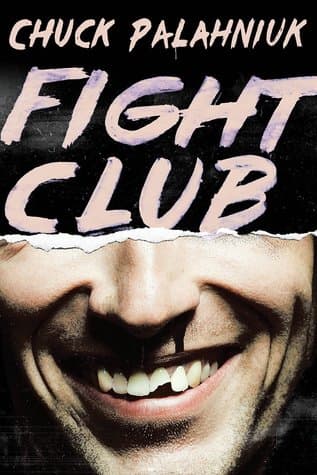
- Fight Club
Chuck Palahniuk
4.2 (499k) average on GoodreadsThrillerShares Palahniuk's signature dark satire, unreliable narration, and themes of societal critique and rebellion.
- American Psycho
Bret Easton Ellis
3.8 (242k) average on GoodreadsThrillerFeatures a disturbing psychological descent, graphic content, and a cynical view of modern society.
- Gone Girl
Gillian Flynn
4.1 (2.3M) average on GoodreadsThrillerInvolves a complex mystery, unreliable narrators, and a dark exploration of marriage and identity.
- The Secret History
Donna Tartt
3.9 (2k) average on GoodreadsPoliticsWhile both novels explore dark secrets and obsession within a closed community, Tartt's focus is on intellectual elitism and academic hubris leading to murder, whereas Palahniuk's Diary critiques the manipulative power of art and consumerism within a cult-like artistic conspiracy. Tartt's narrative is more classically structured and character-driven, while Palahniuk employs a more transgressive style and unreliable narration to heighten psychological disorientation.
- Angels & Demons
Dan Brown
3.9 (2.7M) average on GoodreadsThrillerA Harvard symbologist races through Rome's ancient sites, deciphering cryptic clues to unmask the Illuminati and stop a vengeful plot to destroy the Vatican with a stolen antimatter weapon.
- The Girl on the Train
Paula Hawkins
3.9 (2.1M) average on GoodreadsThrillerA woman’s fascination with a seemingly perfect couple she watches from her daily train commute leads her into a dark investigation when she witnesses something that shatters their idyllic image.





Enjoyed the summary?
A summary gives you the shape of the book. The book itself has the detail, the examples and the voice.
Find Diary on AmazonAs an Amazon Associate, BookBrief earns from qualifying purchases. How we're funded