

Synopsis
Covers the whole plot, including the ending.
- Difficulty
- Medium
- Pacing
- Variable
- Mood
- Reflective, Dark, Suspenseful, Melancholy, Hopeful
- Read it if
- You enjoy character-driven stories with psychological depth, exploring themes of hope, despair, corruption, and the loss of innocence, and appreciate King's storytelling outside of pure horror.
- Skip it if
- You prefer fast-paced, action-heavy plots or are sensitive to dark, disturbing themes including war crimes, child abuse, and graphic violence.
Different Seasons Plot Summary
Covers the whole plot, including the ending.
Rita Hayworth and Shawshank Redemption: Arrival at Shawshank
In 1947, Andy Dufresne, a Portland, Maine banker, is found guilty of murdering his wife and her lover, though he claims innocence. He gets two life sentences at Shawshank State Penitentiary. When he arrives, Andy sees the harsh prison life, the violence, and the control of Warden Samuel Norton and his guards, especially Captain Byron Hadley. Andy is quiet at first, struggling to adjust. He watches the prison's social rules, including the illegal trade of items run by Ellis 'Red' Redding, an inmate known for getting things from outside.
Rita Hayworth and Shawshank Redemption: The Library and Financial Schemes
Andy's intelligence and quiet strength start to show. He overhears Captain Hadley complaining about taxes on an inheritance and, despite the danger, offers financial advice. This leads to Andy becoming the financial advisor for the guards, and then for Warden Norton himself, who uses Andy to hide money from his corrupt plans. This job gives Andy some protection and benefits, including his own cell. He also starts working in the prison library, which is old and has little money. With effort, he gets regular book and record donations from the state, slowly building it into a useful resource for inmates.
Rita Hayworth and Shawshank Redemption: The Poster and the Tunnel
Over the years, Andy acts resigned while secretly planning his escape. He asks for a rock hammer, saying he likes geology, and later asks Red for a large poster of Rita Hayworth, then other pin-up girls like Marilyn Monroe and Raquel Welch. Unknown to anyone, Andy uses the rock hammer to slowly chip away at his cell wall, hiding the growing hole behind the large posters. The tunnel shows his patience and hope, a secret world he digs over almost two decades, all while doing his duties for Warden Norton and helping other inmates get their GEDs.
Rita Hayworth and Shawshank Redemption: Tommy Williams and the Truth
In the mid-1960s, a young inmate named Tommy Williams comes to Shawshank. Tommy tells Andy that a former cellmate, Elmo Blatch, confessed to the murders Andy was convicted of, giving details only the real killer would know. Andy sees a chance for justice and tells Warden Norton this new evidence, hoping to appeal his case. But Norton, fearing losing his valuable money-laundering accountant and exposing his corruption, refuses to help. Instead, he arranges Tommy's murder, making it look like an escape attempt, and threatens Andy if he ever speaks of it again.
Rita Hayworth and Shawshank Redemption: The Escape
Devastated by Tommy's death and his dashed hopes for legal freedom, Andy decides to carry out his escape plan. One stormy night, after 27 years in Shawshank, he crawls through his tunnel, then through the prison's sewage pipe, coming out into a creek outside the walls. Free, Andy immediately starts the second part of his plan: exposing Warden Norton's corruption. Using the fake identity 'Randall Stevens,' which he had created using documents he laundered for Norton, Andy withdraws all of Norton's illegal money from various banks and mails evidence of the warden's crimes to the local newspaper. When police arrive at Shawshank, Norton kills himself.
Rita Hayworth and Shawshank Redemption: Freedom and Reunion
After Andy's escape and Norton's corruption is revealed, Red is finally paroled after decades of rejections. He struggles to adjust to life outside prison, feeling lost and without purpose, even thinking about breaking parole to return to Shawshank. However, he remembers a promise he made to Andy and a cryptic message about a field near Buxton. Following Andy's directions, Red finds a hidden package with money and a letter from Andy, inviting him to join him in Zihuatanejo, Mexico, a place Andy often dreamed of. Red, full of hope, breaks parole and crosses the border, reuniting with Andy on a beach, both finally free.
Apt Pupil: Todd Bowden's Discovery
In 1974, sixteen-year-old Todd Bowden, a smart and normal high school student in southern California, becomes obsessed with the Holocaust after reading about it. He researches and identifies an elderly German immigrant, Arthur Denker, living in his town, as Kurt Dussander, a former SS-Sturmbannführer and concentration camp commander. Todd confronts Dussander, showing him clear proof of his past. Instead of reporting him, Todd blackmails Dussander, demanding to hear detailed stories of his wartime horrors. This starts a disturbing and dangerous relationship between them.
Apt Pupil: The Parasitic Relationship Deepens
Todd forces Dussander to relive his terrible past, detailing the horrors he caused. This dark obsession starts to corrupt Todd, hurting his grades, social life, and mental state. Dussander, at first scared, slowly regains a twisted sense of power, finding an eager listener for his sadistic memories. Their relationship goes from psychological torture to physical threats. Todd starts small acts of violence, like killing cats, while Dussander, fearing exposure, kills a homeless man who saw him in his SS uniform, burying the body in his backyard. Their lives become tied together in a cycle of manipulation and evil.
Apt Pupil: The Breaking Point and Aftermath
As time passes, the stress of their secret and their mutual corruption takes its toll. Todd's grades drop, and his behavior becomes strange, while Dussander's health worsens. Todd's guidance counselor, Edward French, worries about Todd's decline and visits Dussander's home without notice, where he sees Todd. French later confronts Todd, who, under extreme pressure, tells French some of his darkest thoughts. Meanwhile, Dussander, in the hospital, is recognized by an elderly Jewish concentration camp survivor. Facing exposure, Dussander kills himself. Todd, isolated and deeply troubled, goes on a killing spree, shooting several transient men, before being killed by police, a final act showing his complete loss of humanity.
The Body: The Discovery of Vern Tessio's Body
In the summer of 1960, in Castle Rock, Maine, twelve-year-old Gordie Lachance and his three best friends—Chris Chambers, Teddy Duchamp, and Vern Tessio—are enjoying their last summer before junior high. Vern overhears his older brother, Billy, and his gang talking about finding the body of Ray Brower, a boy who went missing days earlier after being hit by a train. Vern tells his friends, and the four boys decide to go find the body themselves, hoping to be heroes and see a dead person. They set off on a two-day trip through the woods, away from their parents and the dangers of their small town.
The Body: The Journey and Growing Pains
As the boys walk along the railroad tracks, their trip tests their friendships and individual struggles. Gordie, a sensitive and smart boy, deals with the recent death of his older brother, Denny, and his parents' distance. Chris, the tough leader, is burdened by his family's reputation for crime and poverty, wanting a different future. Teddy is odd and quick to anger, often acting out because of his abusive father. Vern is shy and overweight, often made fun of. Along the way, they share stories, face a dangerous junkyard dog, barely escape a train, and camp out, revealing their deepest fears and hopes.
The Body: Finding Ray Brower and the Confrontation
After a long and hard journey, the boys find Ray Brower's body, just as described: lying in the woods, hit by a train. Seeing the dead boy is serious, bringing a harsh reality to their adventure. But their discovery is interrupted by Billy Tessio's gang, led by Ace Merrill, who also decided to find the body after Vern's brother accidentally told them. A tense standoff happens, with Ace's gang trying to claim the body. Chris Chambers, usually quiet, stands up to Ace, threatening him with a gun Gordie had brought, forcing the older boys to leave, leaving the friends shaken but victorious.
The Body: The Aftermath and Lost Innocence
The boys return to Castle Rock, tired and deeply changed by their trip. They decide to report the body anonymously, giving up the fame they first wanted, realizing the experience was more personal. The event marks the end of their childhood. Gordie reflects on how their lives changed: Vern married and had children, Teddy became an outcast due to his mental health, and Chris, despite his hard background, left Castle Rock, became a lawyer, and was killed breaking up a fight. Gordie, now a successful writer, looks back on that summer as the most important moment of his youth, remembering his friends and the boy whose body they found.
The Breathing Method: The Club and Its Rules
David Streeter, a Manhattan lawyer, is invited by his senior partner to a mysterious and exclusive gentlemen's club in New York City. The club has odd rules: members are chosen carefully, and on certain evenings, they gather to hear stories told by an old butler named Stevens. These stories are always unusual, often unsettling, and sometimes seem impossible. David is curious and quickly becomes a regular, drawn into the club's strange atmosphere and the captivating stories shared there. The club is a place for tales that go beyond normal reality, outside everyday experience.
The Breathing Method: Sandra Stansfield's Story
One night, Stevens tells the story of Sandra Stansfield, a determined young woman in the 1930s who, despite what society thought, becomes pregnant outside of marriage. She is set on having her baby using a special 'breathing method' taught by an eccentric doctor, Dr. McCarron. On the night of the birth, a terrible accident happens: a large mirror falls, cutting off Sandra's head. But, to the horror of Dr. McCarron and the nurse, Sandra's body, still connected to the baby by the umbilical cord, keeps breathing and pushing, driven only by her mother's will to bring her child into the world. The baby is born, but Sandra's headless body then dies.
Different Seasons Characters
Andy Dufresne
Protagonist
A quiet, intelligent banker wrongly imprisoned, who meticulously plans his escape.
Andy is a man of quiet strength and immense inner resilience. Wrongfully convicted of murder, he endures decades of brutal prison life at Shawshank with unwavering resolve. His intelligence, financial acumen, and calm demeanor earn him both respect and exploitation. He possesses an indomitable spirit and a deep belief in hope, which he uses to maintain his sanity and meticulously plan his freedom. He is methodical, patient, and able to adapt to the most oppressive circumstances without losing his core identity or humanity.
Relationships: Ellis 'Red' Redding (Closest friend and confidant in prison); Warden Samuel Norton (Exploitative captor and adversary); Captain Byron Hadley (Brutal prison guard and tormentor)
Ellis 'Red' Redding
Narrator/Supporting
A pragmatic, resourceful inmate at Shawshank, known for acquiring contraband.
Red is a long-term inmate at Shawshank, known for his ability to 'get things' for other prisoners. He is a survivor, pragmatic and cynical about the prison system, having been denied parole multiple times. He becomes Andy's closest friend and the primary narrator of 'Rita Hayworth and Shawshank Redemption,' offering an outsider's perspective on Andy's extraordinary journey. Red's initial cynicism slowly erodes as he witnesses Andy's enduring hope, eventually finding his own hope for freedom through Andy's inspiration.
Relationships: Andy Dufresne (Closest friend and source of inspiration)
Warden Samuel Norton
Antagonist
The corrupt, hypocritical warden of Shawshank Prison.
Warden Norton is the embodiment of institutional corruption and hypocrisy. He projects an image of piety and strict discipline, often quoting scripture, while secretly running vast money-laundering schemes and exploiting inmates, particularly Andy. He is ruthless, power-hungry, and utterly devoid of empathy, willing to murder to protect his secrets and maintain his control. His self-righteousness masks a deep venality, making him a formidable and morally bankrupt antagonist.
Relationships: Andy Dufresne (Exploits Andy for financial gain, then attempts to silence him); Captain Byron Hadley (Enforcer of his brutal regime)
Todd Bowden
Protagonist/Antagonist
A seemingly ordinary teenager who becomes obsessed with a Nazi war criminal.
Todd is initially presented as a bright, intelligent high school student with a morbid curiosity about the Holocaust. This curiosity quickly devolves into a dark obsession, leading him to blackmail Kurt Dussander. Todd is manipulative and psychologically disturbed, finding a perverse thrill in extracting gruesome stories from Dussander. His innocence is rapidly corrupted, and he becomes increasingly isolated, violent, and morally bankrupt, unable to escape the psychological hold of his secret and his 'apt pupil' persona.
Relationships: Kurt Dussander (Blackmailer and psychological torturer, then victim and accomplice)
Kurt Dussander (Arthur Denker)
Antagonist
A former Nazi SS officer living in hiding, haunted by his past.
Dussander, living under the alias Arthur Denker, is a former SS-Sturmbannführer and concentration camp commandant. He is a chilling figure, initially presented as a frail old man, but his true nature as a sadistic murderer is slowly revealed through Todd's interrogation. He is a master manipulator, capable of feigning fear and vulnerability while secretly relishing the opportunity to relive his atrocities. His past defines him, and his reawakened evil ultimately leads to further violence and his demise.
Relationships: Todd Bowden (Blackmailed by Todd, then becomes his psychological tormentor and accomplice)
Gordie Lachance
Narrator/Protagonist
A sensitive and intelligent young boy grappling with loss and adolescence.
Gordie is the introspective and imaginative narrator of 'The Body,' reflecting on his childhood adventure from an adult perspective. As a twelve-year-old, he is grappling with the recent death of his beloved older brother, Denny, and his parents' subsequent emotional neglect. He finds solace and understanding in his friendships and his burgeoning talent for storytelling. He is observant, thoughtful, and often the moral compass of the group, deeply affected by the experiences he shares with his friends.
Relationships: Chris Chambers (Best friend and closest confidant); Teddy Duchamp (Friend, often an object of concern); Vern Tessio (Friend, less respected but part of the core group)
Chris Chambers
Protagonist/Supporting
Gordie's best friend, a tough but sensitive boy from a troubled family.
Chris is the de facto leader of the four boys in 'The Body.' He comes from a notoriously criminal and impoverished family, leading to him being unfairly judged and stereotyped by the town. Despite his rough exterior and tough talk, Chris is deeply intelligent, sensitive, and fiercely loyal. He harbors dreams of escaping his family's reputation and achieving something more with his life, often confiding these aspirations in Gordie. He is the most protective and courageous of the group, standing up for his friends when it matters most.
Relationships: Gordie Lachance (Best friend and closest confidant); Teddy Duchamp (Friend); Vern Tessio (Friend)
Teddy Duchamp
Supporting
An eccentric and volatile friend, marked by a traumatic past.
Teddy is one of the four boys in 'The Body,' characterized by his eccentricities and unpredictable behavior. He is fiercely loyal but also prone to outbursts, often triggered by references to his father, a D-Day veteran who suffered severe mental trauma and abused Teddy. He is reckless and defiant, particularly towards authority figures, but also possesses a childlike innocence and a deep bond with his friends. His future is clouded by the psychological scars of his upbringing.
Relationships: Gordie Lachance (Friend); Chris Chambers (Friend); Vern Tessio (Friend)
Vern Tessio
Supporting
The timid, overweight friend who initiates the quest to find the body.
Vern is the fourth member of the group in 'The Body,' often portrayed as the most timid and least respected. He is overweight, easily frightened, and frequently the butt of his friends' jokes, though they genuinely care for him. It is Vern who overhears his older brother talking about Ray Brower's body, inadvertently setting off the boys' adventure. Despite his insecurities, he is a loyal part of the group, representing a more naive and vulnerable aspect of their shared childhood.
Relationships: Gordie Lachance (Friend); Chris Chambers (Friend); Teddy Duchamp (Friend); Billy Tessio (Older brother and leader of a rival gang)
David Streeter
Protagonist/Narrator
A lawyer who becomes a member of an exclusive and mysterious gentlemen's club.
David Streeter is the curious and somewhat naive narrator of 'The Breathing Method.' He is a successful Manhattan lawyer who finds himself drawn into the enigmatic world of a private gentlemen's club. He is an observer, intrigued by the club's arcane rules and the extraordinary stories told within its walls. David represents the reader's entry into the fantastical and unsettling narratives, his reactions mirroring our own as he grapples with the impossible events recounted by Stevens.
Relationships: Stevens (The club's butler and storyteller)
Stevens
Supporting
The ancient, mysterious butler of the gentlemen's club and a master storyteller.
Stevens is the enigmatic and ancient butler of the exclusive gentlemen's club in 'The Breathing Method.' He is the primary storyteller, recounting tales that often border on the impossible and supernatural with a calm, detached demeanor. His true age and nature are left ambiguous, adding to the club's mystique. Stevens serves as the gatekeeper to stories that challenge the boundaries of reality, suggesting a deeper, more profound understanding of the world than ordinary people possess.
Relationships: David Streeter (Tells stories to David and other club members)
Different Seasons Themes
Hope and Resilience
This theme is most clear in 'Rita Hayworth and Shawshank Redemption,' where Andy Dufresne shows strong hope for freedom despite decades in prison. His careful, long-term escape plan shows hope's power to keep the human spirit alive. Even with brutal guards, corrupt wardens, and his legal appeal denied, Andy never gives up on his freedom. This hope spreads, eventually inspiring Red to break free from his own despair. The story shows how hope, even in the darkest places, can be a strong force for survival and success.
“Hope is a good thing, maybe the best of things, and no good thing ever dies.”
Loss of Innocence
Deeply explored in 'The Body,' this theme shows the move from childhood to adolescence. The four boys' search for Ray Brower's body is a coming-of-age journey. Seeing death firsthand, facing their own mortality, and dealing with violence and betrayal from Ace Merrill's gang changes how they see the world. The trip takes away their innocence, forcing them to face life's harshness and the temporary nature of childhood friendships. Gordie's adult narration highlights how this loss is permanent, remembering the summer as the end of an era.
“I never had any friends later on like the ones I had when I was twelve. Jesus, does anyone?”
The Nature of Evil and Corruption
'Apt Pupil' offers a disturbing look at evil and its corrupting influence. Kurt Dussander shows the capacity for extreme human wickedness, while Todd Bowden's fall into sadism shows how exposure to evil can corrupt an innocent mind. The story suggests that evil is not just outside us, but can grow within people, leading to a relationship where both people are involved in their mutual destruction. Similarly, Warden Norton in 'Shawshank' shows institutional corruption, how power can be used to continue injustice and exploit the vulnerable for personal gain.
“He knew, with a terrible, cold certainty, that he was walking into something that was going to change his life forever, and not for the better.”
The Power of Storytelling
This theme is throughout the collection, most clearly in 'The Breathing Method' and 'The Body.' In 'The Breathing Method,' the mysterious club is all about sharing unusual stories, suggesting their power to entertain, mystify, and connect people to experiences beyond their own. In 'The Body,' Gordie Lachance's growing talent as a storyteller is central, giving him an escape from grief and a way to understand his experiences. His adult narration frames the whole adventure as a deep story, showing how stories shape our understanding of the past and ourselves, giving meaning to shared experiences and keeping memories alive.
“Stories are like air, essential for breathing, even if you can't see them.”
Freedom vs. Imprisonment (Literal and Figurative)
This theme is central to 'Rita Hayworth and Shawshank Redemption,' where Andy's physical imprisonment contrasts with his mental and spiritual freedom, kept alive through hope and planning. Red's struggle with parole highlights the psychological 'imprisonment' of institutionalization, even after physical release. In 'Apt Pupil,' Todd and Dussander are both trapped by their shared secret and their growing evil, unable to escape the psychological chains they create. 'The Body' explores a more subtle imprisonment – the limits of small-town life, family expectations, and the societal boxes placed on people, which the boys briefly escape through their adventure.
“Some birds aren't meant to be caged, that's all. Their feathers are too bright.”
Plot Devices & Literary Techniques
First-Person Narration
Stories told through the eyes of a central character, offering intimate perspective.
In 'Rita Hayworth and Shawshank Redemption,' Red's narration provides an inmate's perspective on Andy's journey, making the extraordinary events feel grounded and real through his cynical yet ultimately hopeful voice. In 'The Body,' Gordie Lachance's adult narration lends a nostalgic, reflective, and poignant tone to the childhood adventure, allowing for insight into the long-term impact of the events. This device allows for deep character insight and emotional resonance, shaping how the reader perceives the story's themes and events.
Frame Story
A story within a story, often used to introduce or contextualize a main narrative.
'The Breathing Method' is entirely a frame story. David Streeter's experience in the mysterious gentlemen's club serves as the outer frame, introducing the setting and the character of Stevens, the storyteller. The main narrative—the chilling tale of Sandra Stansfield's birth—is then recounted by Stevens within this frame. This device adds an element of mystery and ritual to the storytelling, making the inner story feel more profound and unsettling, as if it's a secret shared within an exclusive circle.
Symbolism of Names/Objects
Using specific names or objects to represent deeper meanings.
In 'Shawshank,' the posters of Rita Hayworth and other pin-up girls symbolize Andy's enduring hope and his hidden escape. They represent beauty, freedom, and the outside world, literally covering up his path to liberation. The rock hammer symbolizes patience, meticulous planning, and the slow but steady chipping away at oppression. In 'The Body,' Ray Brower's body itself symbolizes the loss of innocence and the harsh reality of mortality that the boys confront, marking their transition into adolescence.
Foreshadowing
Hints or clues about future events, building suspense and thematic resonance.
In 'Shawshank,' Andy's casual request for a rock hammer and later the large poster subtly foreshadow his long-term escape plan, though its true purpose isn't revealed until much later. In 'Apt Pupil,' the early descriptions of Todd's intense curiosity about the Holocaust and his fascination with evil foreshadow his eventual moral corruption. In 'The Body,' Gordie's adult narration frequently hints at the tragic fates of his friends, adding a layer of melancholy and inevitability to the childhood adventure.
Coming-of-Age Narrative
A story focusing on the psychological and moral growth of a protagonist from youth to adulthood.
'The Body' is a quintessential coming-of-age story. It chronicles the pivotal summer when Gordie, Chris, Teddy, and Vern confront themes of death, friendship, loyalty, and their own identities. The journey to find Ray Brower's body acts as a catalyst for their growth, forcing them to shed their childhood innocence and face the complexities of the adult world. Gordie's adult reflections emphasize the transformative power of this specific period in their lives, marking the end of one phase and the beginning of another.
Different Seasons Quotes
“Get busy living, or get busy dying.”
“Hope is a good thing, maybe the best of things, and no good thing ever dies.”
“These walls are funny. First you hate 'em, then you get used to 'em. Enough time passes, gets so you depend on 'em. That's institutionalized.”
“Some birds aren't meant to be caged, that's all. Their feathers are too bright.”
“And I find I'm so excited, I can barely sit still or hold a thought in my head. I think it's the excitement only a free man can feel, a free man at the start of a long journey whose conclusion is uncertain.”
“The most important things are the hardest to say. They are the things you get ashamed of, because words diminish them.”
“I never had any friends later on like the ones I had when I was twelve. Jesus, does anyone?”
“It was a dark and stormy night.”
“You can kill the body, but you can't kill the soul.”
“The world had teeth and it could bite you with them anytime it wanted.”
“Maybe you could just... you know... stick your head in the oven.”
“He knew that the dead don't care, but that the living do.”
“The truth will set you free, but first it will make you miserable.”
“Sometimes the things that may or may not be true are the things a man most needs to believe in.”
“Life is a mystery, and it remains one.”
Quiz
10 questions on the plot and the characters. Each answer comes with a short explanation.
Question 1
In 'Rita Hayworth and Shawshank Redemption,' what item does Andy Dufresne initially request from Red that is crucial for his escape plan?
- A deck of playing cards
- A rock hammer
- A Bible
- A poster of Marilyn Monroe
Show answer
B. A rock hammer Andy Dufresne asks Red to procure a rock hammer, which he uses over many years to tunnel through the prison wall.
Question 2
What is the primary motivation behind Todd Bowden's obsession with Kurt Dussander's past in 'Apt Pupil'?
- To expose Dussander to the authorities immediately
- A morbid fascination with the horrors of the Holocaust
- To blackmail Dussander for money
- To write a historical non-fiction book
Show answer
B. A morbid fascination with the horrors of the Holocaust Todd's motivation is a morbid fascination and desire to hear firsthand accounts of the atrocities committed by a Nazi war criminal, feeding a dark curiosity within him.
Question 3
In 'The Body,' what are the four boys searching for when they venture into the woods?
- A lost treasure
- The body of a missing boy
- A secret fort
- Rare birds for a school project
Show answer
B. The body of a missing boy Gordie, Chris, Teddy, and Vern embark on a journey to find the body of Ray Brower, a missing boy hit by a train.
Question 4
What unique club is the setting for the storytelling in 'The Breathing Method'?
- The Black Cat Club
- The Manhattan Club
- The Gentlemen's Club
- The Civility Club
Show answer
D. The Civility Club The story of Sandra is told within the mysterious and exclusive 'Civility Club,' where members share unusual tales.
Question 5
What is the ultimate fate of Norton, the warden of Shawshank Prison, after Andy's escape?
- He is arrested and imprisoned.
- He flees the country and lives in hiding.
- He commits suicide.
- He is exonerated due to lack of evidence.
Show answer
C. He commits suicide. Facing exposure for his corruption and the scandal of Andy's escape, Warden Norton commits suicide rather than face justice.
Question 6
In 'Apt Pupil,' what disturbing habit does Todd Bowden develop as a result of his relationship with Dussander?
- He begins collecting Nazi memorabilia.
- He starts torturing small animals.
- He begins killing vagrants.
- He develops an addiction to alcohol.
Show answer
C. He begins killing vagrants. As their mutual parasitism deepens, Todd begins to commit murders, preying on vagrants, a dark manifestation of the evil Dussander awakens in him.
Question 7
What significant personal loss does Gordie LaChance experience before the events of 'The Body' that deeply affects him?
- His parents divorce
- His older brother dies
- He fails a crucial exam
- His dog runs away
Show answer
B. His older brother dies Gordie's older brother, Denny, dies in a jeep accident, leaving Gordie feeling overlooked and unloved by his grieving parents.
Question 8
The theme of 'unjust imprisonment' is central to which novella?
- Apt Pupil
- The Body
- Rita Hayworth and Shawshank Redemption
- The Breathing Method
Show answer
C. Rita Hayworth and Shawshank Redemption Andy Dufresne's wrongful conviction and subsequent incarceration for a crime he didn't commit is the core premise of 'Rita Hayworth and Shawshank Redemption'.
Question 9
In 'The Breathing Method,' what supernatural or impossible event occurs during Sandra's childbirth?
- She gives birth to twins, despite only expecting one.
- Her head detaches from her body but continues to speak.
- The baby is born speaking full sentences.
- She gives birth underwater without assistance.
Show answer
B. Her head detaches from her body but continues to speak. Despite a horrific accident that decapitates her, Sandra's head continues to guide her body through the birthing process, demonstrating her fierce determination.
Question 10
What is the overarching psychological impact of the 'mutual parasitism' between Todd Bowden and Kurt Dussander in 'Apt Pupil'?
- It leads to Dussander's redemption and Todd's moral awakening.
- It results in both characters becoming increasingly depraved and destructive.
- Todd eventually exposes Dussander, leading to justice.
- They form a strange, albeit functional, friendship.
Show answer
B. It results in both characters becoming increasingly depraved and destructive. The relationship corrupts both individuals: Todd's latent evil is awakened, and Dussander is revitalized by recounting his past horrors, leading to a downward spiral for both.
Different Seasons FAQ
What is the central premise of 'Rita Hayworth and Shawshank Redemption'?
The novella follows Andy Dufresne, a successful banker wrongly convicted of murdering his wife and her lover, as he endures decades of brutal imprisonment in Shawshank State Prison. Over nearly thirty years, he meticulously plans and executes an elaborate escape, all while quietly inspiring hope and small acts of defiance among his fellow inmates, particularly his friend Red.
Who is Todd Bowden in 'Apt Pupil' and what is his initial motivation?
Todd Bowden is a seemingly perfect, intelligent high school student who discovers his elderly neighbor, Arthur Denker, is actually Kurt Dussander, a notorious Nazi war criminal. Todd's initial motivation is a morbid fascination with the Holocaust and a desire to hear firsthand accounts of Dussander's atrocities, which he blackmails Dussander into providing.
What brings the four boys together in 'The Body' and what are they searching for?
Gordie Lachance, Chris Chambers, Teddy Duchamp, and Vern Tessio are a group of friends living in Castle Rock, Maine, during the summer of 1960. They embark on a quest to find the dead body of Ray Brower, a boy their age who has gone missing and is rumored to have been hit by a train, hoping to become local heroes.
What is unique about the storytelling in 'The Breathing Method'?
'The Breathing Method' is framed as a story told within a mysterious, exclusive gentlemen's club in New York City, the 'Ditto Club.' Dr. McCarron, a member, recounts a bizarre and ultimately supernatural tale about a woman's unwavering determination to give birth, even after a horrific accident.
How does Andy Dufresne manage to smuggle out the excavated dirt from his tunnel in Shawshank?
Andy cleverly disposes of the excavated dirt by scattering small amounts of it in the prison yard during his daily exercise periods. He carries the dirt out in his pockets, slowly distributing it over many years, ensuring the amounts are small enough not to arouse suspicion from guards.
What is the significance of the 'dugout' in 'The Body'?
The 'dugout' is a secret hideout that the four boys, Gordie, Chris, Teddy, and Vern, have built in the woods near their homes. It serves as a private sanctuary where they share secrets, dreams, and fears, solidifying their bond and representing their escape from the troubles of their respective home lives.
How does Kurt Dussander's past eventually catch up to him in 'Apt Pupil', despite Todd's blackmail?
Dussander's past is nearly exposed when a concentration camp survivor recognizes him on a bus, leading to a police investigation. Although Todd manages to deflect the immediate danger, Dussander later dies of a heart attack during a police interview, and Todd's own dark transformation is revealed when he commits unrelated murders.
What is the true nature of the 'Breathing Method' itself in the titular novella?
The 'Breathing Method' is a specific technique for childbirth that Dr. McCarron teaches, involving focused breathing and mental fortitude. However, in the story, it takes on a supernatural dimension, allowing Sandra, the pregnant woman, to continue her labor and give birth even after being decapitated in a car accident, through sheer willpower.
Discuss the psychological impact of institutionalization on characters like Brooks Hatlen in 'Rita Hayworth and Shawshank Redemption'.
Brooks Hatlen exemplifies the devastating psychological impact of institutionalization, becoming so accustomed to prison life after decades that he cannot cope with freedom. His release leads to profound despair, loneliness, and ultimately suicide, highlighting how the prison environment can strip individuals of their ability to function in the outside world.
How does Todd Bowden's relationship with Kurt Dussander in 'Apt Pupil' corrupt him psychologically?
Todd's relationship with Dussander is a mutual parasitism that profoundly corrupts him, transforming him from an innocent boy into a nascent psychopath. By indulging in Dussander's horrific stories and participating in his 'games,' Todd's moral compass erodes, leading him to commit his own acts of violence and manipulation, effectively inheriting Dussander's darkness.
Analyze the role of trauma and dysfunctional families in shaping the boys' lives in 'The Body'.
Each boy in 'The Body' comes from a dysfunctional family background, experiencing varying degrees of neglect, abuse, or the trauma of losing a sibling. Gordie struggles with his parents' favoritism towards his dead brother, Chris endures an abusive home and a family reputation for criminality, and Teddy and Vern also face parental neglect, driving them to find solace and identity within their friendship.
What psychological elements contribute to Sandra's extraordinary determination in 'The Breathing Method'?
Sandra's extraordinary determination stems from her deep love for her unborn child and an unwavering will to experience motherhood, despite being an unwed mother in a less accepting era. This powerful maternal instinct, combined with her focus on the breathing method, allows her to transcend physical limitations and defy death itself to ensure her baby's birth.
Is Andy Dufresne a truly heroic figure, or is his long-term deception morally ambiguous?
Andy Dufresne is largely portrayed as a heroic figure due to his resilience, his refusal to be broken by the system, and his efforts to bring small comforts and hope to other inmates. However, his long-term deception, while admirable in its execution, does involve a calculated manipulation of others, which some might view as a morally ambiguous means to an ultimately justified end.
To what extent is Todd Bowden truly a victim in 'Apt Pupil', or is he inherently evil?
While Todd initially seeks out Dussander, he becomes a victim of his own curiosity and Dussander's manipulative influence, which unleashes a latent darkness. However, the novella strongly suggests an inherent capacity for evil within Todd, as he not only participates eagerly but also escalates his own cruelties, ultimately becoming a predator himself rather than just a passive recipient of corruption.
What is the ultimate message about friendship and loss conveyed in 'The Body'?
'The Body' powerfully conveys the bittersweet nature of childhood friendship and the inevitability of loss, both of innocence and of the bonds themselves. The journey to find Ray Brower's body becomes a metaphor for the boys' transition into adolescence, and though their friendship is profound, the narrator's reflection as an adult emphasizes that such intense connections are often fleeting, eventually fading with time and divergent paths.
Does 'The Breathing Method' primarily serve as a horror story, or does it explore deeper themes?
While 'The Breathing Method' certainly contains elements of the grotesque and supernatural horror, it also explores deeper themes of the indomitable human spirit, particularly maternal love, and the power of will. The horror serves to amplify the almost mythical determination of Sandra, elevating the story beyond simple shock to a contemplation of life's ultimate mysteries and the strength of the human psyche.
How do the themes of justice and injustice manifest differently across the novellas in 'Different Seasons'?
Justice and injustice are central to all four novellas, but manifest differently: 'Shawshank' depicts the ultimate triumph over unjust imprisonment; 'Apt Pupil' explores the failure of justice to punish a war criminal and the subsequent psychological corruption it fosters; 'The Body' deals with the injustice of childhood trauma and the arbitrary nature of death; and 'The Breathing Method' focuses on a personal, almost cosmic 'justice' in fulfilling a life's purpose despite horrific circumstances.
What role does hope play in 'Rita Hayworth and Shawshank Redemption'?
Hope is the driving force behind Andy Dufresne's survival and ultimate escape, as he nurtures it meticulously over decades, embodying his famous line 'Hope is a good thing, maybe the best of things, and no good thing ever dies.' He also instills hope in Red and other inmates, demonstrating its power as a psychological tool for endurance against despair.
How does the setting of Castle Rock influence the narrative of 'The Body'?
Castle Rock, a recurring fictional town in King's works, serves as a quintessential small-town American backdrop for 'The Body,' representing both childhood innocence and underlying darkness. Its isolation and the close-knit community dynamics amplify the boys' adventure and the sense of danger lurking just beyond the familiar, making their journey into the woods a symbolic departure from their 'safe' world.
About the author

Stephen Edwin King is an American author of horror, supernatural fiction, suspense, crime, science-fiction, and fantasy novels. Described as the "King of Horror", his books have sold more than 350 million copies as of 2006, and many have been adapted into films, television series, miniseries, and comic books. King has published over 65 novels/novellas, including seven under the pen name Richard Bachman, and five non-fiction books. He has also written approximately 200 short stories, most of which have been published in book collections.
Similar books
- The Green Mile
Stephen King
4.5 (249k) average on GoodreadsThrillerExplores themes of injustice, supernatural elements in prison, and human resilience.
- The Ocean at the End of the Lane
Neil Gaiman
4.0 (481k) average on GoodreadsFantasyFeatures a reflective, slightly dark tone with elements of childhood wonder and trauma.
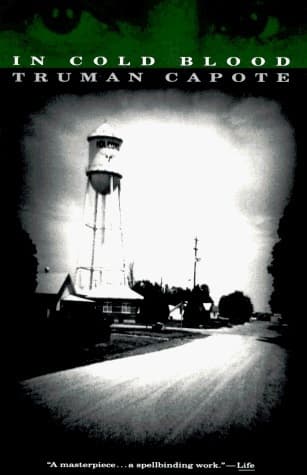
- In Cold Blood
Truman Capote
4.1 (529k) average on GoodreadsThriller"Apt Pupil" shares a similar chilling examination of human depravity and the psychological manipulation between individuals, though Capote's work is non-fiction. Both delve into the dark corners of the human psyche without relying on supernatural elements, focusing instead on the inherent evil within.
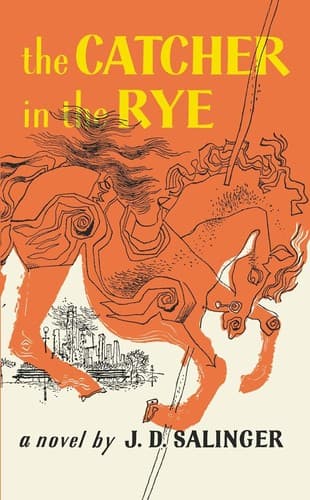
- The Catcher in the Rye
J.D. Salinger
3.8 (2.7M) average on GoodreadsYoung Adult"The Body" can be compared to Salinger's classic for its authentic portrayal of adolescent angst, the search for identity, and the painful journey from innocence to experience. Both novels capture the distinct voice and emotional turmoil of young protagonists grappling with the complexities of the adult world and the loss of childhood.
- One Flew Over the Cuckoo's Nest
Ken Kesey
4.2 (631k) average on GoodreadsPsychology"Rita Hayworth and Shawshank Redemption" resonates with Kesey's novel in its depiction of an individual's struggle against an oppressive, dehumanizing institution. Both feature charismatic protagonists who challenge the system and offer glimmers of hope and rebellion to their fellow inmates, highlighting themes of freedom, sanity, and the power of the human spirit.
- Angels & Demons
Dan Brown
3.9 (2.7M) average on GoodreadsThrillerA Harvard symbologist races through Rome's ancient sites, deciphering cryptic clues to unmask the Illuminati and stop a vengeful plot to destroy the Vatican with a stolen antimatter weapon.




Enjoyed the summary?
A summary gives you the shape of the book. The book itself has the detail, the examples and the voice.
Find Different Seasons on AmazonAs an Amazon Associate, BookBrief earns from qualifying purchases. How we're funded