

Estimated read time: 5 min read
One Sentence Summary
A gifted musician's gradual descent into moral decay and self-destruction after making a pact with the devil.
Table of Contents
Introduction
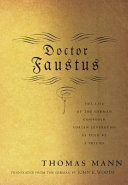
"Doctor Faustus" is a novel by German author Thomas Mann, first published in 1947. This thought-provoking work is a reimagining of the Faust legend, set in the context of early 20th-century Germany. Through the protagonist, Adrian Leverkühn, Mann explores themes of creativity, genius, and the moral and spiritual decay of a society on the brink of catastrophe.
Brief Synopsis
Plot Overview
The novel is narrated by Serenus Zeitblom, a close friend of Adrian Leverkühn. Zeitblom recounts Leverkühn's life from their childhood in the small German town of Kaisersaschern to his rise as a renowned composer. Leverkühn’s genius is overshadowed by the Faustian pact he makes with a mysterious figure named Socrates, which propels his artistic prowess but leads to his moral and mental decline.
Setting
The story is set in Germany during the early 20th century, spanning from the late 19th century to the aftermath of World War II. The backdrop of political and social upheaval serves as a crucial element in the narrative, influencing the characters' decisions and fates.
Main Characters
The novel features several significant characters, but the central figures include:
| Character | Description |
|---|---|
| Adrian Leverkühn | A gifted and tormented composer who makes a pact with a mysterious figure for artistic brilliance. |
| Serenus Zeitblom | The narrator and Leverkühn's close friend, a humanist and academic deeply fascinated by Leverkühn. |
| Socrates | The enigmatic figure with whom Leverkühn strikes a Faustian bargain, leading to his downfall. |
| Nepomuk | Leverkühn's devoted servant and confidant, witnessing his master's descent into madness. |
Summary of Different Story Points over Chapters
Chapter 1-4: Childhood and Early Years
The narrative delves into Leverkühn's childhood in Kaisersaschern, his burgeoning interest in music, and his intellectual pursuits. His bond with Zeitblom is established, providing insights into their lifelong friendship.
Chapter 5-8: Artistic Ascension and Pact with Socrates
Leverkühn's musical genius becomes evident as he gains recognition in the artistic circles of Munich. He becomes increasingly influenced by Socrates, leading to his decision to trade his soul for creative brilliance.
Chapter 9-12: Decline and Descent
As Leverkühn's fame grows, his inner turmoil and descent into madness become more pronounced. The consequences of his pact with Socrates begin to unravel, affecting his relationships and mental stability.
Chapter 13-16: World War I and Societal Turmoil
The backdrop of World War I and the ensuing societal changes impact Leverkühn and Zeitblom. The narrative delves into the broader implications of war and upheaval on art, culture, and individual morality.
Chapter 17-20: The Rise of Nazism and Leverkühn's Tragic End
The looming specter of Nazism casts a shadow over Leverkühn's life, culminating in his tragic demise. Zeitblom reflects on the moral decay of society and the toll it takes on his friend, ultimately leading to a haunting and poignant conclusion.
Main Events
- Leverkühn's artistic triumphs and his pact with Socrates.
- The impact of World War I on Leverkühn's psyche and the broader society.
- The rise of Nazism and its influence on Leverkühn's fate.
- Leverkühn's descent into madness and the toll it takes on his relationships.
Themes and Insights
Themes
- Artistic Genius and Sacrifice: The novel explores the price of artistic brilliance and the moral dilemmas faced by creative individuals.
- Societal Decay: Mann delves into the disintegration of moral and ethical values in the face of political and social upheaval, particularly during the rise of Nazism.
- Faustian Bargain: The age-old theme of making a pact with the devil for extraordinary abilities is reimagined in the context of Leverkühn's musical genius.
Insights
- The novel offers a profound meditation on the nature of creativity and the Faustian nature of artistic pursuit.
- Mann's exploration of the societal and political landscape of Germany provides valuable insights into the moral and spiritual challenges faced by individuals during times of crisis.
Reader's Takeaway
"Doctor Faustus" offers a compelling and introspective journey into the complexities of artistic genius, moral dilemmas, and the societal impact of political upheaval. Readers will find themselves engrossed in the profound character study of Adrian Leverkühn and the thought-provoking exploration of timeless themes.
Conclusion
Thomas Mann's "Doctor Faustus" stands as a timeless masterpiece that delves into the intricacies of artistic brilliance, moral decay, and societal upheaval. Leverkühn's tragic descent and the broader implications on the fabric of society make this novel a poignant and thought-provoking work that continues to resonate with readers across generations.
Doctor Faustus FAQ
What is the main theme of Doctor Faustus?
The main theme of Doctor Faustus revolves around the conflict between art and morality, the struggle for artistic genius, and the consequences of making a pact with the devil.
Who is the author of Doctor Faustus?
The author of Doctor Faustus is Thomas Mann, a renowned German novelist and Nobel Prize winner.
What is the plot of Doctor Faustus?
Doctor Faustus tells the story of the composer Adrian Leverkühn, who makes a pact with the devil for artistic genius. The novel follows his life and the consequences of his Faustian bargain.
What is the historical context of Doctor Faustus?
Doctor Faustus is set in Germany during the rise of the Nazi regime and World War II, reflecting the cultural and political turmoil of the time.
What are the major symbols in Doctor Faustus?
Some major symbols in Doctor Faustus include music as a metaphor for artistic genius, the figure of Faust as a representation of the artist's ambition, and the devil as a symbol of the consequences of unchecked desire for power and creativity.



