
Estimated read time: 8 min read
One Sentence Summary
"Doctor Glas" follows a morally conflicted physician in late 19th-century Stockholm as he contemplates murder to free a woman from her oppressive marriage.
Table of Contents
Introduction
Imagine strolling the sunlit streets of fin-de-siècle Stockholm, where the air is thick with intellectual ferment and moral ambiguity. It’s here that Doctor Glas, a slender but powerful novel by Hjalmar Söderberg, unfolds—a psychological drama that shocks, seduces, and lingers with readers long after its final page. First published in 1905, Doctor Glas is a daring exploration of ethical dilemmas, forbidden passions, and the shadows lurking within the human soul. It’s a book that has scandalized, inspired, and haunted generations—a must-read for anyone fascinated by the tangled web of morality, medicine, and desire.
Historical Context
Set during the turn of the twentieth century, Doctor Glas captures the intellectual and social upheavals of Sweden’s Belle Époque. The late 1800s and early 1900s saw Sweden grappling with rapid modernization, rising secularism, and the emergence of new philosophies questioning tradition and religion.
Key Historical Influences
- Medical Ethics: The era witnessed heated debates about euthanasia, abortion, and the moral responsibilities of physicians—central concerns in the novel.
- Women’s Rights: The women’s suffrage movement was gaining momentum, making issues of marriage, autonomy, and sexuality especially resonant.
- Philosophical Change: Thinkers like Nietzsche, Freud, and Strindberg were challenging established morality and the nature of human motivation.
Notable Figures and Inspirations
Hjalmar Söderberg drew inspiration from both personal experience and the intellectual climate of his time. The protagonist’s existential soul-searching echoes Dostoevsky, while the novel’s candor about sexuality and hypocrisy recalls the work of August Strindberg.
Brief Synopsis
Plot Overview
Doctor Glas is told through the diary entries of Tyko Gabriel Glas, a respected but emotionally isolated physician in Stockholm. Glas is tormented by his feelings for Helga Gregorius, a beautiful young woman married to the repellent Reverend Gregorius. Helga confides in Glas about her marital misery and unwanted conjugal demands. As the boundaries between healer and confidant blur, Glas is drawn into a dangerous web of obsession, moral reasoning, and forbidden love—ultimately confronting the question: how far should one go in the name of compassion or justice?
Setting
The story is set in Stockholm during one languid, stifling summer—an atmosphere so vividly rendered you’ll feel the oppressive heat and hear the city’s distant bells. The urban landscape, with its leafy parks and shadowy corners, mirrors Glas’s internal turmoil. The city is both a backdrop and a character, embodying the tension between public respectability and private longing.
Main Characters
Here’s a quick reference table for the central characters:
| Name | Role | Key Traits | Importance to Plot |
|---|---|---|---|
| Tyko Gabriel Glas | Protagonist, physician | Introspective, lonely, conflicted | Narrator; moral center and instigator of plot |
| Helga Gregorius | Patient, love interest | Beautiful, desperate, vulnerable | Catalyst for Glas’s emotional and ethical crisis |
| Reverend Gregorius | Antagonist, Helga’s husband | Hypocritical, repulsive, pious | Represents oppressive morality and Glas’s target |
| Markel | Journalist, Helga’s lover | Passionate, idealistic | Represents an alternative to Glas’s passivity |
| Klas Recke | Glas’s friend, medical colleague | Rational, pragmatic | Provides Glas with contrasting viewpoint |
Plot Summary
The Summer of Discontent
Doctor Glas opens in the suffocating heat of a Stockholm summer. Dr. Glas, a respected physician, chronicles his daily routines and philosophical musings in his diary. He’s a man of science but also of deep, unfulfilled longing, haunted by his inability to connect with others—especially women.
Helga’s Confession
One day, Helga Gregorius—a patient and the much younger wife of the elderly Reverend Gregorius—visits Glas. She reveals her misery: her husband’s constant sexual demands have left her exhausted and desperate. She begs Glas for help, hoping for a medical excuse to deny her husband. Glas is moved by her plight and secretly infatuated with her.
Blurred Boundaries
Glas’s professional detachment erodes as he becomes emotionally entangled with Helga. He struggles to find a medical justification to intervene but finds none. Meanwhile, his own feelings for Helga intensify, pushing him to the brink of obsession.
The Moral Quandary
As Helga’s suffering continues, Glas’s resentment toward Reverend Gregorius grows. He is repulsed by the Reverend’s hypocrisy and self-righteousness. Glas begins to rationalize acts that would once have seemed unthinkable, justifying them as medical mercy or moral necessity.
The Final Descent
Without giving away the novel’s climactic resolution, suffice it to say that Glas is eventually forced to confront the limits of his own morality, the consequences of unchecked obsession, and the dark side of idealism. The final chapters are suffused with tension, ambiguity, and the echo of unanswerable questions.
Themes and Motifs
1. Moral Ambiguity
Doctor Glas is a masterclass in ethical gray areas. Should a doctor ever intervene in a patient’s private life? Is it ever right to commit a crime for a higher good? The novel offers no easy answers, inviting readers to wrestle with their own beliefs.
2. Alienation and Loneliness
Glas is a textbook case of existential isolation. His diary is a cry for connection in a world that prizes appearances over authenticity. The novel’s urban setting underscores this theme, with crowded streets and empty hearts.
3. The Tyranny of Social Norms
Marriage, religion, and respectability—Doctor Glas exposes the ways these institutions can become prisons. Helga’s plight is a pointed critique of the era’s gender roles and sexual hypocrisy.
4. The Power and Peril of Desire
Desire is both liberating and destructive in Söderberg’s world. Glas’s infatuation with Helga drives the plot but also leads to his undoing. The novel suggests that longing, unchecked by reason, can turn deadly.
5. Science versus Religion
Glas’s medical rationalism clashes with Reverend Gregorius’s piety. The novel explores the limits of both worldviews, hinting that neither science nor religion can fully resolve the messiness of human life.
Motifs
- The Diary: The confessional structure invites intimacy and unreliability, blurring the line between truth and self-justification.
- Heat and Light: The oppressive summer mirrors Glas’s mounting moral fever.
- Glass and Mirrors: Reflecting themes of transparency, fragility, and self-examination.
Literary Techniques and Style
Narrative Structure
The entire novel unfolds through Glas’s diary entries, creating an intimate, confessional tone. This structure offers a window into Glas’s psyche—his justifications, doubts, and dreams.
Symbolism
Söderberg employs recurring images of glass, light, and darkness to evoke themes of clarity, vulnerability, and moral shadow. The city itself becomes a symbol of social constraint and inner turmoil.
Realism and Modernism
Söderberg’s style is spare, ironic, and quietly devastating. He avoids melodrama, opting instead for psychological realism and subtle irony. The novel’s existential concerns and ambiguous ending anticipate modernist literature.
Unreliable Narration
By filtering the entire story through Glas’s perspective, Söderberg forces readers to question the narrator’s motives and judgments. What is truth? What is self-delusion?
Author's Background
About Hjalmar Söderberg
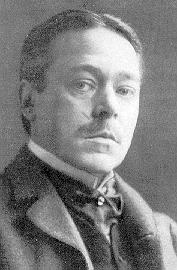
Hjalmar Söderberg (1869–1941) was one of Sweden’s most influential writers, known for his wit, irony, and psychological insight. He started as a journalist and quickly gained fame as a novelist, playwright, and critic.
Influences and Style
Söderberg was influenced by both French realism and Scandinavian existentialism. His works often explore themes of alienation, desire, and the search for meaning. Doctor Glas is his best-known novel and a cornerstone of Swedish literature.
Legacy
Söderberg’s fearless exploration of taboo subjects—sexuality, euthanasia, moral relativism—paved the way for later writers like Ingmar Bergman and Per Olov Enquist. His work remains a touchstone for debates about ethics, freedom, and the human condition.
Key Takeaways
- Doctor Glas challenges readers to confront tough ethical questions without easy answers.
- The novel’s confessional style creates both intimacy and ambiguity, forcing readers to question the narrator’s motives.
- Söderberg’s exploration of alienation, desire, and social hypocrisy remains relevant over a century later.
- The book is a rich source for discussions about medical ethics, gender roles, and the limits of personal responsibility.
Reader's Takeaway
Reading Doctor Glas is like peering into the soul of a man tormented by longing and moral conflict. You’ll find yourself questioning not just the character’s choices, but your own assumptions about right and wrong. It’s a novel that will haunt your thoughts, stir your emotions, and spark lively debate in any classroom or book club.
Conclusion
Doctor Glas stands as a landmark of psychological fiction and Scandinavian literature. Its razor-sharp insights, haunting atmosphere, and unflinching exploration of moral ambiguity have kept readers—and critics—riveted for over a century. Whether you’re a student exploring the nature of ethics or simply a lover of beautifully crafted stories, this novel is an essential, unforgettable read. Don’t just take our word for it—open the pages, step into the summer streets of old Stockholm, and let Doctor Glas tell you his story. You may never see the world in quite the same way again.
Doctor Glas FAQ
What is 'Doctor Glas' about?
'Doctor Glas' is a psychological novel by Swedish author Hjalmar Söderberg, first published in 1905. The story is presented as the diary of Dr. Tyko Glas, a physician in Stockholm, who becomes morally conflicted after being asked by a patient to help her escape her loveless marriage to a clergyman. The novel explores themes of morality, desire, loneliness, and existential struggle.
Who is the main character in 'Doctor Glas'?
The main character is Dr. Tyko Glas, a solitary and introspective physician who narrates the story through his diary entries. His internal moral dilemmas drive the narrative.
What themes are explored in 'Doctor Glas'?
'Doctor Glas' explores themes such as morality, ethics, desire, loneliness, the nature of good and evil, and the social constraints of early 20th-century Sweden. It delves into the psychology of the protagonist as he grapples with questions of right and wrong.
Why is 'Doctor Glas' considered a classic?
'Doctor Glas' is considered a classic due to its pioneering psychological insight, its frank exploration of taboo topics for its time (such as euthanasia, abortion, and marital discord), and Söderberg’s concise, elegant prose. The novel’s exploration of moral ambiguity has resonated with readers and critics for over a century.
How is the story of 'Doctor Glas' told?
The story is told in the form of a diary, offering intimate insight into Dr. Glas’s thoughts, emotions, and justifications for his actions. This first-person narrative style allows readers to closely follow the protagonist’s internal conflicts.
What is the significance of the ending in 'Doctor Glas'?
The ending of 'Doctor Glas' is ambiguous and open to interpretation, leaving readers to ponder the consequences of Dr. Glas’s choices and the true nature of justice and morality. This ambiguity is part of what has kept the novel relevant and intriguing.
Is 'Doctor Glas' based on a true story?
'Doctor Glas' is a work of fiction, but it draws inspiration from real social and ethical debates in Sweden during the early 20th century, especially concerning issues like euthanasia and women’s rights.
Has 'Doctor Glas' been adapted into other media?
Yes, 'Doctor Glas' has been adapted into several stage plays and films over the years, reflecting its enduring appeal and the universality of its themes.
What makes Hjalmar Söderberg’s writing style unique in 'Doctor Glas'?
Söderberg’s writing is known for its clarity, precision, and subtle irony. In 'Doctor Glas,' his use of diary form and focus on psychological depth set the novel apart as a significant work in Scandinavian literature.