
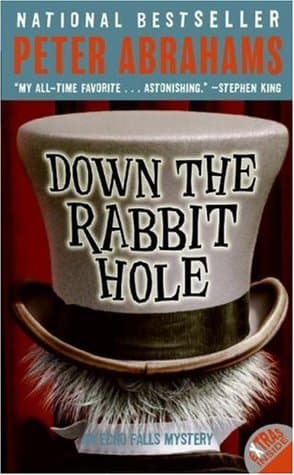
Synopsis
Covers the whole plot, including the ending.
- Difficulty
- Easy
- Pacing
- Moderate
- Mood
- Mysterious, Engaging, Clever, Suspenseful
- Read it if
- You enjoy a clever young detective solving a complex mystery with literary parallels.
- Skip it if
- You prefer gritty, realistic mysteries without a strong 'children's detective' feel.
Down the Rabbit Hole Plot Summary
Covers the whole plot, including the ending.
The Mysterious Shoes and the Discovery
Ingrid Levin-Hill, a soccer player and aspiring detective in Echo Falls, prepares for soccer tryouts. After practice, her new, expensive soccer shoes are missing from her locker. Her friend, Joey Renaldi, saw her leave them in the woods near the soccer field. While searching, Ingrid finds not her shoes, but the body of 'Nutsy' Dubois, a local recluse. Nutsy has been murdered, and Ingrid's discovery pulls her into a real mystery, more complex than any Sherlock Holmes case she has read. The police, led by Detective Smalley, arrive, and Ingrid becomes an important witness.
Ingrid's Initial Suspicions and Alice in Wonderland
Despite warnings from her parents and Detective Smalley to stay out of the investigation, Ingrid's curiosity and admiration for Sherlock Holmes lead her to look for clues. She interviews possible witnesses and suspects, including the maintenance man, Mr. Barnaby, and other townspeople. Meanwhile, Ingrid has been cast as Alice in the school's 'Alice in Wonderland' play, a role that begins to reflect her own journey into the strange world of the murder mystery. The play's themes of illusion and reality, and its unusual characters, provide a setting for Ingrid's confusing discoveries.
The 'Rabbit Hole' Clue and the Mayor's Involvement
Ingrid finds a note in Nutsy's shack with only the words 'rabbit hole.' This clue, with her growing suspicion, leads her to investigate Mayor Paul Harrison, a town figure and father of her classmate, Julia. Ingrid learns that Nutsy had opposed a development project supported by Mayor Harrison. She connects the dots, wondering if Nutsy's death links to his opposition to the mayor's plans. Her investigation takes her to the mayor's office and home, where she observes his behavior and tries to find evidence, to her family's frustration.
The Mysterious Box and the Theater Incident
Ingrid finds a hidden box in Nutsy's shack containing old documents and a photograph of a young woman. These items do not immediately make sense but add to the mystery. During a rehearsal for 'Alice in Wonderland,' a stage light nearly falls on Ingrid, an incident dismissed as an accident. However, Ingrid suspects it was intentional, a warning to stop her investigation. This incident increases her sense of danger and reinforces her belief that she is close to the truth, and someone wants to silence her. She tells her friend, Joey, who tries to help, though reluctantly.
The Red Queen's Clue and Julia Harrison's Distress
Ingrid deciphers another message from Nutsy, which seems to reference a passage from 'Alice in Wonderland,' specifically the 'Red Queen.' She realizes the play might hold clues to the murder. At the same time, she notices Julia Harrison, Mayor Harrison's daughter and a fellow actress, acting distressed and secretive. Julia's unusual behavior, including avoiding Ingrid and her nervousness, makes Ingrid wonder if Julia knows something about her father's involvement or Nutsy's death. Ingrid tries to approach Julia, but Julia remains evasive, deepening Ingrid's suspicion.
The Hidden Past and the True Motive
Through her investigation, Ingrid uncovers a secret involving Nutsy Dubois and the Harrison family. She discovers that Nutsy was a witness to a tragic accident years ago involving Mayor Harrison's wife, Julia's mother. Nutsy had evidence that implicated Mayor Harrison in covering up the circumstances of his wife's death, which was first ruled an accident. Nutsy had been blackmailing the mayor, threatening to expose the truth about his involvement, which would ruin his career. This provides a strong motive for Nutsy's murder, changing the focus of the investigation.
The Confrontation and the Confession
Armed with the truth, Ingrid confronts Julia Harrison backstage during a dress rehearsal for 'Alice in Wonderland.' Under Ingrid's questioning, Julia confesses. She reveals that her father, Mayor Harrison, had murdered Nutsy Dubois to prevent him from exposing the truth about her mother's death. Julia admits she knew of her father's actions and had been helping him cover up the crime, driven by loyalty and fear. The secret had been a burden, and her confession brings both relief and despair.
The Performance and the Arrest
Despite the emotional turmoil, Ingrid goes on stage for the opening night of 'Alice in Wonderland.' Her performance as Alice shows a new depth, reflecting her own journey through a bewildering reality. Meanwhile, Detective Smalley, with Ingrid's information and other evidence, arrives at the theater. After the performance, Mayor Harrison is quietly arrested, his facade crumbling. The truth about Nutsy Dubois's murder, and the mayor's involvement, is finally revealed, bringing justice to Echo Falls.
Aftermath and Reflection
After the mayor's arrest, Echo Falls is left to deal with the scandal. Ingrid, though called a hero by some, also struggles with the emotional impact of her investigation. She thinks about the complexities of truth and justice, and the painful results of uncovering secrets. While proud of her detective work, she also feels the weight of Julia's broken family and the loss of her innocence. The experience strengthens her passion for solving mysteries but also teaches her about the human cost involved, giving her a more mature understanding of the world.
The Missing Shoes Found
In a small, almost anticlimactic end, Ingrid's missing soccer shoes are found. They had been misplaced by a younger student, unrelated to the murder. This detail, which started the whole chain of events, reminds us how small occurrences can lead to big discoveries. For Ingrid, finding her shoes brings closure to the initial spark of the mystery, allowing her to move forward, perhaps to her next case, with a renewed understanding of observation and the unexpected turns of fate.
Principal Figures
Ingrid Levin-Hill
Protagonist
A soccer-playing, Sherlock Holmes-obsessed middle schooler who stumbles into a murder mystery.
Ingrid is an intelligent, observant, and determined twelve-year-old girl with a deep admiration for Sherlock Holmes. She possesses a keen eye for detail and an insatiable curiosity that drives her to investigate the murder of Nutsy Dubois, despite warnings from adults. She is also a talented soccer player and an aspiring actress, cast as Alice in her school's play. Her internal monologue often references Holmes's methods, applying them to her small-town mystery. Ingrid is driven by a strong sense of justice and a desire to understand the truth, even when it leads her into dangerous territory.
Relationships: Joey Renaldi (Best friend and reluctant assistant); Mr. & Mrs. Levin-Hill (Parents, concerned but supportive); Detective Smalley (Police detective, initially dismissive, later appreciative)
Nutsy Dubois
Victim
An eccentric, reclusive local man whose murder sets the mystery in motion.
Nutsy Dubois is initially presented as a peculiar, solitary figure in Echo Falls, known for his reclusiveness and his unusual habits. His murder is the central event of the story. Ingrid later discovers that Nutsy was not just an odd hermit, but a man holding a dangerous secret about the town's prominent Mayor Harrison. He had been a vocal opponent of the mayor's development plans and possessed crucial information regarding a past tragedy. His character, though deceased, drives the plot forward as Ingrid uncovers layers of his hidden life and the reasons for his demise.
Relationships: Mayor Paul Harrison (Blackmailer and victim; held incriminating evidence against him)
Mayor Paul Harrison
Antagonist
The seemingly upstanding town mayor, secretly involved in a past tragedy and Nutsy's murder.
Mayor Paul Harrison is a respected and influential figure in Echo Falls, known for his community leadership and his daughter, Julia. He projects an image of integrity and civic duty, actively promoting a new development project. However, beneath this facade lies a dark secret: his involvement in his wife's death years ago and his subsequent cover-up. He is revealed to be Nutsy Dubois's murderer, driven by a desperate need to protect his reputation and career from Nutsy's blackmail. He is manipulative and willing to go to extreme lengths to maintain his power and conceal his past.
Relationships: Nutsy Dubois (Victim of his murder, blackmailed him); Julia Harrison (Daughter, whom he manipulates into complicity)
Julia Harrison
Supporting
Mayor Harrison's daughter and Ingrid's classmate, burdened by her father's secret.
Julia Harrison is Ingrid's classmate and a fellow cast member in 'Alice in Wonderland.' Initially, she appears as a typical, somewhat popular girl. However, as Ingrid delves deeper into the mystery, Julia's behavior becomes increasingly anxious and secretive. She is torn between loyalty to her father and the crushing burden of knowing his dark secret. Julia's internal conflict and distress are palpable, making her a sympathetic figure despite her complicity in the cover-up. She represents the innocent caught in the web of adult deceit and crime.
Relationships: Ingrid Levin-Hill (Classmate and fellow actress, later the recipient of her confession); Mayor Paul Harrison (Father, whose secret she helps conceal)
Joey Renaldi
Supporting
Ingrid's best friend, often reluctant to join her investigations but ultimately supportive.
Joey Renaldi is Ingrid's loyal best friend. He is more grounded and less prone to dramatic theorizing than Ingrid, often expressing skepticism about her detective endeavors. Despite his initial reluctance and occasional exasperation with Ingrid's Sherlock Holmes-inspired antics, Joey consistently provides her with emotional support and practical assistance. He acts as a sounding board for Ingrid's theories and sometimes helps her gather information, even when it puts him in uncomfortable situations. Joey represents a sense of normalcy and friendship amidst the escalating mystery.
Relationships: Ingrid Levin-Hill (Best friend)
Detective Smalley
Supporting
The lead police detective investigating Nutsy's murder, initially dismissive of Ingrid.
Detective Smalley is the police officer assigned to Nutsy Dubois's murder case. He is a professional and methodical investigator, but initially dismissive of Ingrid's amateur sleuthing, viewing her as a meddling child. He warns her to stay out of the investigation, believing it's too dangerous and complex for her. However, as Ingrid uncovers crucial clues that the official investigation misses, Smalley's perspective gradually shifts. He eventually comes to respect Ingrid's insights and ultimately uses her information to bring the true culprit to justice, showcasing a pragmatic approach to police work.
Relationships: Ingrid Levin-Hill (Investigator, initially skeptical, later cooperative)
Mr. Barnaby
Mentioned
The gruff maintenance man, an early suspect in Ingrid's investigation.
Mr. Barnaby is the school's maintenance man, known for his gruff demeanor and cynical outlook. He is one of the first people Ingrid interviews, as he was seen near the soccer field around the time Nutsy's body was discovered. While he is initially a suspect in Ingrid's mind due to his surly nature and proximity to the crime scene, he ultimately proves to have no direct involvement in the murder. His character serves to introduce Ingrid to the process of interviewing witnesses and dealing with difficult personalities, and to illustrate how initial impressions can be misleading.
Relationships: Ingrid Levin-Hill (Interviewed by her as a suspect)
Mr. & Mrs. Levin-Hill
Supporting
Ingrid's concerned parents, who try to protect her from the dangers of her investigation.
Ingrid's parents are loving and supportive, but also understandably worried about their daughter's involvement in a murder investigation. They constantly warn her to stay out of trouble and let the police handle the case, fearing for her safety. While they appreciate her intelligence and passion, they are also exasperated by her relentless pursuit of clues and her tendency to put herself in risky situations. They represent the voice of parental concern and responsibility, acting as a grounding force for Ingrid even as she defies their warnings.
Relationships: Ingrid Levin-Hill (Parents, concerned and protective)
Themes & Insights
The Duality of Appearance vs. Reality
The novel explores the contrast between appearance and the often darker truth hidden beneath. Echo Falls, a quiet town, holds deep secrets and a murderer. Mayor Harrison, a respected figure, is a criminal. Nutsy Dubois, first seen as eccentric, is central to a long-buried scandal. Ingrid's journey as Alice in 'Alice in Wonderland' further reflects this, as she navigates a world of illusion, questioning what is real. This theme highlights the dangers of quick judgments and the importance of looking beyond what is visible.
“''Curiouser and curiouser!' cried Alice (she was so much surprised, that for the moment she quite forgot how to speak good English).”
Loss of Innocence and the Cost of Truth
Ingrid's journey into the murder mystery marks a loss of her childhood innocence. What begins as an exciting, Sherlock Holmes-like game becomes a dangerous reality. She confronts adult deceit, violence, and the painful results of uncovering secrets. While she achieves justice, she also sees a family shatter (Julia Harrison's) and experiences the emotional toll of her discoveries. The novel shows that truth, while important, often comes at a high price, forcing Ingrid to mature and understand darker parts of human nature. This theme appears in her reflection after the mayor's arrest.
“Sometimes the truth is not what you want to find.”
The Power of Observation and Deduction
Inspired by Sherlock Holmes, Ingrid uses observation and deduction to solve the mystery. She notices small details others miss — a note, a change in someone's mood, a seemingly accidental stage prop. She pieces together clues, forms ideas, and tests them, like her idol. This theme celebrates curiosity and critical thinking, showing how a young girl, by using rational thought, can solve a complex criminal plot that professional investigators miss. Her success proves her unique approach works.
“You see, but you do not observe.”
Justice vs. Loyalty
The novel shows a conflict between seeking justice and maintaining loyalty, especially through Julia Harrison. Julia faces a moral choice: protect her father, the mayor, out of family loyalty, or reveal the truth about his crimes and let justice happen. Her struggle highlights the ethical choices people face when loved ones do wrong. Ingrid also deals with this, as her pursuit of justice affects her friend. The story suggests that justice, even if painful, is most important, but acknowledges the personal cost of choosing it over misplaced loyalty.
“How can you choose between family and doing what's right?”
Plot Devices & Literary Techniques
Red Herrings
Misleading clues or characters designed to divert the audience's attention from the true culprit.
The novel employs several red herrings to keep the reader guessing and to demonstrate Ingrid's developing detective skills. Mr. Barnaby, the gruff maintenance man, is an early suspect due to his proximity to the crime scene and his unpleasant demeanor. The initial focus on the controversial development project also serves as a red herring, suggesting a motive that is ultimately secondary to the real reason for Nutsy's murder. These diversions challenge Ingrid's deductive abilities and force her to look beyond obvious explanations, mirroring the complexities of real-life investigations and making the eventual reveal more impactful.
Allusion (Alice in Wonderland)
References to 'Alice in Wonderland' that parallel Ingrid's journey and the themes of the story.
The pervasive allusion to 'Alice in Wonderland' is a central plot device. Ingrid's role as Alice in the school play directly mirrors her real-life descent into the 'rabbit hole' of the murder mystery. The whimsical, often nonsensical world of Wonderland reflects the strange and illogical events Ingrid encounters in Echo Falls. Quotes from the book are woven into Ingrid's thoughts and the narrative, providing thematic depth. The play's characters and themes – such as questioning reality, the absurdity of authority, and the search for truth – enrich Ingrid's personal journey and the overall mystery, making the familiar story a lens through which to view the unfamiliar crime.
The Unreliable Witness/Narrator (Subtle)
Ingrid's initial biases and limited understanding shape her early interpretations of events.
While Ingrid is the protagonist, her initial understanding of events and characters is shaped by her age and her romanticized view of detective work, making her a subtly unreliable interpreter early on. Her admiration for Sherlock Holmes sometimes leads her to jump to conclusions or misinterpret clues, and she has to learn to distinguish between genuine evidence and circumstantial observations. For example, her initial suspicions about Mr. Barnaby or her focus on the development project are based on incomplete information. This device highlights her growth as an investigator, as she learns to question her own assumptions and dig deeper for the objective truth, rather than just what fits her theories.
The MacGuffin (The Missing Shoes)
An object that serves to drive the plot forward without being directly central to the main mystery.
Ingrid's missing soccer shoes act as a classic MacGuffin. They are the initial catalyst that leads her into the woods and to the discovery of Nutsy Dubois's body. Without the missing shoes, Ingrid would likely never have stumbled upon the murder scene. However, the shoes themselves have no bearing on the motive or identity of the killer; their significance is purely in initiating the plot. The eventual, almost anticlimactic finding of the shoes at the end reinforces their role as a narrative trigger rather than a crucial piece of evidence in the murder itself, allowing the focus to remain on the human drama and the unraveling of the true crime.
Down the Rabbit Hole Quotes
“It was a dark and stormy night. The kind of night where the wind howls like a hungry wolf and the rain beats against the windows like a thousand tiny drums.”
“Sometimes, the most ordinary places hide the most extraordinary secrets.”
“Fear can be a useful tool, if you know how to wield it.”
“The truth is rarely simple, and never what you expect.”
“Even the smallest key can unlock the biggest door.”
“Magic isn't about waving wands; it's about seeing what others don't.”
“Home isn't just a place; it's a feeling, a memory, a promise.”
“Never underestimate the power of a good story, or a bad one.”
“The past isn't always behind you. Sometimes, it's just waiting to catch up.”
“Courage isn't the absence of fear, but the triumph over it.”
“Every choice opens a new path, and closes another.”
“Sometimes, the answers you seek are hidden in plain sight, if you only know how to look.”
“The world is full of wonders, if you dare to step off the beaten path.”
“Trust is a fragile thing, easily broken, hard to mend.”
“Even in the darkest moments, there is always a flicker of hope.”
Quiz
10 questions on the plot and the characters. Each answer comes with a short explanation.
Question 1
What is the name of the town where Ingrid lives and where the story takes place?
- Wonderland
- Echo Falls
- Rabbit Hole
- Sherlock Springs
Show answer
B. Echo Falls The story explicitly states that Ingrid lives in Echo Falls, which is described as 'home of a thousand secrets.'
Question 2
Which literary detective is Ingrid's idol, inspiring her approach to solving mysteries?
- Hercule Poirot
- Nancy Drew
- Sherlock Holmes
- Miss Marple
Show answer
C. Sherlock Holmes The description clearly states that Ingrid is inspired by 'the mysteries solved by her idol, Sherlock Holmes.'
Question 3
What extracurricular activity, besides solving the murder, is Ingrid involved in that connects to the book's title?
- The school newspaper
- Debate club
- A production of Alice in Wonderland
- Chess club
Show answer
C. A production of Alice in Wonderland Ingrid has the 'lead role in her town's production of Alice in Wonderland,' which ties into the 'Down the Rabbit Hole' theme.
Question 4
What specific item belonging to Ingrid gets her initially tangled up in the murder investigation?
- Her backpack
- Her diary
- Her shoes
- Her phone
Show answer
C. Her shoes The synopsis states, 'Ingrid is in the wrong place at the wrong time. Or at least her shoes are. And getting them back will mean getting tangled up in a murder investigation.'
Question 5
The phrase 'curiouser and curiouser' is used to describe the unfolding events. From which classic story does this phrase originate?
- The Wizard of Oz
- Peter Pan
- Alice's Adventures in Wonderland
- Through the Looking-Glass
Show answer
C. Alice's Adventures in Wonderland The phrase 'curiouser and curiouser' is famously spoken by Alice in Lewis Carroll's 'Alice's Adventures in Wonderland,' a direct thematic link to Ingrid's play.
Question 6
What is the primary motivation for Ingrid to solve the murder on her own, rather than relying on others?
- She wants to prove she's smarter than the police.
- She believes things are getting too complicated and she needs to act before it's too late.
- She wants to impress her idol, Sherlock Holmes.
- She is directly accused of the murder and needs to clear her name.
Show answer
B. She believes things are getting too complicated and she needs to act before it's too late. The summary states, 'as things in Echo Falls keep getting curiouser and curiouser, Ingrid realizes she must solve the murder on her own -- before it's too late!' indicating a sense of urgency and necessity.
Question 7
The synopsis mentions Ingrid's 'soccer practice' and 'schoolwork' alongside her role in the play and the murder. What theme does this combination of activities most strongly emphasize about Ingrid's character?
- Her desire to be popular.
- Her struggle with time management and being overwhelmed.
- Her exceptional athletic and academic abilities.
- Her disinterest in typical teenage activities.
Show answer
B. Her struggle with time management and being overwhelmed. The text states, 'Ingrid is swamped' by these various commitments, highlighting a theme of being overwhelmed and struggling to balance her responsibilities.
Question 8
Considering the genre blend of 'Fantasy, Children's, Mystery, Young Adult,' what does the 'Fantasy' element most likely refer to in 'Down the Rabbit Hole'?
- Actual magical creatures or powers within Echo Falls.
- The surreal and dreamlike qualities of the murder mystery, echoing 'Alice in Wonderland'.
- Ingrid's vivid imagination creating fantastical scenarios.
- The setting of Echo Falls being a hidden, magical world.
Show answer
B. The surreal and dreamlike qualities of the murder mystery, echoing 'Alice in Wonderland'. Given the strong thematic link to 'Alice in Wonderland' and the 'curiouser and curiouser' nature of the mystery, the fantasy element likely refers to the surreal, illogical, or dreamlike atmosphere of the unfolding events rather than literal magic, which is common in 'Alice'-inspired narratives.
Question 9
What is the implied consequence for Ingrid if she fails to solve the murder herself?
- She will be forced to drop out of the play.
- She will miss her soccer championship.
- The true culprit will escape justice, or she herself might become a victim/suspect.
- Her reputation in Echo Falls will be ruined.
Show answer
C. The true culprit will escape justice, or she herself might become a victim/suspect. The phrase 'before it's too late!' strongly implies a serious, possibly dangerous, consequence for Ingrid or others if the murder remains unsolved, suggesting the killer could act again, or Ingrid herself could be implicated/harmed.
Question 10
The title 'Down the Rabbit Hole' and the 'Alice in Wonderland' production suggest a central theme related to perception and reality. Which of the following best describes this theme in the context of a mystery?
- The importance of maintaining a childlike innocence when facing dark truths.
- The idea that appearances are deceiving, and the deeper one investigates, the more complex and illogical things become.
- The necessity of embracing fantasy to escape a harsh reality.
- The struggle between imagination and logical deduction in solving crimes.
Show answer
B. The idea that appearances are deceiving, and the deeper one investigates, the more complex and illogical things become. Going 'down the rabbit hole' metaphorically means entering a confusing, illogical, or complex situation. In a mystery, this often means that initial perceptions are misleading, and the truth is far more convoluted than it first appears, much like Alice's experiences in Wonderland.
Down the Rabbit Hole FAQ
What is the central mystery Ingrid is trying to solve in Echo Falls?
Ingrid is trying to solve the murder of 'Old Man' McGill, a reclusive resident of Echo Falls. His death is initially ruled a suicide, but Ingrid suspects foul play, especially after her unique soccer cleats are found at the crime scene, implicating her.
How does Ingrid's role in 'Alice in Wonderland' parallel her real-life experiences?
Ingrid's portrayal of Alice mirrors her own journey into the bizarre and confusing world of the murder investigation. She feels like she's 'falling down a rabbit hole' as she encounters eccentric characters, illogical events, and a distorted reality in Echo Falls, much like Alice in Wonderland.
Who are some of the key characters Ingrid interacts with during her investigation?
Ingrid interacts with her best friend, Joey, who helps her with clues, and her quirky, Sherlock Holmes-obsessed grandfather, who provides guidance. She also encounters the intimidating Detective Smalley, who is initially skeptical of her theories, and various suspicious town residents.
What role do Ingrid's soccer cleats play in the initial stages of the mystery?
Ingrid's distinctive soccer cleats are found near Old Man McGill's body, placing her at the scene of the crime and making her a prime suspect. This crucial piece of evidence forces her to investigate to clear her own name and understand how her shoes ended up there.
What is the significance of the town name, Echo Falls, in relation to the plot?
Echo Falls implies a place where secrets resonate and are repeated, or where past events have lingering effects. The town holds many hidden truths and interconnected lives, and the murder uncovers long-buried secrets that 'echo' throughout the community.
Are there any subtle clues early on that point to the true culprit or motive?
Yes, there are subtle hints, such as inconsistencies in witness testimonies or unusual behavior from seemingly minor characters. For example, certain characters' overreactions or specific details about Old Man McGill's will, though initially dismissed, later prove to be significant.
How does Ingrid's grandfather's obsession with Sherlock Holmes influence her approach to the mystery?
Ingrid's grandfather's passion for Sherlock Holmes instills in her a methodical, logical approach to problem-solving. He encourages her to observe details, deduce possibilities, and look beyond the obvious, directly mirroring Holmes's techniques and helping her connect disparate clues.
What is the underlying psychological impact of being falsely implicated in a murder for a young teenager like Ingrid?
Being falsely implicated creates immense stress and isolation for Ingrid, forcing her to mature quickly and take on a significant burden. It fuels her determination but also makes her question who she can trust, leading to paranoia and a sense of urgency to clear her name.
How does Ingrid's identity as a 'good student' and 'soccer player' clash with her role as a detective?
Ingrid's established identity as a responsible student and athlete clashes with the secretive and often rule-breaking actions required of a detective. This internal conflict forces her to navigate moral dilemmas and prioritize solving the murder over maintaining her usual, orderly life, causing her significant internal struggle.
What psychological traits make Ingrid an effective amateur detective despite her youth?
Ingrid possesses keen observational skills, a strong sense of justice, and an unwavering determination. Her youthful innocence also allows her to approach situations without preconceived biases, and her ability to connect seemingly unrelated details helps her piece together the complex puzzle more effectively than the adults.
How does the author use the 'Alice in Wonderland' motif to enhance the psychological tension and confusion?
The 'Alice in Wonderland' motif is used to heighten the surreal and disorienting atmosphere, mirroring Ingrid's growing confusion and the illogical nature of the events. It emphasizes her feeling of being lost in a strange world, amplifying the psychological tension as she questions reality and sanity within Echo Falls.
Is the ultimate resolution of the murder truly satisfying, or does it leave lingering questions about justice in Echo Falls?
While the murderer is identified, the resolution might leave some lingering questions about the broader justice system and community complicity. The ending suggests that secrets, even when uncovered, can still cast long shadows, implying that Echo Falls' 'thousand secrets' aren't fully resolved.
Could Ingrid have avoided getting 'tangled up' in the murder, or was it an inevitable consequence of her personality and circumstances?
It seems inevitable, given Ingrid's observant nature and her shoes being found at the scene. Her inherent curiosity and strong moral compass, combined with the direct implication, made it impossible for her to ignore the mystery, suggesting her involvement was fated rather than avoidable.
What message does the book convey about appearances versus reality in a small town setting?
The book strongly conveys that appearances in a small town are often deceiving, masking a complex web of secrets, grudges, and hidden motives. Echo Falls, with its outwardly idyllic facade, is revealed to be a place where dark truths lurk beneath the surface, challenging the notion of community innocence.
How does the ending challenge or reinforce traditional notions of heroism for a young protagonist?
The ending reinforces Ingrid's heroism by showing her courage and intelligence in solving a complex crime. However, it also challenges traditional notions by highlighting the personal cost and the burden of knowledge she gains, suggesting that heroism isn't always glamorous but often isolating and difficult for a young protagonist.
Was Detective Smalley genuinely incompetent, or was there an element of him underestimating Ingrid intentionally?
Detective Smalley appears genuinely focused on the simplest explanation, initially dismissing Ingrid's theories as childish fantasies. While not necessarily incompetent, his adherence to conventional police procedures and his underestimation of Ingrid's deductive abilities contribute to his initial failures in solving the case.
What is the significance of the repeated phrase 'curiouser and curiouser' throughout the narrative?
The phrase 'curiouser and curiouser' underscores the escalating strangeness and complexity of the murder investigation. It highlights Ingrid's growing bewilderment and the increasingly bizarre nature of the clues and events she encounters, reinforcing the Alice in Wonderland theme and the surreal atmosphere.
How does the book explore the theme of trust, particularly between Ingrid and the adults around her?
The book deeply explores the theme of trust, as Ingrid struggles to discern who is reliable among the adults, including her parents, Detective Smalley, and other townspeople. She learns that adults can be fallible, deceitful, or simply dismissive, forcing her to rely heavily on her own judgment and a select few confidantes.
About the author
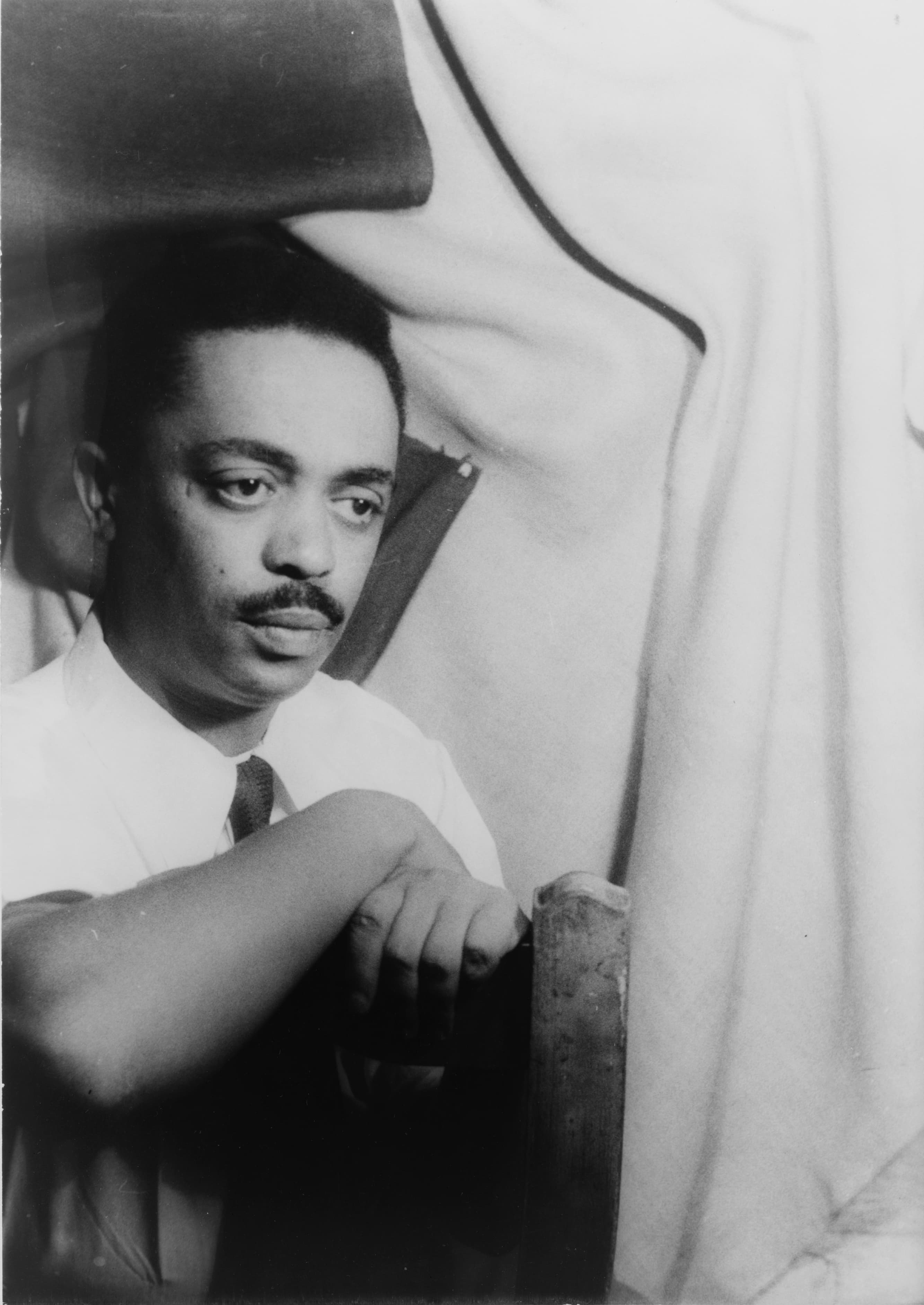
Peter Abrahams is an author known for his fiction, including the book "Down the Rabbit Hole." His works often explore themes of mystery and suspense, appealing to a wide range of readers. Abrahams has garnered attention for his engaging storytelling and character development.
Similar books
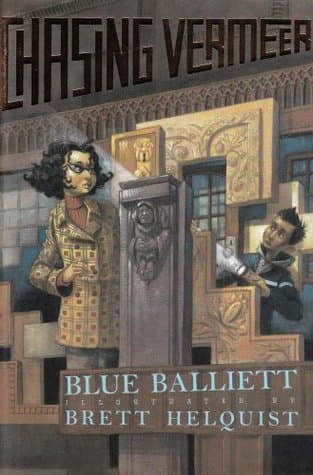
- Chasing Vermeer
Blue Balliett
3.7 (28k) average on GoodreadsChildren'sFeatures young protagonists solving an art mystery with hidden codes and clues.
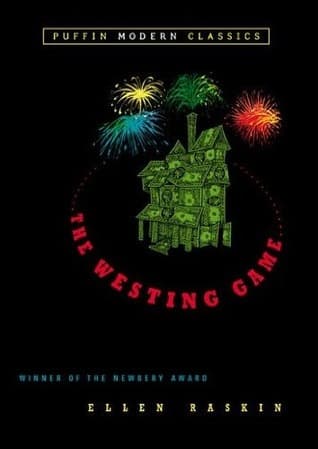
- The Westing Game
Ellen Raskin
4.0 (165k) average on GoodreadsChildren'sInvolves a group of eccentric characters solving a will-based mystery with intricate puzzles.
- From the Mixed-Up Files of Mrs. Basil E. Frankweiler
E.L. Konigsburg
4.2 (189k) average on GoodreadsChildren'sFollows children on an adventure to solve a historical mystery within a grand setting.
- Harry Potter and the Sorcerer's Stone
J.K. Rowling
4.5 (7M) average on GoodreadsFantasyRescued from a miserable life under the stairs, an orphaned boy discovers he's a wizard destined for a magical school, where he uncovers a dangerous secret tied to the dark wizard who murdered his parents.
- The Hunger Games
Suzanne Collins
4.3 (6.4M) average on GoodreadsFantasyIn a future where children fight to the death on live television, Katniss Everdeen volunteers for the arena, turning a death sentence into a fight for survival and a spark of rebellion.
- 1984
George Orwell
4.2 (3.1M) average on GoodreadsPoliticsIn a future where surveillance and thought control are absolute, a man's search for truth clashes with the Party, showing that hope can be a form of rebellion.



Enjoyed the summary?
A summary gives you the shape of the book. The book itself has the detail, the examples and the voice.
Find Down the Rabbit Hole on AmazonAs an Amazon Associate, BookBrief earns from qualifying purchases. How we're funded