

Synopsis
Covers the whole plot, including the ending.
- Difficulty
- Medium
- Pacing
- Moderate
- Mood
- Atmospheric, Suspenseful, Melancholy, Romantic, Dark
- Read it if
- You enjoy atmospheric small-town mysteries with a strong romantic undercurrent and psychological depth.
- Skip it if
- You prefer fast-paced thrillers or stories without morally ambiguous characters and complex family dynamics.
Eden Close Plot Summary
Covers the whole plot, including the ending.
Return to Eden Close
Andrew Morton, a respected photographer living in New York, reluctantly returns to his small hometown in New Hampshire for his mother's funeral after many years away. The familiar landscape, particularly the farm next door where Eden Close lived, immediately brings back memories of his childhood and the tragic events that defined it. He plans a brief stay, but the unresolved questions surrounding Mr. Close's murder and Eden's subsequent blindness, which occurred seventeen years prior, begin to resurface. Andrew feels compelled to revisit the past, driven by a lingering sense of guilt and an unspoken connection to Eden, who has remained a haunting figure in his memories.
A Reclusive Eden
Unable to resist, Andrew goes to the Close farm. He finds Eden, a woman in her late thirties, living a solitary life, completely blind and cared for by a series of live-in nurses. Her once beauty is now veiled by her disability and the weight of her past. Their initial reunion is awkward and charged with unspoken emotions. Eden is initially resistant to Andrew's presence, wary of his intentions and perhaps uncomfortable with the memories he represents. However, Andrew's persistent, gentle approach begins to break down her defenses, and he starts to learn about her isolated existence and the trauma she carries.
Childhood Memories and the Closes
Through flashbacks, Andrew recalls his childhood with Eden. He remembers her as an adopted child, constantly seeking affection and approval, particularly from her adoptive father, Mr. Close, and often avoiding her cold and distant adoptive mother, Mrs. Close. Eden was a tomboy who later became a seductive teenager, captivating Andrew and his friends. Andrew also recalls the strange, almost incestuous intensity of Mr. Close's affection for Eden, which contrasted sharply with Mrs. Close's resentment. The Close household was always a mystery, a place of hidden tensions and unspoken desires that fascinated and disturbed young Andrew.
The Night of the Shooting
Andrew clearly remembers the night of the tragedy. He was awakened by gunshots and piercing screams coming from the Close farm. The horror of that night, the fear, and the subsequent discovery of Mr. Close's death and Eden's blindness, left a lasting mark on him. The official story was that a disgruntled former farmhand, Billy, had committed the crime, but Andrew always doubted it. The suddenness and brutality of the event, coupled with the strange dynamics of the Close family, made the simple explanation seem insufficient. This event became the central, unresolved trauma of his youth.
Beginning the Investigation
Driven by his renewed connection to Eden and his lingering questions, Andrew begins to subtly investigate the past. He visits the local police station, reviews old newspaper clippings, and speaks with various townspeople who were around at the time of the shooting. He finds that many locals still believe the official story, but some offer hesitant remarks or veiled implications that suggest a more complex truth. Andrew's instincts kick in, and he starts to gather information, looking for discrepancies and inconsistencies in the accepted narrative, determined to uncover what truly happened that night.
The Nurse's Perspective
Andrew develops a good relationship with Eden's current nurse, a pragmatic and observant woman named Sarah. Sarah, initially guarded, gradually shares details about Eden's daily life, her struggles with blindness, and her deep emotional wounds. Sarah also reveals snippets of information about Eden's past behavior and the peculiar nature of the Close household, offering an outsider's perspective that confirms some of Andrew's own childhood observations about the strange family dynamics. Her insights help Andrew understand Eden's current reclusiveness and her deep trauma, adding layers to his understanding of the mystery.
Mrs. Close's Version
Andrew seeks out Mrs. Close, who now lives in a nursing home, frail and embittered. She is reluctant to speak, but Andrew's persistence eventually draws out her version of the past. Her narrative is filled with resentment towards Eden, whom she always viewed as an interloper and a threat to her marriage. Mrs. Close paints Mr. Close as a doting, almost obsessed father, and Eden as a manipulative girl. Her account, while shedding some light on the family's internal strife, is clearly colored by her own jealousy and unresolved anger, making it difficult for Andrew to discern the full truth.
Unraveling the Truth
As Andrew continues his investigation, he uncovers more evidence suggesting that the official story of Billy the farmhand is false. He learns about Mr. Close's inappropriate relationship with Eden, a relationship that bordered on incestuous, and Mrs. Close's knowledge and silent involvement, fueled by her own emotional detachment and resentment. The picture that emerges is one of a deeply dysfunctional family, where love was twisted and boundaries were blurred, ultimately leading to a tragic climax. Andrew realizes the murder was not a random act of violence but the culmination of years of suppressed desires and dark secrets within the Close household.
Eden's Confession
After much coaxing and a deepening trust between them, Eden finally confides in Andrew, revealing the full, traumatic truth of that night. She confirms the inappropriate nature of her relationship with her adoptive father, Mr. Close. She confesses that she, in a moment of desperation and self-defense against her father's advances, had grabbed the gun and shot him. In the ensuing struggle or panic, she was also shot, leading to her blindness. Her confession is a painful outpouring of years of suppressed trauma, guilt, and the burden of living with the secret. This revelation confirms the horror Andrew had long suspected.
The Aftermath and a New Beginning
With Eden's confession, the full, tragic truth is finally exposed. Andrew, deeply affected by her story, understands the immense burden she has carried for so long. He realizes his own lingering attachment to Eden is not just about childhood memories but a deep desire to protect and understand her. The shared experience of uncovering the past, and the emotional intimacy it creates, binds them together. The novel concludes with Andrew deciding to stay in New Hampshire, committing to a future with Eden, offering her a chance at healing and a new beginning, free from the shadows of her past.
Principal Figures
Andrew Morton
Protagonist
A successful photographer drawn back to his past and a childhood friend's tragedy.
Andrew is a thoughtful and observant man, initially driven by a sense of duty to his deceased mother but quickly consumed by the unresolved mystery surrounding Eden Close. He is a man of integrity, possessing a strong moral compass and a deep capacity for empathy. His journalistic eye for detail and his persistent nature make him an ideal investigator into the past. He carries a lingering sense of guilt and an unspoken, almost obsessive attachment to Eden from his youth.
Relationships: Eden Close (Childhood friend, object of fascination and romantic interest, later a partner in truth and love.); Mrs. Morton (His deceased mother, whose funeral brings him back home.); Mr. and Mrs. Close (His neighbors, central to the tragedy he investigates.)
Eden Close
Central Figure/Love Interest
A beautiful, adopted woman blinded and traumatized by a horrific childhood event.
Eden is a complex and deeply wounded character. As a child, she was an outsider, constantly seeking affection from her adoptive father and rebuffed by her adoptive mother. This led to a manipulative streak and a desperate need for approval. After the shooting, she became reclusive and emotionally guarded, carrying the immense burden of a traumatic secret. Despite her blindness and emotional scars, she possesses an underlying strength and a yearning for connection, which Andrew eventually unlocks.
Relationships: Andrew Morton (Childhood friend, romantic interest, and ultimately her confidant and partner.); Mr. Close (Adoptive father, abuser, and victim of her actions.); Mrs. Close (Adoptive mother, cold and resentful towards Eden.); Sarah (Nurse) (Current caregiver and a source of practical support.)
Mr. Close
Antagonist/Victim
Eden's adoptive father, whose inappropriate affections lead to his demise.
Mr. Close is a deeply flawed and disturbing character. He is portrayed as a hardworking farmer but also as a man with dark, inappropriate desires. His 'love' for Eden is possessive and incestuous, creating a toxic environment for her. He is the catalyst for the novel's central tragedy, his actions directly leading to his death and Eden's blindness. His character embodies the theme of twisted love and the destructive power of unchecked desires.
Relationships: Eden Close (Adoptive daughter, object of his inappropriate affection and ultimately his killer.); Mrs. Close (Wife, with whom he has a distant and unloving relationship.)
Mrs. Close
Supporting/Antagonist
Eden's cold and resentful adoptive mother, burdened by jealousy and bitterness.
Mrs. Close is a bitter and emotionally detached woman. She never wanted to adopt Eden and openly resents her, viewing her as a rival for her husband's attention, despite the perverse nature of that attention. Her coldness and jealousy contribute significantly to Eden's emotional neglect and the dysfunctional family dynamic. She is a figure of suppressed anger and resentment, offering a distorted perspective on the past, colored by her own pain and complicity.
Relationships: Eden Close (Adoptive daughter, whom she resents and emotionally abuses.); Mr. Close (Husband, whose affections she feels Eden stole.)
Sarah
Supporting
Eden's observant and practical live-in nurse.
Sarah is a pragmatic and empathetic woman who provides care for Eden. She is initially guarded but eventually becomes a valuable source of information for Andrew, offering an outsider's perspective on Eden's current life and hints about her past. She is a compassionate figure who genuinely cares for Eden's well-being, providing a grounding presence in Eden's isolated life. Her observations help Andrew piece together the truth without directly being involved in the mystery's core.
Relationships: Eden Close (Her patient, whom she cares for.); Andrew Morton (A cautious ally who seeks information from her.)
Billy
Mentioned
The former farmhand falsely accused of Mr. Close's murder.
Billy is a character who is only mentioned, serving as the convenient scapegoat for the murder of Mr. Close. He was a disgruntled former farmhand, making him an easy target for the authorities to pin the crime on. His supposed guilt allows the true, darker secrets of the Close family to remain hidden for years. His character highlights the superficiality of the initial investigation and the town's willingness to accept a simple explanation.
Relationships: Mr. Close (His former employer, whom he was falsely accused of murdering.)
Themes & Insights
The Lingering Power of the Past
The novel explores how past events, particularly traumatic ones, continue to shape individuals and communities. Andrew's return to his hometown immediately pulls him back into the unresolved mystery of Mr. Close's murder and Eden's blindness. This shows how deeply rooted these events are in his mind and in the town. Eden's entire life is defined by that night; her blindness is a constant physical reminder, and her reclusiveness is a manifestation of her emotional wounds. The narrative consistently shifts between present investigation and past recollections, emphasizing that the present cannot be understood without confronting the past.
“The past was never really past, but a continuous present, a constant echo in the chambers of his mind.”
Twisted Love and Obsession
Love, in its most distorted forms, is central to the tragedy of the Close family. Mr. Close's 'love' for Eden is not paternal affection but a possessive, incestuous obsession that ultimately leads to his death. Mrs. Close's 'love' for her husband is overshadowed by her deep resentment and jealousy towards Eden, making her involved in the unhealthy family dynamic. Even Andrew's long-standing attachment to Eden borders on obsession, though it is rooted in empathy and a desire for truth rather than exploitation. The novel examines how love, when twisted by selfishness or pathology, can become destructive.
“He loved her, he said, with an intensity that warped their world.”
Truth vs. Appearance
A core mystery of the novel is the difference between the official story of Mr. Close's murder and the grim reality. The town accepts the simple explanation of a disgruntled farmhand, allowing the far more disturbing truth of incest and self-defense to remain buried for seventeen years. Andrew's investigation is a quest to peel back these layers of appearance and uncover the painful truth. Eden's blindness itself is a metaphor for the inability to 'see' the truth, both literally and figuratively, for years. The novel suggests that communities often prefer convenient lies over uncomfortable truths.
“The official story was a thin skin stretched over a monstrous secret.”
Redemption and Healing
Despite the dark themes, the novel ultimately offers hope for redemption and healing through connection and truth. Andrew's persistent efforts to uncover the truth, and his unwavering support for Eden, allow her to finally confess her secret and begin to process her trauma. The act of sharing her truth, and Andrew's acceptance of it, marks the beginning of her journey towards healing. For Andrew, helping Eden find peace is a form of his own redemption, allowing him to resolve his long-standing guilt and find purpose. Their eventual commitment to each other symbolizes the possibility of overcoming immense trauma through love and honesty.
“Only by speaking the unspeakable could the healing truly begin.”
Plot Devices & Literary Techniques
The Unreliable Narrator (Memory)
Andrew's recollection of the past is colored by his childhood perspective and later filtered through his adult investigation.
Andrew serves as the primary narrator, but his understanding of the past is initially incomplete and biased by his childhood memories and lack of full information. His recollections of Eden and the Close family are colored by his youthful infatuation and his limited understanding of adult dynamics. As he investigates, his perspective evolves, revealing how memory can be selective and how a 'truth' can be constructed over time, only to be dismantled and reassembled with new information. This device keeps the reader engaged in the mystery, learning alongside Andrew.
Flashbacks
Interspersed memories of Andrew's childhood with Eden provide crucial context to the present-day mystery.
The novel frequently employs flashbacks to Andrew's childhood with Eden and the Close family. These aren't just nostalgic recollections; they are vital pieces of the puzzle, revealing the early signs of dysfunction in the Close household, the developing relationship between Andrew and Eden, and the specific events leading up to the tragedy. These flashbacks create suspense and allow the reader to witness the gradual unfolding of the unhealthy family dynamics that culminate in Mr. Close's death and Eden's blindness, building a richer, more complex understanding of the characters and their motives.
Symbolism of Blindness
Eden's physical blindness serves as a powerful metaphor for hidden truths and the inability to 'see' reality.
Eden's literal blindness is a potent symbol throughout the novel. It represents her inability to 'see' the truth of her situation for many years – both the abuse she suffered and the true circumstances of her father's death. It also symbolizes the town's collective blindness to the dark secrets of the Close family. Paradoxically, her physical blindness forces her to develop other senses and a deeper internal awareness, which eventually allows her to confront and 'see' her past more clearly with Andrew's help. It underscores the theme of truth vs. appearance.
The Isolated Farm
The remote Close farm symbolizes the family's isolation, secrecy, and the containment of their dark history.
The Close farm, physically isolated from the rest of the town, serves as a powerful symbol. Its remoteness reflects the emotional and psychological isolation of the Close family, particularly Eden. It is a place where dark secrets can fester, hidden from public view, and where the truth of the tragedy remained contained for years. The farm becomes a metaphorical prison for Eden after her blindness, reinforcing her reclusive state. Andrew's journey to the farm represents his deliberate intrusion into this contained, haunted past, seeking to expose what has been hidden.
Eden Close Quotes
“The past is a place, and a place is a physical thing, and a physical thing, no matter how much you try to deny it, has a way of being there.”
“It was a house that looked like it had been dropped from the sky, a piece of something else, something grander, that had landed awkwardly in the New Hampshire woods.”
“There are some things that, once you see them, you can never unsee.”
“Love, I was beginning to understand, was not a singular emotion but a complex tapestry woven from desire, fear, loyalty, and a thousand small acts of kindness and cruelty.”
“The silence in that house was not an absence of sound, but a presence, a heavy, watchful thing that seemed to hold its breath.”
“Sometimes the truth is not a single, shining thing, but a collection of shards, each reflecting a different angle of the same broken story.”
“She had a way of looking at you as if she saw something in your soul you didn't even know was there.”
“Grief, I learned, was not a linear path but a series of unexpected detours, some leading to dead ends, others to places you never thought you'd find yourself.”
“It’s amazing how much you can miss when you’re not looking, how much you can misunderstand when you’re not listening.”
“There's a kind of beauty in decay, a melancholic elegance that speaks of time and what it takes away.”
“The past, like a shadow, follows you, no matter how fast you run or how brightly you try to shine.”
“Some secrets are like heavy stones; they don't just weigh down the person who keeps them, but everyone around them.”
“You can never truly know another person, not entirely, not even the ones you think you know best.”
“Hope, even a sliver of it, can be a dangerous thing when you're teetering on the edge of despair.”
Quiz
10 questions on the plot and the characters. Each answer comes with a short explanation.
Question 1
What event brings Andrew back to his hometown after many years?
- A high school reunion
- His mother's funeral
- To visit Eden Close
- To sell his childhood home
Show answer
B. His mother's funeral The synopsis explicitly states Andrew returns to attend his mother's funeral, planning to stay only a few days.
Question 2
What was Eden Close's relationship with her adoptive mother?
- They had a very close and loving bond.
- Eden learned to avoid her mother, who did not want her.
- Her mother encouraged her to be one of the boys.
- Her mother taught her how to seduce boys.
Show answer
B. Eden learned to avoid her mother, who did not want her. The text states Eden 'had learned to avoid the mother who did not want her.'
Question 3
What tragic event happened to Mr. Close?
- He died of a sudden illness.
- He was killed by gunshots.
- He committed suicide.
- He was involved in a car accident.
Show answer
B. He was killed by gunshots. Andrew was awakened by 'gunshots and piercing screams from the next farm: Mr. Close had been killed'.
Question 4
How did Eden's relationship with Andrew and his friends evolve over time?
- She remained distant and aloof from them.
- She first was one of the boys, then later seduced them.
- She only ever saw them as brothers.
- She developed strong rivalries with them.
Show answer
B. She first was one of the boys, then later seduced them. The text describes Eden's progression: 'first by being one of the boys and later by seducing them.'
Question 5
What physical disability did Eden suffer after the night of the gunshots?
- She became deaf.
- She lost her ability to speak.
- She became paralyzed.
- She became blinded.
Show answer
D. She became blinded. The synopsis states that after Mr. Close was killed, 'Eden blinded.'
Question 6
How many years have passed since the night Mr. Close was killed and Eden was blinded, when Andrew begins to uncover the story?
- Five years
- Ten years
- Seventeen years
- Twenty years
Show answer
C. Seventeen years The text explicitly states: 'Now, seventeen years later, Andrew begins to uncover the grisly story.'
Question 7
What is one of the central themes Andrew uncovers while investigating Eden's past?
- A story of financial fraud and embezzlement.
- Layers of thwarted love between the husband, wife, and tormented girl.
- A conspiracy involving political corruption.
- The secret history of the town's founding.
Show answer
B. Layers of thwarted love between the husband, wife, and tormented girl. Andrew begins 'to unravel the layers of thwarted love between the husband, wife, and tormented girl.'
Question 8
What is Andrew's initial intention for his stay in his hometown?
- To permanently move back.
- To start a new business.
- To remain only a few days.
- To reconcile with his estranged father.
Show answer
C. To remain only a few days. Andrew 'Planning to remain only a few days, he is drawn into the tragic legacy of his childhood friend'.
Question 9
What characteristic did Eden exhibit towards her adoptive father?
- She openly defied him.
- She aimed to please him.
- She rarely interacted with him.
- She manipulated him for personal gain.
Show answer
B. She aimed to please him. The synopsis indicates Eden 'had learned... to please the father who did' want her, contrasting with her mother.
Question 10
What ultimately reveals itself to Andrew as he uncovers the truth about Eden's past?
- A long-lost family fortune.
- His strange and binding attachment to Eden.
- The identity of a serial killer.
- A hidden political scandal.
Show answer
B. His strange and binding attachment to Eden. The final sentence of the synopsis states: 'And as the truth about Eden's past comes to light, so too does Andrew's strange and binding attachment to her reveal itself.'
Eden Close FAQ
What is the central mystery Andrew investigates upon his return to Eden Close?
Andrew returns to his hometown for his mother's funeral and becomes drawn into the seventeen-year-old mystery surrounding the death of Mr. Close and the blinding of Eden Close. He seeks to understand the true circumstances of that fateful night and the complex family dynamics that led to the tragedy.
Who is Eden Close and what is her relationship with Andrew?
Eden Close is Andrew's childhood friend and neighbor, an adopted girl who grew up with a difficult family life. Their relationship is complex, shifting from childhood companionship to Eden's seduction of Andrew and his friends, culminating in a deep, almost obsessive attachment Andrew feels for her.
What significant event occurred seventeen years before Andrew's return?
Seventeen years prior, Andrew was awakened by gunshots and screams from the Close farm. Mr. Close was killed, and Eden Close was tragically blinded in the same incident. This event fundamentally shaped Eden's life and became the central mystery Andrew later tries to solve.
What is the nature of Eden's adoption and how did it affect her childhood?
Eden was an adopted child, and her adoptive mother never truly wanted her, leading to a strained and unloving relationship. Conversely, she sought to please her adoptive father, Mr. Close, and this dynamic created a complex and often manipulative environment for her growing up.
How does Eden's blindness impact her character and Andrew's perception of her?
Eden's blindness makes her vulnerable and dependent, yet she also possesses a keen awareness and inner strength. For Andrew, her blindness intensifies his protective instincts and deepens his sense of responsibility and attachment, making her both a tragic figure and an object of his enduring obsession.
What specific details does Andrew uncover about the 'thwarted love' within the Close family?
Andrew uncovers the layers of dysfunctional relationships: Mrs. Close's resentment of Eden, Mr. Close's possessive and inappropriate affection for Eden, and Eden's desperate attempts to navigate and manipulate these dynamics for her own survival and affection. This 'thwarted love' refers to the twisted emotional landscape of the household.
Are there any clues early in the narrative that foreshadow the deeper, darker aspects of Mr. Close's relationship with Eden?
Early hints include Eden's focused efforts to please her father and her mother's evident disdain for her, suggesting an imbalance and a hidden dynamic within the family. Andrew's observations of Eden's behavior and her parents' interactions, even from a young age, subtly point to an unsettling truth.
How does the small-town setting contribute to the secrecy and emotional intensity of the story?
The small-town setting fosters a sense of isolation and close-knit community where secrets can be both tightly held and intensely scrutinized. The lack of anonymity amplifies the emotional impact of the tragedy and the lingering obsession, as everyone knows everyone's business, or thinks they do.
What is the significance of Eden's early behavior, such as 'being one of the boys' and later seducing them?
Eden's early behavior reflects her need for acceptance and attention, first by conforming to male expectations to gain camaraderie, then by using her burgeoning sexuality to gain power and affection. This demonstrates her learned coping mechanisms for an emotionally deprived upbringing, seeking validation wherever she could find it.
How does Andrew's 'strange and binding attachment' to Eden evolve from childhood to adulthood?
Andrew's attachment begins as childhood friendship, morphs into a youthful infatuation fueled by Eden's seduction, and then transforms into a deep-seated obsession after her tragedy. His guilt, pity, and protective instincts, combined with unresolved romantic feelings, bind him to her fate, compelling him to uncover the truth.
Discuss the psychological impact of Eden's adoptive mother's rejection on her development.
Her adoptive mother's explicit rejection created a profound wound, leading Eden to constantly seek validation and love from others, particularly her father and, later, boys like Andrew. This deep-seated need likely contributed to her manipulative tendencies and her complex emotional landscape.
What role does guilt play in Andrew's motivation to solve the mystery and his relationship with Eden?
Andrew likely carries a subconscious guilt from his youthful interactions with Eden and his inability to prevent her tragedy, even if he wasn't directly responsible. This guilt fuels his need for atonement and drives his relentless pursuit of the truth, binding him further to Eden's suffering.
Is Andrew's attachment to Eden purely romantic, or are there other elements at play?
Andrew's attachment is far more complex than pure romance. It's a blend of romantic longing, deep-seated guilt, protective instincts, a sense of shared history, and perhaps even a fascination with her enigmatic nature and tragic past. It's an obsession born from a lifetime of intertwined fates.
How does the book explore the theme of memory and its reliability in uncovering past events?
The book explores how memory is subjective and can be distorted by time, trauma, and personal bias. Andrew must sift through his own fragmented memories, the selective recollections of others, and the emotional weight of the past to reconstruct the 'grisly story,' highlighting memory's often unreliable nature.
Could Eden be considered a victim, a manipulator, or both, throughout the narrative?
Eden is arguably both a victim and a manipulator. She is a victim of her adoptive mother's rejection and her father's inappropriate affection. However, she also learns to manipulate situations and people, including Andrew and his friends, as a coping mechanism and a means to secure attention and affection, making her a complex character.
What is the ultimate 'salvation' implied in the book's description, and for whom?
The 'romantic salvation' likely refers to Andrew's eventual understanding and acceptance of the truth about Eden, and potentially a resolution or rekindling of their complex relationship. It could imply salvation for Andrew from his lingering obsession, and for Eden, perhaps a form of peace or understanding through Andrew's efforts.
How does the author use the setting of the 'next farm' to heighten the sense of mystery and danger?
The proximity of the Close farm, yet its distinct separation as the 'next farm,' creates a sense of both familiarity and otherness. It's close enough for Andrew to witness the tragedy, yet distant enough to harbor secrets, making the events feel simultaneously intimate and shrouded in an unsettling mystery.
What might be the significance of the 'hot night' when the tragedy occurred?
The 'hot night' can symbolize the intense, suffocating emotions and passions that were simmering beneath the surface of the Close family. Heat often denotes tension, discomfort, and the kind of oppressive atmosphere that can lead to explosive and tragic events, mirroring the emotional climate.
About the author

Anita Shreve is a critically acclaimed author known for her compelling contemporary fiction. Her novels, including the bestseller 'The Weight of Water,' often explore themes of love, loss, and resilience. Shreve's work has been widely praised for its emotional depth and lyrical prose, earning her a dedicated readership and numerous accolades throughout her career.
Similar books
- The Secret History
Donna Tartt
3.9 (2k) average on GoodreadsPoliticsExplores dark pasts, small-town secrets, and complex character relationships.
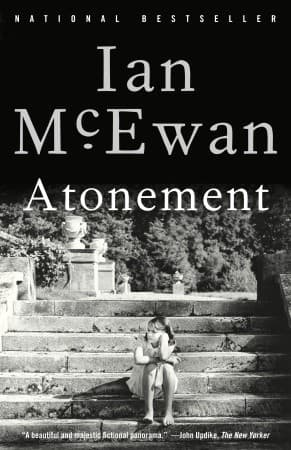
- Atonement
Ian McEwan
4.4 (70) average on GoodreadsFeatures a devastating past event, lingering guilt, and a powerful, tragic romance.
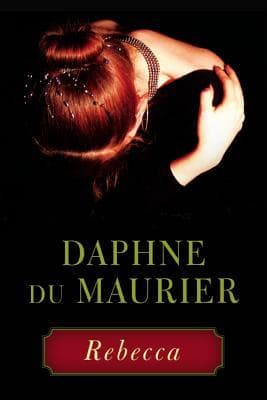
- Rebecca
Daphne du Maurier
4.2 (450k) average on GoodreadsThrillerDeals with obsession, a mysterious past, and the pervasive presence of a deceased character's influence.
- Angels & Demons
Dan Brown
3.9 (2.7M) average on GoodreadsThrillerA Harvard symbologist races through Rome's ancient sites, deciphering cryptic clues to unmask the Illuminati and stop a vengeful plot to destroy the Vatican with a stolen antimatter weapon.
- Gone Girl
Gillian Flynn
4.1 (2.3M) average on GoodreadsThrillerA wife's sudden disappearance on her fifth anniversary reveals a web of lies and psychological warfare, exposing the secrets within a seemingly perfect marriage.
- The Girl on the Train
Paula Hawkins
3.9 (2.1M) average on GoodreadsThrillerA woman’s fascination with a seemingly perfect couple she watches from her daily train commute leads her into a dark investigation when she witnesses something that shatters their idyllic image.




Enjoyed the summary?
A summary gives you the shape of the book. The book itself has the detail, the examples and the voice.
Find Eden Close on AmazonAs an Amazon Associate, BookBrief earns from qualifying purchases. How we're funded