

Synopsis
Covers the whole plot, including the ending.
- Difficulty
- Easy
- Pacing
- Fast
- Mood
- Adventurous, Suspenseful, Educational, Hopeful
- Read it if
- You enjoy historical adventure stories, learning about different cultures and animals, or books with brave young protagonists facing significant challenges.
- Skip it if
- You prefer fantasy or contemporary settings, or find stories about war and captivity too intense.
Elephant Run Plot Summary
Covers the whole plot, including the ending.
Escape from London, Arrival in Burma
In 1941, a German bomb destroys twelve-year-old Nick Freestone's London apartment. His mother, concerned for his safety, sends him to live with his father, who runs a teak plantation in Mogok, Burma. Nick does not want to leave his mother and England, but he begins the long journey. When he arrives, the jungle's unfamiliar sights, sounds, and smells strike him immediately. He meets his father, whom he has not seen in years, and learns about the elephant logging camp, where elephants are central to the work and daily life.
Adjusting to Plantation Life and Meeting New Friends
Nick struggles to get used to the heat, humidity, and lack of modern things. His father is often busy, leaving Nick to explore. He quickly becomes friends with Indaw, a young mahout, and his sister Mya, who is his age. Indaw teaches Nick about the elephants, especially the matriarch, Hannibal, and her calf, High-Boy. Nick also meets Nang, a wise old mahout who becomes a guide for him. He learns about jungle dangers, elephant training, and local customs, slowly feeling more at home in the remote Burmese village.
Japanese Invasion and His Father's Capture
Life on the plantation changes suddenly when Japanese soldiers invade Mogok. The villagers are afraid, and the Japanese quickly take control, seizing supplies and logging operations. Nick's father, along with other European plantation workers, is taken prisoner and marched to a POW camp. Before being taken, Nick's father secretly tells him to look for a hidden map. Nick, Mya, Indaw, and the other villagers live under strict Japanese rule, forced to work for their new oppressors, with Nick becoming a servant for Colonel Nagayoshi.
Life Under Occupation and the Search for the Map
Under Japanese rule, life is hard and dangerous. Nick works as a houseboy for Colonel Nagayoshi, dealing with his demands and constant observation. He secretly searches for the map his father mentioned, believing it holds clues to his father's location or a way to help him. Mya and Indaw help Nick, often distracting soldiers or giving information. The children live in fear, but the hope of finding the map and rescuing Nick's father keeps them going.
Discovery of the Map and the Hidden Teak
After much searching and several close calls, Nick finds the hidden map. It is in a hollow leg of a table in his father's study. The map does not show the POW camp, but it shows where his father and the British had hidden a large amount of teak logs from the Japanese. These logs were for the British war effort. Finding the map changes Nick's goal: he realizes the teak is valuable, and if the Japanese find it, it will help their war. He must stop them from finding it.
Planning the Escape and Rescue
With the map, Nick, Mya, and Indaw realize they cannot stay on the plantation. They make a plan to escape, not just for their freedom, but also to find Nick's father and Mya's brother, Hill-Boy, who was also taken to the POW camp. They decide to use elephants for their journey, as they are the only reliable way to travel through the dense jungle. They also plan to stop the Japanese from finding the hidden teak, perhaps by leading them away or destroying the logs. Nang, the wise old mahout, helps them prepare for their journey.
The Jungle Journey Begins
Under cover of night, Nick, Mya, and Nang, along with Hannibal and High-Boy, quietly leave the plantation. Their journey through the Burmese jungle immediately brings challenges. They must navigate dense plants, cross rivers, and avoid Japanese patrols. They rely on Nang's knowledge of the jungle and the elephants' instincts to guide them. Nick, despite his lack of experience, quickly learns mahout work, bonding with Hannibal and High-Boy. The children also deal with the emotional toll of being separated from their families and the constant threat of being found.
Encounters and Close Calls
As they go deeper into the jungle, the group meets various dangers. They barely escape a Japanese patrol, showing Nick's quick thinking and Mya's knowledge of hiding places. They also face natural threats like leeches, difficult ground, and wild animals. Nang guides them through secret paths and teaches them survival skills. The journey is tiring, but their drive to reach the POW camp and save their loved ones keeps them going, strengthening the bond between Nick, Mya, and Nang.
Reaching the POW Camp and Formulating a Rescue
After weeks of travel, they reach the area near the POW camp, a heavily guarded and grim place. They watch the camp from a distance, gathering information about its layout and guard routines. Nang, using his experience, helps them make a risky rescue plan. The plan is to create a diversion to draw away the guards, allowing Nick and Mya to enter the camp and find their father and Hill-Boy. The risks are high, and one mistake could mean capture or death for them all.
The Daring Rescue and Escape
Carrying out their plan, Nang creates a diversion with the elephants, causing noise near the camp. Nick and Mya use this chance to sneak inside. They find Nick's father and Hill-Boy, who are weak and thin but happy to see them. With help from the mahouts who were captured with Nick's father, they get out of the camp and meet Nang and the elephants. The escape is dangerous, with Japanese soldiers chasing them, but they get away, disappearing into the Burmese jungle, heading toward British lines.
Journey to Safety and Reunion
With Nick's father and Hill-Boy rescued, the group, now larger, continues their journey through the jungle, aiming for British-controlled territory. Nick's father, though weak, uses his knowledge of the area to help with navigation. They face ongoing threats from the Japanese and the harsh jungle, but their spirits are lifted by their reunion. Eventually, after more days of travel and close calls, they meet a British patrol. They are finally safe, and Nick's father and Hill-Boy get needed medical care. Nick thinks about how he changed from a city boy to a jungle survivor.
Elephant Run Characters
Nick Freestone
Protagonist
A twelve-year-old English boy thrust into the dangers of wartime Burma.
Nick is a twelve-year-old boy from London who is initially timid, somewhat spoiled, and unaccustomed to hardship. He is sent to Burma to live with his father after his home is bombed. Throughout the story, Nick transforms from a city boy into a resourceful and brave individual, adapting to the harsh realities of jungle life and wartime occupation. He develops a deep affection for the elephants and a strong bond with Mya and Indaw. His primary motivation is to rescue his father and protect the hidden teak from the Japanese.
Relationships: Mr. Freestone (Father-son, initially distant, grows closer); Mya (Close friend, fellow escapee); Indaw (Friend, mahout, mentor); Nang (Mentor, guide, protective figure)
Mr. Freestone
Supporting
Nick's father, manager of the teak plantation, and a prisoner of war.
Mr. Freestone is Nick's father, a dedicated and experienced manager of the teak plantation in Burma. He is a practical and somewhat reserved man, initially struggling to reconnect with his son after years apart. He is resourceful, secretly hiding valuable teak from the Japanese and leaving clues for Nick. Despite being captured and imprisoned, he maintains hope and resilience, becoming a symbol of what Nick is fighting for. He represents the British presence and the colonial influence in Burma.
Relationships: Nick Freestone (Father-son, initially distant, grows closer); Colonel Nagayoshi (Captor-prisoner)
Mya
Supporting
A spirited Burmese girl, Nick's friend, and fellow escapee.
Mya is a courageous and quick-witted Burmese girl, roughly Nick's age, who becomes his closest friend and ally. She is knowledgeable about the jungle, Burmese customs, and the elephants. Mya is fiercely loyal to her family and friends, particularly her brother Hill-Boy. She is instrumental in helping Nick adapt to Burma, search for the map, and plan their escape. Her resilience and bravery are crucial to their survival in the jungle and their successful rescue mission.
Relationships: Nick Freestone (Close friend, fellow escapee); Indaw (Brother-sister); Hill-Boy (Brother-sister)
Indaw
Supporting
Mya's older brother and a skilled young mahout.
Indaw is Mya's older brother and a young, skilled mahout. He is responsible, knowledgeable about elephants, and protective of his family and friends. Indaw teaches Nick about the elephants, particularly Hannibal and High-Boy, and the ways of the jungle. He is a loyal companion, assisting Nick and Mya in their plans and providing crucial support during their escape. His expertise with elephants is vital for their journey through the challenging terrain.
Relationships: Nick Freestone (Friend, mahout, mentor); Mya (Brother-sister); Hannibal (Mahout-elephant bond)
Nang
Supporting
An old, wise, and respected mahout.
Nang is an elderly and highly respected mahout, considered a wise elder in the village. He has a deep connection to the elephants and an unparalleled knowledge of the jungle. Nang becomes a crucial mentor and guide for Nick, Mya, and Indaw, providing wisdom, practical skills, and moral support during their perilous journey. He is calm, experienced, and unflappable, often being the voice of reason and strategy. His presence is essential for their survival and the success of the rescue mission.
Relationships: Nick Freestone (Mentor-mentee); Mya (Protective elder); Indaw (Mentor, fellow mahout)
Colonel Nagayoshi
Antagonist
The cruel Japanese officer who occupies the plantation.
Colonel Nagayoshi is the primary antagonist, a ruthless and fanatical Japanese officer who commands the occupation of the teak plantation. He is depicted as cruel, demanding, and single-minded in his pursuit of resources for the Japanese war effort. He takes pleasure in humiliating and controlling the villagers, particularly Nick, whom he forces to be his houseboy. His oppressive presence and constant surveillance drive Nick and Mya to plan their escape and rescue mission. He represents the brutal reality of the Japanese invasion.
Relationships: Nick Freestone (Oppressor-oppressed, master-servant); Mr. Freestone (Captor-prisoner)
Hannibal
Supporting
The wise matriarch elephant of the herd.
Hannibal is the matriarch of the elephant herd on the plantation, a powerful and intelligent female elephant. She is central to the logging operations and later becomes a vital member of the escape team. Hannibal demonstrates remarkable loyalty, intelligence, and protective instincts, especially towards her calf, High-Boy, and the children. Her strength and understanding of the jungle environment are crucial for the group's survival and successful journey.
Relationships: Indaw (Mahout-elephant bond); Nick Freestone (Growing bond, trust); High-Boy (Mother-calf)
High-Boy
Supporting
Hannibal's calf, who accompanies the escapees.
High-Boy is Hannibal's young calf. He is playful and curious but also vulnerable, representing innocence and the future. His presence on the journey adds an element of tenderness and reminds the characters of what they are fighting to protect. He grows stronger and more capable throughout the journey, mirroring Nick's own development. His bond with Hannibal and the mahouts highlights the importance of family and care in the harsh jungle environment.
Relationships: Hannibal (Mother-calf); Nick Freestone (Developing bond)
Hill-Boy
Supporting
Mya's younger brother, captured and imprisoned with Nick's father.
Hill-Boy is Mya's younger brother, a mahout's apprentice. He is captured by the Japanese alongside Nick's father and taken to the POW camp. His imprisonment is a major driving force for Mya, who is determined to rescue him. He is depicted as being weaker and more vulnerable due to the harsh conditions of the camp, emphasizing the suffering endured by the prisoners. His rescue is a testament to the bravery and loyalty of his sister and Nick.
Relationships: Mya (Brother-sister); Mr. Freestone (Fellow prisoner)
Elephant Run Themes
Survival and Resilience
The main theme is Nick's and the Burmese villagers' fight for survival under Japanese rule and their hard journey through the jungle. Nick, at first a sheltered city boy, must quickly adjust to a tough new environment, learning to find food, navigate, and avoid danger. Mya and Nang show great strength and cleverness, using their knowledge of the jungle and elephants to overcome difficult problems. This shows how people can endure and overcome hardship.
“Survival in the jungle wasn't about strength or speed, but about knowing the land, listening to the animals, and never giving up.”
Family and Loyalty
Strong family and loyalty drive much of the plot. Nick's main goal is to rescue his father, and Mya wants to save her brother, Hill-Boy. Loyalty goes beyond immediate family to friends, like Nick's bond with Mya and Indaw, and Nang's protective role for the children. The connection between mahouts and their elephants also shows loyalty, as the elephants are important partners in their escape and rescue, showing a deep bond between species.
“We don't leave family behind, Nick. Not ever.”
Transformation and Coming of Age
Nick changes greatly from a naive English boy to a brave and capable young man. His experiences in Burma, the war's horrors, and jungle survival challenges make him grow up fast. He learns to ride and care for elephants, understand local customs, and make important decisions. This journey of self-discovery and growth is central to the story, as Nick sheds his old identity and takes on a new, stronger self shaped by hardship.
“He was no longer the boy who had arrived from London, afraid of leeches and uncomfortable in the heat. He was a jungle runner now.”
The Impact of War
The novel clearly shows the wide-reaching and damaging effects of World War II on remote Burma. It shows how the conflict disrupts normal lives, leading to occupation, imprisonment, and forced labor. The Japanese invasion turns a peaceful logging community into a place of fear, making civilians, including children, face dangerous situations. The story highlights the loss of innocence, the cruelty of the occupying forces, and the sacrifices made by ordinary people caught in a global conflict.
“The war, which had seemed so distant in London, was now breathing down their necks in the Burmese jungle.”
Human-Animal Connection
The unique relationship between humans and elephants is a key part of the book. The elephants, especially Hannibal and High-Boy, are not just animals but intelligent beings important to the community's way of life and essential for the escape. The mahouts, like Indaw and Nang, share a deep bond with their elephants, relying on them for work, travel, and companionship. This theme stresses respect for nature and the powerful relationship that can exist between humans and animals.
“An elephant remembers everything, Nick. And they never forget those who are kind to them, or those who are cruel.”
Plot Devices & Literary Techniques
The Hidden Map
A crucial plot device guiding Nick's initial quest and the overall mission.
The map, hidden by Nick's father in a hollow table leg, serves as a primary plot driver. It initially provides Nick with a tangible goal during his captivity – to find what his father wanted him to see. While it doesn't directly show the POW camp, it reveals the location of the hidden teak, which is valuable to both the British and the Japanese. This discovery shifts Nick's objective, giving him a purpose beyond mere survival and leading directly to the escape and rescue plan. It symbolizes his father's foresight and his trust in Nick.
The Elephants (Hannibal and High-Boy)
Essential characters and a means of survival and transport.
The elephants are more than just animals; they are integral characters and a vital plot device. Hannibal and High-Boy are the primary means of transport through the dense, unforgiving jungle, making the escape and rescue possible. Their strength, intelligence, and jungle navigation skills are indispensable. They also symbolize the deep cultural connection of the Burmese people to their environment and their traditional way of life. The bond between the mahouts and the elephants underscores themes of loyalty and the human-animal connection, providing emotional depth and practical solutions to challenges.
The POW Camp
The ultimate destination and a symbol of the war's brutality.
The POW camp is the physical destination for the rescue mission and serves as a powerful symbol of the brutality and dehumanizing effects of war. Its existence drives the children's desperate journey and highlights the suffering of Nick's father and Hill-Boy. The descriptions of the camp, though not overly graphic for a YA novel, convey the harsh conditions and the constant threat of violence. It acts as a focal point for the narrative's tension and the ultimate test of the characters' courage and determination.
The Teak Plantation Setting
A microcosm of colonial life disrupted by war.
The teak plantation in Mogok serves as a vivid and immersive setting that is crucial to the story. It represents a specific way of life – a blend of colonial management and traditional Burmese mahout culture – that is abruptly shattered by the war. The plantation's resources (teak logs, elephants) become strategic assets, making it a target for the Japanese. Its isolation emphasizes Nick's vulnerability and the challenges of escape, while its natural beauty contrasts sharply with the violence of the occupation, highlighting the destruction wrought by conflict.
Elephant Run Quotes
“When you have nothing left to lose, you have everything to gain.”
“The jungle doesn't care if you're a boy or a man. It only cares if you're smart enough to survive.”
“An elephant never forgets, and neither should you.”
“Sometimes the greatest strength is knowing when to run.”
“Hope is a dangerous thing, but it's the only thing that keeps us going.”
“The jungle gives life, and the jungle takes it away.”
“You can always find a way if you look hard enough. And if you can't find one, you make one.”
“Fear is a good thing if it keeps you alive.”
“The war may be far away, but its shadow reaches everywhere.”
“Family is not just blood. It's who you choose to stand with.”
“Every creature has its place, and every place has its dangers.”
“Silence can be a weapon, and it can be a shield.”
“Sometimes the smallest things can make the biggest difference.”
“The best way to hide is in plain sight, if you know how to blend.”
Quiz
10 questions on the plot and the characters. Each answer comes with a short explanation.
Question 1
Why does Nick's mother send him to Burma at the beginning of the story?
- To help his father manage the teak plantation.
- To escape the bombing and unstable situation in London during World War II.
- To learn about the culture of Burma and elephants.
- His father requested that Nick join him in Burma.
Show answer
B. To escape the bombing and unstable situation in London during World War II. Nick's apartment in London was bombed, and his mother wanted him to be safer away from the war in England.
Question 2
What is the primary reason Nick's father is taken prisoner by the Japanese soldiers?
- He was caught trying to sabotage Japanese equipment.
- He refused to cooperate with the Japanese invasion.
- He was mistaken for a British spy.
- He tried to escape the plantation after the invasion.
Show answer
B. He refused to cooperate with the Japanese invasion. Upon the Japanese invasion, Nick's father was taken prisoner because he would not comply with their demands, showing defiance against their occupation.
Question 3
Who is Mya in relation to Nick's journey and life in Burma?
- She is a local merchant who helps Nick find supplies.
- She is Nick's young friend and companion who plans to escape with him.
- She is a Japanese interpreter working for the soldiers.
- She is Nick's distant relative living in a neighboring village.
Show answer
B. She is Nick's young friend and companion who plans to escape with him. Mya is introduced as Nick's young friend in the village, and together they plan their daring escape to save their family members.
Question 4
What mode of transportation do Nick and Mya primarily use for their escape through the jungle?
- Jeep
- Boat
- Elephant back
- On foot
Show answer
C. Elephant back The book explicitly states that Nick and Mya set off on 'elephant back' for their journey through the jungles of Burma.
Question 5
What is the main goal of Nick and Mya's escape?
- To reach a safe haven in India.
- To join the British resistance forces.
- To save Nick's father and Mya's brother from a Japanese POW camp.
- To retrieve hidden valuables from their plantation.
Show answer
C. To save Nick's father and Mya's brother from a Japanese POW camp. Their daring escape is motivated by the desire to rescue their respective family members who are imprisoned in a Japanese POW camp.
Question 6
What significant historical event serves as the backdrop for the entire story?
- The Cold War
- World War I
- World War II
- The Vietnam War
Show answer
C. World War II The story begins in 1941 with bombs in London and details the Japanese invasion of Burma, all events directly related to World War II.
Question 7
How does Nick's role change on the plantation after the Japanese invasion?
- He becomes a trusted advisor to the Japanese commander.
- He is forced to work as a servant to the new rulers.
- He takes over his father's responsibilities managing the teak business.
- He is immediately imprisoned alongside his father.
Show answer
B. He is forced to work as a servant to the new rulers. After his father is taken, Nick is not imprisoned but rather forced into servitude by the Japanese soldiers who now control the plantation.
Question 8
What specific type of elephant is mentioned as being central to the Burmese village and plantation?
- African bush elephants
- Asian elephants
- Wild timber elephants
- Pygmy elephants
Show answer
C. Wild timber elephants The synopsis specifically mentions 'wild timber elephants and their mahouts,' highlighting their importance to the setting and industry.
Question 9
What is a 'mahout' in the context of the book?
- A Japanese military officer.
- A Burmese village elder.
- An elephant trainer or rider.
- A worker on a teak plantation.
Show answer
C. An elephant trainer or rider. The explanation mentions 'wild timber elephants and their mahouts,' implying a close working relationship. A mahout is traditionally the keeper and rider of an elephant.
Question 10
Beyond the immediate plot, what broader theme does the author Roland Smith explore through Nick's journey?
- The challenges of modern agriculture.
- The far-reaching effects of World War II.
- The importance of environmental conservation.
- The history of the British Empire.
Show answer
B. The far-reaching effects of World War II. The synopsis explicitly states that Roland Smith 'explores the far-reaching effects of World War II' through this thrilling journey.
Elephant Run FAQ
What is "Elephant Run" about?
"Elephant Run" follows Nick Freestone, a young boy sent from war-torn London to his father's teak plantation in Burma in 1941. Shortly after his arrival, Japanese forces invade, taking his father prisoner. Nick, along with his Burmese friend Mya, must navigate the dangers of the occupied village and ultimately embark on a perilous journey through the jungle on elephant back to rescue their families from a Japanese POW camp.
Why should I read "Elephant Run"?
You should read "Elephant Run" for its thrilling adventure, unique historical setting, and compelling characters. It offers a rare glimpse into the impact of World War II in Southeast Asia, introduces readers to the fascinating culture of elephant logging and mahouts, and explores themes of courage, friendship, and resilience in the face of adversity.
What is the background/setting of "Elephant Run"?
The book is set in British-controlled Burma in 1941, primarily on the remote teak plantation owned by Nick's father, Jackson Freestone, and the surrounding jungle. This exotic backdrop, rich with the presence of timber elephants and their mahouts, quickly becomes a dangerous war zone as the Japanese military invades during World War II.
What are the most memorable quotes?
One memorable sentiment is 'An elephant never forgets,' which underscores the intelligence and loyalty of the elephants, particularly Hannibal. Another is 'Hope is a dangerous thing, but a good thing,' reflecting the precarious optimism Nick and Mya maintain despite their dire circumstances.
What writing style does the author use?
Roland Smith employs a straightforward, engaging narrative style that is accessible for young adult readers. He uses vivid descriptive language to bring the Burmese jungle and elephant culture to life, while maintaining a brisk pace that keeps the adventure thrilling and suspenseful.
What minor details add significant meaning?
The intricate details about elephant training and communication, such as the specific commands and the bond between mahout and elephant, are crucial. These details aren't just background; they become vital plot points, enabling Nick and Mya to utilize the elephants for their escape and rescue mission.
What are some subtle foreshadowing moments?
Early mentions of the increasing Japanese presence in Southeast Asia, initially dismissed as distant threats, subtly foreshadow their eventual invasion of Burma. Also, the discussions about the elephants' intelligence and their ability to navigate the jungle hint at their future role in Nick and Mya's escape.
What unexpected character connections exist?
An unexpected connection is between the seemingly harsh Japanese officer, Colonel Nagayoshi, and his surprising moments of mercy or philosophical reflection, hinting at a complexity beyond his role as an antagonist. Also, the deep, almost familial bond between the Freestone family and the Burmese mahouts, particularly Indaw, showcases a connection beyond employer and employee, crucial for Nick's survival.
What are unspoken character motivations?
Nick's unspoken motivation to prove his bravery and resourcefulness to his father, who initially sees him as a 'city boy,' drives much of his daring behavior. Similarly, Mya's fierce protectiveness of her younger brother, Nang, is a powerful, often unspoken, force behind her willingness to take extreme risks.
What psychological complexities do characters exhibit?
Nick grapples with the psychological shift from a sheltered London boy to a resourceful survivor, confronting fear and loss while adapting to a completely alien environment. Mya exhibits the complex emotional burden of leadership and responsibility for her family, often masking her own fears with a pragmatic resolve.
What are the major emotional turning points?
A major emotional turning point is Nick's initial arrival in Burma, realizing the vast difference from England and his father's distant nature. Another is when his father is taken prisoner, forcing Nick to quickly mature and take responsibility. The moment Nick and Mya decide to undertake the dangerous rescue mission marks a significant emotional commitment to their cause.
How do relationship dynamics evolve?
Nick's relationship with his father evolves from one of initial distance and misunderstanding to deep respect and pride, forged through shared adversity. His friendship with Mya transforms from a tentative acquaintance into a bond of unwavering loyalty and mutual reliance, as they face life-threatening challenges together.
Which parts remain ambiguous or open-ended?
While the main rescue plot is resolved, the long-term future of Burma under Allied re-occupation and the full extent of the war's impact on all the characters' lives, particularly the Burmese villagers, is left somewhat open-ended, reflecting the ongoing historical context.
What are controversial scenes or decisions?
The decision by Nick's mother to send him alone to Burma, seemingly safer but ultimately thrusting him into direct danger, could be seen as controversial. Also, some of the characters' choices to directly defy Japanese soldiers, knowing the severe consequences, are daring and could be debated for their wisdom versus bravery.
"Elephant Run" ending explained: how it ends & what it means
The book ends with Nick and Mya successfully reaching the Japanese POW camp, orchestrating a daring escape for Nick's father and Mya's brother, Nang, with the help of the elephants. They manage to evade the Japanese soldiers and journey towards a safer, Allied-controlled area. The ending signifies the triumph of courage and friendship over oppression, and the resilience of the human spirit amidst the horrors of war, leaving the characters on the path to freedom and reunion.
About the author

Roland Smith is an American author known for his works of fiction, particularly in the adventure and young adult genres. His notable books include "Peak," which follows a young climber's journey, "Elephant Run," set in World War II Burma, and "Cryptid Hunters," which explores the search for mythical creatures. Other works in his catalog include "The White House," "Storm Runners," and "Jaguar."
Similar books
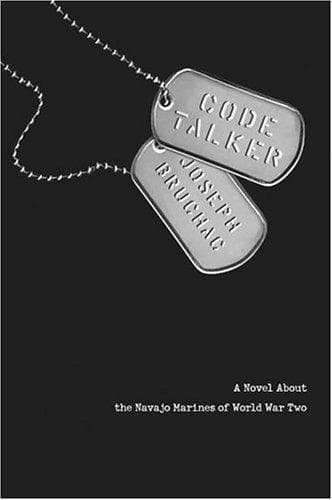
- Code talker
Joseph Bruchac
3.9 (19k) average on GoodreadsFeatures a young protagonist involved in WWII, highlighting courage and cultural insight.
- Island of the Blue Dolphins
Scott O'Dell
3.8 (292k) average on GoodreadsChildren'sFocuses on a young person's survival in a challenging natural environment.
- Hatchet
Gary Paulsen
3.7 (309k) average on GoodreadsChildren'sExplores themes of survival and self-reliance in the wilderness, with a young male protagonist.
- Code Name Verity
Elizabeth Wein
4.0 (97k) average on GoodreadsHistorical FictionCode Name Verity is also historical fiction set during WWII, but targets an older YA audience. While Elephant Run focuses on physical survival and a boy's journey, Code Name Verity delves deeply into psychological warfare, friendship, and moral dilemmas through epistolary narration. Wein's characterizations are arguably more complex and morally ambiguous, offering a richer, albeit darker, exploration of wartime experiences compared to Smith's more straightforward heroic narrative.
- The Boy in the Striped Pajamas
John Boyne
4.2 (518k) average on GoodreadsChildren'sBoth Elephant Run and The Boy in the Striped Pajamas use a child's perspective to explore the horrors of WWII. However, Boyne's novel directly confronts the Holocaust and the profound innocence of childhood against unimaginable evil, leading to a much more tragic and impactful ending. Smith's book, while dealing with danger and loss, maintains a more adventurous and hopeful tone, focusing on resilience and the power of connection rather than the stark, unadulterated tragedy central to Boyne's narrative.
- Harry Potter and the Sorcerer's Stone
J.K. Rowling
4.5 (7M) average on GoodreadsFantasyRescued from a miserable life under the stairs, an orphaned boy discovers he's a wizard destined for a magical school, where he uncovers a dangerous secret tied to the dark wizard who murdered his parents.



Enjoyed the summary?
A summary gives you the shape of the book. The book itself has the detail, the examples and the voice.
Find Elephant Run on AmazonAs an Amazon Associate, BookBrief earns from qualifying purchases. How we're funded