

Estimated read time: 7 min read
One Sentence Summary
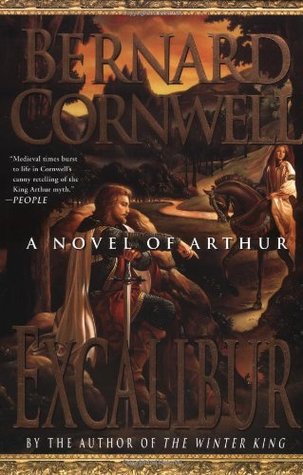
"Excalibur" by Bernard Cornwell is a historical fantasy novel that reimagines the legend of King Arthur through the eyes of Derfel, a warrior who becomes Arthur's loyal companion and battles to unite a fractured Britain.
Table of Contents
Introduction
Excalibur by Bernard Cornwell is a captivating historical novel that reimagines the legendary tale of King Arthur. Known for his vivid storytelling and meticulous research, Cornwell offers a fresh perspective on the Arthurian mythos, blending history and legend to create a gripping narrative. This book stands out in the realm of historical fiction, engaging readers with its blend of action, political intrigue, and rich character development. For students and lecturers exploring medieval literature or historical narratives, Excalibur provides a compelling study of myth-making and the intersection of history and fiction.
Historical Context
The story unfolds during a turbulent period in early medieval Britain, roughly the 5th and 6th centuries AD—a time often referred to as the Dark Ages. This era followed the Roman withdrawal from Britain, leaving a power vacuum that led to invasions, tribal conflicts, and shifting allegiances. The historical backdrop is characterized by the struggle between native Britons, Anglo-Saxon invaders, and other groups vying for control.
Cornwell grounds his narrative in this chaotic historical framework, incorporating real events such as the Battle of Mount Badon, a pivotal conflict often associated with Arthurian legend. The novel also references figures inspired by historical and legendary sources, though Cornwell intentionally blurs the lines between fact and myth to explore the origins of the Arthurian legend in a realistic setting.
Brief Synopsis
Plot Overview
Excalibur follows the life and rise of Derfel Cadarn, a warrior who becomes a key figure in the making of King Arthur’s legend. Told through Derfel’s first-person narrative, the story weaves through battles, political machinations, and personal struggles. The novel explores themes of loyalty, honor, and the cost of leadership, all while unraveling the mystery behind the mythic sword, Excalibur.
Setting
The novel is set across various locations in post-Roman Britain, including ancient towns, dense forests, and battlefields. The atmosphere is gritty and raw, reflecting the harsh realities of the era. Cornwell’s detailed descriptions immerse readers in a world where survival depends on strength and cunning, and where legends are born from blood and sacrifice.
Main Characters
| Name | Role | Key Traits | Importance to Plot |
|---|---|---|---|
| Derfel Cadarn | Protagonist, Warrior | Loyal, pragmatic, fierce fighter | Narrator and central figure anchoring the story |
| Arthur | King and Leader | Charismatic, strategic, idealistic | Central figure in uniting Britain |
| Merlin | Druid and Advisor | Mysterious, wise, manipulative | Provides mystical guidance and prophecy |
| Nimue | Priestess | Devout, enigmatic, influential | Represents spiritual and mystical elements |
| Ceinwyn | Derfel’s love interest | Strong-willed, compassionate | Adds emotional depth and personal stakes |
Plot Summary
Part 1: The Making of a Warrior
The novel opens with Derfel’s early life, marked by hardship and loss. Raised in a Britain torn by war and betrayal, Derfel becomes a skilled fighter under the tutelage of his uncle, a seasoned warrior. Through Derfel’s eyes, readers witness the brutal realities of warfare and the complex loyalties that define the era. His path crosses with Arthur’s early rise to power, and he becomes one of Arthur’s trusted companions.
Part 2: The Rise of Arthur
As Arthur consolidates power, Derfel participates in key battles and political alliances. The narrative delves into Arthur’s vision of a united Britain, challenging both internal dissent and external threats. Cornwell portrays Arthur not as a flawless hero but as a pragmatic leader wrestling with the burdens of kingship. The forging of Excalibur emerges as a symbol of Arthur’s authority and the hope for peace.
Part 3: The Cost of Power
The latter part of the novel focuses on the consequences of Arthur’s ambition. Derfel grapples with betrayal, loss, and moral dilemmas that test his loyalty. The story explores the tension between myth and reality, as the legendary elements surrounding Arthur and Excalibur grow amidst the harsh historical context. The narrative culminates in a climactic battle that reshapes the fate of Britain and solidifies the enduring legacy of the Arthurian legend.
Themes and Motifs
Leadership and Loyalty
Cornwell examines the complexities of leadership through Arthur’s efforts to unite a fractured land. Loyalty is portrayed as both a virtue and a source of conflict, with characters often torn between personal allegiance and political necessity.
Myth vs. Reality
A central theme is the interplay between historical fact and legend. The novel questions how myths are born and sustained, highlighting the human need for heroes and symbols in times of chaos.
Honor and Sacrifice
The narrative consistently explores the costs of honor and the sacrifices demanded by loyalty and duty. Characters face difficult choices, reflecting the moral ambiguity of war and leadership.
The Power of Symbolism
Excalibur itself serves as a powerful motif, symbolizing authority, hope, and the merging of myth with history. Its presence influences characters' actions and the collective imagination of the people.
Literary Techniques and Style
Bernard Cornwell employs a first-person narrative through Derfel, creating an intimate and immersive experience. His prose is direct and unadorned, reflecting the harshness of the setting while allowing moments of wit and reflection to shine through.
Cornwell’s use of detailed battle scenes showcases his mastery of military history, providing vivid and realistic depictions that enhance the narrative tension. Symbolism is woven subtly throughout the story, particularly through the sword Excalibur and the mystical elements introduced by characters like Merlin and Nimue.
The author balances historical realism with mythic elements, using a layered narrative structure that invites readers to consider the origins of legend within historical reality.
Author's Background
Bernard Cornwell is a renowned British author known for his historical novels, including the popular Sharpe series. His background in history and passion for detailed research inform his writing, lending authenticity to his depictions of past eras.
Cornwell’s style is characterized by accessible prose, well-crafted characters, and gripping action sequences. His work often explores themes of war, leadership, and identity. Excalibur is part of his The Warlord Chronicles trilogy, which collectively reinterprets the Arthurian legend in a historically plausible manner.
His influence extends across both popular and academic circles, making his novels valuable resources for exploring the intersection of history and myth.
Key Takeaways
- Excalibur blends historical fact and legend to create a nuanced portrayal of King Arthur and his era.
- The novel emphasizes the complexities of leadership and loyalty in a time of political instability.
- Myth and reality are intertwined, showing how stories shape cultural identity and collective memory.
- Bernard Cornwell’s detailed battle scenes and realistic characters provide a grounded perspective on legendary events.
- The narrative invites reflection on the nature of heroism and the cost of power.
Reader's Takeaway
Readers will find Excalibur intellectually stimulating and emotionally resonant. The novel challenges romanticized views of Arthurian legend, offering a gritty and humanized portrayal that encourages critical thinking about history and myth.
The vivid storytelling and complex characters engage readers, making historical events accessible and relevant. The emotional depth—highlighted by Derfel’s personal journey—adds layers of meaning, appealing to both academic and casual readers.
Students and lecturers can appreciate the book’s rich thematic content and its contribution to contemporary interpretations of medieval narratives.
Conclusion
Bernard Cornwell's Excalibur is a masterful reimagining of the Arthurian legend, grounded in historical reality yet infused with mythic power. Its engaging narrative, complex characters, and thoughtful exploration of themes make it a valuable read for anyone interested in medieval history, literature, or the enduring impact of myths.
By blending rigorous research with compelling storytelling, Cornwell invites readers to reconsider familiar legends through a fresh lens. This book not only entertains but also educates, making it an essential addition to academic discussions and personal libraries alike.
For those intrigued by the origins of legend and the realities behind myth, Excalibur offers a profound journey into the heart of Britain’s most enduring story.
Excalibur FAQ
What is the main theme of 'Excalibur' by Bernard Cornwell?
'Excalibur' explores themes of power, loyalty, betrayal, and the struggle for leadership during the decline of Roman Britain and the rise of the Arthurian legend.
Who is the protagonist of 'Excalibur'?
The protagonist is Derfel Cadarn, a warrior and close companion to King Arthur, who narrates the story and provides a unique perspective on the legendary events.
Is 'Excalibur' historically accurate?
'Excalibur' blends historical facts with Arthurian legend, providing a realistic portrayal of post-Roman Britain while weaving in mythological elements.
What is the significance of the sword Excalibur in the novel?
Excalibur symbolizes rightful leadership and power. In the novel, it is both a literal weapon and a metaphor for Arthur's claim to the throne.
Is 'Excalibur' part of a series?
Yes, 'Excalibur' is the third book in Bernard Cornwell's 'The Warlord Chronicles' trilogy.
What narrative style does Bernard Cornwell use in 'Excalibur'?
The story is told in the first person from Derfel's point of view, offering a personal and grounded account of the events.
Does 'Excalibur' focus more on historical events or fantasy elements?
'Excalibur' leans more towards historical fiction with minimal fantasy, focusing on realistic characters and political intrigue.
Can readers new to Arthurian legends enjoy 'Excalibur'?
Yes, Cornwell's accessible writing and fresh take make it enjoyable for both newcomers and fans of Arthurian tales.
What is the setting of 'Excalibur'?
The novel is set in post-Roman Britain, during a time of conflict between native Britons, Saxon invaders, and internal power struggles.
What makes 'Excalibur' by Bernard Cornwell unique among Arthurian novels?
Its gritty realism, historical grounding, and the perspective of a soldier narrator distinguish it from more mythical or romantic versions of the Arthurian legend.


