Estimated read time: 8 min read
Table of Contents
List of Characters
| Character Name | Role |
|---|---|
| Franz-Josef Murau | Protagonist |
| Konrad | Murau's uncle |
| Murau's cousins | Minor characters |
| Murau's aunts | Minor characters |
| Murau's mother | Minor character |
| Murau's father | Minor character |
| Murau's sister | Minor character |
| Murau's brother | Minor character |
| Glasisch | Murau's childhood friend |
| Hislo | Murau's childhood friend |
| Reger | Friend and fellow artist |
| Trotta | Murau's former classmate |
| Stang | Murau's former classmate |
| Murau's former students | Minor characters |
| Brother and Sister Mayrhofer | Minor characters |
| Sodomka | Doctor |
Role Identification
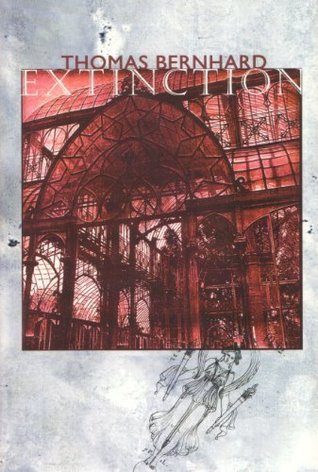
In the novel "Extinction" by Thomas Bernhard, the protagonist, Franz-Josef Murau, is a central character whose thoughts, memories, and observations drive the narrative. Murau is a middle-aged man who returns to his childhood home after receiving news of the deaths of his parents and brother. The story primarily focuses on Murau's reflections on his family, upbringing, relationships, and the interconnected themes of art, culture, and human existence.
Character Descriptions
Franz-Josef Murau
Franz-Josef Murau is a complex character who serves as the novel's narrator. He is described as a highly introspective and contemplative individual. Murau is burdened by his family's history and the weight of his own existence. Physically, he is depicted as a middle-aged man with a thoughtful demeanor and a somber appearance. His internal struggles and emotional turmoil are reflected in his reserved and introverted nature.
Konrad
Konrad is Murau's uncle and plays a significant role in the story. He is portrayed as an eccentric and reclusive character who lives in a dilapidated mansion. Konrad's presence adds a sense of mystery and intrigue to the narrative. He becomes a catalyst for Murau's introspection, as their conversations often delve into existential questions and philosophical musings.
Glasisch and Hislo
Glasisch and Hislo are Murau's childhood friends. They are minor characters in the story but contribute to the development of Murau's character. Glasisch is depicted as an artist who shares Murau's passion for creative expression. Hislo, on the other hand, is portrayed as a more pragmatic and skeptical individual. Through his interactions with Glasisch and Hislo, Murau reflects on the nature of friendship, the pursuit of art, and the complexities of human relationships.
Reger
Reger is a friend and fellow artist of Murau. He serves as a sounding board for Murau's thoughts and emotions. Reger is depicted as a pessimistic and cynical character who shares Murau's disillusionment with society and culture. Their conversations revolve around their shared disdain for the art world, the mediocrity of contemporary artists, and the decay of human values.
Trotta and Stang
Trotta and Stang are Murau's former classmates. They are presented as successful individuals who seemingly have their lives together. Murau's interactions with Trotta and Stang highlight his feelings of inadequacy and his struggle to find his own place in the world. Their contrasting paths serve as a reminder of Murau's own failures and missed opportunities.
Other Minor Characters
Throughout the novel, various minor characters, such as Murau's cousins, aunts, and former students, make appearances. While their roles are relatively small, they contribute to the overall atmosphere and provide insights into Murau's family dynamics, social connections, and past experiences.
Character Traits
Franz-Josef Murau
- Introspective: Murau spends a significant amount of time reflecting on his own thoughts, memories, and emotions.
- Thoughtful: He carefully considers his observations and experiences, often delving into deep philosophical contemplations.
- Reserved: Murau tends to keep his emotions and inner thoughts to himself, rarely sharing them openly with others.
- Melancholic: He carries a sense of sadness and melancholy, stemming from the losses and disappointments in his life.
- Perceptive: Murau is highly observant, noticing even the smallest details in his surroundings and the behavior of others.
Konrad
- Eccentric: Konrad's reclusive lifestyle and idiosyncratic behavior make him stand out as an unusual character.
- Philosophical: He engages in deep conversations with Murau, exploring existential questions and the nature of human existence.
- Mysterious: Konrad's enigmatic personality adds an air of mystery to the story, leaving the reader curious about his true motivations and intentions.
Glasisch and Hislo
- Artistic: Both Glasisch and Hislo share a passion for art and creative expression, influencing Murau's own artistic sensibilities.
- Contrasting Perspectives: Glasisch embodies idealism and romanticism in art, while Hislo represents a more skeptical and pragmatic view.
- Childhood Friends: Glasisch and Hislo serve as reminders of Murau's past and the influence of his upbringing on his current state of mind.
Reger
- Pessimistic: Reger's cynicism and pessimism permeate his conversations with Murau, reflecting his disillusionment with society and culture.
- Critical: He offers scathing critiques of contemporary artists and their works, challenging Murau to question the value and purpose of art.
- Intellectual: Reger's discussions with Murau delve into complex philosophical ideas, stimulating Murau's own intellectual curiosity.
Trotta and Stang
- Successful: Trotta and Stang's achievements highlight Murau's feelings of inadequacy and his struggle to find fulfillment in his own life.
- Contrasting Paths: Trotta's career success contrasts with Murau's artistic failures, while Stang's stable family life serves as a reminder of Murau's own broken relationships.
Character Background
Franz-Josef Murau comes from a family with a troubled history. His parents and brother have recently passed away, prompting his return to his childhood home. Murau's upbringing was marked by a sense of isolation and detachment, which has had a lasting impact on his character. His family is portrayed as dysfunctional, with strained relationships and a lack of emotional connection. Murau's artistic ambitions have also faced numerous setbacks, contributing to his disillusionment and feelings of failure.
Character Arcs
Franz-Josef Murau
Throughout the novel, Murau's character undergoes a significant internal transformation. Initially burdened by his family's history and his own failures, Murau gradually confronts his past and begins to find acceptance and closure. His interactions with Konrad, Glasisch, Hislo, Reger, Trotta, and Stang serve as catalysts for self-reflection and personal growth. By the end of the novel, Murau has gained a deeper understanding of himself, his relationships, and the nature of art and existence.
Relationships
Franz-Josef Murau and Konrad
The relationship between Murau and Konrad is a central focus of the novel. Konrad's presence triggers Murau's introspection and shapes his understanding of his own identity and place in the world. Their conversations explore existential themes and provide Murau with a perspective that challenges his own beliefs and assumptions.
Franz-Josef Murau and Glasisch/Hislo
Glasisch and Hislo, as Murau's childhood friends, represent different aspects of his past. Their relationships offer Murau a connection to his own history, while also influencing his artistic sensibilities. Glasisch embodies the idealism and passion that Murau once had, while Hislo adds a dose of skepticism and pragmatism.
Franz-Josef Murau and Reger
Murau's relationship with Reger is characterized by shared disillusionment and a mutual disdain for the art world. Their discussions allow Murau to vent his frustrations and explore his own artistic convictions. Reger's intellectualism challenges Murau to question the purpose and value of art and provides a sounding board for his thoughts and emotions.
Franz-Josef Murau and Trotta/Stang
The interactions between Murau, Trotta, and Stang highlight Murau's feelings of inadequacy and his struggle to find fulfillment. Trotta's success and Stang's stability serve as reminders of Murau's own failures and broken relationships. These relationships prompt Murau to reflect on his choices and question the path he has taken in life.
In conclusion, "Extinction" by Thomas Bernhard presents a rich tapestry of characters, each playing a distinct role in Franz-Josef Murau's journey of self-discovery and reflection. Through his relationships and interactions, Murau confronts his past, grapples with existential questions, and undergoes a profound transformation. The character analysis provides an in-depth understanding of the characters' roles, traits, backgrounds, and their impact on Murau's character arc.