

Synopsis
Covers the whole plot, including the ending.
- Difficulty
- Easy
- Pacing
- Moderate
- Mood
- Heartwarming, Authentic, Thought-provoking, Romantic
- Read it if
- You're looking for an honest, heartfelt YA romance with complex characters, exploring themes of identity, self-discovery, and first love, particularly from a trans perspective.
- Skip it if
- You prefer romances without love triangles or are uncomfortable with discussions around gender identity and transphobia.
Felix Ever After Plot Summary
Covers the whole plot, including the ending.
A Transphobic Attack and a Plan for Revenge
Felix Love, a Black, queer, and transgender seventeen-year-old, struggles with his art and his desire for romantic love, which he feels is out of reach. He attends St. Catherine's School, where he is one of few Black students and the only openly trans student. His summer begins with an anonymous account posting his deadname and old photos on a gallery wall, along with transphobic messages. Hurt, Felix tells his best friend, Ezra, and decides to find the person responsible. He creates an anonymous Instagram account, 'anon_stc,' to catfish a main suspect, Declan, who has a history of transphobic comments. Felix hopes to expose him.
The Catfish Begins and Feelings Emerge
Felix's catfish plan starts as he messages Declan, pretending to be an art student. However, another anonymous user, 'anon_stc_2,' messages 'anon_stc,' offering support about the transphobic incident. Felix finds himself in a real conversation with 'anon_stc_2,' sharing personal thoughts about his art and identity. He starts to develop feelings for this anonymous person, which complicates his revenge plan. At the same time, Felix's friendship with Ezra is strained by Ezra's easy social life and Felix's feelings for his ex-boyfriend, Peter, who is now dating Ezra.
Unraveling Suspects and Deepening Connections
As Felix talks more online, he begins to suspect 'anon_stc_2' might be Declan, because they share interests and talk similarly. Declan is still his main suspect for the transphobic attack. Felix also continues to pursue Peter, trying to restart their old romance, which only creates more tension with Ezra. Through his talks with 'anon_stc_2,' Felix explores his gender identity more, realizing 'transgender' might not fully describe him and that he might be genderfluid or non-binary. This online connection gives him a safe place to question parts of himself he hadn't thought about before.
A Kiss and a Confession
At a party, Felix unexpectedly kisses Declan. This physical moment confuses Felix, as he finds himself attracted to Declan, despite his suspicions and the catfish scheme. The kiss makes him question his first thoughts about Declan and deepens his feelings for 'anon_stc_2.' He continues to tell 'anon_stc_2' about his feelings for Peter and the mysterious person he kissed, unknowingly talking about Declan with Declan himself. The lines between his online identity, his real feelings, and his revenge plan become unclear.
The Truth is Revealed
The truth comes out when Felix and Declan meet. Declan confesses that he is 'anon_stc_2.' This surprises Felix, who is dealing with the emotional connection they had online and his belief that Declan was the person behind the transphobic attack. Declan explains he was trying to be supportive online and regrets his past insensitive comments. He clarifies he did not post Felix's deadname. This makes Felix rethink his assumptions and see Declan's character as more complex than he first thought.
Unmasking the Real Perpetrator and Betrayal
With Declan cleared of the transphobic attack, Felix and Ezra look at other suspects. Through clues and conversations, Felix discovers the truth: his best friend, Ezra, posted his deadname and old photos. Ezra confesses he was jealous of Felix's talent and attention, feeling overshadowed. He also reveals his insecurity about his own identity and his family's expectations. This betrayal devastates Felix, leading to a painful talk and a big problem in their friendship, leaving Felix feeling alone and confused.
Processing Betrayal and Seeking Closure
After Ezra's confession, Felix is upset. He struggles to understand how his supportive friend could do such a hurtful thing. He isolates himself, feeling betrayed and questioning his ability to trust. He talks to his father, who offers comfort and understanding, reminding Felix of his worth and the importance of self-love. This difficult time makes Felix face his own vulnerabilities and the complexities of relationships, realizing that even close friends can make mistakes and cause pain.
Mending Fences and Forging New Paths
After some time and space, Felix and Ezra slowly begin to fix their friendship. Ezra expresses true regret and takes responsibility for his actions. Felix, though still hurt, sees Ezra's pain and willingness to change. They have honest talks about their past and their own struggles. This period also makes Felix rethink his art goals, moving away from trying to meet others' expectations and instead focusing on creating art that reflects his own experiences and identity. He also explores his gender identity more, moving towards identifying as genderfluid.
Embracing Self-Discovery and Love
Felix fully embraces his genderfluid identity, finding strength in defining himself. He tells his father and friends, who support him. His relationship with Declan grows deeper as they move past the early deceptions and build a foundation of honesty and respect. Felix realizes that the love he sought was not just romantic, but also self-acceptance. The book ends with Felix and Declan in a loving relationship, and Felix feeling confident and secure in his identity, ready to pursue his art and future with new clarity and self-worth.
Felix Ever After Characters
Felix Love
Protagonist
A Black, queer, and genderfluid teen artist seeking love and self-acceptance.
Felix is a seventeen-year-old artist attending St. Catherine's School. He is Black, queer, and transgender, initially identifying as a trans boy but later realizing he is genderfluid. He yearns for romantic love, feeling he's 'one marginalization too many' to find it. Felix is passionate about art but struggles with self-doubt and the pressure to create 'meaningful' pieces. He is fiercely loyal to his friends, though sometimes prone to impulsive decisions driven by hurt or insecurity, as seen in his catfish revenge plot. His journey is one of deep introspection, grappling with identity, betrayal, and ultimately, self-love.
Relationships: Ezra (Best friend, later revealed as the perpetrator of the transphobic attack, leading to a fractured but eventually mending friendship.); Declan (Initial suspect, then anonymous online confidant, and ultimately Felix's boyfriend.); Peter (Felix's ex-boyfriend and current boyfriend of Ezra, a source of unrequited crush and jealousy for Felix.); Felix's Dad (Supportive and understanding single father.)
Ezra Patel
Supporting/Antagonist
Felix's best friend, who commits a hurtful act out of insecurity and jealousy.
Ezra is Felix's charismatic and outwardly confident best friend, who is also queer and struggles with his own identity and family expectations. He often appears to navigate social situations with ease, which sometimes makes Felix feel more insecure. Despite his deep friendship with Felix, Ezra harbors significant jealousy regarding Felix's artistic talent and the attention he receives. This insecurity ultimately drives him to commit the transphobic act against Felix, a painful betrayal. He later expresses genuine remorse and works to mend their fractured friendship, revealing a complex character capable of both great loyalty and profound mistakes.
Relationships: Felix Love (Best friend, later perpetrator of a hurtful act, then seeking reconciliation.); Peter (Boyfriend.)
Declan Miller
Supporting/Love Interest
An initial suspect who becomes Felix's anonymous confidant and eventual boyfriend.
Declan is initially presented as a potential antagonist, having a reputation for making insensitive comments. He becomes Felix's primary suspect for the transphobic attack. However, through his anonymous online persona, 'anon_stc_2', Declan reveals a much more thoughtful, empathetic, and vulnerable side. He genuinely connects with Felix over shared artistic interests and personal struggles, offering support and understanding. He is genuinely remorseful for his past comments and proves himself to be a kind and caring individual, ultimately becoming Felix's romantic partner. He plays a crucial role in Felix's journey of self-discovery and finding love.
Relationships: Felix Love (Love interest and eventual boyfriend, first connected anonymously online.)
Peter
Supporting
Felix's ex-boyfriend and the object of Felix's unrequited crush.
Peter is Felix's ex-boyfriend and Ezra's current boyfriend. He represents Felix's past romantic experiences and acts as a catalyst for Felix's jealousy and insecurity regarding love. While not a malicious character, Peter's presence in Felix's life, particularly his relationship with Ezra, highlights Felix's feelings of being overlooked and his struggle to move on. He is generally kind but somewhat oblivious to the deeper emotional turmoil he inadvertently causes Felix. His role is primarily to provide a romantic obstacle and to underscore Felix's yearning for connection.
Relationships: Felix Love (Ex-boyfriend, still the object of Felix's unrequited crush.); Ezra (Boyfriend.)
Felix's Dad
Supporting
Felix's supportive and understanding single father.
Felix's dad is a loving and emotionally intelligent single parent who provides a strong support system for Felix. He is accepting of Felix's transgender identity and offers wise counsel and comfort during Felix's emotional struggles, particularly after the betrayal by Ezra. He encourages Felix's artistic pursuits and helps him navigate the complexities of identity and relationships. His presence is a grounding force in Felix's life, showcasing a positive and affirming parental relationship for a trans youth.
Relationships: Felix Love (Father and confidant.)
Marisol
Supporting
A fellow art student and friend of Felix.
Marisol is a classmate and friend of Felix, part of his broader social circle at St. Catherine's. She is generally supportive and present in social situations, though her role is less central than Ezra or Declan. She represents a broader network of peers and offers a different perspective on the school's social dynamics. She is part of the group that tries to support Felix after the transphobic incident.
Relationships: Felix Love (Friend and classmate.)
Leah
Supporting
A fellow art student and friend of Felix.
Leah is another classmate and friend of Felix, similar to Marisol. She is part of Felix's social circle at St. Catherine's and is present during various social gatherings and discussions. She contributes to the atmosphere of the art program and offers support to Felix, particularly during the early stages of the transphobic incident. Her role is primarily to fill out Felix's social world and provide a sense of community.
Relationships: Felix Love (Friend and classmate.)
Felix Ever After Themes
Identity and Self-Discovery
The novel shows Felix's self-discovery, especially about his gender identity. He first identifies as a trans boy but feels that label doesn't quite fit. He eventually realizes and accepts his genderfluid identity. This internal struggle is like his outer search for love and acceptance. Understanding oneself is important for real connection. The transphobic attack makes Felix confront how others see him, but it also pushes him to understand his own truth, apart from outside opinions or labels. His art also helps him explore and express his changing identity.
“Maybe 'transgender boy' just wasn't enough. Maybe I was something else entirely. Maybe I was just Felix.”
The Search for Love and Belonging
Felix wants to experience romantic love and wonders why it seems to avoid him. He fears that being 'one marginalization too many' (Black, queer, transgender) makes him unlovable. This theme appears in his unrequited crush on Peter, his complex feelings for Declan, and his desire for a deep connection. The book redefines love for Felix, showing that real love starts with self-acceptance. Belonging comes from finding those who appreciate his true self, rather than trying to fit others' expectations. His journey shows the human need for connection and acceptance.
“I just wanted to be loved. To be chosen. To feel like I was enough for someone.”
Betrayal and Forgiveness
A main plot point is the betrayal Felix feels when he learns his best friend, Ezra, was behind the transphobic attack. This shatters Felix's trust and makes him face the painful fact that even close friends can cause deep hurt. The novel explores dealing with such a betrayal, the anger and pain it causes, and the long, hard road to understanding and possible forgiveness. It also looks at why betrayal happens, showing Ezra's own insecurities and jealousy, which adds layers to the idea of harm and making amends.
“The person I trusted most in the world. The person who was supposed to have my back. It was him.”
Art as Self-Expression and Healing
Felix is an artist, and his art helps him express himself and process emotions throughout the novel. At first, he struggles to make authentic art, often trying to create pieces he thinks others expect. The transphobic incident and his self-discovery directly affect his art, pushing him to create work that shows his true feelings and evolving identity. His art becomes a form of therapy, a way to deal with trauma, explore his genderfluidity, and celebrate who he is. This shows the strong link between creativity and personal growth.
“My art wasn't just about what I saw anymore. It was about what I felt. Who I was.”
Plot Devices & Literary Techniques
Catfishing/Anonymous Online Persona
A revenge plot that leads to unexpected emotional intimacy and revelations.
Felix creates an anonymous Instagram account ('anon_stc') to catfish Declan, his prime suspect for the transphobic attack. This device not only drives the initial plot of revenge but also introduces 'anon_stc_2', a second anonymous user who engages Felix in deep, confessional conversations. The anonymity allows Felix to explore his vulnerabilities and gender identity without immediate judgment, paradoxically fostering a genuine emotional connection that complicates his revenge. It highlights the dual nature of online interactions – the potential for deception and the capacity for profound intimacy and self-discovery.
The Deadname and Pre-Transition Photos
A symbol of Felix's past and a catalyst for his trauma and growth.
The public posting of Felix's deadname and pre-transition photos is the inciting incident of the novel. This act represents a profound violation of Felix's privacy and identity, triggering his feelings of humiliation and fear. It symbolizes the threat of having one's past define or invalidate their present identity. However, this traumatic event also becomes a catalyst for Felix's deeper self-exploration, leading him to reclaim his narrative and solidify his understanding of who he truly is, ultimately strengthening his resolve to live authentically.
Art as a Metaphor
Felix's artistic struggles mirror his personal journey of identity and authenticity.
Felix's struggles with his art—trying to create 'meaningful' pieces, feeling pressure to conform, and doubting his own vision—serve as a powerful metaphor for his personal journey of identity. His inability to finish a portfolio that feels authentic reflects his internal confusion about who he is and who he wants to be. As he comes to terms with his genderfluidity and finds self-acceptance, his art transforms, becoming a genuine expression of his inner world. The completion of his portfolio, filled with authentic self-portraits, symbolizes his successful integration of identity and self-love.
Love Triangle (Quasi-)
A romantic entanglement that complicates Felix's emotional landscape.
The novel features a quasi-love triangle involving Felix, Peter, and Declan (and, indirectly, Ezra). Felix still harbors feelings for his ex-boyfriend Peter, who is dating his best friend Ezra. Simultaneously, Felix develops a deep emotional connection with 'anon_stc_2' (who is Declan), and a physical attraction to Declan in person. This romantic entanglement creates emotional tension, jealousy, and confusion for Felix, forcing him to confront his true desires and distinguish between past attachments and genuine new connections. It ultimately helps him clarify what he truly seeks in a relationship and in himself.
Felix Ever After Quotes
“I'm not a girl. I'm not a boy. I'm just me.”
“Love isn't about finding someone who completes you. It's about finding someone who accepts you completely.”
“Sometimes the hardest person to forgive is yourself.”
“I don't want to be loved in spite of who I am. I want to be loved because of who I am.”
“Art is how I make sense of the world when nothing else makes sense.”
“Being trans isn't a phase. It's who I am.”
“Hurt people hurt people, but that doesn't make it okay.”
“I'm allowed to take up space. I'm allowed to exist.”
“Friendship isn't about never fighting. It's about fighting for each other.”
“My name is Felix Love, and I deserve to be loved.”
“Sometimes you have to create the family you need.”
“Fear is just a feeling. It doesn't have to control you.”
“I'm not broken. I'm just different, and different is beautiful.”
“Love should be a safe place, not a battlefield.”
Quiz
10 questions on the plot and the characters. Each answer comes with a short explanation.
Question 1
What is Felix Love's primary motivation at the beginning of the novel?
- To win an art scholarship to Brown University
- To experience romantic love for the first time
- To expose a school bully publicly
- To reconnect with his estranged father
Show answer
B. To experience romantic love for the first time Felix is painfully aware he's never been in love and desperately wants to know what it's like, which drives much of his early actions and emotional state in the book.
Question 2
What incident triggers Felix's plan for revenge?
- Someone vandalizes his locker with slurs
- An anonymous student sends transphobic messages and posts his deadname with pre-transition photos
- He receives a threatening note in his backpack
- A teacher misgenders him during class
Show answer
B. An anonymous student sends transphobic messages and posts his deadname with pre-transition photos The anonymous transphobic harassment—specifically the public posting of Felix's deadname and pre-transition images—is the catalyst that leads him to devise a revenge scheme.
Question 3
Which character becomes part of Felix's 'quasi-love triangle' due to his catfishing scheme?
- Ezra, his best friend
- Declan, the boy he suspects is the harasser
- Marisol, a fellow art student
- Leah, his supportive mother
Show answer
B. Declan, the boy he suspects is the harasser Felix catfishes Declan, whom he suspects is sending the transphobic messages, but unexpectedly develops complicated feelings that create a love triangle situation.
Question 4
What is Felix's secret fear about his identity throughout much of the novel?
- That he's not 'trans enough' compared to other transgender people
- That he's one marginalization too many—Black, queer, and transgender—to ever get a happily-ever-after
- That his artistic talent isn't sufficient for college
- That he'll never be accepted by his conservative extended family
Show answer
B. That he's one marginalization too many—Black, queer, and transgender—to ever get a happily-ever-after Despite being proud of his identity, Felix secretly worries that being Black, queer, and transgender makes him 'too much' to deserve love and happiness, which is a central internal conflict.
Question 5
How does Felix's revenge plan initially backfire?
- He accidentally reveals his own identity to the entire school
- He gets caught by school administrators and faces suspension
- It leads to unexpected romantic feelings and complicates his relationships
- It causes his best friend Ezra to distance himself permanently
Show answer
C. It leads to unexpected romantic feelings and complicates his relationships Felix's catfishing scheme to get revenge on Declan results in him developing genuine feelings, creating a love triangle and emotional complications he didn't anticipate.
Question 6
What significant realization does Felix have about himself during his journey of self-discovery?
- That he wants to pursue a career in medicine instead of art
- That he is actually cisgender and was mistaken about his identity
- That his most important relationship is how he feels about himself
- That he should forgive his harasser completely without consequences
Show answer
C. That his most important relationship is how he feels about himself Through his experiences with love, harassment, and identity questioning, Felix learns to prioritize self-love and self-acceptance as fundamental to his happiness.
Question 7
Which of these themes is NOT prominently explored in 'Felix Ever After'?
- The intersectionality of Black, queer, and transgender identity
- The challenges of cyberbullying and anonymous harassment
- The pressure to conform to traditional gender roles in a dystopian society
- The complexity of first love and romantic relationships
Show answer
C. The pressure to conform to traditional gender roles in a dystopian society While the book deals with gender identity, it focuses on contemporary real-world issues rather than dystopian societal pressures. The other options are central themes.
Question 8
What role does Felix's art play in his character development?
- It serves primarily as a plot device to get him into college
- It is a tool for self-expression and processing his identity journey
- It causes conflict with his parents who disapprove of his career choice
- It is abandoned halfway through the book as he loses interest
Show answer
B. It is a tool for self-expression and processing his identity journey Felix's art is intertwined with his self-discovery, allowing him to explore and express his feelings about identity, love, and self-acceptance throughout the narrative.
Question 9
How does the resolution of the harassment subplot contribute to Felix's growth?
- It proves that revenge is always the best response to bullying
- It allows Felix to publicly shame his harasser, gaining school-wide popularity
- It helps Felix move beyond seeking external validation and focus on self-worth
- It results in the harasser being expelled, giving Felix a sense of justice
Show answer
C. It helps Felix move beyond seeking external validation and focus on self-worth Discovering the harasser's identity and motives leads Felix to realize that his happiness doesn't depend on others' approval, reinforcing his journey toward self-love.
Question 10
What does the title 'Felix Ever After' ultimately signify about the novel's message?
- That Felix achieves a perfect fairy-tale romance by the end
- That transgender individuals can only find happiness after transitioning
- That everyone, regardless of marginalization, deserves and can find their own version of happiness
- That Felix's story is a cautionary tale about the dangers of social media
Show answer
C. That everyone, regardless of marginalization, deserves and can find their own version of happiness The title plays on 'happily ever after' to affirm that Felix—and by extension, people with marginalized identities—are worthy of love and self-acceptance, not perfection.
Felix Ever After FAQ
What is 'Felix Ever After' about?
The novel follows Felix Love, a Black transgender teen who has never been in love despite his ironic last name. After an anonymous bully posts his deadname and pre-transition photos online, Felix creates a catfishing scheme for revenge that unexpectedly leads him into a quasi-love triangle, forcing him to confront his fears about identity and self-worth.
Why should I read 'Felix Ever After'?
This Stonewall and Lambda Award-winning novel offers a raw, honest exploration of intersectional identity through a transgender protagonist's journey. It combines a compelling revenge plot with tender romance and profound self-discovery, making it both emotionally resonant and socially relevant for readers interested in LGBTQ+ stories.
What is the background/setting of 'Felix Ever After'?
The story is set in contemporary New York City, primarily at an arts-focused high school where Felix attends. The urban environment provides a backdrop for both the anonymous cyberbullying incident and Felix's artistic pursuits, while the school setting amplifies the social pressures he faces regarding his identity.
What are the most memorable quotes from 'Felix Ever After'?
Key quotes include Felix's reflection 'I'm one marginalization too many' capturing his internalized fears, and declarations about self-love like 'I deserve to be loved' that mark his emotional growth. The novel's title itself becomes meaningful as Felix questions what 'ever after' means for someone like him.
What writing style does Kacen Callender use in this novel?
Callender employs an intimate first-person narrative that immerses readers in Felix's thoughts and emotions. The prose balances lyrical introspection with realistic dialogue, creating an authentic teenage voice while exploring complex themes of identity, love, and social justice with sensitivity.
What minor details add significant meaning to the story?
Small details like Felix's art portfolio—which evolves throughout the novel—visually track his self-acceptance journey. The specific New York locations he frequents, like the Met steps, become symbolic spaces where key identity revelations occur, transforming ordinary settings into meaningful backdrops.
What are some subtle foreshadowing moments in the plot?
Early interactions with supporting characters like Ezra and Leah contain hints about their deeper connections to Felix's journey. The anonymous messages' timing often coincides with Felix's moments of vulnerability, subtly suggesting the bully's proximity in his social circle before the revelation.
What unexpected character connections exist in the story?
The catfishing scheme unexpectedly connects Felix to Declan, who initially appears as an antagonist but becomes part of his romantic confusion. More surprisingly, Felix discovers that his closest friends have been navigating their own complex identities parallel to his journey, creating deeper bonds than initially apparent.
What are Felix's unspoken motivations throughout the story?
Beneath his revenge plot, Felix is motivated by a deep-seated fear that being Black, queer, and transgender makes him unlovable. His catfishing scheme masks a desperate desire to prove he can be desired, while his artistic pursuits secretly represent his search for a self he can fully accept.
What psychological complexities do the characters exhibit?
Felix grapples with internalized transphobia despite his pride in his identity, creating cognitive dissonance. Supporting characters like Ezra show how allyship can be complicated by personal insecurities, while Declan's development reveals how privilege can blind someone to others' struggles until confronted directly.
What are the major emotional turning points for Felix?
Key turning points include the initial cyberbullying attack that triggers his revenge plot, the moment his catfishing backfires and creates romantic confusion, his confrontation with the bully's identity, and ultimately his realization that self-love must precede romantic love—each marked by visceral emotional reactions and growth.
How do Felix's relationship dynamics evolve throughout the novel?
Felix's relationships transform from surface-level connections to deeply vulnerable bonds. His friendship with Ezra deepens through shared secrets, his adversarial relationship with Declan becomes complicated by genuine attraction, and most importantly, his relationship with himself shifts from self-doubt to growing self-acceptance.
Which parts of the story remain ambiguous or open-ended?
The novel leaves some aspects of Felix's future intentionally open, particularly regarding his romantic relationships. While his self-acceptance journey reaches resolution, questions about how he'll navigate college, his art career, and specific relationships beyond high school remain for readers to imagine.
What are controversial scenes or decisions in the book?
Felix's catfishing scheme raises ethical questions about deception in relationships, even as revenge. Some readers debate whether his methods are justified given his trauma. Additionally, the romantic triangle elements provoke discussion about consent and honesty in queer relationships navigating complex identity issues.
How does 'Felix Ever After' end and what does it mean?
The ending shows Felix achieving self-acceptance rather than focusing on romantic closure. He recognizes that his 'happily ever after' begins with loving himself first. This redefines the traditional romance narrative, suggesting that for marginalized individuals, personal wholeness is the foundation for any future love.
What does the title 'Felix Ever After' ultimately signify?
The title evolves from ironic wordplay about Felix Love never having been in love to a profound statement about redefining 'happily ever after' on one's own terms. It represents Felix's journey toward understanding that his worth isn't dependent on romantic love, but on self-acceptance as a Black transgender person.
About the author
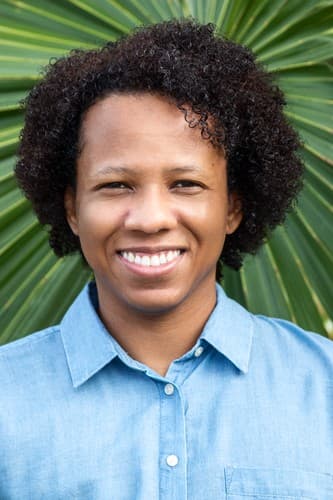
Kacen Callender is an author known for their contributions to contemporary fiction, particularly in the realm of young adult literature. Their notable work, "Felix Ever After," explores themes of identity and self-discovery. Callender's writing often addresses issues of race, gender, and sexuality, making significant impacts in the literary community.
Similar books
- I Wish You All the Best
Mason Deaver
4.1 (15k) average on GoodreadsPsychologyExplores non-binary identity and finding love and acceptance after being disowned.
- Simon vs. the Homo Sapiens Agenda
Becky Albertalli
4.3 (288k) average on GoodreadsYoung AdultWhile groundbreaking for its portrayal of gay teen romance, Simon focuses on a white, cisgender experience. Felix Ever After offers a more complex, intersectional narrative by centering a Black, transmasculine protagonist, delving deeper into gender identity and racial experiences.
- They Both Die at the End
Adam Silvera
4.1 (95k) average on GoodreadsFantasySilvera's book explores queer love within a high-concept, philosophical premise about life and death. Felix Ever After grounds its narrative more firmly in the everyday lived experiences of its protagonist, offering a more intimate and relatable journey of self-acceptance and identity formation, rather than a speculative one.
- Harry Potter and the Sorcerer's Stone
J.K. Rowling
4.5 (7M) average on GoodreadsFantasyRescued from a miserable life under the stairs, an orphaned boy discovers he's a wizard destined for a magical school, where he uncovers a dangerous secret tied to the dark wizard who murdered his parents.
- The Hunger Games
Suzanne Collins
4.3 (6.4M) average on GoodreadsFantasyIn a future where children fight to the death on live television, Katniss Everdeen volunteers for the arena, turning a death sentence into a fight for survival and a spark of rebellion.
- To Kill a Mockingbird
Harper Lee
4.3 (4.5M) average on GoodreadsHistorical FictionIn the 1930s Jim Crow South, Harper Lee writes about racial injustice, moral growth, and the quiet courage of a lawyer father, Atticus Finch, as seen through his young daughter's eyes.






Enjoyed the summary?
A summary gives you the shape of the book. The book itself has the detail, the examples and the voice.
Find Felix Ever After on AmazonAs an Amazon Associate, BookBrief earns from qualifying purchases. How we're funded