

Synopsis
Covers the whole plot, including the ending.
- Difficulty
- Medium
- Pacing
- Moderate
- Mood
- Redemptive, Hopeful, Emotional, Romantic
- Read it if
- You enjoy second-chance romance stories with a focus on redemption, family ties, and overcoming a troubled past.
- Skip it if
- You prefer lighthearted romance without significant emotional baggage or criminal justice themes.
Finding Freedom Plot Summary
Covers the whole plot, including the ending.
Jedda's Release and Return to Edenville
Jedda Wright is released from prison after serving a long sentence for a crime he did not commit. He returns to Edenville, a town that has changed much in his absence and feels foreign to him. Burdened by his past and the shame of prison, Jedda believes he is beyond redemption and struggles to fit back into society. He carries the weight of his perceived failures and the sacrifices he made, especially for Willow and her family. His first interactions are cautious, and he pushes away any chance at connection, convinced he is not worthy of a normal life or love. He seeks solitude, trying to find his place in a community that both remembers and judges him.
Willow's New Life and Lingering Guilt
Willow, having escaped her troubled past, has built a successful life for herself, now enjoying her new status. However, her success is marred by the knowledge that Jedda went to prison to protect her and her brother. This guilt has haunted her for years, shaping her choices and relationships. When she learns of Jedda's release, she feels an urgent need to see him, to thank him, and perhaps to seek some form of relief. Despite her outward success, she carries a deep emotional burden, constantly reminded of Jedda's sacrifice and her unintentional role in his imprisonment. She wants to make amends but fears his reaction and reopening old wounds.
First Encounters and Unresolved Tensions
Jedda and Willow have their first careful meeting in Edenville. The air between them is thick with their shared history, guilt, and a complex mix of feelings. Jedda is wary and distant, his past pain making him push Willow away, while Willow desperately wants to connect and express her gratitude and regret. Their conversation is strained, showing the gap that years of separation and trauma have created. Jedda's bitterness and Willow's guilt clash, making it hard for them to bridge the divide. They both struggle with how to manage their changed relationship, haunted by the past and unsure about a future that seems to pull them together while also pushing them apart.
Jedda's Struggle to Reintegrate
Jedda struggles to adjust to the changed world and the fast advancements that happened while he was in prison. Simple technologies confuse him, and he feels like an outsider in his own hometown. He tries to find work, but his criminal record, despite his innocence, is a major obstacle. The community's view of him is mixed; some offer cautious support, while others remain suspicious or openly hostile. He isolates himself, believing he does not belong and that his past will always define him. This struggle reinforces his belief that he is a lost cause, making him resist any attempts by others to help or get close to him.
Willow's Past Catches Up
Willow's carefully built new life in Edenville begins to fall apart as people from her difficult past reappear. Her previous relationships, especially one with a possessive and dangerous person, resurface, bringing threats and instability. These messy connections endanger not only Willow but also those around her, including her brother and, by chance, Jedda. She tries to keep her past separate from her present, but the lines blur, forcing her to face the dangers she thought she had escaped. This outside threat puts pressure on her and Jedda, drawing them closer as they are forced to deal with the worsening situation.
Jedda's Protective Instincts Resurface
As threats from Willow's past grow, Jedda's protective instincts, long hidden by his own pain, return. Despite his efforts to keep her at a distance and his belief that he is no hero, he cannot stand by and watch her be harmed. He starts to subtly, then more openly, step in to ensure her safety. This brings back their old dynamic, reminding them both of the sacrifices he made years ago. His actions are not driven by a desire for redemption, but by a deep sense of responsibility and care for Willow, showing that some parts of him, despite his trauma, remain unchanged.
Edenville's Ragtag Team Steps Up
The close-knit community of Edenville, especially a group of 'do-gooders,' becomes aware of the growing threats against Willow and Jedda. These characters, each with their own skills and backgrounds, come together to offer support, protection, and a sense of belonging. They provide Jedda with a much-needed network, helping him navigate his new life and the dangers that arise. This group effort shows the strength of community and challenges Jedda's isolation, showing him that he is not alone and that people believe in him and will fight for his freedom and safety.
Confronting the Past and Present Threats
The threats from Willow's past reach a breaking point, forcing Jedda and Willow to confront the dangerous individuals directly. This confrontation is intense and risky, testing their resolve and forcing them to rely on each other and their new allies. Jedda's past experiences, though traumatic, give him an edge in handling the dangerous situation, while Willow's strength shines through. The stakes are very high, with both their lives and Jedda's fragile freedom on the line. This climax forces them to rethink their relationship and the true meaning of freedom and sacrifice.
Jedda's Redemption and Self-Acceptance
Through his actions in protecting Willow and the support of the Edenville community, Jedda slowly begins to accept that he is worthy of peace and a future. He realizes that being a hero is not about being perfect, but about making tough choices and protecting those you care about. The doubts and self-blame that have troubled him for years start to fade. He begins to see himself not as a lost cause, but as a man who has paid his dues and deserves a chance at happiness. This inner change is essential for him to fully embrace the possibility of love and freedom.
Willow's Forgiveness and Healing
Willow, seeing Jedda's sacrifices and his journey toward self-acceptance, finally begins to forgive herself for her part in his past suffering. She understands that while her actions had consequences, she was also a victim of circumstances. Her healing involves facing her guilt, telling Jedda her regret, and accepting his forgiveness. She lets go of the burden of her past, allowing herself to fully embrace the love and stability she has found in Edenville. This allows her to move forward, no longer haunted by her brother's freedom or Jedda's sacrifice, but ready to build a new life.
Rebuilding and New Beginnings
With the immediate dangers resolved and their personal struggles faced, Jedda and Willow begin to rebuild their lives. Jedda finds purpose and belonging, fitting into the Edenville community and perhaps even finding meaningful work. Willow, free from her past ties, focuses on her future in Edenville. Their relationship, forged in fire and shaped by years of separation and shared trauma, begins to grow deeper. They carefully explore the possibility of a romantic future, understanding that true freedom comes not just from escaping the past, but from embracing new beginnings and allowing themselves to love and be loved.
Finding Freedom Characters
Jedda Wright
Protagonist
A man wrongly imprisoned, struggling with self-worth and a traumatic past.
Jedda is a man haunted by his past, having served a long prison sentence for a crime he didn't commit to protect Willow and her brother. He is deeply scarred by the experience, believing himself unworthy of love or a normal life. His default is self-isolation, pushing people away, especially Willow, out of a misguided sense of protecting them from his perceived brokenness. Despite his hardened exterior, he possesses a strong protective instinct and a deep sense of loyalty, particularly towards Willow. He struggles with adapting to a changed world and finding his place after years of incarceration, constantly battling internal demons and the stigma of his past.
Relationships: Willow (Complicated romantic interest; he sacrificed his freedom for her and her brother, leading to deep protective feelings and unresolved tension.); Edenville Community (Initially wary and isolated from them, he slowly builds connections and finds support.)
Willow
Protagonist
A successful woman burdened by guilt over Jedda's sacrifice and a dangerous past.
Willow has transformed her life from a difficult past to one of privilege and success. However, her achievements are overshadowed by profound guilt over Jedda's incarceration, knowing he went to prison to protect her and her brother. She is driven by a need to make amends and express her gratitude, but fears Jedda's rejection. Despite her outward strength, she is vulnerable to the messy and dangerous relationships from her former life, which threaten to unravel her new stability. She is resilient and determined, but carries a deep emotional weight that prevents her from fully embracing her freedom until she confronts her past.
Relationships: Jedda Wright (Complicated romantic interest; she feels immense gratitude and guilt towards him, and a deep underlying affection.); Her Brother (She sacrificed her own safety to protect him, and Jedda's sacrifice was for him as well, leading to a strong bond and shared history.); Past Relationships (Dangerous and manipulative, they represent the threats from her former life that follow her to Edenville.)
Willow's Brother
Supporting
The catalyst for Jedda's imprisonment and Willow's guilt, now trying to live his own life.
Willow's brother is the reason Jedda went to prison, as Jedda took the fall to protect him and Willow. His specific personality and current circumstances are not detailed, but his existence serves as a constant reminder of the past for both Jedda and Willow. He represents the innocent party Jedda protected and the lingering guilt Willow carries. His freedom came at a great cost, and his presence, though perhaps subtle, influences the emotional landscape of the story, particularly in how Jedda and Willow interact and process their shared history.
Relationships: Jedda Wright (Jedda sacrificed his freedom to protect him.); Willow (Her brother, for whom she also made sacrifices and feels protective.)
The Ragtag Team of Do-Gooders
Supporting
A group of Edenville residents who offer support and protection to Jedda and Willow.
This collective represents the heart of the Edenville community. While individual members are not specifically named in the description, their collective role is crucial. They are individuals who believe in justice, second chances, and the power of community. They provide Jedda with a support system he desperately needs, helping him navigate the modern world and offering him a sense of belonging. For Willow, they offer a safe haven and assistance in confronting the threats from her past. They embody the theme of community support and act as a counterbalance to the isolation and danger faced by the protagonists.
Relationships: Jedda Wright (They become his allies and friends, helping him adjust and protect Willow.); Willow (They offer her protection and a sense of belonging in Edenville.)
Willow's Dangerous Ex-Lover
Antagonist
A manipulative figure from Willow's past who threatens her new life.
This character is a significant threat from Willow's past relationships. They are possessive, dangerous, and unwilling to let Willow go, embodying the 'messy relationships' that follow her to Edenville. Their actions create much of the external conflict in the story, forcing Willow and Jedda to confront the dangers head-on. This individual represents the lingering grasp of Willow's old life and the very real threat to her newfound freedom and safety. Their pursuit of Willow puts not only her but also Jedda and the Edenville community at risk, serving as a catalyst for Jedda's protective instincts.
Relationships: Willow (A past romantic relationship that turned dangerous and possessive.); Jedda Wright (An adversary who threatens Jedda's freedom and Willow's safety.)
Finding Freedom Themes
Redemption and Second Chances
This theme explores Jedda's journey from seeing himself as a lost cause to finding self-worth and a future. Despite being wrongly imprisoned, Jedda carries the burden of his past mistakes and the shame of prison, convinced he is not worthy of happiness. The story looks at whether he has 'been punished enough to be worthy of his redemption,' showing that true peace often comes from within and through actions, not just suffering. Willow's story also touches on this, as she seeks peace for her perceived role in Jedda's past. The Edenville community helps by offering second chances, creating a place where characters can heal and rebuild.
“Has he been punished enough to be worthy of his redemption or when given the chance will he make the same mistakes again?”
The Weight of the Past
Both Jedda and Willow are deeply shaped by their pasts. Jedda is haunted by his wrongful imprisonment and the sacrifices he made, causing him to withdraw and believe he is 'nobody's hero.' Willow carries great guilt over Jedda's fate and is pursued by 'messy relationships' from her former life. The story explores how past traumas and choices continue to affect present actions and emotions, creating obstacles to happiness and freedom. The characters must actively face and process these past burdens to move forward, rather than letting them control their future. Their struggle is about breaking free from the psychological chains of what happened before.
“He's made his mistakes and paid dearly for them over the years. Suddenly freed from his past he's forced to find his way in a world he hardly recognizes.”
Finding Freedom
The main theme, 'Finding Freedom,' has many parts. For Jedda, it means freedom from the shame of his past, from self-blame, and from the emotional prison he has built around himself. For Willow, it is freedom from guilt, from the dangerous people who threaten her, and from the shadows of her former life. The story asks if they can truly be free, or if they will 'end up alone, back where they started.' It suggests that freedom is not just a physical state but also an inner one, found through self-acceptance, forgiveness, and the courage to embrace new possibilities, even amidst danger.
“Surrounded by Edenville's own ragtag team of do-gooders will Jedda and Willow navigate the dangers of their new lives and be able to find their freedom?”
Community and Connection
This theme highlights the importance of social support and belonging in overcoming difficulties. Jedda initially pushes away any chance at love or connection, believing himself unworthy. Willow, despite her success, is isolated by her guilt and past dangers. 'Edenville's own ragtag team of do-gooders' represents the positive power of community, offering help, friendship, and a sense of belonging to the characters. This theme contrasts with the isolation Jedda and Willow feel, showing that true healing and freedom are often found not alone, but with the support of others.
“Surrounded by Edenville's own ragtag team of do-gooders...”
Plot Devices & Literary Techniques
Wrongful Imprisonment
Jedda's past conviction for a crime he didn't commit.
This device serves as the central catalyst for Jedda's trauma and his belief that he's 'nobody's hero.' It establishes his deep sense of sacrifice and the profound impact of his past, creating significant emotional barriers for him. It also fuels Willow's guilt and sets the stage for their complex relationship, as his freedom was a direct consequence of his sacrifice for her brother. The wrongful nature of his imprisonment heightens the injustice and makes his journey towards redemption more poignant.
The 'Messy Relationships' from Willow's Past
The reappearance of dangerous individuals from Willow's former life.
This device provides the primary external conflict and rising action in the story. It directly threatens Willow's newfound stability and freedom, forcing both her and Jedda to confront physical danger. It serves to draw Jedda out of his self-imposed isolation, as his protective instincts resurface. This plot point also tests the strength of their budding connection and provides opportunities for Jedda to prove, to himself and others, that he is capable of being a hero, despite his past.
Edenville's Ragtag Team of Do-Gooders
A supportive community group that aids the protagonists.
This device functions as a crucial support system for both Jedda and Willow. For Jedda, they represent the possibility of acceptance and belonging after years of isolation. For Willow, they offer protection and a sense of security against the threats from her past. This group embodies the theme of community and connection, providing practical help, emotional support, and challenging the protagonists' tendencies towards self-reliance and isolation. They are instrumental in facilitating the protagonists' journey towards finding their 'freedom.'
The Sacrifice (Jedda's for Willow's Brother)
Jedda's decision to take the fall for a crime to protect Willow's brother.
This foundational plot device underpins the entire emotional landscape between Jedda and Willow. It establishes Jedda's inherent selflessness and protective nature, while simultaneously creating the immense guilt Willow carries. This act of sacrifice is the root of their complex bond and the central conflict Jedda faces regarding his self-worth. It dictates their initial interactions and provides the historical context necessary for understanding their deep, complicated connection and the stakes of their potential future together.
Finding Freedom Quotes
“Sometimes the greatest freedom comes from letting go of the things you thought you couldn't live without.”
“He looked at her like she was the most beautiful thing he'd ever seen, and for the first time in a long time, she started to believe it.”
“True strength isn't about never falling, it's about getting back up every single time.”
“The past doesn't define you, it refines you.”
“Every heartbeat closer to him felt like coming home.”
“Some stories are meant to be rewritten, and some hearts are meant to find their true rhythm together.”
“He was the calm to her storm, the anchor to her drifting soul.”
“It wasn't about finding someone to complete her, but someone to walk beside her as she completed herself.”
“Sometimes, the greatest risks lead to the greatest rewards, especially when it comes to matters of the heart.”
“The world had tried to dim her light, but with him, she felt ready to shine brighter than ever before.”
“Love isn't about perfection; it's about accepting imperfections and loving even harder.”
“He didn't just see her; he saw the woman she was meant to be.”
“Finding freedom wasn't just about escaping the past, it was about embracing the future, hand in hand.”
“Her smile, a hesitant bloom, promised a summer she hadn't dared to dream of.”
Quiz
10 questions on the plot and the characters. Each answer comes with a short explanation.
Question 1
What is Jedda Wright convinced about himself at the beginning of the story?
- He is a natural leader.
- He is nobody's hero.
- He is destined for great success.
- He can easily adapt to any new world.
Show answer
B. He is nobody's hero. The book description states, 'No matter what people tell him, Jedda Wright is convinced he's nobody's hero.'
Question 2
What significant change has occurred in Jedda Wright's life at the start of the novel?
- He has inherited a large fortune.
- He has been freed from his past.
- He has started a new business.
- He has moved to a completely different country.
Show answer
B. He has been freed from his past. The description mentions Jedda is 'Suddenly freed from his past he's forced to find his way in a world he hardly recognizes.'
Question 3
What is Willow's main internal conflict regarding her past and Jedda?
- Whether she should reveal her new identity to him.
- Whether she should finally thank him for the sacrifices he made to protect her.
- Whether she should help him financially after his release.
- Whether she should warn him about the dangers in Edenville.
Show answer
B. Whether she should finally thank him for the sacrifices he made to protect her. The text states, 'Now that Jedda's back should she finally thank him for the sacrifices he made to protect her?'
Question 4
What is the primary reason Willow feels haunted by her past success?
- She had to betray a friend to achieve it.
- She did so at the expense of her brother's freedom.
- She lost all her family ties in the process.
- She had to leave her hometown behind.
Show answer
B. She did so at the expense of her brother's freedom. Willow's haunting knowledge is 'that she did so at the expense of her brother's freedom.'
Question 5
What does Jedda do regarding potential romantic relationships after being freed?
- He actively seeks out new partners.
- He embraces every chance at love.
- He pushes away any chance at love.
- He is indifferent to love.
Show answer
C. He pushes away any chance at love. The description clearly states Jedda 'pushes away any chance at love.'
Question 6
What specific danger does Willow's return to Edenville potentially pose for Jedda?
- Her wealth could attract unwanted attention.
- Her messy relationships could inadvertently force Jedda to risk his freedom again.
- She might reveal his past mistakes to the town.
- Her presence could lead to a family feud.
Show answer
B. Her messy relationships could inadvertently force Jedda to risk his freedom again. The text poses the question: 'Or when her messy relationships follow her to Edenville will she inadvertently force her brother to risk his freedom again to save her life?'
Question 7
What is the central question posed about Jedda's character arc concerning his past mistakes?
- Will he be able to forget his past entirely?
- Has he been punished enough to be worthy of his redemption or will he make the same mistakes again?
- Will he seek revenge on those who wronged him?
- Will he ever forgive himself for his past actions?
Show answer
B. Has he been punished enough to be worthy of his redemption or will he make the same mistakes again? The core question about Jedda is 'Has he been punished enough to be worthy of his redemption or when given the chance will he make the same mistakes again?'
Question 8
What is the name of the town where Jedda and Willow must navigate their new lives?
- Freedom Creek
- Edenville
- New Hope
- Redemption Ridge
Show answer
B. Edenville The story explicitly mentions 'her messy relationships follow her to Edenville' and 'Surrounded by Edenville's own ragtag team of do-gooders'.
Question 9
What collective entity is mentioned as surrounding Jedda and Willow in Edenville?
- A powerful crime syndicate.
- A group of nosy neighbors.
- Edenville's own ragtag team of do-gooders.
- A rival family seeking revenge.
Show answer
C. Edenville's own ragtag team of do-gooders. The description states they are 'Surrounded by Edenville's own ragtag team of do-gooders'.
Question 10
What is the ultimate 'freedom' that Jedda and Willow are trying to achieve, according to the title and central conflict?
- Financial independence from their past.
- Freedom from their past mistakes, guilt, and the dangers of their new lives.
- Freedom to travel the world without restrictions.
- Freedom from their family obligations.
Show answer
B. Freedom from their past mistakes, guilt, and the dangers of their new lives. The title 'Finding Freedom' and the questions posed about their pasts, redemption, and navigating dangers suggest they are seeking liberation from their historical burdens and the threats in their present lives.
Finding Freedom FAQ
What is the central conflict driving Jedda Wright's character arc at the beginning of 'Finding Freedom'?
Jedda Wright is deeply convinced he's 'nobody's hero' due to past mistakes for which he's 'paid dearly.' His initial conflict is internal, struggling with self-worth and pushing away any chance at love, believing himself a 'lost cause' even after being freed from his past.
How does Willow's past connect with Jedda's, and what is her primary internal struggle regarding him?
Willow's past is directly linked to Jedda's sacrifices, as she rose from her former life to privilege 'at the expense of her brother's freedom.' Her primary struggle is whether to finally thank him for protecting her or if her 'messy relationships' will inadvertently endanger him again.
What kind of community does Edenville appear to be, and how does it influence Jedda and Willow?
Edenville is portrayed as a community with its 'own ragtag team of do-gooders,' suggesting a supportive but potentially meddlesome environment. This community will likely play a role in helping Jedda and Willow navigate their new lives and challenges, offering both assistance and perhaps new complications.
What is the overarching question the novel seeks to answer about Jedda's redemption?
The novel directly asks whether Jedda 'has been punished enough to be worthy of his redemption' or if he will 'make the same mistakes again' when given the chance. This explores themes of second chances and breaking old patterns.
What external dangers do Jedda and Willow face, beyond their personal struggles?
Beyond their individual pasts and internal conflicts, they must 'navigate the dangers of their new lives.' Specifically for Willow, her 'messy relationships' follow her to Edenville, threatening to 'force her brother to risk his freedom again to save her life,' implying a tangible external threat.
The phrase 'nobody's hero' is prominent for Jedda. Does the narrative explicitly reveal what specific past mistakes led to this self-perception?
While the synopsis mentions Jedda 'made his mistakes and paid dearly for them,' it doesn't explicitly detail the specific actions. However, the connection to Willow's past suggests his actions were related to protecting her, leading to his 'freedom' being taken, which he views as a punishment.
How does Willow's 'privileged' status contrast with Jedda's 'freed from his past' situation, and what irony does this create?
Willow's privilege was gained 'at the expense of her brother's freedom,' creating a stark irony where her ascent is directly tied to his downfall. This contrast highlights the sacrifices Jedda made and the burden of guilt Willow carries, despite her improved circumstances.
What could be the nature of Willow's 'messy relationships' that follow her to Edenville, and how might they tie back to Jedda's original 'mistakes'?
Willow's 'messy relationships' likely involve dangerous or manipulative individuals from her past that she escaped from. These relationships could be the very reason Jedda intervened and made his 'mistakes' to protect her initially, setting up a cyclical danger that threatens to repeat itself.
The 'ragtag team of do-gooders' in Edenville implies a specific type of community support. Could they inadvertently complicate Jedda and Willow's lives as much as they help?
While intended to help, such a team could inadvertently complicate matters by being overly involved, misinterpreting situations, or drawing unwanted attention to Jedda and Willow. Their well-meaning actions might create new obstacles or expose vulnerabilities the siblings would rather keep hidden.
Jedda 'pushes away any chance at love.' What psychological defense mechanism is he employing, and what is its root cause?
Jedda is employing avoidance and self-sabotage, rooted in profound guilt and a lack of self-worth. He believes he is 'unworthy' of happiness or love, seeing himself as a 'lost cause,' and thus pushes away positive attachments to prevent potential hurt or to fulfill his self-fulfilling prophecy of being alone.
How does Willow's 'haunting' knowledge of her brother's sacrifice impact her decision-making and emotional state?
Willow's haunting knowledge likely instills a deep sense of guilt, obligation, and fear, making her overly cautious or, conversely, reckless in trying to atone. This burden could make her hesitant to seek her own happiness or lead her to prioritize Jedda's safety above all else, even her own.
Jedda is 'forced to find his way in a world he hardly recognizes.' What psychological challenges does this 're-entry' present?
This re-entry presents challenges of disorientation, anxiety, and a struggle for identity. Jedda must adapt to a changed society, potentially facing technological, social, and cultural shifts, while also grappling with his own internal changes and the trauma of his past confinement.
What role does Jedda's perception of 'punishment' play in his psychological journey towards redemption?
Jedda's belief in his punishment is central; he sees his past suffering as a necessary penance. For him to achieve redemption, he must not only atone for his mistakes but also internally accept that he has paid his dues and is worthy of a future, moving beyond self-flagellation.
The title 'Finding Freedom' suggests a journey for both characters. Is their definition of freedom likely to be the same, or will they seek different kinds of liberation?
While both seek 'freedom,' their definitions will likely differ. Jedda's freedom might be internal—liberation from guilt and self-condemnation. Willow's might be freedom from the shadow of her past, the threat of her 'messy relationships,' and the burden of her brother's sacrifice, allowing her to live without fear.
The synopsis asks if Jedda will 'make the same mistakes again.' What constitutes a 'mistake' for Jedda, and is it possible his past 'mistakes' were actually noble sacrifices?
For Jedda, a 'mistake' might be defined by the negative consequences he faced, even if his intentions were noble (e.g., sacrificing his freedom for Willow). The narrative challenges him to discern if protecting loved ones at immense personal cost is truly a 'mistake' or a heroic act that deserves a different outcome this time.
Is Willow's decision to 'thank' Jedda purely an act of gratitude, or does it carry a deeper symbolic meaning for her own healing and closure?
Willow's desire to 'thank' Jedda is likely more than simple gratitude; it's a pivotal step in her own healing. It represents an acknowledgment of his sacrifice, a release of her guilt, and a symbolic act of closure that allows her to move forward from the burden she's carried for so long.
The phrase 'end up alone, back where they started' implies a potential failure. What would 'back where they started' mean for each character individually?
For Jedda, 'back where he started' would mean remaining isolated, consumed by guilt, and rejecting love, unable to truly embrace his freedom. For Willow, it would mean being trapped by her past 'messy relationships,' perpetually feeling responsible for Jedda, and never fully escaping the shadows of her former life.
Given the romance genre, how might Jedda's reluctance to love be resolved, and what role might Willow play in that resolution?
Jedda's reluctance will likely be resolved through Willow's unwavering belief in his goodness and worthiness. Her presence, understanding, and perhaps even her own vulnerability will chip away at his defenses, showing him that he is indeed capable of love and deserving of happiness, despite his past.
Similar books
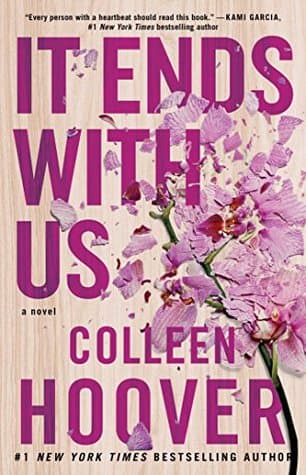
- It Ends with Us
Colleen Hoover
4.4 (212k) average on GoodreadsYoung AdultExplores complex family dynamics and overcoming past trauma in a romantic context.
- The Simple Wild
K.A. Tucker
4.4 (28k) average on GoodreadsRomanceCharacters navigating family issues and finding love in a small-town setting.
- Virgin River
Robyn Carr
4.1 (35k) average on GoodreadsRomanceSimilar to Carr's 'Virgin River' series, 'Finding Freedom' excels in creating a strong sense of small-town community and features a cast of endearing, supportive characters. Both authors craft protagonists with complex pasts seeking solace and new beginnings. However, Stewart's narrative often leans more heavily into the 'dark past' trope for her male lead, whereas Carr's heroes often have more straightforward, if still challenging, backstories. Stewart also focuses more intensely on the psychological journey of overcoming specific past traumas, while Carr's series often juggles multiple character arcs and community-wide challenges.
- The Hunger Games
Suzanne Collins
4.3 (6.4M) average on GoodreadsFantasyIn a future where children fight to the death on live television, Katniss Everdeen volunteers for the arena, turning a death sentence into a fight for survival and a spark of rebellion.
- The Great Gatsby
F. Scott Fitzgerald
3.9 (3.8M) average on GoodreadsHistorical FictionIn the opulent Roaring Twenties, a mysterious millionaire's lavish parties hide his desperate, tragic pursuit of a lost love, exposing the emptiness within the American Dream.
- The Fault in Our Stars
John Green
4.2 (3.6M) average on GoodreadsYoung AdultA girl with a terminal illness finds her story rewritten when a charming boy with a similar past enters her life at a cancer support group, leading to a star-crossed romance.





Enjoyed the summary?
A summary gives you the shape of the book. The book itself has the detail, the examples and the voice.
Find Finding Freedom on AmazonAs an Amazon Associate, BookBrief earns from qualifying purchases. How we're funded