

Synopsis
Covers the whole plot, including the ending.
- Difficulty
- Medium
- Pacing
- Moderate
- Mood
- Somber, Reflective, Humanistic, Desperate, Romantic
- Read it if
- You appreciate poignant historical fiction about human resilience in the face of political oppression and displacement, or if you enjoy Remarque's other works.
- Skip it if
- You prefer fantasy, children's, or young adult genres, or if you find stories of continuous hardship and statelessness too bleak.
Flotsam Plot Summary
Covers the whole plot, including the ending.
The Endless Border Crossings
The novel opens by introducing Josef Steiner and Ludwig Kern, two of the many stateless refugees crossing Europe in the late 1930s. They are always moving, having overstayed their two-week visa in Czechoslovakia and now facing expulsion. Kern, a young medical student, and Steiner, a former journalist, share a common problem: no country will grant them permanent asylum, and they are constantly escorted from one border to the next. They live hand-to-mouth, selling small items like shoelaces and safety pins, always aware that their meager existence can be uprooted by a border guard or a change in rules. Their journey is a cycle of temporary safety and inevitable expulsion, showing the dehumanizing reality of being stateless.
A Brief Respite in Vienna
Steiner and Kern find a brief, uncertain haven in Vienna, where they meet other exiles. Among them are Marill, an older, cynical man who has been a refugee for years, and a young woman named Ruth Holland, who shares their plight. These encounters provide moments of camaraderie and shared understanding in an otherwise hostile world. They pool their meager resources and offer each other support, forming a makeshift family. However, even these small communities are fragile, always threatened by surveillance and the danger of discovery and deportation. Their time in Vienna, though offering some solace, highlights the impermanence of their situation, always watching for the next threat.
Meeting Ruth Holland
During their time in Vienna, Josef Steiner meets Ruth Holland, a young Jewish woman also adrift and stateless. Ruth, like Steiner and Kern, is an exile, her family having been persecuted. They quickly form a deep connection, drawn together by their shared vulnerability and longing for stability. Ruth offers hope and a possibility of love amid the despair. Steiner, hardened by his experiences, finds himself protective of Ruth, and their relationship becomes a central emotional anchor in his life. Their growing affection contrasts with the harsh realities of their existence, providing a glimpse of humanity and intimacy in a world stripped of both.
The Perilous Journey to Paris
Driven by the dream of finding a more permanent refuge, Steiner, Kern, Ruth, and Marill decide to go to Paris. Paris is a symbol of freedom and a place where they might live without constant fear of deportation. The journey itself is dangerous, requiring them to cross borders illegally, rely on strangers, and evade authorities. They face hunger, cold, and the constant psychological strain of uncertainty. Each step towards Paris shows their resilience and desperate hope for a better future, even as Nazi Germany's shadow grows over Europe.
Life in the Parisian Underworld
Upon arriving in Paris, Steiner, Kern, and Ruth find that life is still difficult. While Paris offers anonymity, they remain undocumented and must live in the shadows. They take odd jobs, often exploitative and poorly paid, to survive. Steiner, with his journalistic background, struggles to find legitimate work, while Kern tries to continue his medical studies secretly. Ruth also works to support herself. They frequent cafes and soup kitchens, mingling with other refugees and outcasts, always aware of their uncertain legal status. Despite Paris's cultural life, their personal world remains one of constant vigilance and struggle.
Steiner and Ruth's Love
The bond between Josef Steiner and Ruth Holland deepens into love. Their relationship becomes a vital source of strength and meaning in their desolate lives. They find solace and joy in each other's company, sharing meager meals and dreaming of a future they can barely imagine. Their love story contrasts with the dehumanizing forces of their statelessness, showing the human need for connection and intimacy even in extreme adversity. Steiner's protective instincts towards Ruth intensify, and he becomes determined to secure a stable life for them, a nearly impossible task given their circumstances.
Kern's Desperation and Departure
Ludwig Kern, increasingly frustrated by his inability to pursue his medical studies legitimately, becomes desperate. He faces the harsh reality that his dreams are unattainable as a stateless person. The constant struggle for survival and the lack of a future weigh heavily on him. He decides to leave Paris, believing he might have better luck finding a place where he can continue his education, even if it means further risk. Kern's departure highlights the individual struggles and different paths taken by refugees, each seeking their own solution to an intractable problem. His decision shows the fragmentation and despair in their situation.
Marill's Wisdom and Fate
Marill, the older, experienced refugee, is a mentor and a source of cynical wisdom for Steiner and Ruth. He has seen it all, having been an exile for many years, and understands the futility of many of their hopes. His outlook is grim but realistic, often providing a sobering counterpoint to their youthful optimism. Marill's character embodies the long-term toll of statelessness. Eventually, Marill succumbs to his circumstances, through illness, despair, or the relentless pressure of his existence. His fate is a stark reminder of the harsh realities and fragility of life for those without a country.
The Threat of War and Renewed Persecution
As the political climate in Europe worsens, with World War II approaching, the situation for refugees like Steiner and Ruth becomes more perilous. Nazi Germany's influence spreads, and borders tighten, making escape or finding safe haven nearly impossible. French authorities, under pressure, crack down harder on undocumented immigrants, leading to more arrests and deportations. The fragile peace Steiner and Ruth found in Paris is shattered by the encroaching global conflict, forcing them to confront new dangers, as their status as 'enemy aliens' or 'undesirables' makes them targets.
Steiner's Act of Desperation
Facing immediate danger and the threat of Ruth's deportation, Josef Steiner makes a desperate choice. To protect Ruth and secure some temporary stability for her, he decides to turn himself in to the authorities, hoping that by sacrificing his own freedom, he might buy her time or a path to safety. This act shows his deep love and commitment to Ruth, demonstrating the lengths individuals will go to protect loved ones in dire circumstances. It is a self-sacrificing gesture born from the extreme pressures of their stateless existence and the escalating political crisis.
Ruth's Continued Struggle
After Steiner's sacrifice, Ruth is left to navigate the world alone, carrying the weight of his love and the memory of their shared struggle. She continues her fight for survival, now with stronger resolve, fueled by Steiner's final act of protection. Ruth embodies the resilience of the human spirit, determined not to let their experiences be in vain. Her journey shows enduring hope and the strength found in love, even when faced with loss and ongoing persecution. She represents the thousands who survived, carrying the stories of those who didn't.
The Lingering Shadow of Exile
The novel concludes without a definitive resolution for all characters, emphasizing the ongoing and often unresolved plight of refugees. While some may find temporary safety or make difficult compromises, the overarching theme remains the lasting impact of statelessness. The characters' journeys highlight the loss of identity, dignity, and belonging that comes with being 'flotsam' on the tides of history. The ending shows that even if physical survival is achieved, the psychological scars and the longing for a true home persist, leaving a somber impression of the human cost of political upheaval and persecution.
Flotsam Characters
Josef Steiner
Protagonist
A former journalist and stateless refugee, defined by his resilience and love for Ruth.
Josef Steiner is a cynical yet deeply compassionate man, a former journalist whose life has been uprooted by political persecution. He embodies the resilience and quiet defiance of the stateless. Steiner is resourceful, intelligent, and possesses a strong moral compass, often putting the well-being of others before his own. His experiences have hardened him, but he retains a profound capacity for love, particularly for Ruth. He is a survivor, constantly adapting to his precarious circumstances, yet always longing for a place to belong. His past as a journalist fuels his observations of the absurd and cruel world around him.
Relationships: Ruth Holland (Deeply loving and protective romantic relationship.); Ludwig Kern (Comrade in exile, shared struggles and friendship.); Marill (Fellow refugee, offers cynical wisdom and companionship.)
Ruth Holland
Protagonist/Love Interest
A young, resilient Jewish woman seeking refuge and stability amidst persecution.
Ruth Holland is a young Jewish woman, also a refugee, whose vulnerability is matched by her quiet strength and resilience. She represents innocence and hope in a bleak world, yet she is not naive. Ruth endures hardship with dignity, finding solace and strength in her connection with Steiner. She is intelligent, observant, and possesses an inner fortitude that allows her to survive the constant threat of persecution. Her longing for a normal life and a home is palpable, driving her forward even as the world around her crumbles. She represents the countless individuals whose lives were shattered by the rising tide of Nazism.
Relationships: Josef Steiner (Deeply loving and protective romantic relationship.); Ludwig Kern (Friend and fellow refugee.)
Ludwig Kern
Supporting
A young, idealistic medical student whose dreams are thwarted by his statelessness.
Ludwig Kern is a youthful and idealistic medical student whose aspirations are constantly crushed by his status as a stateless person. He is initially more optimistic than Steiner, clinging to the hope of continuing his education and building a future. Kern represents the intellectual and professional potential lost due to forced displacement. He is intelligent and earnest but struggles with the practicalities of refugee life, often relying on Steiner's pragmatism. His eventual desperation to pursue his studies highlights the profound impact of statelessness on individual ambitions and the loss of potential for society.
Relationships: Josef Steiner (Comrade in exile, shared struggles and friendship.); Ruth Holland (Friend and fellow refugee.)
Marill
Supporting
An older, cynical refugee who offers grim wisdom and a stark reminder of the long-term toll of exile.
Marill is an older, seasoned refugee who has endured statelessness for many years. He is cynical and world-weary, having witnessed countless cycles of hope and disappointment. Marill serves as a mentor figure, offering pragmatic, albeit grim, advice to Steiner and Kern. He is a survivor in the harshest sense, having lost much but gained an acute understanding of the refugee's plight. His character highlights the dehumanizing and long-term psychological impact of being without a home or country. He embodies the collective memory and silent suffering of the displaced, a stark reminder of their uncertain fate.
Relationships: Josef Steiner (Fellow refugee, offers guidance and companionship.); Ludwig Kern (Fellow refugee, offers guidance and companionship.)
The Border Guards/Officials
Antagonists
Impersonal figures representing the bureaucratic cruelty and indifference of nation-states.
The border guards and various officials are not individual characters but rather a collective antagonistic force. They represent the cold, impersonal bureaucracy of nation-states that enforce arbitrary rules, deport individuals, and deny asylum. They are often portrayed as indifferent, unfeeling, and merely following orders, embodying the systemic cruelty faced by refugees. Their actions, though seemingly routine, have life-or-death consequences for the stateless. They symbolize the walls and barriers that separate humanity and the arbitrary power wielded over those without legal status, making them the primary external threat to the protagonists' survival.
Relationships: Josef Steiner (Adversarial, representing the state's power to deport.); Ruth Holland (Adversarial, representing the state's power to deport.); Ludwig Kern (Adversarial, representing the state's power to deport.)
The Cafe Owner (Unnamed)
Supporting
A compassionate individual who offers temporary shelter and kindness to refugees.
The unnamed cafe owner in Paris provides a crucial, albeit temporary, haven for Steiner, Ruth, and other refugees. This character represents the rare acts of kindness and humanity found amidst widespread indifference and hostility. The cafe owner understands the plight of the displaced and offers them food, a warm place to rest, and sometimes even a chance for illicit work. This character embodies the spirit of solidarity and compassion that exists even in the darkest of times, offering a glimpse of hope that not all people are complicit in the systemic cruelty. Their actions are small but profoundly impactful.
Relationships: Josef Steiner (Benefactor, offers a place of temporary refuge.); Ruth Holland (Benefactor, offers a place of temporary refuge.)
The Invisible Masses of Refugees
Mentioned
The countless unnamed individuals sharing the same plight as the protagonists.
Throughout the novel, the presence of other unnamed refugees is constantly felt. They are seen in soup kitchens, on trains, in crowded lodgings, and at borders. These masses represent the sheer scale of the displacement crisis in pre-WWII Europe. While not individual characters, their collective presence reinforces the universality of the protagonists' struggle and emphasizes that Steiner, Kern, and Ruth are not isolated cases but part of a vast, suffering population. They serve as a constant reminder of the human cost of political instability and persecution, creating a backdrop of shared vulnerability and desperation.
Flotsam Themes
Statelessness and Dehumanization
The central theme explores the psychological and physical toll of being stateless. Stripped of nationality, identity, and legal rights, characters like Steiner and Kern are reduced to 'flotsam,' drifting without belonging. Remarque shows how this status leads to constant fear, hunger, and loss of dignity. Scenes of border crossings and the arbitrary power of officials (e.g., when Steiner and Kern are repeatedly expelled from countries) highlight the dehumanizing effect of being denied a home. The characters' desperate attempts to find even temporary sanctuary underscore the human need for belonging and recognition, which is denied to them.
“A man without papers is a man without a country, and a man without a country is nothing.”
Love and Humanity Amidst Despair
Despite despair and cruelty, the novel emphasizes the power of human connection, especially through the love between Josef Steiner and Ruth Holland. Their relationship is a beacon of hope and a source of strength against a collapsing world. Their shared moments of tenderness, solace, and sacrifice (e.g., Steiner's ultimate act to protect Ruth) show that even in inhumane conditions, love, compassion, and the will to protect others can persist. This theme highlights humanity's capacity for kindness and intimacy even when society fails its most vulnerable members, suggesting these connections are vital for survival.
“Love was not a luxury; it was the last refuge of the hunted.”
The Fragility of Hope and the Illusion of Safety
The characters in 'Flotsam' cling to fragile hopes—the hope of reaching Paris, of finding work, of securing papers. However, these hopes are constantly undermined by the harsh realities of their situation and Europe's political turmoil. The illusion of safety is repeatedly shattered, as seen when their brief respites in various cities are cut short by new rules or the threat of war. Even Paris, initially seen as a haven, proves to be a precarious existence for undocumented refugees. This theme shows the transient nature of peace and security for the displaced, highlighting how their lives are always subject to external forces beyond their control.
“Every morning was a reprieve, every evening a miracle.”
The Loss of Identity and Purpose
Statelessness strips individuals not only of their legal rights but also of their personal identity and purpose. Kern, a promising medical student, cannot pursue his studies, while Steiner, a journalist, cannot practice his profession. Their skills and past lives become irrelevant in their struggle for basic survival. This theme explores how forced displacement erodes one's sense of self and future, reducing individuals to mere 'existence.' The constant need to adapt and hide prevents them from living authentically or contributing to society in meaningful ways, showing the psychological damage inflicted by the loss of a recognized identity.
“We were not men, we were numbers, and numbers could be erased.”
Plot Devices & Literary Techniques
The Journey Motif
The perpetual, aimless movement of the characters symbolizes their statelessness and lack of belonging.
The constant physical journey of Steiner, Kern, and Ruth across borders and through various European cities is a central plot device. This perpetual movement is not one of exploration or discovery, but of forced displacement and evasion. It symbolizes their statelessness, their lack of a fixed home, and the arbitrary nature of national borders. The journey highlights the physical and psychological toll of being perpetually 'on the road,' unable to settle, and constantly at the mercy of external forces. It also underscores the fleeting nature of any sanctuary they find, as they are always moving from one precarious situation to the next.
Symbolism of 'Flotsam'
The title itself symbolizes the characters as debris cast adrift by the tides of political upheaval.
The title 'Flotsam' is a powerful symbolic device. It refers to wreckage or cargo found floating on the sea after a shipwreck, implying that the characters are like debris, cast adrift and unwanted by the turbulent political currents of pre-WWII Europe. This metaphor underscores their dehumanized status, their lack of control over their own destinies, and their constant vulnerability to the whims of nations and authorities. It highlights their precarious existence, without roots or destination, simply surviving as best they can while being tossed about by forces beyond their control.
The Cafe as a Microcosm
The cafes and temporary meeting places serve as small, fragile havens and reflections of the refugee community.
Throughout the novel, cafes, soup kitchens, and other temporary meeting places function as significant plot devices. These locations become microcosms of the refugee experience, offering brief respites, opportunities for camaraderie, and places to exchange information or find illicit work. They are spaces where the characters can temporarily shed their anonymity and find a sense of community, however fragile. These havens contrast sharply with the hostile outside world, emphasizing the constant search for moments of normalcy and human connection amidst overwhelming adversity. They highlight the resilience of the human spirit in creating community even in exile.
Flashbacks and Reminiscences
Brief glimpses into the characters' past lives underscore what they have lost.
Remarque occasionally employs brief flashbacks or reminiscences, particularly for Steiner, to provide glimpses into the characters' lives before they became refugees. These moments serve as a poignant plot device, highlighting the stark contrast between their former identities (e.g., Steiner as a journalist, Kern as a medical student) and their current degraded circumstances. They underscore the profound loss of status, profession, and personal history that comes with statelessness, emphasizing not just what they are enduring, but what they have been forced to abandon. These recollections deepen the characters' emotional resonance and the reader's understanding of their tragedy.
Flotsam Quotes
“Humanity has always been divided into two classes: those who have and those who have not. The have-nots are the ones who make history.”
“Loneliness is the most terrible poverty.”
“Hope is a good breakfast, but it is a bad supper.”
“The past is never dead. It's not even past.”
“Courage is fear holding on a minute longer.”
“It is better to be unhappy with the truth than happy with a lie.”
“War makes men mad, but peace makes them forget.”
“Every man has his breaking point. The trick is to find it and push past it.”
“To forget is to forgive. But to remember is to live.”
“The greatest prison people live in is the fear of what other people think.”
“Happiness is a brief spell, a respite between sorrows.”
“Even in the darkest night, there are stars.”
“The world is a dangerous place, not because of those who do evil, but because of those who look on and do nothing.”
“You can survive anything if you know how to breathe.”
Quiz
10 questions on the plot and the characters. Each answer comes with a short explanation.
Question 1
What is the primary reason Steiner and Kern are forced to leave Czechoslovakia?
- They were caught engaging in political dissent against the government.
- They had outstayed their two-week sojourn and irritated officials.
- They were Jewish and being expelled from the country.
- They were petty criminals wanted for theft.
Show answer
B. They had outstayed their two-week sojourn and irritated officials. The book description explicitly states that Steiner and Kern 'have irritated officials for outstaying their two-week sojourn in Czechoslovakia,' leading to their expulsion.
Question 2
In what year does the story of 'Flotsam' primarily take place, as indicated in the summary?
- 1933
- 1945
- 1939
- 1929
Show answer
C. 1939 The summary directly states, 'Not in 1939,' when referring to the lack of a place for Steiner and Kern to go, setting the story's context.
Question 3
What common items do Steiner and Kern sell to make a living while displaced?
- Newspapers and matches
- Cigarettes and candy
- Shoelaces and safety pins
- Used books and maps
Show answer
C. Shoelaces and safety pins The synopsis mentions them 'Living hand-to-mouth, selling shoelaces and safety pins for a few pennies.'
Question 4
Beyond their status as 'displaced persons,' what other groups are mentioned as being among the thousands traveling Europe under the Nazi shadow?
- Artists, musicians, and writers
- Farmers, factory workers, and merchants
- Political dissidents, Jews, medical students, and petty criminals
- Soldiers, spies, and resistance fighters
Show answer
C. Political dissidents, Jews, medical students, and petty criminals The summary lists 'Political dissidents, Jews, medical students, petty criminals' as examples of the diverse group of displaced persons.
Question 5
What is one of the key 'pleasures' Steiner and Kern find, despite their difficult circumstances?
- Reuniting with their families
- Achieving financial stability
- Love, and the experience of Paris
- Gaining new citizenship in a safe country
Show answer
C. Love, and the experience of Paris The text states, 'remarkably, there are still pleasures to be had. Paris, for one; love, for another.'
Question 6
The description highlights a contrast between the 'heartless cruelty and cold-blooded laws of the Nazi state' and what other enduring human quality?
- Rebellion and defiance
- Humanity and kindness
- Despair and resignation
- Ambition and self-interest
Show answer
B. Humanity and kindness The summary explicitly contrasts the Nazi state's cruelty with the idea that 'there is still humanity and kindness.'
Question 7
What is a central overarching theme of 'Flotsam' concerning the human spirit in the face of adversity?
- The inevitability of despair and defeat when confronted by totalitarianism.
- The ultimate triumph of political resistance through armed struggle.
- The enduring capacity for love, survival, and storytelling amidst suffering.
- The importance of wealth and status for navigating political turmoil.
Show answer
C. The enduring capacity for love, survival, and storytelling amidst suffering. The summary concludes by emphasizing 'incomparable joy in falling in love, surviving, and telling your story so it is never forgotten,' highlighting these as central themes.
Question 8
The term 'Flotsam' in the title metaphorically refers to whom in the context of the book?
- The discarded belongings left behind by refugees.
- The debris and destruction caused by the war.
- The thousands of displaced persons, like Steiner and Kern, adrift without a home or country.
- The valuable items they manage to salvage and sell.
Show answer
C. The thousands of displaced persons, like Steiner and Kern, adrift without a home or country. 'Flotsam' refers to wreckage or cargo found floating on the sea after a ship has sunk. In the context of the book, it metaphorically represents the displaced persons, like Steiner and Kern, who are adrift and without a fixed place in society due to the political upheaval.
Question 9
How does the author, Erich Maria Remarque, demonstrate his literary skill according to The New York Times Book Review quote?
- Through his detailed historical research and factual accuracy.
- By his ability to 'bend language to his will' and his 'sensitive, firm, and sure' touch.
- By his unique use of fantastical elements and allegorical storytelling.
- Through his groundbreaking philosophical insights into human nature.
Show answer
B. By his ability to 'bend language to his will' and his 'sensitive, firm, and sure' touch. The New York Times quote praises Remarque as 'a craftsman of unquestionably first rank, a man who can bend language to his will. Whether he writes of men or of inanimate nature, his touch is sensitive, firm, and sure.'
Question 10
What is the primary motivation for the characters to 'tell your story so it is never forgotten,' as mentioned in the summary?
- To gain fame and recognition for their personal hardships.
- To document historical events for future academic study.
- To ensure that the human experiences of love, survival, and kindness amidst cruelty are remembered.
- To secure reparations or compensation for their suffering.
Show answer
C. To ensure that the human experiences of love, survival, and kindness amidst cruelty are remembered. The summary links 'telling your story so it is never forgotten' directly to the 'incomparable joy in falling in love, surviving,' implying the motivation is to preserve the memory of these profound human experiences in the face of overwhelming adversity.
Flotsam FAQ
What is the central premise of 'Flotsam'?
'Flotsam' follows the lives of stateless refugees, primarily Josef Steiner and Ludwig Kern, as they are expelled from country after country across Europe in 1939. They are forced to live hand-to-mouth, constantly seeking temporary asylum while fleeing the encroaching Nazi influence and the dehumanizing bureaucracy that denies them a home.
Who are the two main protagonists, Steiner and Kern, and what are their backgrounds?
Josef Steiner is a former German intellectual and anti-Nazi dissident who fled Germany, leaving his wife, Marie, behind. Ludwig Kern is a younger, more naive medical student, also German, who became stateless after his passport expired and was not renewed due to his family's political leanings or Jewish heritage, though the latter is more subtly implied for some characters.
What kind of challenges do Steiner and Kern face on their journey?
They face constant expulsion from countries like Czechoslovakia, Austria, and Switzerland, forced to cross borders illegally, live in fear of arrest, and struggle with poverty. They resort to selling small items like shoelaces and safety pins, enduring hunger, cold, and the psychological toll of statelessness and perpetual displacement.
How does the novel portray the political climate of Europe in 1939?
The novel vividly portrays a Europe increasingly hostile to refugees, with nations closing their borders and enacting strict immigration laws, reflecting the rise of Nazism and the pre-war anxieties. It highlights the dehumanizing effect of bureaucracy and the widespread fear that made countries unwilling to offer sanctuary.
What role does love play amidst the despair in 'Flotsam'?
Love serves as a crucial source of hope, resilience, and humanity. Steiner’s enduring love for his wife, Marie, drives his desperate attempts to secure a future, while Kern finds a profound, if fleeting, connection with Ruth Holland, offering him moments of joy and purpose despite their precarious existence.
What is the significance of the 'flotsam' metaphor in the book's title?
The title 'Flotsam' metaphorically refers to the refugees as discarded, adrift objects, swept along by the currents of political upheaval with no control over their destiny. Like debris in the ocean, they are stateless, unwanted, and constantly in motion, struggling to find an anchor in a world that rejects them.
Are there any specific historical events or policies subtly referenced that contributed to the refugee crisis?
The novel implicitly references the Anschluss, the Munich Agreement, and the increasing persecution of Jews and political dissidents in Germany and Austria, which led to a massive exodus of people. The restrictive visa policies and lack of international refugee conventions of the era are also central to the characters' plight.
How does the character of Marill contribute to the understanding of the refugee community?
Marill, a cynical but experienced refugee, embodies the deep weariness and resourcefulness developed by those living on the run. He offers Kern guidance and a sense of community, demonstrating the informal networks and shared suffering that bound these displaced individuals together, even as he represents the potential for moral degradation under extreme duress.
What is the psychological impact of statelessness on characters like Steiner and Kern?
Statelessness creates a profound sense of rootlessness, anxiety, and loss of identity. It leads to constant fear of arrest and deportation, eroding their dignity and forcing them into a perpetual state of uncertainty, where every temporary shelter is just that – temporary.
How do the characters maintain their humanity and dignity despite their circumstances?
They cling to small acts of kindness, shared meals, intellectual discussions, and particularly, love. Steiner's unwavering devotion to Marie and Kern's budding romance with Ruth provide emotional anchors, reminding them of their worth and giving them reasons to endure despite the dehumanizing policies they face.
What role does memory play in the characters' psychological survival?
Memory is a double-edged sword: it offers solace by recalling past lives and loved ones, but also inflicts pain through the loss of those memories and the realization of what has been forfeited. For Steiner, memories of Marie are his primary motivation, while for Kern, the past represents a lost innocence.
How does Remarque use contrasting settings (e.g., Paris vs. border camps) to highlight the psychological states of the refugees?
Vibrant cities like Paris offer fleeting moments of normalcy and beauty, providing a stark contrast to the squalor of border camps and the constant threat of expulsion. These contrasts amplify the refugees' sense of being outsiders, even in places of culture, highlighting their internal struggle between hope and despair.
Is 'Flotsam' primarily a political novel, a love story, or a psychological exploration?
While it has strong political undertones, serving as a powerful indictment of pre-war European policies, 'Flotsam' is arguably more a psychological exploration of human resilience and a poignant love story. Remarque delves deeply into the emotional and mental states of his characters, using their personal narratives to humanize the broader political tragedy.
What is the novel's message about the nature of home and belonging?
The novel suggests that 'home' is not merely a physical place or a nationality, but a state of being, often defined by human connection and love. For the stateless, belonging becomes an internal struggle, a constant search for a place where their humanity is recognized, even if that place is only found in another person.
How does Remarque challenge the reader's perception of 'criminality' through the experiences of the refugees?
Remarque challenges the notion of 'criminality' by showing that the refugees are not inherently criminals, but are forced into illegal acts (like border crossings) simply to survive. Their 'crimes' are a direct consequence of unjust laws and the denial of basic human rights, prompting readers to question the morality of the state vs. individual survival.
Does the novel offer any hope, or is it a purely bleak portrayal of the refugee experience?
Despite its bleak setting and the constant struggles, the novel does offer glimmers of hope. These are found in acts of human kindness, the enduring power of love, and the characters' remarkable resilience and refusal to surrender their dignity, suggesting that even in the darkest times, the human spirit can find reasons to persist.
How does Remarque's personal experience as an exile influence the authenticity of the narrative?
Remarque himself was an exile from Nazi Germany, stripped of his citizenship. This personal experience imbues 'Flotsam' with profound authenticity and empathy, allowing him to portray the psychological torment, bureaucratic absurdities, and daily struggles of statelessness with an unparalleled depth and realism.
What is the significance of the ending for Steiner and Marie?
Steiner's eventual reunion with Marie in Mexico, though hard-won and coming after immense suffering, represents a powerful, albeit rare, triumph of love and perseverance. It provides a poignant, if somewhat bittersweet, conclusion to his personal odyssey, symbolizing the enduring hope for a new beginning even after profound loss.
About the author
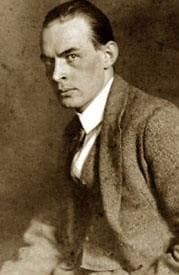
Erich Maria Remarque was a German-born novelist. His landmark novel All Quiet on the Western Front (1928), based on his experience in the Imperial German Army during World War I, was an international bestseller which created a new literary genre, and was adapted to film several times. Remarque's anti-war themes led to his condemnation by Nazi propaganda minister Joseph Goebbels as "unpatriotic". He was able to use his literary success to relocate to Switzerland and the United States, where he became a naturalized citizen.
Similar books
- All Quiet on the Western Front
Erich Maria Remarque
4.0 (355k) average on GoodreadsHistorical FictionExplores the human cost of war and displacement with Remarque's signature poignant style.
- The Grapes of Wrath
John Steinbeck
4.0 (750k) average on GoodreadsHistorical FictionFeatures a family's arduous journey and struggle for survival as displaced persons during a crisis.
- The Book Thief
Markus Zusak
4.4 (1.8M) average on GoodreadsHistorical FictionDepicts life under Nazi Germany, focusing on the human spirit amidst immense suffering.
- The Seventh Cross
Anna Seghers
4.0 (3k) average on GoodreadsFictionBoth "Flotsam" and Seghers's "The Seventh Cross" depict the harrowing experiences of individuals fleeing Nazi persecution in the 1930s. Seghers's novel, however, is more tightly structured around a specific escape narrative, focusing on George Heisler's perilous flight from a concentration camp. While Remarque explores the broader, often aimless struggle of statelessness, Seghers provides a more focused, suspenseful account of survival against overwhelming odds, emphasizing solidarity and resistance. Seghers's work is often lauded for its immediate political urgency and thrilling plot, whereas Remarque's strength lies in the cumulative emotional impact of prolonged displacement.
- Harry Potter and the Sorcerer's Stone
J.K. Rowling
4.5 (7M) average on GoodreadsFantasyRescued from a miserable life under the stairs, an orphaned boy discovers he's a wizard destined for a magical school, where he uncovers a dangerous secret tied to the dark wizard who murdered his parents.
- The Hunger Games
Suzanne Collins
4.3 (6.4M) average on GoodreadsFantasyIn a future where children fight to the death on live television, Katniss Everdeen volunteers for the arena, turning a death sentence into a fight for survival and a spark of rebellion.






Enjoyed the summary?
A summary gives you the shape of the book. The book itself has the detail, the examples and the voice.
Find Flotsam on AmazonAs an Amazon Associate, BookBrief earns from qualifying purchases. How we're funded