

Synopsis
Covers the whole plot, including the ending.
- Difficulty
- Medium
- Pacing
- Moderate
- Mood
- Bleak, Resilient, Reflective, Socially Conscious, Tragic
- Read it if
- You are interested in a powerful, unflinching portrayal of American history, social injustice, and the resilience of the human spirit during the Great Depression. Ideal for those who appreciate epic sagas with deep moral and philosophical undertones.
- Skip it if
- You prefer lighthearted stories, are sensitive to descriptions of extreme poverty and hardship, or dislike books with a strong political and social commentary. The ending may also be too bleak for some readers.
The Grapes of Wrath Plot Summary
Covers the whole plot, including the ending.
Tom Joad's Release and Return Home
Tom Joad is released from McAlester State Penitentiary on parole after four years for homicide. He gets a ride with a truck driver and meets Jim Casy, a former preacher who has lost his religious faith but not his spiritual beliefs. Tom and Casy decide to go together to the Joad family farm near Sallisaw, Oklahoma. When they arrive, they find the farm empty and the house falling apart. Muley Graves, a neighbor, tells them that the Joads, along with many other tenant farmers, were forced off their land by the Bank of the West because of the Dust Bowl and economic problems. Muley refuses to leave and lives secretly on the land, hunting for food.
The Family Gathers and Prepares to Migrate
Tom and Casy find the rest of the Joad family—Ma, Pa, Granma, Grampa, Uncle John, Al, Rose of Sharon (Rosasharn) and her husband Connie Rivers, and the younger children Ruthie and Winfield—at Uncle John's house. They are getting ready to leave for California, attracted by flyers promising lots of work picking fruit. The family combines their small savings to buy an old Hudson Super Six truck, which Al, the son good with machines, helps fix. Even though it is hard to leave their family land, the family, led by Ma Joad, is determined to stay together and find a new life. Casy asks to join them, and Ma welcomes him.
The Journey West: Early Losses
The Joad family, with Casy, starts their hard trip west on Highway 66. The crowded truck, full of all their belongings, becomes their home. The first sad event happens when Grampa Joad dies of a stroke soon after they cross the Oklahoma border. The family buries him by the road with help from the Wilsons, a kind couple they meet at a camp. Later, Granma Joad also gets sick and dies as they cross the desert into California. Ma Joad, worried they would be sent back if her death was known, bravely keeps Granma's death a secret until they reach a border inspection station. This shows her strong will to keep the family moving.
Arrival in California and the Weedpatch Camp
When they arrive in California, the Joads find widespread poverty, unfriendliness, and too many desperate workers, which lowers wages. The promised land is very different from what they imagined. They meet many disappointed 'Okies' going back east, who warn them that their search is pointless. After a terrible stay in a squatter camp called a 'Hooverville,' where they see exploitation and violence, they eventually find a clean, organized, self-governing federal camp, the Weedpatch Government Camp (also known as the Arvin Sanitary Camp). Here, they have a short time of respect and community, free from threats from local police and landowners.
Connie's Desertion and Continued Struggle
Life at Weedpatch Camp, while giving some temporary relief, does not provide steady work. Rose of Sharon's husband, Connie Rivers, overwhelmed by the harsh reality and the upcoming responsibility of being a father, leaves the family. This deeply hurts Rose of Sharon and adds to the family's problems. When work runs out at Weedpatch, the Joads have to leave the relative safety and respect of the government camp. They travel north, following rumors of peach-picking jobs, again facing the cycle of low wages, bad conditions, and the constant threat of hunger.
The Peach Orchard and Casy's Activism
The Joads find work picking peaches at a big orchard, but the wages are very low, barely enough for food. They discover they are accidentally breaking a strike, as the landowners purposely created too many workers to stop a strike for better pay. Jim Casy, seeing the cruel exploitation and unfairness, gets more involved in organizing the workers. He is arrested for fighting a deputy during an argument at the peach orchard. Tom Joad, seeing the unfairness, helps Casy escape, but Casy chooses to stay and continue his activism, understanding the need for workers to stick together. The family has to move again.
The Cotton Fields and Casy's Death
The family finds work picking cotton, living in a boxcar camp. Tom Joad, still on parole, is always careful not to be recognized and arrested. One night, while looking for food, Tom finds Jim Casy, who is now a labor organizer, leading a strike for better wages. Casy is talking to a group of workers when deputies and vigilantes, including the man who had tried to arrest him before, arrive to break up the meeting. Casy is brutally killed, his head crushed by a pickaxe. In anger and sadness, Tom grabs the pickaxe and kills Casy's murderer, knowing he has now broken his parole and is a wanted man.
Tom's Farewell and the Rising Floods
Tom Joad has to hide after killing Casy's murderer. He hides in a culvert near the boxcar camp, cared for by Ma Joad. Before he leaves, he has a serious talk with Ma. He realizes that individual action is not enough and that he must work for the good of everyone, inspired by Casy's ideas. He promises to be a spirit of justice for the oppressed, continuing Casy's new purpose. Meanwhile, heavy rains begin, causing bad flooding. The boxcar camp is flooded, and the Joads, with other families, have to leave, losing their few belongings again to the water.
The Barn and Rose of Sharon's Stillbirth
The Joads, with the Wainwright family, take shelter in an abandoned barn as the floodwaters rise. Rose of Sharon, weak from hunger and the emotional pain of Connie leaving, goes into labor. Despite Ma Joad's help, Rose of Sharon gives birth to a stillborn baby. The baby, a symbol of the migrants' lost hopes, is simply buried by Uncle John, who puts the body into the floodwaters, hoping it will carry a message of injustice to the landowners. The tragedy further strengthens the family's bond and their shared suffering.
The Ultimate Act of Compassion
Trapped in the barn by the ongoing flood, the Joads and Wainwrights find a young boy and his very hungry father. The father is too weak to eat solid food. In a powerful and deeply moving moment, Ma Joad looks at Rose of Sharon, who, despite her own sadness and recent childbirth, understands what is needed. Rose of Sharon takes the starving man to a private part of the barn and breastfeeds him, giving him life-saving milk. This act of deep human kindness and unity, going beyond individual suffering, symbolizes the lasting spirit and shared strength of the migrants in the face of great despair.
The Grapes of Wrath Characters
Tom Joad
Protagonist
Paroled convict who becomes a leader and advocate for social justice.
Tom Joad is a pragmatic, strong-willed, and initially self-centered man who has just been released from prison. He is fiercely loyal to his family and possesses a deep sense of justice. Witnessing the suffering of his family and other migrants, and deeply influenced by Jim Casy's philosophy, Tom undergoes a profound transformation. He evolves from an individual concerned with his own survival to a committed advocate for the collective good, willing to sacrifice his freedom for the cause of social justice for the working class. His physical strength is matched by his growing moral conviction.
Relationships: Ma Joad (Son, deeply respects her strength and wisdom); Jim Casy (Mentee and spiritual successor); Pa Joad (Son, sometimes takes on a leadership role over him)
Ma Joad
Protagonist/Matriarch
The strong, resilient matriarch who holds the Joad family together.
Ma Joad is the emotional and moral center of the Joad family. She is a figure of immense strength, resilience, and unwavering determination, holding the family together through countless hardships. Her primary concern is the unity and survival of her family, and she often makes difficult decisions to ensure their continued journey and well-being. She possesses a deep well of compassion and practical wisdom, often sacrificing her own needs for others. Her character embodies the enduring spirit of the migrant women and the power of maternal love in the face of adversity.
Relationships: Tom Joad (Mother, relies on him for support and protection); Pa Joad (Wife, often takes on a leadership role when he falters); Rose of Sharon (Mother, provides comfort and guidance during her struggles)
Jim Casy
Supporting/Spiritual Guide
Former preacher who becomes a labor organizer and spiritual mentor.
Jim Casy is a former preacher who has lost his traditional faith but gained a new, expansive spiritual understanding, believing in the inherent sacredness of humanity and the interconnectedness of all people. He acts as a moral compass and spiritual guide for Tom Joad and the family, embodying Steinbeck's concept of the 'oversoul.' Casy is deeply empathetic and committed to social justice, eventually dedicating himself to organizing migrant workers for better treatment. His willingness to sacrifice himself for the common good serves as a powerful inspiration for Tom.
Relationships: Tom Joad (Spiritual mentor and friend); The Joad Family (Adopted into the family, offers spiritual guidance)
Pa Joad
Supporting/Patriarch
The patriarch of the Joad family, struggling with his loss of authority.
Pa Joad is the patriarch of the Joad family, but his authority and sense of purpose are deeply eroded by the loss of his land and his inability to provide for his family in California. He often feels helpless and defeated, struggling to adapt to the new realities of migrant life. While he loves his family, his traditional role as provider is undermined, leading to moments of despair and weakness. He relies heavily on Ma Joad's strength and leadership, highlighting the shifting gender roles forced upon the migrants by their circumstances.
Relationships: Ma Joad (Husband, often defers to her leadership); Tom Joad (Father, sometimes feels overshadowed by Tom's emerging leadership)
Rose of Sharon (Rosasharn)
Supporting
Pregnant young woman whose hopes are repeatedly dashed, culminating in a profound act of charity.
Rose of Sharon begins the journey as a naive, self-absorbed young woman, pregnant and dreaming of a settled life with her husband, Connie. Her character undergoes immense suffering: her husband deserts her, and she experiences a stillbirth due to malnutrition and hardship. These traumas strip away her innocence and self-pity, forging a deeper, more compassionate understanding of human suffering. Her final act of charity, offering her breast milk to a starving stranger, symbolizes the ultimate triumph of human connection and selflessness over despair.
Relationships: Connie Rivers (Husband, later abandons her); Ma Joad (Daughter, relies on her for comfort and support)
Al Joad
Supporting
Mechanically skilled and focused on girls and cars, he represents a younger generation's desires.
Al Joad is the second youngest Joad son, a skilled mechanic who is focused on cars and girls. He is somewhat detached from the deeper family struggles, often preoccupied with his own desires for independence and romance. He is crucial to the family's survival, as his mechanical abilities keep their dilapidated truck running. While he eventually finds love and considers leaving the family, his presence underscores the theme of individual desires within the collective struggle, and the generational differences in adapting to their harsh new reality.
Relationships: Tom Joad (Brother); Agnes Wainwright (Fiancée, plans to marry her)
Uncle John Joad
Supporting
Eccentric and guilt-ridden, haunted by past mistakes.
Uncle John is Pa Joad's older brother, a man burdened by guilt over the death of his young wife, for which he blames himself for not getting a doctor. This unresolved trauma makes him prone to fits of depression, eccentric behavior, and self-punishment, often manifesting in excessive drinking or generosity. He struggles with the hardships of the journey and often voices the family's anxieties and despair, but remains a loyal, if troubled, member of the family unit.
Relationships: Pa Joad (Brother); The Joad Family (Family member, often isolated by his guilt)
Connie Rivers
Mentioned
Rose of Sharon's husband who deserts the family.
Connie Rivers is Rose of Sharon's young husband at the beginning of the journey. He initially expresses dreams of studying and getting ahead, but he is weak-willed and quickly overwhelmed by the hardships of migrant life. Faced with the responsibility of impending fatherhood and the crushing reality of poverty in California, he abandons Rose of Sharon and the Joad family. His desertion is a significant blow to Rose of Sharon and exemplifies the breakdown of individual relationships under extreme duress.
Relationships: Rose of Sharon (Husband, later abandons her)
Muley Graves
Supporting
A neighbor who refuses to leave his land, representing defiance against eviction.
Muley Graves is a tenant farmer, a neighbor of the Joads, who stubbornly refuses to leave his land after being tractored off. He embodies the deep connection to the land felt by many Okies and their initial resistance to forced migration. He lives a solitary existence, 'graveyard ghosting' on his former property, hunting for food. His decision to stay behind, despite the futility of it, highlights the emotional devastation caused by the evictions and serves as a poignant reminder of what the Joads have lost.
Relationships: Tom Joad (Old neighbor and friend)
The Grapes of Wrath Themes
The Dignity of the Common Man and Woman
Despite great suffering, poverty, and being treated as less than human, the Joads and other migrants consistently show dignity, strength, and kindness. Ma Joad, especially, shows this through her strong will and dedication to keeping her family together. Even in the worst situations, like the exploitation in the peach orchards or Rose of Sharon's final act, characters maintain their moral goodness and ability to care. Steinbeck shows that real worth is not in money or status, but in the basic goodness and persistence of the human spirit when facing oppression.
“A fella ain’t got no right to be a-talkin’ like that. We’re the people that live. We ain’t gonna die out. We’re the people that live.”
The Power of Community and Solidarity
The novel argues that people cannot survive alone; they need to act together and form communities. The Joads learn that their personal suffering is part of a larger, shared struggle, and that real strength comes from unity. The government camp at Weedpatch offers a brief, ideal view of what a self-governing community can do. Jim Casy's change into a labor organizer and Tom Joad's later commitment to the collective good reinforce this idea. The final scene, where Rose of Sharon gives her breast milk to a starving stranger, is the best example of human connection and the need for community support to survive.
“I ain’t gonna be able to help it. I’m gonna be in a fight. I’m gonna be a part of it.”
Injustice and Exploitation
The novel strongly criticizes the unfair systems that migrant workers faced during the Great Depression. The Joads are victims first of environmental disaster (the Dust Bowl) and then of corporate greed and exploitation by banks and landowners in California. They are lured by false promises, met with hostility, and forced into a cycle of low wages, bad living conditions, and violence. The conflict between the 'owners' and the 'haves' versus the 'Okies' and the 'have-nots' is central. It shows the harsh economic realities and how those at the bottom of society are dehumanized. Casy's murder directly shows this cruel exploitation.
“The people in flight from the terror behind—men who had not yet attained a life pattern, who were not yet citizens of a community—these were the dangerous people.”
The Dehumanizing Effects of Poverty and Displacement
The Joads' journey is a constant fight against the dehumanizing effects of extreme poverty and displacement. They lose their land, their homes, their dignity, and even family members. The migrants are often called 'Okies' in a mean way, stripped of their individual identities and treated as just a workforce. The lack of sanitation, enough food, and steady jobs harms their physical and mental health. The novel clearly shows how economic hardship can wear away personal identity, family structure, and social rules, pushing people to their absolute limits.
“How can we live without our lives? How can we know it’s us without our past?”
The Land as Identity and Sustenance
For the Joads and other tenant farmers, the land is more than just property; it is deeply connected to their identity, history, and sense of well-being. Being forced off their Oklahoma farm because of the Dust Bowl and bank foreclosures is a deep trauma. It cuts off their connection to generations of their past. This loss of land leaves them without roots, searching for a new sense of belonging. The promise of fertile California land first offers hope, but the reality of not owning it and being exploited for it only deepens their feeling of displacement. This highlights how important land is for dignity and self-sufficiency.
“This land, this Red Land, is us.”
Plot Devices & Literary Techniques
Intercalary Chapters
Short, non-narrative chapters that provide context and broaden the scope of the story.
Steinbeck intersperses the narrative chapters of the Joad family's journey with 'intercalary chapters' that offer broader social commentary, historical context, and symbolic insights into the migrant experience. These chapters shift perspective from the specific Joad story to the general plight of the 'Okies,' describing the Dust Bowl, the mechanics of eviction, the exploitative labor system, and the psychology of the landowners. They function to universalize the Joads' struggle, providing a macro-level understanding of the forces at play and reinforcing the novel's social and political critiques.
The Joad Truck
A symbol of family unity, resilience, and the arduous journey.
The dilapidated Hudson Super Six truck that carries the Joad family and their possessions to California is more than just a vehicle; it's a powerful symbol. It represents their collective hope, their struggle, and their unwavering determination to stay together. The truck constantly breaks down, requiring the family's pooled effort and Al's mechanical skill to keep it moving, mirroring their own resilience in the face of adversity. It becomes a mobile home, a sanctuary, and a testament to their perseverance, embodying the precariousness of their existence and the fragility of their dreams.
The 'Oversoul' Concept (Transcendentalism)
The idea that individual human spirits are part of a larger, collective consciousness.
Influenced by Transcendentalist thought, Steinbeck explores the concept of an 'oversoul' or collective human spirit. Jim Casy articulates this idea, suggesting that there is no individual soul, but rather a universal 'Holy Spirit' in which all humanity participates. This concept profoundly influences Tom Joad's transformation, as he realizes his individual struggle is part of a larger collective fight. It underpins the novel's emphasis on solidarity, community, and the idea that true strength and survival come from working together, rather than as isolated individuals. The ultimate act of compassion at the end of the novel exemplifies this collective spirit.
Biblical Allusions and Parallels
References to biblical stories and themes to elevate the migrants' struggle to an epic, moral scale.
Steinbeck frequently employs biblical allusions, transforming the Joads' journey into a modern-day exodus. California is presented as a false 'promised land,' much like Canaan. Jim Casy's initials (J.C.) and his ultimate sacrifice echo Jesus Christ's martyrdom, particularly when he is murdered while organizing workers. Rose of Sharon's final act of offering her breast milk to a starving man recalls the biblical story of 'Caritas Romana' (Roman Charity), portraying her as a Madonna-like figure. These allusions elevate the migrants' suffering and resilience to an epic, moral, and universally human scale, imbuing their struggle with profound spiritual significance.
The Turtle
A recurring symbol of resilience, perseverance, and the migrants' slow, arduous journey.
The turtle, introduced in an early intercalary chapter, serves as a powerful symbol throughout the novel. It struggles to cross the highway, facing obstacles and dangers, yet it continues its slow, determined progress. This creature directly parallels the migrants' arduous journey west, their slow but persistent movement in the face of overwhelming odds. Like the turtle, the Joads are vulnerable, often knocked off course, but they possess an innate, stubborn will to survive and keep moving forward, embodying the enduring spirit of the displaced and the oppressed.
The Grapes of Wrath Quotes
“I'm learnin' one thing good. Learnin' it all the time. There ain't no sin and there ain't no virtue. There's just stuff people do.”
“A fella ain't got no right to be a-tall. He got a right to get hisself a job, an' he got a right to earn enough to live on, an' he got a right to his own land.”
“The people in flight from the terror of the West, and their children who were not yet born, saw in the eyes of their parents the terror of the West, and they learned it.”
“If you're in trouble or hurt or need—go to poor people. They're the only ones that'll help. The only ones.”
“How can we live without our lives? How will we know it's us without our past? No. We can't lose 'em.”
“And the great owners, who must lose their land in an upheaval, saw the young men fighting for their lives, and of course they were not afraid.”
“I'll be ever'where—wherever you look. Wherever there's a fight so hungry people can eat, I'll be there.”
“The quality of owning freezes you forever in the past.”
“Fear the time when the strikes stop while the great owners live on their farms. For if they have stopped, it is because the people are dead.”
“A man got to do what he got to do.”
“The monster is growing, growing, growing.”
“They were not farm men any more, but migrant men. And the thought, the planning, the long hopes of home were gone.”
“Ma looked at Pa, and then her eyes went to Tom. She seemed to know that if she swayed, all her little world would go to pieces.”
“Twenty families became one family, the children were the children of all. The hungry people shared their infinitesimal food.”
Quiz
10 questions on the plot and the characters. Each answer comes with a short explanation.
Question 1
What natural disaster primarily forced the Joad family and many others to leave Oklahoma?
- A massive flood of the Arkansas River
- The Great Mississippi Earthquake
- The Dust Bowl drought and associated dust storms
- A widespread infestation of boll weevils destroying cotton crops
Show answer
C. The Dust Bowl drought and associated dust storms The Dust Bowl, caused by severe drought and poor farming practices, led to massive dust storms that ruined crops and forced thousands of families, including the Joads, off their land in Oklahoma and other Plains states.
Question 2
Which Joad family member serves a prison sentence for homicide before the family begins their journey west?
- Pa Joad
- Tom Joad
- Uncle John
- Al Joad
Show answer
B. Tom Joad Tom Joad is on parole for homicide when the story begins. His past conviction for killing a man in self-defense is a recurring theme and eventually leads to him becoming a fugitive again.
Question 3
What mode of transportation do the Joads use for their journey from Oklahoma to California?
- A train, riding in boxcars
- A Model T Ford truck, heavily loaded
- A dilapidated, converted Hudson Super Six sedan
- Horse-drawn wagons
Show answer
C. A dilapidated, converted Hudson Super Six sedan The Joads famously travel in a converted Hudson Super Six sedan, which they buy for a small sum and load with all their possessions, symbolizing the struggle and resilience of the migrant families.
Question 4
What is the primary reason the Joads and other migrant families face such harsh conditions and exploitation in California?
- A severe drought in California caused all the crops to fail, leaving no work.
- The presence of organized crime syndicates controlling the labor market.
- An oversupply of desperate workers, allowing landowners to pay extremely low wages and dictate terms.
- Strict immigration laws preventing them from legally working in the state.
Show answer
C. An oversupply of desperate workers, allowing landowners to pay extremely low wages and dictate terms. The influx of thousands of desperate 'Okies' created an extreme oversupply of labor in California, which wealthy landowners exploited by paying starvation wages and offering terrible working conditions, knowing workers had no other options.
Question 5
Who is Jim Casy, and what role does he play in the Joad family's journey?
- He is a ruthless landowner who exploits the migrants.
- He is a former preacher who joins the Joads and becomes a moral guide and labor organizer.
- He is the mechanic who keeps their car running, but eventually abandons them.
- He is a government agent sent to investigate the migrant camps.
Show answer
B. He is a former preacher who joins the Joads and becomes a moral guide and labor organizer. Jim Casy is a former preacher who has lost his faith in traditional religion but finds a new spiritual calling in solidarity with the oppressed. He joins the Joads and becomes a significant moral and philosophical voice, eventually sacrificing himself for the cause of labor organizing.
Question 6
What symbolic act does Rose of Sharon perform at the very end of the novel?
- She leads a protest against the unfair labor practices.
- She gives birth to a healthy baby.
- She breastfeeds a starving man, offering life in the face of death.
- She finds a permanent job for her family.
Show answer
C. She breastfeeds a starving man, offering life in the face of death. In the novel's powerful and controversial final scene, Rose of Sharon, who has just lost her own baby, breastfeeds a starving adult man, symbolizing profound human compassion, sacrifice, and the enduring will to survive and nurture life even in the bleakest circumstances.
Question 7
Which of these is NOT a significant theme explored in 'The Grapes of Wrath'?
- The dehumanizing effects of poverty and exploitation.
- The importance of collective action and community ('the 'we' instead of 'I').
- The celebration of American individualism and entrepreneurial success.
- The resilience and dignity of the human spirit.
Show answer
C. The celebration of American individualism and entrepreneurial success. While American individualism is a theme in many works, 'The Grapes of Wrath' strongly critiques its limitations and emphasizes the necessity of collective action and mutual support for survival in the face of systemic injustice. It highlights the failure of individual effort against overwhelming economic forces.
Question 8
What happens to the Joad family's original homestead and why is it significant?
- They sell it for a good price to a sympathetic neighbor, funding their journey.
- It is repossessed by the bank and bulldozed, symbolizing the destruction of their past and identity.
- It is inherited by Uncle John, who promises to keep it for them.
- They burn it down themselves as a final act of defiance.
Show answer
B. It is repossessed by the bank and bulldozed, symbolizing the destruction of their past and identity. The Joads' farm is repossessed by the bank and bulldozed, a brutal act that symbolizes the impersonal forces of capitalism and the loss of connection to land and heritage that defines the migrants' plight. It's a key motivator for their westward migration.
Question 9
How does Tom Joad's philosophy evolve throughout the novel, particularly after Casy's death?
- He becomes increasingly cynical and self-serving, focused only on his own survival.
- He retreats into isolation, vowing to avoid further conflict.
- He embraces Casy's vision of communal solidarity and resolves to fight for justice for the working class.
- He attempts to return to Oklahoma to reclaim his family's land.
Show answer
C. He embraces Casy's vision of communal solidarity and resolves to fight for justice for the working class. After witnessing Casy's murder by vigilantes for trying to organize workers, Tom is profoundly affected. He internalizes Casy's philosophy of the 'oversoul' and collective spirit, declaring that he will go 'wherever there's a fight so hungry people can eat,' becoming a symbol of resistance and hope.
Question 10
The title 'The Grapes of Wrath' is an allusion to what biblical passage, and what does it suggest in the context of the novel?
- The Sermon on the Mount, suggesting a call for peace and forgiveness.
- The Book of Exodus, symbolizing the Joads' journey as a quest for a promised land.
- The Book of Revelation (specifically, 'Battle Hymn of the Republic'), foretelling a coming judgment and righteous retribution against injustice.
- The story of Cain and Abel, highlighting the theme of fratricide and betrayal within families.
Show answer
C. The Book of Revelation (specifically, 'Battle Hymn of the Republic'), foretelling a coming judgment and righteous retribution against injustice. The title is an allusion to Revelation 14:19-20 (and popularized by 'The Battle Hymn of the Republic'), referring to the 'winepress of the wrath of God.' In the novel, it suggests that the accumulated suffering and injustice faced by the migrants will eventually lead to a reckoning or rebellion, a 'wrath' that is being stored up.
The Grapes of Wrath FAQ
What is 'The Grapes of Wrath' about?
'The Grapes of Wrath' chronicles the arduous journey of the Joad family, Oklahoma tenant farmers dispossessed from their land during the Great Depression's Dust Bowl. They migrate to California, believing it to be a land of opportunity, only to face exploitation, poverty, and prejudice as migrant laborers.
Why should I read 'The Grapes of Wrath'?
You should read 'The Grapes of Wrath' for its profound exploration of human dignity, resilience, and the devastating impact of economic injustice. Steinbeck's powerful prose and empathetic portrayal of the Joads offer a timeless commentary on social inequality and the enduring strength of the human spirit in the face of immense suffering.
What is the background/setting of 'The Grapes of Wrath'?
The novel is set primarily during the Great Depression, beginning in the drought-stricken Dust Bowl region of Oklahoma and following the Joad family's migration along Route 66 to the supposed 'promised land' of California. The setting vividly depicts the harsh environmental conditions and the economic despair of the 1930s.
What are the most memorable quotes?
Some memorable quotes include 'A fella ain't got a soul of his own, but on'y a piece of a big one,' spoken by Ma Joad, encapsulating the theme of collective spirit, and Tom Joad's 'Wherever there's a fight so hungry people can eat, I'll be there,' which embodies his commitment to social justice and the enduring fight against oppression.
What writing style does the author use?
John Steinbeck employs a distinctive writing style that blends gritty realism with lyrical, almost biblical prose. He intersperses the Joads' narrative chapters with broader 'intercalary' chapters that provide historical context, social commentary, and vivid descriptions of the landscape, creating a powerful, epic scope.
What minor details add significant meaning?
The recurrent image of the turtle struggling across the road, introduced early in the novel, serves as a powerful metaphor for the Joads' own slow, determined, and often perilous journey westward. It symbolizes their resilience and the indifferent forces they encounter.
What are some subtle foreshadowing moments?
The early descriptions of the 'Okie' families being turned away from gas stations or facing suspicion on their journey subtly foreshadow the pervasive hostility and exploitation they will encounter upon reaching California, where they are seen as a threat rather than fellow humans.
What unexpected character connections exist?
While not 'unexpected' in a plot twist sense, the deep, almost spiritual connection between Tom Joad and Jim Casy, the former preacher, is significant. Casy's evolving philosophy of collective spirit profoundly influences Tom, leading him to take up Casy's mantle of social activism after Casy's death.
What are unspoken character motivations?
Ma Joad's unspoken motivation to keep the family together, despite overwhelming hardship, is paramount. Her fierce determination stems from a deep-seated belief that the family unit is the only true source of strength and identity, a motivation that often drives her actions more than any explicit plan.
What psychological complexities do characters exhibit?
Tom Joad exhibits a complex psychological journey, evolving from a hardened ex-con focused on self-preservation to a compassionate leader committed to the collective good. His internal struggle with violence and his eventual embrace of Casy's philosophy reveal a profound moral transformation.
What are the major emotional turning points?
A major emotional turning point is the Joads' arrival in California, which shatters their hopes and forces them to confront the brutal reality of exploitative labor camps and widespread poverty. Another is the death of Granpa, the first of many losses that solidify the family's grim determination.
How do relationship dynamics evolve?
The relationship dynamics within the Joad family evolve significantly under duress. While initially patriarchal, the family structure shifts towards a matriarchy, with Ma Joad becoming the unwavering emotional and practical anchor. The bond between Tom and Ma deepens, as does the collective spirit among the remaining members.
Which parts remain ambiguous or open-ended?
The ultimate fate of the surviving Joads, particularly Ma and Rose of Sharon, remains open-ended. While they find temporary shelter, the novel concludes without a clear resolution to their individual struggles or the broader economic crisis, emphasizing the ongoing nature of their fight for survival.
What are controversial scenes or decisions?
The most controversial scene is the novel's final act where Rose of Sharon, after giving birth to a stillborn child, breastfeeds a starving old man, illustrating the ultimate act of selflessness and human connection in the face of despair. This scene was shocking for its raw portrayal of survival and communal care.
'The Grapes of Wrath' ending explained: how it ends & what it means
The novel ends with the Joads sheltering from a flood. Rose of Sharon's baby is stillborn, and the family finds a starving old man. In a profound act of human compassion and sacrifice, Rose of Sharon breastfeeds him. This ending symbolizes the enduring human spirit, the power of collective action, and the idea that even in utter desolation, empathy and mutual aid can prevail over individual despair.
About the author
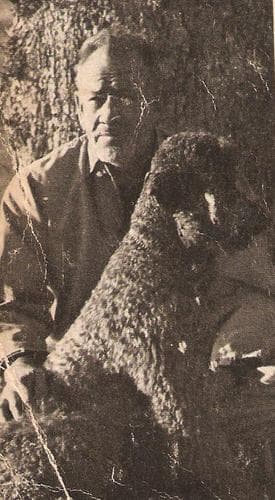
John Ernst Steinbeck was an American writer. He won the 1962 Nobel Prize in Literature "for his realistic and imaginative writings, combining as they do sympathetic humor and keen social perception". He has been called "a giant of American letters."
Similar books
- East of Eden
John Steinbeck
4.4 (429k) average on GoodreadsLiterary FictionExplores themes of good vs. evil, family saga, and the American experience through multiple generations.
- A Tree Grows in Brooklyn
Betty Smith
4.3 (388k) average on GoodreadsHistorical FictionDepicts poverty and resilience in an American family, focusing on the strength of a young woman amidst hardship.
- The Jungle
Upton Sinclair
3.8 (129k) average on GoodreadsPoliticsExposes harsh working conditions and social injustice, aiming to provoke social change through its narrative.
- Tobacco Road
Erskine Caldwell
3.7 (14k) average on GoodreadsHistorical FictionCaldwell's novel focuses on the grotesque degradation of a single poor Southern family, often with dark humor and a more fatalistic outlook. Steinbeck's The Grapes of Wrath has a broader historical and social scope, a more overtly political message, and consistently emphasizes collective action and human solidarity, offering a more hopeful (though still tragic) vision.
- To Kill a Mockingbird
Harper Lee
4.3 (4.5M) average on GoodreadsHistorical FictionIn the 1930s Jim Crow South, Harper Lee writes about racial injustice, moral growth, and the quiet courage of a lawyer father, Atticus Finch, as seen through his young daughter's eyes.
- The Great Gatsby
F. Scott Fitzgerald
3.9 (3.8M) average on GoodreadsHistorical FictionIn the opulent Roaring Twenties, a mysterious millionaire's lavish parties hide his desperate, tragic pursuit of a lost love, exposing the emptiness within the American Dream.




Enjoyed the summary?
A summary gives you the shape of the book. The book itself has the detail, the examples and the voice.
Find The Grapes of Wrath on AmazonAs an Amazon Associate, BookBrief earns from qualifying purchases. How we're funded