

Synopsis
Covers the whole plot, including the ending.
- Difficulty
- Medium
- Pacing
- Moderate
- Mood
- Somber, Reflective, Brutal, Disillusioned
- Read it if
- You are interested in the psychological impact of war, the loss of innocence, and the brutal realities of trench warfare. Essential reading for understanding WWI from a soldier's perspective.
- Skip it if
- You prefer fast-paced action over introspective, somber narratives, or find graphic depictions of war disturbing.
All Quiet on the Western Front Plot Summary
Covers the whole plot, including the ending.
The Recruits' Grim Reality
Paul Bäumer and his school friends, Tjaden, Müller, Leer, and Kropp, are young German soldiers on the Western Front during World War I. Their patriotic teacher, Kantorek, encouraged them to enlist straight from school. The story begins with them resting behind the lines after a heavy attack, enjoying extra food because of many casualties. They remember their harsh training under the cruel Corporal Himmelstoss, a former postman who made their lives hard but accidentally prepared them for the front. The friends visit their wounded comrade, Kemmerich, in a field hospital. There, they see the terrible conditions and the lack of care for individual suffering, especially when Müller tries to get Kemmerich's valuable boots.
Kemmerich's Death and the Cycle of Loss
Franz Kemmerich's leg has been cut off, and he is slowly dying. His friends, especially Paul, watch helplessly as he gets worse. The hospital staff, especially an orderly, are eager for Kemmerich to die so they can use his bed. After a painful and long struggle, Kemmerich dies from his wounds. Müller immediately asks for Kemmerich's good boots. This is a practical but shocking request that shows the soldiers' need to survive and how they have become used to death. This event is the first direct loss in Paul's close group, hinting at the constant losses they will all face.
Life and Death in the Trenches
Paul and his comrades go back to the front line. There, they face the daily horrors of trench warfare: constant shelling, gas attacks, the cries of the wounded, and the endless threat of death. They learn to find food and to tell the difference between different types of shells. Katczinsky, an older, clever soldier, becomes like a father to Paul, always finding food and comfort. During a very intense bombardment, they are trapped in dugouts, listening to the screams of horses and their dying comrades. They see the terrible effects of gas and struggle with the mental trauma of always being around death and destruction.
The Irony of Himmelstoss's Arrival
Corporal Himmelstoss, their old training officer, is sent to the front line. At first, he tries to act in charge, but the experienced front-line soldiers, especially Tjaden, openly challenge him, remembering his past cruelty. During a dangerous mission to lay wire, Himmelstoss panics and pretends to be hurt, showing he is a coward. Paul and Kropp make him move, and a higher-ranking officer later scolds him. This event shows the clear difference between the fake authority of the training camp and the brutal, equal reality of the front, where only survival matters.
A Moment of Respite and Reflection
Paul and his friends find short, small breaks from the war. They joke around, play cards, and enjoy the friendships formed from shared suffering. During one such break, they meet three French women across a canal and manage to spend an evening with them. This is a brief return to something like normal life and human connection. This moment, however, is quickly overshadowed by the constant threat of combat, reminding them that their peace is temporary and danger is always present.
Paul's Leave and Disillusionment
Paul gets leave and goes home, hoping for comfort and understanding. But he feels very out of place in civilian life. His family and neighbors, especially his father and Kantorek, romanticize the war and pressure him for heroic stories. They do not understand the true horror and pointlessness of the fighting. His mother is sick, which adds to his stress. He visits Kemmerich's mother, who makes him describe her son's death, adding to his burden. Paul feels like a stranger in his own home. He cannot explain what he has experienced and resents the civilians' ignorance. He wants to go back to the front, where he feels he belongs with his comrades.
The Russian Prisoners and the Shared Humanity
After his leave, Paul is sent to a training camp near a Russian prisoner-of-war camp. He watches the Russian prisoners, noticing their thinness and quiet suffering. Even though they are enemies, Paul feels deep pity and a shared sense of humanity with them. He sees them not as faceless foes, but as men like himself, caught in the same brutal conflict. He thinks about how arbitrary national hatred is and the common suffering that goes beyond political differences. He questions why the war is happening and what 'the enemy' means.
Killing Duval and the Weight of Guilt
During a patrol in No Man's Land, Paul gets separated from his group and hides in a shell hole. A French soldier, Gérard Duval, falls into the same hole. Paul stabs him without thinking and then has to wait for hours as Duval slowly dies. Paul is overcome with guilt and regret. He talks to the dying man, promises to write to his family, and feels a deep connection to the man he has killed. He realizes the enemy is not an idea but a real person. This experience deeply scars Paul, showing the personal cost of war beyond just surviving.
Losses Mount and the End Nears
The war continues to harm Paul's group. Leer is killed by a splinter. Müller is shot close up and dies, passing Kemmerich's boots to Paul. Detering leaves, driven crazy by the sight of cherry trees that remind him of home. He is later caught and likely killed. Katczinsky is hit by a stray splinter during a bombardment. Paul carries him to safety, only for Kat to be killed by a fragment to the head. Paul sees his closest friends die, one by one, leaving him more and more alone and without hope.
Paul's Final Days and the Last Casualty
Paul is the last surviving member of his original group of school friends. He feels completely alone, a ghost haunted by the memories of his dead comrades. The novel describes the ongoing, pointless fighting and the German army's growing exhaustion and hopelessness. In October 1918, a month before the armistice, Paul is killed. The official report says, 'All quiet on the Western Front,' which ironically suggests a peaceful day, though it means there was no major military action. Paul's death, described with chilling detachment, shows the huge, anonymous loss of a whole generation, whose lives ended without notice or meaning.
Principal Figures
Paul Bäumer
Protagonist
A young German soldier, narrator, and the last surviving member of his school cohort.
Paul is a sensitive and observant young man who enlists in the German army directly from school. He serves as the novel's narrator, providing a first-person account of the horrors of World War I. Initially idealistic, he quickly becomes disillusioned by the brutal realities of trench warfare, the senseless deaths, and the profound disconnect between the front and the home front. He forms deep bonds with his comrades, particularly Katczinsky, and struggles with the psychological trauma, guilt, and alienation that define his wartime experience. His internal monologue reveals his struggle to maintain his humanity amidst dehumanizing conditions.
Relationships: Albert Kropp (Closest friend from school, shares deep bond); Stanislaus Katczinsky (Mentor figure, father figure, best friend in the trenches); Müller (School friend, practical, inherits Kemmerich's boots); Tjaden (School friend, gluttonous, holds a grudge against Himmelstoss); Leer (School friend, physically mature, dies in battle); Franz Kemmerich (School friend, first of their group to die); Corporal Himmelstoss (Sadistic training officer, later a fellow soldier)
Stanislaus Katczinsky (Kat)
Supporting
An older, resourceful, and wise soldier who serves as a mentor to Paul.
Katczinsky, or 'Kat,' is a forty-year-old soldier, a cobbler in civilian life, who possesses an uncanny ability to find food, shelter, and comfort in the most dire circumstances. He is Paul's closest friend and a father figure, offering practical advice, emotional support, and a steadying presence amidst the chaos of war. Kat's pragmatic approach to survival and his deep understanding of human nature make him an invaluable comrade. He represents the resilience and camaraderie that help the soldiers endure, and his death is a profound loss for Paul.
Relationships: Paul Bäumer (Mentor, best friend, father figure); Albert Kropp (Comrade); Müller (Comrade); Tjaden (Comrade)
Albert Kropp
Supporting
Paul's intellectual and philosophical school friend, who suffers a devastating injury.
Albert Kropp is one of Paul's closest school friends, known for his clear thinking and critical views on the war. He often engages in philosophical discussions about the causes and futility of the conflict. Kropp is deeply affected by the war's injustice and the loss of his youth. He suffers a severe leg injury that leads to amputation, a wound that shatters his spirit and symbolizes the irreversible damage inflicted upon the soldiers. His despair and desire for suicide after his injury highlight the profound psychological toll of physical disfigurement.
Relationships: Paul Bäumer (Closest friend from school, shares deep bond); Müller (School friend); Tjaden (School friend); Leer (School friend)
Müller
Supporting
Paul's practical and academic school friend, who values possessions.
Müller is another of Paul's school friends, characterized by his academic interests and his practical, often blunt, approach to survival. He is the one who persistently asks for Kemmerich's boots and later inherits them, demonstrating the soldiers' focus on practical necessities even in the face of death. Müller continues to study during lulls in fighting, reflecting a lingering hope for a future beyond the war, but ultimately succumbs to a close-range gunshot wound, passing the boots on to Paul.
Relationships: Paul Bäumer (School friend); Albert Kropp (School friend); Tjaden (School friend); Franz Kemmerich (School friend, inherits his boots)
Tjaden
Supporting
A skinny, perpetually hungry locksmith with a fierce grudge against Himmelstoss.
Tjaden is a skinny, voracious eater who never seems to get enough food. He holds a deep, personal grudge against Corporal Himmelstoss for the sadistic punishments inflicted during training, and openly defies him at the front. Tjaden's character provides moments of dark humor and represents the raw, visceral desire for food and justice in the dehumanizing environment of the trenches. He is a loyal comrade, though sometimes impulsive, and his resilience is a testament to the soldiers' will to endure.
Relationships: Paul Bäumer (School friend, comrade); Albert Kropp (School friend, comrade); Müller (School friend, comrade); Corporal Himmelstoss (Object of his intense hatred and defiance)
Franz Kemmerich
Supporting
Paul's school friend who dies early in the novel, symbolizing the initial losses.
Franz Kemmerich is one of Paul's school friends, whose leg is amputated early in the novel due to a wound. His slow, painful death in the field hospital is one of the first major losses Paul and his friends experience, and it serves as a brutal introduction to the casual disregard for individual life at the front. His valuable, nearly new boots become a symbol of the war's practicalities and the soldiers' desperate need for resources, even in the face of death.
Relationships: Paul Bäumer (School friend); Müller (School friend, inherits his boots)
Corporal Himmelstoss
Supporting
A sadistic training officer who later experiences the realities of the front.
Himmelstoss is a former postman who becomes a corporal and their drill instructor. He is known for his petty, sadistic punishments during basic training, making the recruits' lives miserable. His cruelty inadvertently toughens them, but also earns him their lasting hatred. When he is sent to the front, he initially tries to assert his authority but quickly reveals his cowardice under fire. His transformation from a tormentor to a fearful, vulnerable soldier highlights the leveling effect of the front lines.
Relationships: Paul Bäumer (Former subordinate, victim of his cruelty); Tjaden (Former subordinate, holds a strong grudge against him)
Kantorek
Mentioned
The boys' former schoolmaster who enthusiastically encouraged them to enlist.
Kantorek is the patriotic schoolmaster who, through his rousing speeches about duty and honor, persuaded Paul and his classmates to enlist in the army. He represents the older generation's blind nationalism and their profound ignorance of the true horrors of war. The soldiers later resent him for his false idealism and the role he played in sending them to their deaths. He eventually gets called up for service himself, experiencing a taste of the reality he so eagerly promoted.
Relationships: Paul Bäumer (Former teacher, object of Paul's resentment); Albert Kropp (Former teacher); Müller (Former teacher); Leer (Former teacher); Franz Kemmerich (Former teacher)
Gérard Duval
Mentioned
A French printer killed by Paul in hand-to-hand combat.
Gérard Duval is a French soldier, a printer and family man in civilian life, whom Paul kills in a shell hole during a patrol. Duval's slow, agonizing death deeply affects Paul, forcing him to confront the individual humanity of his enemy. Paul discovers Duval's wallet, containing pictures of his wife and child, which intensifies his guilt and remorse. Duval serves as a powerful symbol of the senseless, personal tragedy of war, where ordinary men are forced to kill other ordinary men.
Relationships: Paul Bäumer (Killed by Paul)
Themes & Insights
The Brutality and Futility of War
The novel clearly shows the physical and mental horrors of trench warfare, focusing on its pointlessness. Remarque fully describes the constant shelling, gas attacks, injuries, and the agonizing deaths of soldiers. The story consistently questions the fighting's purpose, as characters like Kropp and Paul think about how meaningless their suffering is. The sheer number of deaths and the destruction of a whole generation without real gain shows the war's ultimate futility, leaving survivors scarred and without purpose. The repeated attacks and retreats, with very little land gained, further highlight this theme.
“We are not youth any longer. We don't want to take the world by storm. We are fleeing. We fly from ourselves. From our life. We were eighteen and had begun to love life and the world; and we had to shoot it to pieces.”
Loss of Innocence and Disillusionment
The young soldiers, just out of school, are thrown into extreme violence. Their initial hope, fueled by patriotic talk from people like Kantorek, quickly breaks. Paul and his friends lose their youth, their dreams, and their ability to connect with civilian life. They become 'old men' because of what they experience, unable to imagine a future after the war. This theme is clear when Paul is on leave at home, where he feels distant from his family and the uninformed civilians. He realizes the war has taken his past and his future, leaving him 'lost' even if he lives.
“We are forlorn like children, and experienced like old men, we are crude and sorrowful and superficial—I believe we are lost.”
Comradeship and Brotherhood
When faced with constant death and dehumanization, the friendships formed between soldiers are their only comfort and way to survive. Paul's strong connection with Katczinsky, Kropp, and the others gives him emotional support and a sense of belonging. They share food, protect each other, and understand each other's unspoken fears and traumas in a way no civilian ever could. These strong friendships are shown as the only good thing to come from the war, but they also make the pain of loss worse when a comrade dies, as each death takes a piece from the survivors. The shared suffering creates a strong, though sad, brotherhood.
“Let the storm rage, so long as it rages around us and for us, as it does now, in this warm bond of comradeship.”
The Alienation of the 'Lost Generation'
The novel clearly shows the deep sense of being cut off that soldiers feel. They feel disconnected from their past civilian lives and any possible future. They are a 'lost generation,' too young to have truly lived before the war and too traumatized to fit back into society afterward. Paul's experience on leave shows this, as he finds his home and family strange, unable to explain the horrors he has seen. The soldiers realize that the world they left behind no longer exists for them, and they are forever changed by the front, creating a gap between them and those who have not experienced combat.
“We are no longer able to find our way in life... We are cut off from activity, from striving, from progress. We believe in such things no longer. We believe in the war.”
Dehumanization of Warfare
The war slowly takes away the soldiers' individuality and humanity. They become small parts of a military machine, their lives expendable, their identities defined only by being fighters. The constant threat of death, the brutal training, and the need to kill turn them into basic beings focused on survival. The novel shows how soldiers become used to death, seeing dead comrades' belongings (like Kemmerich's boots) with practical indifference. Even the enemy is dehumanized until Paul meets Duval, which forces him to see their shared humanity, only for that humanity to be crushed again by the relentless war.
“We are not men, but grim, wild beasts. When we advance, we no longer think of anything but killing.”
Plot Devices & Literary Techniques
First-Person Narrative (Paul Bäumer)
Provides an intimate, subjective perspective of the war's horrors.
The novel is narrated entirely from Paul Bäumer's perspective, offering an immediate and deeply personal insight into the psychological and emotional impact of the war. This device allows the reader to experience the trenches, the fear, the camaraderie, and the disillusionment directly through the eyes of a young soldier. Paul's internal monologues and observations create a profound sense of empathy and authenticity, making the horrors of war more visceral and relatable. It emphasizes the subjective reality of combat and the individual's struggle within a vast, impersonal conflict.
Symbolism of Kemmerich's Boots
Represents the practicalities of survival and the expendability of life.
Kemmerich's high-quality, nearly new boots become a recurring symbol throughout the novel. Initially, Müller's repeated requests for them while Kemmerich is dying highlight the soldiers' pragmatic focus on survival and the immediate need for resources, even in the face of a comrade's death. The boots are passed from Kemmerich to Müller, and then to Paul, symbolizing the continuous cycle of death and the practical, almost callous, inheritance of the fallen's possessions. They represent the soldiers' desensitization and the stark reality that life is fleeting, but a good pair of boots is invaluable.
Irony of the Title
'All quiet on the Western Front' juxtaposes official reports with devastating personal loss.
The title itself is a powerful example of dramatic irony. The official report on the day of Paul's death states, 'All quiet on the Western Front,' implying a day of peace and insignificance. However, from the perspective of Paul and his comrades, the 'quiet' signifies the ultimate and devastating loss of an entire generation, whose individual deaths often went unnoticed by the larger war machine. This contrast highlights the disconnect between the bureaucratic, impersonal language of officialdom and the profound, personal tragedy experienced by the soldiers, underscoring the novel's anti-war message.
The Earth as a Mother/Protector
The ground offers both danger and solace to the soldiers.
Remarque frequently personifies the earth, presenting it as both a destructive force (shattered by shells, swallowing soldiers) and a maternal, protective entity. Paul often finds solace and safety by pressing himself against the ground during bombardments. The earth provides cover, absorbs the shock of explosions, and becomes a literal refuge from the airborne dangers. This device emphasizes the soldiers' primal connection to the land they fight over and their desperate search for any form of security in a chaotic environment. It reflects their regression to a more elemental existence where survival depends on instinct and the immediate surroundings.
Animal Imagery
Depicts soldiers' dehumanization and primal state.
Remarque frequently uses animal imagery to describe the soldiers, particularly in combat. They are often referred to as 'beasts,' 'wild animals,' or 'dogs,' especially when fighting. This device emphasizes their dehumanization, as the war forces them to shed their civilized veneers and revert to primal instincts for survival. It underscores the idea that the war strips away their humanity, reducing them to creatures fighting for their lives. This imagery highlights the brutal, instinctual nature of trench warfare and the psychological toll it takes on the men.
All Quiet on the Western Front Quotes
“This book is to be neither an accusation nor a confession, and least of all an adventure, for death is not an adventure to those who stand face to face with it. It will try simply to tell of a generation of men who, even though they may have escaped its shells, were destroyed by the war.”
“We were eighteen and had begun to love life and the world; and we had to shoot it to pieces. The first shell to land went straight for our hearts.”
“We are not youth any longer. We don't want to take the world by storm. We are fleeing. We fly from ourselves. From our life. We were eighteen and had begun to love life and the world; and we had to shoot it to pieces.”
“To me the front is a mysterious whirlpool. Though I am in still water far away from its center, I feel the whirl of the vortex sucking me slowly, irresistibly, inescapably into itself.”
“The wisest were just the poor and simple people. They knew the war was a misfortune, whereas the people who were better off, and should have been able to see more clearly what was at stake, were beside themselves with joy.”
“We are forlorn like children, and experienced like old men, we are crude and sorrowful and superficial—I believe we are lost.”
“Give 'em all the same grub and all the same pay and the war would be over and done in a day.”
“It is a great brotherhood, which arises among us, and in which we trust each other as we do in ourselves.”
“I am young, I am twenty years old; yet I know nothing of life but despair, death, fear, and fatuous superficiality cast over an abyss of sorrow. I see how peoples are set against one another, and in silence, unknowingly, foolishly, obediently, innocently slay each other.”
“We have lost all feeling for one another. We can't be bothered anymore to understand each other.”
“Had we been there in 1914 we should have been shot down at the first attack because we had not learned to protect ourselves. But we have learned, because we had to.”
“A man can get used to anything, but in the end he still has to die.”
“Let the months and years come, they can take nothing from me, they can take nothing more. I am so alone, and so without hope that I can confront them without fear.”
“He fell in October 1918, on a day that was so quiet and still on the whole front, that the army report confined itself to the single sentence: All quiet on the Western Front.”
“We loved our country as much as any men, and we went courageously into every action; but we also distinguished the false from true, and we recognized the lies and the delusions of the authorities.”
Quiz
10 questions on the plot and the characters. Each answer comes with a short explanation.
Question 1
What is the name of the protagonist and narrator of 'All Quiet on the Western Front'?
- Stanislaus Katczinsky
- Paul Bäumer
- Albert Kropp
- Tjaden
Show answer
B. Paul Bäumer Paul Bäumer is the central character and through his eyes, the reader experiences the horrors and disillusionment of World War I.
Question 2
What happens to the schoolmaster, Kantorek, who encouraged Paul and his friends to enlist?
- He becomes a decorated war hero.
- He is killed in the trenches early in the war.
- He is conscripted into the army and serves under one of his former students.
- He commits suicide due to guilt.
Show answer
C. He is conscripted into the army and serves under one of his former students. Kantorek, the patriotic schoolmaster, is later conscripted and serves under Mittelstaedt, one of his former students, highlighting the irony and tragedy of the war's impact.
Question 3
Which character is known for his resourcefulness in finding food, particularly in scavenging for supplies?
- Haie Westhus
- Leer
- Stanislaus Katczinsky ('Kat')
- Detering
Show answer
C. Stanislaus Katczinsky ('Kat') Katczinsky, or 'Kat', is the unofficial leader of Paul's group and is highly skilled at scrounging for food and other necessities, often finding ways to feed his comrades when rations are scarce.
Question 4
What major theme is explored through Paul's interactions with the French soldier he kills in the shell hole?
- The glory of individual heroism.
- The dehumanizing effect of war and the shared humanity of enemies.
- The importance of following orders without question.
- The strategic necessity of brutal tactics.
Show answer
B. The dehumanizing effect of war and the shared humanity of enemies. Paul's agonizing encounter with the French soldier, Gérard Duval, whom he kills and then tries to comfort, profoundly affects him, underscoring the shared humanity of soldiers on opposing sides and the personal cost of war.
Question 5
What is the ultimate fate of Paul Bäumer?
- He survives the war and returns home to a hero's welcome.
- He is killed by a stray bullet on a day that is 'all quiet on the Western Front.'
- He is captured by the enemy and dies in a prisoner-of-war camp.
- He deserts the army and flees to a neutral country.
Show answer
B. He is killed by a stray bullet on a day that is 'all quiet on the Western Front.' Paul Bäumer dies shortly before the armistice, on a day so quiet that the army report states, 'All Quiet on the Western Front,' a poignant and ironic end to his story.
Question 6
How does the novel portray the veterans' ability to reintegrate into civilian life?
- It suggests that veterans easily adapt and are celebrated upon their return.
- It shows that veterans are profoundly alienated and struggle to find meaning outside of war.
- It depicts veterans as quickly forgetting the war and moving on with their lives.
- It highlights the excellent psychological support systems available for returning soldiers.
Show answer
B. It shows that veterans are profoundly alienated and struggle to find meaning outside of war. When Paul returns home on leave, he finds he cannot connect with his old life, his family, or his former teachers, feeling 'cut off' and alienated, a common theme for the 'lost generation' of soldiers.
Question 7
Which of Paul's friends suffers a severe leg injury and has his leg amputated, leading to deep despair?
- Tjaden
- Müller
- Albert Kropp
- Detering
Show answer
C. Albert Kropp Albert Kropp, one of Paul's closest friends, suffers a severe leg wound that results in amputation, leading to his profound disillusionment and a desire for suicide.
Question 8
What is the significance of the 'earth' to the soldiers in the trenches?
- It represents the fertile land they hope to return to and farm.
- It is a symbol of their connection to their homeland and heritage.
- It is their mother, their brother, their friend, their protection against death.
- It signifies the futility of their struggle, as it will consume them all.
Show answer
C. It is their mother, their brother, their friend, their protection against death. The earth provides the soldiers with their only real protection from shelling and bullets, becoming a primal, maternal force that shields them from death, as described vividly by Paul.
Question 9
Why does Detering desert the army?
- He is captured by the enemy and forced to switch sides.
- He hears a cherry tree blooming and is overcome with homesickness for his farm.
- He loses faith in the German cause after a major defeat.
- He is offered a chance to escape by a sympathetic civilian.
Show answer
B. He hears a cherry tree blooming and is overcome with homesickness for his farm. Detering, a farmer by trade, is deeply affected by the sight of cherry trees in bloom, which reminds him intensely of his home and farm, leading him to attempt desertion.
Question 10
What is the primary message conveyed by the novel's title, 'All Quiet on the Western Front'?
- That the war was a period of long, peaceful lulls between battles.
- The ironic indifference of official reports to the immense human cost of war.
- The eventual silence that falls over battlefields after a decisive victory.
- The calm before a major offensive, indicating strategic preparation.
Show answer
B. The ironic indifference of official reports to the immense human cost of war. The title is deeply ironic, referring to the official army report on the day Paul dies, stating 'all quiet on the Western Front,' despite the profound loss of a soldier's life, highlighting the detached and often misleading nature of official war narratives.
All Quiet on the Western Front FAQ
What is All Quiet on the Western Front about?
All Quiet on the Western Front is a gripping anti-war novel narrated by Paul Bäumer, a young German soldier during World War I. It vividly depicts the brutal reality of trench warfare, the loss of innocence, and the profound psychological impact of combat on a generation of young men who volunteered for the front lines straight from school, only to find their idealism shattered by horror.
Why should I read All Quiet on the Western Front?
You should read All Quiet on the Western Front for its unparalleled, unflinching portrayal of war's dehumanizing effects and its powerful indictment of the nationalist propaganda that glorified conflict. It offers a deeply personal and emotional perspective on the lives of ordinary soldiers, highlighting their camaraderie, suffering, and the existential void they face, making it a timeless and essential piece of literature.
What is the background/setting of All Quiet on the Western Front?
The novel is set primarily on the Western Front of World War I, in the trenches of France, from approximately 1914 to 1918. It details the experiences of German soldiers enduring relentless bombardments, gas attacks, and hand-to-hand combat, interspersed with brief periods of rest behind the lines, illustrating the grim, static nature of trench warfare.
What are the most memorable quotes?
One memorable quote is, 'We are forlorn like children, and experienced like old men, we are crude and sorrowful and superficial – I believe we are lost.' Another powerful line is, 'This book is to be neither an accusation nor a confession, and least of all an adventure, for death is not an adventure to those who stand face to face with it.' These quotes encapsulate the lost generation's despair and the book's stark realism.
What writing style does the author use?
Erich Maria Remarque employs a stark, unadorned, and highly descriptive prose style, narrated in the first person by Paul Bäumer. The language is direct and visceral, often focusing on sensory details of the battlefield—the sounds of shells, the smell of gas, the sight of mangled bodies—to create an immediate and immersive experience of the horrors of war.
What minor details add significant meaning?
The recurring motif of the soldiers' obsession with food, like the extra rations from fallen comrades or the roasted goose, highlights their primal struggle for survival and small comforts in an otherwise brutal existence. Also, the detailed descriptions of nature, such as the butterflies or the cherry blossoms, serve as a poignant contrast to the destruction, underscoring the unnaturalness of war.
What are some subtle foreshadowing moments?
The early enthusiasm of the boys, spurred by their teacher Kantorek, subtly foreshadows their later disillusionment and the tragic loss of their entire generation. Additionally, the constant stream of replacements and the casual way the soldiers refer to the 'new recruits' hints at the endless, grinding nature of the war and the inevitable fate awaiting many of them.
What unexpected character connections exist?
While not 'unexpected' in a plot-twist sense, the deep, almost familial bond that forms between Paul and his comrades—Katczinsky, Kropp, Müller, Leer, Tjaden, Haie Westhus, and Detering—is profoundly significant. These men, from different backgrounds, become an unbreakable unit, relying on each other for survival and emotional support, forming connections stronger than those with their actual families back home.
What are unspoken character motivations?
Beyond survival, Paul's unspoken motivation is often a desperate search for meaning or a return to normalcy that he knows is impossible. His visit home reveals a profound alienation, suggesting a subconscious desire to reconnect with his past self, even as he understands that the war has irrevocably changed him, leaving him with no civilian future.
What psychological complexities do characters exhibit?
Paul and his comrades exhibit a complex blend of hardened cynicism, profound despair, and moments of tender camaraderie. They develop a detached coping mechanism, often joking about death or the absurdities of army life, yet underneath lies deep trauma, guilt, and an inability to articulate their suffering, leading to a profound sense of isolation even among themselves.
What are the major emotional turning points?
A major emotional turning point is Paul's encounter with the French soldier, Gérard Duval, whom he stabs in a shell hole. Paul's subsequent remorse, his desperate attempts to save Duval, and his internal monologue about their shared humanity, mark a profound moment of individual empathy amidst the collective dehumanization of war. Another is the death of Katczinsky, Paul's closest mentor, which shatters Paul's last vestiges of emotional support.
How do relationship dynamics evolve?
The initial enthusiasm and naive friendship among the schoolboys quickly transform into a grim, interdependent brotherhood forged in the crucible of combat. Relationships become less about shared interests and more about mutual survival and unspoken understanding. The loss of each friend, from Müller to Leer to Katczinsky, progressively isolates Paul, stripping away his support system and highlighting the war's relentless toll on human connection.
Which parts remain ambiguous or open-ended?
The novel leaves the ultimate fate of the 'lost generation' ambiguous in terms of their post-war reintegration; Paul's death before the armistice means we never see if he could have adapted. The extent to which the surviving soldiers could ever truly heal or find purpose in civilian life, after being so irrevocably shaped by the front, remains an open and haunting question.
What are controversial scenes or decisions?
The scene where Paul kills Gérard Duval is controversial because it forces the reader to confront the deeply personal and often brutal nature of enemy combat, challenging simplistic notions of heroism or villainy. Paul's decision to stay at the front, even after his leave and injuries, rather than attempting to desert, also highlights the psychological grip of the war and the bonds of duty and camaraderie.
All Quiet on the Western Front ending explained: how it ends & what it means
The novel ends with Paul Bäumer's death in October 1918, a few weeks before the armistice. The report simply states, 'He fell on an October day, 1918, on a day that was so quiet and still on the whole front, that the army report confined itself to the single sentence: All quiet on the Western Front.' This ironic ending signifies the profound meaninglessness of his death and the deaths of countless others—unnoticed, unheroic, and ultimately futile in the grand scheme of war, yet devastating to the individual. It underscores the novel's central theme: war destroys not only bodies but also the souls of a generation.
About the author
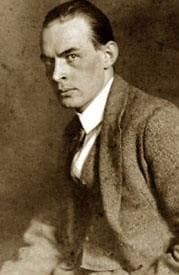
Erich Maria Remarque was a German-born novelist. His landmark novel All Quiet on the Western Front (1928), based on his experience in the Imperial German Army during World War I, was an international bestseller which created a new literary genre, and was adapted to film several times. Remarque's anti-war themes led to his condemnation by Nazi propaganda minister Joseph Goebbels as "unpatriotic". He was able to use his literary success to relocate to Switzerland and the United States, where he became a naturalized citizen.
Similar books
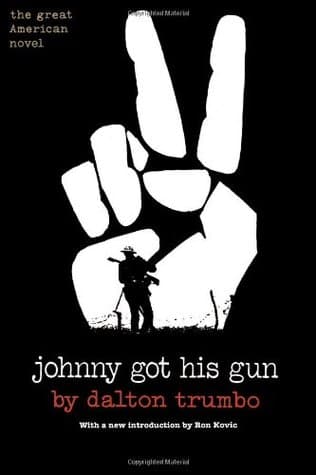
- Johnny Got His Gun
Dalton Trumbo
4.2 (34k) average on GoodreadsPoliticsA powerful anti-war novel depicting the extreme physical and mental suffering of a WWI soldier.
- Catch-22
Joseph Heller
4.0 (723k) average on GoodreadsHistorical FictionSatirizes the absurdity and madness of war and military bureaucracy, though with a different tone.
- A Farewell to Arms
Ernest Hemingway
3.8 (263k) average on GoodreadsHistorical FictionWhile both novels depict the disillusionment with WWI, Hemingway's 'A Farewell to Arms' (1929) focuses more on the personal narrative of an American ambulance driver's romance amidst the Italian front's chaos. Remarque's work is broader in its scope, aiming to represent the collective trauma of a generation of German soldiers, whereas Hemingway's is more intimate, exploring individual love and loss against the backdrop of war. Remarque's prose is often more direct and emotionally charged in its description of combat, while Hemingway's is renowned for its sparse, understated style, letting the reader infer much of the emotional impact.
- To Kill a Mockingbird
Harper Lee
4.3 (4.5M) average on GoodreadsHistorical FictionIn the 1930s Jim Crow South, Harper Lee writes about racial injustice, moral growth, and the quiet courage of a lawyer father, Atticus Finch, as seen through his young daughter's eyes.
- The Great Gatsby
F. Scott Fitzgerald
3.9 (3.8M) average on GoodreadsHistorical FictionIn the opulent Roaring Twenties, a mysterious millionaire's lavish parties hide his desperate, tragic pursuit of a lost love, exposing the emptiness within the American Dream.
- Pride and Prejudice
Jane Austen
4.3 (3M) average on GoodreadsHistorical FictionIn a society focused on status and money, Elizabeth Bennet navigates love and pride, challenging Mr. Darcy and social expectations to find true affection.





Enjoyed the summary?
A summary gives you the shape of the book. The book itself has the detail, the examples and the voice.
Find All Quiet on the Western Front on AmazonAs an Amazon Associate, BookBrief earns from qualifying purchases. How we're funded