
Synopsis
Covers the whole plot, including the ending.
- Difficulty
- Easy
- Pacing
- Slow
- Mood
- Heartwarming, Gentle, Comforting
- Read it if
- You're looking for a gentle story about friendship and the comfort of routine for young children.
- Skip it if
- You prefer complex plots or stories with explicit conflict and resolution beyond simple daily challenges.
Friends Plot Summary
Covers the whole plot, including the ending.
A Perfect Day to Play
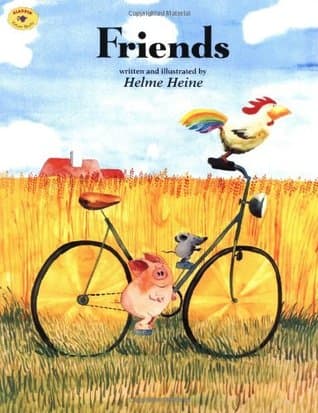
The story begins by introducing Charlie Rooster, Johnny Mouse, and Percy the Pig, three inseparable friends who live in a small, peaceful house. Their day starts with shared activities, highlighting their bond. They ride a bicycle together, with Percy pedaling, Johnny steering, and Charlie balancing on top. This shows their teamwork and the joy they find in each other's company, setting the mood for their strong friendship. The pictures show them in a bright, natural setting, emphasizing the simple happiness of their lives.
Shared Adventures and Playtime
As the day continues, the three friends keep having shared adventures. They play hide-and-seek, with Percy's large size making him a funny but obvious hiding spot for the smaller Johnny Mouse. They also play pretend, sailing a boat together, which is likely a toy in a small pond or puddle. Their games always include everyone, showing how they adjust to each other's strengths and weaknesses, making sure everyone plays and has fun. This part reinforces their strong connection and how well they understand each other.
Working Together
Their friendship goes beyond playtime into everyday tasks. When it's time for chores, Charlie Rooster, Johnny Mouse, and Percy the Pig do them as a team. They are shown washing clothes together, with Charlie hanging them, Johnny helping to wring them out, and Percy assisting with the heavy lifting. This scene illustrates that their bond is not just about fun, but also about helping each other and sharing duties, making even everyday tasks enjoyable when done together. It highlights the practical side of their friendship.
A Shared Snack
After their chores, the friends gather for a meal, sharing a single apple. This simple act of sharing further emphasizes their communal spirit and lack of selfishness. They sit close together, happy in each other's presence, reinforcing the idea that their happiness comes from their companionship rather than material things. The apple, a universal symbol of sharing, becomes a focus of their unity and contentment. This quiet moment shows the comfort and familiarity they find in their shared routine.
Approaching Evening
As evening approaches, the friends watch the sunset together, their shapes against the colorful sky. They are still close, enjoying the peaceful end of the day. This moment marks the passing of time and the natural shift from daytime activities to the quiet of night. Their continued togetherness highlights their wish to spend every possible moment in each other's company, hinting at the upcoming challenge of separation as bedtime nears. The beauty of the sunset reflects the beauty of their bond.
The First Sign of Separation
When it's time for bed, Charlie Rooster, Johnny Mouse, and Percy the Pig, used to doing everything together, try to sleep in the same bed. However, Percy's large size, along with Charlie's and Johnny's, makes it an impossible and uncomfortable fit. They try different positions, but the bed is simply too small for all three of them. This is the first practical challenge to their constant togetherness, introducing the idea that some activities might require them to be apart for practical reasons.
Trying Another Bed
Not giving up, the friends move to another bed, hoping for more space. Yet, the result is the same: the bed is still too small for the three of them to sleep comfortably. This repeated attempt highlights their strong desire to stay together, even in sleep, and their initial reluctance to accept separation. The humor in their struggle emphasizes the innocence of their belief that true friendship means constant physical closeness, setting up the lesson they are about to learn about what friendship truly means.
The Realization of Separate Beds
After their failed attempts to share a bed, Charlie, Johnny, and Percy finally realize they must sleep in their own individual beds. They each go to their own sleeping places in the house. This moment marks a turning point, as they begin to understand that while they do everything together during the day, nighttime needs a different approach. It is a subtle introduction to the idea of individual space and the practical limits of constant togetherness, even for the best of friends.
Comfort in Their Own Spaces
Despite being hesitant to separate for sleep at first, each friend eventually settles comfortably into their own bed. Charlie Rooster finds his perch, Johnny Mouse snuggles into his small bed, and Percy the Pig stretches out in his larger one. The pictures show them looking content and peaceful in their individual spaces. This scene shows that while physical separation for sleep is necessary, it does not lessen their friendship. They are still connected, even when not physically touching.
Dreams of Togetherness
The story ends with a heartwarming image of Charlie Rooster, Johnny Mouse, and Percy the Pig reunited in their dreams. They are shown together in a dream world, continuing their adventures, suggesting that their bond lasts beyond physical presence. This final scene beautifully captures the main message of the book: true friends may need to be apart sometimes, but their connection remains strong, even showing up in their dreams. It reinforces how their friendship lasts, even when they are physically separated.
Principal Figures
Charlie Rooster
Protagonist
The energetic and observant leader of the trio.
Charlie Rooster is one of the three best friends, characterized by his bright plumage and active nature. He often takes a leading role in their games and activities, demonstrating a sense of enthusiasm and observation. He is quick to participate and enjoys the shared experiences, whether riding a bike or doing chores. Charlie represents the lively and spirited aspect of their friendship, always ready for the next adventure.
Relationships: Johnny Mouse (Best friend and playmate); Percy the Pig (Best friend and playmate)
Johnny Mouse
Protagonist
The small, clever, and often humorous member of the group.
Johnny Mouse is the smallest of the trio, often found steering the bike or hiding in Percy's ear during games. Despite his size, he is clever and an integral part of their dynamic, contributing to their shared fun with his quick wit and agility. Johnny embodies the playful and sometimes mischievous spirit within the friendship, proving that even the smallest member can have a significant role and contribute greatly to the group's happiness.
Relationships: Charlie Rooster (Best friend and playmate); Percy the Pig (Best friend and playmate)
Percy the Pig
Protagonist
The gentle, strong, and accommodating heart of the friendship.
Percy the Pig is the largest and arguably the most physically capable of the three friends, often responsible for pedaling the bike or helping with heavy chores. He is gentle, accommodating, and serves as a stable presence within the group. Percy's size often creates humorous situations, particularly when they try to share a bed, but he always participates with good humor and a willingness to help. He represents the strength and steadfastness that underpins their bond.
Relationships: Charlie Rooster (Best friend and playmate); Johnny Mouse (Best friend and playmate)
Themes & Insights
The Nature of Friendship
The main theme explores what it truly means to be friends. At first, friendship is shown as constant togetherness, sharing every activity from bike rides to chores. However, as the story moves to bedtime, the characters learn that true friendship is not just about being physically close. It is about a deep, lasting bond that can handle temporary separation and even appear in shared dreams, showing that emotional connection is most important.
“Because that's what good friends do.”
Collaboration and Sharing
This theme is clear in every shared activity the friends do. They ride a bike together, play games, do chores, and even share an apple. Their ability to work as a team, adjusting to each other's sizes and strengths, highlights how important cooperation and selflessness are in a friendship. This collaborative spirit makes every task enjoyable and strengthens their collective identity, showing that shared effort makes their bond stronger.
“They do everything together.”
Acceptance of Individuality
While the friends love doing everything together, the challenge of bedtime introduces the need for individual space. They learn that despite their strong bond, there are times when being apart is practical and even necessary. This theme suggests that true friendship allows for individual needs and boundaries without making the overall connection weaker, teaching that embracing individuality can exist with deep companionship.
“But that's okay, because true friends always find each other, even if it's just in their dreams.”
Comfort in Connection
Throughout the story, the characters find great comfort and joy in each other's presence. Whether it is the laughter during playtime or the peaceful shared moments watching the sunset, their happiness is closely tied to their companionship. Even when physically separated for sleep, the idea of being reunited in dreams provides a deep sense of comfort, showing that the emotional connection between friends is a strong source of security and well-being.
“When night falls, though, and it's time to go to bed, they learn that sometimes friends have to be apart.”
Plot Devices & Literary Techniques
Repetition
The recurring phrase 'Because that's what good friends do' reinforces the core message.
The phrase 'Because that's what good friends do' is repeated throughout the early parts of the story, emphasizing the characters' understanding of friendship as constant togetherness and shared activities. This repetition establishes their initial belief about friendship, which then contrasts with the later realization that friendship can also involve temporary separation. It serves to drive home the evolving definition of friendship to the young reader.
Symbolic Obstacle (The Bed)
The small bed serves as a physical barrier representing the limits of constant togetherness.
The bed, specifically its inadequate size for all three friends, acts as a crucial symbolic obstacle. It's the first thing that forces the friends to consider being apart, challenging their established routine of constant togetherness. This physical limitation metaphorically represents the practical boundaries and individual needs that exist even within the strongest friendships, leading to the story's central lesson about the nature of true connection.
Dream Sequence
The final dream sequence provides a resolution that transcends physical separation.
The dream sequence at the end of the book is a powerful plot device that offers a comforting resolution to the problem of separation. By showing the friends reunited in their dreams, it visually reinforces the idea that their bond is so strong it extends beyond waking hours and physical presence. This device reassures the reader that temporary goodbyes do not diminish true friendship, providing a hopeful and heartwarming conclusion.
Friends Quotes
“Let's play!”
“Friends play together.”
“Friends share.”
“Friends help each other.”
“Friends have fun.”
“Friends are always there for you.”
“Friends can be different.”
“Friends can nap together.”
“Friends wake up together.”
“Friends eat together.”
“Friends are the best!”
“It's good to have friends.”
“Even when it's time to go home, friends are still friends.”
“See you tomorrow!”
Quiz
10 questions on the plot and the characters. Each answer comes with a short explanation.
Question 1
Which three animals are the best of friends in the story?
- Charlie Cat, Johnny Dog, and Percy Pig
- Charlie Rooster, Johnny Mouse, and Percy Pig
- Charlie Chicken, Johnny Rat, and Percy Hog
- Charlie Bird, Johnny Squirrel, and Percy Boar
Show answer
B. Charlie Rooster, Johnny Mouse, and Percy Pig The story explicitly names Charlie Rooster, Johnny Mouse, and Percy the pig as the three best friends.
Question 2
What is one activity the friends do NOT do together during the day?
- Ride their bike
- Play games
- Go swimming
- Do their chores
Show answer
C. Go swimming The book mentions them riding their bike, playing games, and doing chores together, but not swimming.
Question 3
What do the friends learn when night falls?
- That they can stay up all night together.
- That sometimes friends have to be apart.
- That they need to find new friends.
- That they should never leave each other's side.
Show answer
B. That sometimes friends have to be apart. The story states, 'When night falls, though, and it's time to go to bed, they learn that sometimes friends have to be apart.'
Question 4
What common theme about friendship is emphasized by the phrase, 'Because that's what good friends do'?
- Good friends always share their toys.
- Good friends engage in activities and support each other.
- Good friends never argue.
- Good friends live in the same house.
Show answer
B. Good friends engage in activities and support each other. This phrase follows a list of activities they do together (bike, games, chores), indicating that mutual participation and support are defining characteristics of their friendship.
Question 5
How does the story reassure the reader about friends being apart at night?
- It says they will reunite first thing in the morning.
- It explains they can still find each other in their dreams.
- It suggests they can talk on the phone before bed.
- It implies their parents will bring them together.
Show answer
B. It explains they can still find each other in their dreams. The story concludes by saying, 'But that's okay, because true friends always find each other, even if it's just in their dreams.'
Question 6
What specific characteristic of Charlie Rooster is NOT mentioned in the provided text?
- He is one of the three best friends.
- He rides a bike with his friends.
- He is loud and wakes everyone up.
- He does chores with his friends.
Show answer
C. He is loud and wakes everyone up. While roosters are known for crowing, the provided text only identifies Charlie Rooster as one of the friends and lists activities he does with them, but does not describe his specific personality or habits beyond being a good friend.
Question 7
The phrase 'Goods friends always stick together' serves as a central idea. Which of the following best describes how the story supports this idea throughout the day?
- By showing them sharing food and toys only.
- By listing various shared activities like riding, playing, and doing chores.
- By explaining how they solve disagreements.
- By describing their individual adventures.
Show answer
B. By listing various shared activities like riding, playing, and doing chores. The story directly supports this by detailing how they 'do everything together,' specifically mentioning riding their bike, playing games, and doing chores.
Question 8
Considering the target audience is children, what is the primary emotional message conveyed by the story's ending about true friends finding each other in dreams?
- It encourages children to stay awake longer to be with friends.
- It teaches that separation is permanent and sad.
- It offers comfort and reassurance that friendship transcends physical separation, even during sleep.
- It suggests that dreams are more important than waking interactions.
Show answer
C. It offers comfort and reassurance that friendship transcends physical separation, even during sleep. For children, the idea of friends being apart can be unsettling. The ending provides a comforting thought that the bond of friendship is strong enough to connect them even in dreams, easing the anxiety of separation.
Question 9
The story presents a contrast between daytime togetherness and nighttime separation. What deeper understanding of friendship does this contrast subtly introduce to young readers?
- That friendship is only strong when friends are physically together.
- That friends should never go to bed at the same time.
- That true friendship can endure periods of absence and doesn't require constant physical presence.
- That friends must always live in the same house.
Show answer
C. That true friendship can endure periods of absence and doesn't require constant physical presence. By showing the friends are apart at night but still connected through dreams, the story subtly teaches that the bond of true friendship is not broken by temporary physical separation.
Question 10
If the story were to continue, what might be a logical next development that reinforces the central theme of enduring friendship despite temporary separation?
- The friends decide to build a giant bed so they can all sleep together.
- One friend moves far away, and they learn to write letters to stay in touch.
- They find new friends to play with during the day.
- They stop doing chores together because it's too much work.
Show answer
B. One friend moves far away, and they learn to write letters to stay in touch. The core theme is that true friends always find each other even when apart. One friend moving away and maintaining connection through letters would extend this theme of enduring friendship despite physical distance, echoing the 'dreams' idea in a waking context.
Friends FAQ
What is the central theme of 'Friends' by Helme Heine?
The central theme of 'Friends' is the enduring nature of true friendship, emphasizing that good friends stick together through various activities and even when circumstances temporarily separate them. It highlights shared experiences and mutual support among Charlie Rooster, Johnny Mouse, and Percy the pig.
Who are the main characters in the story, and what are their species?
The main characters are Charlie Rooster, Johnny Mouse, and Percy the pig. They form a close-knit trio, representing different animal species who share a strong bond of friendship throughout their daily adventures.
What activities do Charlie, Johnny, and Percy enjoy doing together?
Charlie, Johnny, and Percy enjoy a wide range of activities together, including riding their bike, playing various games, and even doing their chores. Their shared participation in these tasks reinforces their bond and the joy they find in each other's company.
What challenge do the friends face when night falls?
When night falls, the friends face the challenge of having to be apart for bedtime, as they presumably have separate homes or sleeping arrangements. This separation is a poignant moment that tests the limits of their constant togetherness.
How do the friends overcome their separation at bedtime?
The friends overcome their separation by realizing that true friends can still find each other, even if it's just in their dreams. This imaginative solution provides comfort and reaffirms their connection, transcending physical distance.
Is there any symbolism in the different animal types chosen for the friends?
While not explicitly stated, the choice of a rooster, mouse, and pig could symbolize a diverse group coming together, highlighting that friendship can bridge differences in size, nature, and typical animal behaviors. Their harmonious interaction suggests universal themes of companionship.
Are there subtle hints about the friends' individual personalities through their actions?
The book focuses more on their collective actions than individual traits, but Charlie Rooster, being a rooster, might subtly imply leadership or an early riser, while Johnny Mouse could suggest agility or cleverness, and Percy the pig, perhaps a more grounded or playful nature. Their combined efforts make them a balanced group.
What is the significance of the bike-riding scene in establishing their bond?
The bike-riding scene is significant as it visually represents their unity and shared journey. It implies cooperation and mutual support, as they likely take turns or help each other, symbolizing their ability to navigate life's paths together.
How does the story subtly teach children about independence and healthy boundaries in friendships?
The story subtly teaches about independence by showing that while friends do everything together, there are times when they must be apart, like bedtime. This teaches children that healthy friendships allow for individual space and don't require constant physical presence.
What psychological comfort does the idea of 'finding each other in dreams' offer to young readers?
The idea of 'finding each other in dreams' offers significant psychological comfort by reassuring young readers that emotional connections persist even during physical separation. It normalizes bedtime anxiety and reinforces the enduring nature of beloved friendships, even when unseen.
How does the book address the emotional impact of temporary separation on young children?
The book addresses the emotional impact of temporary separation by acknowledging the moment of parting at nightfall. It then provides a comforting resolution, suggesting that true bonds transcend physical presence, thereby validating the feeling of missing friends while offering a positive coping mechanism.
Does the story suggest that friendship is always easy, or does it hint at challenges?
The story primarily portrays the ease and joy of friendship through shared activities, but the challenge of separation at bedtime hints that friendship isn't always about constant physical presence. It subtly introduces the idea that even strong bonds face minor obstacles, which can be overcome creatively.
Could the 'chores' mentioned be interpreted as a metaphor for shared responsibilities in friendship?
Yes, the mention of 'doing chores together' can be interpreted as a metaphor for shared responsibilities in friendship. It suggests that good friends not only share fun times but also support each other through less enjoyable tasks, reinforcing the idea of mutual help and commitment.
Is the ending about dreams literal or metaphorical for maintaining connection?
The ending about finding each other in dreams is likely more metaphorical than literal, representing the psychological and emotional connection that persists even when friends are physically apart. It emphasizes that true friendship resides in the heart and mind, transcending physical boundaries.
How does the book's simple narrative contribute to its message about friendship?
The book's simple narrative, with straightforward language and clear actions, contributes effectively to its message by making it accessible and easily digestible for young children. This simplicity allows the core theme of enduring friendship to shine through without complex distractions.
What makes this story timeless and relatable for generations of children?
This story is timeless and relatable because it addresses universal aspects of early childhood development: the joy of shared play, the comfort of companionship, and the gentle navigation of temporary separation. These themes resonate across generations, making its message enduring.
Does the book imply any moral lesson beyond the importance of friendship?
Beyond friendship, the book implies a moral lesson about adaptability and finding comfort in imaginative solutions when faced with limitations. It teaches that even when circumstances dictate separation, a positive outlook and creative thinking can maintain important connections.
How does the artwork (if applicable, assuming typical children's book illustrations) likely enhance the story's emotional impact?
Assuming typical children's book illustrations, the artwork likely enhances emotional impact through vibrant colors and expressive characters that convey joy during shared activities and gentle longing during separation. The visual representation of their bond and the dream sequence would deepen the narrative's warmth and comfort.
About the author

Helme Heine is an author known for his contributions to children's literature, particularly in the realm of fiction. His book "Friends" explores themes of companionship and connection. Heine's works often feature whimsical illustrations and engaging narratives that resonate with young readers.
Similar books
- Corduroy
Don Freeman
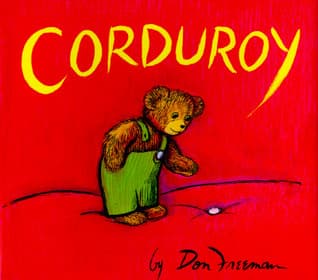
4.3 (194k) average on GoodreadsFantasy'Corduroy' explores themes of belonging and finding a friend, but from the perspective of an object seeking connection and a child seeking a toy. While both books evoke warmth and comfort, 'Friends' focuses on the dynamics between established friends and their shared daily life, including the natural rhythm of togetherness and separation. Freeman's book, in contrast, centers on the initial formation of a bond and the discovery of acceptance, offering a different emotional journey about finding one's place rather than navigating existing relationships.
- Harry Potter and the Sorcerer's Stone
J.K. Rowling
4.5 (7M) average on GoodreadsFantasyRescued from a miserable life under the stairs, an orphaned boy discovers he's a wizard destined for a magical school, where he uncovers a dangerous secret tied to the dark wizard who murdered his parents.
- The Hobbit, or There and Back Again
J.R.R. Tolkien
4.3 (2.9M) average on GoodreadsFantasyA comfort-loving hobbit named Bilbo Baggins is whisked away by a mischievous wizard and a band of dwarves on an unexpected journey to reclaim stolen treasure from a fearsome dragon, discovering courage and a magical ring along the way.
- Harry Potter and the Goblet of Fire
J.K. Rowling
4.6 (2.6M) average on GoodreadsFantasyA bewildered Harry Potter, underage and thrust into a deadly Triwizard Tournament, must brave dragons, mermaids, and a resurgent dark magic to survive a year that will forever alter the wizarding world.
- Harry Potter and the Order of the Phoenix
J.K. Rowling
4.5 (2.5M) average on GoodreadsFantasyIn a year of oppressive secrets and the threat of Voldemort, Harry Potter and Dumbledore's Army secretly train for war, shown through Jim Kay and Neil Packer's dark illustrations.
- The Lightning Thief
Rick Riordan
4.3 (2M) average on GoodreadsFantasyThrust into a world of mythological monsters and divine treachery, an ordinary boy discovers he's the son of Poseidon and must embark on a perilous quest across modern America to prevent an Olympian war.





Enjoyed the summary?
A summary gives you the shape of the book. The book itself has the detail, the examples and the voice.
Find Friends on AmazonAs an Amazon Associate, BookBrief earns from qualifying purchases. How we're funded