

Synopsis
Covers the whole plot, including the ending.
- Difficulty
- Medium
- Pacing
- Variable
- Mood
- Dark, Suspenseful, Angsty, Rebellious
- Read it if
- You enjoy a darker, more politically charged fantasy story with themes of rebellion, injustice, and the struggle against misinformation, and are ready for significant character development and emotional depth.
- Skip it if
- You prefer lighter, more whimsical fantasy, or are not prepared for a lengthy story with a slower build-up and a tragic turning point.
Harry Potter and the Order of the Phoenix Plot Summary
Covers the whole plot, including the ending.
Dementor Attack and a Summons to the Ministry
Harry Potter spends another miserable summer with the Dursleys. He and his cousin, Dudley, are attacked by two Dementors in a dark alley in Little Whinging. Harry uses a Patronus Charm to save them, an act of underage magic outside of school. Soon after, he gets a letter from the Ministry of Magic, saying he has been expelled from Hogwarts for using underage sorcery. Mrs. Figg, his Squib neighbor, reveals she is part of the wizarding world and confirms Dumbledore's orders to watch Harry. Later, members of the Order of the Phoenix, including Mad-Eye Moody, Nymphadora Tonks, and Remus Lupin, arrive to take Harry to a secret location, which relieves and confuses him.
Grimmauld Place and the Order's Secrets
Harry goes to 12 Grimmauld Place, the Black family's ancestral home and the secret headquarters of the Order of the Phoenix. There, he reunites with Ron and Hermione, who, along with Fred, George, and Ginny, have been staying there all summer. Harry is frustrated and angry that they have been kept unaware of Voldemort's return and the Order's activities, feeling isolated and ignored. He learns that the Order works to fight Voldemort and his Death Eaters, but the Ministry of Magic, under Cornelius Fudge, denies Voldemort's return and publicly discredits Harry and Dumbledore. Sirius Black, Harry's godfather, also lives at Grimmauld Place, confined because he is a wanted man.
The Trial and Return to Hogwarts
Harry attends a hearing at the Ministry of Magic. Cornelius Fudge, who leads the hearing, wants to convict Harry. Dumbledore arrives to defend Harry, bringing Mrs. Figg as a witness. Despite Fudge's biased efforts, Harry is cleared of all charges. Back at Hogwarts, students find out that Dolores Umbridge, a Senior Undersecretary to the Minister for Magic, has been appointed the new Defence Against the Dark Arts teacher. Umbridge is a sweet but sinister woman who refuses to teach practical defensive magic, instead focusing on theoretical, Ministry-approved texts. She quickly starts new rules and 'Educational Decrees' to control the school, which upsets students and staff.
Umbridge's Reign of Terror
Dolores Umbridge steadily gains power at Hogwarts. She becomes the High Inquisitor, able to inspect, evaluate, and fire teachers. She bans clubs, limits communication, and punishes students, especially those who talk about Voldemort's return. Harry, for insisting Voldemort is back, is forced to write lines with a Blood Quill, leaving permanent scars on his hand. Hogwarts becomes more oppressive and fearful under Umbridge's tight control. She turns the once lively school into a grim, surveillance-filled institution that reflects the Ministry's denial and control.
Dumbledore's Army is Formed
Umbridge's refusal to teach practical Defence Against the Dark Arts, and the threat of Voldemort, frustrates Harry. Hermione suggests Harry teach a group of students himself. With Ron's help, they form 'Dumbledore's Army' (D.A.), a secret group to learn real defensive spells. They meet in the Room of Requirement, a magical room that appears only when needed. Harry is a good teacher, and many students, including Neville Longbottom, Luna Lovegood, and Ginny Weasley, eagerly join. They find empowerment and hope in their secret lessons. The D.A. becomes a symbol of resistance against Umbridge's oppressive rule.
Harry's Visions and the Search for Answers
Throughout the year, Harry has disturbing visions and dreams. He sees events through Voldemort's eyes, including an attack on Arthur Weasley at the Ministry of Magic. He learns that he and Voldemort share a connection, and Dumbledore arranges for Snape to teach Harry Occlumency, the magic of shielding one's mind from outside intrusion. However, Harry struggles with the lessons, often clashing with Snape and finding it hard to clear his mind. His emotional turmoil, fueled by grief over Cedric's death and anger at the Ministry's disbelief, makes him open to Voldemort's mental intrusions, increasing his fear and isolation.
The Exposure of Dumbledore's Army
Marietta Edgecombe, a Ravenclaw student whose mother works at the Ministry, betrays Dumbledore's Army to Dolores Umbridge. Dobby the house-elf tries to warn Harry, but it is too late. Umbridge, along with Fudge and other Ministry officials, raids the Room of Requirement. To protect Harry, Dumbledore takes responsibility for forming the D.A., claiming it was his attempt to raise an army against the Ministry. Before he can be arrested, Dumbledore magically incapacitates Fudge and Umbridge and makes a dramatic escape with Fawkes, his phoenix. Umbridge is then appointed Headmistress of Hogwarts, starting an even darker period for the school.
The Weasley Twins' Grand Exit and Centaur Encounter
Under Umbridge's oppressive rule, Hogwarts is a joyless place. Fred and George Weasley make a spectacular exit, unleashing magical fireworks and pranks across the school before flying off on their brooms, leaving a legacy of rebellion. Later, Umbridge tries to use Veritaserum on Harry to get information about Dumbledore and Sirius, but Snape pretends to have run out. When Umbridge tries to use the Cruciatus Curse on Harry, Hermione tricks her into going into the Forbidden Forest to find Dumbledore's 'weapon.' There, Umbridge insults a group of centaurs, who abduct her, leaving her fate unknown.
The Vision of the Department of Mysteries
During his Charms O.W.L., Harry has a vivid and terrifying vision of Sirius Black being tortured by Voldemort in the Department of Mysteries at the Ministry of Magic. Convinced Sirius is in danger, Harry, Ron, Hermione, Ginny, Luna, and Neville quickly go to the Ministry using Thestrals. Hermione tries to verify the vision, but Harry's distress and impulsiveness make them believe it is real. They think Voldemort is trying to get a weapon hidden in the Department of Mysteries, and that Sirius is bait to lure Harry there.
Battle in the Department of Mysteries
At the Department of Mysteries, Harry and his friends find Sirius is not there. Instead, they are in the Prophecy Room, where a glass orb with Harry's name waits. It quickly becomes clear that Voldemort lured Harry there to get the prophecy. Death Eaters, led by Lucius Malfoy and Bellatrix Lestrange, ambush them. A fierce battle happens. Harry and his friends fight bravely, even though they are outnumbered. The prophecy is shattered during the chaos, and several students are injured. Harry manages to grab the prophecy before it is completely destroyed.
Sirius's Sacrifice and Dumbledore's Revelation
Just as Harry and his friends are about to be overwhelmed, members of the Order of the Phoenix arrive, including Sirius, Lupin, Tonks, Moody, and Kingsley Shacklebolt. The battle intensifies. During the fight, Bellatrix Lestrange, Sirius's cousin, hits Sirius with a Killing Curse, sending him through the Veil in the Death Chamber. Harry is devastated and enraged, pursuing Bellatrix into the Atrium. Voldemort himself appears, fighting Dumbledore in a spectacular duel. Fudge and other Ministry officials arrive, seeing Voldemort, finally confirming his return. Dumbledore then reveals the full prophecy: 'Neither can live while the other survives.'
Grief, Guilt, and the Prophecy's Meaning
Back in Dumbledore's office, Harry, consumed by grief and guilt over Sirius's death, trashes the room. Dumbledore explains the full prophecy to Harry: 'The one with the power to vanquish the Dark Lord approaches... and either must die at the hand of the other for neither can live while the other survives...' He reveals he kept Harry in the dark to protect him, fearing Voldemort would exploit their connection. Harry finally understands the immense burden he carries and his destiny. He also learns that the vision of Sirius was a trick by Voldemort to lure him to the Ministry. The wizarding world finally acknowledges Voldemort's return, but Harry is left with sorrow and the heavy weight of his future.
Principal Figures
Harry Potter
Protagonist
The Boy Who Lived, struggling with isolation, grief, and the weight of prophecy.
Harry enters his fifth year at Hogwarts feeling isolated, angry, and frustrated by the Ministry's denial of Voldemort's return and Dumbledore's distance. He grapples with deep grief over Cedric's death and the burden of being 'the Chosen One.' His emotional turmoil makes him vulnerable to Voldemort's mental intrusions. Despite his struggles, he demonstrates strong leadership by forming Dumbledore's Army, teaching his peers practical defensive magic, and fiercely defending his friends. His impulsiveness, however, leads him to the Department of Mysteries, resulting in tragic consequences.
Relationships: Ron Weasley (Best friend and loyal supporter); Hermione Granger (Best friend and intellectual guide); Sirius Black (Godfather and paternal figure, tragically lost); Albus Dumbledore (Mentor, but distant and withholding of information, leading to Harry's frustration); Dolores Umbridge (Primary antagonist, representing oppressive authority)
Hermione Granger
Supporting
Harry's intelligent and resourceful best friend, who initiates Dumbledore's Army.
Hermione remains Harry's most steadfast and logical friend, often serving as his moral compass and strategic planner. She is the one who proposes the formation of Dumbledore's Army, recognizing the urgent need for practical defensive training. Her intellect and organizational skills are crucial to the D.A.'s success, from recruiting members to finding the Room of Requirement. She is fiercely loyal and protective of Harry and Ron, consistently trying to keep them out of trouble and providing rational advice, though she struggles to manage Harry's impulsiveness.
Relationships: Harry Potter (Best friend); Ron Weasley (Best friend, with growing romantic tension); Dolores Umbridge (Antagonist, a symbol of the oppressive system Hermione actively works against)
Ron Weasley
Supporting
Harry's loyal best friend, providing emotional support and comic relief.
Ron continues to be Harry's loyal and supportive best friend. He stands by Harry through his isolation and anger, often mediating between Harry and Hermione. While sometimes prone to jealousy or insecurity, particularly concerning his brothers' achievements, Ron's unwavering friendship and humor provide much-needed levity and stability for Harry. He enthusiastically joins Dumbledore's Army and later becomes a Quidditch Keeper for Gryffindor, overcoming his self-doubt. His presence offers Harry a constant reminder of genuine friendship and a sense of normalcy amidst the chaos.
Relationships: Harry Potter (Best friend); Hermione Granger (Best friend, with growing romantic tension); Fred and George Weasley (Older brothers, whose pranks he often admires)
Dolores Umbridge
Antagonist
Senior Undersecretary to the Minister for Magic, who becomes the oppressive new Headmistress of Hogwarts.
Dolores Umbridge is a sinister and sadistic bureaucrat from the Ministry of Magic, appointed as the Defence Against the Dark Arts teacher and later High Inquisitor and Headmistress. She is obsessed with control and order, using her authority to systematically dismantle Hogwarts' traditions, suppress dissent, and punish students who speak out about Voldemort's return. Her sugary-sweet demeanor and love for cats disguise a cruel and prejudiced nature. She embodies the Ministry's denial and authoritarianism, making her a formidable and deeply unsettling antagonist for Harry and the students.
Relationships: Harry Potter (Primary antagonist, inflicting severe punishment); Albus Dumbledore (Rival, whose authority she seeks to undermine); Cornelius Fudge (Minister for Magic, whom she serves and manipulates)
Albus Dumbledore
Supporting
Headmaster of Hogwarts and leader of the Order of the Phoenix, mysterious and protective.
Dumbledore appears distant and withdrawn from Harry throughout much of the year, a deliberate choice to prevent Voldemort from exploiting Harry's mind-link. He is the leader of the Order of the Phoenix, working behind the scenes to combat Voldemort. Despite his wisdom and power, his secrecy causes Harry immense frustration and a feeling of abandonment. He ultimately reveals the prophecy's full significance to Harry, explaining his protective measures. Dumbledore is a powerful wizard, capable of dueling Voldemort to a standstill, and a strategic genius, even when his plans are not immediately clear.
Relationships: Harry Potter (Mentor and protector, though often distant); Voldemort (Primary adversary); Order of the Phoenix members (Leader and strategist)
Sirius Black
Supporting
Harry's godfather, confined to Grimmauld Place and fiercely loyal.
Sirius is Harry's beloved godfather, living in forced confinement at 12 Grimmauld Place due to his status as a wanted man. He resents his imprisonment and yearns to be more active in the fight against Voldemort. He provides Harry with emotional support and a sense of family, though he sometimes struggles with the burden of his past and the dangers he faces. His recklessness and desire to protect Harry ultimately lead him to the Department of Mysteries, where he tragically loses his life at the hands of Bellatrix Lestrange, leaving Harry devastated.
Relationships: Harry Potter (Godfather and beloved family member); Bellatrix Lestrange (Cousin and killer); Remus Lupin (Close friend from school)
Severus Snape
Supporting
Potions Master and Head of Slytherin, tasked with teaching Harry Occlumency.
Snape continues his role as Potions Master, but is also a key member of the Order of the Phoenix. Dumbledore tasks him with teaching Harry Occlumency, the art of shielding one's mind. Their lessons are fraught with mutual animosity, as Snape resents Harry's father, James, and Harry struggles with Snape's condescension and his own emotional control. Despite his harsh demeanor, Snape demonstrates his loyalty to Dumbledore and the Order, providing crucial information and protecting Harry in subtle ways, though his true allegiance remains a source of suspicion for Harry.
Relationships: Harry Potter (Antagonistic teacher and Occlumency instructor); Albus Dumbledore (Loyal, albeit secretly, Order member); James Potter (Former rival, whose memory fuels his animosity towards Harry)
Luna Lovegood
Supporting
Eccentric Ravenclaw student, who believes Harry and Dumbledore.
Luna Lovegood is a quirky and ethereal Ravenclaw student, often seen as eccentric by her peers. She believes Harry's story about Voldemort's return and Dumbledore's loyalty, becoming one of the first to join Dumbledore's Army. Luna possesses a unique perspective, often seeing things others miss, and her unwavering belief in fantastical creatures and conspiracy theories belies a deep wisdom and calm demeanor. She is fiercely loyal to her friends and provides a comforting, non-judgmental presence for Harry, especially during his darkest moments.
Relationships: Harry Potter (Friend and fellow D.A. member); Neville Longbottom (Friend and fellow D.A. member)
Neville Longbottom
Supporting
Shy Gryffindor student who finds courage and strength in Dumbledore's Army.
Neville begins the year as his usual shy and clumsy self, but he undergoes significant development throughout the book. He is one of the most enthusiastic members of Dumbledore's Army, eager to learn practical defensive magic. His growth in confidence and skill is remarkable, culminating in his brave participation in the Battle of the Department of Mysteries, where he fights alongside Harry and his friends. Neville's tragic family history, revealed through his visits to his parents at St. Mungo's, deeply connects him to the fight against Voldemort and Bellatrix Lestrange, who tortured his parents.
Relationships: Harry Potter (Friend and fellow D.A. member); Luna Lovegood (Friend and fellow D.A. member)
Fred and George Weasley
Supporting
Mischievous twin brothers who provide comic relief and lead a rebellion against Umbridge.
Fred and George are the mischievous and entrepreneurial Weasley twins. They openly defy Umbridge's oppressive regime, continuing to sell their joke products and creating chaos. Their rebellion culminates in a spectacular exit from Hogwarts, where they unleash a barrage of fireworks and pranks, leaving a lasting symbol of defiance against Umbridge's tyranny. They are fiercely loyal to Harry and their family, and their humor and ingenuity provide much-needed moments of levity and hope amidst the dark times.
Relationships: Ron Weasley (Younger brother); Dolores Umbridge (Antagonists, whom they constantly undermine)
Themes & Insights
Authority and Rebellion
This theme is central to the conflict between Harry and the Ministry of Magic, especially Dolores Umbridge. The Ministry, through Umbridge, tries to control information, suppress truth, and exert total authority over Hogwarts. This oppressive force causes rebellion among the students, leading to Dumbledore's Army. The Weasley twins' spectacular exit is another act of defiance against unjust authority, showing the importance of standing up against tyranny, even when it seems overwhelming.
“You are to refer to it as Defence Against the Dark Arts, not defensive magic, because there is no need for you to use defensive magic in this school.”
Grief and Loss
Harry deals with grief over Cedric Diggory's death, which fuels his anger and isolation. This unresolved grief makes him vulnerable to Voldemort's mental intrusions and affects his impulsive decisions. The loss of Sirius Black deeply traumatizes Harry, forcing him to face the harsh realities of war and the personal cost of fighting Voldemort. His emotional journey through grief is a big part of his character development. It makes him mature and understand the sacrifices needed.
“The world isn't split into good people and Death Eaters. We've all got both light and dark inside us. What matters is the part we choose to act on. That's who we really are.”
The Power of Friendship and Loyalty
Amidst Harry's isolation and the Ministry's disbelief, the loyalty of Ron, Hermione, and Dumbledore's Army gives him support. Their willingness to believe him, train in secret, and fight alongside him in the Department of Mysteries shows the strength found in unity and friendship. This theme shows how collective action and mutual trust can empower individuals to resist oppressive forces and overcome difficult odds, even against powerful enemies.
“Things we lose have a way of coming back to us in the end, if not always in the way we expect.”
Truth vs. Deception
The Ministry of Magic's deliberate deception about Voldemort's return is a main conflict. Cornelius Fudge and Dolores Umbridge actively spread misinformation, discredit Harry and Dumbledore, and suppress evidence of the truth. This creates fear and denial, forcing Harry and his allies to work in secret. The struggle to expose the truth, ending with Voldemort's public appearance at the Ministry, is a critical part of the plot. It shows the dangers of ignoring reality and the importance of seeking and speaking truth.
“You are not to tell lies about Lord Voldemort, Harry. The Ministry of Magic guarantees that I am telling you the truth.”
Destiny and Free Will
The prophecy — 'Neither can live while the other survives' — puts a heavy burden of destiny on Harry. He struggles with the idea that his life is predetermined and that he is fated to face Voldemort. Dumbledore's explanation of the prophecy emphasizes that while it points to a path, Harry's choices and his capacity for love truly define his power and ability to defeat Voldemort. This theme explores the balance between a fated path and an individual's agency in shaping their future.
“It is our choices, Harry, that show what we truly are, far more than our abilities.”
Plot Devices & Literary Techniques
The Prophecy
A hidden prophecy foretelling Harry and Voldemort's ultimate conflict.
The prophecy concerning 'the one with the power to vanquish the Dark Lord' serves as a driving force for the plot, revealing the deep connection between Harry and Voldemort. It explains why Voldemort initially targeted Harry and why their fates are intertwined. The Ministry's desire to obtain it, and Harry's later understanding of its full meaning, shapes his destiny and provides a clear, albeit tragic, purpose for his ongoing struggle against the Dark Lord. It emphasizes the concept of a chosen one and the immense burden that comes with it.
Harry's Scar/Mental Link
A psychic connection between Harry and Voldemort, allowing Harry to see into the Dark Lord's mind.
Harry's scar acts as a conduit for a mental link to Voldemort, allowing him to experience visions and emotions from the Dark Lord's perspective. This device is crucial for plot progression, as it provides Harry with vital (though sometimes misleading) information, such as the attack on Arthur Weasley and the false vision of Sirius's torture. It also highlights Harry's vulnerability and the constant threat of Voldemort's influence, leading to Dumbledore's decision to have Snape teach Harry Occlumency to shield his mind.
Educational Decrees
Umbridge's official regulations used to exert control over Hogwarts.
The 'Educational Decrees' are a series of arbitrary rules imposed by Dolores Umbridge, allowing her to systematically dismantle Dumbledore's authority and control every aspect of Hogwarts life. These decrees serve as a symbol of the Ministry's oppressive reach and Umbridge's tyrannical nature. They create a climate of fear and restrict freedoms, directly leading to the formation of Dumbledore's Army as a rebellious counter-measure, thus advancing the conflict between authority and rebellion within the school.
The Room of Requirement
A secret magical room that appears when needed, used as the headquarters for Dumbledore's Army.
The Room of Requirement is a magical plot device that provides a safe and secret space for Dumbledore's Army to meet and practice defensive magic. Its ability to transform into whatever the user needs makes it the perfect hideout from Umbridge's surveillance. It symbolizes the resilience and resourcefulness of the students in the face of oppression and enables their clandestine training, which becomes vital for their survival in the Battle of the Department of Mysteries. Its magical nature adds to the sense of wonder and ingenuity within the wizarding world.
Occlumency
The magical art of closing one's mind to outside intrusion, taught to Harry by Snape.
Occlumency is introduced as a crucial skill Harry must learn to protect his mind from Voldemort's intrusions. It highlights the dangerous mental connection between them and underscores Dumbledore's concern for Harry's vulnerability. Harry's struggles with Occlumency, often due to his emotional state and animosity towards Snape, directly contribute to him falling for Voldemort's trap at the end of the book. It serves as a reminder of the subtle, psychological warfare being waged, beyond just physical duels.
Harry Potter and the Order of the Phoenix Quotes
“We've all got both light and darkness inside us. What matters is the part we choose to act on. That's who we really are.”
“The world isn't split into good people and Death Eaters. We've all got both light and darkness inside us. What matters is the part we choose to act on. That's who we really are.”
“It is our choices, Harry, that show what we truly are, far more than our abilities.”
“Things we lose have a way of coming back to us in the end, if not always in the way we expect.”
“You are less like your father than you know, Harry. He, too, was proud, he, too, was boastful, and he, too, was rather fond of breaking rules.”
“Indifference and neglect often do much more damage than outright dislike.”
“Youth cannot know what age thinks and feels. But old men are guilty if they forget what it was to be young.”
“The mind is not a book, to be opened at will and examined at leisure.”
“Every human life is worth the same, and worth saving.”
“The Ministry has fallen.”
“Just because you have the emotional range of a teaspoon doesn't mean we all have.”
“Working hard is important, but there is something that matters even more: believing in yourself.”
“We are only as strong as we are united, as weak as we are divided.”
“You're just as sane as I am.”
Quiz
10 questions on the plot and the characters. Each answer comes with a short explanation.
Question 1
What is the name of the secret organization Dumbledore re-establishes to fight Voldemort?
- The Society of the Phoenix
- Dumbledore's Alliance
- The Order of the Phoenix
- The Anti-Voldemort League
Show answer
C. The Order of the Phoenix The secret organization re-established by Dumbledore to fight against Lord Voldemort and his Death Eaters is called the Order of the Phoenix, which gives the book its title.
Question 2
Who is the Ministry of Magic official appointed to teach Defense Against the Dark Arts, who quickly takes over Hogwarts?
- Professor Grubbly-Plank
- Professor Umbridge
- Madam Pince
- Cornelius Fudge
Show answer
B. Professor Umbridge Dolores Umbridge is the Ministry official who becomes the Defense Against the Dark Arts professor and High Inquisitor, imposing strict rules and eventually taking control of Hogwarts.
Question 3
What is the name of the student group Harry, Ron, and Hermione form to teach practical Defense Against the Dark Arts?
- The Gryffindor Guard
- Dumbledore's Army
- The Anti-Umbridge Alliance
- The Secret Charm Society
Show answer
C. Dumbledore's Army Facing Umbridge's refusal to teach practical defense, Harry, Ron, and Hermione form 'Dumbledore's Army' (D.A.) to teach fellow students how to defend themselves against dark magic.
Question 4
Where does Harry have his disciplinary hearing at the beginning of the book?
- The Ministry of Magic
- The Wizengamot Chambers
- Grimmauld Place
- Hogwarts Headmaster's Office
Show answer
A. The Ministry of Magic Harry's hearing for using magic outside of school (a Patronus Charm) takes place in Courtroom Ten at the Ministry of Magic, presided over by the Wizengamot.
Question 5
Who is the half-giant brother of Hagrid, whom Harry and Hermione encounter in the Forbidden Forest?
- Fang
- Grawp
- Norbert
- Aragog
Show answer
B. Grawp Hagrid's half-giant brother is Grawp, whom Hagrid attempts to civilize and later entrusts to Harry and Hermione when he is forced to leave Hogwarts.
Question 6
What is the name of the eccentric Ravenclaw student who becomes a member of Dumbledore's Army and believes in 'nargles'?
- Cho Chang
- Hannah Abbott
- Luna Lovegood
- Padma Patil
Show answer
C. Luna Lovegood Luna Lovegood is the quirky Ravenclaw student, often called 'Loony' by others, who joins Dumbledore's Army and has a unique, often dismissed, perspective on the world, including her belief in creatures like nargles.
Question 7
What object does Harry repeatedly see in his visions, leading him to the Department of Mysteries?
- A golden locket
- A glowing sword
- A crystal ball
- A veiled archway
- The Prophecy
- A dark corridor leading to a locked door
Show answer
F. A dark corridor leading to a locked door Harry's recurring visions show him a dark corridor, a locked door in the Department of Mysteries, and later, the Hall of Prophecies, which he believes is where Sirius is being tortured.
Question 8
What is the name of the ancient artifact containing the prophecy about Harry and Voldemort, sought by Voldemort in the Department of Mysteries?
- The Stone of Destiny
- The Prophecy Orb
- The Scroll of Ages
- The Seer's Sphere
Show answer
B. The Prophecy Orb The prophecy about Harry and Voldemort, made by Sybill Trelawney, is contained within a fragile glass orb, specifically labeled with both their names, in the Hall of Prophecies at the Ministry of Magic.
Question 9
Which member of the Order of the Phoenix is killed by Bellatrix Lestrange during the battle in the Department of Mysteries?
- Alastor 'Mad-Eye' Moody
- Nymphadora Tonks
- Sirius Black
- Kingsley Shacklebolt
Show answer
C. Sirius Black Sirius Black, Harry's godfather, is tragically killed by his cousin Bellatrix Lestrange during the climactic battle against the Death Eaters in the Department of Mysteries, falling through the veil.
Question 10
What is the significance of the illustration style mentioned in the book's description, with Jim Kay joined by Neil Packer?
- It indicates a shift to solely black-and-white illustrations for a darker tone.
- It highlights a collaboration bringing together two distinct artistic talents for a diverse visual experience.
- It means the book is a graphic novel adaptation, not a traditional illustrated edition.
- It signifies that only the new characters introduced in this book are illustrated by Neil Packer.
Show answer
B. It highlights a collaboration bringing together two distinct artistic talents for a diverse visual experience. The description explicitly states, 'an exciting new collaboration brings together two virtuoso artistic talents, as Kate Greenaway Medal winner Jim Kay is joined by acclaimed guest illustrator Neil Packer,' indicating a blend of their unique styles to enrich the visual narrative.
Harry Potter and the Order of the Phoenix FAQ
What is 'Harry Potter and the Order of the Phoenix' about?
This fifth installment sees Harry Potter struggling with the Ministry of Magic's denial of Voldemort's return and the general wizarding world's skepticism. He forms Dumbledore's Army to teach practical defense against the dark arts, while the titular Order of the Phoenix secretly works to combat Voldemort. The story culminates in a tragic confrontation at the Ministry of Magic.
Why should I read 'Harry Potter and the Order of the Phoenix'?
You should read it to experience Harry's most challenging year yet, grappling with grief, anger, and betrayal, while also seeing the formation of Dumbledore's Army, a testament to student resilience. It delves deeper into the wizarding world's politics and introduces iconic characters like Luna Lovegood and the infuriating Dolores Umbridge, making it crucial for understanding the overarching narrative.
What is the background/setting of 'Harry Potter and the Order of the Phoenix'?
The story is primarily set at Hogwarts School of Witchcraft and Wizardry, which is under the oppressive rule of the Ministry-appointed High Inquisitor, Dolores Umbridge. Significant portions also take place at 12 Grimmauld Place, the secret headquarters of the Order of the Phoenix, and later at the Ministry of Magic during the climactic battle.
What are the most memorable quotes?
Memorable quotes include 'We've all got both light and darkness inside us. What matters is the part we choose to act on. That's who we really are,' spoken by Sirius Black, and 'Things we lose have a way of coming back to us in the end, if not always in the way we expect,' from Luna Lovegood, encapsulating the themes of identity and loss.
What writing style does J.K. Rowling use in this book?
J.K. Rowling employs a more mature and darker tone in this installment, reflecting Harry's growing frustration and the escalating conflict. The narrative is often from Harry's internal perspective, filled with his teenage angst and sense of isolation, while still maintaining her characteristic blend of descriptive world-building, humor, and suspense.
What minor details add significant meaning?
The presence of the Room of Requirement, initially a minor detail, becomes crucial as it provides a secret training ground for Dumbledore's Army. Also, the seemingly innocuous locket found by Kreacher in Sirius's house later turns out to be a Horcrux, subtly foreshadowing future events and Voldemort's immortality.
What are some subtle foreshadowing moments?
The recurring dreams Harry has about the corridor in the Ministry of Magic subtly foreshadow the climax of the book, where he is lured there by Voldemort. Additionally, Harry's visions through Voldemort's eyes, specifically seeing Arthur Weasley attacked, hint at the growing connection between their minds and Voldemort's ability to exploit it.
What unexpected character connections exist?
An unexpected connection is between Neville Longbottom and the prophecy, as he was also a potential candidate for the 'Chosen One,' a detail revealed by Dumbledore. This gives Neville a deeper, shared destiny with Harry and adds weight to his character's growth throughout the series.
What are unspoken character motivations?
Dumbledore's unspoken motivation for keeping Harry at arm's length is to protect him from Voldemort's growing mental connection, fearing that their bond could be exploited. Similarly, Snape's harsh treatment of Harry is partly an unspoken attempt to push him away and protect him, while also stemming from his deep-seated resentment and grief over Lily Potter.
What psychological complexities do characters exhibit?
Harry exhibits significant psychological complexity, battling intense grief over Cedric's death, rage at the Ministry's denial, and a profound sense of isolation. His struggle with the growing influence of Voldemort's mind and his own anger issues reveals a vulnerable yet resilient protagonist grappling with immense pressure.
What are the major emotional turning points?
A major emotional turning point is Harry's outburst in Dumbledore's office after the battle at the Ministry, where he lashes out in grief and anger over Sirius's death. Another is Dumbledore's subsequent revelation of the prophecy, which shifts Harry's understanding of his destiny and his connection to Voldemort, marking a significant loss of innocence.
How do relationship dynamics evolve?
Relationship dynamics evolve significantly, particularly between Harry and Dumbledore, moving from one of trust to frustration and resentment before eventually reaching a deeper, if more painful, understanding. Harry's bond with Ron and Hermione also strengthens as they form Dumbledore's Army, solidifying their loyalty and friendship in the face of adversity.
Which parts remain ambiguous or open-ended?
The full extent of the prophecy's implications, beyond Harry and Voldemort, remains somewhat ambiguous at the end of the book, hinting at further developments. The question of whether the wizarding world will truly believe Harry and Dumbledore about Voldemort's return also lingers, setting up future conflicts.
What are controversial scenes or decisions?
A controversial decision is Dumbledore's choice to keep Harry in the dark about the prophecy and his connection to Voldemort for so long, leading to Harry's isolation and explosive anger. Dolores Umbridge's brutal disciplinary methods, such as forcing students to write with blood quills, are also highly controversial and deeply disturbing scenes.
'Harry Potter and the Order of the Phoenix' ending explained: how it ends & what it means
The book ends with the tragic death of Sirius Black during the Battle of the Department of Mysteries, leading to Dumbledore revealing the full prophecy to Harry. This means Harry must face Voldemort personally, as 'neither can live while the other survives,' cementing his destiny and confirming the deep, painful sacrifices required in the war against the Dark Lord.
About the author

Joanne Rowling, best known by her pen name J. K. Rowling, is a British author and philanthropist. She wrote Harry Potter, a seven-volume children's fantasy series published from 1997 to 2007. The series has sold over 600 million copies, been translated into 84 languages, and spawned a global media franchise including films and video games. The Casual Vacancy (2012) was her first novel for adults. She writes Cormoran Strike, an ongoing crime fiction series, under the alias Robert Galbraith.
Similar books
- The Hunger Games
Suzanne Collins
4.3 (6.4M) average on GoodreadsFantasyFeatures a young protagonist leading a rebellion against an oppressive, authoritarian regime.
- Divergent
Veronica Roth
4.2 (2.9M) average on GoodreadsFantasyExplores themes of societal control, rebellion, and a young person's struggle to find their identity and fight for what's right.
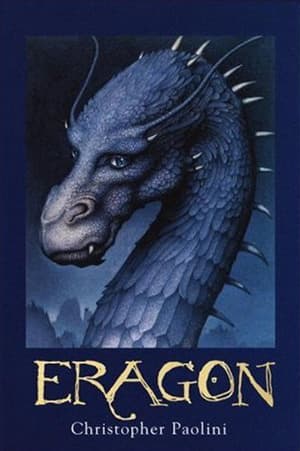
- Eragon
Christopher Paolini
3.9 (1.4M) average on GoodreadsFantasyBoth Eragon and Order of the Phoenix feature young protagonists thrust into epic conflicts. However, Rowling's character development in Order of the Phoenix is significantly more profound and nuanced. Harry's psychological distress, isolation, and moral dilemmas are central to the narrative, whereas Eragon's journey, while adventurous, focuses more on skill acquisition and external quests. Paolini's world-building, while expansive, often lacks the intricate socio-political allegory and character depth that makes Order of the Phoenix resonate with mature themes of governmental deceit and personal trauma.
- Harry Potter and the Sorcerer's Stone
J.K. Rowling
4.5 (7M) average on GoodreadsFantasyRescued from a miserable life under the stairs, an orphaned boy discovers he's a wizard destined for a magical school, where he uncovers a dangerous secret tied to the dark wizard who murdered his parents.
- 1984
George Orwell
4.2 (3.1M) average on GoodreadsPoliticsIn a future where surveillance and thought control are absolute, a man's search for truth clashes with the Party, showing that hope can be a form of rebellion.
- The Hobbit, or There and Back Again
J.R.R. Tolkien
4.3 (2.9M) average on GoodreadsFantasyA comfort-loving hobbit named Bilbo Baggins is whisked away by a mischievous wizard and a band of dwarves on an unexpected journey to reclaim stolen treasure from a fearsome dragon, discovering courage and a magical ring along the way.





Enjoyed the summary?
A summary gives you the shape of the book. The book itself has the detail, the examples and the voice.
Find Harry Potter and the Order of the Phoenix on AmazonAs an Amazon Associate, BookBrief earns from qualifying purchases. How we're funded