

Synopsis
Covers the whole plot, including the ending.
- Difficulty
- Medium
- Pacing
- Variable
- Mood
- Introspective, Bleak, Suspenseful, Philosophical
- Read it if
- You enjoy classic hard sci-fi with a strong psychological element, exploring themes of risk, greed, and trauma in the vast, indifferent cosmos.
- Skip it if
- You prefer fast-paced action over introspective character studies and detailed world-building, or dislike ambiguous endings.
Gateway Plot Summary
Covers the whole plot, including the ending.
Therapy with S. Ya. Sigfrid von Shrink
The novel opens with Robinette Broadhead, now immensely wealthy but deeply troubled, in therapy sessions with an artificial intelligence named S. Ya. Sigfrid von Shrink, or 'Sigfrid.' These sessions, conducted in a luxurious but sterile environment, frame Robbie's recollections. Sigfrid's probing questions often trigger Robbie's anxieties and force him to confront the traumatic experiences he endured at Gateway. Robbie is reluctant to fully open up, often deflecting or becoming defensive, but Sigfrid persistently guides him toward his psychological distress: the guilt and fear stemming from his time as a prospector on the alien space station.
Arrival at Gateway
Robbie Broadhead, a desperate food prospector from Earth, arrives at Gateway, an asteroid-turned-space station orbiting Venus. Gateway is a hub for humanity's daring exploration of the galaxy using derelict alien spacecraft, left behind by the mysterious Heechee. These ships are incomprehensible to human technology, operating on pre-programmed routes to unknown destinations. Robbie, like thousands of others, has come to Gateway with nothing but a lottery ticket and the desperate hope of finding a valuable alien artifact or discovering a new, resource-rich planet. He faces the daunting reality of Gateway: a dangerous, overcrowded, and highly competitive environment where fortunes are made and lives are lost with equal frequency.
First Missions and Learning the Ropes
Robbie spends his initial time on Gateway understanding the dangerous 'prospector' life. He observes the constant coming and going of ships, the high stakes, and the often fatal outcomes. He takes a few short, unsuccessful missions, learning the basics of operating the alien ships and the terrifying unpredictability of their journeys. He forms a friendship with Klara, a fellow prospector. During this period, Robbie grapples with the immense fear of the unknown that each mission entails, the claustrophobia of the tiny Heechee ships, and the constant pressure to choose a ship that will lead to a lucrative discovery, rather than a deadly void or a one-way trip.
The Lottery and the Ship Selection Process
Robbie recounts the lottery system used to assign prospectors to available Heechee ships. Each ship has a manifest detailing its size, estimated duration, and sometimes a vague indication of its previous success or failure. The selection process is a terrifying gamble. A prospector chooses a ship from a list, knowing that it could lead to immense wealth or an instant, horrifying death. Robbie describes the intense psychological pressure, the desperate attempts to discern patterns or omens in the ship data, and the sheer terror of committing to a journey with no human-understandable controls or destination. This system highlights the ultimate powerlessness of the humans in the face of Heechee technology.
A Successful Strike and Growing Confidence
Robbie experiences a breakthrough with a successful mission. He and his crew discover a valuable cache of Heechee artifacts, including advanced tools and data recorders. This success brings him a substantial amount of money, alleviating his immediate financial worries and giving him a taste of the immense rewards available at Gateway. This positive experience, however, also fuels his growing addiction to the thrill and danger of prospecting. He begins to feel more confident in his ability to 'read' the ships and make good choices, a confidence that will later be severely tested. The success allows him to move into better living quarters and enjoy some of the luxuries Gateway offers.
The Relationship with Klara
Robbie's relationship with Klara, a fellow prospector, deepens. They share the unique bond of facing existential risks together, finding solace and understanding in each other. Their relationship is a mix of camaraderie, romantic tension, and shared trauma. Klara is more pragmatic and less prone to Robbie's bouts of self-pity and fear. She serves as a grounding force for him, but their shared experiences on Gateway also create an unspoken tension, as each mission could separate them forever. The pressures of Gateway make sustained, healthy relationships difficult, and their bond is constantly tested by the demands of their dangerous profession.
The Third Mission and the Comet
Robbie, Klara, and a small crew undertake a mission in a Heechee ship. The ship, as usual, operates autonomously, taking them far into uncharted space. During the journey, they encounter a massive, previously unknown comet, a colossal body of ice and rock. The Heechee ship, following its pre-programmed path, attempts to navigate through or around the comet's tail, but miscalculates or is simply unable to avoid a catastrophic impact. The ship is severely damaged, and some crew members are killed instantly. Robbie and Klara survive the initial impact, but their situation becomes dire, stranded deep in space.
Stranded and the Impossible Choice
Following the comet collision, the Heechee ship is crippled, life support is failing, and rescue is impossible. Robbie and Klara, along with one other surviving crew member, struggle to survive. As resources dwindle and the situation becomes increasingly desperate, a horrifying reality sets in: there isn't enough power or life support for everyone to make it back to Gateway, even if they could somehow jury-rig the ship. Robbie, under immense pressure and succumbing to his primal instinct for survival, makes the agonizing decision to abandon the others, using the last of the ship's functional systems to propel himself back to safety, leaving Klara and the other survivor to die.
The Return and the Aftermath
Robbie miraculously returns to Gateway, having survived the impossible. He is hailed as a hero, and the data he brought back from his mission, combined with the discovery of the comet, makes him an instant billionaire. However, his triumph is hollow. The guilt of abandoning Klara and the other crew member gnaws at him relentlessly. He is now one of the richest people in the solar system, but the wealth cannot erase the memory of his choice or the faces of those he left behind. His psychological trauma begins immediately upon his return, setting the stage for his future therapy sessions with Sigfrid.
Life as a Billionaire and Continued Therapy
Now living in immense luxury on Earth, Robbie's life is outwardly perfect, but internally, he is a wreck. He indulges in every pleasure money can buy, yet finds no peace. His therapy sessions with Sigfrid continue, with Sigfrid relentlessly pushing him to confront the core of his guilt and the ethical dilemma he faced on the last mission. Robbie tries to rationalize his actions, to minimize his responsibility, but Sigfrid's objective analysis and probing questions force him to confront the truth: he chose his own survival over the lives of his companions. This ongoing internal struggle forms the backbone of the novel's present-day narrative.
Confronting the Truth
Through countless therapy sessions, Robbie slowly and painfully peels back the layers of his self-deception. Sigfrid, with unyielding logic, guides him through the memories, forcing him to re-examine every detail of the comet incident and his subsequent actions. Eventually, Robbie breaks down and admits the full, unvarnished truth: he deliberately and consciously chose to save himself, knowing it meant the death of Klara and the other crew member. This confession is a turning point, a catharsis that, while agonizing, is the first step towards processing his profound guilt and trauma. He stops deflecting and takes full ownership of his decision.
The Nature of Sigfrid and Healing
As Robbie confronts his past, he also gains a deeper understanding of Sigfrid's role. Sigfrid is not just a therapist; it is an advanced AI designed to help humans process extreme trauma and make sense of their experiences. Sigfrid represents an objective mirror, reflecting Robbie's true self back to him without judgment, only analysis. While Robbie's healing is far from complete, the confession marks a turning point. He understands that while he can never undo his actions, he can learn to live with them and eventually find a measure of peace. The therapy continues, a long and arduous journey of self-acceptance and reconciliation with his past.
Principal Figures
Robinette Broadhead (Robbie)
Protagonist
A poor food prospector who becomes a wealthy but traumatized explorer of the Heechee universe.
Robbie is a complex character, driven by desperation and a yearning for wealth that leads him to the dangerous Gateway station. He is initially cowardly and self-pitying, often consumed by fear and anxiety regarding the unpredictable Heechee ships. Despite his flaws, he possesses a strong will to survive. After his traumatic final mission, he becomes immensely rich but is haunted by profound guilt and psychological distress, undergoing therapy to come to terms with his past actions. His journey is one of self-discovery, confronting his deepest fears and the moral compromises he made.
Relationships: S. Ya. Sigfrid von Shrink (Therapist/patient, confrontational but ultimately healing); Klara (Fellow prospector, romantic interest, and victim of Robbie's ultimate choice)
S. Ya. Sigfrid von Shrink (Sigfrid)
Supporting
An advanced artificial intelligence serving as Robbie Broadhead's unconventional therapist.
Sigfrid is an AI designed for psychoanalysis, characterized by its relentless, logical, and often blunt questioning. It lacks human empathy in its approach but is profoundly effective in its therapeutic role. Sigfrid's primary function is to guide Robbie through his traumatic memories, forcing him to confront his actions and feelings without allowing him to deflect or rationalize. It represents an objective mirror, reflecting Robbie's true self back to him, and serves as a crucial catalyst for his eventual confession and psychological healing. Sigfrid embodies the future of mental health treatment.
Relationships: Robinette Broadhead (Therapist/patient, analytical and probing)
Klara
Supporting
A pragmatic and resilient fellow prospector and Robbie's romantic interest.
Klara is a strong, independent woman who shares Robbie's dangerous life on Gateway. She is more grounded and less prone to panic than Robbie, often serving as a source of stability and practical advice for him. Their relationship is a complex blend of companionship, shared risk, and budding romance, offering a brief respite from the harsh realities of prospecting. Klara's ultimate fate, left behind by Robbie during the comet incident, becomes the central source of his enduring guilt and trauma, making her a pivotal figure in his psychological landscape.
Relationships: Robinette Broadhead (Fellow prospector, romantic interest, and ultimately, a victim of his survival choice)
The Heechee
Mentioned
The enigmatic, vanished alien race responsible for the advanced technology at Gateway.
The Heechee are an ancient, highly advanced alien civilization that vanished long before humanity discovered their artifacts. They are never directly encountered but their presence permeates the entire novel through their incomprehensible technology, particularly the spaceships and the Gateway station itself. Their motivations, appearance, and ultimate fate remain a mystery, driving human exploration and fear. The Heechee represent the ultimate 'other,' a civilization so far beyond human understanding that their legacy is both a source of immense opportunity and terrifying, existential dread.
Captain
Supporting
A veteran prospector and ship captain who occasionally leads Robbie's missions.
The Captain is one of the more experienced prospectors Robbie encounters on Gateway. He embodies the hardened, pragmatic nature required to survive the dangerous missions. While not a central figure, he represents the type of leadership and decision-making that is vital for successful (or at least survivable) Heechee voyages. He provides Robbie with some guidance and a sense of structure during their shared missions, contrasting with Robbie's more anxious disposition. His presence helps illustrate the hierarchy and dynamics within the prospector community.
Relationships: Robinette Broadhead (Fellow prospector, mission leader)
Themes & Insights
Survival vs. Morality
This theme explores the agonizing choices individuals make when faced with extreme, life-or-death situations. Robbie's ultimate decision to save himself at the expense of Klara and others during the comet incident is the central manifestation. The novel explores the psychological aftermath of such a choice, questioning whether survival at any cost is truly a victory. It examines the profound guilt and trauma that can arise when one's moral compass is sacrificed for self-preservation, showing that the 'survivor' often carries a heavier burden than the dead. Sigfrid's therapy sessions constantly force Robbie to confront this ethical dilemma.
“You killed Klara. You chose. You saved your own life.”
The Price of Wealth and Success
Gateway powerfully illustrates that immense wealth often comes with a steep, non-monetary price. Robbie achieves his dream of becoming rich beyond imagination, but this success is inextricably linked to his deepest trauma. His wealth cannot buy him peace of mind or erase his guilt. Instead, it highlights the emptiness of a life built on moral compromise. The luxurious life he leads post-Gateway is a gilded cage, trapping him with his memories. The theme suggests that true 'success' is not merely financial gain, but psychological well-being and moral integrity, both of which Robbie struggles to reclaim.
“I had everything I wanted. Money. Fame. Power. Why wasn't I happy?”
Humanity's Drive for Exploration and Greed
The novel portrays humanity's insatiable drive to explore the unknown, even in the face of incomprehensible danger and alien technology. Gateway is an example of this, with thousands risking their lives for the slim chance of discovery and immense wealth. This drive is often intertwined with greed, as prospectors are motivated less by scientific curiosity and more by the allure of alien artifacts and new resources. The Heechee ships, being uncontrollable and mysterious, amplify both the thrill of discovery and the terror of the unknown, highlighting humanity's audacity and its vulnerability when confronting truly alien intelligence.
“Gateway opened on all the wealth of the Universe... and on reaches of unimaginable horror.”
Trauma and Psychological Healing
A core theme of the novel is the long, arduous process of dealing with profound psychological trauma. Robbie's therapy sessions with Sigfrid form the narrative backbone, demonstrating the complex layers of denial, guilt, and fear that trauma survivors face. The non-human nature of Sigfrid emphasizes the objective, often painful, process required to confront buried memories and integrate them into one's understanding of self. The journey shows that healing is not about forgetting or excusing, but about acknowledging and accepting responsibility, however painful that may be, as a path towards eventual peace.
“You can't just wish it away, Robbie. You have to face it.”
Plot Devices & Literary Techniques
Frame Narrative
The story of Robbie's Gateway experiences is told within the frame of his therapy sessions.
The novel utilizes a frame narrative structure, with the present-day therapy sessions between Robbie and Sigfrid acting as the outer frame, enclosing Robbie's flashbacks to his time on Gateway. This structure allows for a constant interplay between past trauma and present-day psychological processing. The therapy sessions provide context and emotional depth to the adventurous past events, highlighting the lasting impact of Robbie's choices. It also allows the reader to witness Robbie's internal struggle and gradual self-discovery in real-time as he recounts his memories.
Unreliable Narrator
Robbie Broadhead's recollections are colored by his trauma and self-deception.
Robbie Broadhead serves as an unreliable narrator, particularly in the initial stages of his therapy. His accounts of events on Gateway are often filtered through his guilt, fear, and attempts to rationalize his actions. He frequently deflects, minimizes, or omits crucial details, forcing Sigfrid to prod him relentlessly for the full truth. This unreliability is not malicious but stems from his deep psychological trauma. It makes the reader question the veracity of his statements and deepens the mystery surrounding his final mission, creating suspense until the full, painful truth is revealed.
MacGuffin (Heechee Technology)
The Heechee ships and artifacts serve as the central objects of desire and plot drivers.
The Heechee ships and the alien artifacts they potentially hold act as a MacGuffin, a plot device that drives the characters' motivations and the story's progression without necessarily being fully explained or understood. The prospectors' desire for wealth obtained from these artifacts is what brings them to Gateway and compels them to undertake dangerous missions. The ships themselves, with their inscrutable controls and unpredictable destinations, are the primary mechanism for plot advancement, taking Robbie and others on their perilous journeys. The mystery of the Heechee technology fuels both the economic system of Gateway and the existential dread of its explorers.
Psychological Horror
The true horror of the novel lies in Robbie's internal struggle and moral compromises.
While Gateway features the dangers of space exploration, its primary 'horror' element is psychological. The terror comes not from external monsters, but from the internal demons Robbie faces: the fear of the unknown aboard the Heechee ships, the crushing guilt of his choices, and the existential dread of confronting his own capacity for cruelty and self-preservation. The therapy sessions with Sigfrid are designed to bring this internal horror to the surface, forcing Robbie (and by extension, the reader) to grapple with profound ethical questions and the devastating consequences of extreme trauma.
Gateway Quotes
“There was nothing to do but go on, and so I did.”
“The universe is not required to be in perfect harmony with human ambition.”
“It was the ultimate lottery. Your life, or something better.”
“I was rich. I was famous. I was a failure.”
“The Heechee were gone. But they had left their toys.”
“Every mission was a roll of the dice. Every return was a miracle.”
“The one thing you could always count on in this universe was that sooner or later, something would go wrong.”
“It isn't courage unless you're scared.”
“You couldn't run away from yourself, no matter how far you went.”
“The greatest treasure was not gold or jewels, but information.”
“I was a survivor, but what had I survived for?”
“They were just machines, but they were machines designed by something that was not us.”
“The only real choice was whether to grab for the brass ring, or to die wondering what it felt like.”
“Fear is a great motivator, but a terrible navigator.”
Quiz
10 questions on the plot and the characters. Each answer comes with a short explanation.
Question 1
What is the primary function of the 'Farthest Out' computer program that Robinette Broadhead frequently consults?
- To simulate potential profits from various Heechee artifacts.
- To analyze his psychological state and offer therapeutic advice.
- To predict the success rate of different Heechee ship missions.
- To translate previously untranslatable Heechee log entries.
Show answer
B. To analyze his psychological state and offer therapeutic advice. Farthest Out is Broadhead's AI psychiatrist, designed to help him cope with the trauma of his Gateway experiences and his newfound wealth.
Question 2
What is the name of the alien race that built the Gateway station and the abandoned spacecraft?
- The Klargons
- The Heechee
- The Zorgons
- The Glorgs
Show answer
B. The Heechee The alien race responsible for the advanced technology found at Gateway is consistently referred to as the Heechee throughout the novel.
Question 3
What is the main reason humans are able to use Heechee spacecraft despite not understanding their technology?
- They reverse-engineered the Heechee control panels.
- The ships respond to human thought commands.
- The ships have pre-programmed destinations and journey times.
- They found a universal translator for the controls.
Show answer
C. The ships have pre-programmed destinations and journey times. Humans operate the Heechee ships by selecting pre-programmed destinations and journey times from a limited set of options, without truly understanding how the drives work.
Question 4
What significant event occurs on Robinette Broadhead's third and final mission from Gateway?
- He discovers a living Heechee alien.
- His ship encounters a black hole and is nearly destroyed.
- He is left as the sole survivor after his crewmates die.
- He finds a map to the Heechee homeworld.
Show answer
C. He is left as the sole survivor after his crewmates die. On his final mission, Rob's crewmates, including Klara, die, leaving him as the sole survivor and profoundly traumatized by the experience.
Question 5
What is the primary motivation for most people, including Robinette Broadhead, to go to Gateway?
- To unravel the mysteries of the Heechee civilization.
- To escape poverty and become rich.
- To join an elite scientific research team.
- To seek interstellar adventure and glory.
Show answer
B. To escape poverty and become rich. Broadhead, like many others, is a 'prospector' driven by the desire to escape his impoverished past and strike it rich by finding valuable Heechee artifacts.
Question 6
What is the role of the 'Prospectors' on Gateway?
- They are the administrators who manage the Gateway station.
- They are the scientists who study Heechee technology.
- They are individuals who risk their lives on Heechee ships to find artifacts.
- They are security personnel protecting the station from pirates.
Show answer
C. They are individuals who risk their lives on Heechee ships to find artifacts. Prospectors are the daring (and desperate) individuals who volunteer to take the dangerous, unpredictable Heechee ship missions in hopes of finding valuable alien technology.
Question 7
What specific psychological defense mechanism does Broadhead's AI psychiatrist, Sigfrid von Shrink (Farthest Out), identify as his primary coping strategy?
- Sublimation, channeling his trauma into creative endeavors.
- Repression, pushing traumatic memories out of conscious awareness.
- Rationalization, justifying his actions with logical explanations.
- Projection, attributing his own unacceptable feelings to others.
Show answer
B. Repression, pushing traumatic memories out of conscious awareness. A central theme of Broadhead's therapy is his struggle with repressed memories and guilt, particularly concerning the fate of his crew on his final mission.
Question 8
What is the 'Glory Hole' on Gateway, and what is its significance?
- It's the main cafeteria where prospectors gather for meals.
- It's the central hub where Heechee ships are launched and received.
- It's a black market for illegally obtained Heechee artifacts.
- It's the name of the most dangerous, unexplored sector of space accessible by Heechee ships.
Show answer
B. It's the central hub where Heechee ships are launched and received. The Glory Hole is the nickname for the central docking bay and departure area for the Heechee spacecraft, representing both the potential for immense wealth and the gateway to unimaginable dangers.
Question 9
What is the ultimate fate of Klara, Robinette Broadhead's lover and fellow prospector, during their final mission together?
- She returns to Earth independently and lives a quiet life.
- She is killed during the mission, a fact that deeply traumatizes Broadhead.
- She becomes a renowned Heechee expert and leaves Broadhead.
- She is captured by another alien race and never seen again.
Show answer
B. She is killed during the mission, a fact that deeply traumatizes Broadhead. Klara's death on the final mission is a pivotal, traumatic event for Broadhead, and his guilt over it is a major focus of his therapy sessions.
Question 10
What is the primary existential dilemma that Robinette Broadhead grapples with throughout the novel, beyond his trauma and guilt?
- The ethics of exploiting alien technology for human gain.
- The meaninglessness of wealth without genuine human connection.
- The fear of an impending Heechee invasion of Earth.
- The scientific challenge of understanding faster-than-light travel.
Show answer
B. The meaninglessness of wealth without genuine human connection. Despite his immense wealth, Broadhead is profoundly unhappy and isolated, highlighting the theme that material gain does not equate to fulfillment, especially when achieved through horrific experiences.
Gateway FAQ
What is the core premise of 'Gateway' and what makes the Heechee technology so crucial?
The core premise revolves around humanity discovering an abandoned alien space station, Gateway, filled with thousands of Heechee starships. These ships are pre-programmed for various interstellar destinations, but their controls are incomprehensible to humans, making every mission a perilous gamble. The Heechee technology is crucial because it allows humanity to explore the galaxy and exploit alien resources, despite the inherent risks of not knowing the destination or return time.
Who is Robinette Broadhead, and what motivates him to go to Gateway?
Robinette 'Rob' Broadhead is the protagonist, a poor, somewhat neurotic man from Earth who wins a lottery that allows him to travel to Gateway. He is primarily motivated by the desperate desire to escape his impoverished existence and achieve immense wealth, even if it means risking his life on the unpredictable Heechee missions. His ambition is fueled by a deep-seated fear of returning to his former life.
What role does S. Ya. Sigfrid von Shrink play in Rob's story?
S. Ya. Sigfrid von Shrink is an AI psychiatrist, Rob's therapist after his return from Gateway, with whom he has frequent, often confrontational, sessions. Sigfrid serves as a narrative device to explore Rob's psychological trauma, guilt, and repressed memories. Through their dialogues, the reader gradually uncovers the details of Rob's past missions and the events that shaped his post-Gateway persona.
Describe the typical experience of a prospector on Gateway and the risks involved.
Prospectors on Gateway live in a constant state of tension, selecting ships at random, often without knowing their destination or how long the journey will take. The risks are immense: ships can go to uninhabitable planets, encounter dangerous alien life, or simply never return. Success, however, can bring unimaginable wealth in the form of alien artifacts or resource discoveries, making the gamble worthwhile for many.
What is the significance of the 'glimpses' of the Heechee that Rob experiences?
Rob occasionally experiences fleeting sensory impressions or hallucinations of the Heechee, particularly during his therapy sessions or when under stress. These 'glimpses' are not literal encounters but rather manifestations of his subconscious grappling with the alien presence and the lingering mystery of their disappearance. They symbolize the profound, unsettling impact of the Heechee on human understanding and existence.
How does the novel subtly hint at the Heechee's advanced understanding of the universe?
The novel hints at the Heechee's advanced understanding through their technology, specifically the ships that navigate complex interstellar routes and even time dilation. Their ability to construct a vast, automated station like Gateway and leave behind ships capable of long-duration travel suggests a mastery of physics far beyond human comprehension. The fact that they seem to have vanished without a trace, leaving behind such powerful tools, further underscores their enigmatic nature and superior knowledge.
What is the true nature of the 'horror' mentioned in the book's synopsis regarding the interstellar void?
The 'horror' isn't necessarily monstrous aliens but rather the psychological toll of the unknown, the isolation, and the constant threat of death or being lost forever in space. For Rob, the ultimate horror is the guilt and trauma from abandoning his shipmates on his final mission. The void represents not just physical danger but a profound existential dread that forces individuals to confront their deepest fears and moral compromises.
What is the significance of the 'F-2' mission in Rob's psychological development?
The F-2 mission is the pivotal event that defines Rob's subsequent psychological state. During this mission, he is forced to make a life-or-death decision, abandoning his shipmates to ensure his own survival and the return of the valuable discovery. This act of self-preservation, while making him rich and famous, leaves him with profound guilt, survivor's remorse, and a deep sense of self-loathing that he struggles with throughout his therapy.
How does Rob's relationship with Klara, and later with other women, reflect his internal conflicts?
Rob's relationships, particularly with Klara, are fraught with his internal conflicts, mirroring his inability to form genuine connections due to his guilt and self-loathing. He struggles with intimacy and trust, often pushing people away or using them as distractions from his trauma. His interactions reveal his deep-seated psychological scars, making stable, loving relationships difficult for him to maintain.
In what ways does Rob's wealth fail to bring him happiness or peace?
Despite achieving immense wealth, Rob finds no happiness or peace because his fortune is tainted by the guilt and trauma of his F-2 mission. The money serves as a constant reminder of the lives he believes he sacrificed and the moral compromises he made. His affluence isolates him, as he struggles to connect with others and finds no solace in material possessions, leading to a life of emotional turmoil.
How does the narrative structure, alternating between Rob's therapy and his past missions, enhance the story?
The alternating narrative structure, shifting between Rob's present-day therapy sessions with Sigfrid and his flashbacks to past missions, slowly reveals the pieces of his traumatic experiences. This non-linear approach builds suspense, allowing the reader to unravel the mystery of what happened on Gateway at the same pace as Rob himself. It highlights the psychological struggle and the slow process of confronting repressed memories.
Is Sigfrid von Shrink a purely benevolent figure, or is there an element of manipulation in his therapy?
Sigfrid von Shrink's role is complex; while he aims to help Rob, there's an underlying element of manipulation inherent in his AI programming and therapeutic approach. He often provokes Rob, using a confrontational style to force him to confront his deepest fears and repressed memories. This aggressive technique, while ultimately effective, can be seen as a form of calculated psychological pressure, making his benevolence somewhat ambiguous.
What is the ultimate 'journey into himself' that Rob undertakes, and what does he discover?
The ultimate 'journey into himself' is Rob's struggle to confront and accept the trauma, guilt, and moral compromises of his past, particularly the F-2 mission. Through his therapy, he discovers the depths of his self-loathing and the profound impact of his choices on his psyche. He learns that true peace can only come from acknowledging his actions and beginning the arduous process of self-forgiveness, rather than repressing the memories.
How does the ending of the novel resolve Rob's internal conflict, if at all?
The ending of the novel doesn't offer a simple resolution but rather a crucial step towards Rob's healing. He finally confronts the full truth of his actions on the F-2 mission and the psychological burden he carries. While he doesn't achieve complete peace, he takes a significant step towards self-acceptance and understanding, indicating the beginning of a long journey toward reconciliation with himself, rather than an instant cure.
What is the philosophical message about humanity's drive for exploration and wealth, as presented in 'Gateway'?
'Gateway' presents a nuanced philosophical message: humanity's drive for exploration and wealth, while capable of leading to incredible discoveries, often comes at a profound personal and moral cost. The pursuit of riches can corrupt, forcing individuals to make difficult choices that leave lasting psychological scars. The novel suggests that the true value of exploration might lie not just in external discoveries, but in the internal journey of self-discovery and the ethical dilemmas it unearths.
What is the significance of the Heechee's absence and their seemingly abandoned technology?
The Heechee's absence is central to the novel's mystery and appeal. Their advanced, yet abandoned, technology creates a tantalizing 'treasure hunt' for humanity, but also a profound sense of wonder and fear about their fate. Their disappearance underscores the vastness and indifference of the universe, suggesting that even highly advanced civilizations can vanish, leaving behind only enigmatic relics for lesser species to stumble upon.
How does the concept of 'luck' influence the prospectors' lives on Gateway?
Luck is a dominant and often cruel force dictating the lives of prospectors on Gateway. With no control over ship destinations, every mission is a roll of the dice; success or failure, life or death, hinges entirely on random chance. This reliance on luck highlights the extreme desperation of the prospectors and the inherent randomness of their dangerous profession, emphasizing the high stakes involved.
What specific details are revealed about the Heechee themselves, beyond their technology?
Beyond their technology, few concrete details about the Heechee are revealed, adding to their mystery. We learn they are highly advanced, capable of interstellar travel and constructing complex artifacts like Gateway. Rob's 'glimpses' suggest they might have been small, perhaps insectoid or mammalian, but these are subjective interpretations. Their ultimate fate remains largely unknown, fueling speculation and dread about their power and potential threats they might have faced.
How does Rob's self-perception evolve throughout his therapy sessions?
Throughout his therapy, Rob's self-perception slowly shifts from denial and self-pity to a grudging acceptance of his past actions and the person he has become. Initially, he deflects blame and avoids confronting his guilt, but Sigfrid's persistent questioning forces him to peel back layers of rationalization. By the end, he begins to see himself not as a blameless victim, but as a flawed individual who made a difficult, morally ambiguous choice, paving the way for potential self-forgiveness.
About the author
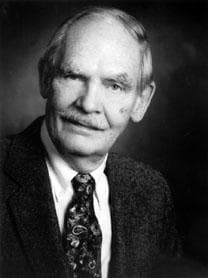
Frederik Pohl was an American science fiction author known for his imaginative storytelling and exploration of complex themes. His notable work, "Gateway," delves into human psychology and the mysteries of space travel. Pohl's contributions to the genre have earned him significant recognition, including multiple Hugo and Nebula Awards.
Similar books
- Rendezvous with Rama
Arthur C. Clarke
4.1 (134k) average on GoodreadsScience FictionExplores humanity's encounter with mysterious, abandoned alien technology and the unknown.
- Blindsight
Peter Watts
4.0 (27k) average on GoodreadsFantasyFeatures a crew on a high-stakes, psychologically intense mission into deep space with alien encounters.
- The Martian
Andy Weir
4.4 (817k) average on GoodreadsThrillerFocuses on survival against overwhelming odds in a space environment, though with a different tone.
- Harry Potter and the Sorcerer's Stone
J.K. Rowling
4.5 (7M) average on GoodreadsFantasyRescued from a miserable life under the stairs, an orphaned boy discovers he's a wizard destined for a magical school, where he uncovers a dangerous secret tied to the dark wizard who murdered his parents.
- The Hunger Games
Suzanne Collins
4.3 (6.4M) average on GoodreadsFantasyIn a future where children fight to the death on live television, Katniss Everdeen volunteers for the arena, turning a death sentence into a fight for survival and a spark of rebellion.
- 1984
George Orwell
4.2 (3.1M) average on GoodreadsPoliticsIn a future where surveillance and thought control are absolute, a man's search for truth clashes with the Party, showing that hope can be a form of rebellion.






Enjoyed the summary?
A summary gives you the shape of the book. The book itself has the detail, the examples and the voice.
Find Gateway on AmazonAs an Amazon Associate, BookBrief earns from qualifying purchases. How we're funded