
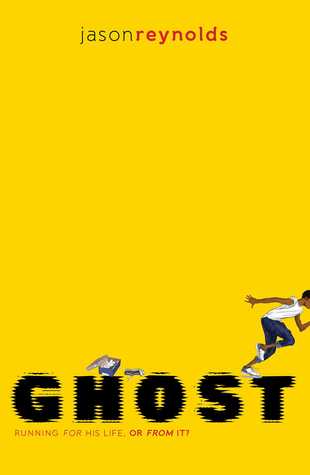
Synopsis
Covers the whole plot, including the ending.
- Difficulty
- Easy
- Pacing
- Fast
- Mood
- Inspiring, Realistic, Hopeful, Energetic
- Read it if
- You enjoy heartwarming stories about overcoming adversity, sports narratives, and realistic fiction featuring relatable young characters finding their place.
- Skip it if
- You prefer fantasy or sci-fi, or dislike stories with themes of childhood trauma and anger management.
Ghost Plot Summary
Covers the whole plot, including the ending.
A Fateful Encounter at the Track
Castle 'Ghost' Cranshaw waits for his mom outside a store when he sees a track team practicing at a nearby community center. He watches them, especially a tall, lanky runner named Lu. On a whim, Ghost challenges Lu to a race, despite wearing his regular clothes and high-top sneakers. To everyone's surprise, Ghost beats Lu, showing clear speed. Coach Brody, the team's stern but observant coach, sees the race. Impressed by Ghost's talent, he offers him a spot on the Defenders track team. He sees potential beyond Ghost's rough look and lack of proper gear. Ghost, at first unsure, feels drawn to running, a skill he developed after a traumatic past event.
Joining the Defenders and First Impressions
Ghost accepts Coach Brody's offer and joins the Defenders. He meets the other members of the 'newbies' squad: Lu, the albino sprinter he beat; Sunny, a quiet girl who runs distance; and Patina (Patty), a tough girl who also runs distance. Ghost immediately feels like an outsider, especially because of his worn-out, taped-up sneakers. He tries to act tough and cool, often clashing with Lu, who is still upset about being beaten. Coach Brody sets strict rules, including no fighting and being on time. Ghost's first practice is hard, and he quickly realizes that track requires more discipline than just 'running away' as he's used to. The team dynamic is tense, with Ghost struggling to find his place among the more experienced and seemingly well-adjusted runners.
The Uniform Dilemma and a Costly Mistake
Ghost's shoes become a big source of embarrassment. His old, taped-up high-tops look very different from his teammates' proper running shoes. After a hard practice, Ghost's shoes finally fall apart completely, making him feel humiliated. He sees an advertisement for expensive, new silver running shoes in a store window. Wanting to fit in and avoid more ridicule, Ghost makes a reckless decision. He shoplifts the silver shoes from a sporting goods store, telling himself it's necessary for the team. This act, however, has immediate consequences, as someone sees him leaving the store.
Coach Brody's Intervention and a Difficult Truth
The next day, Coach Brody picks Ghost up from school, not for practice, but to take him to the sporting goods store where Ghost stole the shoes. The manager, Mr. Charles, recognizes Ghost and the shoes. Coach Brody, instead of calling the police, makes a deal with Mr. Charles: Ghost will clean the store for a week as restitution. During the drive, Coach Brody confronts Ghost, who at first tries to deny his actions. Coach Brody then shares a part of his own past: he grew up in the same neighborhood, faced hardships, and was once a talented athlete whose career ended early due to a past mistake involving his temper and a gun. This revelation changes how Ghost sees his coach, making him realize they share a deeper connection than he first thought.
Cleaning Up and Opening Up
For the next week, Ghost spends his afternoons after school cleaning Mr. Charles's sporting goods store. This experience, while initially humiliating, becomes a time of quiet thought and forced responsibility. During this time, Coach Brody continues to pick him up and drop him off, offering a steady, non-judgmental presence. Ghost slowly starts to open up to Coach Brody, sharing more about his life, including the traumatic night when his father tried to shoot him and his mother, leading to his father's imprisonment. This shared vulnerability strengthens their bond, as Coach Brody guides Ghost with a firm but understanding hand, emphasizing discipline and accountability.
The Weightlifting Incident and Team Bonding
During a weightlifting session at practice, Ghost loses his temper and argues with Lu. He teases Lu about his albino features, specifically his light skin and eyes, going too far. Coach Brody immediately steps in, making Ghost run extra laps as punishment. This incident shows Ghost's struggle with controlling his anger and his tendency to lash out when feeling insecure or challenged. However, as the week goes on, the team starts to get along better. They share stories and secrets, revealing their own struggles and reasons for running. Ghost learns about Sunny's mother's death, Patty's mother's disability, and Lu's desire to stand out from his brothers. These shared vulnerabilities begin to break down Ghost's emotional walls.
The First Track Meet and the Missing Uniform
The day of the first track meet arrives. Ghost is nervous but excited. He feels a sense of belonging with his team, especially after they've started to open up to each other. However, when he goes to get his team uniform, he finds it missing from his bag. Panic sets in as he realizes he can't race without it. He suspects Lu, given their past tensions. Coach Brody, sensing Ghost's distress, approaches him. Ghost confesses he doesn't have his uniform, but doesn't immediately explain why. The coach, understanding the situation, stays calm. He reminds Ghost about being prepared and responsible, but also quietly offers support.
A Moment of Truth and a New Beginning
As Ghost deals with the missing uniform, Coach Brody reveals he expected something like this might happen and had a backup plan. He gives Ghost a brand new, clean uniform, implying he knew about Ghost's habit of not washing his clothes. This act of quiet understanding and preparation further builds trust between them. Ghost, now properly dressed, feels a surge of confidence and belonging. As he steps onto the track for his first official race, he sheds the 'Ghost' persona he used to hide behind and embraces his true self, Castle Cranshaw, a runner on the Defenders. He is ready to run, not to escape, but to compete and be part of something bigger than himself, having finally found a place where he belongs.
Ghost Characters
Castle 'Ghost' Cranshaw
Protagonist
A talented runner with a traumatic past, seeking belonging and self-acceptance.
Ghost is a natural sprinter who initially runs to escape his traumatic past. He's a complex character, prone to anger and insecurity, often masking his vulnerability with a tough exterior. His father's imprisonment for attempting to shoot Ghost and his mother deeply impacts him, making him fear commitment and trust. He struggles with fitting in, feeling like an outsider due to his socioeconomic status and rough upbringing. His impulsiveness leads him to shoplift running shoes, but this act ultimately becomes a catalyst for growth. Ghost's journey is about learning to channel his raw energy, control his temper, and accept help and mentorship from Coach Brody.
Relationships: Coach Brody (Mentor and father figure); Ma (Terri Cranshaw) (Loving and protective mother); Lu (Teammate and initial rival, later friend); Sunny (Teammate and friend); Patina (Patty) (Teammate and friend)
Coach Brody
Supporting
A former Olympic medalist and track coach, offering tough love and mentorship.
Coach Brody is the stoic, disciplined, and deeply empathetic coach of the Defenders track team. He sees potential in Ghost that others might overlook, recognizing a shared past of hardship and raw talent. He maintains a firm demeanor, enforcing rules and accountability, but his actions are always driven by a desire to uplift his runners. His own past, revealed to Ghost, involves a promising track career cut short by a violent mistake, making him uniquely qualified to guide Ghost. He acts as a surrogate father figure, providing structure, understanding, and a safe space for Ghost to grow.
Relationships: Castle 'Ghost' Cranshaw (Mentee and surrogate son); Mr. Charles (Friend and former competitor); Lu (Team member); Sunny (Team member); Patina (Patty) (Team member)
Lu
Supporting
An albino sprinter and Ghost's initial rival, later a friend.
Lu is a confident, somewhat cocky sprinter who is initially challenged and beaten by Ghost. He is albino, which makes him stand out, and he often uses humor and a tough exterior to cope with being different. He has two older brothers who are also talented athletes, driving his desire to excel on the track. Despite his initial rivalry with Ghost, he eventually forms a bond with him and the other 'newbies.' Lu's character highlights themes of self-acceptance and the complexities of sibling relationships, as he strives to carve his own identity.
Relationships: Castle 'Ghost' Cranshaw (Teammate, initial rival, later friend); Sunny (Teammate); Patina (Patty) (Teammate)
Patina 'Patty'
Supporting
A tough and determined distance runner, dedicated to her disabled mother.
Patina, or Patty, is a strong-willed and independent distance runner. She lives with her aunt and uncle because her mother is disabled and in a wheelchair. Patty is fiercely protective of her mother and uses her running as a way to cope with her family situation and to make her mother proud. She is practical and no-nonsense, often acting as a grounding force within the team. Her story reveals the silent burdens many children carry and how sports can provide an outlet and a source of strength.
Relationships: Castle 'Ghost' Cranshaw (Teammate and friend); Lu (Teammate); Sunny (Teammate)
Sunny
Supporting
A quiet and empathetic distance runner with a family tragedy.
Sunny is a quiet and somewhat reserved distance runner. Her mother passed away during childbirth, and she was raised by her father. She initially seems shy, but she possesses a deep well of empathy and resilience. She often observes more than she speaks, but when she does, her words carry weight. Running for Sunny is a way to feel connected to her family and to honor her mother's memory. Her story adds another layer to the team's diverse backgrounds, showing how different individuals cope with loss and find purpose.
Relationships: Castle 'Ghost' Cranshaw (Teammate and friend); Lu (Teammate); Patina (Patty) (Teammate)
Ma (Terri Cranshaw)
Supporting
Ghost's loving and protective mother, who survived domestic violence.
Ma is Ghost's resilient and loving mother. She works hard to provide for Ghost and protect him, especially after the traumatic incident where Ghost's father attempted to shoot them. She embodies strength and sacrifice, having endured significant trauma but always putting her son first. Her presence reminds Ghost of the love and stability he has, even amidst his struggles, and her unwavering support is a quiet foundation for his growth.
Relationships: Castle 'Ghost' Cranshaw (Son)
Mr. Charles
Supporting
The owner of the sporting goods store and Coach Brody's old friend.
Mr. Charles owns the local sporting goods store where Ghost shoplifts the shoes. He is a kind and understanding man, and a long-time friend of Coach Brody, having been a fellow competitor in their younger days. When Ghost is caught, Mr. Charles, at Coach Brody's request, allows Ghost to work off his debt instead of pressing charges. He represents community support and the opportunity for second chances, demonstrating compassion and a belief in rehabilitation over punishment.
Relationships: Coach Brody (Friend and former competitor); Castle 'Ghost' Cranshaw (Employer/Mentor (during restitution))
Dray
Mentioned
Ghost's best friend from the neighborhood.
Dray is Ghost's best friend from his old neighborhood. He is mentioned a few times in the story, representing Ghost's past life and connections outside of the track team. While not a central character, Dray symbolizes the world Ghost is trying to reconcile with his new life, and the potential for negative influences if Ghost doesn't choose a different path.
Relationships: Castle 'Ghost' Cranshaw (Best friend)
Ghost's Father
Mentioned
Imprisoned father, whose violence deeply traumatized Ghost.
Ghost's father is a pivotal, though mostly absent, character. His attempt to shoot Ghost and his mother is the defining traumatic event in Ghost's life, leading to his imprisonment and Ghost's deep-seated anger and fear. He represents the cycle of violence and the past Ghost is trying to outrun. His actions are the root of Ghost's 'ghost' persona and his initial inability to trust or form stable connections.
Relationships: Castle 'Ghost' Cranshaw (Father); Ma (Terri Cranshaw) (Husband)
Ghost Themes
Identity and Self-Discovery
The novel explores Ghost's journey to define himself beyond his past trauma and the 'Ghost' persona. He grapples with who he is—a kid from a tough neighborhood, a son of an incarcerated father, or a promising athlete. Through running and Coach Brody's mentorship, he learns to embrace his true name, Castle, and the potential it holds. The team offers him a new identity, one of belonging and purpose, rather than just 'running away' from his problems. This theme is central to Ghost's internal conflict and his eventual acceptance of himself.
“'I was Castle. Not Ghost. Just Castle.”
Trauma and Resilience
The story shows the lasting impact of trauma, especially Ghost's experience of domestic violence. His father's actions haunt him, appearing as anger, impulsiveness, and a fear of vulnerability. However, the novel also shows resilience. Ghost's mother's strength, Coach Brody's own past struggles, and the shared experiences of the other team members show how people can cope with and overcome hardship. Running becomes a way to outrun trauma, but also to build the mental and physical strength to face it.
“That night, I learned how to run. Not for fun, not for nothing. But to run because I had to.”
Mentorship and Second Chances
Coach Brody is a mentor for Ghost, offering him a second chance not just in track, but in life. Having faced similar challenges in his youth, Coach Brody understands Ghost's struggles and provides tough love, discipline, and steady support. He doesn't give up on Ghost, even after the shoplifting incident. Instead, he uses it as a teaching moment. This theme emphasizes the power of a caring adult figure and the importance of opportunities for redemption. It shows that past mistakes don't have to define a person's future.
“You gotta stop letting your past dictate your future, Ghost. You can't run away from who you are, but you can run toward who you want to be.”
Belonging and Teamwork
Initially, Ghost feels like an outsider, struggling to connect with his teammates due to his background and insecurities. The novel shows how shared experiences, vulnerabilities, and the common goal of running create a sense of belonging. The 'newbies' on the Defenders team—Lu, Sunny, and Patty—each have their own struggles. By sharing these, they form a supportive unit. Ghost learns that being part of a team means relying on others, contributing, and finding a place where he is accepted. This helps him shed his isolation and embrace friendship.
“We were a team. And for the first time in a long time, I felt like I belonged somewhere.”
Socioeconomic Disparities
The book shows the impact of socioeconomic differences on Ghost's life. His worn-out, taped-up shoes, compared to his teammates' proper gear, symbolize his family's financial struggles. His need to shoplift expensive running shoes comes from a desire to fit in and overcome this visible difference. The story also touches on the realities of living in a tough neighborhood and the limited opportunities available. This makes Coach Brody's intervention and the track team even more important as a path to a different future.
“My shoes were literally falling apart. And I knew if I showed up to practice again like that, I'd probably just quit.”
Plot Devices & Literary Techniques
The 'Ghost' Nickname
Symbolizes Castle's past and his desire to disappear.
The nickname 'Ghost' is a central symbolic device. It represents Castle's coping mechanism for his trauma: a desire to be invisible, to escape, and to outrun his past. He uses it as a shield, maintaining emotional distance from others. As the story progresses and Ghost begins to heal and find his place on the track team, he slowly sheds this persona, embracing his real name, Castle, and the authenticity that comes with it. The shedding of the 'Ghost' identity signifies his growth and acceptance of himself and his past.
The Silver Running Shoes
A symbol of desire, desperation, and a turning point.
The silver running shoes are a powerful symbol in the narrative. Initially, they represent Ghost's desperate desire to fit in, to have proper gear like his teammates, and to overcome his embarrassment about his old, broken shoes. His act of shoplifting them signifies his impulsiveness and his struggle with making good choices. However, the shoes also become a catalyst for Coach Brody's intervention, leading to Ghost's confession, restitution, and a deeper understanding between him and his mentor. They mark a turning point where Ghost begins to learn accountability and trust.
Running as Metaphor
Represents escape, discipline, and forward motion.
Running functions as a multifaceted metaphor throughout the book. Initially, for Ghost, it's a literal and emotional escape from his traumatic past, a way to 'outrun' his problems. As he joins the track team, running transforms into a symbol of discipline, teamwork, and commitment. It becomes a structured activity that helps him channel his anger and energy constructively. Ultimately, running represents forward motion, not just physically on the track, but also in Ghost's personal growth, as he learns to run 'toward' a better future rather than away from his past.
Coach Brody's Past
Parallel narrative and a source of empathy.
The revelation of Coach Brody's own troubled past—his upbringing in the same neighborhood, his athletic promise, and a violent mistake that ended his career—serves as a crucial plot device. It creates a parallel narrative that allows Ghost to see himself in his mentor and fosters a deep sense of empathy and trust. This shared experience enables Coach Brody to connect with Ghost on a profound level, making his guidance more impactful and believable. It underscores the theme of second chances and the idea that one's past doesn't have to define their future.
The 'Newbie' Team Dynamic
A microcosm of diverse struggles and found family.
The specific dynamic of the four 'newbies'—Ghost, Lu, Sunny, and Patty—serves as a microcosm for exploring various socioeconomic and personal struggles. Each member brings a unique backstory (albino, disabled parent, deceased parent, incarcerated parent), highlighting different forms of adversity. Their gradual bonding and shared vulnerabilities create a sense of 'found family' and belonging for Ghost, contrasting with his previous isolation. This device emphasizes the power of community and mutual support in overcoming individual challenges and finding one's place.
Ghost Quotes
“You can't run away from who you are, but what you can do is run toward who you want to be.”
“Sometimes you gotta sprint through the pain.”
“I was running from the things that scared me, but I was also running toward something I didn't even know I needed.”
“Sunflower seeds are the secret weapon of champions.”
“My sneakers were the only thing that ever made me feel like I had wings.”
“Everybody's got a sob story, Ghost. But that don't mean you gotta sob.”
“The gunshot that started my life wasn't the one that took my dad away—it was the starter pistol at my first track meet.”
“Sometimes the hardest person to outrun is yourself.”
“We're not just a team—we're a family that chooses each other.”
“The track don't care about your past. It only cares about your feet.”
“I learned that running could be about more than just getting away—it could be about getting to something.”
“You don't need fancy shoes to be fast. You need a fancy heart.”
“The finish line isn't just where the race ends—it's where you prove something to yourself.”
Quiz
10 questions on the plot and the characters. Each answer comes with a short explanation.
Question 1
What is Ghost's real name?
- Castle Cranshaw
- Jason Reynolds
- Coach Brody
- Lu Patina
Show answer
A. Castle Cranshaw Ghost's real name is Castle Cranshaw, which is revealed early in the book as part of his identity and backstory.
Question 2
What sport was Ghost primarily involved in before joining the track team?
- Soccer
- Basketball
- Football
- Baseball
Show answer
B. Basketball Ghost mentions that his game has always been ball, specifically basketball, before he discovers his talent for running.
Question 3
Who is the Olympic medalist coach that recruits Ghost?
- Coach Davis
- Coach Brody
- Coach Wilson
- Coach Miller
Show answer
B. Coach Brody Coach Brody is the former Olympic medalist who sees Ghost's potential after he wins an impromptu race and invites him to join the track team.
Question 4
Why does Ghost have a lot of anger and a troubled past?
- He was bullied at school
- His father left the family
- He witnessed his father shoot at him and his mother
- He failed to make the basketball team
Show answer
C. He witnessed his father shoot at him and his mother Ghost's anger stems from a traumatic event where his father, in a drunken rage, shot at him and his mother, leading them to flee and Ghost trying to outrun his past.
Question 5
What does Ghost impulsively do that leads to him being noticed by Coach Brody?
- He joins a local running club
- He challenges an elite sprinter to a race
- He steals a pair of running shoes
- He signs up for a track meet
Show answer
B. He challenges an elite sprinter to a race Ghost challenges an elite sprinter to a race on the street and wins, which catches Coach Brody's attention due to his natural speed.
Question 6
What is a key theme explored in 'Ghost'?
- The importance of academic success
- Overcoming trauma and finding redemption through sport
- The dangers of competitive sports
- The history of track and field
Show answer
B. Overcoming trauma and finding redemption through sport The book delves into themes of trauma, anger, and using running as a way to cope and find purpose, highlighting Ghost's journey toward healing.
Question 7
How does Ghost initially react to being part of the track team?
- He is excited and immediately fits in
- He is reluctant and struggles with teamwork
- He quits after the first practice
- He becomes the team captain quickly
Show answer
B. He is reluctant and struggles with teamwork Ghost has a hard time adjusting to the team dynamics due to his anger and independent nature, often clashing with others before learning to work together.
Question 8
What symbolic element represents Ghost's attempt to outrun his past?
- A pair of old basketball shoes
- The track itself
- His speed and running
- A medal from his father
Show answer
C. His speed and running Ghost uses his natural talent for running as a metaphor to escape his traumatic memories, with speed symbolizing his desire to leave the past behind.
Question 9
What incident causes Ghost to steal a pair of running shoes?
- He loses his own shoes in a race
- He is teased for wearing cheap shoes
- He wants to impress Coach Brody
- He cannot afford proper running shoes and feels ashamed
Show answer
D. He cannot afford proper running shoes and feels ashamed Ghost steals silver bullet running shoes from a store because his family's financial struggles prevent him from buying them, reflecting his desperation and pride.
Question 10
How does the book conclude regarding Ghost's relationship with his past?
- He completely forgets his trauma
- He reconciles with his father
- He learns to confront and manage his anger through running and support
- He gives up running to focus on basketball
Show answer
C. He learns to confront and manage his anger through running and support By the end, Ghost begins to face his past rather than just running from it, using the track team and Coach Brody's guidance to channel his anger positively.
Ghost FAQ
What is 'Ghost' by Jason Reynolds about?
'Ghost' follows Castle 'Ghost' Cranshaw, a troubled middle-schooler with a traumatic past involving his father's violence. After impulsively racing and beating an elite sprinter, Ghost is recruited by Coach Brody for a track team called the Defenders, where he must learn to channel his raw speed and anger into teamwork while confronting his personal demons.
Why should I read 'Ghost'?
This book offers a powerful, relatable story about resilience, mentorship, and overcoming trauma through sports. Jason Reynolds' authentic voice captures Ghost's struggles with poverty, bullying, and self-worth, making it an inspiring read for young adults dealing with similar issues or anyone who appreciates character-driven narratives.
What is the background/setting of 'Ghost'?
The story is set in a contemporary urban neighborhood, primarily focusing on Ghost's school, home life in a small apartment with his hardworking mother, and the track team's practices. Key locations include the local track, a sneaker store where Ghost steals expensive shoes, and his community, which reflects economic challenges.
What are the most memorable quotes from 'Ghost'?
Notable quotes include Ghost's realization, 'You can't run away from who you are, but what you can do is run toward who you want to be,' and Coach Brody's advice, 'Trouble is, you can't run away from yourself.' The line, 'I was running from the thing that happened, but I was also running toward something,' encapsulates the book's central theme.
What writing style does Jason Reynolds use in 'Ghost'?
Reynolds employs a conversational, first-person narrative from Ghost's perspective, using vivid imagery and rhythmic prose that mirrors running. The style is accessible yet poetic, blending humor with raw emotion to depict Ghost's inner turmoil and growth, making it engaging for young readers.
What minor details add significant meaning in 'Ghost'?
Ghost's obsession with sunflower seeds symbolizes his need for control and distraction from anxiety. The stolen silver bullets sneakers represent his desire for status and escape, while his habit of counting steps during runs reflects his methodical coping mechanism for trauma.
What are some subtle foreshadowing moments in 'Ghost'?
Early scenes of Ghost running from bullies hint at his natural speed and avoidance of conflict. His initial resistance to teamwork foreshadows later struggles with trust, and mentions of his father's violence subtly build toward the climax where Ghost confronts his past during a critical race.
What unexpected character connections exist in 'Ghost'?
Ghost and his teammate Lu share a bond over absent fathers, though Lu's background is more privileged. Coach Brody's own past as an Olympic medalist mirrors Ghost's potential, creating a mentor-student dynamic that deepens as both characters reveal vulnerabilities beyond their athletic personas.
What are unspoken character motivations in 'Ghost'?
Ghost is driven by a deep-seated fear of becoming like his abusive father, which fuels his anger and need to prove himself. Coach Brody's dedication stems from a desire to give back and prevent kids from wasting talent, while Ghost's mother works tirelessly to provide stability, motivated by guilt over past failures.
What psychological complexities do characters exhibit in 'Ghost'?
Ghost displays a mix of bravado and vulnerability, using humor to mask pain from trauma. His impulsivity, like stealing shoes, stems from low self-esteem and a craving for validation. Coach Brody balances stern discipline with empathy, showing how authority figures can harbor their own unresolved struggles.
What are the major emotional turning points in 'Ghost'?
Key moments include Ghost's first race win, which boosts his confidence; confessing his theft to Coach Brody, leading to forgiveness and growth; and the final race where he channels his anger into focus, symbolizing acceptance of his past rather than running from it.
How do relationship dynamics evolve in 'Ghost'?
Ghost's relationship with Coach Brody shifts from distrust to a fatherly bond based on mutual respect. His interactions with teammates, like Lu and Patty, grow from rivalry to camaraderie, teaching him trust. With his mother, tensions ease as he becomes more open about his feelings.
Which parts of 'Ghost' remain ambiguous or open-ended?
The book leaves Ghost's long-term future with track ambiguous, focusing instead on his personal growth. Details about his father's current whereabouts are unresolved, emphasizing that healing is ongoing. The exact impact of Ghost's actions on his community is hinted at but not fully explored.
What are controversial scenes or decisions in 'Ghost'?
Ghost's decision to steal expensive sneakers sparks debate on morality versus desperation. Some readers may question Coach Brody's tough-love approach, such as making Ghost face consequences alone. The portrayal of poverty and violence, while realistic, can be intense for younger audiences.
'Ghost' ending explained: how it ends & what it means
The story concludes with Ghost racing his personal best, not just to win but to prove his growth. He accepts his past and embraces teamwork, symbolized by wearing his Defenders uniform proudly. This ending signifies that running can be a path to self-discovery, not just escape, highlighting themes of redemption and community.
About the author
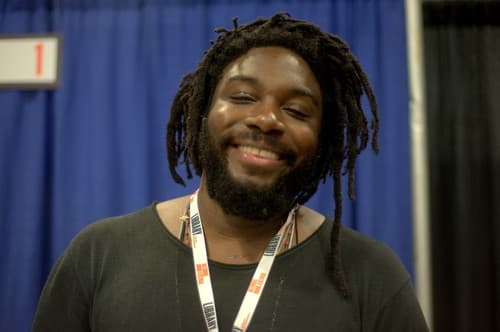
Jason Reynolds is an American author known for his young adult fiction. His notable works include "Long Way Down," which explores themes of grief and revenge, as well as "Ghost," "Patina," and "Sunny," which are part of the Track series focusing on youth and athletics. Reynolds has received multiple awards for his contributions to literature for young readers.
Similar books
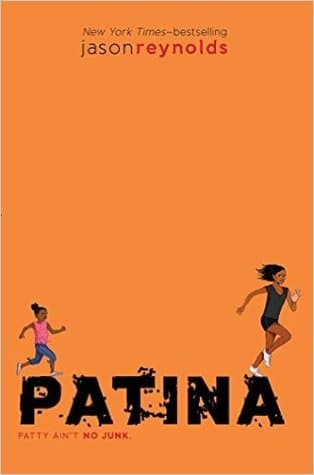
- Patina
Jason Reynolds
4.2 (9k) average on GoodreadsChildren'sAnother book in the 'Track' series, focusing on a different character with similar themes of family and running.
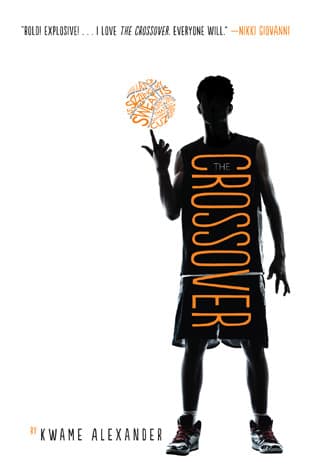
- The Crossover
Kwame Alexander
4.3 (42k) average on GoodreadsChildren'sVerse novel about young athletes, family, and overcoming challenges, with a similar emotional depth.
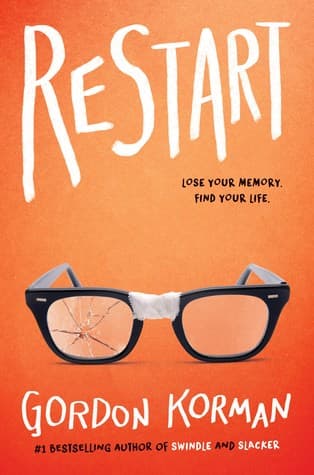
- Restart
Gordon Korman
4.2 (18k) average on GoodreadsChildren'sFeatures a middle schooler with a troubled past getting a second chance and finding redemption through new experiences and friendships.
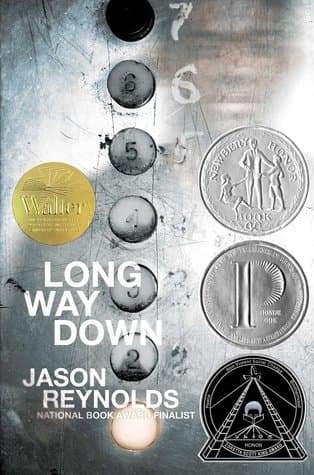
- Long Way Down
Jason Reynolds
4.3 (58k) average on GoodreadsYoung AdultWhile both books are by Reynolds and share his signature authentic voice and focus on urban youth, Long Way Down is a significantly more intense and thematically darker exploration of gun violence, grief, and the cycle of revenge, told entirely in free verse over a mere 60 seconds. Ghost is a more traditional narrative arc, spanning several weeks, with a clearer focus on healing and positive development through sports and mentorship. Ghost is arguably more optimistic and suitable for a slightly younger YA audience due to its emphasis on constructive coping mechanisms and the tangible benefits of community, while Long Way Down delves into a more existential crisis and moral dilemma.
- Harry Potter and the Sorcerer's Stone
J.K. Rowling
4.5 (7M) average on GoodreadsFantasyRescued from a miserable life under the stairs, an orphaned boy discovers he's a wizard destined for a magical school, where he uncovers a dangerous secret tied to the dark wizard who murdered his parents.
- The Hobbit, or There and Back Again
J.R.R. Tolkien
4.3 (2.9M) average on GoodreadsFantasyA comfort-loving hobbit named Bilbo Baggins is whisked away by a mischievous wizard and a band of dwarves on an unexpected journey to reclaim stolen treasure from a fearsome dragon, discovering courage and a magical ring along the way.


Enjoyed the summary?
A summary gives you the shape of the book. The book itself has the detail, the examples and the voice.
Find Ghost on AmazonAs an Amazon Associate, BookBrief earns from qualifying purchases. How we're funded