
Synopsis
Covers the whole plot, including the ending.
- Difficulty
- Easy
- Pacing
- Moderate
- Mood
- Resilient, hopeful, reflective, determined
Patina Plot Summary
Covers the whole plot, including the ending.
The Weight of the World and the Track
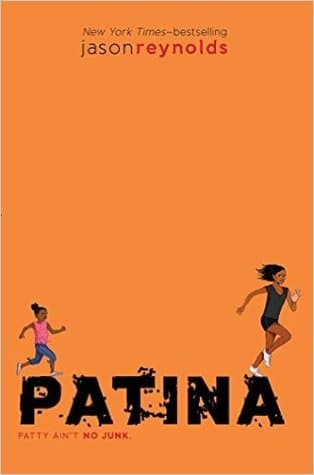
Patina Jones, called Patty, is a strong, independent runner. She struggles to adapt to her new, mostly white private school, Chester Academy. Patty lives with her Uncle Tony and Aunt Lori, and her younger sister, Maddy, because their mother has diabetes and lost her legs. Patty feels great pressure to care for Maddy and manage her family's medical situation, which often makes her surly. Coach Brody, her track coach, is strict but observant. He immediately sees Patty's talent and her emotional burdens. Early track practices show Patty's individual speed but also her unwillingness to work with teammates, especially in relay races.
Family Dynamics and Unspoken Fears
The story explores Patty's home life, showing the constant worry she has for her mother. Her mother's health, called 'The Sugar,' is a constant fear that drives much of Patty's behavior. She feels deep responsibility for Maddy, often acting as a parent. This burden, with the stress of her new school and feeling like an outsider, makes her defensive and often defiant. Hospital visits to her mother are emotional, making Patty more afraid of loss and more determined to prove herself worthy of the sacrifices made for her.
The Relay Challenge
Coach Brody, despite Patty's clear preference for individual running, insists she join the 4x400m relay team. This decision is a major point of conflict for Patty, who prides herself on self-reliance and sees depending on others as a weakness. The idea of trusting her teammates with the baton, and with her success, is deeply unsettling. The coach's reason is not just about winning races, but about teaching Patty the value of teamwork and shared responsibility, a lesson she needs to learn off the track too.
Clashes and Connections
Patty's sharp tongue and tendency to lash out create tension with her relay teammates: Sunny, Lu, and Ghost. Sunny, especially, is often the target of Patty's frustration, leading to arguments. Despite the initial dislike, moments of connection appear. The girls begin to understand the pressures Patty faces, and Patty slowly starts to see her teammates not just as problems, but as individuals with their own struggles and strengths. These interactions help break down Patty's emotional walls, even if slowly.
A Day at the Track Meet
The first big track meet shows individual successes and team struggles. Patty runs well in her individual events, showing her speed. However, the relay race is a challenge. The pressure of the handoffs and the need for coordinated effort show Patty's inexperience with teamwork. Mistakes happen, and frustrations erupt, but the experience also forces the girls to communicate and rely on each other. This meet tests their new team dynamic and shows what they need to improve.
The Art of the Handoff
Seeing the relay team's problems, Coach Brody spends a lot of practice time on perfecting the baton handoff. He explains that the handoff is not just a physical act but a symbol of trust, communication, and shared responsibility. He uses examples and drills to help the girls understand that a successful relay needs each member to do their part perfectly and to believe their teammates will do the same. This focus on the technical and emotional parts of the handoff directly addresses Patty's main issue of trusting others.
Maddy's World
Maddy, Patty's younger sister, becomes more important as her own school struggles are revealed. She has trouble reading and adapting to her new environment, like some of Patty's own worries. Patty, despite her own burdens, takes responsibility for helping Maddy with homework and offering emotional support. This shows Patty's protective nature and the close bond between the sisters, while adding another layer to Patty's already heavy responsibilities.
A Glimmer of Understanding
Through shared experiences on the track and honest talks, Patty slowly starts to relax. She learns about her teammates' backgrounds and personal challenges, realizing that everyone has their own burdens. A touching moment happens when her teammates show concern for her, offering support instead of judgment. This change marks a turning point for Patty, as she begins to understand that being vulnerable does not mean being weak and that shared struggles can build stronger bonds.
The Weight of Expectations
As the season goes on, the pressure on Patty grows. She feels the weight of her family's expectations, her own desire to do well, and the need to prove herself at Chester Academy. Her mother's declining health remains a constant, underlying source of worry. This pressure sometimes makes her go back to her defensive habits, but she also learns to use it in her running. The idea of running for her mother, who cannot run herself, becomes a strong motivation.
The Championship Race
The season's final event is the championship track meet. The 4x400m relay team, after a season of conflicts and growth, faces its biggest test. Patty, now more a part of the team, runs her leg with determination. The race is close, full of tension and the result of all their practices and emotional development. The focus is not just on winning, but on perfectly executing the handoffs and the team's combined effort. This race represents their journey of learning to trust and work together.
A Moment of Triumph and Connection
In an exciting finish, the relay team performs well, perhaps winning or placing highly. More important than the outcome, the race strengthens the bond between Patty, Sunny, Lu, and Ghost. Patty feels the joy and satisfaction of shared success, a feeling very different from her individual victories. The experience reinforces the lessons of teamwork and trust that Coach Brody has been teaching. Patty's attitude has softened, and she shows real appreciation and affection for her teammates, showing significant personal growth.
Looking Ahead
The novel ends with Patty having a more balanced view of her life. She still carries her family's burdens, but she has learned that she does not have to carry them alone. Her relationships with her teammates and Coach Brody have given her a support system. She has learned the value of community, vulnerability, and the strength that comes from trusting others. Patty is still Patina, a fierce and fast runner, but she is also more open, empathetic, and ready to face future challenges with a team beside her.
Patina Characters
Patina 'Patty' Jones
Protagonist
A fiercely independent runner burdened by family responsibilities and a tough exterior.
Patty is a talented and naturally fast runner, but her speed is often matched by her sharp tongue and defensive attitude. She carries immense emotional weight from her mother's severe diabetes, which led to her and her sister Maddy living with their aunt and uncle. This responsibility, coupled with being an outsider at her new private school, makes her guarded and reluctant to trust others. She prides herself on her independence but secretly yearns for connection and support, which she struggles to articulate.
Relationships: Maddy Jones (Sister (caregiver/protector)); Coach Brody (Coach/Mentor); Sunny (Teammate/Friend (initially antagonistic)); Lu (Teammate/Friend); Ghost (Teammate/Friend); Uncle Tony (Guardian/Uncle); Aunt Lori (Guardian/Aunt); Patty's Mom (Mother (source of worry/love))
Coach Brody
Supporting
The tough but insightful track coach who pushes Patty to grow beyond her running.
Coach Brody is a no-nonsense, experienced track coach who sees beyond Patty's talent to her underlying emotional struggles. He is firm and demands discipline, but his methods are rooted in a deep understanding of his athletes. He recognizes Patty's potential not just as a runner but as a person, and intentionally pushes her out of her comfort zone by placing her in the relay team. He acts as a mentor, teaching life lessons about teamwork, trust, and resilience through the metaphor of running.
Relationships: Patina Jones (Coach/Mentor); Sunny (Coach); Lu (Coach); Ghost (Coach)
Maddy Jones
Supporting
Patty's younger sister, who relies on her and faces her own struggles.
Maddy is Patty's younger sister, who also lives with Uncle Tony and Aunt Lori due to their mother's illness. She is sweet and vulnerable, often looking up to Patty for guidance and protection. Maddy struggles with reading and adapting to her new school environment, mirroring some of Patty's own anxieties about fitting in. Her presence highlights Patty's immense sense of responsibility and her deep love for her family.
Relationships: Patina Jones (Sister (looked up to)); Uncle Tony (Guardian/Uncle); Aunt Lori (Guardian/Aunt); Patty's Mom (Mother)
Sunny
Supporting
A cheerful and outspoken relay teammate who initially clashes with Patty.
Sunny is one of Patty's relay teammates, characterized by her cheerful demeanor and outspoken personality. She is often the first to challenge Patty's bad attitude, leading to initial friction between them. Despite their clashes, Sunny is ultimately kind-hearted and becomes an important friend to Patty, helping her to open up and understand the value of teamwork. She represents the positive energy and camaraderie that Patty initially resists but eventually embraces.
Relationships: Patina Jones (Teammate/Friend (initially antagonistic)); Lu (Teammate/Friend); Ghost (Teammate/Friend)
Lu
Supporting
A thoughtful and supportive relay teammate.
Lu is another member of the 4x400m relay team. She is generally more reserved and thoughtful than Sunny but offers quiet support to Patty. She is observant and often acts as a calming presence within the team, helping to mediate conflicts and ensure everyone feels heard. Lu's steady presence contributes to the growing sense of unity among the relay runners.
Relationships: Patina Jones (Teammate/Friend); Sunny (Teammate/Friend); Ghost (Teammate/Friend)
Ghost
Supporting
The quietest member of the relay team, known for his speed.
Ghost, whose real name is never fully emphasized, is the fourth member of the relay team. He is characterized by his quiet nature and incredible speed, earning him his nickname. Despite his reserved demeanor, he is a dedicated teammate and a strong runner. His presence on the team reinforces the idea that different personalities can come together to achieve a common goal.
Relationships: Patina Jones (Teammate/Friend); Sunny (Teammate/Friend); Lu (Teammate/Friend)
Uncle Tony
Supporting
Patty and Maddy's kind and supportive guardian.
Uncle Tony is Patty and Maddy's guardian, providing a stable and loving home for them. He is patient and understanding, often trying to connect with Patty despite her often prickly demeanor. He supports her running and tries to offer her guidance, though he sometimes struggles to fully penetrate her emotional walls. He represents the dependable and caring adult figure in Patty's life, alongside Aunt Lori.
Relationships: Patina Jones (Guardian/Uncle); Maddy Jones (Guardian/Uncle); Aunt Lori (Spouse)
Aunt Lori
Supporting
Patty and Maddy's affectionate and practical guardian.
Aunt Lori is Patty and Maddy's other guardian, providing a nurturing presence in their lives. She is often more direct than Uncle Tony in her interactions with Patty, but her intentions are always loving. She manages the household and ensures the girls are cared for, offering a sense of normalcy amidst their family challenges. Her love for the girls is evident in her efforts to make them feel at home and supported.
Relationships: Patina Jones (Guardian/Aunt); Maddy Jones (Guardian/Aunt); Uncle Tony (Spouse)
Patty's Mom
Supporting
The unseen but ever-present motivation and source of Patty's fear.
Patty's mother is not physically present for much of the novel, being hospitalized due to severe diabetes that led to the amputation of her legs. Despite her physical absence, she is a central figure in Patty's emotional landscape. Her illness is the primary reason Patty and Maddy live with their aunt and uncle, and it fuels Patty's deepest fears and her drive to run. Patty runs for her mother, who cannot, and lives with the constant worry of losing her.
Relationships: Patina Jones (Mother (source of worry/love)); Maddy Jones (Mother)
Patina Themes
The Burden of Responsibility
Patty carries a great weight of responsibility, not just for herself but for her younger sister Maddy and, indirectly, for her sick mother. This theme explores how such burdens can appear as anger, isolation, and fierce independence, but also how they can drive resilience and a deep sense of protectiveness. The novel shows Patty learning to handle these responsibilities, realizing that sharing the load can be a form of strength, not weakness.
“I was always running for my mom, who couldn’t run. And for Maddy, who needed me to be strong. But mostly, I was running from the fear that one day, my mom wouldn’t be there anymore.”
Teamwork vs. Individualism
A main conflict for Patty is her deep-seated individualism versus the need for teamwork, especially in the relay race. She thrives on individual success and struggles to trust others, seeing dependence as a weakness. The novel uses the relay as a strong comparison for life, showing that some challenges need group effort and that real strength can be found in working together and shared goals. Patty's journey is about learning to hand off the baton, both literally and figuratively.
“See, Patina, a relay ain't just about how fast you are. It's about how well you connect. How much you trust the person behind you, and the person in front of you.”
Finding Your Place
Patty's experience at Chester Academy, a mostly white private school, shows the theme of finding one's place in new environments. She feels like an outsider, socially and financially, which makes her defensive. Her journey is not just about running but about navigating new social settings and learning to belong. This theme extends to her finding her place within her new family and eventually, within her track team, where she learns to accept support and build real connections.
“This school ain't my world. These kids ain't my people. But the track, that was mine. And maybe, just maybe, I could make a place for myself there.”
Grief, Fear, and Resilience
Underlying much of Patty's behavior are deep fears related to her mother's illness and the possible loss she faces. The novel explores how children cope with grief and worry, often through behaviors like anger or withdrawal. However, it also shows Patty's great resilience, her ability to turn her pain into her running, and her gradual process of accepting support from others. Her journey is about confronting these fears and finding healthy ways to deal with them.
“Every time I ran, it was like I was running from The Sugar. Running from what it did to my mom. Running from what it could do to me.”
The Power of Mentorship
Coach Brody is an important mentor, guiding Patty not just in running but in life lessons. This theme highlights the strong impact a dedicated and understanding adult can have on a young person's life, especially one struggling with emotional and personal challenges. Coach Brody’s steady belief in Patty, combined with his firm but fair approach, helps her break down her walls and see her own potential for growth beyond her athletic abilities.
“You got speed, Patina. But speed ain't everything. Sometimes, you gotta slow down to speed up.”
Plot Devices & Literary Techniques
Running as Metaphor
Patty's running symbolizes her struggles and her escape.
Running is the central metaphor throughout the novel. Patty runs from her problems, her fears about her mother's illness, and the discomfort of her new environment. Simultaneously, running is her escape, her passion, and a source of her identity and confidence. The transition from individual races to relay races serves as a metaphor for her journey from self-reliance to interdependence, highlighting her emotional growth and her learning to trust others. Her speed reflects her internal drive and her desire to outrun her pain.
The Baton Handoff
Symbolizes trust, connection, and shared responsibility.
The baton handoff in the relay race is a powerful symbolic device. For Patty, who struggles with trust and dependence, the act of handing off or receiving the baton represents a profound challenge. It forces her to physically and emotionally connect with her teammates, to rely on their speed and precision, and to accept that her success is intertwined with theirs. The successful execution of handoffs becomes a tangible representation of the team's growing cohesion and Patty's personal breakthrough in learning to trust.
First-Person Narrative (Patina's Voice)
Provides intimate access to Patty's thoughts and emotions.
The novel is told from Patina's first-person perspective, which allows readers intimate access to her raw emotions, fears, and internal monologues. This narrative choice is crucial for understanding her often prickly exterior and the deep-seated anxieties that drive her behavior. Her distinct voice, filled with slang and direct observations, makes her character relatable and authentic, enabling readers to empathize with her struggles and witness her gradual transformation from the inside out.
Quiz
10 questions on the plot and the characters. Each answer comes with a short explanation.
Question 1
What is the nickname of the main character, Patina?
- Patty
- Pati
- Patsy
- Patty-Cake
Show answer
A. Patty The main character, Patina, is also referred to as Patty.
Question 2
Why did Patina and her sister have to stop living with their mom?
- Their mom went to jail.
- Their mom has 'The Sugar,' a disease that affects her legs.
- They were sent to a new school and couldn't live at home.
- Their mom found a new job in another city.
Show answer
B. Their mom has 'The Sugar,' a disease that affects her legs. Patina's mom has a disease called 'The Sugar,' which has affected her legs and is a major reason why the children can no longer live with her.
Question 3
What is the name of the disease that Patina's mom has?
- Diabetes
- The Sweetness
- The Sugar
- Leg Weakness
Show answer
C. The Sugar The book explicitly states that Patina's mom has 'The Sugar.'
Question 4
What is Patina's primary motivation for running, besides escaping taunts?
- To win races and gain recognition.
- To train for the Olympics.
- To run for her mom, who can no longer run.
- To impress her coach.
Show answer
C. To run for her mom, who can no longer run. Patina runs for her mom because her mom is unable to run due to her illness.
Question 5
What sport does Patina participate in?
- Basketball
- Track and Field (specifically relay)
- Soccer
- Volleyball
Show answer
B. Track and Field (specifically relay) The text mentions Patina runs 'like a flash' and her coach wants her to run 'relay,' indicating she is involved in track and field.
Question 6
What is Coach's main concern with Patina?
- Her speed is not fast enough for the team.
- Her attitude is problematic.
- Her endurance is lacking.
- She doesn't get along with her teammates.
Show answer
B. Her attitude is problematic. The text states, 'Coach won’t tolerate bad attitude. No day, no way.'
Question 7
What is the central conflict Patina faces regarding the relay race?
- She doesn't have the right running shoes.
- She struggles with the idea of depending on others.
- She is afraid of dropping the baton.
- She is too tired from her other running.
Show answer
B. She struggles with the idea of depending on others. The text explicitly asks, 'How’s she going to do THAT?' referring to running relay 'where you have to depend on other people,' highlighting her difficulty with interdependence.
Question 8
What does 'The Sugar' represent in the context of the story?
- A childhood nickname for Patina's mother.
- A type of candy that Patina loves.
- A serious illness that affects mobility.
- A metaphor for the sweetness of life that her mother has lost.
Show answer
C. A serious illness that affects mobility. 'The Sugar' is presented as a disease that has taken Patina's mom's legs and is a source of fear for Patina.
Question 9
Patina's running can be seen as a form of escapism. What is she primarily trying to escape FROM?
- Her fear of failure in races.
- The social pressures of her new school.
- Her mother's illness and the potential loss of her.
- The responsibility of caring for her sister.
Show answer
C. Her mother's illness and the potential loss of her. While she runs from taunts and the general situation, her deepest motivation is tied to her mother's illness and the fear of losing her.
Question 10
The question 'But can you ever really run away from any of this?' suggests a central theme of the novel. What might this theme be?
- The importance of embracing new challenges.
- The difficulty of outrunning one's problems and emotions.
- The benefits of physical activity for mental health.
- The power of teamwork in overcoming obstacles.
Show answer
B. The difficulty of outrunning one's problems and emotions. The rhetorical question implies that running, a physical act of escape, is ultimately insufficient to escape deeper issues like family illness, fear, and emotional burdens. The theme likely revolves around confronting rather than running from problems.
Patina FAQ
What is the book "Patina" by Jason Reynolds about?
"Patina" is about a young girl named Patina, also known as Patty, who is a very fast runner. She uses running to escape difficult situations in her life, including bullying at a new school and the emotional burden of her mother's illness.
Who is the main character in "Patina"?
The main character is Patina, nicknamed Patty, a middle schooler who excels at track and field. She is dealing with complex family issues and the fear of her mother's illness.
What challenges does Patina face in the book?
Patina faces challenges such as being bullied at a new school, the emotional struggle of her mother having 'The Sugar' (a serious illness), and the difficulty of learning to trust and depend on her teammates in a relay race.
What is 'The Sugar' in the context of the book "Patina"?
'The Sugar' is the term used in the book to refer to a serious illness that has caused Patty's mother to lose her legs. Patty lives in fear that this disease will eventually take her mother away completely.
Why does Patina run so much?
Patina runs for multiple reasons: to escape taunts from other students, to cope with the trauma of not living with her mother, and to honor her mother who can no longer run due to her illness.
What is the significance of the relay race for Patina?
The relay race is significant because it forces Patina, who prefers to run alone and escape, to rely on and trust other people. This is a major challenge for her character development.
Is "Patina" part of a series?
Yes, "Patina" is part of Jason Reynolds' "Track" series, which features different middle school athletes and their personal struggles.
What themes are explored in "Patina"?
The book explores themes of family, illness, fear, resilience, teamwork, overcoming prejudice, and the importance of community and support.
What age group is "Patina" appropriate for?
"Patina" is a Young Adult novel, generally considered appropriate for middle school readers (ages 10-14) and up, due to its complex themes and relatable characters.
How does Jason Reynolds handle the topic of illness in "Patina"?
Reynolds handles the topic of illness with sensitivity, focusing on the emotional impact it has on the family and the protagonist's fear and determination to protect her mother, while also showing the physical limitations it imposes.
About the author

Jason Reynolds is an American author known for his young adult fiction. His notable works include "Long Way Down," which explores themes of grief and revenge, as well as "Ghost," "Patina," and "Sunny," which are part of the Track series focusing on youth and athletics. Reynolds has received multiple awards for his contributions to literature for young readers.
Similar books
- Ghost
Jason Reynolds
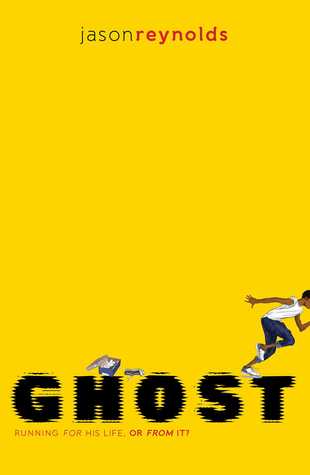
4.2 (29k) average on GoodreadsChildren's"Patina" builds upon the foundation established in "Ghost" by offering a female perspective within the same track team universe. While "Ghost" focuses on a boy escaping a troubled past through running, "Patina" delves into a girl's struggle with present family responsibilities and identity within an adoptive setting. Both share Reynolds' signature authentic voice and rhythmic prose, but "Patina" explores different facets of grief, responsibility, and finding belonging, making it a complementary rather than repetitive read. "Ghost" arguably has a more intense external conflict, whereas "Patina" leans more into internal emotional landscapes.
- The Crossover
Kwame Alexander
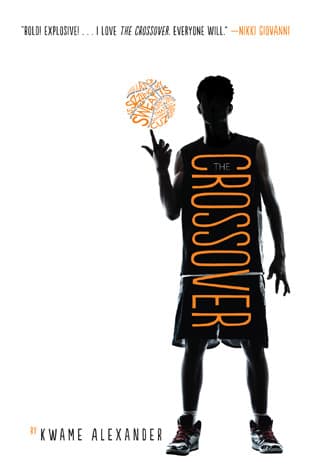
4.3 (42k) average on GoodreadsChildren'sWhile both "Patina" and "The Crossover" (and its sequel "Booked") use sports as a central theme and feature young protagonists navigating family and personal challenges, their stylistic approaches differ significantly. Alexander employs a unique verse novel format, giving his stories a distinct poetic rhythm and structure. Reynolds, in "Patina," uses prose, albeit with a very rhythmic and energetic flow that often mirrors the act of running. "The Crossover" delves deeply into sibling relationships and the pressures of athletic excellence, whereas "Patina" focuses more on the individual's struggle with identity, grief, and the complexities of a blended family. Both excel at authentic youth voices but achieve it through different literary techniques.
- Harry Potter and the Sorcerer's Stone
J.K. Rowling
4.5 (7M) average on GoodreadsFantasyRescued from a miserable life under the stairs, an orphaned boy discovers he's a wizard destined for a magical school, where he uncovers a dangerous secret tied to the dark wizard who murdered his parents.
- The Hobbit, or There and Back Again
J.R.R. Tolkien
4.3 (2.9M) average on GoodreadsFantasyA comfort-loving hobbit named Bilbo Baggins is whisked away by a mischievous wizard and a band of dwarves on an unexpected journey to reclaim stolen treasure from a fearsome dragon, discovering courage and a magical ring along the way.
- Harry Potter and the Goblet of Fire
J.K. Rowling
4.6 (2.6M) average on GoodreadsFantasyA bewildered Harry Potter, underage and thrust into a deadly Triwizard Tournament, must brave dragons, mermaids, and a resurgent dark magic to survive a year that will forever alter the wizarding world.
- Harry Potter and the Order of the Phoenix
J.K. Rowling
4.5 (2.5M) average on GoodreadsFantasyIn a year of oppressive secrets and the threat of Voldemort, Harry Potter and Dumbledore's Army secretly train for war, shown through Jim Kay and Neil Packer's dark illustrations.




Enjoyed the summary?
A summary gives you the shape of the book. The book itself has the detail, the examples and the voice.
Find Patina on AmazonAs an Amazon Associate, BookBrief earns from qualifying purchases. How we're funded