Estimated read time: 5 min read
One Sentence Summary
A captivating collection of diverse and timeless short stories that capture the essence of American life.
Table of Contents
Introduction
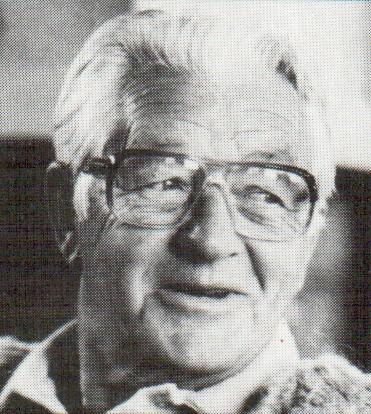
"Great American Short Stories" is a collection edited by Wallace Stegner that showcases some of the most influential and iconic short stories in American literature. This anthology brings together a diverse range of authors and narratives, offering readers a glimpse into the cultural, social, and historical fabric of America.
Brief Synopsis
The collection spans across different periods and genres, presenting stories that capture the essence of American life. From the early pioneers and explorers of the Wild West to the complexities of modern society, these stories provide a rich tapestry of experiences and perspectives.
Setting
The settings of the stories vary widely, reflecting the vast landscapes and diverse communities of America. Readers will find themselves transported to the rugged terrains of the frontier, the bustling streets of urban cities, and the intimate spaces of small-town America. Each setting serves as a backdrop for the unique narratives that unfold within the pages of this anthology.
Main Characters
| Character Name | Brief Description |
|---|---|
| Huckleberry Finn | A mischievous boy who embarks on a journey down the Mississippi River, questioning societal norms and confronting moral dilemmas. |
| Emily Grierson | A reclusive woman in a small Southern town, whose mysterious life and tragic secrets captivate the community. |
| Jay Gatsby | A wealthy and enigmatic figure, known for his extravagant parties and his relentless pursuit of the American Dream. |
| Elizabeth Bennet | A spirited and independent young woman in early 19th century England, navigating the challenges of love and social expectations. |
| Walter Mitty | A daydreaming middle-aged man who escapes the monotony of his ordinary life through vivid fantasies and imaginary adventures. |
Summary of Different Story Points
Chapter 1: "The Adventures of Huckleberry Finn" by Mark Twain
Huckleberry Finn, a young boy from a small town in Missouri, embarks on a journey down the Mississippi River with an escaped slave named Jim. Along the way, they encounter various challenges, including encounters with con artists and witnessing the injustices of slavery. Through their adventures, Huck learns about friendship, freedom, and the complexities of morality.
Chapter 2: "A Rose for Emily" by William Faulkner
In a small Southern town, the life of Emily Grierson is shrouded in mystery and intrigue. The story unfolds through the eyes of the townspeople, who recount the tragic events that shaped Emily's life. Faulkner explores themes of isolation, tradition, and the decay of the Old South, offering a haunting portrayal of a woman trapped in the past.
Chapter 3: "The Great Gatsby" by F. Scott Fitzgerald
Set in the roaring 1920s, "The Great Gatsby" follows the enigmatic Jay Gatsby as he pursues his elusive love interest, Daisy Buchanan. Through lavish parties and extravagant displays of wealth, Gatsby attempts to win Daisy's heart and transcend his humble origins. Fitzgerald's novel delves into themes of wealth, love, and the corruption of the American Dream.
Chapter 4: "Pride and Prejudice" by Jane Austen
In early 19th century England, Elizabeth Bennet, an intelligent and spirited young woman, navigates the complexities of love and societal expectations. As she encounters the proud and brooding Mr. Darcy, their initial prejudices give way to a deeper understanding and affection. Austen's novel explores themes of class, marriage, and the pursuit of happiness.
Chapter 5: "The Secret Life of Walter Mitty" by James Thurber
Walter Mitty, a meek and unassuming man, daydreams vividly to escape the mundane realities of his life. Through his fantasies, he becomes a heroic figure, engaging in daring adventures and romantic pursuits. Thurber's story highlights the power of imagination and the desire for personal fulfillment.
Main Events
- Huck and Jim's encounter with the Duke and the King in "The Adventures of Huckleberry Finn."
- The discovery of Emily Grierson's secret in "A Rose for Emily."
- Gatsby's extravagant parties and his pursuit of Daisy in "The Great Gatsby."
- The evolving relationship between Elizabeth Bennet and Mr. Darcy in "Pride and Prejudice."
- Walter Mitty's daydreams and his ultimate act of defiance in "The Secret Life of Walter Mitty."
Themes and Insights
- The search for freedom and individuality in a society constrained by norms and expectations.
- The impact of societal pressures and traditions on personal relationships.
- The illusion of the American Dream and the pursuit of wealth and status.
- The power of imagination and the desire for escape from mundane realities.
- The exploration of social classes and their influence on personal happiness.
Reader's Takeaway
"Great American Short Stories" offers readers a captivating journey through some of the most celebrated works of American literature. From the adventures of Huckleberry Finn to the complexities of love and social expectations in "Pride and Prejudice," each story provides a unique perspective on the human experience. This anthology invites readers to explore the themes, insights, and diverse characters that have shaped American literature and continue to resonate with audiences today.
Conclusion
Wallace Stegner's "Great American Short Stories" is a treasure trove of literary gems, showcasing the best of American storytelling. Through its carefully selected stories and diverse range of characters, this anthology provides a glimpse into the cultural, social, and historical fabric of America. Whether you are a longtime fan of American literature or new to the genre, this collection offers something for everyone, immersing readers in the rich tapestry of American life and literature.
Great American Short Stories FAQ
Who is the author of 'Great American Short Stories'?
The author of 'Great American Short Stories' is Wallace Stegner.
What is the genre of 'Great American Short Stories'?
'Great American Short Stories' is a collection of short stories.
How many short stories are included in 'Great American Short Stories'?
'Great American Short Stories' includes a collection of 26 short stories.
What is the theme of 'Great American Short Stories'?
The theme of 'Great American Short Stories' varies as each story explores different aspects of American life, culture, and human experiences.
Are the short stories in 'Great American Short Stories' written by different authors?
Yes, 'Great American Short Stories' includes short stories written by various authors, showcasing the diversity of American literature.
Can I find famous American authors' works in 'Great American Short Stories'?
Yes, 'Great American Short Stories' features works from renowned American authors, providing a comprehensive overview of the American literary tradition.
Is 'Great American Short Stories' suitable for all ages?
Yes, 'Great American Short Stories' is suitable for readers of all ages, as it presents a wide range of stories that cater to different interests and reading levels.
Is 'Great American Short Stories' a good book for literary enthusiasts?
Absolutely! 'Great American Short Stories' is highly regarded in the literary community and is a must-read for anyone interested in American literature.
Can 'Great American Short Stories' be used for educational purposes?
Yes, 'Great American Short Stories' can be a valuable resource for educators and students studying American literature or short story writing.
Where can I purchase 'Great American Short Stories'?
You can purchase 'Great American Short Stories' from various online book retailers or visit your local bookstore to check for availability.