

Estimated read time: 13 min read
Table of Contents
- List of Characters
- Role Identification
- Character Descriptions
- Character Traits
- Character Background
- Character Arcs
- Relationships
- Isak: The Embodiment of the Land
- Inger: Complexity and Redemption
- Sivert and Eleseus: Contrasting Sons
- Geissler: The Catalyst
- Oline: The Disruptor
- Brede Olsen and Barbro: Decline and Adaptation
- Axel Ström: Persistence
- Thematic Analysis of Character Arcs
- Character Interactions and Community
- Conclusion: The Lasting Impact of Characterization
List of Characters
| Character Name | Role | Key Traits |
|---|---|---|
| Isak | Protagonist/Farmer | Hardworking, resilient, honest |
| Inger | Isak’s wife | Practical, conflicted, adaptable |
| Sivert | Isak and Inger’s son | Loyal, industrious, caring |
| Eleseus | Isak and Inger’s son | Ambitious, restless, sensitive |
| Geissler | Ex-bailiff | Shrewd, influential, eccentric |
| Oline | Inger’s relative | Meddlesome, opportunistic, manipulative |
| Brede Olsen | Neighbor | Struggling, prideful, unlucky |
| Barbro | Brede’s daughter | Resourceful, cunning, self-serving |
| Axel Ström | Neighbor | Steadfast, patient, reserved |
Role Identification
| Character | Role in the Story | Narrative Function |
|---|---|---|
| Isak | Central figure, pioneer farmer | Embodies human connection to the land |
| Inger | Isak’s wife; faces moral and social dilemmas | Represents societal norms and adaptation |
| Sivert | The dependable younger son | Symbolizes continuity and tradition |
| Eleseus | The elder son, drawn to modernity | Contrast to Sivert; tension between old and new |
| Geissler | Ex-bailiff, Isak’s ally | Catalyst for change and social commentary |
| Oline | Meddling relative | Source of conflict and moral testing |
| Brede Olsen | Neighbor, struggles with his farm | Example of hardship and decline |
| Barbro | Brede’s daughter, servant to Axel | Embodies shifting values and self-interest |
| Axel Ström | Neighbor, Barbro’s employer | Represents persistence and rural stoicism |
Character Descriptions
Isak
Isak is the novel’s protagonist and the archetype of the pioneer farmer. He is broad-shouldered, physically imposing, and of few words. Isak is methodical, honest, and unwavering in his connection to the earth. His life’s work is building a homestead from nothing, carving civilization from the wild, and raising a family. He is stubbornly independent and embodies the values of patience, endurance, and humility.
Inger
Inger, Isak’s wife, is a complex figure. She is practical and hardworking, often matching Isak’s labor on the farm. However, she hides a physical deformity—a harelip—which influences her self-perception and actions. Inger’s journey involves both moral failings and personal growth, as she strives to reconcile her ambitions with her circumstances.
Sivert
Sivert, the younger son, is deeply loyal to his father and the land. He is dependable and willing to shoulder responsibility. His presence ensures the stability and future of the homestead. Sivert is less restless than his brother and more aligned with Isak’s values.
Eleseus
Eleseus is the older son, distinguished by his sensitivity and ambition. Unlike Sivert, Eleseus is drawn to the city, education, and the promise of modernity. He is caught between his rural origins and the allure of urban life, never fully at home in either world.
Geissler
Geissler, the ex-bailiff, is a force of unpredictability and change. He is intelligent, unconventional, and often appears at pivotal moments. Geissler helps Isak navigate bureaucratic challenges, providing both practical support and philosophical commentary.
Oline
Oline is Inger’s relative, a meddlesome and manipulative woman. She exploits others’ misfortunes for her gain, serves as a gossip, and brings discord to the farm. Oline’s presence tests the moral fabric of the characters around her.
Brede Olsen
Brede Olsen is a neighbor whose farm fails to thrive. He is prideful but ultimately unsuccessful, embodying the struggles of those who cannot adapt to the harsh demands of pioneer life.
Barbro
Barbro, Brede’s daughter, is cunning and resourceful. She seeks opportunities beyond her family’s decline, working for Axel and navigating her own moral dilemmas. Barbro’s choices often reflect self-interest and adaptability.
Axel Ström
Axel Ström is a steadfast neighbor, quietly persistent in his efforts. He provides a counterpoint to Isak and Brede, representing the stoic endurance required for survival.
Character Traits
| Character | Key Traits |
|---|---|
| Isak | Resilient, honest, hardworking, patient, taciturn, physically strong |
| Inger | Practical, conflicted, adaptable, intelligent, secretive, emotionally complex |
| Sivert | Loyal, industrious, dependable, traditional |
| Eleseus | Ambitious, restless, sensitive, educated, conflicted |
| Geissler | Shrewd, influential, eccentric, unpredictable, philosophical |
| Oline | Meddlesome, opportunistic, manipulative, persistent |
| Brede Olsen | Prideful, struggling, unlucky, defeated |
| Barbro | Resourceful, cunning, self-serving, pragmatic |
| Axel Ström | Steadfast, patient, reserved, reliable |
Character Background
Isak
Isak arrives alone in the Norwegian wilderness, determined to build a farm. He has no formal education or social standing, relying on brute strength and perseverance. Isak’s background is rooted in poverty and simplicity, giving him a profound humility and resilience.
Inger
Inger comes from a modest background, marked by her harelip. Her deformity shapes her interactions and sense of self-worth. Inger’s marriage to Isak offers security but also imposes isolation. Her background makes her susceptible to temptation and moral lapses.
Sivert
Sivert is born into the homestead Isak has built. He is raised with a sense of duty and connection to the land. Sivert’s upbringing instills in him a respect for tradition and an appreciation of hard work.
Eleseus
Eleseus also grows up on the farm but is sent to the city for education. His experiences broaden his horizons but also alienate him from his origins. Eleseus’s background makes him restless and unsure of his place.
Geissler
Geissler’s background is that of a former official who lost his position. He moves between roles and places, never settling. His experiences with authority and bureaucracy make him both cynical and insightful.
Oline
Oline’s background is obscure, but she appears to have always relied on others. She survives by taking advantage of situations and manipulating those around her.
Brede Olsen
Brede once held promise as a settler but is gradually undone by misfortune and poor decisions. His background reflects the precariousness of rural life.
Barbro
Barbro grows up under Brede’s declining fortunes. She learns to be self-sufficient and opportunistic, adapting quickly to new circumstances.
Axel Ström
Axel’s background is similar to Isak’s: a solitary settler with little but his determination. He is more reserved, keeping his ambitions and troubles to himself.
Character Arcs
| Character | Beginning State | Key Developments | Ending State |
|---|---|---|---|
| Isak | Isolated, self-reliant settler | Builds a farm, marries, fathers children, faces hardships | Established patriarch, respected, content |
| Inger | Insecure, isolated, hiding deformity | Commits infanticide, imprisoned, undergoes transformation | Returns, more self-aware and accepting |
| Sivert | Dutiful son, grounded | Takes responsibility, supports family | Successor to Isak, embodiment of continuity |
| Eleseus | Hopeful, ambitious, drawn to modernity | Struggles in city, fails to adapt, returns repeatedly | Ultimately leaves, unable to find fulfillment |
| Geissler | Disgraced ex-bailiff | Helps Isak, manipulates bureaucracy, disappears at times | Remains enigmatic, an agent of change |
| Oline | Meddlesome relative, seeking advantage | Causes strife, exploits situations | Survives, unchanged, always scheming |
| Brede Olsen | Hopeful neighbor, trying to succeed | Suffers losses, loses farm, struggles to survive | Defeated, marginalized |
| Barbro | Resourceful, self-interested | Involved in scandal, seeks security | Finds stability with Axel, still self-serving |
| Axel Ström | Quiet, industrious neighbor | Faces challenges with Barbro, supports community | Perseveres, maintains quiet dignity |
Relationships
| Character | Key Relationships | Nature of Relationships |
|---|---|---|
| Isak | Inger (wife) | Deep partnership, tested by hardship and betrayal |
| Sivert, Eleseus (sons) | Father-son dynamics, contrasting aspirations | |
| Geissler (ally) | Mutual benefit, respect, guidance | |
| Oline (in-law) | Distrust, annoyance, reluctant tolerance | |
| Inger | Isak (husband) | Love, dependency, emotional distance after betrayal |
| Oline (relative) | Manipulation, guilt, rivalry | |
| Sivert | Isak (father) | Respect, loyalty, shared values |
| Eleseus (brother) | Sibling rivalry, different worldviews | |
| Eleseus | Isak, Sivert (family) | Alienation, longing, frustration |
| City acquaintances | Superficial, unfulfilling | |
| Geissler | Isak (client/friend) | Patronage, mentorship |
| Bureaucrats, officials | Adversarial, manipulative | |
| Oline | Inger, Isak | Intrusion, exploitation, moral testing |
| Community | Manipulative, gossipy, tolerated but disliked | |
| Brede Olsen | Barbro (daughter) | Disappointment, dependence |
| Barbro | Axel (employer/partner) | Transactional, evolving into partnership |
| Brede (father) | Strained, opportunistic | |
| Axel Ström | Barbro (employee/partner) | Supportive, patient, eventually romantic |
| Isak (neighbor) | Mutual respect, cooperation |
Isak: The Embodiment of the Land
Character Overview
Isak’s character is the heart of "Growth of the Soil." He arrives in the wilderness with nothing but his strength and determination. His entire existence revolves around the land—clearing it, cultivating it, and shaping it to provide for his family. Isak’s moral code is simple but unwavering. He is honest to a fault and finds fulfillment in hard work and self-sufficiency.
Character Arc
Isak’s journey is one of creation and endurance. He transforms barren soil into a thriving homestead. His values are tested through hardship, betrayal, and the changing world. Yet, Isak remains essentially unchanged by external influences. His growth is not about transformation but about deepening his roots and solidifying his principles.
Relationships
Isak’s relationship with Inger is central. He is supportive and forgiving, even after her imprisonment. With his sons, Isak demonstrates the challenges of generational change, accepting Sivert’s continuity and Eleseus’ differences. His bond with Geissler is mutually beneficial, based on practical needs and respect.
Inger: Complexity and Redemption
Character Overview
Inger’s life is defined by her struggle with self-image and social expectations. Her harelip makes her self-conscious and vulnerable. She seeks acceptance and a sense of belonging, leading to tragic decisions. Inger’s time in prison is transformative. She receives surgery to correct her deformity and education, which change her outlook.
Character Arc
Inger’s arc is one of sin, punishment, and eventual redemption. She commits infanticide out of fear for her daughter’s future, mirroring her own struggles. In prison, she learns new skills and gains confidence. Upon returning, Inger is more self-assured and plays a larger role on the farm. She is ultimately accepted back into her family and community.
Relationships
Inger’s relationships are fraught with tension. She relies on Isak for stability but feels isolated. Oline’s presence exacerbates her guilt and insecurity. With her children, Inger strives to be nurturing, often overcompensating for her own perceived failings.
Sivert and Eleseus: Contrasting Sons
Sivert
Sivert is the embodiment of tradition and continuity. He is reliable, embraces his father’s way of life, and shows little interest in leaving the land. Sivert’s growth is steady and unremarkable, which is his greatest strength. He is poised to inherit the farm and continue Isak’s legacy.
Eleseus
Eleseus, in contrast, is restless and ambitious. He seeks education and urban life but struggles to find fulfillment. Eleseus’s arc is one of failed adaptation. He never fully integrates into city life or returns to the farm. His inability to choose a path leads to perpetual dissatisfaction.
Relationship
The brothers’ relationship is marked by mutual respect but underlying tension. Sivert’s contentment highlights Eleseus’s discontent. Their divergent paths mirror the novel’s theme of tradition versus modernity.
Geissler: The Catalyst
Geissler acts as a catalyst for change throughout the novel. His unpredictable nature and bureaucratic savvy help Isak navigate land ownership and legal issues. Geissler’s interventions are crucial at several turning points. He benefits from his knowledge of the system and uses it to his advantage, yet also displays generosity and wisdom.
Oline: The Disruptor
Oline’s role is to disrupt and test the other characters. She is a master manipulator, skilled at exploiting situations for personal gain. Oline’s presence brings out the weaknesses in others, especially Inger. Her survival despite her lack of scruples contrasts with the fates of more virtuous characters.
Brede Olsen and Barbro: Decline and Adaptation
Brede Olsen’s decline is a cautionary tale. He is unable to adapt to the demands of farm life and suffers as a result. Barbro, his daughter, takes a different approach. She adapts quickly, sometimes immorally, to secure her own future. Barbro’s relationship with Axel is pragmatic at first but develops into something more stable, though she remains primarily self-interested.
Axel Ström: Persistence
Axel Ström is a model of persistence and quiet endurance. He works diligently, faces adversity without complaint, and eventually forms a partnership with Barbro. Axel is less passionate than Isak but equally committed to survival.
Thematic Analysis of Character Arcs
Connection to the Land
Isak, Sivert, and Axel represent the traditional connection to the land. Their character arcs reinforce the novel’s central message: true fulfillment comes from working in harmony with nature.
Modernity and Alienation
Eleseus and Barbro embody the pull of modernity and the risks of alienation. Eleseus’s failure to adapt underscores the dangers of losing one’s roots. Barbro’s adaptability is both her strength and her moral compromise.
Redemption and Forgiveness
Inger’s arc highlights the possibilities of redemption. Her transformation is both physical and spiritual. Isak’s ability to forgive and accept her back is a testament to the power of forgiveness and renewal.
The Role of Women
Inger, Oline, and Barbro show different aspects of women’s experiences in rural society. Inger’s journey reflects societal judgment and the possibility of change. Oline’s survival tactics expose the limits of morality in a harsh world. Barbro’s pragmatism is a response to limited opportunities.
Character Interactions and Community
The relationships among characters form the backbone of the community depicted in "Growth of the Soil." Cooperation, rivalry, support, and betrayal all play roles in shaping their destinies. The farmstead is both a literal and symbolic center, around which lives and fortunes turn.
Conclusion: The Lasting Impact of Characterization
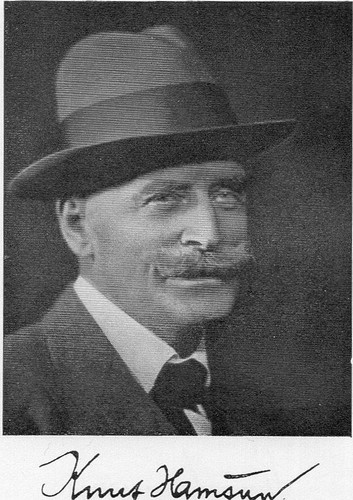
Knut Hamsun’s "Growth of the Soil" achieves its power through the depth and realism of its characters. Isak’s unwavering devotion to the land stands as an enduring symbol of human perseverance. Inger’s journey illustrates the complexities of guilt, redemption, and acceptance. The contrasting arcs of Sivert and Eleseus explore the tension between tradition and change. Supporting characters like Geissler, Oline, Brede, Barbro, and Axel enrich the narrative, providing insight into the broader human condition.
By grounding his characters in the soil—literally and metaphorically—Hamsun creates a narrative that resonates far beyond its rural setting. The characters’ struggles, triumphs, and failures offer a timeless exploration of what it means to grow, endure, and belong.


