

Synopsis
Covers the whole plot, including the ending.
- Difficulty
- Easy
- Pacing
- Moderate
- Mood
- Romantic, Emotional, Hopeful, Sweet
- Read it if
- You enjoy romance novels with an enemies-to-lovers trope, a mysterious past, and a boss/employee dynamic.
- Skip it if
- You dislike workplace romances or stories with significant past trauma influencing present relationships.
Hate Notes Plot Summary
Covers the whole plot, including the ending.
A Mysterious Blue Note
Charlotte Darling, still recovering from her own canceled wedding and a broken heart, decides to sell her unworn wedding dress at a vintage shop. While there, she discovers a stunning, feathered vintage gown. Intrigued, she tries it on and finds a handwritten blue note sewn into the lining. The note reads: 'Thank you for making all of my dreams come true,' signed 'Reed Eastwood.' Charlotte is captivated by the romantic gesture and the implied love story, imagining Reed to be the most romantic man alive. This discovery ignites a desire in her to uncover the story behind the note, believing it represents true, enduring love.
The Unromantic Reality of Reed Eastwood
Charlotte, a talented graphic designer, lands a new job at Eastwood Publishing. To her shock, her new boss is Reed Eastwood, the man from the romantic blue note. However, the Reed she meets is far from the dreamy, romantic figure she'd imagined. He is arrogant, demanding, and cynical, immediately clashing with her optimistic and somewhat naive personality. Their initial interactions are filled with tension and professional disagreements, with Reed constantly pushing her boundaries and Charlotte struggling to reconcile the man in front of her with the author of the heartfelt note.
The Unveiling of the Past
As Charlotte works closely with Reed, she slowly begins to piece together the truth about the blue note. She learns the note was written for his late fiancée, Scarlett, who died in a car accident years prior. This revelation adds sadness to Reed's character and explains his guarded, cynical demeanor. Charlotte feels a mix of sympathy for Reed's loss and a strange sense of responsibility to understand Scarlett's story, which becomes intertwined with her growing attraction to Reed. The note, initially a symbol of perfect love, now represents a painful past.
Navigating Professional and Personal Boundaries
Charlotte and Reed's professional relationship is marked by intense creative collaboration and frequent arguments, but beneath the surface, an undeniable attraction simmers. Their work on various projects for Eastwood Publishing brings them into close proximity, leading to late nights, shared meals, and increasingly personal conversations. Reed, initially resistant to emotional connection, finds himself drawn to Charlotte's warmth and genuine nature, while Charlotte is captivated by the glimpses of vulnerability she sees beneath his gruff exterior. Their interactions become a delicate dance between professional boundaries and budding romantic feelings.
A Developing Connection
The tension between Reed and Charlotte finally breaks, and they begin to act on their mutual attraction. Their initial encounters are passionate and intense, characterized by a mix of desire and emotional complexity. Reed, despite his past trauma, finds himself opening up to Charlotte in ways he hasn't with anyone since Scarlett. Charlotte, in turn, is drawn to the depth of his character and the raw emotion he slowly reveals. These intimate moments carry the unspoken weight of his past, but they also offer the promise of a new beginning for both of them.
The Weight of the Past
As Reed and Charlotte's relationship deepens, the shadow of Scarlett's memory looms large. Reed struggles with guilt and the fear of moving on, often pulling back from Charlotte whenever their connection feels too real or too threatening to his loyalty to Scarlett. He keeps Scarlett's belongings, including the wedding dress, as a shrine, making Charlotte feel like she's competing with a ghost. This unresolved grief creates significant emotional barriers between them, leading to misunderstandings and moments of pain for Charlotte, who yearns for Reed to fully embrace their future.
Charlotte's Emotional Journey
Charlotte's journey in the relationship is not just about Reed; it's also about her own healing. Her previous engagement ended painfully, leaving her with insecurities and a cautious heart. Being with Reed, and constantly being reminded of his deep love for Scarlett, forces Charlotte to confront her fears of not being enough or always being second best. She grapples with jealousy and the pain of knowing she might never fully replace the woman Reed lost, pushing her to define her own worth and decide how much she's willing to fight for their love.
A Confrontation and a Revelation
Frustrated by Reed's emotional distance and his inability to fully commit, Charlotte finally confronts him about his lingering attachment to Scarlett and the wedding dress. This confrontation forces Reed to acknowledge the extent of his grief and how it's impacting his present. He reveals more details about Scarlett and the circumstances of her death, allowing Charlotte a deeper understanding of his pain. This open dialogue, though difficult, is a crucial turning point, as it begins to dismantle the emotional walls Reed has built around himself.
Moving Forward Together
Following their confrontation, Reed makes a conscious effort to move forward. He begins to process his grief in healthier ways, slowly letting go of the physical reminders of Scarlett, including the wedding dress. This act symbolizes his readiness to embrace a future with Charlotte without completely erasing his past. He starts to show Charlotte the full depth of his affection and commitment, demonstrating that while Scarlett will always be a part of him, Charlotte is his present and future. Their relationship gains a new level of trust and intimacy.
A New Beginning
With the past finally laid to rest, Reed and Charlotte fully commit to their love. Their relationship is no longer overshadowed by the ghost of Scarlett, but is built on their shared experiences, mutual respect, and deep affection. They create their own traditions and symbols of love, proving that second chances can lead to an even more profound and meaningful connection. The story concludes with them finding their happily ever after, a testament to overcoming grief and embracing new love, and a beautiful parallel to the original blue note, but now with their own unique story.
Principal Figures
Charlotte Darling
Protagonist
An optimistic graphic designer who finds love and healing after heartbreak.
Charlotte is a kind, empathetic, and somewhat naive graphic designer recovering from a broken engagement. She possesses a strong sense of hope and believes in true love, which is ignited by the discovery of Reed's blue note. Despite her initial insecurities and the challenges of Reed's past, she is resilient, determined, and ultimately strong enough to stand up for her own happiness. She brings warmth and light into Reed's previously dark world.
Relationships: Reed Eastwood (Love interest and eventual partner; boss); Scarlett (Reed's deceased fiancée, a source of initial intrigue and later, a rival for Reed's emotional space)
Reed Eastwood
Protagonist/Love Interest
A cynical and guarded publishing executive haunted by a tragic past.
Reed Eastwood is a brilliant, successful, but deeply cynical and emotionally guarded publishing executive. He carries immense grief from the loss of his fiancée, Scarlett, which has made him distant and often abrasive. Beneath his gruff exterior, he is intensely loyal, passionate, and capable of profound love. His past trauma makes him resistant to new relationships, but Charlotte's persistence and genuine nature slowly break down his walls.
Relationships: Charlotte Darling (Love interest and eventual partner; employee); Scarlett (His deceased fiancée, the object of his past deep love and source of his grief)
Scarlett
Mentioned/Supporting (posthumous)
Reed's deceased fiancée, whose memory profoundly impacts the present.
Scarlett is Reed's deceased fiancée, a vibrant and loving woman whose tragic death years prior left Reed shattered. Though she never appears directly, her presence is deeply felt throughout the narrative, primarily through Reed's grief, the blue note, and the preserved wedding dress. She represents Reed's past happiness and the depth of his capacity for love, but also the emotional barrier he struggles to overcome in forming new relationships.
Relationships: Reed Eastwood (Fiancée, deep love of his past)
Piper
Supporting
Charlotte's loyal and supportive best friend.
Piper is Charlotte's best friend and roommate, offering unwavering support, practical advice, and a dose of humor. She is often the one to push Charlotte to pursue her desires and to confront Reed when necessary. Piper provides a grounded perspective and acts as Charlotte's sounding board, helping her navigate the complexities of her feelings for Reed and the challenges of his past.
Relationships: Charlotte Darling (Best friend and roommate)
Mr. Henderson
Supporting
The kind and perceptive owner of the vintage clothing shop.
Mr. Henderson is the owner of the vintage clothing shop where Charlotte discovers the wedding dress and the blue note. He is a gentle and insightful man who inadvertently sets the entire plot in motion. He offers subtle wisdom and observations to Charlotte, often providing a different perspective on love and loss, and subtly encouraging her curiosity about the note.
Relationships: Charlotte Darling (Shop owner and customer/confidante)
Themes & Insights
Overcoming Grief and Finding Second Chances
The central theme is Reed's struggle to process the grief of losing Scarlett and Charlotte's journey to heal from her own heartbreak. Reed initially clings to the past, symbolized by the wedding dress and the blue note, preventing him from embracing a future with Charlotte. The narrative explores the painful process of letting go, not forgetting, but integrating loss into one's life to make room for new love. Charlotte, too, gets a second chance at love after her previous engagement ended, learning to trust again.
“Sometimes the most beautiful things grow out of the darkest places.”
The Power of Vulnerability and Communication
Initially, both Reed and Charlotte are guarded due to past hurts. Reed's cynicism and Charlotte's insecurities create barriers. The story highlights how true connection can only be forged through vulnerability and open communication. Moments like Charlotte confronting Reed about Scarlett, and Reed finally sharing the full story of his past, are crucial. These difficult conversations, though painful, are essential for them to understand each other deeply and build a foundation of trust for their relationship.
“You can’t heal what you don’t acknowledge.”
Idealized Love vs. Real Love
Charlotte initially idealizes Reed Eastwood based on the romantic blue note, imagining a perfect, storybook love. Upon meeting him, she's confronted with the messy, imperfect reality of a cynical, grieving man. The theme explores the distinction between a fantasy of love and the complexities of a real relationship, which involves navigating past traumas, insecurities, and difficult emotions. Their journey shows that real love isn't always easy or perfect, but it is deeper and more rewarding precisely because it is earned through struggle and understanding.
“I had imagined a grand romance, but what I found was something far more complicated, and infinitely more real.”
The Lingering Presence of the Past
The past is a constant, almost tangible character in the story, primarily through Scarlett's memory. The blue note and the wedding dress are powerful symbols of Reed's past love and grief, influencing his present actions and emotional availability. The narrative explores how past experiences, both joyful and tragic, shape individuals and relationships. It explores the challenge of honoring a past love without letting it define or destroy the possibility of a new one, showing that the past can coexist with the present, rather than always competing with it.
“Some memories are like anchors, holding you in place long after the storm has passed.”
Plot Devices & Literary Techniques
The Blue Note
A handwritten message that sparks the entire narrative.
The blue note, sewn into the vintage wedding dress, serves as the primary inciting incident and a powerful symbol. It initially represents idealized, romantic love, drawing Charlotte into Reed's story. As the plot unfolds, its meaning shifts to represent Reed's profound grief and the lingering presence of his past. It acts as a catalyst for Charlotte's curiosity, a source of conflict in their relationship, and ultimately, a symbol of the love that was, allowing for the love that is to grow.
The Vintage Wedding Dress
A physical embodiment of Reed's past and a barrier to his future.
The feathered vintage wedding dress is more than just an item of clothing; it's a powerful symbol of Scarlett, Reed's lost fiancée, and his inability to move on. It's the vessel for the blue note, and its continued presence in Reed's life (and Charlotte's discovery of it) acts as a constant reminder of his grief. Its eventual removal and the decision to let it go symbolize Reed's progress in healing and his readiness to embrace a future with Charlotte, transforming from a shrine of loss to a catalyst for new beginnings.
Second Chance Trope
Both protagonists are given another opportunity for love after previous heartbreaks.
This device is fundamental to the story. Charlotte is recovering from a broken engagement, making her cautious but also yearning for true love. Reed is deeply scarred by the death of his fiancée, rendering him emotionally unavailable. The narrative hinges on both characters receiving a 'second chance' at love and happiness. It explores the challenges of opening one's heart again after significant pain, emphasizing themes of healing, resilience, and the belief that love can be found even after profound loss.
Hate Notes Quotes
“I’d never met anyone quite like him before. He was an enigma wrapped in an asshole.”
“There’s a fine line between love and hate. Sometimes, it’s blurred until you can’t tell the difference.”
“Every person you meet leaves a mark on your soul. Some are scars, and some are tattoos.”
“Sometimes the most beautiful things are born from the ugliest circumstances.”
“He wasn't just in my head; he was in my blood, in my bones, in every single breath I took.”
“Hate is a strong word, but it was the only one that seemed to fit the way I felt about him… until it wasn't.”
“My heart wasn't just beating; it was screaming his name.”
“We were a train wreck waiting to happen, but I was willing to ride it out.”
“He was the storm, and I was the lightning, striking whenever we were together.”
“You can't choose who you fall for, no matter how much you try to fight it.”
“His touch was a brand, leaving an indelible mark on my skin and my soul.”
“Sometimes the person you're meant to be with is the one who drives you absolutely insane.”
“Every note, every word, every argument… it all led us here.”
“He wasn't just a part of my story; he was the entire damn book.”
Quiz
10 questions on the plot and the characters. Each answer comes with a short explanation.
Question 1
What item did Charlotte initially find with the mysterious blue note sewn into it?
- A vintage diary
- An old photograph album
- A wedding dress
- A feathered hat
Show answer
C. A wedding dress Charlotte found the blue note sewn into the lining of a fabulously feathered wedding dress she discovered at a vintage clothing store.
Question 2
What was the specific message written on the blue stationery found in the dress?
- Wishing you a lifetime of happiness.
- Thank you for making all of my dreams come true.
- To my dearest love, always and forever.
- May your love story be as beautiful as ours.
Show answer
B. Thank you for making all of my dreams come true. The note contained the message: 'Thank you for making all of my dreams come true.'
Question 3
What is the name of the man whose name was embossed on the blue stationery?
- Ethan Williams
- Reed Eastwood
- David Miller
- Ryan Johnson
Show answer
B. Reed Eastwood The name embossed on the blue stationery was Reed Eastwood.
Question 4
What is the initial impression Charlotte forms of Reed Eastwood based on the love letter?
- He is a mysterious and dangerous man.
- He is the most romantic man who ever lived.
- He is a wealthy but uninteresting individual.
- He is a struggling artist with a big heart.
Show answer
B. He is the most romantic man who ever lived. Charlotte initially believes Reed Eastwood is 'obviously the most romantic man who ever lived' after reading his note.
Question 5
What unexpected twist of fate brings Charlotte and Reed Eastwood together in person?
- They meet at a mutual friend's wedding.
- Charlotte becomes his new assistant.
- He becomes her new boss.
- They are both competing for the same vintage item.
Show answer
C. He becomes her new boss. Thanks to a twist of fate, Reed Eastwood becomes Charlotte's new boss.
Question 6
How does Charlotte's opinion of Reed change after meeting him in person?
- She finds him even more charming and romantic.
- She discovers he is arrogant, cynical, and demanding.
- She learns he is shy and reserved, contrary to her expectations.
- She realizes he is a kind but forgettable man.
Show answer
B. She discovers he is arrogant, cynical, and demanding. After meeting him, Charlotte finds out Reed is 'arrogant, cynical, and demanding,' contradicting her initial romanticized view.
Question 7
What is Charlotte's primary goal regarding Reed's past love letter, despite her new opinion of him?
- To return the letter to its rightful owner.
- To use the letter to expose his true character.
- To discover the story behind his last love letter.
- To forget about the letter and focus on her new job.
Show answer
C. To discover the story behind his last love letter. Charlotte's goal is to 'discover the story behind his last love letter,' which 'did not result in a happily ever after.'
Question 8
The story mentions 'secondhand hearts and second chances.' What theme does this phrase most directly introduce?
- The importance of vintage clothing.
- The idea of finding love after past heartbreaks.
- The concept of inherited wealth.
- The cycle of fashion trends.
Show answer
B. The idea of finding love after past heartbreaks. The phrase 'secondhand hearts and second chances' directly introduces the theme of characters who have experienced past romantic disappointments finding new opportunities for love.
Question 9
What phrase is used to describe the unfolding relationship between Charlotte and Reed?
- It's getting colder, more distant, and predictable.
- It's getting hotter, sweeter, and more surprising.
- It's becoming awkward, professional, and uninteresting.
- It's developing slowly, cautiously, and without passion.
Show answer
B. It's getting hotter, sweeter, and more surprising. The story states that the relationship unfolding between them 'is getting hotter, sweeter, and more surprising than anything I could have imagined.'
Question 10
What does Charlotte imply about the end of her own love story, which led her to the vintage store?
- She had a perfectly happy ending.
- She was selling her 'unworn bridal gown' because her wedding didn't happen.
- She was upgrading her wedding dress for a better one.
- She was donating it for charity after a successful marriage.
Show answer
B. She was selling her 'unworn bridal gown' because her wedding didn't happen. Charlotte states she 'had gone to sell my own unworn bridal gown,' indicating her own wedding did not occur, and her love story did not end in a 'happily ever after' either.
Hate Notes FAQ
What prompts Charlotte to find Reed Eastwood's note, and what is its initial impact on her?
Charlotte discovers Reed's handwritten blue note sewn into a vintage wedding dress she's considering buying at a consignment shop. The deeply romantic message, 'Thank you for making all of my dreams come true,' makes her believe Reed is the most romantic man alive, sparking an immediate fascination and desire to learn his story.
How does Charlotte initially encounter Reed Eastwood in person, and what is her first impression of him?
Charlotte first meets Reed when she interviews for a job as his assistant. Her first impression is a stark contrast to the romantic image she formed from his note; she finds him arrogant, cynical, and demanding, which clashes significantly with her idealized perception.
What is the central conflict in Charlotte and Reed's professional relationship?
The central conflict stems from Reed being Charlotte's demanding new boss, while she secretly carries his romantic note and an idealized image of him. This creates tension as she navigates his difficult personality while simultaneously being drawn to the mystery of his past love story.
What is the significance of the 'something blue' and 'something old' elements in the story?
The 'something blue' refers to Reed's blue stationery note that Charlotte finds. The 'something old' is the vintage wedding dress itself, which belonged to Reed's late fiancée, and into which he had sewn the note, linking the traditional wedding rhyme to their unique love story.
What major secret does Reed initially withhold from Charlotte regarding the note and his past?
Reed initially keeps secret that the note was written to his deceased fiancée, and that he was deeply grieving her loss. He also doesn't reveal the full tragic circumstances surrounding her death, leading Charlotte to initially misunderstand the context of his 'last love letter'.
How did the wedding dress end up in the vintage store, and why is this significant?
The wedding dress was donated to the vintage store by Reed's mother, who was trying to clear out items that reminded Reed of his late fiancée and her tragic death. This act, while well-intentioned, inadvertently sets the stage for Charlotte to discover the note and become involved in Reed's life.
What is the true story behind the 'happily ever after' that the note did not result in?
The note was written to Reed's fiancée, who tragically died shortly before their wedding. The 'happily ever after' was shattered by her untimely death, leaving Reed heartbroken and cynical, which explains his initial demeanor towards Charlotte.
Are there any subtle recurring motifs or symbols, beyond the wedding dress and note, that connect Charlotte and Reed?
Beyond the obvious, the concept of 'second chances' or 'secondhand hearts' is a recurring motif. Charlotte is selling her own unworn wedding dress, signifying her own past heartbreak, while Reed's note comes from a 'secondhand' dress, symbolizing their shared experience of past love and loss, and their potential for new beginnings.
How does Reed's past trauma with his fiancée's death manifest in his personality and behavior towards Charlotte?
Reed's unresolved grief and trauma from his fiancée's death make him cynical, emotionally guarded, and demanding. He pushes people away and struggles to trust or open up, which initially makes him a difficult boss and potential romantic partner for Charlotte.
What psychological journey does Charlotte undergo as she uncovers the truth about Reed?
Charlotte's journey involves moving from an idealized fantasy of Reed to a compassionate understanding of his pain. She initially projects her romantic ideals onto him but then grapples with the reality of his trauma, ultimately developing empathy and a desire to help him heal.
In what ways does their professional relationship act as a crucible for their personal growth?
Their professional relationship forces them into close proximity, compelling Reed to slowly let down his guard and Charlotte to confront his difficult exterior. It provides a structured environment for them to interact and observe each other's true character beyond initial impressions, fostering unexpected personal growth for both.
How does Charlotte's own past experience with an unworn wedding dress influence her empathy and persistence with Reed?
Charlotte's own experience of selling her unworn bridal gown indicates a past heartbreak or failed relationship. This shared experience of a 'lost' wedding or a dream unfulfilled allows her to empathize more deeply with Reed's pain, fueling her persistence in understanding and connecting with him.
Is Reed's initial arrogance a defense mechanism, and how does it evolve throughout the story?
Yes, Reed's initial arrogance and cynicism are largely defense mechanisms to protect his deeply wounded heart after his fiancée's death. As he spends more time with Charlotte and begins to trust her, his tough exterior gradually softens, revealing his vulnerable and genuinely caring nature underneath.
To what extent is Charlotte's initial attraction to Reed based on fantasy versus reality, and how does this shift?
Charlotte's initial attraction is almost entirely based on fantasy, fueled by the romantic note. As she gets to know the real, flawed Reed, her attraction shifts from an idealized image to a deeper, more genuine connection based on understanding his pain, strength, and vulnerability, moving beyond the superficial romance.
Could Reed have handled the revelation of his past differently, and what might have been the consequences?
Reed could have been more transparent about his past earlier, perhaps by explaining the note's context when he realized Charlotte had it. While it might have spared Charlotte some confusion, it also might have prevented the slow burn of their relationship, which allowed them to build trust gradually.
How does the book challenge or uphold typical romance novel tropes?
The book both challenges and upholds tropes. It challenges the 'perfect hero' trope by presenting Reed as deeply flawed and grieving. However, it upholds the 'grumpy boss/sunshine assistant' and 'enemies-to-lovers' tropes, ultimately delivering a satisfying emotional journey typical of the genre.
What is the underlying message about grief and moving on that the story conveys?
The story conveys that grief is a profound and complex process, but it doesn't have to be a permanent state. It suggests that while past loves are never forgotten, it is possible to heal, find new love, and embrace new beginnings without disrespecting the past.
How does the 'something new' element at the end of the synopsis hint at the story's resolution?
The 'something new' hints at a future where Charlotte and Reed forge their own unique love story, distinct from Reed's past with his fiancée or Charlotte's own previous heartbreak. It suggests a fresh start and a happily ever after that they build together, embodying the final part of the wedding rhyme.
About the author

Vi Keeland is a contemporary author known for her engaging fiction, particularly in the romance genre. One of her notable works is "Hate Notes," which explores themes of love and unexpected connections. Keeland's storytelling often combines humor and emotional depth, appealing to a wide readership.
Similar books
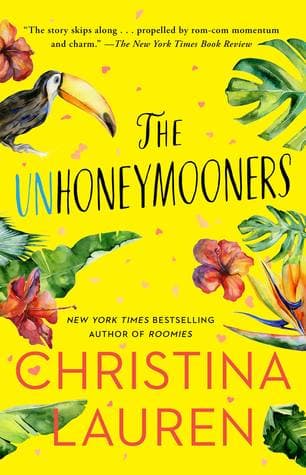
- The Unhoneymooners
Christina Lauren
4.0 (115k) average on GoodreadsRomanceFeatures an enemies-to-lovers dynamic with a strong romantic arc.
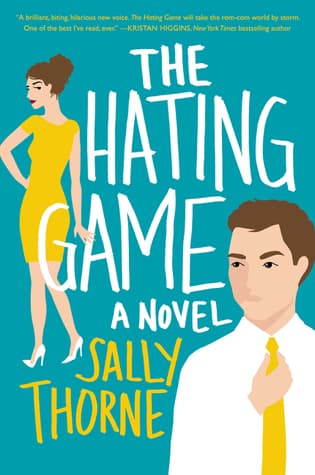
- The Hating Game
Sally Thorne
4.1 (146k) average on GoodreadsRomanceShowcases a compelling workplace enemies-to-lovers romance.
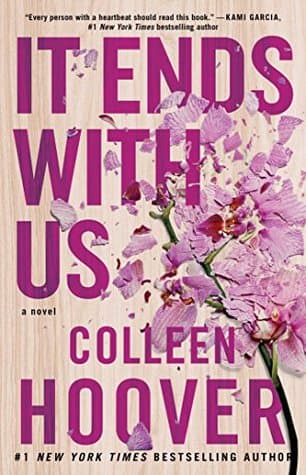
- It Ends with Us
Colleen Hoover
4.4 (212k) average on GoodreadsYoung AdultDeals with characters overcoming past trauma to find love.
- The Hunger Games
Suzanne Collins
4.3 (6.4M) average on GoodreadsFantasyIn a future where children fight to the death on live television, Katniss Everdeen volunteers for the arena, turning a death sentence into a fight for survival and a spark of rebellion.
- The Great Gatsby
F. Scott Fitzgerald
3.9 (3.8M) average on GoodreadsHistorical FictionIn the opulent Roaring Twenties, a mysterious millionaire's lavish parties hide his desperate, tragic pursuit of a lost love, exposing the emptiness within the American Dream.
- The Fault in Our Stars
John Green
4.2 (3.6M) average on GoodreadsYoung AdultA girl with a terminal illness finds her story rewritten when a charming boy with a similar past enters her life at a cancer support group, leading to a star-crossed romance.



Enjoyed the summary?
A summary gives you the shape of the book. The book itself has the detail, the examples and the voice.
Find Hate Notes on AmazonAs an Amazon Associate, BookBrief earns from qualifying purchases. How we're funded