
Estimated read time: 7 min read
Table of Contents
List of Characters
| Character Name | Role |
|---|---|
| Dr. Josef Weiss | Protagonist |
| Berta Weiss | Dr. Weiss's wife |
| Rudi Weiss | Dr. Weiss's son |
| Anna Weiss | Dr. Weiss's daughter |
| Erik Dorf | Dr. Weiss's friend |
| Heinrich Himmler | Antagonist |
| Ruth Dorf | Erik Dorf's wife |
| Karl Dorf | Erik Dorf's son |
Role Identification
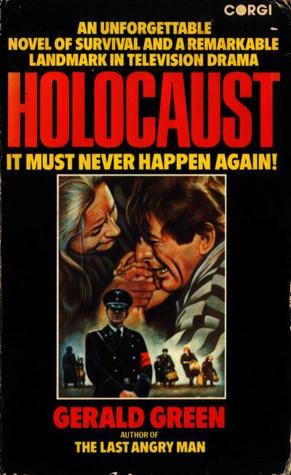
In Gerald Green's novel "Holocaust," a gripping portrayal of one family's experience during World War II, the characters play various roles that reflect the devastating impact of the Holocaust. The protagonist, Dr. Josef Weiss, represents the struggle for survival and the moral dilemmas faced by Jews in Nazi Germany. Other characters, such as Berta Weiss, Rudi Weiss, and Anna Weiss, depict the resilience and resilience of individuals in the face of unimaginable horrors. Erik Dorf, a non-Jewish friend of Dr. Weiss, represents the few who stood against the regime, while Heinrich Himmler embodies the epitome of evil as one of the leading figures behind the Holocaust.
Character Descriptions
Dr. Josef Weiss
Dr. Josef Weiss, a middle-aged Jewish doctor, is the central character in "Holocaust." He is depicted as a compassionate and intelligent man who struggles to maintain his humanity in the face of extreme adversity. Dr. Weiss possesses a deep love for his family and is determined to protect them at all costs. Despite the constant danger, he remains committed to his medical profession, providing care and support to fellow Jews in the concentration camps.
Berta Weiss
Berta Weiss is Dr. Weiss's wife, a strong and resilient woman who supports her husband throughout their harrowing journey. She fiercely protects their children, Rudi and Anna, and demonstrates unwavering strength in the face of unimaginable horrors. Berta's unwavering love and determination serve as a pillar of support for the entire family.
Rudi Weiss
Rudi Weiss is Dr. Weiss's teenage son, depicted as a bright and courageous young man. Despite the horrors he witnesses, Rudi maintains his resilience and youthful optimism. He becomes actively involved in the resistance movement, risking his life to fight back against the Nazis. Rudi symbolizes the hope and strength of the younger generation in the face of overwhelming adversity.
Anna Weiss
Anna Weiss, Dr. Weiss's young daughter, represents innocence and vulnerability in the midst of the Holocaust. She is a source of light and hope for her parents, reminding them of the importance of holding onto their humanity. Anna's purity of heart serves as a stark contrast to the brutality surrounding her.
Erik Dorf
Erik Dorf is a non-Jewish friend of Dr. Weiss and a former comrade from World War I. He plays a vital role in the narrative as a symbol of resistance against the Nazi regime. Erik is deeply disturbed by the atrocities he witnesses and chooses to take a stand against the injustices. His friendship with Dr. Weiss provides a glimmer of hope amidst the darkness.
Heinrich Himmler
Heinrich Himmler, a real historical figure, is the main antagonist in the novel. As one of the key architects of the Holocaust, Himmler symbolizes the embodiment of evil. His relentless pursuit to exterminate the Jewish population and his cold-heartedness serve as a constant threat to the lives of the main characters.
Character Traits
| Character Name | Traits |
|---|---|
| Dr. Josef Weiss | Compassionate, intelligent, determined, protective |
| Berta Weiss | Strong, resilient, loving, protective |
| Rudi Weiss | Courageous, resilient, optimistic, rebellious |
| Anna Weiss | Innocent, pure-hearted, hopeful |
| Erik Dorf | Brave, empathetic, resistant, loyal |
| Heinrich Himmler | Ruthless, sadistic, power-hungry, cold-hearted |
Character Background
Dr. Josef Weiss, a respected Jewish doctor in Berlin, enjoys a comfortable life with his wife, Berta, and their two children, Rudi and Anna. However, their lives take a tragic turn with the rise of the Nazi regime. The Weiss family becomes victims of persecution, stripped of their rights and forced into the dehumanizing conditions of the concentration camps.
Erik Dorf, a childhood friend of Dr. Weiss and a non-Jewish German, witnesses the atrocities committed by the Nazis and becomes determined to resist the regime. Erik's friendship with Dr. Weiss becomes a lifeline for both men as they endure the horrors of the Holocaust together.
Heinrich Himmler, as the head of the SS and one of the masterminds behind the Holocaust, holds immense power and authority. His mission is to eradicate the Jewish population, implementing systematic genocide and creating an atmosphere of fear and terror.
Character Arcs
Dr. Josef Weiss
Dr. Weiss's character arc is defined by his struggle to maintain his humanity in the face of extreme adversity. Initially, he focuses on protecting his family, but as he witnesses the atrocities committed against his fellow Jews, he becomes more determined to fight back. Dr. Weiss's arc culminates in his active participation in the resistance movement within the concentration camp, risking his life to save others.
Berta Weiss
Berta Weiss's character arc revolves around her transformation from a loving wife and mother to a resilient survivor. She endures immense loss and suffering but remains strong for her family. Berta's unwavering love and determination serve as a source of inspiration for the entire family.
Rudi Weiss
Rudi Weiss's character arc portrays his growth from a naive teenager to a brave and rebellious young man. Witnessing the horrors of the Holocaust fuels his determination to fight back. Rudi's involvement in the resistance movement showcases his unwavering spirit and willingness to risk everything for justice.
Anna Weiss
Anna Weiss's character arc reflects the loss of innocence and the preservation of hope. She symbolizes the purity of heart amidst the darkness, reminding her parents of the importance of maintaining humanity. Anna's resilience and hope serve as a guiding light for her family.
Relationships
The relationships between the characters in "Holocaust" are integral to the narrative, offering glimpses of hope, support, and love amidst the darkness.
Dr. Josef Weiss and Berta Weiss share a profound bond, providing strength and support to each other as they navigate the horrors of the Holocaust. Their love and determination to protect their children serve as a driving force throughout the narrative.
The friendship between Dr. Weiss and Erik Dorf becomes a lifeline for both men. Erik's unwavering support and resistance efforts inspire Dr. Weiss to actively fight against the Nazis, strengthening their resolve and hope.
The relationship between Dr. Weiss's children, Rudi and Anna, showcases their sibling bond and shared determination to survive. Their mutual support and love provide a glimmer of light in the face of unimaginable darkness.
In contrast, the relationship between Dr. Weiss and Heinrich Himmler represents the stark divide between oppressor and victim. Himmler's sadistic and ruthless nature fuels Dr. Weiss's determination to resist and fight back.
In Gerald Green's "Holocaust," the characters' roles, traits, backgrounds, arcs, and relationships intertwine to create a powerful and poignant portrayal of the human spirit in the face of unimaginable horrors. Through their stories, Green sheds light on the resilience, strength, and hope that can emerge even in the darkest of times.



