
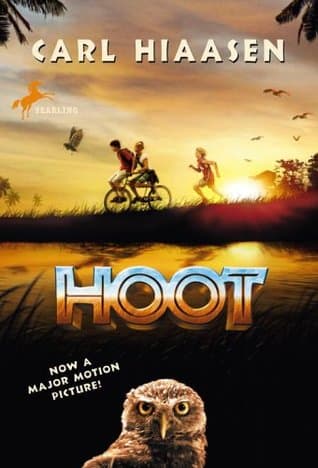
Synopsis
Covers the whole plot, including the ending.
- Difficulty
- Easy
- Pacing
- Moderate
- Mood
- Humorous, Adventurous, Hopeful, Engaging
- Read it if
- You enjoy a blend of mystery, environmental activism, and quirky humor, with a focus on young protagonists making a difference.
- Skip it if
- You prefer serious, non-comedic stories or are sensitive to themes of bullying and light vandalism.
Hoot Plot Summary
Covers the whole plot, including the ending.
A New Kid, a Bully, and a Barefoot Boy
Roy Eberhardt, a new seventh-grader in Coconut Cove, Florida, has trouble getting used to his latest move. On the school bus, Dana Matherson, the school bully, targets him. While Dana presses Roy's face against the window, Roy sees a shoeless, blond boy running fast beside the bus. Intrigued, Roy tries to get off the bus to find out more, but Dana stops him. Roy later learns the barefoot boy is called 'Mullet Fingers' and is known for being hard to catch around Trace Middle School. This first sighting makes Roy curious and starts his journey to learn who the boy is and what he is doing.
Investigating the Construction Site and Meeting Beatrice
Curiosity leads Roy to investigate the area where he saw the barefoot boy. He finds a construction site for a new 'Mother Paula's All-American Pancake House.' After seeing the running boy a second time, Roy chases him into the woods, but the boy gets away. During his chase, Roy falls into a pit with alligators and is saved by Beatrice Leep, a tough, athletic girl. Beatrice warns Roy to stay away from the running boy. Despite her warning, Roy suspects Beatrice is connected to the mysterious boy, which makes him even more determined to find the truth.
Mullet Fingers' Vandalism Begins
The construction site for Mother Paula's All-American Pancake House starts having strange problems. First, the survey stakes are removed, delaying the groundbreaking. Then, alligators are put in the seats of construction vehicles, causing panic. Later, venomous cottonmouth snakes with glitter-painted tails are released into the portable toilets. Officer Delinko, the police officer on the case, struggles to find the person responsible. Roy, who now knows the running boy is Mullet Fingers and Beatrice's stepbrother, realizes these acts are Mullet Fingers' doing, an attempt to stop construction.
Roy's Alliance with Beatrice and Mullet Fingers
Roy continues to be bullied by Dana Matherson, but he also forms an alliance with Beatrice. He eventually meets Mullet Fingers, who explains why he is sabotaging the construction: the land has a colony of burrowing owls, an endangered species, and the pancake house will destroy their home. Mullet Fingers is dedicated to protecting the owls and has been living off the land, avoiding capture, and planning the pranks. Roy is moved by Mullet Fingers' dedication and the owls' situation, so he decides to help with their environmental activism. Beatrice also fully supports her stepbrother's cause.
Officer Delinko's Investigation and Chuck Muckle's Arrival
Officer Delinko, needing to solve the vandalism case, makes little progress. His attempts to catch the person responsible are often funny and don't work. Meanwhile, Chuck Muckle, the Vice President of Corporate Relations for Mother Paula's All-American Pancake Houses, arrives in Coconut Cove. Muckle is a businessman focused on profit and wants to push the construction forward, ignoring environmental concerns. He dismisses the owl claims and pressures the construction foreman, Curly, and Officer Delinko to fix the issue quickly, which increases the conflict between the developers and the young environmentalists.
Mullet Fingers' Injury and Roy's Plan
During an attempt to sabotage the construction, Mullet Fingers is bitten by a guard dog and hurt. Beatrice takes him to a veterinary clinic for treatment, careful to avoid official channels that would lead to his capture. This event shows the danger of Mullet Fingers' solo fight. Seeing his friend's sacrifice, Roy realizes that more public action is needed. He plans to show the environmental injustice at the groundbreaking ceremony, hoping to use media and public attention to save the burrowing owls. He understands that direct action might be the only way to get through to the adults.
The Groundbreaking Ceremony Showdown
The groundbreaking ceremony day arrives, with local officials, Mother Paula (an actress), Chuck Muckle, and reporters present. Roy, with Beatrice's help, organizes a public protest. He brings a copy of the Environmental Impact Statement, which does not mention the burrowing owls on the site. As the ceremony begins, Mullet Fingers comes out of an owl burrow, holding an owl, proving they are there. Other children, inspired by Roy, also appear, each holding an owl. This creates a powerful sight that gets media attention.
Exposure and Corporate Backlash
The children's protest, especially Mullet Fingers' appearance with an owl, reveals the truth about the endangered burrowing owls living on the construction site. The media quickly covers the story, reporting Mother Paula's environmental neglect. Chuck Muckle tries to say the owls are common pigeons, but his lies are easily disproven. Public outrage and bad publicity force Mother Paula's corporation to stop construction. The scandal threatens the company's image, leading to a scramble for damage control and a new look at their development plans.
Justice for the Owls and a New Home for Mullet Fingers
After the public outcry, Mother Paula's All-American Pancake House must give up its plans for the Coconut Cove site. The land becomes a protected habitat for the burrowing owls, keeping them safe. Mullet Fingers, who had been a runaway, finally gets a stable home. His mother, who had left him, lets him live with Beatrice and her father, Lonna Leep, giving him a sense of family he had lacked. Roy feels a sense of accomplishment and belonging, having found a cause and friends in Florida.
Aftermath and Lasting Friendships
Afterward, Officer Delinko, still a bit clumsy, earns respect from his coworkers. Chuck Muckle faces consequences for his deceit. Roy, no longer just the new kid, has found true friendship with Beatrice and Mullet Fingers. He has learned to stand up for what is right, even against big corporations. The experience affects all the children, strengthening their bonds and giving them a sense of environmental responsibility. The burrowing owls continue to do well, a result of their efforts, and Mullet Fingers finally has a place to call home.
Principal Figures
Roy Eberhardt
Protagonist
A new kid in Florida who finds himself caught up in an environmental mystery.
Roy is a thoughtful and observant seventh-grader who has moved frequently due to his father's job. Initially a reluctant participant, he is drawn into the mystery of the running boy and the burrowing owls. He is intelligent, possesses a strong moral compass, and is willing to stand up for what he believes is right, even when it means challenging adults or facing bullies like Dana Matherson. His initial loneliness and desire for connection evolve into a fierce loyalty to his new friends and a passion for environmental justice.
Relationships: Mullet Fingers (friend and ally in environmental activism); Beatrice Leep (friend and ally, initially intimidating but becomes close); Dana Matherson (bully); Mr. Eberhardt (supportive father); Mrs. Eberhardt (supportive mother)
Mullet Fingers (Napoleon Bridger Leep)
Supporting/Protagonist
A reclusive, barefoot environmental activist dedicated to protecting burrowing owls.
Mullet Fingers is Beatrice's stepbrother and the mysterious barefoot boy Roy first sees. He is a fierce, resourceful, and deeply committed environmentalist who lives off the land, evading capture while sabotaging the pancake house construction. He is passionate about protecting the endangered burrowing owls and is willing to risk everything for their survival. Despite his wild appearance and solitary nature, he possesses a strong sense of justice and a deep connection to nature. His cunning and bravery drive much of the plot's action.
Relationships: Roy Eberhardt (friend and ally); Beatrice Leep (step-sister and protector); Lonna Leep (step-mother); Tracey (biological mother (briefly mentioned))
Beatrice Leep
Supporting/Protagonist
A tough, athletic girl who becomes Roy's protector and Mullet Fingers' loyal step-sister.
Beatrice is a strong, independent, and fiercely protective girl. She's a talented soccer player known for her physical prowess and intimidating demeanor, which initially makes Roy wary. She is Mullet Fingers' step-sister and his primary protector, often covering for him and helping him evade authorities. Despite her tough exterior, she cares deeply for Mullet Fingers and later for Roy, showing a hidden vulnerability and loyalty. She acts as a bridge between Roy and Mullet Fingers, playing a crucial role in their alliance.
Relationships: Roy Eberhardt (friend and ally); Mullet Fingers (step-brother and close bond); Lonna Leep (mother); Mr. Leep (father)
Officer David Delinko
Supporting
A well-meaning but often bumbling police officer investigating the construction site vandalism.
Officer Delinko is a young, ambitious police officer with good intentions but a tendency towards clumsiness and a lack of keen investigative skills. He is assigned to the Mother Paula's construction site vandalism case and is determined to solve it to prove himself. Despite his shortcomings, he is ultimately a decent person who begins to question the corporate narrative and eventually supports the truth, albeit indirectly. He represents the well-meaning but often ineffective adult authority figure.
Chuck Muckle
Antagonist
The ruthless and dishonest Vice President of Corporate Relations for Mother Paula's.
Chuck Muckle is the primary adult antagonist, representing corporate greed and environmental disregard. He is a slick, manipulative, and arrogant businessman whose sole focus is profit and public image. He is willing to lie, intimidate, and cut corners to ensure the pancake house construction proceeds. He dismisses environmental concerns and sees the burrowing owls as mere obstacles. His arrogance and dishonesty make him the perfect foil for the children's integrity.
Curly (Leroy Branitt)
Supporting
The perpetually frustrated construction foreman for Mother Paula's.
Curly is the construction foreman for the Mother Paula's site. He is a pragmatic, easily annoyed individual who is constantly exasperated by the vandalism and delays. He tries to do his job despite the bizarre occurrences and the pressure from Chuck Muckle. While not malicious, he is initially oblivious to the environmental impact of the construction and is more concerned with deadlines and budgets. He serves as a comic relief character due to his constant bewilderment.
Dana Matherson
Supporting
The school bully who targets Roy.
Dana is the stereotypical school bully who preys on smaller, newer kids like Roy. He is physically intimidating, aggressive, and not particularly intelligent. His bullying serves as an initial catalyst for Roy's journey, as it's during an encounter with Dana that Roy first spots Mullet Fingers. Dana's role in the story is primarily to provide conflict for Roy and to highlight Roy's growing courage when he eventually stands up to him.
Relationships: Roy Eberhardt (victim of bullying); Beatrice Leep (intimidated by her)
Mr. Eberhardt
Supporting
Roy's understanding and supportive father.
Roy's father is a kind and understanding man who works for the government. He is supportive of Roy, offering advice and listening to his concerns. He encourages Roy's curiosity and independent thinking. While initially unaware of the full extent of Roy's involvement, he ultimately trusts his son and helps him in his quest for justice, demonstrating a belief in integrity and fair play. He represents a positive adult influence.
Relationships: Roy Eberhardt (father); Mrs. Eberhardt (husband)
Mrs. Eberhardt
Supporting
Roy's caring and supportive mother.
Roy's mother is a loving and concerned parent. She provides a stable and nurturing home environment for Roy, despite their frequent moves. She is observant and picks up on Roy's moods and struggles, showing genuine care. Like Mr. Eberhardt, she is a positive adult figure who ultimately supports Roy's actions, emphasizing the importance of doing what's right. Her concern for Roy is a grounding force in his life.
Relationships: Roy Eberhardt (mother); Mr. Eberhardt (wife)
Mother Paula
Mentioned
The cheerful, fictional face of the pancake house franchise.
Mother Paula is the cheerful, grandmotherly figure who is the smiling face of the Mother Paula's All-American Pancake Houses chain. She is portrayed by an actress and is merely a corporate mascot, detached from the actual business practices. Her image is used to project a wholesome, family-friendly brand, which makes the environmental scandal all the more damaging to the company's reputation. She briefly appears in person at the groundbreaking ceremony.
Themes & Insights
Environmental Activism and Preservation
A main theme of 'Hoot' is the need to protect endangered species and their homes from human building. Mullet Fingers' constant work to save the burrowing owls, and Roy's choice to help him, show how one person can act against corporate greed. The book says that even children can make a big difference in environmental issues. It asks readers to be aware of and fight for their local ecosystems. The owls show how easily nature can be hurt by unchecked development.
“Every time you screw up something like this, you lose a little bit of yourself.”
Justice vs. Corporate Greed
The story puts the moral need to protect nature against the profit goals of a large company. Chuck Muckle and Mother Paula's show the cold, money-focused side of business that puts money over ethics and ecological care. The children, especially Roy and Mullet Fingers, embody the fight for justice and doing what is right, even when it means challenging powerful adults and risking personal problems. The book criticizes the unchecked power of companies and calls for accountability.
“It was the nature of the world, Roy thought. You had to fight for the things that you cared about.”
Friendship and Loyalty
Roy's story includes making new friends. His initial loneliness changes into strong bonds with Beatrice and Mullet Fingers. These friendships are built on a shared goal, respect, and loyalty. Beatrice protects Mullet Fingers, and both she and Mullet Fingers eventually accept Roy as a friend. Their strong friendship helps them overcome problems and stand together against adult opponents, showing the power of unity.
“He realized that he would do whatever it took to help Mullet Fingers, no matter what the consequences.”
Coming of Age and Finding Your Voice
Roy's time in Florida is a coming-of-age journey. He starts as a quiet 'new kid' but becomes an active part of a cause bigger than himself. Helping Mullet Fingers and Beatrice teaches Roy to stand up to bullies, question authority, and support his beliefs. He finds his voice and courage, discovering his own strength and moral compass. The story shows how challenging experiences can shape character and lead to self-discovery.
“Roy knew that he couldn't stay quiet any longer. It was time to speak up.”
The Power of the Underdog
The story supports the idea that even small or seemingly weak people can bring about big change when they are united and determined. A group of children, a runaway, and a police officer succeed against a powerful company with many resources. This theme gives hope and shows that courage, cleverness, and strong moral belief can win over difficult odds. It highlights the impact of local activism.
“It wasn't fair, but Roy was learning that fair had nothing to do with it. You had to make fair happen.”
Plot Devices & Literary Techniques
The Barefoot Boy (Mullet Fingers)
A mysterious figure who acts as a catalyst for Roy's investigation and the central environmental conflict.
Mullet Fingers, the barefoot running boy, serves as a significant plot device by immediately piquing Roy's curiosity and drawing him into the central mystery. His elusive nature and acts of vandalism drive the initial plot, introducing the environmental conflict and forcing Roy to investigate. He also functions as a symbol of wildness and unadulterated connection to nature, representing the spirit of resistance against development. His presence continuously pushes the narrative forward, escalating the stakes and revealing the core conflict.
The Burrowing Owls
The endangered species whose habitat is threatened, serving as the central MacGuffin and symbol.
The burrowing owls are the literal and symbolic heart of the story. They are the endangered species whose habitat is directly threatened by the Mother Paula's pancake house, making them the central 'MacGuffin' around which the entire plot revolves. Beyond their plot function, they symbolize the vulnerability of nature, the beauty of the natural world, and the importance of environmental preservation. Their existence validates Mullet Fingers' actions and galvanizes Roy and Beatrice into action, becoming the concrete reason for the children's activism.
Vandalism and Pranks
A series of escalating, non-violent acts of sabotage used to delay construction and draw attention.
The escalating acts of vandalism—removing survey stakes, putting alligators in toilets, releasing glitter-tailed snakes—are key plot devices that create suspense, introduce humor, and propel the story forward. These pranks are Mullet Fingers' primary method of resistance, designed to delay construction without causing serious harm. They force Officer Delinko to investigate, bring Chuck Muckle into the picture, and ultimately set the stage for the public confrontation. They highlight the ingenuity of the children and the absurdity of the situation.
The Groundbreaking Ceremony
A climactic event serving as the stage for the public revelation and resolution of the conflict.
The groundbreaking ceremony functions as the climactic plot device where all the narrative threads converge. It is the designated moment when the construction is meant to officially begin, providing a clear deadline and a public forum for the children's protest. By staging their demonstration during this event, Roy and his friends maximize media attention and public awareness, ensuring their message is heard. It serves as the ultimate showdown between corporate power and environmental activism, leading directly to the resolution of the main conflict.
Hoot Quotes
“Sometimes you're going to be faced with situations where the line isn't clear between what's right and what's wrong. Your heart will tell you. Listen to it.”
“A person's character isn't determined by how he or she enjoys victory, but rather how he or she endures defeat.”
“The owls are more important than some pancake house.”
“You have to stand up for what you believe in, even if you're standing alone.”
“Sometimes the right thing is the hardest thing to do.”
“Nature doesn't need people. People need nature.”
“Just because something's legal doesn't make it right.”
“You can't just sit back and watch bad things happen.”
“It's not about being a hero. It's about doing what's right.”
“The world is full of bullies, but it's also full of people who stand up to them.”
“Sometimes the smallest creatures teach us the biggest lessons.”
“Change starts with one person who's willing to make a difference.”
“You don't have to be big to be brave.”
“The truth has a way of coming out, no matter how hard you try to bury it.”
Quiz
10 questions on the plot and the characters. Each answer comes with a short explanation.
Question 1
What is the name of the bully who bullies Roy on the school bus at the beginning of the book?
- Mullet Fingers
- Dana Matherson
- Officer Delinko
- Chuck Muckle
Show answer
B. Dana Matherson Dana Matherson is the bully who mashing Roy's face against the bus window, which leads Roy to spot the running boy. This event sets the main plot in motion.
Question 2
What unusual characteristic does Roy notice about the running boy that first intrigues him?
- He was carrying no books
- He was running away from the school bus
- He wore no shoes
- He had a pet alligator
Show answer
C. He wore no shoes Roy finds it odd that the running boy wears no shoes, which adds to the mystery and prompts Roy to investigate further.
Question 3
What type of animals are at the center of the environmental conflict in the story?
- Potty-trained alligators
- Burrowing owls
- Poisonous snakes with sparkling tails
- Fake-fart champions
Show answer
B. Burrowing owls Burrowing owls are endangered animals whose habitat is threatened by a construction project, driving the main environmental plot.
Question 4
What is the nickname of the running boy, who becomes a key character in Roy's adventure?
- Dana
- Beatrice
- Mullet Fingers
- Roy
Show answer
C. Mullet Fingers Mullet Fingers is the nickname for the running boy, whose real name is Napoleon Bridger Leep. He is an eco-avenger trying to save the owls.
Question 5
Why does Roy initially get involved in chasing the running boy?
- He wants to make friends in his new town
- He is bored and looking for excitement
- He senses a mystery and is curious
- He is trying to escape from Dana the bully
Show answer
C. He senses a mystery and is curious Roy is intrigued by the mysterious boy running shoeless and away from the bus, which sparks his curiosity and leads him to investigate.
Question 6
What construction project threatens the burrowing owls' habitat in the book?
- A new school
- A Mother Paula's All-American Pancake House
- A shopping mall
- A housing development
Show answer
B. A Mother Paula's All-American Pancake House The pancake house construction site is where the burrowing owls live, and the conflict revolves around saving them from being displaced.
Question 7
Which character is described as a 'renegade eco-avenger' in the book summary?
- Roy Eberhardt
- Mullet Fingers
- Beatrice Leep
- Officer Delinko
Show answer
B. Mullet Fingers Mullet Fingers takes direct action to sabotage the construction site and protect the owls, earning him the title of eco-avenger.
Question 8
How does Roy's encounter with Dana on the bus indirectly lead to the main plot?
- Dana tells Roy about the running boy
- Roy is looking out the window to avoid Dana and spots the boy
- Dana forces Roy to chase the boy as a prank
- Roy gets off the bus to escape Dana and meets the boy
Show answer
B. Roy is looking out the window to avoid Dana and spots the boy While Dana is bullying him, Roy's face is pressed against the bus window, allowing him to see the running boy and sparking his curiosity.
Question 9
What is one of the unusual elements Roy encounters in his adventure, as mentioned in the summary?
- A talking parrot
- Potty-trained alligators
- A magical forest
- A time-traveling device
Show answer
B. Potty-trained alligators The summary highlights potty-trained alligators as one of the quirky and humorous elements Roy encounters in Carl Hiaasen's Florida setting.
Question 10
Which theme is most central to 'Hoot' based on the summary provided?
- The importance of family bonds
- Environmental conservation and activism
- Overcoming personal fears
- The challenges of moving to a new place
Show answer
B. Environmental conservation and activism The plot revolves around saving burrowing owls from construction, with characters like Mullet Fingers acting as eco-avengers, highlighting environmental themes.
Hoot FAQ
What is 'Hoot' by Carl Hiaasen about?
'Hoot' follows Roy Eberhardt, a middle schooler who moves to Florida and becomes intrigued by a mysterious barefoot boy he spots running away from a school bus. Roy's investigation leads him to uncover a plot by the Mother Paula's All-American Pancake House chain to build a restaurant on land inhabited by endangered burrowing owls, and he joins forces with the running boy (later revealed as Mullet Fingers) and his stepsister Beatrice to sabotage the construction and save the owls.
Why should I read 'Hoot'?
You should read 'Hoot' for its engaging mystery, humorous yet heartfelt environmental message, and memorable characters. The book combines a classic underdog story with themes of friendship, standing up for what's right, and the importance of protecting nature, all while delivering Carl Hiaasen's signature wit and quirky Florida setting.
What is the background/setting of 'Hoot'?
The story is set in Coconut Cove, Florida, a fictional town that embodies the real Florida's environmental conflicts between development and wildlife. Key locations include Trace Middle School, the construction site for Mother Paula's pancake house, and the surrounding wetlands where the burrowing owls nest, highlighting the tension between corporate interests and ecological preservation.
What are the most memorable quotes from 'Hoot'?
Memorable quotes include Mullet Fingers' line, 'Sometimes you're going to be faced with situations where the law isn't on your side,' emphasizing civil disobedience for a cause, and Roy's reflection, 'He'd never felt so alone in his life, but he'd never felt so alive either,' capturing his growth through the adventure. Another is Beatrice's blunt advice, 'Don't be a wimp,' which pushes Roy to take action.
What writing style does Carl Hiaasen use in 'Hoot'?
Carl Hiaasen uses a humorous, fast-paced, and accessible writing style with vivid descriptions of Florida's environment and quirky characters. The narrative blends mystery and adventure with light satire, often poking fun at corporate greed and bureaucracy, while maintaining a tone suitable for young readers through Roy's relatable perspective and witty dialogue.
What minor details add significant meaning in 'Hoot'?
Minor details like the burrowing owls' small size and vulnerability symbolize the broader theme of protecting the underdog, while the 'unnaturally sparkling tails' on the snakes hint at Mullet Fingers' creative sabotage tactics. Roy's repeated encounters with the bully Dana Matherson subtly contrast with his growing courage, showing how standing up to small injustices prepares him for larger battles.
What are some subtle foreshadowing moments in 'Hoot'?
Early foreshadowing includes Roy's fascination with the running boy's bare feet, which later connects to Mullet Fingers' wilderness lifestyle and his mission to protect the owls. The mention of 'potty-trained alligators' and 'fake-fart champion' hints at the eccentric characters and humorous schemes Roy will encounter, setting the tone for the unconventional methods used to thwart the construction.
What unexpected character connections exist in 'Hoot'?
An unexpected connection is that Mullet Fingers is actually Beatrice Leep's stepbrother, and their shared mission to save the owls brings Roy into their circle. Another is the link between the pancake house manager, Curly, and the corporate indifference to the owls, which contrasts with Officer Delinko's growing sympathy for the cause, showing how different adults respond to the environmental conflict.
What are unspoken character motivations in 'Hoot'?
Mullet Fingers' unspoken motivation is a deep-seated anger at adults who destroy nature, driven by his own neglectful family life, which he channels into eco-activism. Roy's motivation stems from a desire to belong and make a difference after moving frequently, while Beatrice hides her protective feelings for her stepbrother behind a tough exterior, ultimately seeking stability and justice.
What psychological complexities do characters exhibit in 'Hoot'?
Roy exhibits complexity through his internal conflict between following rules and doing what's right, as he grapples with the ethics of sabotage. Mullet Fingers shows signs of trauma from family neglect, leading to his solitary, rebellious lifestyle, while Beatrice balances vulnerability with fierce loyalty, masking her fears with aggression to protect those she cares about.
What are the major emotional turning points in 'Hoot'?
Major emotional turning points include Roy's decision to join Mullet Fingers' cause after witnessing the owls' plight, which marks his shift from observer to activist. Another is when Beatrice opens up about her family struggles, deepening her bond with Roy, and the climax where the community rallies to save the owls, providing a cathartic moment of unity and hope.
How do relationship dynamics evolve in 'Hoot'?
Roy and Beatrice's relationship evolves from initial hostility to mutual respect and friendship as they work together to save the owls. Roy's connection with Mullet Fingers grows from curiosity to trusted partnership, while his interactions with adults like Officer Delinko shift from suspicion to collaboration, reflecting how shared goals can bridge generational and social divides.
Which parts of 'Hoot' remain ambiguous or open-ended?
The fate of Mullet Fingers after the events is left ambiguous, as he remains a free spirit who might continue his eco-activism elsewhere. Additionally, the long-term impact on the pancake house corporation is not fully resolved, leaving readers to ponder whether such businesses will change their practices or if similar conflicts will arise in the future.
What are controversial scenes or decisions in 'Hoot'?
Controversial decisions include the children's use of sabotage, such as vandalizing construction equipment and pulling up survey stakes, which raises questions about the ethics of breaking the law for environmental causes. Some readers might debate whether Mullet Fingers' extreme methods are justified or if they risk harming innocent people, highlighting the tension between activism and responsibility.
'Hoot' ending explained: how it ends & what it means
The ending sees the construction site halted when the burrowing owls are discovered, thanks to the children's efforts and community support, with Mother Paula's facing legal consequences. This signifies a victory for environmental protection and grassroots activism, emphasizing that even young people can effect change. It also reinforces themes of friendship and standing up against injustice, leaving Roy with a sense of belonging and purpose in his new home.
About the author

Carl Hiaasen is a celebrated American author known for his satirical crime novels often set in Florida. His works, including "Stormy Weather," "Hoot," "Scat," and "Flush," are characterized by their sharp wit, environmental themes, and eccentric characters. Hiaasen's distinctive voice has earned him a significant following and critical acclaim for his unique brand of Florida noir.
Similar books
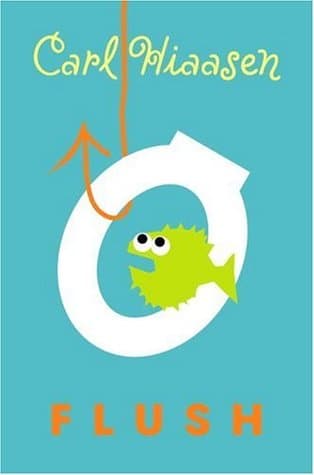
- Flush
Carl Hiaasen
3.9 (27k) average on GoodreadsChildren'sFeatures young protagonists fighting environmental injustice in Florida with humor.
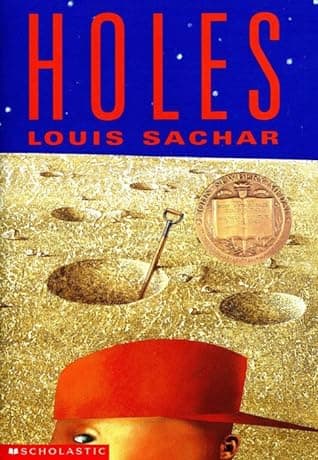
- Holes
Louis Sachar
4.0 (970k) average on GoodreadsChildren'sA children's mystery with a unique setting and a group of unlikely heroes.
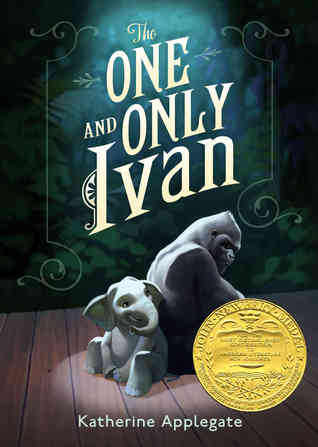
- The One and Only Ivan
Katherine Applegate
4.3 (141k) average on GoodreadsFantasyFocuses on animal welfare and a child's efforts to make a positive change.
- A Wrinkle in Time
Madeleine L'Engle
4.0 (1.1M) average on GoodreadsFantasyWhile A Wrinkle in Time is a fantasy novel, it shares Hoot's theme of young protagonists standing up against powerful, abstract evils (the Black Thing vs. corporate greed) and the importance of individual action. L'Engle's work, however, delves into more philosophical and spiritual themes, whereas Hiaasen grounds his narrative firmly in real-world environmental issues and a more direct, satirical approach to societal problems.
- Harry Potter and the Sorcerer's Stone
J.K. Rowling
4.5 (7M) average on GoodreadsFantasyRescued from a miserable life under the stairs, an orphaned boy discovers he's a wizard destined for a magical school, where he uncovers a dangerous secret tied to the dark wizard who murdered his parents.
- The Hobbit, or There and Back Again
J.R.R. Tolkien
4.3 (2.9M) average on GoodreadsFantasyA comfort-loving hobbit named Bilbo Baggins is whisked away by a mischievous wizard and a band of dwarves on an unexpected journey to reclaim stolen treasure from a fearsome dragon, discovering courage and a magical ring along the way.



Enjoyed the summary?
A summary gives you the shape of the book. The book itself has the detail, the examples and the voice.
Find Hoot on AmazonAs an Amazon Associate, BookBrief earns from qualifying purchases. How we're funded