
Synopsis
Covers the whole plot, including the ending.
- Difficulty
- Easy
- Pacing
- Moderate
- Mood
- Creepy, Satirical, Suspenseful, Darkly Humorous
- Read it if
- You enjoy a unique twist on the haunted house trope, set in a familiar, mundane retail environment with a satirical edge.
- Skip it if
- You prefer traditional horror without comedic or satirical elements, or find the premise of haunted furniture stores too silly.
Horrorstör Plot Summary
Covers the whole plot, including the ending.
The Night Shift Begins
Amy, a disillusioned Orsk employee, wants to transfer to graphic design but struggles with her performance review. When the Orsk store in Cleveland, Ohio, experiences nightly vandalism, manager Basil offers a transfer to anyone who volunteers for an overnight stakeout. Amy, seeing this as her only chance, reluctantly agrees, along with Basil and Ruth, an eccentric employee who believes in spirits. They gather after closing, armed with flashlights, ready to find the source of the destruction and restore order to Orsk.
Unsettling Discoveries
As the night begins, the trio patrols. Initially, they find nothing, just the eerie silence of an empty big-box store. However, subtle disturbances start: furniture is slightly out of place, whispers are heard, and cold spots are felt. Ruth attributes these to restless spirits. Basil tries to stay logical, suggesting drafts. Amy, increasingly unnerved, questions her skepticism as the unsettling incidents become more frequent, defying easy explanation, especially when objects seem to move on their own.
The Appearance of Trinity and Matt
Just as the strange events intensify, two unexpected visitors, Trinity and Matt, break into the store. Trinity, a self-proclaimed ghost hunter and internet personality, and Matt, her cameraman/boyfriend, are there to film a paranormal investigation for their online channel. Their arrival immediately clashes with Basil's authority and Amy's desire for a quiet night. Trinity's theatrical approach and Matt's constant filming disrupt the tense atmosphere. Basil is furious, threatening to call the police, but the escalating supernatural activity soon forces everyone to confront a stranger reality, making their individual goals secondary to survival.
The Store Transforms
As the supernatural forces grow, the Orsk store's architecture begins to warp. Aisles lengthen, sections rearrange, and exits vanish, turning the brightly lit showroom into a dark, confusing maze. The group gets lost and separated. The furniture, once harmless, becomes menacing, seeming to watch them. This physical change deepens their terror, making escape impossible and forcing them to navigate an environment that actively works against them, like a prison rather than a retail space.
Encounters with Spectral Employees
Within the shifting store, the group encounters ghostly figures: spectral employees, trapped in an eternal, horrifying mockery of their daily tasks. These apparitions are not just visual; they interact with the environment and the living, sometimes trying to 'help' in grotesque ways or replaying their past suffering. Trinity, despite her initial confidence, is deeply shaken, realizing this is far beyond her usual 'ghost hunting.' Amy, Basil, and Ruth witness the tragic, repetitive nature of these spectral workers, understanding that Orsk is not just haunted, but a place of torment for those who died within its walls.
The Revelation of Orsk's History
Ruth, with her spiritual insights, discovers the true, horrifying history of the land where Orsk was built. It was once a brutal 19th-century prison and asylum called the 'Ohio Reformatory for Special Kindred' (Orsk). Prisoners and patients, many unjustly confined and subjected to cruel experiments, died there in agony, their spirits now tied to the ground. The store's cheerful appearance is a thin cover over a place steeped in suffering, explaining the malevolent forces and the trapped spectral employees who relive their past tortures within the retail setting.
The Warden's Domain
Following Ruth's guidance and the pull of the malevolent energy, the group descends into the store's deep, forgotten basement. This area, previously unknown and inaccessible to most employees, reveals itself to be the original core of the old prison. Here, the haunting is most potent. They find remnants of cells, torture devices, and a strong sense of despair. This is the domain of the Warden, the main antagonistic spirit, whose cruelty once filled the reformatory and now manifests through the store's supernatural power, seeking to imprison new souls.
The Warden's Trap
In the prison's depths, the Warden's spirit fully appears, showing itself as a powerful, sadistic entity. It begins to target the living, trying to force them into roles that mirror the suffering of the old prisoners. Matt is subjected to a horrific, forced 'performance,' and Trinity is tormented by the Warden's psychological attacks. Basil, initially resistant, slowly breaks down. The Warden's goal is not just to scare, but to psychologically and physically imprison them, feeding on their fear and despair, continuing the cycle of torment that has defined the site for over a century, using the store's merchandise as torture instruments.
Amy's Stand and Sacrifice
Witnessing her colleagues' escalating torture, especially Basil's, Amy finds an unexpected surge of courage. She realizes that the Warden feeds on their fear and compliance. Drawing on her inner strength and a surprising sense of responsibility, Amy confronts the Warden directly. In a desperate act to save Basil and Ruth, she offers herself as a sacrifice, volunteering to become the Warden's new 'prisoner.' This selfless act temporarily distracts the Warden, buying crucial time for the others to potentially escape, though it places Amy in grave danger of eternal torment within the store.
Escape and Aftermath
Seizing the opportunity Amy created, Basil and Ruth find a way out of the shifting store, narrowly escaping the Warden's grasp. They emerge into the pre-dawn light, traumatized and changed by their ordeal. Trinity and Matt are also gone, their fate unclear but implied to be grim. The police arrive, but Basil and Ruth struggle to explain what truly happened, their story sounding insane. They are left with the horror of their night, the knowledge of Amy's fate, and the terrifying reality that Orsk is not just a furniture store, but a living prison for the damned.
Amy's New Role
Amy's sacrifice leads to her becoming the Warden's newest captive. She is not killed, but forced into a horrific, eternal parody of her former life at Orsk. The Warden compels her to endlessly 'organize' and 'decorate' the haunted store, her creative aspirations twisted into a grotesque, never-ending chore. She is a spectral employee, just like the others she witnessed, forever trapped within the shifting aisles, her dreams of graphic design replaced by the mundane, torturous tasks of a haunted retail worker, serving the Warden's whims and suffering in perpetual despair.
Principal Figures
Amy
Protagonist
A disillusioned Orsk employee yearning for a better life.
Amy is a cynical yet secretly ambitious young woman, stuck in a dead-end job at Orsk. She dreams of transferring to the graphic design department but lacks the confidence and initiative to truly pursue her goals, often resorting to sarcasm and passive aggression. Her initial apathy and self-interest slowly give way to a surprising resilience and empathy as she confronts the horrors of Orsk. She is observant and intelligent, often noticing details others miss, but her fear frequently paralyzes her.
Relationships: Basil (Her manager, initially a source of frustration, later a colleague in peril.); Ruth (A quirky coworker, initially dismissed, later a source of spiritual guidance.); The Warden (Her ultimate tormentor and captor.)
Basil
Supporting
The overzealous, by-the-book Orsk store manager.
Basil is the quintessential corporate drone: obsessed with rules, procedures, and maintaining the Orsk brand image. He is initially dismissive of anything beyond logical explanation, clinging to his managerial authority even in the face of the supernatural. Despite his rigid exterior, he genuinely cares about the store's success and his employees' safety, though his methods are often misguided. He is deeply proud of his role and struggles to adapt when his ordered world crumbles.
Relationships: Amy (His employee, whom he pushes but ultimately tries to protect.); Ruth (A long-time employee whose eccentricities he tolerates.); The Warden (The entity that breaks his composure and authority.)
Ruth Anne Kelly
Supporting
The eccentric, spiritually attuned long-term Orsk employee.
Ruth is an older, quirky employee who has worked at Orsk for many years. She is deeply spiritual and open to paranormal explanations, often speaking in metaphors and offering sage, if sometimes unsettling, advice. She possesses an intuitive understanding of the store's dark energy, making her an invaluable, albeit strange, guide through the haunting. Her calm demeanor and unwavering belief in the supernatural contrast sharply with Basil's pragmatism and Amy's cynicism, providing a unique perspective.
Relationships: Amy (A younger colleague whom she guides and protects.); Basil (Her manager, whose skepticism she gently challenges.); The Warden (The malevolent spirit she identifies and helps the group fight.)
Trinity
Supporting
An amateur internet ghost hunter seeking fame.
Trinity is a young, ambitious, and somewhat naive internet personality who breaks into Orsk with her boyfriend, Matt, to film a ghost hunting video. She is initially fearless and performs for the camera, seeing the supernatural as content for her channel. Her bravado, however, quickly gives way to genuine terror as she encounters the true malevolence of the haunting, revealing her vulnerability beneath the performative exterior. She represents the modern obsession with viral fame.
Relationships: Matt (Her boyfriend and cameraman, whom she uses for her online content.); Amy, Basil, Ruth (Initially rivals, later unwilling companions in terror.); The Warden (The entity that quickly overwhelms her 'ghost hunting' skills.)
Matt
Supporting
Trinity's long-suffering boyfriend and cameraman.
Matt is Trinity's quiet, often overlooked boyfriend and cameraman. He is less enthusiastic about ghost hunting than Trinity, seeming to be along for the ride more out of loyalty than genuine interest. He is pragmatic and tries to be helpful, but often finds himself caught in Trinity's dramatic antics. He is one of the first to be directly targeted and tormented by the Warden, highlighting his vulnerability and the true danger of their situation.
Relationships: Trinity (Her boyfriend and accomplice, often overshadowed by her.); Amy, Basil, Ruth (Fellow victims of the haunting.)
The Warden (Jebediah Crone)
Antagonist
The malevolent spirit of the former prison warden, now haunting Orsk.
The Warden is the primary antagonist, the lingering, sadistic spirit of Jebediah Crone, the cruel warden of the Ohio Reformatory for Special Kindred. He feeds on fear, suffering, and the forced compliance of his 'prisoners.' His presence warps the store, turning it into a physical manifestation of his old prison. He is a master manipulator, exploiting the weaknesses and fears of the living, and his goal is to eternally torment souls, forcing them into grotesque parodies of their former lives. He represents institutional cruelty and the lingering trauma of the past.
Relationships: Amy (His ultimate target and new 'prisoner'.); Basil, Ruth, Trinity, Matt (Victims he attempts to capture and torment.)
The Spectral Employees
Mentioned
Ghosts of former Orsk workers, trapped and reliving their tasks.
These are the numerous ghostly figures seen throughout the store, performing their mundane tasks in a horrifying, repetitive loop. They are the spirits of individuals who died within the prison walls, now forever bound to the site, forced to enact a twisted version of their lives. They serve as a chilling warning of what awaits those who fall under the Warden's influence, highlighting the theme of corporate exploitation and the dehumanizing nature of endless, meaningless work.
Relationships: The Warden (Their eternal tormentor and master.)
Themes & Insights
Corporate Exploitation and Dehumanization
The novel uses the Orsk superstore as a metaphor for corporate exploitation, where employees become cogs in a machine, their lives consumed by their jobs. The spectral employees, trapped performing mundane tasks, show this theme. Amy's initial apathy and desire to escape Orsk's drudgery reflect widespread discontent with modern retail work, while Basil's loyalty to the 'brand' even amidst horror shows the insidious nature of corporate indoctrination. The ultimate fate of the characters, especially Amy, trapped in an eternal, horrific version of her job, reinforces the idea that capitalism can be a soul-crushing prison, turning individuals into disposable assets.
“Welcome to Orsk. We hope you enjoy your stay. Orsk: Where dreams go to die.”
The Haunting Power of the Past
The novel shows how past suffering can linger and influence the present. The Orsk store is built on the site of a brutal 19th-century prison, and the unresolved trauma of that place appears as the haunting. The Warden's spirit and the spectral prisoners directly echo the cruelty that once occurred there. This theme highlights that ignoring or burying history (like building a cheerful furniture store over a site of immense suffering) does not erase it, but allows it to fester and erupt, demanding acknowledgment and continuing its cycle of pain. The physical transformation of the store into the prison directly shows this.
“The building remembers. The ground remembers. And it wants to share those memories.”
Identity and Self-Sacrifice
Amy's journey is central to this theme. Initially, she struggles with her identity, feeling trapped and defined by her undesirable job. Her desire for a transfer to graphic design is a quest for self-actualization. As the horror escalates, she must confront who she is. Her ultimate act of self-sacrifice, volunteering to become the Warden's prisoner to save Basil and Ruth, shows a deep transformation. She sheds her cynical, self-serving persona, finding a deeper sense of purpose and humanity in protecting others, even at the cost of her own freedom, redefining her identity through this selfless act.
“Sometimes you have to give up everything to find out what you’re really made of.”
Consumerism and Materialism as a Trap
The setting of a furniture superstore, a place of consumerism, is central to this theme. Orsk, with its endless aisles of mass-produced goods, represents the appeal and emptiness of modern materialism. The characters are initially drawn to the store for work or to consume (Trinity's pursuit of viral content), but the store itself becomes a trap. The furniture, designed to be desirable, transforms into instruments of torture or imprisonment. The idea that people are literally trapped within a retail space, forced to endlessly maintain and interact with consumer goods, criticizes how materialism can ensnare individuals, turning their desires into their undoing.
“You buy, you own, you are owned.”
Plot Devices & Literary Techniques
The Shifting Labyrinth
The store's layout physically transforms, disorienting and trapping the characters.
This device creates a powerful sense of claustrophobia and helplessness. As the haunting intensifies, the familiar, brightly lit aisles of Orsk twist, lengthen, and rearrange themselves, making escape impossible and mirroring the psychological disorientation of the characters. It externalizes the internal chaos and fear, transforming a mundane setting into a nightmarish prison. This physical manifestation of the haunting is a key element in escalating the terror and demonstrating the Warden's power over the environment, actively working against the protagonists' attempts to navigate or escape.
Found Footage/Reality TV Trope (Subverted)
Trinity and Matt's ghost hunting quest is quickly overwhelmed by true horror.
The initial appearance of Trinity and Matt, with their cameras and performative ghost hunting, sets up an expectation of a modern 'found footage' or reality TV horror narrative. However, this trope is quickly subverted. The genuine, malevolent supernatural forces at Orsk are far beyond their understanding or control, turning their 'content creation' into a terrifying fight for survival. This device critiques the superficiality of media sensationalism and highlights the difference between manufactured scares and true, existential terror, making their fate particularly chilling as their cameras fail to capture or comprehend the true horror.
The Corporate Manual Aesthetic
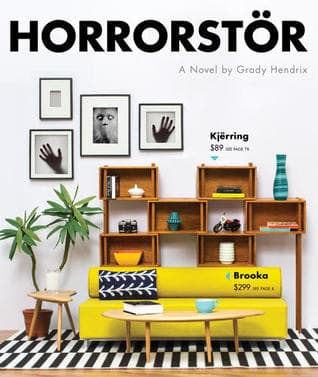
The book's design mimics an Orsk catalog, immersing the reader in the world.
Beyond the narrative, the physical book itself is a plot device. Designed to look like an Orsk catalog, complete with product descriptions, diagrams, and corporate memos, it immerses the reader directly into the story's world. This aesthetic choice blurs the line between fiction and reality, making the horror feel more tangible. The cheerful, bland corporate language of the 'catalog' juxtaposed with the unfolding terror creates a strong sense of uncanny valley, reinforcing the themes of corporate dehumanization and the insidious nature of consumerism, making the reader feel like an 'Orsk customer' experiencing the horror firsthand.
The 'Orsk' Acronym
The store's name hides a dark secret from its past.
The acronym 'Orsk' (Ohio Reformatory for Special Kindred) is a crucial reveal that links the present haunting to the site's brutal past. This device provides a concrete, historical explanation for the supernatural occurrences, grounding the fantasy elements in a tangible (albeit fictional) history. It elevates the haunting beyond generic ghost story tropes, giving it a specific, tragic context rooted in human cruelty and institutional abuse. The name itself becomes a symbol of the buried, unacknowledged suffering that continues to manifest.
Horrorstör Quotes
“Every time I go to work, I feel like I'm stepping into a giant coffin.”
“The only thing worse than working at Orsk is being trapped in Orsk after hours.”
“The furniture wasn't just furniture; it was a trap, a lure, a promise of a better life that never came.”
“It was the kind of smile that made you want to check your pockets.”
“Some things are better left unopened. Some doors, some boxes, some memories.”
“The store was alive, but not in a good way. It was a hungry, breathing thing.”
“You can always tell a lot about a person by what they're willing to sacrifice.”
“The perfect life, neatly packaged and ready for assembly. Just add despair.”
“Fear is a funny thing. It makes you do stupid things, but it also makes you very, very fast.”
“This wasn't just a job anymore. This was a nightmare with a price tag.”
“The past isn't dead. It's just waiting for someone to open the box.”
“Sometimes, the only way out is through the front door, even if it's locked.”
“We build our own cages, don't we? With all our stuff.”
“The only thing worse than being alone in the dark is knowing you're not.”
Quiz
10 questions on the plot and the characters. Each answer comes with a short explanation.
Question 1
What is the name of the furniture superstore where the strange events occur?
- IKEA
- Orsk
- Furnishburg
- HomeGoods
Show answer
B. Orsk The book explicitly names the furniture superstore as Orsk, a fictional store designed to resemble IKEA.
Question 2
Which city is the Orsk store located in?
- Seattle, Washington
- Cleveland, Ohio
- Portland, Oregon
- Austin, Texas
Show answer
B. Cleveland, Ohio The book's description clearly states the Orsk furniture superstore is in Cleveland, Ohio.
Question 3
What is Amy's main motivation for wanting to transfer out of the Orsk store?
- She wants a promotion to regional manager.
- She is trying to get a job at the Orsk in the mall.
- She wants to open her own furniture business.
- She is moving to a different state for personal reasons.
Show answer
B. She is trying to get a job at the Orsk in the mall. Amy's primary goal at the beginning of the story is to secure a transfer to the Orsk store located inside the mall, a position she views as an escape from her current predicament.
Question 4
What kind of objects are frequently found broken each morning at Orsk?
- Electronic devices and televisions
- Kjerring bookshelves, Glans water goblets, and Liripip wardrobes
- Food items and kitchen appliances
- Clothing and textile products
Show answer
B. Kjerring bookshelves, Glans water goblets, and Liripip wardrobes The book's synopsis specifically mentions 'broken Kjerring bookshelves, shattered Glans water goblets, and smashed Liripip wardrobes' as examples of the damage found.
Question 5
Who is the store manager who organizes the overnight stakeout?
- Basil
- Carl
- Gary
- Tim
Show answer
A. Basil Basil is the anxious store manager who initiates the overnight investigation to solve the mystery of the store's destruction.
Question 6
What is the primary supernatural phenomenon affecting the Orsk store?
- A poltergeist causing minor disturbances.
- The store itself is a prison for trapped souls, manifesting as consumer products.
- Aliens are using the store as a temporary base.
- Rival furniture companies are sabotaging Orsk.
Show answer
B. The store itself is a prison for trapped souls, manifesting as consumer products. The core horror of 'Horrorstör' is that the store is a sort of purgatory or prison, with the furniture items being manifestations of the trapped souls of inmates from a former asylum on the site.
Question 7
What is the significance of the 'product descriptions' and 'assembly instructions' interspersed throughout the book?
- They are purely decorative and add to the aesthetic.
- They subtly foreshadow plot events and reveal the true, sinister nature of the store's products.
- They are actual instructions for building furniture.
- They serve as a red herring to distract from the real mystery.
Show answer
B. They subtly foreshadow plot events and reveal the true, sinister nature of the store's products. The product descriptions and assembly instructions are a crucial part of the book's immersive design and narrative, often revealing disturbing details about the 'purpose' or 'fate' of the furniture and the souls trapped within them.
Question 8
Which character is initially skeptical of the supernatural explanations and tries to find logical reasons for the disturbances?
- Amy
- Basil
- Matt
- Ruth Anne
Show answer
A. Amy Amy, being practical and focused on her transfer, initially dismisses the strange occurrences as pranks or mundane explanations before the horror becomes undeniable.
Question 9
What historical establishment previously stood on the land where Orsk was built?
- A bustling marketplace
- A psychiatric asylum
- A military base
- An old factory
Show answer
B. A psychiatric asylum The Orsk store is built on the site of a former psychiatric asylum, and the tormented souls of its former inmates are the source of the supernatural activity.
Question 10
What is the ultimate fate of the characters who stay too long in the haunted Orsk store?
- They escape unharmed and the store is blessed.
- They become trapped within the store, their bodies transformed into new Orsk products.
- They are rescued by the police and the store is shut down permanently.
- They manage to exorcise the spirits and restore peace to the store.
Show answer
B. They become trapped within the store, their bodies transformed into new Orsk products. The most chilling horror of the book is that those who succumb to the store's influence are integrated into it, their bodies and souls becoming part of the 'furniture' for new 'customers' to experience.
Horrorstör FAQ
What is the central premise of 'Horrorstör'?
'Horrorstör' follows a group of Orsk furniture superstore employees in Cleveland, Ohio, who volunteer for an overnight shift to investigate strange vandalism occurring nightly. They soon discover that the store is haunted by malevolent entities and is a prison for the souls of its past inmates, transforming their mundane workplace into a terrifying ordeal.
Who are the main characters involved in the overnight investigation?
The primary characters are Amy, a disillusioned employee who initially just wants to get fired; Basil, the ambitious, by-the-book manager; and Ruth Anne, a veteran employee with a spiritual inclination. They are later joined by Matt and Trinity, two urban explorers who break into the store.
What is Orsk, and how does it relate to the horror elements?
Orsk is a fictional furniture superstore, clearly a parody of IKEA, known for its labyrinthine layout and Scandinavian-inspired product names. Its sterile, consumerist environment gradually transforms into a nightmarish prison, with its products and displays becoming instruments of torture and confinement for the trapped souls.
What kind of 'horrors' do the employees encounter during their shift?
They experience increasingly bizarre and violent phenomena, including mannequins coming to life, store sections transforming into prison cells and torture chambers, and ghostly figures of inmates and their cruel warden. The store itself becomes a living entity, actively trying to trap and torment them.
What is the true history of the Orsk location?
The Orsk store was built on the site of the Oakhurst Penitentiary, a brutal prison run by the sadistic Warden Blalock in the early 20th century. Blalock experimented on and tortured inmates, and their restless, tormented souls are now trapped within the superstore, seeking to reenact their suffering.
How do the Orsk products become tools of the supernatural entity?
The furniture items, like the Kjerring bookshelves or Liripip wardrobes, are twisted by the supernatural presence into instruments of torture and confinement, mirroring the prison's past. For example, display rooms become solitary confinement cells, and furniture pieces are used to restrain or harm the characters.
What is the significance of the 'Brimnes' product line mentioned in the book?
While not explicitly a product line in the real IKEA, the book uses similar-sounding names to evoke the mundane. The supernatural transformation often involves these innocuous items becoming sinister, highlighting the contrast between the everyday and the horrific. The 'Brimnes' in the real world is a bedroom furniture series, which fits the domestic horror theme.
What is the role of the 'Warden Blalock' character in the hauntings?
Warden Blalock is the primary antagonist, a spectral figure of the former Oakhurst Penitentiary's cruel warden. He orchestrates the torment within the store, seeking to continue his sadistic 'experiments' on the living and to keep the other inmate spirits trapped, extending his reign of terror.
How does Amy's character arc reflect themes of disillusionment and consumerism?
Amy begins as a cynical, unmotivated employee, utterly fed up with her dead-end job and the superficiality of consumer culture. Her journey through the haunted Orsk forces her to confront her apathy, find her voice, and ultimately fight for survival, transforming her from passive to proactive.
What psychological impact does the Orsk environment have on the characters?
The labyrinthine, ever-changing environment of Orsk, combined with the psychological torment inflicted by the spirits, breaks down the characters' sense of reality and self. It exploits their fears and insecurities, pushing them to their mental and physical limits, mimicking the 'rehabilitation' of the prison.
How does Basil's devotion to Orsk's corporate culture become a psychological vulnerability?
Basil's rigid adherence to Orsk's rules and corporate structure initially blinds him to the supernatural threats, making him dismissive of the strange occurrences. His identity is so tied to his manager role that he struggles to adapt, highlighting how corporate indoctrination can hinder critical thinking and self-preservation.
What does the book suggest about the dark side of consumer culture and corporate environments?
The book critiques the dehumanizing aspects of consumer culture and corporate environments, portraying Orsk as a sterile, soul-crushing place even before the haunting. The transformation into a prison suggests that such environments can be their own form of confinement and torture, trapping individuals in endless, meaningless cycles.
Is there a metaphorical interpretation of the Orsk store as a modern-day prison?
Yes, the book strongly suggests that the modern retail environment, with its repetitive tasks, low wages, and oppressive corporate culture, is a metaphorical prison for its employees. The supernatural elements simply make this underlying reality horrifyingly literal, turning the store into a physical and spiritual trap.
What is the significance of the book's unique physical design, mimicking an IKEA catalog?
The physical design is crucial to the book's immersive experience, blurring the line between fiction and reality. By presenting itself as an Orsk catalog, complete with product descriptions and illustrations, it enhances the satire of consumerism and makes the eventual descent into horror more jarring and effective.
How does 'Horrorstör' blend traditional haunted house tropes with contemporary satire?
'Horrorstör' masterfully takes classic haunted house elements—trapped spirits, malevolent entities, a building with a dark past—and transplants them into a thoroughly modern, mundane setting. This juxtaposition creates a unique horror experience, using the familiar sterility of a big-box store to amplify the terror and social commentary.
What is the ultimate fate of Amy and the other survivors?
Amy, along with Basil and Ruth Anne, manage to escape the Orsk store, though deeply traumatized by their experience. Matt and Trinity, the urban explorers, do not survive. The ending leaves Amy with a changed perspective, hinting at her newfound agency and resilience after surviving the ordeal.
Does the book offer any hope for the trapped souls of Oakhurst Penitentiary?
While the book focuses more on the living characters' struggle for survival, there's an implication that by confronting Warden Blalock, Amy and her companions might have disrupted his hold, potentially offering some measure of peace or release for the tormented inmate spirits, though it's not explicitly stated.
About the author

Grady Hendrix is an American author known for his unique blend of horror and humor in fiction. His notable work, "Horrorstör," is a satirical take on the retail experience, set in a haunted furniture store. Hendrix's writing often explores themes of nostalgia and the macabre, appealing to fans of both horror and contemporary fiction.
Similar books
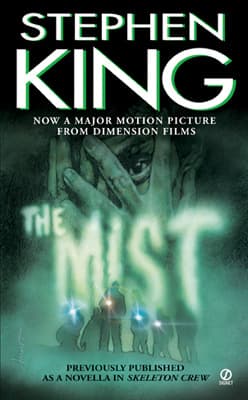
- The Mist
Stephen King
4.0 (113k) average on GoodreadsThrillerThe Mist features a contained group facing an external, cosmic horror and explores human paranoia under duress. Horrorstör's horror is more intrinsically linked to the environment and the characters' socio-economic realities, offering a distinct blend of satire and supernatural dread within a corporate setting, rather than an external, monstrous threat.
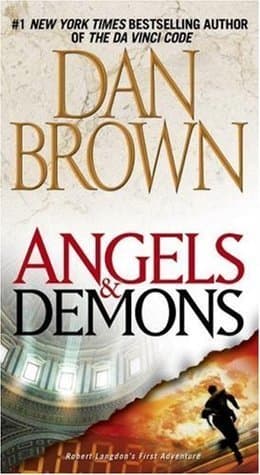
- Angels & Demons
Dan Brown
3.9 (2.7M) average on GoodreadsThrillerA Harvard symbologist races through Rome's ancient sites, deciphering cryptic clues to unmask the Illuminati and stop a vengeful plot to destroy the Vatican with a stolen antimatter weapon.
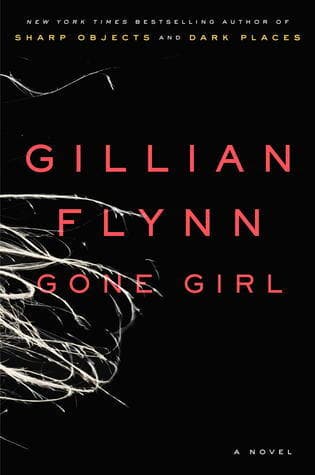
- Gone Girl
Gillian Flynn
4.1 (2.3M) average on GoodreadsThrillerA wife's sudden disappearance on her fifth anniversary reveals a web of lies and psychological warfare, exposing the secrets within a seemingly perfect marriage.
- The Girl on the Train
Paula Hawkins
3.9 (2.1M) average on GoodreadsThrillerA woman’s fascination with a seemingly perfect couple she watches from her daily train commute leads her into a dark investigation when she witnesses something that shatters their idyllic image.
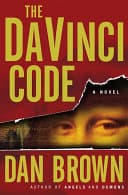
- The Da Vinci Code
Dan Brown
3.9 (1.9M) average on GoodreadsThrillerA symbologist and a cryptologist race through European landmarks, deciphering ancient codes and uncovering a conspiracy that could rewrite the foundations of Christianity.
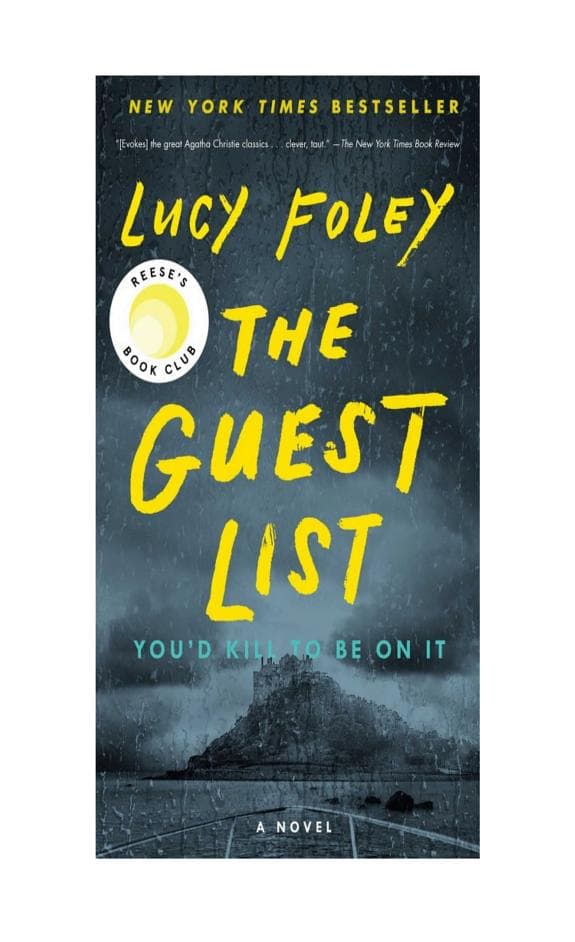
- The Guest List
Lucy Foley
3.8 (1.3M) average on GoodreadsThrillerOn a remote Irish island, a glamorous wedding descends into a deadly whodunnit when a guest is found murdered, trapping everyone with their secrets as a storm rages.

Enjoyed the summary?
A summary gives you the shape of the book. The book itself has the detail, the examples and the voice.
Find Horrorstör on AmazonAs an Amazon Associate, BookBrief earns from qualifying purchases. How we're funded