
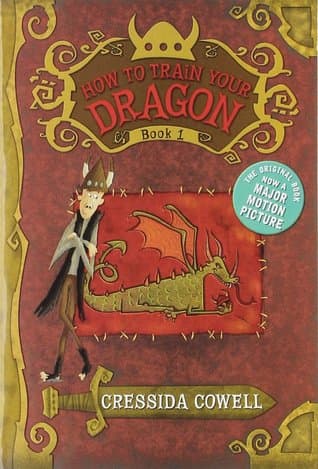
Synopsis
Covers the whole plot, including the ending.
- Difficulty
- Easy
- Pacing
- Moderate
- Mood
- Humorous, Adventurous, Heartwarming, Whimsical
- Read it if
- You enjoy humorous, adventurous tales about underdogs, unique friendships, and finding strength in unconventional ways. Great for young readers who love dragons and Viking lore.
- Skip it if
- You prefer serious, high-fantasy epics with complex world-building and dark themes.
How to Train Your Dragon Plot Summary
Covers the whole plot, including the ending.
The Perilous Dragon Initiation
Hiccup Horrendous Haddock III, a small and not very heroic Viking boy, lives on the Isle of Berk with the Hairy Hooligan tribe. He is the son of Stoick the Vast, the Chief, and feels pressure to meet Viking expectations. The story starts with the yearly Dragon Initiation Test, a passage for young Vikings. Hiccup, along with stronger peers like Snotlout and Fishlegs, must go into the Dragon Nursery Caves in winter to take a baby dragon from its sleeping parents. Hiccup is scared, knowing failure means exile or being eaten. He struggles to find a dragon and ends up with a small, common garden dragon he names Toothless, who causes more trouble than he expected.
Toothless's Unruly Nature
After getting the dragon, Hiccup brings Toothless back to the village. Unlike the other boys whose dragons are fierce but somewhat obedient, Toothless is tiny, has no teeth (at first), and does not obey. He bites, scratches, and ignores commands. Hiccup tries traditional Viking training, yelling and showing dominance, but Toothless is not impressed and stays rebellious. This makes Hiccup more of a joke among his peers, especially Snotlout. Hiccup feels hopeless, sure he will fail the Dragon Training Programme and shame his father and the Hooligan tribe. His attempts to talk to Toothless are met with scorn.
The Dragon Training Programme Begins
The Dragon Training Programme starts, led by Gobber the Belch, the tribe's gruff, one-armed blacksmith and trainer. The goal is to teach the boys to control their new dragons for hunting and fighting. Gobber shows different methods, focusing on shouting and scaring. While the other boys, especially Snotlout, make some progress with their bigger, more aggressive dragons, Hiccup and Toothless are a mess. Toothless refuses to fly, obey, or see Hiccup as his master, making Hiccup the target of Gobber's frustration and the other boys' teasing. Hiccup's attempts to reason with Toothless or use gentler methods are seen as weakness.
Hiccup's Unconventional Approach
Facing constant failure and jokes, Hiccup decides to stop using the traditional, aggressive Viking training. He starts watching Toothless closely, trying to understand his dragon's behavior. He realizes Toothless is not just disobedient but has his own personality and wants. Hiccup starts talking to Toothless, trying to persuade him instead of ordering him. He finds that Toothless is very lazy and likes to be sung to sleep. This different approach slowly starts to show small, barely noticeable results, surprising Hiccup quietly and continuing to be disbelieved by everyone else.
A Breakthrough in Communication
One day, while trying to understand Toothless's grunts and growls, Hiccup realizes something: dragons have their own language, 'Dragonese.' He starts copying the sounds, and to his surprise, Toothless responds. This changes their relationship. Hiccup learns Dragonese, spending hours talking to Toothless and figuring out his moods and wants. This secret language lets Hiccup finally talk to his dragon, understanding why Toothless acts the way he does and how to get him to do things. He learns that Toothless is quite smart, though very lazy and dramatic.
The First Flying Lesson
With his new understanding of Dragonese, Hiccup tries to teach Toothless to fly. After many funny and bad attempts, with Toothless pretending to be hurt and not cooperating, Hiccup finally gets him in the air. Their first flight is awkward and uncontrolled, with Hiccup holding on tight, but it is a big success. This shared experience makes their bond stronger. Hiccup sees Toothless can do great things, even if he needs a lot of encouragement. But Hiccup keeps his ability to speak Dragonese and his training methods a secret from the other Vikings, fearing their teasing or misunderstanding.
The Final Test: Fishing for Food
The final test of the Dragon Training Programme is a dangerous fishing trip. The boys must use their dragons to catch fish from the rough ocean. Failure means exile. The other boys struggle to control their dragons in the rough seas and with aggressive sea creatures. Hiccup, however, uses his Dragonese to guide Toothless. Despite his usual laziness, Toothless proves good at fishing when motivated. During the test, a huge sea dragon, a Green Death, attacks, causing chaos. Hiccup, using his bond and communication with Toothless, handles the danger and even helps others, accidentally showing his unusual relationship with his dragon.
The Green Death Threatens Berk
After the fishing test, a giant Green Death dragon comes from the ocean, threatening the Hooligan tribe and their village. This huge dragon is terrifying, much bigger and more dangerous than any dragon the Vikings have seen. The Hooligan warriors, led by Stoick, get ready to fight, but their efforts seem useless against such a monster. The young boys' dragons, including Snotlout's and Fishlegs's, are frozen with fear, refusing to obey or fight. Even Toothless, despite his new bond with Hiccup, is at first too scared to move, showing the Green Death's great power.
Hiccup's Heroic Stand
As the Green Death causes destruction, Hiccup, seeing his tribe in danger, knows he must act. He uses his Dragonese to encourage Toothless, reminding him of their bond and the danger. Inspired by Hiccup's courage and communication, the other boys' dragons, at first scared, also start to move. Hiccup, leading on Toothless, tells the other boys and their dragons to work together. Despite their small size, the young dragons, guided by Hiccup's commands in Dragonese, attack together, distracting and bothering the giant Green Death. This combined effort, led by Hiccup, changes the battle.
The Defeat of the Green Death
Hiccup, using what he knows about dragon behavior and Toothless's surprising quickness, makes a bold plan to defeat the Green Death. He realizes the monster's weakness is its size and slowness. Working with Toothless and the other boys' dragons, Hiccup manages to get the Green Death into a weak spot. With cleverness, bravery, and Toothless's unexpected fierceness when truly motivated, they hit a critical blow. The Green Death is defeated, saving the Hooligan tribe. Hiccup, once the tribe's biggest disappointment, becomes an unexpected hero, finally earning his father's and peers' respect.
A Hero's Welcome and New Understanding
After the battle, Hiccup is called a hero. Stoick the Vast, very proud and relieved, finally sees his son's true worth, acknowledging his intelligence and unique abilities. The other Vikings, seeing Hiccup's special bond with Toothless and his ability to command other dragons, start to see dragons differently. The defeat of the Green Death, done by a boy and his 'useless' dragon, makes the Hooligans rethink their old, aggressive ways of dealing with dragons. Hiccup, the Dragon Whisperer, saved his tribe and opened the way for a new time of understanding and living together between Vikings and dragons, changing Berk's future forever.
Principal Figures
Hiccup Horrendous Haddock III
Protagonist
The scrawny, intelligent, and unconventional son of the Hooligan Chief, destined to be a Dragon Whisperer.
Hiccup is a small, thoughtful, and generally unheroic Viking boy, constantly overshadowed by his powerful father, Stoick the Vast, and the expectations of his tribe. He is not strong or brave in the traditional Viking sense, often preferring to use his brain over brawn. He feels like an outcast and a disappointment, particularly when it comes to the Dragon Initiation Test. His true strength lies in his empathy, observation skills, and willingness to think outside the box, which allows him to learn 'Dragonese' and form an unparalleled bond with Toothless. He is driven by a desire to prove himself and avoid shame, but ultimately his compassion leads him to heroism.
Relationships: Stoick the Vast (Father; initially disappointed, later proud and admiring); Toothless (Dragon companion; initially rebellious, later fiercely loyal and bonded); Gobber the Belch (Mentor/trainer; initially exasperated, later impressed); Snotlout (Rival/bully; initially mocking, later grudgingly respectful)
Toothless
Supporting
Hiccup's small, lazy, but ultimately loyal and intelligent Common or Garden Dragon.
Toothless is a small, green Common or Garden Dragon, initially appearing unimpressive and toothless (though his teeth eventually grow back). He is incredibly lazy, disobedient, and prone to dramatics, often feigning injury or refusing to cooperate with Hiccup. He loves to eat and sleep. However, beneath his mischievous exterior, Toothless is intelligent and capable of great loyalty and bravery when motivated and properly understood. He responds to Hiccup's unique, gentle approach and Dragonese, forming an unbreakable bond that allows him to perform extraordinary feats.
Relationships: Hiccup Horrendous Haddock III (Human companion; initially disdainful, later fiercely loyal and bonded)
Stoick the Vast
Supporting
The imposing Chief of the Hairy Hooligan tribe and Hiccup's traditional, often exasperated father.
Stoick is a large, powerful, and traditional Viking Chief, deeply proud of his tribe and their warrior heritage. He embodies the typical Viking values of strength, bravery, and dragon-slaying. He loves Hiccup but is constantly frustrated and disappointed by his son's scrawny physique and un-Viking-like nature, fearing Hiccup will never be a worthy successor. He often expresses his love through gruff commands and expectations, struggling to understand Hiccup's unconventional ways. His primary concern is the safety and honor of his tribe.
Relationships: Hiccup Horrendous Haddock III (Son; initially disappointed, later proud and admiring); Gobber the Belch (Friend and trusted advisor)
Gobber the Belch
Supporting
The gruff, one-armed, one-legged blacksmith and Dragon Training instructor.
Gobber is a seasoned Viking warrior and the Hooligan tribe's blacksmith and Dragon Training instructor. He is a practical, no-nonsense mentor with a dry wit and a pragmatic approach to life. He has lost several limbs to dragons, making him an authority on their dangers. While he often chastises Hiccup for his incompetence and lack of traditional Viking spirit, he also harbors a grudging affection for the boy and sometimes offers him unconventional advice. He represents the traditional Viking way of life but is open-minded enough to witness Hiccup's eventual success.
Relationships: Hiccup Horrendous Haddock III (Student/mentee; often exasperated by Hiccup, but eventually impressed); Stoick the Vast (Friend and trusted advisor)
Snotlout
Supporting
Hiccup's aggressive, arrogant cousin and primary rival during dragon training.
Snotlout is a boisterous, arrogant, and physically imposing young Viking, often bullying Hiccup and boasting about his own prowess. He embodies the traditional Viking ideals of strength and aggression, making him a foil to Hiccup's more thoughtful nature. He is competitive and eager to prove himself, often at Hiccup's expense. His dragon, a Monstrous Nightmare, is as aggressive as he is, and he struggles with controlling it through sheer force.
Relationships: Hiccup Horrendous Haddock III (Cousin and rival; initially mocking, later grudgingly respectful); Fishlegs (Fellow initiate, often a target of his bullying)
Fishlegs
Supporting
One of Hiccup's fellow initiates, known for his large size and timid nature.
Fishlegs is a large, clumsy, and somewhat timid Viking boy, often the target of Snotlout's bullying. Despite his size, he lacks confidence and is easily frightened, especially by dragons. He is generally more good-natured than Snotlout but still adheres to the traditional Viking fear and aggression towards dragons. His dragon, a Gronckle, is equally timid and clumsy, mirroring his owner's personality. He struggles through the Dragon Training Programme, often relying on brute force rather than understanding.
Relationships: Hiccup Horrendous Haddock III (Fellow initiate and friend, though not as close as Toothless); Snotlout (Fellow initiate, often bullied by Snotlout)
The Green Death
Antagonist
A colossal, ancient sea dragon that poses an existential threat to the Hooligan tribe.
The Green Death is a monstrous, ancient sea dragon of immense size and terrifying power, serving as the primary antagonist of the story. It is a force of nature, driven by instinct and hunger, capable of destroying entire villages. Its appearance strikes fear into the hearts of all Vikings and even other dragons. It represents the ultimate challenge for Hiccup and the Hooligan tribe, requiring not just strength but intelligence and unity to defeat.
Relationships: Hiccup Horrendous Haddock III (Mortal enemy, later defeated by Hiccup and Toothless)
Themes & Insights
Identity and Self-Acceptance
Hiccup struggles with being a Viking, feeling not good enough compared to his father and friends. He is not strong or aggressive, making him think he is a failure. But his journey shows that his intelligence, understanding, and ability to talk to dragons are his real strengths. By accepting his unique traits and finding a different way to be a hero, Hiccup earns respect and creates his own kind of Viking heroism. This idea helps Hiccup overcome his inner struggles and prove his worth.
“'I was a Viking, and Vikings were supposed to be big and strong and brave. I was none of those things.”
Communication and Understanding
Hiccup's success comes from his ability to talk to dragons, especially by learning 'Dragonese.' Other Vikings use force, but Hiccup tries to understand Toothless's reasons, fears, and personality. This creates a special bond and cooperation, not just obedience. This idea shows how understanding and mutual respect are powerful, suggesting that even between different species, talking can close gaps and build strong friendships. His success with Toothless eventually teaches the whole tribe a new way to interact with dragons.
“'It was a language, a complicated, difficult, beautiful language.”
Challenging Tradition and Finding New Ways
The Hooligan tribe follows strict, old Viking values, especially about dragons, which they see as enemies to be beaten or killed. Hiccup often goes against these traditions by choosing a small, 'useless' dragon and, more importantly, by trying to train it with understanding instead of aggression. His new approach, at first laughed at, eventually saves the tribe from the Green Death and makes them rethink their old beliefs. This idea shows how important it is to be flexible and brave enough to try new ways, even when society strongly resists.
“'But there was another way... if only I could find it.”
Courage and True Heroism
The book looks at what it means to be a hero. Vikings value physical strength and bravery in battle, but Hiccup shows a different kind of courage: the courage to be different, to stand up for what he believes, and to face big problems with intelligence rather than brute force. His final heroic act against the Green Death comes not from traditional Viking aggression but from his unique bond with Toothless and his smart thinking. This idea redefines heroism, showing it can come in unexpected forms and from unexpected people.
“'Being a hero wasn't about being big and strong, it was about being brave enough to do what was right.”
Plot Devices & Literary Techniques
The Dragon Initiation Test
A perilous rite of passage that drives the initial conflict and character development.
This is a crucial plot device that establishes the central conflict and sets Hiccup's journey in motion. It forces Hiccup, along with his peers, into the dangerous Dragon Nursery Caves to capture a baby dragon, a traditional Viking rite of passage. This test immediately highlights Hiccup's unheroic nature and his struggle to conform to Viking expectations. It also provides the catalyst for him acquiring Toothless, the 'useless' dragon that eventually becomes his greatest asset. The test creates immediate stakes and pressure for Hiccup to prove himself.
Dragonese (Dragon Language)
A secret language that enables Hiccup's unique bond with dragons and drives the plot.
The discovery and mastery of 'Dragonese' is a pivotal plot device. It is Hiccup's unique ability, setting him apart from all other Vikings. This secret language allows him to truly communicate with Toothless, understanding his dragon's thoughts and feelings, rather than just issuing commands. This device is essential for the development of their bond, Toothless's eventual cooperation, and Hiccup's ability to rally other dragons against the Green Death. It symbolizes Hiccup's empathetic and intelligent approach, contrasting with the Vikings' traditional, aggressive methods.
Toothless's 'Uselessness'
A character trait that serves as a foil to traditional Viking expectations and emphasizes Hiccup's unique methods.
Toothless's initial small size, laziness, and apparent lack of teeth (and therefore 'uselessness' in a Viking context) serve as a significant plot device. This perceived flaw is what makes Hiccup's choice of Toothless so ridiculed and challenging. It forces Hiccup to abandon traditional, aggressive training methods and instead develop an empathetic, communication-based approach. This device highlights the theme of challenging tradition and demonstrates that true value and heroism can be found in unexpected places, ultimately proving that Toothless is far from useless.
The Green Death
A monstrous external threat that forces unity and reveals Hiccup's heroism.
The Green Death is the ultimate external antagonist and a powerful plot device. Its sudden appearance and overwhelming destructive power create a dire, existential threat to the Hooligan tribe, forcing all characters to confront their fears. This common enemy serves to unite the young dragon trainers and, crucially, provides the stage for Hiccup to demonstrate his true leadership and unique abilities. The defeat of the Green Death is the climax of the story, solidifying Hiccup's status as a hero and catalyzing a shift in the Vikings' perspective on dragons.
How to Train Your Dragon Quotes
“This is a story about a boy who was a hero, but he didn't know it yet.”
“A Hero is not born, he is made. And he is made just like anything else, through hard work.”
“The thing about dragons is that they are not what you think they are.”
“Sometimes the smallest things take up the most room in your heart.”
“It is not the size of the dragon in the fight, it is the size of the fight in the dragon.”
“A Viking is not a Viking without a dragon.”
“The only way to train a dragon is to understand it.”
“You have to be brave enough to be different.”
“Dragons are not pets, they are partners.”
“The greatest weapon a Viking has is his brain.”
“Fear is a natural thing, but letting it control you is a choice.”
“A true leader inspires others to be better.”
“Sometimes the right path is not the easiest one.”
“Dragons and Vikings can live in peace, if we choose to understand each other.”
Quiz
10 questions on the plot and the characters. Each answer comes with a short explanation.
Question 1
What is the name of Hiccup's dragon that he captures and trains?
- Stormfly
- Toothless
- Hookfang
- Cloudjumper
Show answer
B. Toothless In the book, Hiccup captures a small, common or garden dragon that he names Toothless, who becomes his loyal companion despite initially being difficult to train.
Question 2
What is the name of Hiccup's father, who is the Chief of the Hairy Hooligans?
- Stoick the Vast
- Gobber the Belch
- Snotlout
- Fishlegs
Show answer
A. Stoick the Vast Stoick the Vast is Hiccup's father and the formidable chief of the Hairy Hooligan tribe, who initially doubts Hiccup's abilities as a Viking.
Question 3
What is the main challenge Hiccup and the other boys must complete to become full members of the tribe?
- Defeat a sea monster
- Capture and train a dragon
- Win a wrestling match
- Build a longship
Show answer
B. Capture and train a dragon The initiation rite for young Vikings on the Isle of Berk involves capturing a dragon from the Dragon Nursery and training it, which Hiccup struggles with due to his unconventional methods.
Question 4
Why is Hiccup initially considered an unlikely hero by the other Vikings?
- He is physically weak and small
- He is quiet, thoughtful, and not traditionally fierce
- He refuses to fight dragons
- He is afraid of the ocean
Show answer
B. He is quiet, thoughtful, and not traditionally fierce Hiccup is portrayed as a quiet, intellectual boy who uses wit and empathy rather than brute strength, contrasting with the typical Viking ideals of fierceness and aggression.
Question 5
What unique method does Hiccup use to train Toothless that differs from traditional Viking dragon-training?
- He uses threats and intimidation
- He relies on patience, observation, and kindness
- He chains the dragon up to control it
- He forces the dragon to obey through pain
Show answer
B. He relies on patience, observation, and kindness Hiccup observes Toothless's behavior and uses gentle, understanding techniques rather than force, which ultimately proves more effective and forms a bond of trust.
Question 6
What is the name of the dragon species that Toothless belongs to?
- Monstrous Nightmare
- Common or Garden Dragon
- Gronckle
- Deadly Nadder
Show answer
B. Common or Garden Dragon Toothless is a Common or Garden Dragon, which is considered small and unimpressive compared to more fearsome species, but Hiccup's training makes him exceptional.
Question 7
How does Hiccup ultimately prove himself as a hero to the tribe?
- By winning a dragon-fighting tournament
- By using his wits and dragon-training skills to save the tribe from a threat
- By discovering a treasure hoard
- By defeating his father in combat
Show answer
B. By using his wits and dragon-training skills to save the tribe from a threat Hiccup's intelligence and unique approach to dragon training allow him to resolve a crisis, demonstrating that heroism can come from cleverness rather than sheer strength.
Question 8
What key theme in the book is highlighted by Hiccup's journey from an outcast to a respected hero?
- The importance of conformity to societal norms
- The value of individuality and using one's unique strengths
- The necessity of violence in achieving goals
- The superiority of traditional methods over innovation
Show answer
B. The value of individuality and using one's unique strengths Hiccup's story emphasizes that being different and using one's own talents, such as empathy and intelligence, can lead to success, challenging the tribe's conventional views.
Question 9
In the book, what is the Dragon Nursery, and why is it significant?
- A school for young dragons run by Vikings
- A hidden cave where dragons lay their eggs and raise their young
- A training ground for Viking warriors to practice dragon fighting
- A market where dragons are bought and sold
Show answer
B. A hidden cave where dragons lay their eggs and raise their young The Dragon Nursery is a secret location where dragons breed, and it is where Hiccup and the other boys must go to capture their dragons for the initiation test.
Question 10
How does Hiccup's relationship with Toothless evolve throughout the book, and what does it symbolize?
- It remains adversarial, symbolizing the constant struggle between Vikings and dragons
- It transforms from master-slave to mutual respect and friendship, symbolizing understanding over domination
- It becomes purely utilitarian, with Toothless as a tool for Hiccup's success
- It deteriorates as Toothless grows more rebellious, showing the failure of Hiccup's methods
Show answer
B. It transforms from master-slave to mutual respect and friendship, symbolizing understanding over domination Hiccup and Toothless develop a deep bond based on trust and cooperation, illustrating the book's message that empathy and communication can bridge differences between species.
How to Train Your Dragon FAQ
What is 'How to Train Your Dragon' about?
The book follows Hiccup Horrendous Haddock III, a small, unassuming Viking boy who must capture and train a dragon to prove himself as a warrior in his tribe, the Hairy Hooligans. Through cleverness and empathy rather than brute force, Hiccup befriends a small, toothless dragon named Toothless and discovers a revolutionary method of dragon training that challenges Viking traditions.
Why should I read 'How to Train Your Dragon'?
It's a heartwarming underdog story that celebrates intelligence, kindness, and non-conformity over traditional strength and aggression. The book combines humor, adventure, and emotional depth as Hiccup's journey shows that heroes come in unexpected forms, making it inspiring for both children and adults.
What is the background/setting of 'How to Train Your Dragon'?
Set in the fictional Viking archipelago of Berk during the early Viking Age, the story takes place in a world where dragons are common pests that Vikings traditionally hunt and fight. The Hairy Hooligans tribe values physical prowess and dragon-slaying, creating a harsh environment for the thoughtful Hiccup.
What are the most memorable quotes?
Key quotes include Hiccup's realization, 'A dragon is not a slave,' emphasizing his empathetic approach, and Stoick the Vast's traditional Viking wisdom, 'A Viking is a warrior, not a whisperer.' These lines highlight the central conflict between old ways and new understanding.
What writing style does the author use?
Cressida Cowell employs a humorous, conversational first-person narrative with Hiccup as the narrator, filled with witty asides, exaggerated Viking lore, and playful illustrations. The style blends adventure with self-deprecating humor, making it accessible and engaging for young readers.
What minor details add significant meaning?
Toothless being a small, seemingly useless dragon mirrors Hiccup's own underestimated status, symbolizing that value isn't determined by size or strength. The dragon's toothlessness, initially a flaw, becomes key to their bond as Hiccup crafts false teeth for him, showing ingenuity over brute force.
What are some subtle foreshadowing moments?
Early scenes where Hiccup observes dragon behavior and questions violent methods foreshadow his eventual breakthrough in dragon training. His quiet nature and interest in dragon language hint at his future role as the 'Dragon Whisperer,' contrasting with the tribe's expectation of warriors.
What unexpected character connections exist?
Hiccup's bond with Toothless deepens when he discovers the dragon can understand human speech, forming a telepathic-like connection that defies Viking beliefs. This connection subtly parallels Hiccup's strained relationship with his father, Stoick, as both learn to see beyond surface appearances.
What are unspoken character motivations?
Hiccup's desire to prove himself stems not from a wish for glory, but from a deep need for acceptance from his father and tribe. Stoick's harshness hides a fear that his son won't survive in their dangerous world, motivating his push for traditional warrior training.
What psychological complexities do characters exhibit?
Hiccup grapples with self-doubt and intelligence in a culture that values physical strength, showing resilience through empathy. Toothless displays dragon instincts for survival yet develops loyalty and affection, challenging the notion that dragons are mere beasts.
What are the major emotional turning points?
Key moments include Hiccup's first successful communication with Toothless, which builds his confidence, and the climax where he saves the tribe using dragon training instead of violence, earning reluctant respect. His father's eventual acknowledgment marks a pivotal shift in their relationship.
How do relationship dynamics evolve?
Hiccup and Toothless grow from captor and captive to inseparable friends, based on mutual trust. Hiccup's relationship with Stoick shifts from disappointment to grudging admiration as Stoick recognizes his son's unique strengths, softening the father-son dynamic.
Which parts remain ambiguous or open-ended?
The exact nature of the dragon-human telepathic connection is left mystical rather than explained, allowing readers to interpret it as empathy or magic. The long-term impact of Hiccup's methods on Viking society is hinted at but not fully resolved, setting up for sequels.
What are controversial scenes or decisions?
Hiccup's choice to befriend rather than dominate dragons challenges Viking ethics, sparking debate about whether his approach is naive or revolutionary. Some readers might question the risk he takes in trusting Toothless, given the dragons' history of violence.
'How to Train Your Dragon' ending explained: how it ends & what it means
The book ends with Hiccup successfully training Toothless and using dragon knowledge to save his tribe, proving that brains can triumph over brawn. This signifies a shift toward valuing empathy and intelligence in Viking culture, positioning Hiccup as an unconventional hero who redefines what it means to be a warrior.
About the author

Cressida Cowell is the bestselling author and illustrator of the "How to Train Your Dragon" series, which inspired a major film franchise. She also penned the "Emily Brown" books. Cowell's imaginative storytelling and engaging illustrations have earned her global recognition, captivating young readers with tales of adventure and bravery.
Similar books
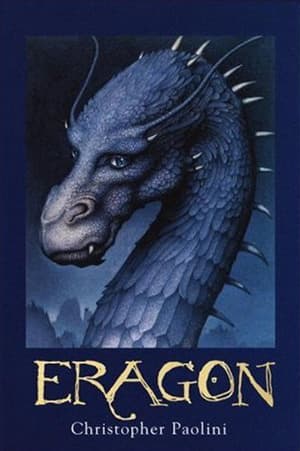
- Eragon
Christopher Paolini
3.9 (1.4M) average on GoodreadsFantasyFeatures a strong bond between a boy and his dragon, with themes of destiny and heroism.
- The Hobbit, or There and Back Again
J.R.R. Tolkien
4.3 (2.9M) average on GoodreadsFantasyA reluctant hero embarks on an unexpected adventure, facing mythical creatures and growing into his own.
- A Wizard of Earthsea
Ursula K. Le Guin
4.0 (241k) average on GoodreadsFantasyExplores themes of coming-of-age, identity, and the balance of power in a magical world, though more serious in tone.
- Harry Potter and the Sorcerer's Stone
J.K. Rowling
4.5 (7M) average on GoodreadsFantasyBoth 'How to Train Your Dragon' and 'Harry Potter' are seminal works in children's fantasy, exploring themes of friendship, courage, and finding one's place. However, they diverge significantly in their magic systems and world-building. Rowling's Wizarding World is a hidden, intricate society coexisting with our own, with a highly developed magic system and a clear good-vs-evil narrative. Cowell's world is a more rugged, ancient setting where magic is less about spells and more about the inherent, often misunderstood, nature of creatures (dragons). While Harry's heroism often involves mastering spells and facing a dark lord, Hiccup's heroism is rooted in empathy, invention, and bridging divides between species, offering a different model of courage.
- The Hunger Games
Suzanne Collins
4.3 (6.4M) average on GoodreadsFantasyIn a future where children fight to the death on live television, Katniss Everdeen volunteers for the arena, turning a death sentence into a fight for survival and a spark of rebellion.
- 1984
George Orwell
4.2 (3.1M) average on GoodreadsPoliticsIn a future where surveillance and thought control are absolute, a man's search for truth clashes with the Party, showing that hope can be a form of rebellion.





Enjoyed the summary?
A summary gives you the shape of the book. The book itself has the detail, the examples and the voice.
Find How to Train Your Dragon on AmazonAs an Amazon Associate, BookBrief earns from qualifying purchases. How we're funded