

Synopsis
Covers the whole plot, including the ending.
- Difficulty
- Easy
- Pacing
- Moderate
- Mood
- Heartwarming, Emotional, Hopeful, Challenging
- Read it if
- You enjoy heartwarming stories about overcoming communication barriers, unique friendships, and the bond between humans and animals.
- Skip it if
- You prefer fast-paced action or stories without emotional goodbyes.
Hurt Go Happy Plot Summary
Covers the whole plot, including the ending.
A World of Silence and Lip-Reading
Thirteen-year-old Joey Willis lives in silence. She lost her hearing at age six due to illness and relies solely on lip-reading, a skill her mother demands, forbidding any use of sign language. This makes communication incredibly difficult, leading to misunderstandings, isolation, and loneliness. Joey often misses parts of conversations with her mother, her older brother, Alex, and her few classmates. Her days are spent trying to decipher moving lips, and frequent failures leave her feeling out of sync with the world. She wants to connect and understand, but her mother's strict rule about sign language keeps her trapped.
The Mysterious New Neighbor and a Baby Chimp
One day, a new neighbor moves in: Dr. Charles Mansell, a primatologist. Joey, observant due to her reliance on sight, notices something special. Dr. Mansell communicates with his baby chimpanzee, Sukari, using hand gestures. Interested and secretly hopeful, Joey starts watching them from her window, fascinated by the clear movements. She recognizes some gestures from a book she once saw about sign language. This discovery sparks her curiosity and a forbidden desire, as she realizes there is another way to communicate, one that does not depend on fleeting, often unclear lip movements.
A Secret Language Learned
Driven by a strong desire to understand, Joey secretly begins learning American Sign Language (ASL) by watching Charlie and Sukari. She carefully observes their interactions, mimicking the signs in private. Charlie, noticing Joey's quiet interest, eventually invites her to spend time with them. He patiently teaches her more signs. With Sukari as her eager conversational partner, Joey's signing skills grow. For the first time, Joey experiences clear, unambiguous communication. This new ability opens up her world, allowing her to express herself and understand others in a way she never thought possible, bringing immense joy and a sense of belonging.
Friendship Blooms and School Acceptance
The confidence Joey gains from learning sign language and her time with Charlie and Sukari affects other parts of her life. No longer constantly struggling to lip-read, she feels more secure and less anxious. This new ease allows her to connect with her peers at school for the first time. She even starts a friendship with Sarah, a popular girl, who is initially drawn to Joey's unique connection with Sukari. Joey's world expands beyond her solitary life, as she experiences teenage friendships and the joy of being understood by others, even if they do not share her language.
The Mother's Unyielding Stance
Despite Joey's growing happiness and improved social life, her mother remains against sign language. She believes signing would make Joey 'different' and hinder her integration into the hearing world, insisting that lip-reading is the only acceptable method. This creates an emotional barrier between Joey and her mother. Joey must keep her ASL learning a secret, fearing her mother's disapproval and anger. The joy Joey finds in signing is constantly overshadowed by the guilt of deceiving her mother. The conflict highlights her mother's misunderstanding and lack of empathy regarding Joey's needs as a deaf individual.
Sukari's Growing Needs and Charlie's Dilemma
As Sukari grows older, her chimpanzee instincts and strength become more noticeable and harder for Charlie to manage in a home. Her playful nips become stronger, and her wild nature is clear. Charlie, despite his deep affection for Sukari, realizes that keeping her as a pet is no longer sustainable or ethical for her well-being. He is a primatologist, and his goal was to study language acquisition, but housing a maturing chimp becomes a heavy burden. This development adds tension to the story, threatening the peaceful world Joey has found with Charlie and Sukari.
The Threat of Separation
Charlie's dilemma deepens as he considers Sukari's future. He knows she needs an environment where she can thrive as a chimpanzee, not as a human substitute. He begins researching sanctuaries and zoos, a decision that fills Joey with dread. The thought of losing Sukari, her first true communication partner and friend, is unbearable. Joey overhears parts of Charlie's phone calls and sees his growing distress, realizing the imminent threat to their unique bond. This upcoming separation casts a dark shadow over Joey's new happiness, forcing her to confront the impermanence of her cherished friendships.
A Mother's Discovery and Confrontation
The inevitable happens: Joey's mother discovers her using sign language. The confrontation is explosive, fueled by her mother's long-held fears and Joey's defiant claim of her right to communicate. Her mother feels betrayed and angry, seeing Joey's signing as an act of rebellion and a rejection of her efforts to integrate Joey into the hearing world. Joey, however, is equally determined, standing firm in her desire for self-expression and connection. This argument marks a turning point in their relationship, forcing both of them to confront the deep issues surrounding Joey's deafness and her mother's control.
Sukari's Fate Hangs in the Balance
Charlie, facing financial difficulties and limited options, makes the difficult decision to send Sukari to a primate research facility instead of a more ideal sanctuary. This decision is heartbreaking for him and devastating for Joey. The facility, while meeting Sukari's physical needs, is not the natural, enriching environment they all hoped for. Joey feels a deep sense of loss and injustice, understanding that Sukari's fate is decided by human choices, much like her own communication struggles. This event shows the bittersweet nature of life and the difficult compromises sometimes required, especially when dealing with the welfare of animals.
A Farewell and a New Beginning
The day comes for Sukari to leave. It is a tearful farewell for Joey, who communicates her love and sorrow through signs. This emotional moment, however, helps her mother understand. Witnessing Joey's profound grief and the depth of her connection with Sukari through sign language, her mother finally begins to grasp the true impact of her previous restrictions. While the loss of Sukari is painful, it leads to a more open and accepting relationship between Joey and her mother. Joey's mother starts to learn basic signs, signaling a new chapter of understanding and acceptance for Joey, who now has both a voice and a family that truly hears her.
Principal Figures
Joey Willis
Protagonist
A thirteen-year-old deaf girl yearning for communication and connection.
Joey is a thoughtful and observant thirteen-year-old girl who has been deaf since age six. She is intelligent and perceptive, often reading situations and people more deeply due to her reliance on visual cues. Initially isolated and frustrated by her inability to fully communicate through lip-reading, she carries a quiet longing for understanding and belonging. Her determination to learn sign language, despite her mother's prohibition, highlights her resilience and inner strength. Joey is deeply empathetic, forming a profound bond with Sukari, and her journey is one of self-discovery and finding her voice.
Relationships: Mrs. Willis (Mother, initially restrictive and unaccepting of sign language, later more understanding.); Dr. Charles Mansell (Mentor and friend, teaches her sign language and introduces her to Sukari.); Sukari (Best friend and first true communication partner.); Alex Willis (Older brother, sometimes dismissive but eventually supportive.); Sarah (School friend, initially drawn to Joey's unique situation, later a genuine friend.)
Mrs. Willis
Supporting/Antagonist (initially)
Joey's mother, who forbids sign language out of misguided concern for her daughter.
Joey's mother is a complex character driven by a deep, albeit misguided, love for her daughter. She believes that forcing Joey to rely solely on lip-reading will help her integrate better into the hearing world and prevent her from being 'different.' This fear makes her rigid and controlling, causing significant emotional pain for Joey. She struggles to understand Joey's perspective and the isolation her policies create. Her actions, while intended to protect, ultimately isolate Joey. Her journey involves slowly coming to terms with Joey's needs and accepting sign language as a valid and vital form of communication.
Relationships: Joey Willis (Daughter, strained relationship due to communication barriers and differing views on deafness.); Alex Willis (Son, more straightforward relationship, but he also struggles to understand Joey.)
Dr. Charles Mansell
Supporting
A primatologist who studies language in chimpanzees and becomes Joey's mentor.
Dr. Charles Mansell is a kind and compassionate primatologist dedicated to his research on language acquisition in chimpanzees. He is intelligent, patient, and deeply empathetic, especially towards Sukari and later, Joey. He recognizes Joey's silent struggle and instinctively reaches out to her, becoming her first real teacher of sign language. Charlie faces his own dilemmas, balancing his scientific goals with the ethical responsibilities of raising a wild animal. His character embodies the theme of understanding and connection, bridging the gap between human and animal communication, and inadvertently, between the hearing and deaf worlds for Joey.
Relationships: Joey Willis (Mentor and friend, teaches her ASL and offers emotional support.); Sukari (Research subject and beloved companion, with whom he shares a unique communicative bond.)
Sukari
Supporting
A baby chimpanzee who communicates through sign language and becomes Joey's best friend.
Sukari is a baby chimpanzee, intelligent, playful, and expressive, who has been raised by Dr. Mansell and taught American Sign Language. She is Joey's first true communication partner, understanding and responding to signs with remarkable clarity. Sukari embodies innocence and the pure joy of connection. Her presence is a catalyst for Joey's personal growth and emotional awakening. As she matures, her wild instincts emerge, highlighting the fundamental difference between human and animal existence, and forcing difficult decisions about her future. Her story arc is central to the emotional core of the novel.
Relationships: Joey Willis (Best friend and communication partner, shares a deep, wordless bond.); Dr. Charles Mansell (Primary caregiver, teacher, and research subject.)
Alex Willis
Supporting
Joey's older brother, who is often preoccupied but eventually shows support for her.
Alex is Joey's older brother, typical of many teenagers – often absorbed in his own world of friends and activities. He sometimes overlooks Joey's struggles or dismisses her attempts to communicate, not out of malice but out of a lack of understanding of her unique challenges. He occasionally expresses frustration with his mother's strictness regarding Joey's deafness. While not always present or empathetic, Alex represents a more 'normal' sibling dynamic. He eventually shows glimpses of support for Joey, particularly when her happiness is threatened, indicating a developing maturity.
Relationships: Joey Willis (Sister, often a typical sibling dynamic of occasional annoyance and underlying affection.); Mrs. Willis (Mother, navigates her rules and expectations.)
Sarah
Supporting
A popular girl at school who becomes one of Joey's first true friends.
Sarah is initially one of the popular girls at Joey's school, someone Joey admires from afar. She is outgoing and open-minded, drawn to Joey's unique connection with Sukari. Sarah's friendship marks a significant turning point for Joey, as it's one of her first genuine connections with a peer in a long time. Sarah's willingness to engage with Joey, despite her deafness, and her growing interest in Sukari, helps Joey feel more accepted and less isolated. Her character illustrates the positive impact of peer acceptance and genuine curiosity.
Relationships: Joey Willis (School friend, helps Joey integrate socially.)
Themes & Insights
The Power of Communication and Language
The main theme is the impact of effective communication on a person's life. Joey's initial isolation comes from her inability to communicate clearly through lip-reading. Her discovery and mastery of American Sign Language (ASL) with Charlie and Sukari open up her world, allowing her to express herself, build relationships, and gain confidence. The book shows that language is about connection, understanding, and self-identity. The difference between Joey's frustrating attempts at lip-reading and the fluid nature of ASL highlights its power, as seen when Joey signs her feelings to Sukari and later, confronts her mother.
“For the first time since I went deaf, I was truly, completely understood.”
Acceptance vs. Conformity
This theme explores the conflict between accepting one's true self and following family or societal expectations. Joey's mother insists on lip-reading, believing it will help Joey 'fit in' with the hearing world, denying Joey's deaf identity and the benefits of sign language. This creates internal conflict for Joey, who wants self-acceptance and a way to communicate that genuinely serves her. The story suggests that true integration comes not from suppressing differences, but from embracing them and finding ways to connect authentically. Mrs. Willis's eventual acceptance of ASL shows a shift from demanding conformity to embracing Joey's full identity.
“My mother said signing would make me different. But not signing was what made me alone.”
The Nature of Family and Love
The novel looks at the complexities of family love, especially between Joey and her mother. Mrs. Willis's actions, though seemingly harsh, come from a desire to protect Joey, even if through a flawed understanding of her needs. The story shows how love can sometimes appear as control or fear, and how it takes deep understanding and empathy to bridge those gaps. The changing relationship between Joey and her mother, marked by arguments and breakthroughs, shows that true family love involves listening, adapting, and accepting each other for who they are, even when it means challenging old beliefs. Alex's support also reflects this theme.
“She loved me. I knew that. But sometimes, love felt like a cage.”
Humanity's Relationship with the Animal Kingdom
This theme is explored through Charlie's research with Sukari and Joey's bond with the chimpanzee. The book highlights the capacity for interspecies communication and deep emotional connection, challenging the typical boundaries between humans and animals. It also touches on the ethical responsibilities humans have towards animals, especially those raised outside their natural environments. Charlie's dilemma about Sukari's future, balancing her well-being with his research goals, raises questions about animal welfare and the unintended results of human interference in the lives of wild creatures. Sukari's ultimate fate shows the bittersweet reality of this relationship.
“Sukari understood more than most people I knew. She just didn't use words.”
Plot Devices & Literary Techniques
Symbolism of Silence and Sound
The presence and absence of sound symbolize Joey's isolation and connection.
Silence in the novel isn't just the absence of sound, but a symbol of Joey's profound isolation and frustration. Her 'silent' world is one of misunderstanding and loneliness. Conversely, the 'sound' of sign language – though visual – represents communication, connection, and the breaking of that isolation. The narrative often emphasizes Joey's straining to 'hear' through lip-reading versus the clarity she finds in 'seeing' signs. This device underscores the central conflict and Joey's journey from a world of enforced silence to one of expressive, visual language.
The Mentor Figure
Dr. Charles Mansell serves as a guide for Joey's personal and linguistic development.
Dr. Charles Mansell functions as a classic mentor figure for Joey. He is the catalyst for her learning sign language and understanding herself. He provides knowledge, emotional support, and a safe space for Joey to explore her deaf identity. His scientific background and gentle demeanor make him an ideal teacher. Without Charlie's presence and his willingness to share his knowledge of ASL, Joey's world would likely remain closed off. He guides her not only in language but also in navigating complex emotions related to communication and acceptance.
Foil Characters
Mrs. Willis and Dr. Mansell act as foils, representing opposing approaches to Joey's deafness.
Joey's mother and Dr. Charles Mansell serve as foil characters, highlighting contrasting philosophies regarding Joey's deafness. Mrs. Willis represents the fear-driven, assimilationist approach, believing Joey must conform to the hearing world by relying solely on lip-reading. Dr. Mansell, conversely, represents an empathetic, enabling approach, providing Joey with a language that respects her deaf identity and allows her to thrive. Their differing views create significant tension and drive much of the plot, ultimately forcing Joey and her mother to confront the most effective and humane way for Joey to live and communicate.
Animal as Catalyst
Sukari the chimpanzee acts as the primary catalyst for Joey's transformation.
Sukari is far more than just a pet or a plot device; she is the primary catalyst for Joey's personal and linguistic awakening. Her ability to sign immediately piques Joey's curiosity and provides the initial motivation to learn ASL. More importantly, Sukari becomes Joey's first true communication partner, offering unconditional understanding and a safe space for Joey to practice and express herself. The bond with Sukari builds Joey's confidence, which then ripples into her interactions with humans, ultimately leading to her social integration and self-acceptance. Sukari's eventual departure also serves as a poignant moment of growth and acceptance for Joey.
Hurt Go Happy Quotes
“The world isn't just sunshine and rainbows. Sometimes, it's a thunderstorm, and you have to learn to dance in the rain.”
“Even the smallest light can chase away the biggest shadows.”
“Hurt Go Happy. That's what Dad always used to say. You feel the hurt, you let it go, and then you find the happy.”
“Sometimes, the bravest thing you can do is ask for help.”
“A true friend isn't someone who always agrees with you, but someone who always has your back.”
“You can't change the past, but you can choose how you move forward.”
“The best stories are often found in the quietest places.”
“Fear can be a compass, pointing you towards what you need to overcome.”
“It's okay to not be okay, as long as you don't stay there.”
“Small acts of rebellion can lead to big changes.”
“Every ending is just a new beginning disguised.”
“The strongest roots grow in the hardest ground.”
“Sometimes, the quietest voices have the most important things to say.”
“Imagination is the only place where anything is truly possible.”
Quiz
10 questions on the plot and the characters. Each answer comes with a short explanation.
Question 1
What is the primary reason Joey's mother has prevented her from learning sign language?
- She believes it will make Joey too reliant on special accommodations.
- She wants Joey to focus on lip-reading and oral communication to fit into the hearing world.
- She thinks sign language is too difficult for Joey to learn.
- She is unaware that sign language is an option for deaf individuals.
Show answer
B. She wants Joey to focus on lip-reading and oral communication to fit into the hearing world. Joey's mother insists on Joey using lip-reading to communicate, believing it will help her integrate better into the hearing world, and actively discourages any use of sign language.
Question 2
Who are the first two individuals (or creatures) that introduce Joey to sign language?
- Her new friends at school.
- Dr. Charles Mansell and his baby chimpanzee, Sukari.
- Her grandmother and a deaf neighbor.
- A teacher at a special education class.
Show answer
B. Dr. Charles Mansell and his baby chimpanzee, Sukari. Joey meets Dr. Charles Mansell and his chimpanzee, Sukari, who both use sign language, allowing Joey to learn it for the first time.
Question 3
How old is Joey Willis at the beginning of the story?
- Six years old.
- Ten years old.
- Thirteen years old.
- Fifteen years old.
Show answer
C. Thirteen years old. The synopsis explicitly states that Joey is thirteen years old.
Question 4
What significant change occurs in Joey's social life at school after she starts learning sign language?
- She begins to struggle more with lip-reading, making school harder.
- She becomes more isolated as her interests diverge from her peers.
- She starts making friends at school for the first time.
- Her grades improve dramatically due to better communication with teachers.
Show answer
C. She starts making friends at school for the first time. The synopsis states that 'She even starts making friends at school for the first time,' indicating a positive change in her social life.
Question 5
What is the central theme explored through Joey's journey with sign language and her relationship with Sukari?
- The importance of academic achievement.
- The power of communication and belonging.
- The challenges of living in a rural environment.
- The difficulties of animal training.
Show answer
B. The power of communication and belonging. Joey's happiness and newfound friendships stem directly from her ability to communicate through sign language, highlighting the theme of communication and belonging.
Question 6
What is the primary conflict that arises for Dr. Mansell and Sukari as Joey's life improves?
- They face financial difficulties that threaten their home.
- Their choices begin to narrow, eventually putting Sukari's survival in doubt.
- Dr. Mansell's research is discredited, leading to public outcry.
- Sukari becomes ill and requires extensive medical care.
Show answer
B. Their choices begin to narrow, eventually putting Sukari's survival in doubt. The synopsis states, 'as Joey's world blooms with possibilities, Charlie's and Sukari's choices begin to narrow--until Sukari's very survival is in doubt,' indicating a growing conflict for them.
Question 7
At what age did Joey become deaf?
- Birth.
- Six years old.
- Thirteen years old.
- She was born hearing but gradually lost it in her teens.
Show answer
B. Six years old. The description clearly states that Joey 'has been deaf since the age of six.'
Question 8
What is the most significant internal struggle Joey faces before meeting Dr. Mansell and Sukari?
- Her academic performance due to difficulty understanding teachers.
- Her inability to effectively communicate and connect with others, leading to isolation.
- Her resentment towards her mother for not teaching her to read lips more effectively.
- Her fear of animals, specifically chimpanzees.
Show answer
B. Her inability to effectively communicate and connect with others, leading to isolation. Before learning sign language, Joey 'strains to read the lips of those around her, but often fails,' and is 'used to being left out of conversations,' highlighting her struggle with communication and connection.
Question 9
The title 'Hurt Go Happy' likely alludes to which of the following?
- A specific phrase used by Sukari.
- The contrasting experiences of pain and joy, particularly in Joey's journey to communication and belonging.
- A reference to Dr. Mansell's scientific research on animal emotions.
- The physical challenges Joey faces due to her deafness.
Show answer
B. The contrasting experiences of pain and joy, particularly in Joey's journey to communication and belonging. The title often reflects central themes. 'Hurt' could refer to Joey's initial isolation and Sukari's endangered status, while 'Happy' reflects Joey's newfound joy and communication. It suggests a journey from pain to happiness.
Question 10
How does Joey's learning of sign language differ from her mother's expectations for her communication?
- Joey's mother expects her to learn Braille, not sign language.
- Joey's mother expects her to rely solely on lip-reading, whereas Joey secretly learns sign language.
- Joey's mother encourages her to learn sign language, but Joey prefers lip-reading.
- Joey's mother wants her to communicate through writing, not spoken or signed language.
Show answer
B. Joey's mother expects her to rely solely on lip-reading, whereas Joey secretly learns sign language. The synopsis explicitly states, 'Though she's been deaf since the age of six, Joey's mother has never allowed her to learn sign language. She strains to read the lips of those around her,' and Joey 'secretly begins to learn to sign,' highlighting the direct conflict with her mother's expectations.
Hurt Go Happy FAQ
What is the central conflict Joey faces at the beginning of the story?
Joey's primary conflict is her inability to communicate effectively due to her deafness and her mother's refusal to allow her to learn sign language. This isolates her from her family and peers, making her feel misunderstood and alone, constantly struggling to lip-read.
How does Dr. Charles Mansell and Sukari impact Joey's life initially?
Charlie and Sukari introduce Joey to sign language, providing her with a means of communication she has always craved. This new skill allows Joey to express herself and understand others for the first time, fostering a deep connection with both Charlie and the chimpanzee.
What kind of relationship develops between Joey and Sukari?
Joey and Sukari develop a profound bond based on their shared language of signs and their mutual experience of being misunderstood. Sukari becomes Joey's first true friend, a companion with whom she can communicate freely and authentically, bringing immense joy into her life.
Why does Joey's mother forbid her from learning sign language?
Joey's mother believes that learning sign language would further isolate Joey and prevent her from integrating into the hearing world. She wants Joey to rely solely on lip-reading and spoken English, seeing sign language as a surrender to her disability rather than an aid.
What significant changes occur in Joey's social life at school after meeting Charlie and Sukari?
After learning sign language, Joey gains confidence and starts making friends at school for the first time. Her ability to communicate more effectively and her newfound happiness make her more approachable, breaking down the social barriers she previously faced.
What specific details hint at Charlie's increasing desperation or the precariousness of his situation?
Subtle clues include Charlie's evasiveness about his funding, the deteriorating conditions of his research setup, and his increasingly frantic efforts to secure resources for Sukari's care. These details foreshadow the impending crisis for both him and Sukari.
How does the author use the setting of Charlie's lab to reflect his emotional state or the state of his research?
The lab, initially a place of wonder and learning for Joey, gradually becomes more disheveled and less maintained, mirroring Charlie's growing stress and the declining prospects of his research. This physical decay subtly reflects the crumbling of his dreams and Sukari's future.
Are there any parallels between Joey's initial isolation and Sukari's eventual predicament?
Yes, both Joey and Sukari experience profound isolation due to communication barriers and societal misunderstanding. Joey is isolated by her deafness, while Sukari faces isolation as a chimpanzee unable to be fully integrated into human society or returned to the wild, leading to a threat to her survival.
How does Joey's understanding of 'home' evolve throughout the story?
Initially, Joey's home is a place of frustration and silence. As she connects with Charlie and Sukari, 'home' expands to include the lab, where she finds belonging and communication. By the end, her understanding of home shifts from a physical location to a place of acceptance and love, regardless of where it is.
What psychological impact does her mother's stance on sign language have on Joey?
Her mother's refusal to allow sign language creates a deep sense of inadequacy and frustration in Joey, leading to low self-esteem and social anxiety. It makes Joey feel unheard and misunderstood, fostering a belief that her deafness is a burden.
Discuss the ethical dilemma presented by Charlie's research with Sukari.
Charlie's research raises questions about animal welfare, the ethics of raising a wild animal in a human environment, and the long-term consequences for Sukari. While he provides her with language, he also isolates her from her natural habitat, creating a dilemma about her ultimate well-being.
How does Joey's perception of her deafness change after she learns sign language?
Before learning sign, Joey views her deafness as a debilitating handicap. Afterward, it transforms into an aspect of her identity, even a unique strength, as she gains a voice and a community through sign language, leading to increased self-acceptance and confidence.
What role does the theme of 'voice' play in the narrative, both literally and metaphorically?
'Voice' is central, literally referring to Joey's struggle to communicate without sign language and metaphorically to her inability to express her feelings and needs. Learning sign language gives her a literal voice and a metaphorical voice to assert herself and connect with the world.
How does the author build suspense around Sukari's fate?
The author gradually reveals Charlie's financial struggles and the declining support for his research, hinting that Sukari's future is uncertain. The escalating threats to Sukari's living situation and the lack of viable solutions create mounting tension, making her survival seem increasingly precarious.
What difficult choices do both Joey and Charlie face towards the end of the book?
Joey faces the difficult choice of upholding her mother's rules or secretly continuing her relationship with Charlie and Sukari. Charlie must decide between fighting for Sukari's right to live with him or making a heartbreaking decision about her future, potentially involving separation or worse.
How does Joey's relationship with her mother evolve by the story's climax?
At the climax, Joey's relationship with her mother reaches a breaking point as Joey asserts her need for sign language and connection, directly challenging her mother's long-held beliefs. This confrontation forces both of them to re-evaluate their dynamic and their understanding of Joey's needs.
What is the significance of the book's title, 'Hurt Go Happy'?
The title, 'Hurt Go Happy,' is an example of a signed phrase that Joey learns, representing her journey from pain and isolation ('hurt') to joy and fulfillment ('happy') through communication and connection. It encapsulates her emotional transformation.
How does the story challenge common perceptions about disability and communication?
The story challenges the idea that deafness is solely a deficit, instead highlighting the richness and validity of sign language as a form of communication. It suggests that true disability often lies in societal barriers and lack of understanding, not in the physical condition itself, advocating for inclusivity.
About the author

Ginny Ror is an author known for her work in fiction. One of her notable books is "Hurt Go Happy," which explores themes of communication and connection through the story of a young girl and her unique relationship with a deaf man. Ror's writing often delves into complex emotional landscapes and character development.
Similar books
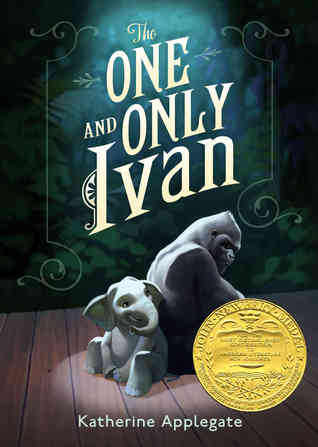
- The One and Only Ivan
Katherine Applegate
4.3 (141k) average on GoodreadsFantasyFeatures a strong animal-human bond and themes of freedom and communication.
- Wonder
R.J. Palacio
4.4 (733k) average on GoodreadsChildren'sExplores themes of acceptance, friendship, and overcoming challenges in a school setting.
- The Giver
Lois Lowry
4.1 (1.8M) average on GoodreadsFantasyBoth books feature young protagonists facing profound dilemmas and challenging societal norms. However, 'The Giver' focuses on dystopian societal control and the discovery of individuality and emotion within a human community. 'Hurt Go Happy' distinguishes itself by centering on a unique interspecies friendship and the communication barriers faced by a disabled protagonist, offering a more intimate and personal struggle rather than a broad societal critique.
- Harry Potter and the Sorcerer's Stone
J.K. Rowling
4.5 (7M) average on GoodreadsFantasyRescued from a miserable life under the stairs, an orphaned boy discovers he's a wizard destined for a magical school, where he uncovers a dangerous secret tied to the dark wizard who murdered his parents.
- The Hobbit, or There and Back Again
J.R.R. Tolkien
4.3 (2.9M) average on GoodreadsFantasyA comfort-loving hobbit named Bilbo Baggins is whisked away by a mischievous wizard and a band of dwarves on an unexpected journey to reclaim stolen treasure from a fearsome dragon, discovering courage and a magical ring along the way.
- Harry Potter and the Goblet of Fire
J.K. Rowling
4.6 (2.6M) average on GoodreadsFantasyA bewildered Harry Potter, underage and thrust into a deadly Triwizard Tournament, must brave dragons, mermaids, and a resurgent dark magic to survive a year that will forever alter the wizarding world.





Enjoyed the summary?
A summary gives you the shape of the book. The book itself has the detail, the examples and the voice.
Find Hurt Go Happy on AmazonAs an Amazon Associate, BookBrief earns from qualifying purchases. How we're funded