

Synopsis
Covers the whole plot, including the ending.
- Difficulty
- Easy
- Pacing
- Moderate
- Mood
- Melancholy, Nostalgic, Heartbreaking, Reflective
- Read it if
- You enjoy angsty, emotional young adult romance with a tragic ending, and you're looking for a story that explores the 'what if' of first love.
- Skip it if
- You prefer happy endings, lighthearted romance, or stories without significant character death and themes of grief.
If He Had Been with Me Plot Summary
Covers the whole plot, including the ending.
Autumn of Senior Year: Jamie's Return and the Shifting Dynamics
The story begins with Autumn, a high school senior, thinking about her deep, unspoken connection with her childhood friend, Finn. They have been inseparable since birth, living next door and sharing every milestone. But their relationship changed when Finn started dating Sylvie, Autumn's friend, in middle school. This created a complicated situation, with Autumn hiding her feelings for Finn. The fall of their senior year brings another change: Jamie, Finn's other childhood friend, returns to town after years away. Jamie immediately notices the tension and unspoken feelings between Autumn and Finn, and his presence makes the group's relationships even more strained.
The Halloween Party and Unspoken Desires
At a Halloween party, Autumn, Finn, Sylvie, and Jamie gather. Autumn watches Finn and Sylvie, noticing small problems and how Finn often seeks Autumn's attention even when he is with Sylvie. She feels a deep longing for the closeness she once had with Finn. Through the night, Autumn feels alone, even though her friends are around. The party makes Autumn more aware of her unrequited love for Finn and the painful reality of his relationship with Sylvie, increasing her desire for things to be different.
Thanksgiving Break and a Glimpse of the Past
During Thanksgiving break, Autumn and Finn are alone together, visiting old places and remembering their childhood. This time away from Sylvie and school pressures lets their natural connection resurface. They talk about their past, their dreams, and their worries about the future. Autumn feels a new sense of hope and believes Finn might feel the same way, or at least acknowledge their unique bond. This brief intimacy reminds her of what they once had and what Autumn wishes they still had, strengthening her belief that they belong together.
Jamie's Observations and Autumn's Confessions
Jamie, who has observed the group well, talks to Autumn about her feelings for Finn. He points out the clear tension and how Autumn constantly watches Finn. Autumn is defensive at first, but then she confesses how much she loves Finn, admitting how painful it is to see him with Sylvie. Jamie is understanding and supportive, encouraging Autumn to be honest with Finn, suggesting that hiding her emotions only causes her more pain. This conversation is an important moment for Autumn, as it makes her fully acknowledge her long-held secret, moving her closer to possibly confronting Finn.
Winter Break and Sylvie's Manipulation
As winter break nears, Sylvie, aware of the unspoken connection between Autumn and Finn, tries harder to keep Finn close. She plans events that exclude Autumn or makes herself Finn's main focus. Autumn feels deliberately pushed away and unimportant, increasing her loneliness and despair. This time shows Sylvie's insecurity and her attempts to control her relationship with Finn, which inadvertently drives a deeper wedge between Autumn and her two closest friends. Autumn's hope fades as Sylvie's efforts seem to work, making her question if she will ever have a chance with Finn.
The New Year's Eve Party and a Moment of Truth
At a New Year's Eve party, Autumn and Finn find themselves alone together, away from the group. The air is full of unspoken emotions. Finn expresses his confusion and unhappiness, hinting at problems with Sylvie. Autumn, encouraged by the moment and her talk with Jamie, finally tells him her long-held feelings. Finn, in turn, admits he has always loved her too, but was afraid to say it, especially after getting together with Sylvie. This is a key moment, as they finally say their mutual affection, acknowledging the deep bond that has always existed between them and suggesting a possible future together.
The Aftermath and Sylvie's Jealousy
After their New Year's Eve confession, Autumn and Finn spend more time together, their connection more open. While they do not break up with Sylvie immediately, their bond is clear. Sylvie, however, senses the change and becomes more jealous and confrontational. She notices their lingering glances and shared jokes, feeling threatened by their history and renewed closeness. Sylvie's increasing jealousy creates a tense atmosphere, making it hard for Autumn and Finn to explore their feelings freely and adding pressure to their already complicated situation. The tension in the friend group becomes obvious, suggesting a confrontation is coming.
Finn's Decision and the Breakup
After weeks of internal struggle and growing tension, Finn decides to break up with Sylvie. He realizes he cannot deny his true feelings for Autumn anymore and that his relationship with Sylvie is no longer fair. The breakup is painful for Sylvie, who feels betrayed and hurt. For Autumn and Finn, it marks a new beginning, a chance to finally explore the love they have always shared openly. This moment is a turning point, as their long-suppressed desires are finally allowed to grow, despite the emotional mess left behind with Sylvie.
A Brief Period of Happiness and Relief
With Finn and Sylvie officially over, Autumn and Finn finally begin their relationship. They spend every moment they can together, making up for lost time and enjoying the freedom of being openly in love. Autumn calls this time the happiest of her life, a dream come true after years of longing. They share intimate moments, plans for the future, and a deep understanding that only two people who have known each other their entire lives can have. This brief period of joy shows the intensity of their connection and reinforces Autumn's belief that they were always meant to be together, hinting at the coming loss.
The Argument and the Tragic Accident
On a rainy August night, Finn drives Sylvie home after an argument. The exact reason for their disagreement is unclear at first, but the tension is high. Sylvie is upset, possibly about their breakup or Finn's relationship with Autumn. During their heated talk, Finn loses control of the car on the wet road, leading to a devastating accident. Finn dies instantly. Autumn, who was not with him that night, receives the news that shatters her world. This tragic event is the main reason for the story, as Autumn deals with her grief, guilt, and the 'what ifs' of that night, believing that if she had been with him, everything would have been different.
Grief, Guilt, and the Unraveling Truth
After Finn's death, Autumn feels overwhelming grief and guilt. She constantly rethinks the events before the accident, convinced her presence could have prevented it. The community is in shock, and Autumn feels isolated in her sorrow, struggling to cope with losing her soulmate. As time passes, fragmented conversations among friends reveal a key detail: Finn and Sylvie's argument that night was about Autumn. Sylvie had found out about Finn's true feelings for Autumn and their new relationship, leading to the explosive confrontation before the fatal crash. This revelation adds another layer to Autumn's grief, as she realizes her love for Finn played a role in his death.
The Future Without Finn
The end of the book shows Autumn struggling to imagine a future without Finn. She attends his funeral, endures the pain of seeing his family, and tries to live daily life without her other half. Her grief is deep and all-consuming, affecting her relationships with her family and remaining friends, including Sylvie, with whom a fragile shared sorrow exists. Autumn acknowledges that the future she imagined with Finn is gone forever. While the immediate pain remains, she slowly begins to accept reality, understanding she must find a way to carry on, forever marked by Finn's love and his absence.
If He Had Been with Me Characters
Autumn
Protagonist
Finn's childhood best friend and soulmate, grappling with unrequited love and profound grief.
Autumn is the introspective and sensitive protagonist, deeply in love with her childhood best friend, Finn. She has a quiet demeanor and often observes the world around her, particularly the dynamics between Finn and Sylvie. Her internal monologue reveals a profound sense of longing, vulnerability, and a deep, almost spiritual connection to Finn. She often feels like an outsider, even within her own friend group, due to her unspoken feelings. Her journey is one of unrequited love, fleeting happiness, and ultimately, devastating grief and guilt after Finn's death.
Relationships: Finn (Childhood best friends, soulmates, eventually romantic partners); Sylvie (Best friends, then rivals for Finn's affection, eventually sharing grief); Jamie (Childhood friend, confidante, supportive observer)
Finn
Central Figure/Love Interest
Autumn's childhood best friend, torn between his girlfriend Sylvie and his deep connection with Autumn.
Finn is the charming and beloved childhood best friend of Autumn, and later, her romantic partner. He is kind, charismatic, and deeply connected to Autumn, though he struggles to acknowledge his feelings for her while dating Sylvie. He embodies the 'boy next door' archetype, with a magnetic personality that draws people to him. His internal conflict between loyalty to Sylvie and his undeniable bond with Autumn drives much of the narrative's tension. His tragic death is the pivotal event that shapes Autumn's entire story, making him a character whose presence is felt even in his absence.
Relationships: Autumn (Childhood best friends, soulmates, eventually romantic partners); Sylvie (Long-term girlfriend, eventually ex-girlfriend); Jamie (Childhood best friend)
Sylvie
Supporting/Antagonist
Autumn's best friend and Finn's girlfriend, who struggles with insecurity and jealousy.
Sylvie is Autumn's best friend and Finn's long-term girlfriend. She is portrayed as popular, pretty, and initially confident, but beneath the surface, she harbors insecurities, particularly regarding Finn's connection with Autumn. She becomes increasingly possessive and jealous as she senses Finn drifting away and towards Autumn. While not malicious, her actions, driven by fear of loss, contribute to the escalating tension. After Finn's death, she shares a complex, grief-stricken bond with Autumn, both victims of the tragedy.
Relationships: Autumn (Best friends, then rivals, then sharing grief); Finn (Long-term boyfriend, eventually ex-boyfriend)
Jamie
Supporting
Finn's other childhood best friend and Autumn's confidante.
Jamie is Finn's other childhood best friend who returns to town during their senior year. He serves as an observant and supportive figure, quickly noticing the unspoken feelings between Autumn and Finn. Jamie is honest and direct, often encouraging Autumn to confront her emotions. He acts as a confidante for Autumn, providing an external perspective and much-needed emotional support. His presence helps to push the narrative forward by making Autumn acknowledge her feelings and by offering a different dynamic to the core trio.
Relationships: Autumn (Childhood friend, confidante); Finn (Childhood best friend)
Autumn's Mom
Supporting
Autumn's mother, who provides comfort and wisdom during her daughter's emotional turmoil.
Autumn's mother is a loving and understanding parent. She is aware of Autumn's deep connection to Finn and subtly supports her daughter through her emotional struggles. After Finn's death, she becomes a pillar of strength and comfort for Autumn, offering quiet solace and practical support as Autumn navigates her profound grief. She represents the stable, comforting presence in Autumn's life, even when Autumn feels completely lost.
Relationships: Autumn (Mother-daughter relationship)
Finn's Mom
Supporting
Finn's mother, sharing a deep bond with Autumn and experiencing immense grief.
Finn's mom has a close relationship with Autumn, almost treating her like another daughter due to the families living next door to each other their entire lives. She is a warm and kind figure. After Finn's death, she is consumed by grief, a reflection of Autumn's own pain. Her sorrow is palpable, and her interactions with Autumn after the tragedy highlight the shared community loss and the enduring bond between the two families.
Relationships: Finn (Mother-son relationship); Autumn (Close, almost mother-daughter bond)
Patrick
Mentioned
Autumn's brief, casual boyfriend during her senior year.
Patrick is a boy Autumn dates casually for a short period during her senior year. He is a kind and pleasant individual, but Autumn's heart is clearly not in the relationship. He serves as a foil to Finn, highlighting Autumn's deep, unwavering feelings for Finn by demonstrating her inability to genuinely connect with anyone else romantically. Their brief relationship underscores the extent of Autumn's emotional attachment to Finn.
Relationships: Autumn (Brief, casual romantic interest)
Jenny
Supporting
One of Autumn's friends, part of the wider social circle.
Jenny is part of Autumn's broader friend group. She is present at social gatherings and offers typical teenage friendship support. While not a central figure, her presence helps to ground Autumn's narrative within a realistic high school setting and provides a sounding board for some of the shared experiences and gossip within the group. She is a loyal friend who offers comfort to Autumn after the tragedy.
Relationships: Autumn (Friend)
If He Had Been with Me Themes
Unrequited Love and Soulmates
The main theme is Autumn's deep, lifelong, and at first unrequited love for Finn, whom she sees as her soulmate. The story explores the pain of loving someone who is with another, the hope that appears with every shared look, and the belief that some connections are meant to be. This theme shows up in Autumn's constant observations of Finn, her thoughts about their shared past, and the eventual, bittersweet realization of their mutual feelings before tragedy.
“If he had been with me everything would have been different...I wasn't with Finn on that August night. But I should've been.”
Grief and Loss
The book starts with Finn's tragic death, making grief and loss a constant theme. Autumn's journey after the accident explores deep sorrow, guilt, and the struggle to cope with an unimaginable emptiness. The story details the emotional stages of grief—denial, anger, bargaining, depression, and a slow, painful path toward acceptance—as Autumn tries to understand her love for Finn with his sudden absence and the 'what ifs' that bother her.
“Grief is a house that has no doors or windows. You can't get out. You just live there, in the dark, with all the memories.”
The Power of 'What If'
The whole idea of the book is built around the 'what if' question: 'If he had been with me, everything would have been different.' This theme explores how people tend to replay past events, looking for different outcomes and assigning blame. Autumn's narration is always colored by this perspective, as she imagines how her presence might have changed Finn's fate. It looks at the guilt and torment of believing one could have changed a tragic event, and the unavoidable nature of fate versus choice.
“They do not know there is another story. The story that lurks between the facts. What they do not know—the cause of the argument—is crucial. So let me tell you...”
Coming of Age and Identity
Along with the romance and tragedy, there is the theme of coming of age. Autumn, Finn, and their friends are almost adults, making decisions about college, relationships, and their futures. Autumn's identity is closely tied to Finn, and his death forces her to confront who she is without him, pushing her into a painful but necessary journey of self-discovery and resilience. She must learn to define herself beyond her relationship with Finn and find a way to move forward into an uncertain future.
“I used to think that the world was a map, and I was just a tiny dot on it. Now I know that I am the map. And the world is just a dot on me.”
Plot Devices & Literary Techniques
First-Person Retrospective Narration
Autumn recounts the events leading to Finn's death from a future perspective.
The entire novel is told from Autumn's first-person perspective, looking back on the events that led to Finn's death. This retrospective narration immediately establishes the tragic outcome, creating a sense of dramatic irony and suspense as the reader knows Finn will die but not how or why. It allows Autumn to interject with her grief-stricken 'what ifs' and reflections, coloring the past events with the weight of future knowledge and enhancing the emotional impact of the story.
Foreshadowing and Dramatic Irony
Hints of the impending tragedy and the reader's awareness of the outcome.
The opening lines of the book explicitly state Finn's death, creating strong foreshadowing for the entire narrative. This also establishes dramatic irony, as the reader is aware of the tragedy that awaits the characters, while the characters themselves remain oblivious as the story unfolds. This device heightens the emotional tension, making every moment of happiness between Autumn and Finn bittersweet and every conflict laden with the weight of the inevitable.
The 'What If' Framing Device
The narrative is driven by Autumn's constant questioning of alternative scenarios.
The recurring phrase, 'If he had been with me everything would have been different,' acts as a powerful framing device. It not only sets the tone for Autumn's guilt and grief but also guides her exploration of the past events. This device emphasizes the themes of fate, choice, and the burden of regret, making the reader constantly aware of Autumn's internal struggle to come to terms with the unchangeable past and the agonizing possibilities of what could have been.
Symbolism of Rain
Rain as a recurring motif symbolizing sadness, cleansing, and the tragic event.
Rain is a recurring symbol throughout the novel, particularly highlighted in the description of the night Finn dies: 'It was raining, of course.' It often accompanies moments of sadness, emotional intensity, or significant change. Rain can symbolize tears, a cleansing, or a gloomy atmosphere. Its presence on the night of the accident ties it directly to the tragedy, making it a powerful and melancholic visual motif that underscores the pervasive sense of sorrow and fate.
If He Had Been with Me Quotes
“If he had been with me, everything would have been different.”
“We were best friends, and then we weren't.”
“I think about him every day, even when I try not to.”
“Sometimes I wonder if we were meant to be together, and we just missed our chance.”
“Love isn't always loud. Sometimes it's a quiet voice that says, 'I'm here.'”
“I spent so much time trying to be someone else that I forgot who I was.”
“The hardest part about growing up is realizing that some people are meant to stay in your past.”
“We were two halves of the same whole, but we didn't know how to fit together.”
“I wish I could go back and tell my younger self that it's okay to be afraid.”
“Some stories don't have happy endings, but that doesn't mean they aren't worth telling.”
“He was my first love, and in some ways, he will always be my last.”
“We built walls around our hearts to keep from getting hurt, but all we did was keep love out.”
“Time doesn't heal all wounds; it just teaches you how to live with the scars.”
“In the end, it wasn't about who was right or wrong, but about who was left.”
Quiz
10 questions on the plot and the characters. Each answer comes with a short explanation.
Question 1
What is the central premise of 'If He Had Been with Me'?
- A girl moves to a new town and falls in love with her neighbor
- A young woman reflects on how her life might have been different if she had been with her childhood friend during a tragic event
- A couple navigates a long-distance relationship through letters
- A teenager discovers she has magical powers that change her destiny
Show answer
B. A young woman reflects on how her life might have been different if she had been with her childhood friend during a tragic event The book centers on Autumn's reflection about her childhood friend Finn and how his tragic death might have been prevented if she had been with him that night, exploring the 'what if' scenario that haunts her.
Question 2
Who was with Finn in the car during the fatal accident?
- Autumn
- Sylvie
- Jamie
- Finn's mother
Show answer
B. Sylvie The prologue reveals that Finn was driving with Sylvie in the car when the accident occurred, and they were arguing about something crucial that Autumn believes others don't understand.
Question 3
What season does the fatal accident occur in?
- Spring
- Summer
- Fall
- Winter
Show answer
B. Summer The prologue specifically states 'that August night,' placing the accident in the summer month of August, which is a key temporal detail in the story.
Question 4
Why does Autumn believe the cause of Finn and Sylvie's argument is crucial?
- Because it reveals Sylvie was cheating on Finn
- Because it shows Finn was driving recklessly on purpose
- Because it represents the 'other story' that lurks between the facts, which others don't know
- Because it proves the accident was premeditated
Show answer
C. Because it represents the 'other story' that lurks between the facts, which others don't know Autumn emphasizes that the argument's cause is part of a deeper, untold narrative that contextualizes the tragedy, contrasting with others who dismiss it as unimportant.
Question 5
What literary device is prominently used in the title and throughout the book?
- Metaphor
- Foreshadowing
- Irony
- Hypothetical scenario ("what if")
Show answer
D. Hypothetical scenario ("what if") The title 'If He Had Been with Me' sets up a counterfactual exploration, with Autumn repeatedly imagining how things might have differed if she had been present during key moments, especially the accident.
Question 6
How does the weather during the accident contribute to the story's mood?
- It symbolizes hope and renewal
- It creates a sense of foreboding and tragedy
- It represents Finn's cheerful personality
- It highlights the beauty of nature
Show answer
B. It creates a sense of foreboding and tragedy The rain on the 'slick road' enhances the tragic atmosphere, suggesting danger and misfortune, which aligns with the fatal outcome and Autumn's reflective sorrow.
Question 7
What does Autumn imply about the public perception of the accident versus her own understanding?
- That everyone knows the full truth but chooses to ignore it
- That others see only surface facts, while she knows the deeper emotional context
- That the accident was completely random with no underlying causes
- That Sylvie is solely to blame and everyone agrees
Show answer
B. That others see only surface facts, while she knows the deeper emotional context Autumn distinguishes between the external facts of the accident and the intimate, emotional story she believes is key, suggesting her perspective is more nuanced and informed by her relationship with Finn.
Question 8
Based on the prologue, what narrative perspective is used in the book?
- Third-person omniscient
- Second-person
- First-person from Autumn's point of view
- Multiple first-person perspectives
Show answer
C. First-person from Autumn's point of view The use of 'I' and 'me' in phrases like 'let me tell you' indicates that Autumn is narrating the story in first-person, sharing her personal reflections and memories.
Question 9
What does the argument between Finn and Sylvie symbolize in the broader context of the story?
- The breakdown of teenage friendships
- The inevitable conflicts in all romantic relationships
- The hidden complexities and misunderstandings that can lead to tragic outcomes
- The superiority of Autumn's relationship with Finn compared to Sylvie's
Show answer
C. The hidden complexities and misunderstandings that can lead to tragic outcomes The argument represents the unseen emotional layers and miscommunications that Autumn feels are central to the tragedy, highlighting how personal dynamics can have devastating consequences.
Question 10
How does the structure of the prologue set up the novel's exploration of memory and regret?
- By starting with the accident, it immediately establishes the tragic event that Autumn will retrospectively analyze and lament
- By describing Finn's childhood, it shows how happy memories contrast with later sadness
- By focusing on Sylvie's perspective, it creates suspense about who is to blame
- By using a non-linear timeline, it confuses the reader about the sequence of events
Show answer
A. By starting with the accident, it immediately establishes the tragic event that Autumn will retrospectively analyze and lament The prologue reveals the accident's outcome upfront, allowing the subsequent narrative to delve into Autumn's memories, 'what if' scenarios, and deep regret over her absence that night, framing the story as a reflective journey.
If He Had Been with Me FAQ
What is 'If He Had Been with Me' about?
The novel follows Autumn and Finn, childhood best friends who grow apart in high school as Autumn dates Jamie and Finn dates Sylvie. Told from Autumn's perspective, it explores their complex relationship, unspoken feelings, and the tragic car accident that kills Finn, with Autumn reflecting on how things might have been different if she had been with him that night.
Why should I read 'If He Had Been with Me'?
This book offers a poignant exploration of friendship, love, and regret, with a nonlinear narrative that builds emotional depth. It delves into themes of missed opportunities and the 'what ifs' of life, making it relatable for readers who enjoy character-driven stories with bittersweet endings.
What is the background/setting of 'If He Had Been with Me'?
The story is set in a small American town, spanning from Autumn and Finn's childhood through high school. Key settings include their neighborhood, school, and the rainy August night of the car accident, with the narrative shifting between past memories and present reflection.
What are the most memorable quotes from the book?
Notable quotes include: 'If he had been with me everything would have been different,' highlighting the central theme of regret, and 'No one ever says what they were arguing about. They do not know there is another story,' which underscores the hidden layers of the tragedy.
What writing style does Laura Nowlin use in this book?
Nowlin employs a first-person narrative from Autumn's perspective, with a reflective and introspective tone. The prose is lyrical and emotional, using nonlinear storytelling to weave between past events and Autumn's present grief, enhancing the themes of memory and loss.
What minor details add significant meaning to the story?
Small details like Autumn and Finn's shared love of books and their secret handshake symbolize their deep connection. The constant rain on the night of the accident mirrors the sadness and inevitability of the tragedy, adding atmospheric weight to key scenes.
What are some subtle foreshadowing moments in the book?
Early references to Finn's reckless driving and Autumn's fears about his safety hint at the accident. Scenes where Autumn feels a sense of impending doom when apart from Finn foreshadow the loss, such as her anxiety during their growing distance in high school.
What unexpected character connections exist in the story?
A subtle connection is how Sylvie's jealousy and arguments with Finn tie into Autumn's unspoken feelings, revealing a love triangle that isn't openly acknowledged. Autumn's mother and Finn's family also share a history that influences the characters' dynamics.
What are unspoken character motivations in the book?
Autumn is motivated by a deep-seated fear of losing Finn, which leads her to suppress her romantic feelings. Finn's motivation includes a desire to protect Autumn and hide his own emotions, driving his actions with Sylvie and his ultimate fatal decision.
What psychological complexities do characters exhibit?
Autumn shows complexity through her guilt and denial, grappling with 'what if' scenarios after Finn's death. Finn exhibits a conflict between duty and desire, often putting others' needs before his own happiness, which contributes to the tragic outcome.
What are the major emotional turning points in the story?
Key turning points include Autumn and Finn's drift apart in high school, Finn's accident and death, and Autumn's subsequent realization of her love for him. The moment she learns the truth about the argument with Sylvie also marks a pivotal emotional shift.
How do relationship dynamics evolve between Autumn and Finn?
Their relationship evolves from inseparable childhood friends to distant acquaintances in high school, strained by romantic entanglements with others. After Finn's death, Autumn reflects on their bond, recognizing it as a profound, unacknowledged love that never fully blossomed.
Which parts of the book remain ambiguous or open-ended?
The exact cause of Finn and Sylvie's argument is left ambiguous, with Autumn speculating it relates to her. The full extent of Finn's feelings for Autumn is never explicitly confirmed, leaving readers to interpret the depth of their connection.
What are controversial scenes or decisions in the book?
Some readers debate Autumn's decision to date Jamie despite her feelings for Finn, viewing it as selfish or avoidant. Finn's choice to drive recklessly in the rain with Sylvie is also controversial, seen as a tragic mistake driven by emotional turmoil.
'If He Had Been with Me' ending explained: how it ends & what it means
The book ends with Autumn grieving Finn's death and reflecting on the 'other story'—the hidden love between them. It suggests that if she had been with him, the argument and accident might not have occurred, emphasizing themes of regret and the impact of small choices on fate.
Similar books
- Looking for Alaska
John Green
4.0 (1.1M) average on GoodreadsMysteryExplores themes of first love, loss, and the impact of a tragic event during high school.
- The Fault in Our Stars
John Green
4.2 (3.6M) average on GoodreadsYoung AdultFeatures a poignant, emotional romance with a focus on grief and finding meaning in loss.
- They Both Die at the End
Adam Silvera
4.1 (95k) average on GoodreadsFantasyDeals with the inevitability of death and how characters live and love knowing their time is limited.
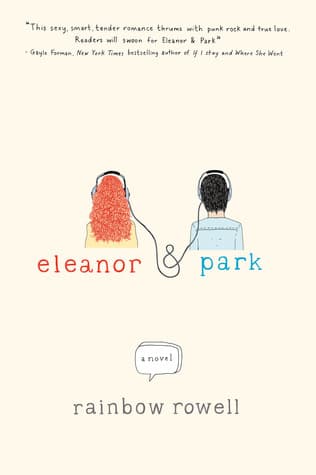
- Eleanor & Park
Rainbow Rowell
4.0 (860k) average on GoodreadsYoung AdultBoth books portray intense, formative first loves set against challenging backgrounds. However, Rowell's Eleanor & Park excels in its nuanced character development and exploration of external factors (like poverty and abuse) that impact the relationship. The characters in Eleanor & Park feel more distinct and multi-dimensional, navigating their personal struggles alongside their romance, whereas Autumn and Finn's struggles in Nowlin's book are more singularly focused on their connection to each other, making the external world feel less impactful on their individual growth.
- Harry Potter and the Sorcerer's Stone
J.K. Rowling
4.5 (7M) average on GoodreadsFantasyRescued from a miserable life under the stairs, an orphaned boy discovers he's a wizard destined for a magical school, where he uncovers a dangerous secret tied to the dark wizard who murdered his parents.
- The Hunger Games
Suzanne Collins
4.3 (6.4M) average on GoodreadsFantasyIn a future where children fight to the death on live television, Katniss Everdeen volunteers for the arena, turning a death sentence into a fight for survival and a spark of rebellion.





Enjoyed the summary?
A summary gives you the shape of the book. The book itself has the detail, the examples and the voice.
Find If He Had Been with Me on AmazonAs an Amazon Associate, BookBrief earns from qualifying purchases. How we're funded