

Synopsis
Covers the whole plot, including the ending.
- Difficulty
- Medium
- Pacing
- Moderate
- Mood
- Gritty, Realistic, Thought-provoking, Intense, Social Commentary
- Read it if
- You're interested in a realistic, gritty portrayal of inner-city life and the difficult choices young people face when trapped by poverty and systemic issues.
- Skip it if
- You prefer light-hearted or fantastical stories, or are sensitive to themes of violence, drug use, and intense social realism.
If I Grow Up Plot Summary
Covers the whole plot, including the ending.
A Glimpse of the Projects
DeShawn, a thoughtful and observant teenager, introduces his daily life in the Frederick Douglass Projects. He lives with his mother, older sister LaToya, and younger brother Greg. Poverty, drug dealing, and gang violence are constant. DeShawn often thinks about the hard choices for kids in his neighborhood: join a gang for money and protection, or struggle to stay out and remain poor. He sees friends like Jamal making quick money selling drugs, letting them buy expensive clothes and electronics, a sharp contrast to his family's constant struggle for basics like food. He deals with the unfairness of his situation and his wish for a better life for his family.
The Lure of Easy Money
DeShawn often talks with his friends, Jamal and Dante, who are active in the drug trade. They show off their wealth with new sneakers, gold chains, and other expensive items, often offering DeShawn a taste of their life. Jamal, especially, tries to get DeShawn to join them, saying it is the only way to escape poverty in the projects. DeShawn, despite his inner conflict, always resists, holding onto his mother's lessons about staying in school and out of trouble. However, his family's financial strain, especially when his mother struggles to pay bills or buy groceries, makes Jamal's offer more appealing.
Family Struggles Intensify
The financial situation at home gets worse. DeShawn's mother works hard, but her income barely covers rent and utilities, often leaving them short for food. His younger brother, Greg, often goes hungry, and DeShawn feels a strong need to provide for his family. His sister, LaToya, is pregnant, adding more stress and financial burden to the household. DeShawn sees the desperation around him, other families in similar or worse situations. The growing pressure at home, along with his friends' apparent ease and success in the drug trade, makes DeShawn seriously rethink his choice to stay out of trouble.
A Difficult Request
A moment comes when DeShawn's mother, desperate for money, asks him to deliver a package for her. DeShawn immediately suspects the package contains drugs, recognizing signs from his friends. He is shocked and conflicted, realizing his own mother is now involved in the illegal activities he tried to avoid. This request shatters his view of his mother as a moral guide and makes him face the grim truth that even good people are pushed to desperate acts in their environment. He struggles with the ethical problem of refusing his mother versus betraying his own principles and risking his future.
The First Delivery
Despite his strong doubts, DeShawn agrees to deliver the package for his mother. The act itself is tense and nerve-wracking. He feels the weight of the illegal contents and the possible results of his actions. This first delivery is a turning point, as it means DeShawn crosses a line he had promised not to. He feels a mix of fear, guilt, and a strange sense of achievement as he finishes the task and brings back the money, which temporarily eases his family's financial stress. This first success, though morally compromising, provides a temporary relief that is hard to ignore.
Deeper into the Game
After the first delivery, DeShawn continues to make more, first for his mother, then more on his own, driven by the wish to provide for his family and the lure of quick money. He starts making good money, enough to buy groceries, pay bills, and even get Greg new shoes. However, with each delivery, he feels a growing unease and the weight of his actions. He becomes more aware of the dangers, rival gangs, and constant threat of violence. His talks with Jamal and Dante happen more often, and he sees the darker side of their world, including their increasing paranoia and the risks they take.
The Threat of Violence
DeShawn experiences a chilling incident where he sees a violent fight between rival gangs, or hears about a friend getting hurt or killed. This event reminds him of the dangers in his current life. Gunshots, sirens, and fear become more real and immediate. He sees the casual brutality and the lack of value for human life in the projects, confirming that his involvement is not just about money, but about risking his life. This experience deeply shakes him and makes him wonder if the money is truly worth the constant fear and moral compromise.
A Desire for Escape
As DeShawn gets more money and provides for his family, he also feels a growing burden of guilt and fear. He dreams of a future outside the projects, a future where he can go to college and escape the cycle of poverty and violence. He tries to distance himself from Jamal and Dante, but finds it hard to simply leave the connections and expectations that have formed. The money, while a comfort, has also created new dependencies and responsibilities, making his exit feel impossible. He starts to actively look for a way out, but the path is unclear and dangerous.
The Confrontation
DeShawn finds himself in a direct confrontation or a high-stakes situation where his life is clearly threatened due to his drug trade involvement. This could be a fight over territory, a misunderstanding with a rival, or a betrayal. This moment is the peak of his internal and external struggle. He is forced to react quickly and decisively, using his survival instincts. This event makes him realize that he cannot continue this path without severe, possibly fatal, results. The incident strengthens his resolve to find a permanent way out, no matter how difficult.
A Glimmer of Hope
After the intense confrontation, DeShawn actively looks for legitimate opportunities. He focuses on his schoolwork, seeking advice from a teacher or mentor. He might find a legitimate part-time job, even if low-paying, as a first step. This decision shows a big change in his thinking, putting his long-term future before immediate financial gain. He starts to see that while leaving the projects will be very hard, it is possible. The ending leaves DeShawn on a path toward hope, acknowledging the ongoing struggle but showing his commitment to breaking free from the cycle of violence and poverty.
Principal Figures
DeShawn
Protagonist
A thoughtful, intelligent teenager grappling with moral dilemmas in the Frederick Douglass Projects.
DeShawn is a perceptive and inherently good-hearted teenager living in the harsh environment of the Frederick Douglass Projects. He is intelligent and understands the importance of education and staying out of trouble, largely influenced by his mother's values. However, the crushing poverty his family faces, coupled with the allure of quick money from drug dealing, constantly challenges his principles. He deeply cares for his family, especially his younger brother Greg, and feels a heavy burden to provide for them. His internal conflict between right and wrong, and his desire for a better life, define his character.
Relationships: DeShawn's Mother (Loving but desperate, she inadvertently pushes him into illegal activities.); Greg (Younger brother, whom DeShawn feels a strong paternal responsibility to protect and provide for.); LaToya (Older sister, pregnant, adding to the family's financial strain.); Jamal (Friend and drug dealer, who tempts DeShawn with easy money and represents the path DeShawn tries to avoid.); Dante (Friend and fellow drug dealer, less influential than Jamal but part of the circle of temptation.)
DeShawn's Mother
Supporting
A hardworking single mother struggling desperately to provide for her children.
DeShawn's mother is a hardworking and loving woman who tries her best to keep her family afloat in the projects. She instills strong values in DeShawn, emphasizing education and staying out of trouble. However, the relentless financial pressures and the inability to adequately feed and shelter her children push her to desperate measures. Her decision to involve DeShawn in an illegal activity highlights the extreme circumstances and moral compromises people are forced to make in poverty-stricken environments. She represents the tragic reality of how systemic issues can corrupt even good intentions.
Relationships: DeShawn (Son, whom she loves and wants a better future for, but also relies on for support.); Greg (Youngest son, for whom she struggles most to provide.); LaToya (Daughter, whose pregnancy adds to her burdens.)
Jamal
Supporting
DeShawn's friend and a successful, albeit dangerous, drug dealer.
Jamal is one of DeShawn's friends who has embraced the drug trade as his means of survival and success in the projects. He is flashy, confident, and seems to have everything DeShawn lacks – money, expensive possessions, and a certain perceived power. He actively tries to recruit DeShawn, presenting drug dealing as the only viable option for escaping poverty. While he appears to care for DeShawn, his influence is ultimately destructive, pulling DeShawn towards a dangerous life. Jamal embodies the seductive but perilous allure of easy money and the gang lifestyle.
Relationships: DeShawn (Friend, whom he tries to recruit into the drug trade.); Dante (Associate and fellow drug dealer.)
Greg
Supporting
DeShawn's innocent younger brother, whose needs drive much of DeShawn's actions.
Greg is DeShawn's innocent younger brother, who often goes hungry and lacks basic necessities. His vulnerability and needs are a constant source of motivation and guilt for DeShawn. DeShawn feels a profound responsibility to protect Greg and ensure he doesn't suffer the same deprivations. Greg represents the future and the potential for a better life that DeShawn desperately wants to secure, not just for himself, but for his family. His presence underscores the stakes of DeShawn's choices and the systemic failures that impact the most vulnerable.
Relationships: DeShawn (Older brother and protector.); DeShawn's Mother (Mother, who struggles to provide for him.)
LaToya
Supporting
DeShawn's older sister, pregnant and adding to the family's financial and emotional strain.
LaToya is DeShawn's older sister, whose unplanned pregnancy adds another layer of financial and emotional burden to the already struggling family. Her situation highlights the cycle of poverty and limited opportunities that many young people in the projects face. While not a central figure in DeShawn's immediate moral struggle, her existence and impending motherhood serve as a stark reminder of the responsibilities and challenges that weigh heavily on the household, influencing DeShawn's decisions to seek money, even through illicit means.
Relationships: DeShawn (Younger brother, who feels responsible for her and her child.); DeShawn's Mother (Mother, with whom she shares the struggle of their circumstances.)
Dante
Supporting
Another friend of DeShawn's involved in the drug trade, less prominent than Jamal.
Dante is part of the same social circle as DeShawn and Jamal, and is also involved in drug dealing. He serves as another example of the path DeShawn is tempted by, reinforcing the idea that many young men in the projects turn to illegal activities for survival and status. While not as charismatic or persuasive as Jamal, Dante's presence adds to the constant pressure and normalization of the drug trade in DeShawn's life. He represents the broader environment that makes it difficult for DeShawn to choose a different path.
Relationships: DeShawn (Friend and associate in the drug trade.); Jamal (Associate and fellow drug dealer.)
Themes & Insights
The Corrupting Influence of Poverty
This theme explores how extreme poverty can force people, even those with strong morals, into desperate and compromising choices. DeShawn's mother, a hardworking woman, asks him to deliver drugs, and DeShawn himself enters the trade mainly to feed his family. The novel clearly shows how a lack of basic needs like food and safe housing can weaken principles, making illegal activities seem like the only option for survival. Scenes where DeShawn's younger brother, Greg, goes hungry are especially touching in showing this.
“When you grew up in the projects, there were no choices. No good ones, at least.”
The Illusion vs. Reality of the Gang Lifestyle
The novel compares the outward glamour of a drug dealer's life (expensive sneakers, gold chains, quick money) with its hidden dangers and moral decay. While DeShawn's friends, Jamal and Dante, first seem successful and powerful, DeShawn soon sees the constant fear, paranoia, and brutal violence in their world. This theme shows that the perceived benefits of illegal activities are often outweighed by their terrible consequences, including prison, injury, or death. The increasing fear DeShawn feels with each delivery highlights this reality.
“The money was good, but the fear was always better.”
The Struggle for Identity and Agency
DeShawn's journey is a struggle to define himself amid huge outside pressures. He battles between the 'good kid' identity his mother wants for him and the 'street kid' his environment pushes him to become. The projects offer limited choices, making it hard for him to control his own life. His eventual choice to seek legitimate opportunities, despite the risks, shows his fight to reclaim his identity and build a future independent of the predicted path of violence and poverty. His internal thoughts often show this deep struggle.
“I knew what I was supposed to do. But knowing and doing were two different things when your stomach was empty.”
Family Responsibility vs. Personal Morality
A main conflict in the novel is DeShawn's struggle to balance his strong sense of responsibility to his family with his personal moral code. He wants to protect and provide for his mother and siblings, especially Greg, but doing so often means doing things he knows are wrong and dangerous. This theme explores the ethical problems faced when the well-being of loved ones seems to require compromising one's values. DeShawn's decision to make the first delivery for his desperate mother is a clear example of this difficult choice.
“How could I stick to my principles when my family was hungry?”
Plot Devices & Literary Techniques
Internal Monologue
DeShawn's thoughts and reflections provide deep insight into his moral struggles.
The novel heavily utilizes DeShawn's internal monologues to convey his conflicted thoughts, fears, and moral dilemmas. These passages allow the reader to experience his constant struggle between right and wrong, the allure of easy money, and his desire for a better life for his family. This device is crucial for developing his character and making his difficult choices understandable, even when they are morally ambiguous. It helps the reader empathize with his plight and the systemic pressures he faces, rather than simply judging his actions.
Foil Characters (Jamal and Dante)
Friends who represent the dangerous path DeShawn is tempted by.
Jamal and Dante serve as foil characters to DeShawn. They embody the 'successful' drug dealer persona – flashy, seemingly powerful, and offering quick solutions to poverty. By contrasting their lifestyle and eventual consequences with DeShawn's internal struggles and his ultimate desire for a legitimate future, the author highlights the dead-end nature of the drug trade. They provide a constant external temptation that intensifies DeShawn's internal conflict and ultimately reinforces his decision to seek a different path.
Symbolism of the Projects
The Frederick Douglass Projects symbolize systemic poverty and limited opportunity.
The Frederick Douglass Projects are more than just a setting; they function as a powerful symbol of systemic poverty, lack of opportunity, and the pervasive cycle of violence. The physical confines and dilapidated conditions reflect the limited choices and suffocating environment that trap its residents. The projects represent the external forces that shape DeShawn's life, constantly reminding him of the harsh realities and the immense difficulty of breaking free from his circumstances. Its name, ironically, highlights the stark contrast between the promise of freedom and the reality of modern-day oppression.
The Package
A physical object representing DeShawn's moral compromise.
The package DeShawn is asked to deliver, first by his mother and then repeatedly on his own, serves as a potent symbol of his moral compromise and descent into the drug trade. Initially, it represents his mother's desperation and his own forced hand. As he continues to deliver, the package embodies his increasing entanglement, the weight of his guilt, and the constant threat of danger. Its contents are illegal, but its purpose is to provide for his family, creating a tangible representation of the central conflict between his values and his responsibilities.
If I Grow Up Quotes
“It wasn’t just a game anymore. It was life. And death.”
“Sometimes you have to do things you don't want to do, just to survive.”
“Fear was a constant companion, a shadow that never left your side.”
“The rules were simple, but the consequences were absolute.”
“We were all just pawns, waiting to be moved or taken off the board.”
“Hope was a dangerous thing in a world like ours. It could get you killed.”
“Trust was a luxury no one could afford, not anymore.”
“Every choice had a price, and sometimes that price was everything.”
“The line between right and wrong blurred until it disappeared.”
“Growing up meant learning to kill the parts of yourself that weren't strong enough.”
“Silence could be louder than any scream, especially when you were alone.”
“We fought not for glory, but simply to see another sunrise.”
“The past was a ghost, and the future was a mirage.”
“Sometimes, the only way to win was to refuse to play.”
“It's easy to judge from the outside, but inside, you just do what you have to do.”
Quiz
10 questions on the plot and the characters. Each answer comes with a short explanation.
Question 1
What is the primary setting of DeShawn's life in 'If I Grow Up'?
- A suburban neighborhood
- The Frederick Douglass Project
- A rural farming community
- A private boarding school
Show answer
B. The Frederick Douglass Project The book explicitly states that DeShawn lives in the Frederick Douglass Project, which is central to the story's themes and conflicts.
Question 2
What is one of the main struggles DeShawn faces regarding his family's financial situation?
- They have too much money and don't know how to spend it.
- They can barely afford food for the month.
- They are saving up for a luxury vacation.
- They are trying to decide which private school DeShawn should attend.
Show answer
B. They can barely afford food for the month. The book highlights that DeShawn's family struggles with poverty, specifically stating they 'can barely afford food for the month,' which drives much of DeShawn's internal conflict.
Question 3
What is a common sound heard regularly in DeShawn's neighborhood?
- Birdsong and children laughing
- Gunshots
- The ocean waves
- Church bells
Show answer
B. Gunshots The description of DeShawn's environment explicitly mentions that 'Gunshots ring out on a regular basis,' indicating the pervasive violence.
Question 4
What is the core internal conflict DeShawn faces, as described in the book's summary?
- Whether to pursue a career in sports or academics.
- Struggling with right and wrong under the shadow of gangs while his family is hungry.
- Deciding which college to attend after high school.
- Balancing his social life with his family responsibilities.
Show answer
B. Struggling with right and wrong under the shadow of gangs while his family is hungry. The summary clearly states DeShawn is 'struggling with right and wrong under the ever-present shadow of gangs' and questions 'How can he stick to his principles when his family is hungry?'
Question 5
What temptation do DeShawn's friends represent, making his principled stance harder to maintain?
- The desire to move to a different city.
- Having drug money to buy fancy sneakers and big-screen TVs.
- The opportunity to travel the world.
- The appeal of higher education.
Show answer
B. Having drug money to buy fancy sneakers and big-screen TVs. The text states, 'But while his friends have drug money to buy fancy sneakers and big-screen TVs, DeShawn's family can barely afford food,' directly contrasting their ill-gotten gains with DeShawn's family's poverty.
Question 6
According to the book's description, what is a common outcome for many teenagers in the Frederick Douglass Project?
- They excel in sports and receive scholarships.
- They drop out of school and join gangs.
- They go on to attend prestigious universities.
- They start successful businesses.
Show answer
B. They drop out of school and join gangs. The summary explicitly mentions that 'Many teenagers drop out of school and join gangs,' highlighting the grim reality of the project.
Question 7
What does the phrase 'WHEN YOU GREW UP IN THE PROJECTS, THERE WERE NO CHOICES. NO GOOD ONES, AT LEAST' imply about the characters' circumstances?
- That residents are overwhelmed by too many positive opportunities.
- That the environment severely limits positive life paths and pushes individuals towards difficult or dangerous options.
- That everyone in the projects has made poor choices willingly.
- That the community offers a wide array of support systems for its youth.
Show answer
B. That the environment severely limits positive life paths and pushes individuals towards difficult or dangerous options. This opening quote sets a critical tone, indicating that the systemic issues within the projects leave residents, especially youth, with very few viable, positive options for their future, forcing them to consider 'bad' choices.
Question 8
How does DeShawn's intelligence factor into his dilemma, as presented in the book's summary?
- His intelligence makes him oblivious to the dangers around him.
- His intelligence helps him find quick ways to make drug money.
- He is smart enough to know he should stay in school and away from gangs, but poverty challenges this knowledge.
- His intelligence leads him to believe the gangs offer the best path to success.
Show answer
C. He is smart enough to know he should stay in school and away from gangs, but poverty challenges this knowledge. The text states, 'DeShawn is smart enough to know he should stay in school and keep away from the gangs,' establishing his awareness of the 'right' path, which is then challenged by his family's hunger.
Question 9
What is the significance of the phrase 'every kid knows someone who died' in describing life in the Frederick Douglass Project?
- It implies a strong sense of community and shared grief.
- It highlights the pervasive and personal impact of violence and loss on the youth in the project.
- It suggests that death is an uncommon and shocking event in the area.
- It refers to the natural passing of elderly community members.
Show answer
B. It highlights the pervasive and personal impact of violence and loss on the youth in the project. This detail underscores the constant exposure to violence and its deadly consequences, making the threat of death a normalized and personal experience for the young residents.
Question 10
The author Todd Strasser is described as 'opening a window into the life of a teenager.' What does this suggest about the book's purpose?
- To provide a fictional escape from reality.
- To offer a realistic and immersive perspective on the challenges of growing up in the inner city.
- To romanticize gang life and drug dealing.
- To present a purely academic study of urban sociology.
Show answer
B. To offer a realistic and immersive perspective on the challenges of growing up in the inner city. The phrase 'opens a window into the life' combined with 'gritty novel about growing up in the inner city' implies a goal of providing readers with an authentic, insightful, and often difficult look at a specific reality.
If I Grow Up FAQ
What is the central conflict DeShawn faces in 'If I Grow Up'?
DeShawn's central conflict is the struggle between his desire to stay in school and avoid gang life, which represents a path to a better future, and the immediate, pressing need to help his impoverished family. The allure of quick money from drug dealing, as seen with his friends, directly challenges his principles when his family struggles for basic necessities like food.
Who are some of DeShawn's key friends, and how do they influence him?
DeShawn's friends include readily identifiable characters like Tony and Jamal, who are already involved in the drug trade and possess the material wealth DeShawn's family lacks. Their flashy sneakers, electronics, and cash serve as a constant temptation and a stark contrast to DeShawn's own struggles, making the 'right' path seem less appealing.
What role does the Frederick Douglass Project play as a setting in the novel?
The Frederick Douglass Project is more than just a setting; it's a character itself, embodying the systemic challenges and dangers DeShawn faces. It's a place where gang violence and drug activity are normalized, gunshots are regular occurrences, and the constant threat of death or incarceration shapes the residents' daily lives and choices.
What are the immediate consequences DeShawn observes for those who join gangs?
DeShawn witnesses firsthand the immediate consequences of gang involvement, which include friends dropping out of school, direct participation in violent activities, and the ever-present risk of injury or death. He's acutely aware that many teenagers he knows have either been killed or incarcerated due to their choices.
How does DeShawn's family situation exacerbate his internal conflict?
DeShawn's family situation, characterized by extreme poverty where even affording food is a struggle, directly fuels his internal conflict. His mother's stress and the visible hunger of his younger siblings make the 'slow' path of education seem impractical and inadequate compared to the immediate financial relief offered by illegal activities.
Are there any subtle hints about DeShawn's academic potential or intelligence early in the book?
Yes, the narrative explicitly states that DeShawn is 'smart enough to know he should stay in school,' implying an inherent intelligence that sets him apart from many of his peers. This intellectual capacity suggests he has the potential to excel beyond the confines of the projects if given the opportunity.
Does the novel suggest any specific mentors or positive influences for DeShawn, however minor?
While the primary focus is on the negative influences, any positive influences are often subtle or fleeting, perhaps a teacher who expresses belief in him or a community member who offers a word of encouragement. These small moments highlight the scarcity of such support in his environment.
Is there any symbolism in the 'fancy sneakers and big-screen TVs' that DeShawn's friends acquire?
The 'fancy sneakers and big-screen TVs' symbolize more than just material wealth; they represent status, power, and a perceived escape from poverty within the project's subculture. For DeShawn, they highlight the immediate, tangible rewards of illegal activities versus the delayed, uncertain benefits of education.
How does the sound of 'gunshots ring out on a regular basis' subtly impact DeShawn's worldview?
The constant sound of gunshots normalizes violence and instills a pervasive sense of fear and urgency in DeShawn. It reinforces the fragility of life in the projects and subtly pushes him towards seeking immediate solutions for security and survival, even if those solutions are dangerous.
How does DeShawn's environment contribute to a sense of learned helplessness or limited agency?
The relentless cycle of poverty, violence, and lack of opportunity in the projects contributes significantly to a sense of learned helplessness. DeShawn observes that 'there were no choices. No good ones, at least,' which can erode his belief in his own agency and the effectiveness of making 'right' decisions.
What psychological toll does witnessing constant violence take on DeShawn?
Witnessing constant violence, including the deaths of peers, likely leads to a heightened state of anxiety, hyper-vigilance, and potentially trauma for DeShawn. This constant stress can impair his ability to focus on long-term goals and makes him prioritize immediate survival and safety.
How does the pressure to provide for his family affect DeShawn's developing identity?
The immense pressure to provide for his family forces DeShawn to prematurely adopt adult responsibilities, potentially stripping him of a typical adolescence. This pressure can create an identity crisis, where his personal aspirations conflict with his perceived duty as a provider, shaping his self-worth around his ability to help his family.
In what ways does DeShawn's internal struggle reflect a broader societal critique?
DeShawn's internal struggle critiques systemic inequalities, highlighting how a lack of resources and opportunities in marginalized communities pushes individuals towards desperate measures. It points to failures in social support systems and the devastating impact of poverty on moral choices and futures.
Does the novel offer any clear solutions or simply present DeShawn's dilemma as an unresolved reality?
The novel primarily presents DeShawn's dilemma as a stark, unresolved reality, reflecting the difficult choices faced by many in similar situations. While it might hint at the possibility of escape through education, it doesn't offer easy or guaranteed solutions, emphasizing the complexity and harshness of his circumstances.
How might different readers interpret DeShawn's ultimate choices or lack thereof?
Readers might interpret DeShawn's choices in various ways: some might see his decisions as a tragic inevitability given his environment, while others might view them as a failure of personal resolve. The ambiguity allows for debate on the extent of individual agency versus systemic determinism.
What is the significance of the title 'If I Grow Up' in relation to DeShawn's journey?
The title 'If I Grow Up' underscores the precariousness of DeShawn's existence and the uncertainty of his future. It highlights that simply surviving to adulthood is a significant achievement in his environment, implying that many don't make it, and that 'growing up' means navigating profound moral and physical dangers.
Is there a specific moment where DeShawn's resolve to stay away from gangs is most severely tested?
While the entire narrative is a test, DeShawn's resolve is most severely tested during moments when his family's hunger or specific financial needs become dire, such as when his mother cannot afford groceries or a sibling needs something he cannot provide. These personal crises make the lure of quick money almost irresistible.
How does the author use sensory details to immerse the reader in DeShawn's world?
Todd Strasser uses vivid sensory details like the 'ring out' of gunshots, the visible poverty and hunger of DeShawn's family, and the flashy appearance of his friends' drug money possessions. These details create an immediate, visceral understanding of the harsh realities and temptations within the Frederick Douglass Project.
About the author

Todd Strasser is an American author known for his works of fiction aimed at young adults. His notable books include "The Wave," which explores themes of conformity and authority, "Wish You Were Dead," a suspenseful tale of revenge, and "If I Grow Up," which addresses issues of violence and survival in a challenging environment.
Similar books
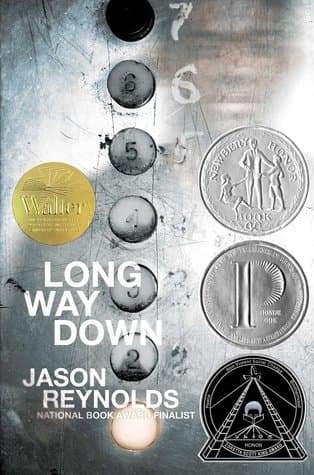
- Long Way Down
Jason Reynolds
4.3 (58k) average on GoodreadsYoung AdultA verse novel that delves into the cycle of violence and difficult choices faced by a teenager in a similar urban setting.
- Harry Potter and the Sorcerer's Stone
J.K. Rowling
4.5 (7M) average on GoodreadsFantasyRescued from a miserable life under the stairs, an orphaned boy discovers he's a wizard destined for a magical school, where he uncovers a dangerous secret tied to the dark wizard who murdered his parents.
- The Hunger Games
Suzanne Collins
4.3 (6.4M) average on GoodreadsFantasyIn a future where children fight to the death on live television, Katniss Everdeen volunteers for the arena, turning a death sentence into a fight for survival and a spark of rebellion.
- To Kill a Mockingbird
Harper Lee
4.3 (4.5M) average on GoodreadsHistorical FictionIn the 1930s Jim Crow South, Harper Lee writes about racial injustice, moral growth, and the quiet courage of a lawyer father, Atticus Finch, as seen through his young daughter's eyes.
- The Fault in Our Stars
John Green
4.2 (3.6M) average on GoodreadsYoung AdultA girl with a terminal illness finds her story rewritten when a charming boy with a similar past enters her life at a cancer support group, leading to a star-crossed romance.
- Divergent
Veronica Roth
4.2 (2.9M) average on GoodreadsFantasyIn a society divided by virtues, a sixteen-year-old's difference from the norm starts a rebellion that threatens her world.





Enjoyed the summary?
A summary gives you the shape of the book. The book itself has the detail, the examples and the voice.
Find If I Grow Up on AmazonAs an Amazon Associate, BookBrief earns from qualifying purchases. How we're funded