Estimated read time: 5 min read
One Sentence Summary
A collection of powerful and poignant stories that explore the lives of marginalized communities in India.
Table of Contents
Introduction
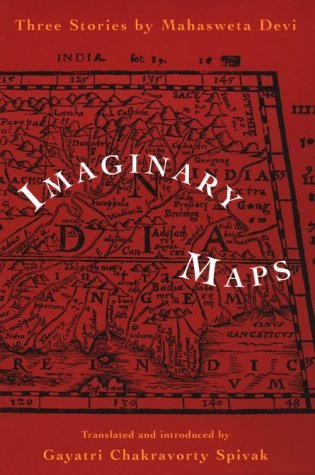
"Imaginary Maps" is a powerful collection of stories written by Mahasweta Devi, one of India's most celebrated authors. This book explores the lives and struggles of marginalized communities in India, shedding light on social injustices, oppression, and the resilience of the human spirit. Through her vivid storytelling, Devi raises important questions about power, identity, and the impact of colonialism on indigenous cultures. Each story in "Imaginary Maps" is a poignant and thought-provoking exploration of the human condition.
Brief Synopsis
Set in various regions of India, "Imaginary Maps" takes readers on a journey through different landscapes and communities. The stories delve into the lives of tribal people, peasants, and those living on the fringes of society. Devi skillfully weaves together narratives that expose the harsh realities faced by these individuals, while also celebrating their tenacity and resistance.
Main Characters
The characters in "Imaginary Maps" are diverse and reflect the diversity of Indian society. Some of the main characters include:
| Character | Description |
|---|---|
| Jashoda | A strong-willed tribal woman fighting against the exploitation of her community |
| Dopdi | A fearless Adivasi woman who confronts the violence and oppression of the state |
| Gopinath | A peasant leader who rallies against the exploitation of farmers |
| Alu | A young boy who dreams of a better future despite his impoverished circumstances |
| Chandidasi | A female theater artist who challenges societal norms and fights for justice |
Summary of Different Story Points
"The Hunt"
"The Hunt" tells the story of Jashoda, a tribal woman who refuses to accept the exploitation and displacement of her community by powerful landlords. She becomes a symbol of resistance and leads her people in a fight for their rights and dignity.
"Draupadi"
In "Draupadi," Dopdi, an Adivasi woman, faces the brutal violence of the state when she becomes a target for the police. Despite the torture and oppression, Dopdi remains defiant and refuses to be silenced.
"Behind the Bodice"
"Behind the Bodice" explores the life of Chandidasi, a theater artist who challenges societal norms and fights for justice. Through her performances, she raises awareness about the struggles of marginalized communities and empowers women to speak up for their rights.
"Giribala"
"Giribala" follows the journey of a young girl who escapes from a brothel and seeks a better life. This story highlights the vulnerability of women in society and the resilience they display in their quest for freedom and dignity.
"The Hunter's Wife"
"The Hunter's Wife" tells the story of a woman who takes on the responsibility of her husband's profession after he is killed by a tiger. She defies gender norms and proves her strength and courage in a male-dominated society.
Main Events
Throughout the stories in "Imaginary Maps," there are several key events that shape the narratives and highlight the struggles faced by the characters. These events include:
- Jashoda organizing protests against the exploitation of her community's land
- Dopdi's violent encounter with the police and her subsequent resistance
- Chandidasi's powerful performances challenging societal norms
- Giribala's escape from the brothel and her journey towards freedom
- The Hunter's Wife taking on her husband's role and defying gender stereotypes
Themes and Insights
"Imaginary Maps" explores various themes that are relevant to contemporary society. Some of the key themes include:
- Power and Oppression: The stories shed light on the power dynamics between the marginalized communities and the dominant forces in society. They explore the ways in which power is used to exploit and oppress certain groups.
- Identity and Resistance: The characters in the book grapple with questions of identity and struggle to assert their existence in a society that marginalizes them. They find strength in resistance and refuse to be silenced.
- Colonialism and Its Aftermath: The impact of colonialism on indigenous communities and the lasting consequences of colonization are themes that run through many of the stories. Devi examines how colonial powers have shaped the social, economic, and cultural landscape of India.
- Gender and Patriarchy: The book delves into the experiences of women in Indian society and highlights the challenges they face due to patriarchal norms. It explores the ways in which women navigate these obstacles and challenge traditional gender roles.
Reader's Takeaway
"Imaginary Maps" is a deeply impactful book that offers readers a glimpse into the lives of marginalized communities in India. Through her powerful storytelling, Devi compels us to confront the injustices and inequalities that persist in society. The book serves as a reminder of the resilience of the human spirit and the potential for resistance and change. It challenges readers to question power structures and to stand up against oppression in all its forms.
Conclusion
"Imaginary Maps" is a collection of stories that captivate and engage readers with their raw honesty and powerful narratives. Mahasweta Devi's writing illuminates the struggles faced by marginalized communities in India and explores themes that resonate with readers worldwide. This book is a testament to the author's profound understanding of human experiences and her ability to bring them to life on the page. "Imaginary Maps" is a must-read for anyone seeking to broaden their perspective and gain insight into the complexities of a diverse and vibrant society.
Imaginary Maps FAQ
What is the genre of 'Imaginary Maps'?
The genre of 'Imaginary Maps' is fiction.
Who is the author of 'Imaginary Maps'?
The author of 'Imaginary Maps' is Mahasweta Devi.
What is the main theme of 'Imaginary Maps'?
The main theme of 'Imaginary Maps' is social and political issues, particularly the struggles of marginalized communities.
What is the book about?
'Imaginary Maps' is a collection of short stories that explore the lives and experiences of various marginalized groups in India, including tribal communities, Dalits, and women.
Are the stories in 'Imaginary Maps' interconnected?
No, each story in 'Imaginary Maps' is standalone and focuses on different characters and communities.
Is 'Imaginary Maps' based on real events?
'Imaginary Maps' is a work of fiction, but it is inspired by real social and political issues faced by marginalized communities in India.
What language is 'Imaginary Maps' originally written in?
'Imaginary Maps' is originally written in Bengali.
Is 'Imaginary Maps' available in translation?
Yes, 'Imaginary Maps' has been translated into English and is available in translation.
Is 'Imaginary Maps' suitable for all readers?
'Imaginary Maps' addresses mature themes and contains depictions of social injustices, so it may not be suitable for all readers.
Has 'Imaginary Maps' received any awards?
Yes, 'Imaginary Maps' has received several awards, including the Sahitya Akademi Award, one of India's highest literary honors.