

Synopsis
Covers the whole plot, including the ending.
- Difficulty
- Easy
- Pacing
- Moderate
- Mood
- Melancholy, Romantic, Introspective, Dark
- Read it if
- You enjoy classic, character-driven vampire romance with a focus on past trauma and a journey to freedom.
- Skip it if
- You prefer fast-paced, action-heavy urban fantasy or deeply complex world-building.
In the Forests of the Night Plot Summary
Covers the whole plot, including the ending.
The Hunter's Routine
Risika, a 300-year-old vampire, lives a quiet, solitary life. She sleeps in her Concord, Massachusetts home by day and hunts in New York City by night. She is powerful, able to move at blurring speeds and having immense strength, making her a feared predator among humans and a legend among supernaturals. Despite her power, she feels isolated, having outlived everyone she once cared for. Her routine changes when she finds a black rose, a symbol from her past, on her pillow. This discovery suggests a link to the ancient vampire who turned her, a being she has tried to forget for centuries.
A Shadow from the Past
The black rose deeply disturbs Risika, bringing back fragmented memories of her human life and the night she was turned. She remembers the chilling presence of the ancient vampire, known only as the Master, who caused her transformation and left her with a complex mix of fear and an unexplained bond. The rose is a clear sign that the Master is near, and perhaps watching her. Risika's carefully built world of solitude and control begins to break as she considers confronting the being who changed her existence forever.
The First Encounter
During one of her nightly hunts, Risika is ambushed by a male vampire. He is a stranger but moves with a strange familiarity. He reveals himself to be the one leaving the black roses, and his presence awakens a deep, forgotten part of her. He is not the Master but clearly connected. Their first meeting is tense, a dance of power and suspicion. He speaks cryptically of their shared past and a prophecy, hinting that Risika is central to an ancient conflict. Risika, wary of manipulation, tries to keep him at a distance, but his persistence and the echoes of her past make it difficult.
The Unveiling of Elias
The persistent vampire finally reveals his identity: Elias. He claims to be her brother, the one she believed died centuries ago. Risika is overwhelmed with disbelief and a rush of suppressed emotions. She remembers Elias as a human, her beloved younger brother, and struggles to connect that image with the powerful, ancient vampire before her. Elias explains that he was also turned and has been searching for her for centuries, guided by a prophecy and a deep family bond. His story challenges everything Risika thought she knew about her past and her family's fate.
Memories of the Past
Elias tells how he, too, was turned by the Master, years after Risika, and how he has spent centuries looking for her. He explains that the Master, fascinated by Risika's hidden power and the strength of her human family bonds, had a specific, cruel plan for them. Risika begins to remember more vivid details of her human life: her loving father, the warmth of her home, and the terrifying night the Master appeared. The shared memories confirm Elias's claims and deepen Risika's understanding of the Master's manipulative nature and the profound loss they both endured.
The Master's Manipulation
As Risika and Elias spend more time together, they realize the extent of the Master's manipulation. He did not just turn them; he arranged their separation and played a long, cruel game, waiting for them to find each other. Elias reveals that the Master believes Risika is destined to become the most powerful vampire, and he sees himself as her creator and rightful mate. This disgusts Risika, strengthening her resolve to defy him. They understand that their reunion is part of his larger scheme, but they are determined to use it against him.
The Prophecy and the Bond
Elias explains an ancient prophecy that speaks of a powerful female vampire, a 'Child of the Night,' who will either unite or destroy the vampire world. The Master believes Risika is this child and that their union will give him ultimate power. The black rose is not just a symbol of their past, but also a magical conduit, a tether created by the Master to bind Risika to him. Risika feels this bond, an unwelcome pull towards her creator, which she now understands is a magical compulsion rather than genuine affection. They realize breaking this bond is key to her freedom.
Training and Preparation
With the truth of the Master's intentions clear, Risika and Elias begin to train, improving their ancient vampire abilities. Elias, having lived longer and understood more of the supernatural world, guides Risika in controlling her immense, raw power. They discuss strategies to confront the Master, knowing he is ancient and powerful. Their bond as siblings strengthens through this shared purpose, becoming a source of strength Risika has not felt in centuries. They prepare for a battle that will determine their fates and possibly the future of the vampire world.
The Confrontation
Risika and Elias track the Master to his ancient lair. The confrontation is fierce and brutal. The Master, arrogant and powerful, tries to regain control over Risika, using the magical bond of the black rose to compel her. However, Risika, strengthened by Elias's love and her own renewed resolve, fights back with all her might. She uses an even deeper well of power, fueled by her desire for freedom and revenge for her lost human life and the suffering inflicted upon her brother. The lair becomes a battlefield of ancient magic and raw vampire strength.
Breaking the Bond
In a climactic moment, Risika, with Elias's support, uses her immense power to sever the magical bond of the black rose that tied her to the Master. The act is painful but frees her from his centuries-long influence. The Master, weakened by the broken bond and Risika's unleashed power, is ultimately defeated. He is not necessarily killed, but his power over Risika is shattered, and he can no longer manipulate her. Risika emerges from the battle not just victorious, but truly free for the first time since her transformation; her destiny is now her own.
A New Beginning
With the Master defeated and his influence broken, Risika and Elias are finally free. They choose to remain together, their ancient sibling bond stronger than ever. Risika no longer feels the crushing weight of solitude; she has family once more. They decide to explore the world together, no longer bound by fear or their creator's dictates. While their lives as vampires are eternal, they now face it with companionship and a shared purpose, looking towards a future where they can define their own existence and perhaps even protect others from the likes of the Master.
In the Forests of the Night Characters
Risika
Protagonist
A powerful, ancient vampire seeking freedom from her past.
Risika is a 300-year-old vampire, immensely powerful and solitary by nature. She possesses incredible speed, strength, and heightened senses, making her a formidable predator. For centuries, she has lived a life of isolation, haunted by the loss of her human family and the trauma of her transformation. She is guarded, cynical, and fiercely independent, but beneath her cold exterior lies a deep capacity for love and loyalty, particularly towards her rediscovered brother, Elias. Her journey is one of reclaiming her agency and identity.
Relationships: Elias (Long-lost brother, rediscovered and deeply bonded.); The Master (Creator and tormentor, a manipulative and possessive enemy.)
Elias
Supporting
Risika's long-lost brother, also a vampire, who guides her to the truth.
Elias is Risika's younger brother, who was also turned into a vampire by the Master years after her. He is resourceful, determined, and possesses a deep, unwavering love for his sister. He has spent centuries searching for Risika, driven by a familial bond and an understanding of the Master's manipulative nature. Elias serves as Risika's guide, confidant, and protector, helping her understand their shared past and empowering her to break free from the Master's influence. He represents hope and the enduring power of family.
Relationships: Risika (Sister, deeply loved and protected.); The Master (Creator and shared enemy.)
The Master
Antagonist
An ancient, manipulative vampire who turned Risika and Elias.
The Master is an ancient and incredibly powerful vampire, the one who transformed Risika and Elias. He is characterized by his arrogance, possessiveness, and a cruel, manipulative nature. He views Risika as his ultimate creation and destined mate, believing she will grant him unparalleled power. He orchestrated their separation and reunion as part of a long-term scheme, driven by a twisted desire for control and a belief in an ancient prophecy. His actions are motivated by a desire for ultimate power and a profound lack of empathy, seeing others merely as pawns in his grand design.
Relationships: Risika (Obsessive creator, tormentor, and desired mate.); Elias (Another creation, a pawn in his larger game.)
In the Forests of the Night Themes
The Enduring Power of Family
Despite centuries of separation and the trauma of their transformations, the bond between Risika and Elias is unbreakable. Elias's constant search for Risika and their shared desire to reclaim their past shows how family love can overcome even death and the supernatural. Their reunion gives Risika the strength and motivation she needs to confront the Master, showing that family is not just about blood, but about a deep, unconditional connection that offers comfort and empowerment. This theme is central to Risika's change from a solitary life to one of companionship.
“He was her brother. After three hundred years of believing she was utterly alone, she had family again, and the feeling was both terrifying and exhilarating.”
Reclaiming Agency and Identity
Risika's entire life as a vampire has been shaped by the Master's actions and influence. Her journey is about breaking free from this control and making her own path. The black rose, at first a symbol of her enslavement, becomes the physical sign of the bond she must break. By confronting the Master and destroying his hold, Risika reclaims her identity not just as a powerful vampire, but as an individual free from her creator's commands. This theme is clear in her struggle to reconcile her human past with her vampire present and her final decision to define her own future.
“She was not his creation to command, not his destined mate. She was Risika, and her destiny was her own.”
The Burden of Immortality and Solitude
For much of the story, Risika experiences immortality as a curse rather than a gift. She is haunted by the loss of her human life and the pain of outliving everyone she has ever known. Her solitary life in modern-day America, hunting alone and avoiding attachments, is a direct result of this burden. Centuries of isolation have made her guarded and cynical. This theme highlights the psychological cost of eternal life when it lacks meaningful connections, showing that even immense power cannot fill the void left by loneliness. Her reunion with Elias offers relief from this solitude.
“Three hundred years. Three hundred years of outliving, outrunning, out-being everyone. It was a loneliness that etched itself into her very soul.”
Manipulation and Control vs. Freedom
The Master's character embodies manipulation and control. He not only transformed Risika and Elias but also orchestrated their lives, using prophecies and magical bonds to bind Risika to his will. His entire existence revolves around exercising power over others. The central conflict of the story is Risika's fight to break free from this control, to assert her freedom against a being who believes he owns her. This theme explores the psychological and magical aspects of coercion and the inherent desire for self-determination. The black rose is a strong symbol of this struggle.
“He thought he owned her. He thought he could command her. But she was not a puppet, and her strings were about to be cut.”
Plot Devices & Literary Techniques
The Black Rose
A recurring symbol that represents the Master's influence and the magical bond.
The black rose serves multiple functions. Initially, it acts as a mysterious harbinger, signaling the Master's return and unsettling Risika. It then reveals itself to be a powerful magical conduit, created by the Master to bind Risika to him, representing his control and her lack of agency. Its appearance triggers Risika's fragmented memories, forcing her to confront her past. Ultimately, the destruction of the black rose symbolizes Risika breaking free from the Master's magical and psychological hold, reclaiming her independence and destiny.
Ancient Prophecy
A mystical foretelling that drives the Master's actions and reveals Risika's significance.
The ancient prophecy, speaking of a powerful female vampire, a 'Child of the Night,' is a key plot device. It provides the Master's motivation for his obsession with Risika and his elaborate schemes. For Risika, the prophecy initially adds to her confusion but eventually helps her understand her unique power and her central role in the conflict. It raises the stakes of the story, implying that Risika's fate could impact the entire vampire world, making her personal struggle larger than herself and adding a layer of epic fantasy to the narrative.
Fragmented Memories
Risika's incomplete recollections of her human life and transformation.
Risika's fragmented memories of her human past and the night she was turned by the Master serve as a narrative device to gradually reveal the truth. These incomplete recollections create a sense of mystery and allow the author to slowly unravel the backstory. As Elias reappears and shares his own memories, Risika's fragments come together, providing crucial context for her character, her relationship with the Master, and the extent of his manipulation. This device builds suspense and allows for a deeper exploration of Risika's psychological trauma.
In the Forests of the Night Quotes
“The forest was not just trees and shadows; it was a living, breathing entity, with secrets whispered on the wind and ancient magic thrumming beneath the moss.”
“Some truths are too heavy to carry alone, and some burdens are meant to be shared, even with a stranger who feels like destiny.”
“Fear is a powerful weapon, but hope, even a tiny spark, can ignite a fire that fear cannot extinguish.”
“He moved like a predator, with a grace that was both terrifying and mesmerizing, a creature of the night made flesh.”
“The heart does not choose whom to love based on convenience or safety, but on a pull that defies logic and reason.”
“There are shadows within us all, but it is in how we choose to wield them that defines who we truly are.”
“To be truly free, one must first understand what it means to be bound.”
“Every legend has a kernel of truth, twisted and embellished by time, but the core remains, a whisper from the past.”
“The night held a different kind of beauty, a silent, watchful majesty that the day could never replicate.”
“Sometimes the greatest strength lies not in fighting, but in enduring, in holding on to who you are when everything else tries to tear you down.”
“His eyes, like polished obsidian, held ancient secrets and a sorrow that ran deeper than any river.”
“A promise made under the moon's gaze is a bond that even time struggles to break.”
“The world was far larger, and far more dangerous, than she had ever dared to imagine from the safety of her village.”
“He was a storm and a calm, a shadow and a light, all woven into a tapestry that both frightened and fascinated her.”
Quiz
10 questions on the plot and the characters. Each answer comes with a short explanation.
Question 1
Where does Risika sleep during the day?
- New York City
- Concord, Massachusetts
- Transylvania
- Boston, Massachusetts
Show answer
B. Concord, Massachusetts The book states that Risika sleeps in a shaded room in Concord, Massachusetts.
Question 2
What city does Risika hunt in at night?
- Concord, Massachusetts
- London, England
- New York City
- Salem, Massachusetts
Show answer
C. New York City Risika hunts the streets of New York City by night.
Question 3
What specific item does the mysterious follower leave for Risika?
- A white lily
- A black rose
- A silver locket
- A handwritten note
Show answer
B. A black rose The follower leaves Risika a black rose, which is significant because it sealed her fate three hundred years ago.
Question 4
How long ago did Risika become a vampire?
- Fifty years ago
- One hundred years ago
- Three hundred years ago
- Five hundred years ago
Show answer
C. Three hundred years ago Risika became a vampire three hundred years ago, which is when the black rose sealed her fate.
Question 5
What was Risika's family like before she became a vampire?
- She was an orphan with no family.
- She had a brother and a father who loved her.
- She lived with her mother and grandmother.
- She was married with children.
Show answer
B. She had a brother and a father who loved her. Three hundred years ago, Risika had a family—a brother and a father who loved her.
Question 6
What is Risika's current status or species?
- She is a human.
- She is a werewolf.
- She is a powerful vampire.
- She is a witch.
Show answer
C. She is a powerful vampire. The text clearly states, 'Now she is a vampire, a powerful one.'
Question 7
What is the primary emotional state Risika is accustomed to?
- Being surrounded by friends
- Being in love
- Being alone
- Being constantly afraid
Show answer
C. Being alone The description states, 'She is used to being alone.'
Question 8
What is the main conflict introduced by the appearance of the black rose and the follower?
- Risika's struggle to find new hunting grounds.
- Risika's past coming back to torment her.
- Risika's desire to become human again.
- Risika's search for a new family.
Show answer
B. Risika's past coming back to torment her. The black rose is linked to her past fate, and the text concludes with 'But her past has come back to torment her.'
Question 9
What is implied about the significance of the black rose to Risika's vampiric transformation?
- It was a gift from her brother.
- It symbolizes her current love interest.
- It was involved in the event that turned her into a vampire.
- It is a rare flower she collects as a hobby.
Show answer
C. It was involved in the event that turned her into a vampire. The text states, 'He has left her a black rose, the same sort of rose that sealed her fate three hundred years ago,' directly linking it to her past transformation into a vampire.
Question 10
Based on the provided summary, what is a central theme likely to be explored in the story?
- The challenges of maintaining a secret identity.
- The enduring impact of the past on the present.
- The struggle for power within vampire society.
- The joy of discovering new relationships.
Show answer
B. The enduring impact of the past on the present. The summary emphasizes Risika's past (human family, 300 years ago) returning to 'torment her' in the present, highlighting the theme of how past events continue to affect one's current life.
In the Forests of the Night FAQ
What is the central conflict Risika faces at the beginning of 'In the Forests of the Night'?
Risika, a powerful vampire living a solitary existence, finds her carefully constructed life disrupted by a mysterious stalker. This individual leaves her a black rose, a symbol directly linked to her transformation into a vampire three centuries prior, forcing her to confront a past she has long tried to outrun.
Where does Risika primarily reside and hunt, and how does this reflect her dual nature?
Risika maintains a daytime residence in Concord, Massachusetts, a quiet and historical town, where she sleeps. By night, she travels to New York City to hunt, showcasing her need for both a hidden, peaceful existence and the anonymity and prey found in a bustling metropolis.
Who is the mysterious individual leaving black roses for Risika, and what is his initial intention?
The mysterious individual is Ather, a vampire who was involved in Risika's transformation three centuries ago. He is not merely stalking her; he is attempting to re-establish contact and, as the story unfolds, reveal the full truth of their shared past and his role in it.
How did Risika become a vampire, and what immediate family did she lose in the process?
Risika was turned into a vampire three hundred years ago, a traumatic event that severed her from her human life. Before her transformation, she had a loving family, specifically a brother and a father, whom she lost and grieved deeply.
What is the significance of the black rose in Risika's past and present?
The black rose is a potent symbol that sealed Risika's fate three hundred years ago, marking the moment of her transformation into a vampire. Its reappearance in her present life serves as a direct, unsettling reminder of that traumatic event and the individual responsible for it.
Beyond Ather, are there other ancient vampire characters introduced, and what roles do they play?
Yes, other ancient vampires like Lena and Essix are introduced, who are connected to Ather and Risika's past. Lena acts as a mentor and confidante to Ather, while Essix represents a more sinister, power-hungry faction within the vampire world, posing a threat to both Risika and Ather.
What specific details are revealed about Ather's true intentions regarding Risika's past transformation?
It is revealed that Ather was not solely responsible for Risika's turning, but was manipulated by a more powerful, ancient vampire named Essix. Ather's true intention in pursuing Risika is to confess his regret, explain the circumstances of her transformation, and seek her forgiveness and a future with her.
How does Risika's solitary lifestyle contrast with her past human life, and what does this reveal about her character?
Risika's current solitary vampire existence sharply contrasts with her past human life, where she had a loving family. This contrast highlights her profound sense of loss and isolation, revealing a character who has built walls around herself to protect against further pain and attachment after her traumatic transformation.
What psychological impact does the reappearance of the black rose have on Risika?
The black rose's reappearance triggers a deep psychological impact on Risika, forcing her to confront suppressed trauma and grief. It shatters her carefully maintained emotional distance, bringing back memories of her lost humanity and the pain of her transformation, making her vulnerable and intensely reactive.
How does Risika's immense power as a vampire intersect with her emotional vulnerability?
Despite her immense power as a vampire, Risika remains deeply emotionally vulnerable, particularly concerning her past and lost humanity. Her power often serves as a shield, but the reappearance of Ather and the black rose proves that her emotional scars are her true weakness, making her formidable yet fragile.
How does Risika's initial anger towards Ather evolve, and what does this signify for their relationship?
Risika's initial anger towards Ather is intense and fueled by centuries of misunderstanding and pain. However, as he reveals the full truth of her transformation and his manipulation by Essix, her anger slowly gives way to understanding, and eventually, a fragile trust. This evolution signifies the potential for a new, complex relationship built on shared history and forgiveness.
Is Risika's choice to remain solitary a strength or a weakness, and why?
Risika's choice to remain solitary is a complex mix of both strength and weakness. It's a strength in that it allows her to survive and avoid further emotional pain, but it's a weakness because it prevents her from forming new connections, healing past wounds, and experiencing the full spectrum of emotions, leaving her isolated and vulnerable to her past.
How does the author use the setting of Concord, Massachusetts, and New York City to reflect Risika's internal state?
Concord, with its historical quietness, reflects Risika's desire for a hidden, unchanging sanctuary from her past, representing her dormant, human-like side. New York City, with its anonymity and constant activity, mirrors her predatory vampire nature and her need for escape and distraction, embodying her active, powerful self.
What themes of redemption and forgiveness are explored through Risika and Ather's relationship?
The novel deeply explores themes of redemption and forgiveness through Risika and Ather. Ather seeks redemption for his past actions and manipulation, while Risika must grapple with forgiving him and, in a broader sense, forgiving herself for her transformation. Their evolving relationship highlights the difficult journey towards healing profound historical wrongs.
How does Risika's struggle with her vampiric nature challenge traditional vampire tropes?
Risika's struggle challenges traditional vampire tropes by focusing less on the monstrous or predatory aspects and more on the profound psychological and emotional cost of immortality and transformation. She is a powerful vampire, but her internal conflict, grief for her lost humanity, and desire for connection make her a deeply nuanced and relatable character, defying simple villain or anti-hero classifications.
What moral dilemma does Risika face regarding her need to hunt versus her lingering human empathy?
Risika faces a significant moral dilemma between her inherent vampiric need to hunt and her lingering human empathy. While she must feed to survive, she struggles with the act of taking human life, often choosing targets carefully or feeling a sense of remorse, highlighting the constant internal battle between her two natures.
How does the narrative establish the 'rules' and hierarchy of the vampire world Risika inhabits?
The narrative subtly establishes the 'rules' and hierarchy of the vampire world through interactions with characters like Lena and Essix. It reveals that older vampires like Essix wield significant power and influence, capable of manipulating others, and that there are unwritten codes of conduct and consequences for breaking them, indicating a complex ancient society.
What role does memory play in Risika's journey, both as a burden and a potential source of strength?
Memory plays a crucial dual role in Risika's journey: it is a profound burden, constantly reminding her of her lost family and humanity, fueling her isolation and grief. However, as she confronts her past with Ather, memory also becomes a source of strength, providing context, allowing for understanding, and ultimately enabling her to move towards healing and a future.
Similar books
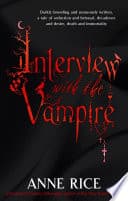
- Interview With The Vampire
Anne Rice
4.0 (485k) average on GoodreadsFantasyExplores the melancholic existence of vampires and their complex relationships.
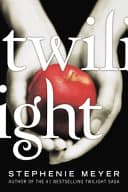
- Twilight
Stephenie Meyer
3.9 (842) average on GoodreadsLiterary FictionShares the core premise of a human protagonist's dangerous romance with a powerful supernatural being. However, Atwater-Rhodes's narrative features a more insidious and less romanticized manipulation from the antagonist, and a grittier overall tone compared to Twilight's more idealized romance.
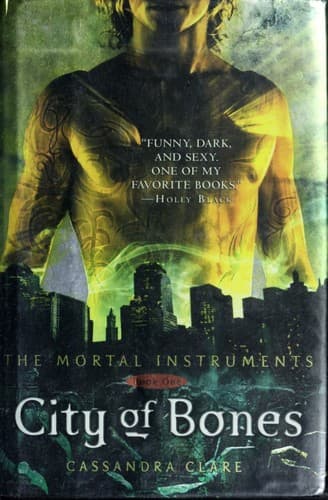
- City of Bones
Cassandra Clare
4.1 (43k) average on GoodreadsThrillerBoth deal with hidden magical societies and themes of destiny. Clare's novel offers a more expansive world, intricate lore, and a larger ensemble cast, while Atwater-Rhodes focuses on a more intimate, character-driven psychological tension between fewer, intensely developed characters. Atwater-Rhodes's focus is less on external threats and more on internal, relational conflict.
- Harry Potter and the Sorcerer's Stone
J.K. Rowling
4.5 (7M) average on GoodreadsFantasyRescued from a miserable life under the stairs, an orphaned boy discovers he's a wizard destined for a magical school, where he uncovers a dangerous secret tied to the dark wizard who murdered his parents.
- The Hunger Games
Suzanne Collins
4.3 (6.4M) average on GoodreadsFantasyIn a future where children fight to the death on live television, Katniss Everdeen volunteers for the arena, turning a death sentence into a fight for survival and a spark of rebellion.
- 1984
George Orwell
4.2 (3.1M) average on GoodreadsPoliticsIn a future where surveillance and thought control are absolute, a man's search for truth clashes with the Party, showing that hope can be a form of rebellion.



Enjoyed the summary?
A summary gives you the shape of the book. The book itself has the detail, the examples and the voice.
Find In the Forests of the Night on AmazonAs an Amazon Associate, BookBrief earns from qualifying purchases. How we're funded