
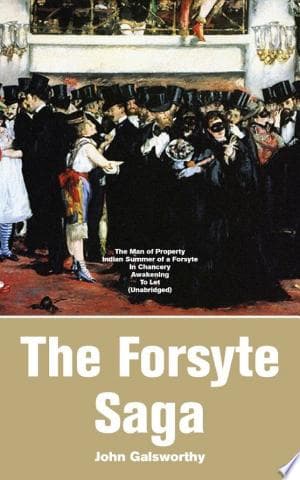
Synopsis
Covers the whole plot, including the ending.
- Difficulty
- Easy
- Pacing
- Slow
- Mood
- Melancholy, Reflective, Poignant, Serene
- Read it if
- You appreciate character-driven novellas exploring themes of aging, loneliness, and unexpected companionship, with a focus on quiet introspection and emotional depth.
- Skip it if
- You prefer fast-paced plots, high-stakes drama, or a story with a clear, external conflict and a dramatic resolution.
Indian Summer of a Forsyte Plot Summary
Covers the whole plot, including the ending.
Old Jolyon's Solitude at Robin Hill
Old Jolyon Forsyte, now owning Robin Hill, the house Soames built for Irene, lives in quiet solitude. He bought the estate from his nephew, Soames, and enjoys its beauty and peace. His thoughts often return to the past, to his family's problems, especially Irene's unhappiness and his son Young Jolyon's estrangement. Despite his age, Old Jolyon stays interested in life, enjoying his garden and his dog, Balthasar. He feels a quiet happiness, though a hint of sadness suggests unfulfilled wishes and the passage of time.
A Chance Encounter with Irene
One afternoon, Old Jolyon sees a woman sketching by the pond in his garden. It is Irene Forsyte, Soames's estranged wife, visiting the house she once lived in. She is surprised to see him, but Old Jolyon, always drawn to her beauty and quiet grace, greets her kindly. He invites her to stay and sketch, offering tea. This meeting starts a connection. Old Jolyon, despite his family's past with her, feels a deep sympathy and respect for Irene, sensing her sadness and strength.
Developing a Gentle Friendship
After their first meeting, Irene starts visiting Robin Hill more often. She and Old Jolyon form a gentle, unspoken friendship. He enjoys her quiet presence, her love for beauty, and her calm manner. Irene, in turn, finds comfort in Old Jolyon's kindness and understanding, which is very different from her stifling marriage to Soames. They often sit together in the garden, speaking little but sharing deep respect. Old Jolyon, even in his old age, feels a new sense of purpose and a gentle, almost fatherly affection for Irene, who represents a beauty and sensitivity he values.
Irene's Past and Present Loneliness
As their friendship grows, Old Jolyon becomes more aware of Irene's deep loneliness and past hurts. He understands the great suffering she went through in her marriage to Soames and the social rejection she faced. He sees her quiet strength mixed with deep sadness, a woman wronged but still dignified. Old Jolyon feels protective of her, seeing her vulnerability beneath her calm appearance. He regrets the unfairness of her situation and wants to give her comfort and a sense of belonging, however brief.
The Comfort of Shared Silence
Irene and Old Jolyon spend much of their time together in comfortable silence, showing how well they understand each other. They both love the beauty of Robin Hill, the changing seasons, and nature's simple joys. Old Jolyon feels renewed by Irene's presence, finding a warmth and connection missing from his later years. Irene, for her part, seems to bloom slightly under his gentle care, finding a rare sense of peace and acceptance. Their bond goes beyond usual expectations, based on mutual respect and a shared appreciation for beauty and quiet.
Concerns for His Son, Young Jolyon
Old Jolyon also thinks of his son, Young Jolyon, with whom he has made up after years of being apart. He recognizes Young Jolyon's artistic nature and his unconventional life choices. As Old Jolyon considers his own death, he starts to think about his will. He trusts Young Jolyon completely and decides to name him as trustee for any gifts he might leave to Irene, ensuring her financial security after his death. This decision shows his deep affection for Irene and his wish to protect her, even after he is gone, using his son as a reliable go-between.
A Final Summer Day
One beautiful summer day, Old Jolyon feels a deep sense of peace and happiness. He spends the day in his garden, watching the world around him—the sun on the leaves, the birdsong, the gentle breeze. Irene is there, sketching nearby, her quiet presence adding to the calm. Old Jolyon feels grateful for this moment, for Robin Hill's beauty, and for his unexpected friendship with Irene. He feels deeply connected to life, enjoying its simple pleasures with heightened awareness, as if savoring each moment.
The Last Nap Under the Oak
As the afternoon continues, Old Jolyon feels a gentle tiredness. He settles into his favorite chair under the old oak tree in the garden, the tree a silent witness to generations of Forsytes. He watches Irene sketch, her image a final, beautiful sight. He closes his eyes, falling into a peaceful sleep. The setting sun casts long shadows, and the garden sounds become a soft lullaby. This nap is different; it is a deep and lasting rest, full of calm.
The Peaceful Passing
Irene, focused on her drawing, does not immediately notice that Old Jolyon has died. He remains in his chair under the oak tree, a look of calm contentment on his face. His death is gentle and quiet, a natural end to a full life, marked by a final period of unexpected joy and connection. When Irene finally looks up, she realizes he is gone. His death is described not as a tragedy, but as a natural completion, surrounded by the beauty he loved and with the person who brought him so much comfort in his last days.
The Discovery and Aftermath
Old Jolyon's death is soon discovered, bringing quiet sadness to Robin Hill. His will is read, showing his careful plans. He leaves a large sum of money to Irene, with Young Jolyon appointed as her trustee. This act shows Old Jolyon's deep affection and protective feelings towards Irene, ensuring her financial independence and well-being. His final act is one of quiet generosity, continuing the care he showed her in his last days, leaving a legacy of kindness that goes beyond the wider Forsyte family's complexities and judgments.
Principal Figures
Old Jolyon Forsyte
Protagonist
The patriarch of the Forsyte family, now in his advanced years, seeking peace and connection.
Old Jolyon is a man of immense wealth and a deep, often understated, emotional depth. Despite his advanced age, he possesses a keen mind, a love for beauty, and a surprising capacity for empathy. He is the patriarch of the Forsyte family, but in his later years, he has grown weary of the family's materialistic tendencies and social rigidities. He is reflective, valuing peace, nature, and genuine human connection above all else. His past includes a reconciliation with his estranged son, Young Jolyon, and a growing disillusionment with the 'man of property' mentality.
Relationships: Irene Forsyte (A deep, platonic, and protective affection, offering her solace and finding joy in her presence.); Young Jolyon Forsyte (Reconciled father-son relationship, trust and reliance.); Soames Forsyte (Nephew, a sense of disapproval for his treatment of Irene.)
Irene Forsyte
Supporting
A beautiful, sensitive woman, marked by past suffering, who finds solace in Old Jolyon's company.
Irene is a woman of exceptional beauty and quiet dignity, whose life has been deeply scarred by her unhappy marriage to Soames Forsyte. She is artistic, sensitive, and possesses a profound inner melancholy, yet she carries herself with grace and resilience. She seeks beauty and peace, often finding it in art and nature. Her presence has a calming and inspiring effect on Old Jolyon, and she finds in him a rare understanding and kindness that she has long been denied. She embodies a spirit that contrasts sharply with the materialistic values of the Forsyte world.
Relationships: Old Jolyon Forsyte (A deep, platonic, and respectful friendship, finding comfort and understanding.); Soames Forsyte (Estranged husband, source of past trauma and unhappiness.)
Young Jolyon Forsyte
Mentioned
Old Jolyon's estranged but now reconciled son, an artist and unconventional thinker.
Young Jolyon is Old Jolyon's son, an artist by temperament, who famously broke away from the traditional Forsyte values and expectations. He is unconventional, compassionate, and possesses a moral compass that often diverges from the family's materialistic pursuits. Though not physically present in this interlude, his character is significant through Old Jolyon's reflections and his role as trustee for Irene's inheritance. He represents a different kind of Forsyte, one capable of genuine empathy and artistic appreciation.
Relationships: Old Jolyon Forsyte (Reconciled father-son relationship, mutual respect and trust.); Irene Forsyte (Future trustee, implying a protective role.)
Balthasar
Supporting
Old Jolyon's faithful dog and constant companion.
Balthasar is Old Jolyon's loyal and beloved dog. He is a constant, comforting presence in Old Jolyon's solitary life at Robin Hill. His simple affection and companionship provide Old Jolyon with a sense of connection and grounding. Balthasar represents the uncomplicated joys of life and the natural world, offering unconditional love and a quiet understanding that human relationships often lack. His presence underscores Old Jolyon's appreciation for simple pleasures and his connection to nature.
Relationships: Old Jolyon Forsyte (Loyal pet and cherished companion.)
Soames Forsyte
Mentioned
Irene's estranged husband, a 'man of property' whose actions caused her great suffering.
Soames Forsyte is Irene's estranged husband and Old Jolyon's nephew. He is the quintessential 'man of property,' driven by possession, control, and a rigid adherence to social conventions. Although not present in this story, his past actions—particularly his treatment of Irene—cast a long shadow over her life and inform Old Jolyon's protective feelings towards her. He represents the materialism and emotional repression that Old Jolyon has come to reject, serving as a foil to the more empathetic and artistic sensibilities in the narrative.
Relationships: Irene Forsyte (Estranged husband, source of past conflict and suffering.); Old Jolyon Forsyte (Nephew, viewed with disapproval regarding Irene.)
Themes & Insights
The Search for Peace and Solace
Old Jolyon, in his later years, finds deep peace at Robin Hill, away from the Forsytes' busy, materialistic world. His solitude is not loneliness but a cherished calm, deepened by his unexpected friendship with Irene. Irene, too, after much suffering, finds temporary refuge and comfort in Old Jolyon's gentle company and the garden's beauty. The story shows that true peace often comes from simplicity, nature, and genuine, unburdened human connection, not from wealth or social status. This is clear in Old Jolyon's happiness in his garden with Irene, a strong contrast to earlier Forsyte family dramas.
“He had bought the house from Soames, and with it, he felt, a certain peace, a quietude that had been lacking in his earlier, more property-driven life.”
Unconventional Connection and Empathy
The main relationship between Old Jolyon and Irene goes against common societal expectations and family judgments. Despite Irene's scandalous past in the eyes of the Forsyte family, Old Jolyon looks past surface appearances, seeing her inherent goodness, sensitivity, and suffering. Their bond is built on mutual respect, unspoken understanding, and a shared love for beauty and quiet. This theme highlights how empathy can overcome social barriers and how important genuine human connection is, even when society disapproves. Old Jolyon's protective feelings and his final act of leaving Irene money show this deep, empathetic bond.
“He felt for her a profound pity, a sense of protective tenderness, as if she were a wounded bird.”
Beauty, Nature, and the Passage of Time
Robin Hill, with its beautiful garden and old oak tree, is key to the story's mood and themes. Nature provides comfort, reflection, and beauty for both Old Jolyon and Irene. The changing seasons and the enduring oak tree symbolize the passage of time and life's cycles. Old Jolyon's last moments under the oak tree show a calm acceptance of death, tied to nature's timeless beauty. A love for beauty, whether in art or nature, offers a escape from life's harder realities.
“The old oak tree, under which he often sat, seemed to breathe a patient wisdom, a sense of timelessness that comforted his aging spirit.”
Legacy and Generosity
Old Jolyon's decision to leave Irene money in his will, with Young Jolyon as trustee, is an important theme. It is not just financial support but a final act of kindness, protection, and a wish to correct a past wrong. This act differs sharply from the Forsyte family's usual focus on property and social standing. It highlights a legacy of generosity and empathy, showing that true wealth lies not just in possessions but in compassion and the desire to provide comfort and security for those who have suffered. His legacy is one of quiet, personal justice.
“He wished to leave her something more than the memory of his kindness; he wished to leave her security.”
Plot Devices & Literary Techniques
The Robin Hill Estate
A symbolic setting representing peace, beauty, and emotional refuge.
Robin Hill, the house Soames built for Irene and later sold to Old Jolyon, functions as more than just a setting; it's a symbolic haven. For Old Jolyon, it represents an escape from the materialistic world of the Forsytes and a place of profound peace and reflection. For Irene, it's a place of poignant memories but also a source of temporary solace and understanding through her friendship with Old Jolyon. The estate's beauty, particularly its garden and the ancient oak, mirrors the inner tranquility and emotional depth that the characters find there, contrasting with the turmoil of their pasts.
The Ancient Oak Tree
A symbol of enduring life, nature's constancy, and a witness to generations.
The ancient oak tree in the garden of Robin Hill serves as a powerful symbol. It represents the enduring power of nature, its silent wisdom, and its constancy in the face of human transience. Old Jolyon's fondness for sitting under its branches, and his eventual peaceful death beneath it, links his final moments to the timeless cycle of life and nature. The tree acts as a silent witness to the quiet drama unfolding, embodying a sense of rootedness and continuity that contrasts with the fleeting nature of human lives and their emotional struggles.
The Will and Inheritance
A means of demonstrating character and ensuring future protection.
Old Jolyon's will, specifically his decision to leave Irene money with Young Jolyon as trustee, is a crucial plot device. It serves multiple functions: it reveals Old Jolyon's deep affection and protective instincts towards Irene, solidifying their unique bond; it highlights his trust in his son, Young Jolyon; and it provides a resolution to Irene's precarious financial and social standing. This act of legacy is a final, tangible expression of Old Jolyon's character and his desire to provide comfort and security beyond his own life, directly impacting Irene's future.
The Indian Summer Metaphor
A literary device representing a period of unexpected warmth, beauty, and peace before life's end.
The title itself, 'Indian Summer of a Forsyte,' is a powerful metaphor. An 'Indian Summer' refers to a period of unseasonably warm, dry weather in late autumn, often after a period of cold. In the story, it symbolizes Old Jolyon's final years: a period of unexpected warmth, beauty, and deep emotional connection (with Irene) that comes late in his life, just before his death. It suggests a serene, golden period of peace and contentment, a final blossoming, before the inevitable end. This metaphor frames the entire narrative, emphasizing the preciousness and fleeting nature of this late-life happiness.
Indian Summer of a Forsyte Quotes
“Youth, when it is most beautiful, is most self-centred.”
“The past is a foreign country; they do things differently there.”
“To be young is to be without the sense of humour which comes from the power of perspective.”
“Love, after all, is a matter of the imagination.”
“Life, when you came to think of it, was a long process of getting used to things.”
“The Forsytes, like all people of property, were strong on the sanctity of contract.”
“There was no such thing as a new idea, only a new way of expressing it.”
“Old age is not a matter of years but of spirit.”
“Happiness is a matter of digestion, not of divine favour.”
“The true artist is a man who can make you feel what he feels.”
“Conscience is a luxury for those who can afford it.”
“Every generation thinks it has discovered love anew.”
“Money is a poor substitute for happiness, but it's a mighty good stand-in for misery.”
Quiz
10 questions on the plot and the characters. Each answer comes with a short explanation.
Question 1
Which two characters form a 'newfound friendship' during the events of 'Indian Summer of a Forsyte'?
- Soames Forsyte and Irene
- Old Jolyon Forsyte and June
- Irene and Old Jolyon Forsyte
- Young Jolyon Forsyte and Irene
Show answer
C. Irene and Old Jolyon Forsyte The text explicitly states: 'Galsworthy delves into the newfound friendship between Irene and Old Jolyon Forsyte'.
Question 2
Who is June in relation to Old Jolyon Forsyte?
- His daughter
- His granddaughter
- His wife
- His niece
Show answer
B. His granddaughter The text identifies Old Jolyon Forsyte as 'June's grandfather'.
Question 3
What is the name of the house that Old Jolyon Forsyte owns during this interlude?
- Fleur's House
- Robin Hill
- The Forsyte Manor
- Green Street
Show answer
B. Robin Hill The text mentions Old Jolyon 'by now the owner of the house Soames had built' and later that he 'dies under an ancient oak tree in the garden of the Robin Hill house'.
Question 4
What is the primary effect of the attachment between Irene and Old Jolyon on Old Jolyon himself?
- It strengthens his health.
- It makes him wealthier.
- It gives him pleasure but exhausts his strength.
- It causes a rift with his son, Young Jolyon.
Show answer
C. It gives him pleasure but exhausts his strength. The text states: 'This attachment gives Old Jolyon pleasure, but exhausts his strength.'
Question 5
Where does Old Jolyon Forsyte ultimately die?
- In his bed at Robin Hill
- Under an ancient oak tree in the Robin Hill garden
- While traveling abroad
- At a family gathering
Show answer
B. Under an ancient oak tree in the Robin Hill garden The text clearly states: 'In the end Old Jolyon dies under an ancient oak tree in the garden of the Robin Hill house.'
Question 6
Who is designated as the trustee for the money Old Jolyon leaves Irene in his will?
- June
- Soames Forsyte
- A solicitor
- Young Jolyon, his son
Show answer
D. Young Jolyon, his son The text specifies: 'He leaves Irene money in his will with Young Jolyon, his son, as trustee.'
Question 7
The publisher's note emphasizes that 'Indian Summer of a Forsyte' is an interlude after which specific novel?
- In Chancery
- To Let
- The Man of Property
- Awakening
Show answer
C. The Man of Property The text states: 'In a short interlude after The Man of Property, Galsworthy delves into the newfound friendship...'
Question 8
What significant detail about the Robin Hill house is mentioned in connection to its original builder?
- It was built by Young Jolyon Forsyte.
- It was built by Soames Forsyte.
- It was built by June's father.
- It was built by Old Jolyon himself.
Show answer
B. It was built by Soames Forsyte. The text refers to Old Jolyon as 'the owner of the house Soames had built'.
Question 9
What is the publisher's main aim in bringing 'Indian Summer of a Forsyte' back into print?
- To introduce new authors to the public.
- To update the language for modern readers.
- To facilitate rapid access to this significant literary work that has been out of print.
- To create a graphic novel adaptation.
Show answer
C. To facilitate rapid access to this significant literary work that has been out of print. The publisher's note states: 'The aim of our publishing program is to facilitate rapid access to this vast reservoir of literature, and our view is that this is a significant literary work, which deserves to be brought back into print after many decades.'
Question 10
What method did the publisher use to create the new edition of 'Indian Summer of a Forsyte' to ensure quality?
- It was entirely re-typed by professional transcribers.
- It was translated from a foreign language.
- The contents were scanned from original works and meticulously hand curated.
- It was based on a previously existing digital version.
Show answer
C. The contents were scanned from original works and meticulously hand curated. The text specifies: 'The contents of the vast majority of titles in the Classic Library have been scanned from the original works. To ensure a high quality product, each title has been meticulously hand curated by our staff.'
Indian Summer of a Forsyte FAQ
What is the central premise of 'Indian Summer of a Forsyte'?
The novella focuses on the unexpected and tender friendship that develops between the elderly Old Jolyon Forsyte and the much younger Irene, following her separation from Soames. Their connection unfolds at the Robin Hill house, bringing joy to Old Jolyon but ultimately contributing to his declining health.
Who are the two main characters whose relationship is explored in this interlude?
The primary characters are Old Jolyon Forsyte, the patriarch of his branch of the family and grandfather to June, and Irene Heron, the estranged wife of Soames Forsyte. Their bond forms the emotional core of the narrative.
Where does most of the story take place?
The majority of the story is set at Robin Hill, the house originally built by Soames Forsyte, which Old Jolyon has acquired. The expansive garden, particularly the ancient oak tree, serves as a significant backdrop to their interactions.
How does Old Jolyon's relationship with Irene impact his well-being?
While the friendship with Irene brings immense pleasure and a renewed sense of purpose to Old Jolyon's final days, it also taxes his strength. His deep emotional investment and desire to protect her contribute to his physical exhaustion.
What is the significance of Old Jolyon's will in the story?
Old Jolyon's will is significant because he leaves money to Irene, entrusting his son, Young Jolyon, as the trustee. This act demonstrates his deep affection and concern for Irene's future, solidifying his protective role even after his death.
How does the setting of Robin Hill, particularly the garden, contribute to the atmosphere of the novella?
The Robin Hill garden, with its ancient oak tree, provides a serene and almost Edenic setting that contrasts with the earlier domestic tensions associated with the house. It becomes a sanctuary for Old Jolyon and Irene, symbolizing peace and natural beauty in their shared moments.
What is the symbolic meaning of Old Jolyon's death under the ancient oak tree?
Old Jolyon's death under the ancient oak tree symbolizes a return to nature and a peaceful end, free from the rigidities of Forsyte society. It suggests a natural, almost idyllic passing, deeply connected to the beauty and tranquility he found with Irene.
How does this novella connect to 'The Man of Property' and subsequent Forsyte Saga novels?
'Indian Summer of a Forsyte' serves as a crucial bridge between 'The Man of Property' and later installments. It resolves Old Jolyon's storyline while setting the stage for Irene's future and her eventual closer relationship with Young Jolyon, laying groundwork for future family dynamics.
What subtle hints are there about Irene's future relationship with Young Jolyon?
The fact that Young Jolyon is appointed trustee of Irene's inheritance from his father creates a direct, ongoing connection between them. This legal and personal tie subtly foreshadows their developing relationship and eventual marriage, hinting at a future beyond Old Jolyon's protective gaze.
How does Old Jolyon's character evolve or find fulfillment in this story?
Old Jolyon, initially presented as a somewhat detached patriarch, finds profound emotional fulfillment in his friendship with Irene. He sheds some of the Forsyte materialism, embracing a more tender, compassionate side, and experiences a deep, selfless love in his final days.
What psychological needs does Irene fulfill for Old Jolyon?
Irene fulfills Old Jolyon's need for beauty, companionship, and a sense of purpose beyond his family's business affairs. She represents an ideal of grace and sensitivity that contrasts with the more materialistic Forsyte values, bringing him a profound emotional solace.
How does Irene's perspective on life and relationships seem to shift during her time with Old Jolyon?
With Old Jolyon, Irene finds a haven of peace and genuine affection, a stark contrast to her suffocating marriage to Soames. She experiences a relationship based on respect and understanding, which likely helps her heal emotionally and perhaps rediscover her own capacity for connection.
In what ways does this novella explore themes of aging and mortality?
The story profoundly explores aging through Old Jolyon's perspective, showcasing his acceptance of mortality while still finding joy and meaning in his final days. His peaceful death under the oak tree emphasizes a natural, dignified conclusion to a life well-lived, enriched by human connection.
Is the relationship between Old Jolyon and Irene purely platonic, or is there an underlying romantic current?
While the relationship is explicitly platonic in its physical expression, there is a deep, almost romantic affection and devotion from Old Jolyon towards Irene. It transcends mere friendship, imbued with a tenderness and protectiveness that hints at a spiritual love, though not a carnal one.
How does Galsworthy use the 'Indian Summer' metaphor in the title?
The 'Indian Summer' metaphor perfectly captures Old Jolyon's final period of life: a brief, warm, and beautiful resurgence of vitality and happiness before the inevitable winter of death. It signifies a late-life blossoming of joy and profound connection, unexpected yet deeply cherished.
Does Old Jolyon's affection for Irene represent a rejection of traditional Forsyte values?
Yes, Old Jolyon's deep affection for Irene can be interpreted as a significant departure from traditional Forsyte values. He prioritizes emotional connection, beauty, and personal happiness over material possession and social standing, showing a final, profound shift in his worldview.
Could Old Jolyon's death be seen as a form of sacrifice for Irene's future happiness?
While not a direct sacrifice, Old Jolyon's emotional investment in Irene, coupled with his advanced age, undeniably exhausts his strength. His passing, however, also frees Irene from the immediate burden of his protective presence and sets the stage for her future with Young Jolyon, indirectly contributing to her eventual happiness.
How does the novella comment on the nature of beauty and its effect on individuals?
The novella emphasizes the profound and almost redemptive power of beauty, particularly through Irene's character. Her beauty, both physical and spiritual, deeply affects Old Jolyon, drawing him out of his Forsyte shell and enriching his final days, suggesting beauty's capacity for solace and inspiration.
About the author
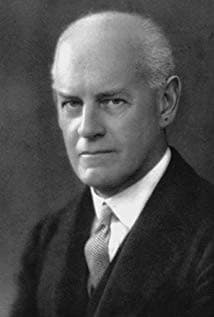
John Galsworthy was an English novelist and playwright. He is best known for his trilogy of novels collectively called The Forsyte Saga, and two later trilogies, A Modern Comedy and End of the Chapter. He won the Nobel Prize in Literature in 1932.
Similar books
- Ethan Frome
Edith Wharton
3.4 (108k) average on GoodreadsHistorical FictionExplores a quiet, tragic love and the constraints of societal expectations.
- The Old Man and the Sea
Ernest Hemingway
3.8 (831k) average on GoodreadsLiterary FictionFocuses on an elderly protagonist's solitary struggle and dignity.
- A Month in the Country
J.L. Carr
4.1 (8k) average on GoodreadsLiterary FictionFeatures a quiet, reflective summer setting and the healing power of simple connections.
- Mrs Dalloway
Virginia Woolf
3.8 (361k) average on GoodreadsFictionWoolf's Mrs Dalloway, published later but also concerned with an aging character's internal reflections over a single day, represents a modernist departure from Galsworthy's more traditional narrative style. While both explore themes of memory, solitude, and the passage of time, Woolf employs stream-of-consciousness and a fragmented narrative to delve into the subjective experiences of multiple characters, offering a more experimental and less linear psychological portrait compared to Galsworthy's more conventional, albeit deeply felt, exploration of Old Jolyon's consciousness.
- Nineteen Eighty-Four
George Orwell
4.2 (5.5M) average on GoodreadsFictionWinston Smith dreams of truth and rebellion in a world where Big Brother watches all, but he confronts the terrifying power of a regime that controls not just actions, but thoughts.
- The Frozen River
Ariel Lawhon
4.4 (600k) average on GoodreadsFictionIn 1789 Maine, a heroic midwife's diary helps her expose a murder and get justice in a town that wants to silence her.





Enjoyed the summary?
A summary gives you the shape of the book. The book itself has the detail, the examples and the voice.
Find Indian Summer of a Forsyte on AmazonAs an Amazon Associate, BookBrief earns from qualifying purchases. How we're funded