

Synopsis
Covers the whole plot, including the ending.
- Difficulty
- Easy
- Pacing
- Moderate
- Mood
- Reflective, Solemn, Resilient, Hopeful
- Read it if
- You appreciate stories of human perseverance against nature, allegories about life and struggle, or a classic, concise narrative that explores themes of defeat, dignity, and the human spirit.
- Skip it if
- You prefer fast-paced plots with multiple characters and complex subplots, or if you dislike stories with a melancholic tone and an ultimately bittersweet resolution.
The Old Man and the Sea Plot Summary
Covers the whole plot, including the ending.
Eighty-Four Days Without a Fish
Santiago, an old Cuban fisherman in a small village near Havana, is called 'salao' — the worst kind of unlucky — by many other fishermen. For eighty-four days in a row, he has come back to shore with an empty boat or only a few small fish. His only real friend and helper, a young boy named Manolin, has been told by his parents not to fish with Santiago because of the old man's bad luck. Even so, Manolin stays loyal, bringing Santiago food, helping him carry his gear, and talking about baseball, especially their shared admiration for Joe DiMaggio. Santiago, though physically weak, keeps a strong spirit and a deep connection to the sea, believing his luck will soon change.
Setting Out for the Deep Sea
On the eighty-fifth day, Santiago decides to go farther out than usual, past the coastal waters where other fishermen usually stay. He wakes early, before dawn, and Manolin helps him get his boat ready, giving him fresh bait and coffee. Santiago tells Manolin he will be fine and feels sure he will catch a great fish. He rows out into the dark, calm sea, leaving the lights of Havana behind. As he rows, he watches the natural world around him — flying fish, birds, and the changing currents — feeling a strong sense of belonging and hope. He sets his lines at different depths, hoping to attract a large catch.
The Strike of the Great Marlin
Around noon, one of Santiago's deep lines gets a strong tug. He knows right away that it is a huge fish, much bigger than anything he has met before. The fish starts pulling the boat steadily northward, away from land. Santiago cannot pull it in; he can only hold on to the line, bracing it against his back and shoulders, feeling great pain. He realizes it is a giant marlin and feels both respect and determination. The struggle is quiet, a test of wills between man and fish. Santiago wishes Manolin were with him to help, but he stays firm, knowing he must face this challenge alone.
A Day and Night at Sea
The marlin keeps pulling the boat for the rest of the day and through the night. Santiago's hands are cut and stiff from holding the line, and his back and shoulders hurt badly. He eats a raw tuna he caught earlier to keep going, thinking about his past strength and the things he learned when he was young. He talks to the marlin, showing his admiration and his will to kill it. He also talks to himself, giving himself encouragement and ideas. He sees two porpoises playing, which he thinks is a good sign. The stars appear, and he uses them to steer, keeping his course as the fish pulls him deeper into the open ocean.
The Marlin's First Appearance
As the second day starts, the marlin finally comes to the surface, letting Santiago see his opponent fully for the first time. The fish is enormous, longer than Santiago's boat, with a beautiful purple color and a sword-like bill. Santiago is amazed by its beauty and size, feeling a deep bond and respect for the creature. He thinks, 'He is a great fish and he must have been a great fish for a long time.' The sight gives him energy, even as his pain grows. He renews his resolve, knowing he is in a battle of equals, a fight for survival and honor against a worthy opponent.
The Final Struggle and Kill
On the third day, the marlin starts to circle the boat, showing it is getting tired. Santiago, equally tired and suffering from extreme thirst, hunger, and muscle cramps, must use all his remaining strength. He uses his last bit of energy to pull the line, slowly bringing the marlin closer. As the fish circles, Santiago carefully moves his boat and, with a final, desperate push, plunges his harpoon into the marlin's heart. The great fish makes one last, powerful leap, showing its huge size again, before dying and turning belly up in the water. Santiago is overcome with tiredness but also a deep sense of success and sadness.
Towing the Great Fish Home
The marlin is too large to fit inside the boat, so Santiago ties it tightly to the side of his boat, making sure its head and tail are above the water. He raises the sail, using the wind to help him go home. The journey is slow and hard; the huge fish drags the boat down a lot. Santiago is proud of his catch but also very tired. He thinks about the fish's greatness and his own endurance. He guesses the marlin's weight and imagines how much awe it will cause when he finally brings it to market, hoping to prove his worth to the other fishermen and to himself.
The First Shark Attack
About an hour after killing the marlin, the first shark appears — a large mako, drawn by the blood trail. Santiago, seeing the danger to his prize, gets ready to fight. He uses his harpoon, hitting the mako directly in the brain. The shark is killed, but not before it takes a large piece out of the marlin's side. Santiago is saddened by the loss but feels a surge of anger and new resolve to protect what is left of his catch. He knows more sharks will come and feels a sense of dread about the fight ahead, but he will not give up.
Relentless Shark Attacks
As night falls, two shovel-nosed sharks attack at the same time. Santiago fights them off with his harpoon, but he loses the weapon when one of the sharks takes it. He then ties his knife to an oar, making a makeshift spear. More sharks, a group of galanos, arrive. Santiago battles them fiercely, hitting them repeatedly, but they do not stop. Each attack leaves more of the marlin eaten, and Santiago's strength fades. He feels a deep sadness and anger as he watches his magnificent catch being destroyed, regretting how little his efforts matter against the great power of nature.
The Marlin's Demise
By the time Santiago reaches the shallower coastal waters, the marlin has been almost entirely eaten by the sharks. Only the huge skeleton, head, and tail remain, tied to the side of his boat. He is completely exhausted, his hands cut badly, and his spirit heavy with defeat, yet also with a strange sense of calm. He has fought his battle, and though the physical prize is lost, his resolve and courage remain. He rows into the harbor, the skeletal remains of the marlin showing his great struggle. He beaches his boat and, with great difficulty, goes back to his shack, falling into sleep.
Manolin's Devotion and Santiago's Rest
The next morning, other fishermen gather around Santiago's boat, amazed by the huge skeleton of the marlin, understanding the incredible thing Santiago had done. Manolin, very worried, goes to Santiago's shack and finds him asleep, dreaming of lions on an African beach. He sees the old man's scarred hands and his deep tiredness. Manolin cries, filled with emotion. When Santiago wakes, Manolin brings him coffee and tells him he will fish with him again, no matter what his parents say. He promises to learn from Santiago and help him, strengthening their bond and Santiago's lasting place as a great fisherman.
The Old Man and the Sea Characters
Santiago
Protagonist
An old, experienced Cuban fisherman, determined to prove his worth despite a long run of bad luck.
Santiago is an old, weathered Cuban fisherman, thin and gaunt with deep wrinkles from his life at sea. Despite his physical frailty and eighty-four days without a significant catch, he possesses an indomitable spirit, profound wisdom, and an unwavering belief in himself. He has a deep respect for the natural world, particularly the fish he hunts, viewing them as noble adversaries rather than mere prey. His past includes great strength and experience, which he often recalls. He is a man of simple needs but complex internal thoughts, constantly reflecting on his actions and the meaning of his struggle. His humility is balanced by an immense pride in his craft.
Relationships: Manolin (mentor/apprentice, father figure/son figure, deep friendship); Marlin (adversary, object of respect and admiration); Joe DiMaggio (idol, source of inspiration)
Manolin
Supporting
A young boy devoted to Santiago, who provides comfort, support, and unwavering faith.
Manolin is a young, compassionate boy who was Santiago's apprentice from a very young age. Despite his parents forcing him to fish with more successful boats, his loyalty and affection for Santiago remain absolute. He cares deeply for the old man, bringing him food, helping with his gear, and engaging in conversations about baseball to lift his spirits. Manolin represents hope, youth, and the continuation of Santiago's legacy. He understands Santiago's spirit and skill better than anyone else in the village and serves as a symbol of unconditional love and respect. His devotion highlights Santiago's intrinsic worth beyond material success.
Relationships: Santiago (apprentice/mentor, son figure/father figure, deep friendship)
The Marlin
Antagonist/Symbolic
A magnificent, enormous fish that becomes Santiago's greatest challenge and a symbol of nature's power.
The marlin is a colossal, majestic fish, described as being longer than Santiago's skiff and a vibrant purple. It is Santiago's ultimate quarry and represents the pinnacle of his fishing career. The marlin is not portrayed as evil but as a noble, powerful creature, a worthy adversary that evokes Santiago's profound respect and even love. Its struggle against Santiago is epic, a testament to its own strength and will to survive. The marlin symbolizes nature's grandeur, the unattainable ideal, and the ultimate test of a man's skill and endurance. Its beauty and power are central to Santiago's internal conflict and his sense of honor.
Relationships: Santiago (adversary, object of respect and admiration)
The Sharks
Antagonists
Predatory creatures that attack Santiago's marlin, symbolizing the destructive, indifferent forces of nature.
The sharks, particularly the mako and the galanos, are the secondary antagonists in the story. They are drawn by the blood of the marlin and relentlessly attack Santiago's prize during his journey back to shore. Unlike the marlin, Santiago feels no respect for the sharks; he views them as destructive, parasitic forces that diminish his hard-won victory. They represent the cruel, indifferent aspects of nature that can undo human effort and ambition, reducing a magnificent achievement to mere bones. Their attacks force Santiago into a desperate, losing battle, highlighting the fragility of human triumph against overwhelming odds.
Relationships: Santiago (adversaries, destroyers of his prize); Marlin (predators)
Pedrico
Supporting
A local fisherman who receives the marlin's head and fins.
Pedrico is one of the local fishermen in Santiago's village. He is mentioned briefly as the recipient of the marlin's head and fins after Santiago returns to shore. This small detail highlights the practical aspects of fishing in the community and the tradition of sharing. Pedrico's role, though minor, serves to ground the epic struggle in the reality of the fishing village and shows a small act of community and recognition for Santiago's feat, even after the marlin has been devoured.
Relationships: Santiago (fellow fisherman, recipient of a portion of the catch)
Martin
Supporting
The owner of the terrace cafe where Santiago often gets food.
Martin is the owner of the Terrace cafe, a local establishment where Santiago occasionally gets food, sometimes provided by Manolin. He is a background character who represents the broader community that observes Santiago. His generosity, though often indirect (via Manolin), shows a level of unspoken respect or pity for the old man. He is part of the daily rhythm of the village, a witness to Santiago's struggles and his ultimate return.
Relationships: Santiago (patron/proprietor); Manolin (customer)
Joe DiMaggio
Mentioned
A famous baseball player whom Santiago and Manolin admire and discuss.
Joe DiMaggio is a famous American baseball player, frequently discussed by Santiago and Manolin. He serves as a symbol of strength, perseverance, and stoicism in the face of pain (DiMaggio played with a bone spur). Santiago identifies with DiMaggio's quiet determination and his ability to perform under pressure and physical duress. The discussions about DiMaggio provide a recurring motif of human excellence and resilience, inspiring Santiago during his grueling battle with the marlin. He represents a distant, aspirational hero for Santiago.
Relationships: Santiago (idol/source of inspiration); Manolin (shared idol)
The Lions
Symbolic
Figments of Santiago's dreams, symbolizing lost youth, innocence, and peace.
The lions are a recurring image in Santiago's dreams, representing his youth spent in Africa. They are not fierce or predatory, but rather young, playful, and majestic, playing on a white beach. These dreams symbolize a time of peace, strength, and unspoiled nature, a stark contrast to his current struggles. They offer Santiago a sense of comfort and escape, a return to a more innocent and powerful self. The dreams highlight his deep connection to the natural world and serve as a refuge for his weary spirit, a recurring motif of his inner peace and longing.
Relationships: Santiago (dream figures, symbols of youth/peace)
The Old Man and the Sea Themes
Man vs. Nature
This theme looks at the complicated relationship between people and the natural world. Santiago fights a life-or-death battle with the marlin, yet he deeply respects and even loves the fish. He sees its greatness and feels he is part of the same natural order. However, nature also shows uncaring, destructive forces in the sharks, which eat his prize. The theme shows both the amazing beauty and the harsh indifference of nature, and where humans fit in it, not as rulers, but as participants.
“Man is not made for defeat,” he said. “A man can be destroyed but not defeated.”
Perseverance and Endurance
Santiago's eighty-four days without a fish, followed by his three-day battle with the marlin and his fight against the sharks, show great perseverance. Despite much physical pain, tiredness, and sadness, he never quits. His mental strength lets him push past his limits, enduring hunger, thirst, and the fish's constant pull. This theme highlights the human spirit's power to handle hard times and to find meaning in the struggle itself, no matter the final result. His refusal to give up defines his character.
“But man is not made for defeat,” he said. “A man can be destroyed but not defeated.”
Pride and Humility
Santiago deals with his pride in his fishing skill and the humility caused by his old age and bad luck. He wants to prove himself to the other fishermen and to Manolin, but more importantly, to himself. His pride drives him to go far out and to fight without stopping. Yet, he also recognizes his limits and the marlin's sheer power, showing respect for his opponent. The loss of the marlin to the sharks tests his pride, but his inner victory is in the effort, not the physical reward, showing a complex understanding of true pride.
“I have no luck anymore. But I have brain. And I have hands.”
Friendship and Loyalty
The strong bond between Santiago and Manolin is a main part of the story. Manolin's steady loyalty, even when he is not allowed to fish with Santiago, gives the old man emotional support, practical help, and a renewed sense of purpose. Their relationship goes beyond age and situation, built on mutual respect, admiration, and love. Manolin's dedication at the end, promising to fish with Santiago again, shows the theme's importance, suggesting that human connection and care are necessary for dealing with life's difficulties and finding meaning.
“There are many good fishermen and some great ones. But there is only one like you.”
The Code Hero
Santiago shows Hemingway's idea of the 'code hero' — a character who faces life's challenges with calm under pressure, quiet strength, and a strong personal code of honor. He handles suffering without complaining, keeps his dignity when defeated, and finds meaning in the struggle itself. His actions are guided by honesty and a firm commitment to his work, even when things are against him. This theme celebrates individual strength, courage, and resilience as the true measure of a person, regardless of outside success or failure.
“I'll stay with him until I am dead.”
Plot Devices & Literary Techniques
Symbolism of the Marlin
Represents the ideal, the unattainable goal, and nature's majesty.
The marlin is not just a fish; it symbolizes the ultimate, magnificent prize that Santiago seeks. It represents the peak of nature's power and beauty, an adversary worthy of Santiago's greatest effort. Its immensity and nobility elevate Santiago's struggle from a simple fishing trip to an epic battle. When it is destroyed by the sharks, it emphasizes that the value lies in the pursuit and the struggle, not necessarily the material possession of the prize, highlighting the transient nature of external victories.
Symbolism of the Sharks
Represent the destructive, indifferent forces of nature and the futility of human effort.
The sharks symbolize the relentless, predatory, and ultimately indifferent forces of nature that can undo human endeavor. They are not evil, but simply act on instinct, destroying Santiago's prize without malice. They represent the cruel reality that even the most heroic efforts can be nullified by circumstances beyond human control. Their systematic destruction of the marlin underscores the theme that material success can be fleeting, and true victory often resides in the spirit of the struggle itself.
Symbolism of the Lions
Represent lost youth, innocence, and a peaceful, powerful past.
Santiago's recurring dreams of lions playing on an African beach are a powerful symbol of his past, his youth, and a time of peace and strength. The lions are depicted as playful and majestic, not threatening. These dreams offer a stark contrast to his arduous present, serving as a mental refuge and a connection to a more innocent, powerful version of himself. They represent an internal state of grace and a longing for a simpler, more harmonious existence, reinforcing his deep connection to the natural world.
The Code Hero
A character archetype embodying grace under pressure, stoicism, and personal honor.
Santiago is a quintessential example of Hemingway's 'code hero.' He adheres to a strict personal code of conduct, facing extreme adversity with dignity, courage, and quiet determination. Despite immense pain and the eventual loss of his catch, he never complains or gives up. His self-reliance, respect for his adversary, and unwavering commitment to his craft define his heroism. This device emphasizes the importance of how one faces life's challenges, rather than the outcome, as the true measure of character.
Internal Monologue
Reveals Santiago's thoughts, wisdom, and struggle.
Much of the story is conveyed through Santiago's internal monologue, as he talks to himself, the fish, and the birds. This device provides deep insight into his character, his profound wisdom, his philosophical reflections on life and death, and his raw struggle. It allows the reader to experience his pain, his determination, and his deep connection to the natural world directly, making the solitary battle feel intimate and profound. It builds empathy and reveals the complexity of his inner world.
Quiz
10 questions on the plot and the characters. Each answer comes with a short explanation.
Question 1
在聖地牙哥與馬諾林(Manolin)的對話中,老人在哪方面表現出他對釣魚的深刻知識?
- 他解釋了如何用網捕魚。
- 他詳細說明了不同魚類的洄游模式。
- 他提到了新的捕魚技術。
- 他描述了如何修理船隻。
Show answer
B. 他詳細說明了不同魚類的洄游模式。 聖地牙哥在與馬諾林的對話中,常常展現他對海洋生物、洋流和魚類習性的深刻理解,特別是不同魚類的洄游模式,這顯示了他豐富的捕魚經驗。
Question 2
老人聖地牙哥捕獲的大馬林魚最終的命運是什麼?
- 他成功地將整條魚賣給了市場。
- 魚被鯊魚吃光了,只剩下骨架。
- 他將魚肉分給了村裡的窮人。
- 魚在回程中逃脫了。
Show answer
B. 魚被鯊魚吃光了,只剩下骨架。 在漫長而艱辛的回程中,聖地牙哥捕獲的大馬林魚不斷遭到鯊魚的襲擊,最終只剩下巨大的骨架,證明了這場戰鬥的艱難。
Question 3
馬諾林(Manolin)對聖地牙哥老人的感情和態度是怎樣的?
- 他對老人感到厭煩,並希望他退休。
- 他對老人充滿敬意和愛戴,並視他為導師。
- 他只把老人當作一個普通的老漁夫。
- 他經常嘲笑老人的不幸運。
Show answer
B. 他對老人充滿敬意和愛戴,並視他為導師。 馬諾林對聖地牙哥老人懷有深深的敬意、愛戴和忠誠。他不僅是老人的學徒,更是他精神上的兒子,經常為老人提供食物和支持,並希望再次跟隨老人出海。
Question 4
聖地牙哥在與馬林魚搏鬥時,他對魚的態度發生了什麼變化?
- 他從一開始就憎恨魚,認為它是敵人。
- 他最初想征服魚,但後來發展出對魚的敬意和兄弟情誼。
- 他對魚感到憐憫,決定放生它。
- 他對魚的痛苦感到漠不關心。
Show answer
B. 他最初想征服魚,但後來發展出對魚的敬意和兄弟情誼。 聖地牙哥在與大馬林魚搏鬥的過程中,逐漸產生了一種複雜的情感。他從最初的征服慾望,轉變為對魚的巨大力量和尊嚴的敬意,甚至感受到一種兄弟般的情誼,儘管他知道自己必須殺死牠。
Question 5
除了捕魚,聖地牙哥在小說中還有哪些重要的精神象徵?
- 他代表著對財富的追求。
- 他象徵著人類在逆境中的毅力、尊嚴和不屈不撓的精神。
- 他代表著年輕一代的反叛精神。
- 他象徵著對社會規範的順從。
Show answer
B. 他象徵著人類在逆境中的毅力、尊嚴和不屈不撓的精神。 聖地牙哥是人類在面對巨大挑戰和逆境時,展現出的毅力、勇氣、尊嚴和不屈不撓精神的象徵。儘管他最終未能帶回完整的魚,但他證明了人類可以被摧毀,但不能被打敗。
Question 6
在與鯊魚搏鬥時,聖地牙哥失去了哪些重要的工具?
- 他的划槳和漁網。
- 他的魚叉和刀子。
- 他的指南針和地圖。
- 他的水和食物儲備。
Show answer
B. 他的魚叉和刀子。 在與鯊魚的搏鬥中,聖地牙哥先是用魚叉,後來魚叉遺失了,接著他用刀子綁在划槳上作為武器,最終刀子也斷了。這些工具的失去象徵著他資源的耗盡,但他仍然堅持戰鬥。
Question 7
小說中,聖地牙哥的夢境有何重要意義?
- 他夢見在賭場贏了很多錢。
- 他經常夢見非洲獅子在海灘上玩耍,這象徵著他年輕時的力量、純真和對自然的連結。
- 他夢見他捕獲了一條巨大的鯊魚。
- 他夢見自己回到了故鄉的農場。
Show answer
B. 他經常夢見非洲獅子在海灘上玩耍,這象徵著他年輕時的力量、純真和對自然的連結。 聖地牙哥經常夢見非洲獅子在海灘上玩耍,這個夢境是他年輕時的力量、純真、希望以及對自然的深層連結的象徵。這些夢境在小說中提供了他精神上的慰藉和力量。
Question 8
為什麼馬諾林的父母不讓他跟隨聖地牙哥出海捕魚?
- 因為聖地牙哥太老了,無法照顧他。
- 因為聖地牙哥已經連續八十四天沒有捕到魚,被認為是『倒楣的』。
- 因為馬諾林需要上學。
- 因為他們希望馬諾林從事其他行業。
Show answer
B. 因為聖地牙哥已經連續八十四天沒有捕到魚,被認為是『倒楣的』。 馬諾林的父母認為聖地牙哥『salao』(極度倒楣),因為他已經連續八十四天沒有捕到魚,因此他們強迫馬諾林離開聖地牙哥的船,去更『幸運』的船上工作。
Question 9
小說結尾,聖地牙哥在經歷一切後,他對未來抱持著怎樣的態度?
- 他感到徹底的絕望和放棄。
- 他雖然疲憊,但仍然保持著希望和堅韌,準備再次出海。
- 他決定永遠不再捕魚了。
- 他對馬諾林感到失望,認為自己孤身一人。
Show answer
B. 他雖然疲憊,但仍然保持著希望和堅韌,準備再次出海。 儘管聖地牙哥失去了大魚,身體也極度疲憊,但他並沒有被擊垮。小說結尾,馬諾林再次表達了要跟隨他出海的願望,而聖地牙哥也表示同意。這顯示了他內心的堅韌和不滅的希望,以及人與人之間連結的重要性。
Question 10
《老人與海》這本書如何體現海明威『冰山理論』的寫作風格?
- 小說中充滿了冗長的內心獨白和詳細的背景故事。
- 小說以簡潔、客觀的語言描述表面事件,而深層的意義和情感則隱藏在文字之下,需要讀者自行體會。
- 小說使用了大量的象徵主義和晦澀的隱喻。
- 小說的敘事結構非常複雜,時間線不斷跳躍。
Show answer
B. 小說以簡潔、客觀的語言描述表面事件,而深層的意義和情感則隱藏在文字之下,需要讀者自行體會。 海明威的『冰山理論』主張只呈現故事的『八分之一』在水面上,其餘的『八分之七』則隱藏在水下。在《老人與海》中,他以簡潔、直接的語言描寫聖地牙哥與魚搏鬥的外部事件,但關於老人的哲學思考、痛苦、尊嚴和毅力等更深層的主題,則需要讀者通過文字背後留下的空白和暗示去理解和感受。
The Old Man and the Sea FAQ
What is "The Old Man and the Sea" about?
"The Old Man and the Sea" is a novella by Ernest Hemingway about an aging Cuban fisherman named Santiago who, after 84 days without catching a fish, ventures far into the Gulf Stream. He hooks a giant marlin and endures an epic struggle over several days to bring it in, showcasing his resilience, skill, and profound connection to the natural world.
Why should I read "The Old Man and the Sea"?
You should read it for its powerful themes of perseverance, dignity in defeat, and the human spirit's enduring struggle against overwhelming odds. It's a beautifully written exploration of man's relationship with nature, the value of experience, and the courage required to face life's challenges, all told in Hemingway's iconic, concise prose.
What is the background/setting of "The Old Man and the Sea"?
The story is set in a small fishing village near Havana, Cuba, in the late 1940s. The primary action takes place in the vast, unforgiving waters of the Gulf Stream, where Santiago's small skiff becomes a solitary arena for his monumental battle with the marlin, far from the comforts and judgments of land.
What are the most memorable quotes?
Some memorable quotes include: "A man can be destroyed but not defeated," highlighting Santiago's indomitable spirit. Another is, "Every day is a new day. It is better to be lucky. But I would rather be exact. Then when luck comes you are ready," reflecting his seasoned wisdom and preparation.
What writing style does the author use?
Ernest Hemingway employs his signature "iceberg theory" writing style, characterized by terse, declarative sentences, minimal adjectives, and an emphasis on dialogue and external action. This lean prose suggests deeper meanings and emotions beneath the surface, allowing readers to infer much from what is left unsaid.
What minor details add significant meaning?
The recurring dreams Santiago has of lions playing on an African beach are a minor detail that carries significant meaning. They symbolize his lost youth, strength, and a peaceful, untamed nature, contrasting sharply with his current struggle and serving as a source of comfort and past glory.
What are some subtle foreshadowing moments?
One subtle foreshadowing moment occurs when Santiago reflects on the strength of the great marlin he hopes to catch, noting its intelligence and potential to fight fiercely. This subtly hints at the unprecedented, multi-day struggle he is about to face, far beyond any fish he has caught before.
What unexpected character connections exist?
While not entirely unexpected, the deep, almost spiritual connection Santiago feels with the marlin he battles is a profound character connection. He respects the fish as a noble adversary and a brother, acknowledging their shared struggle for survival, blurring the lines between hunter and hunted.
What are unspoken character motivations?
Santiago's unspoken motivation for sailing so far out and battling the marlin for so long isn't just about catching a fish; it's about proving his worth, both to himself and to the village, after his long streak of bad luck. He carries the weight of his reputation and a deep personal need for vindication.
What psychological complexities do characters exhibit?
Santiago exhibits profound psychological complexities, particularly his internal monologues. He converses with himself, the fish, the birds, and his hand, revealing his loneliness, his strategic thinking, his self-doubt, and his unwavering resolve, all while maintaining a dignified composure despite immense suffering.
What are the major emotional turning points?
A major emotional turning point is when Santiago finally harpoons the marlin, marking the culmination of his arduous physical and mental battle. Another is his arrival back at the harbor, seeing the skeleton of the marlin, which evokes a mixture of pride, sorrow, and exhaustion, realizing the true cost of his victory.
How do relationship dynamics evolve?
The relationship dynamic between Santiago and Manolin evolves from a mentorship into a bond of profound mutual respect and love. Manolin's unwavering faith in Santiago, even when others doubt him, solidifies their connection, leading Manolin to promise to fish with Santiago again, regardless of his old age or luck.
Which parts remain ambiguous or open-ended?
The ultimate meaning of Santiago's struggle remains somewhat ambiguous. While he proves his strength, the practical outcome is a skeleton, not wealth. It leaves readers to ponder whether his victory was truly a triumph or a testament to the futility of human endeavor against nature's indifference, or perhaps both.
What are controversial scenes or decisions?
One could consider Santiago's decision to pursue the marlin so far out to sea, knowing the risks and his advanced age, as controversial. It's a gamble that puts his life in extreme peril for a single fish, raising questions about pride versus practicality and the limits of human endurance.
"The Old Man and the Sea" ending explained: how it ends & what it means
The book ends with Santiago returning to shore with only the skeleton of the marlin, its flesh eaten by sharks. He is utterly exhausted but alive. Manolin finds him sleeping, and they reaffirm their bond, with Manolin promising to fish with Santiago again. This ending signifies that while physical victories can be stripped away, the spirit of the struggle and the bonds of human connection endure, cementing Santiago's dignity despite his material loss.
About the author
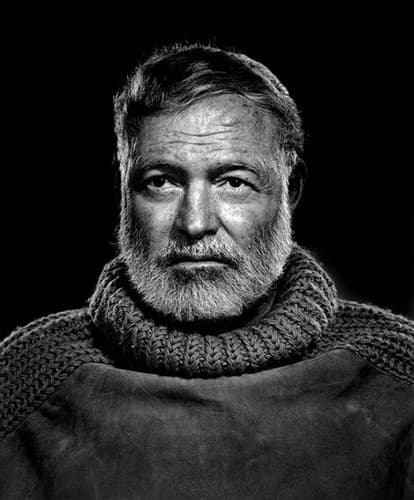
Ernest Miller Hemingway was an American novelist, short-story writer, and journalist. His economical and understated style—which included his iceberg theory—had a strong influence on 20th-century fiction, while his adventurous lifestyle and public image brought him admiration from later generations. Hemingway produced most of his work between the mid-1920s and the mid-1950s, and he was awarded the 1954 Nobel Prize in Literature. He published seven novels, six short-story collections, and two nonfiction works. Three of his novels, four short-story collections, and three nonfiction works were published posthumously. Many of his works are considered classics of American literature.
Similar books
- Life of Pi
Yann Martel
3.9 (1.3M) average on GoodreadsFantasyBoth focus on a lone individual's survival and spiritual journey at sea, battling nature and isolation.
- To Build a Fire
Jack London
4.0 (17k) average on GoodreadsFictionBoth are short, powerful narratives depicting a solitary individual's struggle against unforgiving natural forces.
- The Pearl
John Steinbeck
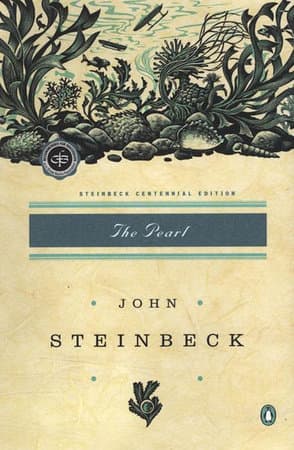
3.5 (188k) average on GoodreadsHistorical FictionSteinbeck's The Pearl shares thematic similarities with Hemingway's novella in its exploration of man's struggle against fate and the corrupting influence of ambition or desire. Both feature a protagonist from a humble background facing a singular, life-altering event involving a natural resource. However, The Pearl is a more overt allegory about greed and social injustice, with a clear moral fable structure. Hemingway's work, while allegorical, is more focused on the individual's internal struggle and dignity, with less explicit social commentary. Steinbeck's prose is also generally more descriptive and less austere than Hemingway's.
- One Hundred Years of Solitude
Gabriel García Márquez
4.1 (753k) average on GoodreadsLiterary FictionThrough the multi-generational story of the Buendía family, a mythical town deals with the repeating patterns of time, love, and solitude, as the extraordinary mixes with the ordinary.
- The Goldfinch
Donna Tartt
3.9 (720k) average on GoodreadsLiterary FictionHaunted by a tragic explosion and clutching a stolen Dutch masterpiece, a young orphan navigates the opulent drawing rooms of New York and the gritty underbelly of the art world, desperately seeking connection and redemption amidst a life spiraling into crime and obsession.
- Little Fires Everywhere
Celeste Ng
4.1 (713k) average on GoodreadsLiterary FictionIn Shaker Heights, an artist and her daughter move in, and their free-spirited lives clash with a rule-bound matriarch, revealing hidden conflicts beneath a perfect surface.





Enjoyed the summary?
A summary gives you the shape of the book. The book itself has the detail, the examples and the voice.
Find The Old Man and the Sea on AmazonAs an Amazon Associate, BookBrief earns from qualifying purchases. How we're funded