
Synopsis
Covers the whole plot, including the ending.
- Difficulty
- Medium
- Pacing
- Moderate
- Mood
- Heartwarming, Tense, Hopeful
- Read it if
- You enjoy LGBTQ+ coming-of-age stories with a focus on first love, family conflict, and finding your identity.
- Skip it if
- You prefer fast-paced plots without significant internal struggle or family drama.
It Looks Like This Plot Summary
Covers the whole plot, including the ending.
A New Beginning, Reluctantly
Mike's family, including his younger sister Toby and their parents, move to a new town in California. Mike is an artist who feels out of place and misses his old life. His father, a strict and religious man, enrolls them in a new church and pushes Mike to give up art for basketball, believing it will make him 'tougher.' Mike feels great pressure to meet his father's expectations, which conflicts with his artistic and introverted nature. Toby, more outspoken, openly resists her father's demands, causing tension in the family. Mike's internal struggle with his identity and his father's disapproval begins as he tries to navigate his new high school.
An Unexpected Connection
At his new high school, Mike meets Sean, another new student. Sean is confident and artistic, immediately catching Mike's attention. Their first interactions are hesitant, but they quickly bond over a shared love for art and feeling like outsiders. Sean encourages Mike's art, which contrasts sharply with Mike's father's dismissive attitude. They start spending time together, initially through school projects like a French presentation. This allows them to explore their compatibility, and a deeper connection begins to form, giving Mike a sense of belonging and acceptance he lacks at home.
Basketball and French
Mike and Sean spend more and more time together. They play basketball, a sport Mike's father wants him to play, but with Sean, it feels different—less like a chore and more like shared fun. Their French project becomes a reason for them to be alone and talk freely. During these times, they discover common interests, a similar sense of humor, and a growing emotional closeness. Mike feels drawn to Sean's easy confidence and genuine interest in him, experiencing a connection he has not felt before. This period marks a change for Mike as he starts to explore his true feelings, even if he is not ready to admit them openly.
Victor's Watchful Eye
As Mike and Sean's friendship grows, they become increasingly close. This closeness does not go unnoticed by Victor, a classmate who often watches them with a cell phone. Victor's presence creates anxiety for Mike, who is already sensitive to scrutiny because of his father's strict rules. Victor's subtle but constant observation adds tension to Mike and Sean's interactions, making Mike aware of the potential for judgment and exposure, especially given the conservative environment his father has created. This hints at future conflict and the possibility of their relationship becoming public.
A Night at the Beach
One evening, Mike and Sean go to the beach together. The setting sun and ocean waves create a romantic and intimate mood. During this time, their unspoken feelings for each other become clear. They share a deep, emotional connection, and while they do not explicitly talk about their romantic interest, their actions and shared vulnerability show the depth of their bond. The experience changes Mike, making him face the true nature of his feelings for Sean. This night at the beach is a turning point, marking the shift from close friendship to something more significant and emotionally charged, even if they both hesitate to define it.
The Sunrise and the Secret
After their night at the beach, Mike and Sean watch a beautiful sunrise, a moment of deep beauty and shared intimacy. The bright colors of the sunrise reflect the intensity of Mike's emotions. However, Mike's joy and wonder are immediately overshadowed by his inner conflict about his father's strict religious beliefs and his own developing identity. He understands that his feelings for Sean must be kept secret, fearing his father's disapproval and possible consequences. The sunrise, while beautiful, also marks the start of a difficult reality where Mike must balance his true self against family and societal expectations, forcing him to live a double life.
Tension at Home
Tension at home continues to increase as Mike's father becomes more controlling and critical. He insists Mike focus on basketball and give up art, accusing him of being 'soft.' Mike's father's behavior comes from an unspoken anxiety, which Mike senses but does not fully understand. Toby, Mike's sister, continues to rebel more openly, drawing some of their father's attention, but Mike feels the most pressure. The home environment becomes stifling for Mike, making him feel trapped and misunderstood. This growing pressure at home makes his secret relationship with Sean even more precious, but also more uncertain.
The Confrontation
Victor, the classmate who had been watching Mike and Sean, eventually takes a picture or video of them together, or spreads rumors, leading to Mike's father discovering the truth about Mike's relationship with Sean. The exposure shatters the fragile peace Mike had maintained. His father confronts him aggressively, driven by his religious beliefs and fears. The confrontation devastates Mike, as his father expresses extreme disapproval and anger, making him feel alienated and condemned. This moment forces Mike to choose between his father's expectations and his own identity and feelings for Sean.
Aftermath and Support
After the confrontation, Mike is emotionally broken. His father's reaction leaves him feeling isolated and heartbroken. However, during this difficult time, Mike finds unexpected support from his sister, Toby, who, despite her own struggles with their father, stands by him. Sean also remains a steady presence, offering comfort and understanding. This period shows the strength of the bonds Mike has made outside of his immediate, judgmental family. While the future is uncertain, the support from Toby and Sean gives Mike hope and the courage to navigate self-acceptance and defiance against his father's rigid beliefs.
Finding His Voice
With Sean and Toby's support, Mike slowly begins to speak up for himself. He starts to assert his own desires and identity, especially regarding his art, which his father had tried to suppress. Sean's acceptance and encouragement are important in Mike's journey of self-discovery and self-acceptance. Mike realizes that he cannot continue to live a lie or be someone he is not to please his father. This period marks a turning point where Mike actively chooses to embrace who he truly is, including his sexual orientation, and starts to define his own path, independent of his father's expectations and judgment. He begins to see a future where he can be true to himself.
Principal Figures
Mike
Protagonist
A sensitive, artistic teenager struggling with his identity under his father's strict religious and masculine expectations.
Mike is a quiet, introspective teenager with a deep passion for art. He feels like an outsider, especially after his family's move to a new town. He is constantly striving for his father's approval, leading to internal conflict as his father pushes him towards sports and away from his artistic inclinations. Mike is empathetic and observant, often internalizing his feelings. His struggle between his true self and his father's expectations forms the core of his character. He yearns for understanding and acceptance, which he eventually finds in Sean.
Relationships: Sean (Romantic interest, source of acceptance and encouragement); Toby (Supportive younger sister, confidante); Mike's Father (Controlling, disapproving, source of conflict); Mike's Mother (Passive, tries to mediate but ultimately defers to father)
Sean
Love Interest / Supporting
Mike's confident and artistic classmate who becomes his first romantic connection.
Sean is a new student at Mike's high school, characterized by his confidence, artistic talent, and easygoing nature. He is open-minded and accepting, offering Mike a stark contrast to his father's rigid worldview. Sean sees and appreciates Mike for who he truly is, encouraging his artistic pursuits and providing a safe space for Mike to explore his feelings. He is perceptive and patient, allowing Mike to come to terms with his emotions at his own pace. Sean's presence is a catalyst for Mike's self-discovery and growth, representing freedom and authentic connection.
Relationships: Mike (Romantic interest, supportive and understanding partner)
Toby
Supporting
Mike's outspoken younger sister who openly rebels against their father's strict rules.
Toby is Mike's younger sister, characterized by her bluntness and independent spirit. Unlike Mike, she is not afraid to challenge their father's authority and express her disdain for his strict rules and religious demands. She is perceptive and often sees through the hypocrisy around her. Toby provides comic relief at times but also serves as a crucial source of support and understanding for Mike, especially when he feels most isolated. Her open rebellion inspires Mike, in a way, to eventually find his own voice. She is fiercely loyal to her brother.
Relationships: Mike (Supportive older brother, confidante); Mike's Father (Object of rebellion and defiance)
Mike's Father
Antagonist
A strict, religious man who imposes rigid expectations on Mike, particularly regarding masculinity and faith.
Mike's father is a central antagonist in the story, driven by deep-seated religious beliefs and a strong desire to mold Mike into his vision of a 'tough' and 'manly' son. He is controlling, critical, and dismissive of Mike's artistic talents, pushing him towards sports. His actions are rooted in a combination of his faith and perhaps his own unfulfilled expectations or fears, which are never fully explained but create a suffocating environment for Mike. He represents the societal and familial pressures that Mike must overcome to embrace his true identity. His disapproval is a constant source of anxiety for Mike.
Relationships: Mike (Controlling and disapproving father); Toby (Object of her rebellion); Mike's Mother (Dominant partner, her deference allows his behavior)
Mike's Mother
Supporting
Mike's mother, who is often passive and defers to her husband's authority, despite her quiet concern for Mike.
Mike's mother is a less prominent character, often appearing passive and subservient to her husband's strong will. While she may harbor some quiet concerns for Mike's well-being and happiness, she rarely intervenes directly or challenges her husband's decisions. Her role is largely to maintain family peace and support her husband, even if it means Mike's needs are overlooked. Her deference to Mike's father inadvertently enables his controlling behavior, making her a sympathetic but ultimately ineffective figure in Mike's struggle.
Relationships: Mike (Concerned but passive mother); Mike's Father (Submissive partner)
Victor
Mentioned / Minor Antagonist
A classmate who observes Mike and Sean, eventually leading to the exposure of their relationship.
Victor is a minor character who serves as a catalyst for conflict. He is a classmate who becomes suspicious of Mike and Sean's closeness. His observations, often done with a cell phone in hand, create a sense of unease and foreshadow the eventual exposure of Mike's secret. Victor represents the external judgment and societal pressure that Mike fears. His actions, though perhaps not intentionally malicious in every instance, ultimately lead to the devastating confrontation between Mike and his father, forcing Mike to face his fears head-on.
Relationships: Mike (Observer, source of anxiety and eventual exposure)
Themes & Insights
Identity and Self-Acceptance
The main theme is Mike's struggle to understand and accept his true identity, especially his sexual orientation and artistic nature, while facing strong family and societal pressure. His journey involves inner conflict as he tries to balance his artistic passion and his feelings for Sean with his father's rigid ideas of masculinity and religious rules. The novel explores the courage it takes to be oneself, even when it means going against those closest to you. Mike's art represents his inner self, constantly threatened by outside forces but ultimately seeking freedom. The beach scene with Sean, where Mike feels truly seen and accepted, is a key moment in this journey, contrasting sharply with the stifling atmosphere at home.
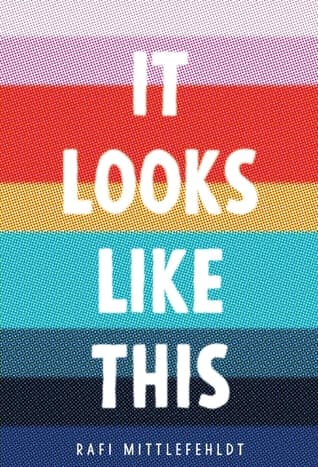
“It looks like this: Pink, mostly. Puffs of orange just below. The fiercest yellow way ahead—far, far ahead. Red slashed all across. All of it fading to blue, getting deeper and deeper as you go out.”
Familial Conflict and Parental Expectations
The difficult relationship between Mike and his father drives the story. Mike's father represents strict religious and conservative values, constantly pushing Mike to fit his idea of a 'tough' and 'masculine' son, mainly through sports and church, while dismissing his artistic talents. This creates a deep division and a feeling of betrayal for Mike. The theme explores the harmful effects of unyielding parental expectations and the emotional cost they have on a child's development and sense of self. Toby's open rebellion against their father shows different ways of dealing with this pressure, while Mike's mother's passive role highlights the family's unhealthy dynamics. The confrontation between Mike and his father is the climax of this conflict, forcing a breaking point.
“His dad also wants him to ditch art for sports, to toughen up, and there’s something uneasy behind his demands.”
First Love and Connection
The novel shows the gentle and hesitant nature of first love, specifically within a queer relationship that must remain secret. Mike's connection with Sean offers him a safe place of acceptance and understanding that he lacks at home. Their shared moments, from playing basketball to working on a French project and especially their night at the beach, are filled with the excitement, vulnerability, and deep emotional closeness of a developing romance. This theme highlights the power of love, how it can provide strength, confirm one's identity, and offer hope during difficult times. Sean's steady support becomes Mike's anchor, helping him navigate the turmoil of his family life.
“a simple 'hey' turns into games of basketball, partnering on a French project, hanging out after school. A night at the beach. The fierce colors of sunrise.”
The Power of Art and Expression
Art is both a passion and a refuge for Mike, a way for him to express his true self when words are not enough or are forbidden. His father's dismissal of art and insistence on sports directly attacks Mike's core identity, making his artistic efforts a form of quiet rebellion. Sean, in contrast, celebrates and encourages Mike's talent, validating an important part of who he is. The descriptions of colors and the recurring image of the sunrise (seen in the book's opening and after the beach scene) symbolize Mike's inner world, his emotions, and his desire for freedom and beauty. Art is an important part of self-discovery and a powerful tool for dealing with personal and societal limits.
“Pink, mostly. Puffs of orange just below. The fiercest yellow way ahead—far, far ahead. Red slashed all across. All of it fading to blue, getting deeper and deeper as you go out.”
Plot Devices & Literary Techniques
Symbolism of Color and Light
Colors and light often reflect Mike's internal emotional state and the intensity of his experiences.
The novel frequently uses vivid descriptions of colors and light, particularly in the opening lines and during significant moments like the sunrise after the beach scene. These descriptions are not merely aesthetic; they symbolize Mike's internal emotional landscape. Bright, 'fierce' colors often represent moments of intense feeling, hope, or self-discovery (like his connection with Sean), while fading or deeper blues might indicate introspection or sadness. The 'pink' and 'orange' of the opening, for instance, could hint at the budding romance and warmth he finds, contrasting with the 'red slashed all across' representing conflict or passion. This device allows the reader to connect with Mike's unspoken feelings and the emotional weight of his journey.
The 'Watching' Motif
The recurring sense of being observed creates a constant tension and underscores Mike's fear of exposure.
Throughout the narrative, there's a pervasive sense that Mike is being watched, most explicitly by Victor, but also implicitly by his father. This 'watching' motif creates a constant undercurrent of anxiety for Mike. It highlights his fear of judgment, exposure, and the consequences of deviating from his father's expectations. Victor's cell phone acts as a tangible symbol of this surveillance, representing the external world's potential to intrude upon and condemn Mike's private life. This device effectively builds suspense and emphasizes the precariousness of Mike's secret relationship, ultimately leading to its inevitable discovery and the ensuing conflict.
The New Town/New School Setting
The unfamiliar environment amplifies Mike's feelings of isolation and provides a fresh start for self-discovery.
The relocation to a new state and city, and Mike's enrollment in a new high school, serves as a significant plot device. On one hand, it amplifies Mike's initial feelings of being an outsider and disconnected, intensifying his longing for his past. On the other hand, it creates a clean slate, a space where he can potentially redefine himself away from the established expectations of his old life. This new environment is where he meets Sean, a crucial catalyst for his self-discovery. The unfamiliarity of the setting also underscores the isolation Mike feels within his own family, making his connection with Sean even more impactful as he navigates this new world.
Basketball as a Metaphor
Basketball represents both paternal pressure and a space for unexpected connection and freedom.
Basketball is introduced by Mike's father as a means to 'toughen' Mike up, making it initially a symbol of unwanted parental pressure and masculine conformity. However, when Mike plays basketball with Sean, the sport transforms. It becomes a shared activity, a context for their burgeoning friendship and romantic connection, and a space where Mike can experience genuine enjoyment and freedom from his father's gaze. This duality highlights how an activity initially imposed can be reappropriated and imbued with new meaning through personal connection. It subtly underscores Mike's journey of finding his own path within externally imposed structures.
It Looks Like This Quotes
“The thing about falling in love is that it's never just one big moment. It's a million tiny ones, all adding up until you can't imagine life without them.”
“Sometimes, the hardest part of being brave isn't facing the monster, it's admitting you're scared.”
“We were two broken pieces, not fitting perfectly, but somehow making a whole that was stronger than either of us alone.”
“It looks like this: a hand reaching out, even when you're not sure anyone will grab it.”
“The silence between us wasn't empty; it was full of all the things we hadn't said yet, but knew were there.”
“Maybe the bravest thing you can do is let someone see the parts of you you try hardest to hide.”
“I used to think love was about finding someone perfect. Turns out, it's about finding someone perfectly imperfect for you.”
“The future isn't a destination; it's a direction, and sometimes you just have to trust the compass of your heart.”
“Every goodbye is just a promise for a hello, even if that hello is just in your memories.”
“Being seen, truly seen, for who you are, flaws and all, is the most incredible feeling in the world.”
“Life doesn't wait for you to be ready. You just have to jump, and hope you learn to fly on the way down.”
“We were a mess, but we were *our* mess, and that made all the difference.”
“The quiet moments, the ones where nothing big happens, those are often the ones that build the strongest foundations.”
“You don't just fall in love with someone's good parts. You fall in love with the way they handle their bad ones, too.”
Quiz
10 questions on the plot and the characters. Each answer comes with a short explanation.
Question 1
What is the primary color described in the opening metaphor of the book, 'It Looks Like This'?
- Blue
- Yellow
- Pink
- Red
Show answer
C. Pink The book opens with the description, 'It looks like this: Pink, mostly.' making pink the primary color.
Question 2
What activity does Mike's father want him to pursue instead of art?
- Music
- Sports
- Debate Club
- Science Club
Show answer
B. Sports Mike's dad wants him to 'ditch art for sports, to toughen up,' indicating his preference for sports.
Question 3
Who is Mike's little sister?
- Sarah
- Toby
- Emily
- Chloe
Show answer
B. Toby The text states, 'Mike and his plainspoken little sister, Toby,' identifying Toby as his sister.
Question 4
What is the initial interaction between Mike and Sean that marks the beginning of their connection?
- They meet in art class.
- Sean helps Mike with a locker problem.
- A simple 'hey' turns into games of basketball.
- They are assigned to the same lab group.
Show answer
C. A simple 'hey' turns into games of basketball. The text explicitly states, 'a simple “hey” turns into games of basketball,' as their initial interaction.
Question 5
Besides basketball, what other school project do Mike and Sean partner on?
- A history presentation
- A science fair project
- A French project
- An English essay
Show answer
C. A French project Their connection deepens through 'partnering on a French project,' alongside basketball.
Question 6
What significant location do Mike and Sean visit together that is described with 'fierce colors of sunrise'?
- A mountain peak
- A night at the beach
- An art gallery
- A city park
Show answer
B. A night at the beach The text mentions 'A night at the beach. The fierce colors of sunrise,' linking their visit to the beach with the sunrise description.
Question 7
What is the underlying reason suggested for Mike's father's demands for Mike to 'toughen up' and prioritize sports?
- He wants Mike to get a sports scholarship.
- He believes art is a waste of time.
- There’s something uneasy behind his demands.
- He wants Mike to be more like him.
Show answer
C. There’s something uneasy behind his demands. The narrative explicitly states, 'there’s something uneasy behind his demands,' hinting at a deeper, unspoken reason for his strictness.
Question 8
Who is Victor, and what role does he seem to play in the story?
- He is a supportive friend of Mike's.
- He is a rival for Sean's attention.
- He is a watchful, potentially threatening figure from school.
- He is a teacher at Mike's new high school.
Show answer
C. He is a watchful, potentially threatening figure from school. The text describes Victor as 'from school, cell phone in hand,' and notes 'And so is Victor from school, cell phone in hand,' implying he is observing Mike and Sean, potentially with malicious intent, creating a sense of threat.
Question 9
What specific phrase from the opening metaphor hints at the idea of an uncertain or distant future for Mike?
- Pink, mostly.
- Puffs of orange just below.
- The fiercest yellow way ahead—far, far ahead.
- Red slashed all across.
Show answer
C. The fiercest yellow way ahead—far, far ahead. The phrase 'The fiercest yellow way ahead—far, far ahead' suggests a future that is distant and perhaps difficult to reach, reflecting the uncertainties Mike faces.
Question 10
The repeated phrase 'Mike’s father is always watching' contributes to which overarching theme in the story?
- The importance of family bonds.
- The theme of parental control and lack of privacy.
- The idea of a supportive and protective parent.
- The theme of religious observation.
Show answer
B. The theme of parental control and lack of privacy. The constant watching by Mike's father, combined with his demands, creates a theme of parental control, surveillance, and Mike's lack of personal freedom or privacy.
It Looks Like This FAQ
What is the central conflict Mike faces in 'It Looks Like This'?
Mike primarily struggles with his father's rigid expectations regarding masculinity, religion, and his personal interests, particularly art. This external pressure clashes with his burgeoning self-discovery and his developing feelings for Sean, creating significant internal turmoil and fear of his father's disapproval.
Who is Sean and what role does he play in Mike's life?
Sean is the new kid at Mike's high school and quickly becomes Mike's love interest. He represents freedom, acceptance, and a catalyst for Mike to explore his true identity and desires, away from his father's watchful eye. Their connection deepens through shared activities like basketball and school projects.
What is the significance of the book's title, 'It Looks Like This'?
The title refers to Mike's description of a sunrise, a moment of intense beauty and revelation shared with Sean at the beach. It symbolizes the vibrant, complex, and sometimes overwhelming nature of new experiences, self-discovery, and love, particularly in contrast to the more muted or controlled aspects of Mike's home life.
How does Mike's sister, Toby, contribute to the story?
Toby serves as a grounding presence and a source of unfiltered honesty for Mike. She is plainspoken and often questions their father's demands, subtly highlighting the absurdity or unfairness of the situation, and providing a touch of normalcy and sibling connection amidst Mike's personal struggles.
What is the role of the church in Mike's family life?
The church is presented as a non-negotiable aspect of their father's new life in the state, imposed upon Mike and Toby. It symbolizes the father's attempt to exert control and enforce a specific moral framework, which Mike finds stifling and in direct conflict with his emerging identity and desires.
What does Mike's father's demand for him to 'ditch art for sports' truly signify?
This demand signifies his father's desire for Mike to conform to a more traditional, 'masculine' ideal, viewing art as a weakness or something not tough enough. It's a manifestation of his discomfort with Mike's sensitivity and an attempt to mold him into a version of himself that the father deems acceptable or strong.
Who is Victor and what is his significance to the plot?
Victor is a schoolmate who poses a threat to Mike and Sean's budding relationship. His constant watching and the presence of his cell phone imply a potential for exposure and judgment, representing the societal pressures and homophobic attitudes that Mike fears, adding a layer of suspense and danger.
What is implied by the phrase 'something uneasy behind his demands' when referring to Mike's father?
This phrase suggests that Mike's father's strictness and demands might stem from his own unresolved issues, fears, or anxieties, rather than purely out of concern for Mike. It hints at a deeper, possibly hidden motivation for his controlling behavior, perhaps related to his own masculinity or past experiences.
How do the 'fierce colors' of the sunrise at the beach contrast with Mike's everyday life?
The vibrant, 'fierce colors' of the sunrise represent passion, freedom, and the intensity of Mike's feelings for Sean, contrasting sharply with the often subdued, constrained, and fear-driven atmosphere of his home life. It's a moment of pure, unadulterated emotion and beauty, starkly different from the 'fading to blue' mentioned in the description.
How does Mike's artistic inclination connect with his internal struggle?
Mike's love for art is an expression of his authentic self, his sensitivity, and his desire for beauty and freedom, which directly conflicts with his father's rigid expectations of masculinity. Suppressing his art is akin to suppressing a core part of his identity, including his sexuality, making his internal struggle more profound.
Discuss the psychological impact of Mike's father 'always watching' on Mike.
The constant surveillance by his father creates a pervasive sense of anxiety and self-censorship in Mike. It inhibits his ability to be authentic, fostering a fear of discovery and punishment, and leading to internal conflict as he tries to navigate his true feelings while maintaining a facade for his father.
How does the new environment (new state, city, school) affect Mike's psychological journey?
The new environment, while initially isolating, also provides Mike with a clean slate and opportunities for new connections, particularly with Sean. It allows him to momentarily escape the established social structures and expectations of his old life, facilitating a period of self-discovery and challenging his father's imposed identity.
What psychological significance does Mike's attraction to Sean hold in the context of his family life?
Mike's attraction to Sean represents a direct challenge to his father's conservative values and the masculine identity he is pressured to adopt. It is a powerful awakening of his true desires and identity, forcing him to confront the deep-seated fears of rejection and disapproval from his primary caregiver.
Is Mike's father a villain, or is his character more nuanced?
While his father's actions cause significant distress for Mike, the 'uneasy behind his demands' phrase suggests a more nuanced character. He might be driven by his own fears, societal pressures, or a misguided attempt to 'protect' Mike, rather than pure malice, making him a complex antagonist rather than a straightforward villain.
How does the 'fading to blue, getting deeper and deeper as you go out' line from the description foreshadow Mike's journey?
This line can be interpreted as foreshadowing Mike's journey into deeper self-discovery and perhaps a more profound, yet potentially more challenging, acceptance of his true self. The 'deeper and deeper blue' could represent both the depth of his feelings and the increasing intensity of the conflicts he faces.
What is the potential impact of Victor's actions on Mike and Sean's relationship?
Victor's actions, particularly his cell phone, imply the threat of exposure, which could force Mike and Sean's relationship into the open prematurely or lead to severe consequences for Mike at home. It raises the stakes significantly, adding an external antagonist to Mike's already challenging internal and familial struggles.
Does the book suggest a resolution to Mike's conflict with his father?
The provided synopsis doesn't explicitly state a resolution, but the deep internal conflict and the external threats suggest Mike is at a critical juncture. The narrative likely focuses on Mike's journey of self-acceptance and his courage to define his own identity, rather than necessarily achieving a full reconciliation with his father's views.
How does the 'fiercest yellow way ahead—far, far ahead' contribute to the overall theme?
The 'fiercest yellow' symbolizes hope, the promise of a future where Mike can be his authentic self, and the potential for profound joy and freedom. Its placement 'far, far ahead' suggests that this future is something Mike must strive for, indicating a journey of perseverance and courage to reach his desired self.
Similar books
- Simon vs. the Homo Sapiens Agenda
Becky Albertalli
4.3 (288k) average on GoodreadsYoung AdultFeatures a secret gay romance, high school setting, and coming out themes.
- The Sun Is Also a Star
Nicola Yoon
4.1 (184k) average on GoodreadsYoung AdultYoon's novel offers a more intricate intertwining of personal crises and burgeoning romance, with characters facing significant external and internal conflicts that deeply impact their romantic development. 'It Looks Like This' presents similar themes but with less emotional depth and a less complex exploration of the 'secret' and its aftermath.
- They Both Die at the End
Adam Silvera
4.1 (95k) average on GoodreadsFantasySilvera's novel provides a significantly more profound and emotionally resonant exploration of love, loss, and the meaning of life under high-stakes circumstances. The emotional landscape and thematic ambition of Silvera's work far surpass the more understated and conventional emotional journey presented in 'It Looks Like This'.
- Harry Potter and the Sorcerer's Stone
J.K. Rowling
4.5 (7M) average on GoodreadsFantasyRescued from a miserable life under the stairs, an orphaned boy discovers he's a wizard destined for a magical school, where he uncovers a dangerous secret tied to the dark wizard who murdered his parents.
- The Hunger Games
Suzanne Collins
4.3 (6.4M) average on GoodreadsFantasyIn a future where children fight to the death on live television, Katniss Everdeen volunteers for the arena, turning a death sentence into a fight for survival and a spark of rebellion.
- To Kill a Mockingbird
Harper Lee
4.3 (4.5M) average on GoodreadsHistorical FictionIn the 1930s Jim Crow South, Harper Lee writes about racial injustice, moral growth, and the quiet courage of a lawyer father, Atticus Finch, as seen through his young daughter's eyes.






Enjoyed the summary?
A summary gives you the shape of the book. The book itself has the detail, the examples and the voice.
Find It Looks Like This on AmazonAs an Amazon Associate, BookBrief earns from qualifying purchases. How we're funded