
Synopsis
Covers the whole plot, including the ending.
- Difficulty
- Easy
- Pacing
- Moderate
- Mood
- Heartwarming, Cheerful, Whimsical, Inspiring
- Read it if
- You enjoy heartwarming stories about resourcefulness, transformation, and the value of making something out of nothing. It's excellent for young children learning about recycling and creativity.
- Skip it if
- You prefer complex narratives or stories with deep character development; this is a simple, repetitive story ideal for very young readers.
Joseph Had a Little Overcoat Plot Summary
Covers the whole plot, including the ending.
The Overcoat's Beginning
Joseph, a Jewish farmer, owns a beautiful, large overcoat he wears daily for work, celebrations, and music. He loves this overcoat. Over time, with constant wear, the coat shows significant signs of age, developing many holes and becoming threadbare. Despite its condition, Joseph is resourceful and does not want to throw away something he values.
From Overcoat to Jacket
When the overcoat becomes too old and damaged to wear as it is, Joseph decides to change it instead of replacing it. With his skilled hands, he takes the large, worn overcoat and cuts and sews it into a smaller, useful jacket. The jacket uses the same fabric, reshaped, allowing Joseph to keep wearing a part of his beloved garment in a new way.
The Jacket Becomes a Vest
Like the overcoat, the jacket eventually wears out from daily use, becoming old and full of holes. Not wanting to waste the material, Joseph uses his creativity and tailoring skills again. He carefully transforms the worn jacket into an even smaller garment: a vest. The vest, though smaller, still holds the essence of the original overcoat, letting Joseph keep a piece of his cherished clothing.
The Vest's New Life as a Scarf
The vest also reaches a point where it is too old and full of holes for its original purpose. Joseph, always practical, finds another use for the remaining fabric. He carefully cuts and sews the vest into a long, narrow scarf. This new item provides warmth and comfort, showing that even a small amount of fabric can be useful. The scarf continues the life of the original overcoat, adapting to Joseph's needs.
From Scarf to Necktie
Inevitably, the scarf also gets old and full of holes. Joseph, with his steady ingenuity, refuses to let the material go to waste. He picks up his needle and thread again and turns the tattered scarf into a stylish necktie. This smaller, more refined item lets Joseph keep wearing a piece of his original overcoat, though in a different form, showing his ability to make the most of what he has.
The Necktie Becomes a Handkerchief
Even the necktie eventually becomes too old and full of holes to wear. Joseph, always resourceful, finds another way to use the last good pieces of fabric. He carefully cuts and sews the necktie into a small, practical handkerchief. This change shows his commitment to sustainability and his cleverness in extending the life of his possessions, no matter how small they become.
The Handkerchief's Final Transformation
The handkerchief, after much use, also gets old and full of holes. By this time, very little fabric remains from the original overcoat. However, Joseph is not stopped. From the last tiny usable scrap of the handkerchief, he manages to make a single, sturdy button. This final, tiny change highlights Joseph's incredible resourcefulness and his ability to see value in even the smallest remnants.
The Button is Lost
Sadly, after all the changes and careful repurposing, Joseph eventually loses the button. It simply falls off and is gone. This moment marks the physical end of the overcoat's journey, as no material is left to change further. It is a sad moment, marking the complete disappearance of the physical object that began as a large, beautiful overcoat.
The Story Continues
Despite losing the last physical piece of his overcoat, Joseph's story continues. He realizes that while the overcoat is gone, its memory and the tale of its many changes live on. Joseph decides to write a book about his overcoat, documenting its journey from a large, new coat to a tiny lost button. This act ensures that his resourcefulness and the overcoat's life continue.
A Book From Nothing
Joseph's book, the one the reader holds, becomes the ultimate change. With nothing physical left of the overcoat, Joseph creates a new, intangible, yet powerful item: a story. The book itself shows that even when something is completely gone, its essence, its lessons, and its memories can inspire and create something new and valuable. This reinforces the theme of creativity and making something from nothing.
Principal Figures
Joseph
Protagonist
A resourceful and creative Jewish farmer who continuously repurposes his beloved overcoat.
Joseph is the central figure of the story, depicted as a hardworking and ingenious individual. He possesses a deep appreciation for his belongings and a remarkable ability to find new uses for old items. His resourcefulness is his defining trait, as he systematically transforms his overcoat into smaller and smaller garments rather than discarding it. He is also portrayed as a community member, playing music and celebrating with friends, suggesting a cheerful and engaged personality. His actions are driven by practicality, a desire to make things last, and perhaps a sentimental attachment to his cherished coat.
The Overcoat
Central Object/Symbol
Joseph's cherished garment that undergoes numerous transformations.
The overcoat is more than just an item of clothing; it's a symbol of Joseph's life, resourcefulness, and the passage of time. It starts as a large, beautiful garment and progressively shrinks and changes form as it wears out. Each transformation of the overcoat reflects Joseph's ingenuity and his philosophy of not wasting anything. Its physical deterioration and subsequent repurposing drive the entire narrative, making it a dynamic 'character' in its own right, representing adaptability and the cycle of creation and recreation. Its ultimate disappearance makes way for a new creation: the story itself.
Relationships: Joseph (cherished possession, source of creativity)
Mice
Supporting/Mentioned
Small creatures that contribute to the overcoat's wear and tear.
Mice are depicted in the illustrations, often shown nibbling at the overcoat and its subsequent forms, contributing to the 'holes' that necessitate Joseph's transformations. They represent the natural forces of wear, tear, and decay that affect all material objects over time. While not direct characters in terms of dialogue or plot agency, their presence visually reinforces the reason for the overcoat's deterioration, providing a charming and relatable explanation for its diminishing state. They add a touch of playful realism to the narrative.
Relationships: The Overcoat (cause of wear and holes)
Farm Animals
Supporting/Mentioned
Animals depicted in Joseph's daily life, observing his transformations.
Various farm animals (chickens, cows, pigs, etc.) are shown in the illustrations, often observing Joseph as he works or goes about his day. They provide a vibrant backdrop to Joseph's life, grounding the story in a rural, pastoral setting. While they don't directly interact with Joseph or the plot, their consistent presence emphasizes the simple, hardworking nature of Joseph's existence and the community around him. They add to the cheerful and lively atmosphere of the book, reflecting the richness of Joseph's world.
Relationships: Joseph (part of his daily environment)
Themes & Insights
Resourcefulness and Ingenuity
A main theme is Joseph's ability to make something new from something old. Instead of discarding his worn-out overcoat, he finds creative ways to reuse the fabric, turning it into a jacket, then a vest, a scarf, a necktie, a handkerchief, and finally, a button. The die-cut pages visually show the shrinking and changing garment. Joseph embodies the idea of 'waste not, want not,' showing how creativity can extend the life of objects, even when they seem beyond repair, as when he makes a button from the last tiny scrap.
“When the overcoat was old and worn, Joseph made it into a jacket.”
The Cycle of Life and Transformation
The story shows how life and things change over time. The overcoat goes through a full cycle: from new and large, to old and worn, to smaller forms, and then to complete physical disappearance. But the cycle does not end there; the memory and story of the overcoat are reborn as a book. This shows that while physical forms may disappear, stories and legacies can last and be created again. This theme appears in every change, ending with the book itself, which comes from the 'nothing' left of the physical coat.
“You can always make something out of nothing.”
Value Beyond Materiality
Initially, the overcoat has material value and use. As it wears out and changes, its physical presence shrinks, but its value changes. Joseph's connection to the coat seems to be more than just its function; it is part of his life. In the end, when the physical overcoat is completely gone, its true lasting value is in the story it inspires. The book becomes the most important 'thing' to come from the overcoat, showing that memories, stories, and lessons (like resourcefulness) can be more lasting and valuable than any physical object. This is clear when Joseph, after losing the button, writes a book about it.
“But Joseph didn't throw it out. He made it into a story.”
Storytelling and Legacy
The story ends with the theme of storytelling as a way to keep memories and create a legacy. After the last physical piece of the overcoat (the button) is lost, Joseph does not mourn its disappearance. Instead, he turns the experience and memory of the overcoat into a book. This act ensures that the overcoat's journey, and Joseph's cleverness, will live on and be shared. The book itself becomes the ultimate 'something' made from 'nothing,' proving that stories can come from experiences and memories, giving them new life and meaning beyond their original physical form.
“You can always make something, even out of nothing.”
Plot Devices & Literary Techniques
Die-Cut Holes
Physical holes in the pages that visually represent the shrinking garment.
The die-cut holes are a key interactive element of the book. As readers turn the pages, a progressively smaller hole reveals the next transformation of Joseph's overcoat. This device not only engages children by inviting them to guess what comes next but also visually reinforces the central theme of the garment shrinking and being repurposed. It literally shows the 'holes' that motivate Joseph's actions and provides a tangible, dynamic representation of the transformations, making the story more immersive and concrete.
Repetitive Structure
A consistent pattern of 'old and worn, full of holes, Joseph made it into...' for each transformation.
The story employs a simple, repetitive structure for each transformation: the garment gets 'old and worn and full of holes,' and then 'Joseph made it into...' a new, smaller item. This predictability is comforting and engaging for young readers, allowing them to anticipate the pattern while still being surprised by the specific new item. It reinforces the central theme of resourcefulness and the cycle of transformation, making the narrative easy to follow and memorable, while also building a rhythm that propels the story forward.
Visual Storytelling
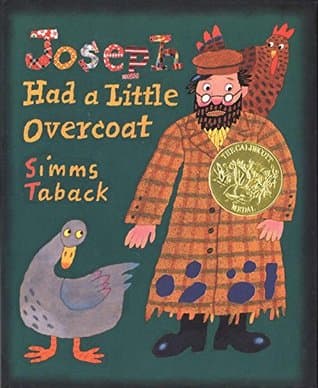
Detailed and vibrant illustrations that convey much of the narrative and character.
The illustrations are not merely supplementary but integral to the storytelling. They depict Joseph's vibrant world, his expressions of joy and determination, and the specific details of each transformation, often showing the 'before' and 'after' in a single spread. The visual details, such as the mice nibbling or the progression of the garment's size, convey significant plot points and emotional nuances without needing extensive text. The cheerful, folk-art style adds to the book's charm and accessibility, making the narrative understandable even without reading every word.
Joseph Had a Little Overcoat Quotes
“Joseph had a little overcoat. It was old and worn.”
“So Joseph took his overcoat to the tailor. 'Please mend it,' he said.”
“He made a jacket from his overcoat.”
“When the jacket got old and worn, Joseph made a vest.”
“When the vest got old and worn, Joseph made a scarf.”
“When the scarf got old and worn, Joseph made a necktie.”
“When the necktie got old and worn, Joseph made a handkerchief.”
“When the handkerchief got old and worn, Joseph made a button!”
“When the button got lost, Joseph didn't have anything left.”
“But Joseph still had a story.”
“And that's why Joseph Had a Little Overcoat is a book.”
“The mice in the holes chewed away at the cloth.”
“Snip, snip, snip.”
“Stitch, stitch, stitch.”
Quiz
10 questions on the plot and the characters. Each answer comes with a short explanation.
Question 1
What was the very first item Joseph made from his old overcoat?
- A vest
- A jacket
- A scarf
- Trousers
Show answer
B. A jacket After the overcoat became old and shabby, Joseph first made it into a jacket.
Question 2
What happens to the overcoat (and subsequent items) as Joseph keeps making new things?
- It gets bigger
- It gets a new pattern
- It gets smaller
- It changes color
Show answer
C. It gets smaller Each time Joseph makes something new, the fabric piece he uses becomes smaller and smaller.
Question 3
What is the final item Joseph makes from the last scrap of fabric?
- A button
- A story
- A handkerchief
- A shoelace
Show answer
B. A story When there was nothing left of the button, Joseph made it into a story, showing that creativity can come from anything.
Question 4
Which of these items did Joseph NOT make from his overcoat?
- A vest
- A pair of trousers
- A hat
- A tie
Show answer
C. A hat Joseph made an overcoat, jacket, vest, scarf, tie, handkerchief, and button. A hat was not one of the transformations.
Question 5
What is the primary message or theme of 'Joseph Had a Little Overcoat'?
- The importance of buying new clothes
- How to sew different types of garments
- The value of resourcefulness and making do with what you have
- The history of fashion
Show answer
C. The value of resourcefulness and making do with what you have The book emphasizes Joseph's resourcefulness, continually transforming his old overcoat into new, useful items until nothing is left but a story.
Question 6
What visual element in the book allows children to guess what Joseph will make next?
- Hidden pictures
- Color changes
- Die-cut holes
- Pop-up features
Show answer
C. Die-cut holes The book description explicitly states that 'children turn the pages of this book, they can use the die-cut holes to guess what Joseph will be making next'.
Question 7
After the vest, what two items does Joseph make from the remaining fabric before moving on to the handkerchief?
- A scarf and a tie
- A tie and a button
- A hat and a glove
- Trousers and a belt
Show answer
A. A scarf and a tie The sequence is overcoat, jacket, vest, then a scarf, followed by a tie, before the handkerchief.
Question 8
What happens to the button that Joseph makes from the smallest piece of fabric?
- He sews it onto his new jacket
- He loses it, and it becomes 'nothing'
- He gives it away as a gift
- He uses it to start a new project
Show answer
B. He loses it, and it becomes 'nothing' The book shows the button eventually falling off and disappearing, leaving 'nothing at all'.
Question 9
The book's ending emphasizes that even when there's 'nothing at all' left of the physical items, something valuable remains. What is that valuable 'something'?
- Memories of the old overcoat
- The knowledge of how to sew
- The story itself, which is what Joseph 'made' from nothing
- A new piece of fabric
Show answer
C. The story itself, which is what Joseph 'made' from nothing The final transformation is the button becoming 'nothing at all', but Joseph then makes 'this book!' - a story, which is a key theme of creativity from nothing.
Question 10
The illustrations in the book include small, humorous details in the borders and backgrounds. What do these often depict?
- Different types of weather
- Animals playing musical instruments
- Historical figures
- Various types of food
Show answer
B. Animals playing musical instruments Simms Taback's distinct art style often features whimsical details in the margins, including mice and other animals engaged in various human-like activities, such as playing instruments.
Joseph Had a Little Overcoat FAQ
What is the central premise of 'Joseph Had a Little Overcoat'?
The book follows Joseph, a resourceful tailor, as he continually repurposes his beloved wool overcoat into smaller garments when it becomes worn out. He transforms it sequentially into a jacket, vest, scarf, necktie, handkerchief, and finally, a button, demonstrating ingenuity and sustainability.
How does the book's physical design contribute to its storytelling?
The book utilizes die-cut holes on each page, allowing children to peek through and guess what Joseph will make next from the diminishing fabric. This interactive element engages young readers, making them active participants in the transformation process and adding an element of surprise.
What happens to the 'button' at the very end of Joseph's repurposing journey?
After making the overcoat into a jacket, vest, scarf, necktie, handkerchief, and finally a button, Joseph loses the button. This leads to the ultimate conclusion that even out of 'nothing' (the lost button), he can still make a story, which is the very book we are reading.
What is the implied setting or cultural background of Joseph's story?
While not explicitly stated, the illustrations and the name 'Joseph' suggest a traditional Eastern European or Jewish folk tale influence. The depiction of Joseph as a tailor and the emphasis on resourcefulness align with themes often found in such narratives.
What is the significance of the mouse characters in the illustrations?
Throughout the book, a family of mice is depicted collecting the discarded fabric scraps from Joseph's various transformations. They use these scraps to furnish their own home, mirroring Joseph's resourcefulness on a smaller scale and adding a charming, hidden subplot.
Are there any visual clues about Joseph's life beyond the transformation of his coat?
Yes, the detailed illustrations show glimpses of Joseph's daily life, including his tailor shop, his interactions with customers, and his home. These background details enrich the narrative, providing context for his work and his humble, industrious nature, even showing him with a spouse and child in some scenes.
What is the artistic style employed by Simms Taback, and how does it enhance the story?
Simms Taback uses bold, colorful, and often humorous mixed-media illustrations, incorporating folk art elements, Yiddish phrases, and intricate borders. This vibrant style makes the book visually engaging for children and adds layers of cultural richness and wit for adult readers.
How does Joseph's persistence in repurposing his coat reflect a positive psychological trait?
Joseph's actions demonstrate remarkable resilience and adaptability. Instead of lamenting the wear and tear of his overcoat, he consistently finds new purpose for the remaining material, showcasing a proactive and optimistic approach to challenges and scarcity.
What psychological message about materialism can be inferred from Joseph's story?
The story subtly critiques consumerism by emphasizing the value of utility and ingenuity over constant acquisition. Joseph finds enduring satisfaction in making the most of what he has, rather than simply discarding old items and buying new ones, promoting contentment with less.
How does Joseph's character embody problem-solving skills for young readers?
Joseph's repeated transformations of his coat provide a clear example of creative problem-solving. Faced with a 'problem' (a worn-out garment), he systematically devises a 'solution' by imagining and crafting a new, smaller item, teaching children about practical innovation.
What is the ultimate 'transformation' or message conveyed by the book's ending, after the button is lost?
The book concludes by stating that 'you can always make something out of nothing,' referring to the creation of the story itself. This meta-narrative twist suggests that creativity and storytelling are the most enduring forms of transformation, capable of emerging even when physical objects are gone.
Could Joseph's story be interpreted as an allegory for the passage of time or life cycles?
Yes, the gradual shrinking and transformation of the overcoat could be seen as an allegory for the natural progression of life, where things change and diminish, but new forms and purposes can always be found. It suggests a continuous cycle of renewal rather than an end.
What broader environmental message might the book indirectly convey?
While a children's book, Joseph's constant repurposing implicitly promotes themes of sustainability, reducing waste, and valuing resources. It encourages a mindset of 'making do' and extending the life of items, which aligns with modern environmental principles.
How does the phrase 'Joseph Had a Little Overcoat, but it was full of holes--just like this book!' foreshadow the book's interactive nature?
This opening line immediately sets up the die-cut holes as an integral part of the reading experience. It directly addresses the reader, inviting them to engage with the physical book and its unique design, making the holes a feature rather than a flaw.
What is the significance of the Yiddish phrases and cultural references in the book?
The inclusion of Yiddish phrases and visual nods to Jewish culture (like challah bread or specific textile patterns) grounds the story in a rich heritage. These details add authenticity and a layer of cultural depth, honoring the storytelling traditions from which the tale originates.
How does Joseph's emotional connection to his overcoat evolve throughout the story?
Joseph clearly cherishes his overcoat, but his connection isn't one of static attachment; it's one of adaptive affection. He values the utility and memory associated with the fabric, demonstrating that love for an object can be maintained through its transformation and continued use, rather than its original form.
Is the ending, where Joseph loses the button, a sad conclusion or a hopeful one?
Despite the loss of the physical button, the ending is profoundly hopeful. It pivots the narrative from material possessions to the power of imagination and storytelling, asserting that creativity is an infinite resource that can always create 'something' even when 'nothing' remains in a tangible sense.
About the author

Simms Taback was an American author and illustrator known for his contributions to children's literature. He is best known for his picture book "Joseph Had a Little Overcoat," which received the Caldecott Medal in 1999. His works often feature vibrant illustrations and engaging storytelling that appeal to young readers.
Similar books
- The Little House
Virginia Lee Burton
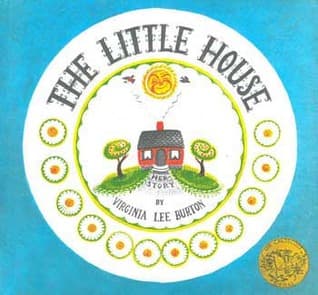
4.3 (39k) average on GoodreadsFantasyBoth books involve transformation over time. However, The Little House depicts the transformation of an environment and a static object (the house) within it, exploring themes of urbanization and change. Joseph Had a Little Overcoat focuses intensely on the continuous, creative metamorphosis of a single object through human ingenuity, highlighting personal agency in transformation rather than external forces.
- Harry Potter and the Sorcerer's Stone
J.K. Rowling
4.5 (7M) average on GoodreadsFantasyRescued from a miserable life under the stairs, an orphaned boy discovers he's a wizard destined for a magical school, where he uncovers a dangerous secret tied to the dark wizard who murdered his parents.
- The Hobbit, or There and Back Again
J.R.R. Tolkien
4.3 (2.9M) average on GoodreadsFantasyA comfort-loving hobbit named Bilbo Baggins is whisked away by a mischievous wizard and a band of dwarves on an unexpected journey to reclaim stolen treasure from a fearsome dragon, discovering courage and a magical ring along the way.
- Harry Potter and the Goblet of Fire
J.K. Rowling
4.6 (2.6M) average on GoodreadsFantasyA bewildered Harry Potter, underage and thrust into a deadly Triwizard Tournament, must brave dragons, mermaids, and a resurgent dark magic to survive a year that will forever alter the wizarding world.
- Harry Potter and the Order of the Phoenix
J.K. Rowling
4.5 (2.5M) average on GoodreadsFantasyIn a year of oppressive secrets and the threat of Voldemort, Harry Potter and Dumbledore's Army secretly train for war, shown through Jim Kay and Neil Packer's dark illustrations.
- The Lightning Thief
Rick Riordan
4.3 (2M) average on GoodreadsFantasyThrust into a world of mythological monsters and divine treachery, an ordinary boy discovers he's the son of Poseidon and must embark on a perilous quest across modern America to prevent an Olympian war.





Enjoyed the summary?
A summary gives you the shape of the book. The book itself has the detail, the examples and the voice.
Find Joseph Had a Little Overcoat on AmazonAs an Amazon Associate, BookBrief earns from qualifying purchases. How we're funded