
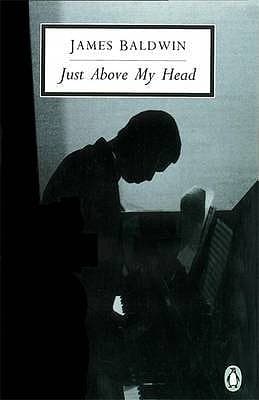
Synopsis
Covers the whole plot, including the ending.
- Difficulty
- Hard
- Pacing
- Slow
- Mood
- Introspective, Melancholy, Profound, Challenging, Atmospheric
- Read it if
- You want an epic, character-driven saga exploring race, sexuality, faith, and family over several decades, with beautiful prose.
- Skip it if
- You prefer fast-paced plots or shy away from deeply introspective, sometimes challenging explorations of identity and societal issues.
Just Above My Head Plot Summary
Covers the whole plot, including the ending.
Arthur's Death and Hall Montana's Grief
The novel begins with the news of Arthur Montana's death in a London pub. Arthur, a famous soul singer, was a beloved figure. His older brother, Hall Montana, a jazz pianist and minister, receives the call and is filled with grief and reflection. Hall, who was always protective of Arthur, begins to recount their shared history, their Harlem childhood, and the relationships that shaped their lives. This opening sets the stage for a deep look into the Montana brothers' lives and their friends, triggered by Arthur's death.
Childhood in Harlem and the Church
Hall and Arthur Montana grow up in Harlem, deeply involved in the Black church. Their father is a strict minister, and their mother is a loving presence. The church is the center of their community, offering both comfort and strict rules. Hall, a piano prodigy, and Arthur, with his singing voice, develop their musical talents there. Their early experiences in the choir and church services shape their identities and their understanding of faith, race, and sexuality. This period also introduces their lifelong friends, Jimmy and Crunch, forming the core group.
The Emergence of Musical Talent and Early Dreams
As Hall and Arthur grow, their musical talents become clear. Hall's jazz piano skills develop, and Arthur's voice captivates listeners. They perform regularly in church, but their ambitions go beyond sacred music. Their friend Jimmy, also a singer, is part of this musical awakening. The boys dream of a different life, one that might take them out of Harlem. These early dreams are influenced by their racial and economic circumstances, and unspoken tensions and attractions within their group begin to appear.
Jimmy's Secret and Hall's Discovery
Hall starts to notice things about Jimmy's private life. He discovers that Jimmy has been with men, a revelation that disturbs and confuses Hall, who was raised in a strict religious environment where homosexuality is condemned. This discovery forces Hall to confront his own prejudices and the complexities of human desire. Despite his initial discomfort, Hall's affection for Jimmy prevents him from condemning him, but it changes his understanding of the world and the people he loves, showing the hypocrisy and judgment that can exist even in close communities.
The Korean War and Its Impact
The Korean War affects the young men's lives. Crunch, one of their closest friends, is drafted and sent to fight. His combat experiences leave him deeply scarred. The war highlights racial inequalities in the military and in American society. While Crunch is on the front lines, Hall and Arthur live at home, dealing with the fear and uncertainty of the conflict. The war is a harsh awakening, forcing them to face the fragility of life and the realities of a world beyond Harlem.
Arthur's Rise to Fame and the Civil Rights Movement
Arthur Montana's talent brings him international fame as the 'Emperor of Soul.' His music connects with audiences worldwide, and he becomes a symbol of Black artistry and resilience. This period happens during the height of the Civil Rights Movement in the United States. Arthur, though a celebrity, stays connected to his roots and his people's struggles. His fame offers a platform, but also exposes him to pressures from both the white establishment and the Black community. Hall, now a minister, becomes more involved in the movement, offering guidance.
The Complexities of Love and Relationships
The novel looks into the romantic lives of its characters. Hall marries Ruth, and they build a life together, but their relationship is tested by his devotion to Arthur and his past. Arthur has many relationships, both with men and women, often marked by intensity and heartbreak. Jimmy's relationships, especially with other men, are central to his story, exploring themes of forbidden love and self-acceptance. These relationships are shown with honesty, revealing the emotional cost of societal judgment and the search for real connection in a world that often denies it to those who differ from the norm.
Hall's Ministry and Struggle with Faith
Following his father, Hall becomes a minister. However, his faith is not simple; it evolves, challenged by his experiences, his understanding of human nature, and the injustices he sees. He struggles with traditional interpretations of scripture, especially concerning sexuality, and seeks a more inclusive understanding of God's love. His ministry becomes a place for intellectual and spiritual exploration, where he tries to reconcile his beliefs with the realities of a complex world, trying to offer guidance and comfort to his congregation.
Paris, Exile, and Self-Discovery
Paris becomes an important place for several characters, offering freedom from America's racial and social limits. Arthur spends time there, finding more acceptance and artistic freedom. Jimmy also finds a haven in Paris, where he can express his identity and pursue relationships more openly. The city represents self-discovery and an escape from past burdens. However, even in Paris, the characters cannot fully escape their American experiences, and the complexities of their identities continue to unfold.
The Weight of the Past and Unspoken Truths
Throughout their lives, the characters are affected by their past, especially unspoken truths and childhood traumas. Church rules, racial identity pressures, and hidden desires all contribute to a complex emotional state. Hall's thoughts constantly return to these early experiences, trying to understand how they shaped Arthur, Jimmy, Crunch, and himself. The novel uncovers these layers of memory, showing how early experiences, especially those related to sexuality and faith, continue to influence their adult lives and relationships, often causing pain and misunderstanding.
Reconciliation and Forgiveness
As the story continues, the characters, especially Hall, seek understanding and forgiveness. They deal with past betrayals, misunderstandings, and societal judgment. Hall's journey is about accepting Jimmy's sexuality, Arthur's choices, and his own changing beliefs. There are moments of deep connection and reconciliation, where characters bridge their differences, often through shared music, conversation, or simply being together. These moments highlight the lasting power of their bonds, even in the face of challenges, suggesting a path toward healing.
The Legacy of Arthur Montana
Arthur Montana's death prompts Hall and his remaining friends to reflect on his impact. His music, charisma, and struggles are central to their mourning and remembrance. The novel explores how Arthur's life, public and private, influenced those around him, and how his absence leaves a void. His legacy is not just his music, but also the complex relationships he built and the challenges he faced. Hall's narrative becomes an elegy, a tribute to his brother's life and the lasting power of their bond, even after death.
Principal Figures
Hall Montana
Protagonist/Narrator
A jazz pianist and minister who narrates the story, reflecting on his brother Arthur's life and their shared past.
Hall is the thoughtful, introspective older brother of Arthur Montana. Raised in the Harlem church, he initially follows in his father's footsteps to become a minister, but his faith is constantly challenged by the complexities of life, particularly issues of sexuality and racial injustice. He is a gifted jazz pianist, often finding solace and expression through music. Hall is deeply devoted to his family and friends, especially Arthur, and acts as a moral compass, though one that is constantly re-calibrating. His journey is one of reconciling his upbringing with the realities of the world and the people he loves.
Relationships: Arthur Montana (Brotherly love, deep connection, protection, and occasional rivalry.); Jimmy (Close childhood friend, complex relationship due to Jimmy's sexuality and Hall's initial discomfort.); Crunch (Childhood friend, shared experiences of growing up in Harlem.); Ruth (Wife, supportive but often overshadowed by his devotion to Arthur and his past.)
Arthur Montana
Central Figure/Protagonist
A world-renowned soul singer, known as the 'Emperor of Soul,' whose life and death drive the narrative.
Arthur is Hall's younger brother, blessed with an extraordinary singing voice that catapults him to international fame. Charismatic, sensitive, and deeply troubled, Arthur embodies both the triumphs and tragic costs of celebrity. He struggles with his identity, his sexuality, and the pressures of being a Black icon in a racist world. His life is a whirlwind of music, love affairs (with both men and women), and a constant search for belonging. Despite his fame, he remains deeply connected to his Harlem roots and the people who knew him before he became a star.
Relationships: Hall Montana (Brotherly love, deep connection, reliance, and occasional tension.); Jimmy (Close childhood friend, shared musical aspirations, and a deeply intimate, sometimes romantic, bond.); Crunch (Childhood friend, shared experiences of growing up in Harlem.); Various lovers (Intense, often tumultuous romantic and sexual relationships with both men and women.)
Jimmy
Supporting Character/Protagonist
A childhood friend of Hall and Arthur, a talented singer, and a gay man navigating a society that condemns his identity.
Jimmy is a pivotal character, a close friend of Hall and Arthur since childhood. He is a gifted singer in his own right, often performing with Arthur. Jimmy is gay, a truth he grapples with and eventually embraces, often at great personal cost. His experiences highlight the struggles of LGBTQ+ individuals within the Black community and society at large. He seeks solace and freedom in Paris, where he can more openly express his identity. Jimmy's story is one of searching for self-acceptance, love, and a place where he truly belongs, despite the societal pressures and judgments he faces.
Relationships: Hall Montana (Close childhood friend, a bond tested by Hall's initial discomfort with Jimmy's sexuality.); Arthur Montana (Close childhood friend, shared musical aspirations, and a deeply intimate, sometimes romantic, bond.); Crunch (Childhood friend, shared experiences of growing up in Harlem.); Yves (A significant romantic partner in Paris, representing a stable, loving relationship.)
Crunch
Supporting Character
A childhood friend of the Montana brothers, whose experiences in the Korean War deeply scar him.
Crunch is another member of the core quartet of friends from Harlem. Unlike Hall, Arthur, and Jimmy, Crunch is not primarily defined by his musical talent. His life takes a different trajectory when he is drafted into the Korean War. His experiences in combat leave him with profound psychological and physical scars, turning him into a more hardened and disillusioned man. Crunch's story underscores the devastating impact of war on individuals and communities, particularly on young Black men. He struggles to reintegrate into civilian life, bearing the weight of his trauma and the racial injustices he faced.
Relationships: Hall Montana (Childhood friend, shared experiences of growing up in Harlem.); Arthur Montana (Childhood friend, shared experiences of growing up in Harlem.); Jimmy (Childhood friend, shared experiences of growing up in Harlem.)
Ruth
Supporting Character
Hall Montana's wife, a steadfast and loving presence who often feels the strain of his deep bond with Arthur.
Ruth is Hall Montana's wife, a supportive and grounded woman who provides a sense of stability in his life. She loves Hall deeply but often finds herself navigating the complex dynamics of his relationships with his brother, Arthur, and their shared past. Ruth is patient and understanding, yet she also experiences moments of frustration and loneliness due to Hall's profound devotion to Arthur and the emotional space that relationship occupies. Her character highlights the challenges of maintaining a marriage when one partner is so deeply entwined with a sibling and a past that predates the marital bond.
Relationships: Hall Montana (Wife, supportive but occasionally feels like an outsider to his deepest emotional connections.)
Reverend Montana (Hall and Arthur's Father)
Supporting Character/Mentioned
A strict, devout minister and the patriarchal figure in Hall and Arthur's early lives.
Reverend Montana is Hall and Arthur's father, a powerful and imposing figure in the Harlem church. He is deeply religious and adheres to a strict moral code, which heavily influences his sons' upbringing. While he instills a sense of faith and community, his rigid views, particularly on sexuality, create tension and internal conflict for his sons. His presence, though often in memory, represents the traditional, sometimes oppressive, aspects of their religious heritage that Hall actively grapples with and Arthur rebels against.
Relationships: Hall Montana (Father, a source of both guidance and restrictive moral expectations.); Arthur Montana (Father, a figure whose strictures Arthur often rebels against.)
Mrs. Montana (Hall and Arthur's Mother)
Supporting Character/Mentioned
The loving and powerful matriarch of the Montana family, a source of strength and comfort.
Mrs. Montana is Hall and Arthur's mother, a strong and loving presence in their lives. She provides a counterbalance to her husband's sternness, offering emotional support and understanding. Her character embodies the resilience and warmth of Black motherhood in Harlem. She is deeply religious but possesses a more expansive compassion than her husband, often mediating between the boys and their father. Her influence is felt throughout the narrative as a source of unconditional love and a foundational figure in the boys' emotional development.
Relationships: Hall Montana (Mother, a source of unconditional love and emotional understanding.); Arthur Montana (Mother, a source of unconditional love and emotional understanding.)
Yves
Supporting Character
Jimmy's long-term lover in Paris, representing a stable and accepting relationship.
Yves is a significant figure in Jimmy's life, his long-term romantic partner in Paris. He represents a sense of stability, acceptance, and love that Jimmy struggled to find in America. Their relationship is depicted as tender and genuine, offering Jimmy a haven where he can truly be himself. Yves's presence highlights the contrast between the freedom Jimmy finds abroad and the oppression he faced at home, underscoring the novel's exploration of identity and belonging in different cultural contexts.
Relationships: Jimmy (Long-term romantic partner, a source of love and stability.)
Themes & Insights
The Burden of Identity (Racial, Sexual, Religious)
The novel explores how racial, sexual, and religious identities shape the characters' lives, often causing conflicts. Growing up Black in Harlem, Hall and Arthur navigate the expectations and limits of a racist society. Jimmy's struggle with his homosexuality is central; he seeks acceptance in a world that often condemns him, finding freedom in Paris. Hall, as a minister, struggles with church doctrines versus his evolving understanding of human love and sin. These intersecting identities create a complex web of self-discovery and societal pressure, as seen when Hall initially struggles to accept Jimmy's sexuality despite their friendship.
“Perhaps home is not a place but simply an irrevocable condition.”
The Power and Complexity of Brotherhood
The bond between Hall and Arthur Montana is the emotional center of the novel. It is a relationship of deep love, strong protection, unspoken understanding, and occasional rivalry. Hall, as the older brother, feels responsible for Arthur, even as Arthur's fame and choices lead him down different paths. Their connection is almost telepathic, influencing each other's lives in deep ways, from their shared musical roots to their personal struggles. Arthur's death causes Hall to revisit their shared life, showing how connected their identities were, as seen in Hall's lifelong effort to understand Arthur.
“And the fact that I loved him was a fact more solid than any other fact I knew.”
Music as Salvation and Expression
Music is a vital force in the characters' lives. For Arthur, his voice is his destiny and his way to escape poverty and prejudice, becoming the 'Emperor of Soul.' For Hall, jazz piano is a spiritual practice, a way to process emotions and connect with something beyond words. The church music of their childhood provides their foundation, but they go beyond its limits. Music is a form of communication, comfort, protest, and a universal language that crosses racial and cultural divides, as shown by Arthur's international appeal and Hall's jazz improvisations.
“Music was not only a way of life for us, it was life itself.”
Memory, Narrative, and the Construction of Truth
The entire novel is told through Hall Montana's memories, triggered by Arthur's death. This structure highlights the subjective nature of truth and how personal history is created. Hall puts together pieces of the past, trying to understand Arthur, himself, and their friends. His reflections are not linear; they move back and forth in time, showing how past events continue to shape the present. Remembering becomes a spiritual accounting, as Hall tries to reconcile different perspectives and uncover deeper meanings behind events, constantly re-evaluating what he thought he knew about his brother and his own life.
“Memory, like music, is a kind of grace.”
The Intergenerational Impact of Trauma and Resilience
The characters' experiences are deeply informed by the historical context of their lives, from the effects of slavery and segregation to the direct impact of the Korean War on Crunch. The pain of racial injustice is always present, shaping their opportunities, self-perception, and relationships. Yet, the novel also shows the resilience of these characters and their community, especially through their faith, music, and lasting friendships. Hall's parents, for instance, carry the weight of their own past, which influences how they raise their children, creating a complex legacy of both pain and strength.
“The past is not dead. In fact, it's not even past.”
Plot Devices & Literary Techniques
First-Person Retrospective Narration
The story is told entirely from Hall Montana's perspective, looking back on his life and his brother's after Arthur's death.
This device allows for deep introspection and a complex exploration of memory and its reliability. Hall's voice is intimate and philosophical, guiding the reader through decades of personal and historical events. The retrospective nature means the narrator already knows the outcome (Arthur's death), which imbues the narrative with a sense of elegy and a constant search for meaning in past events. It also allows for Hall to offer mature reflections on youthful experiences, providing a layered understanding of character development and societal change.
Interweaving Timelines
The narrative frequently shifts between different periods in the characters' lives, from childhood to adulthood.
Baldwin employs a non-linear structure, jumping back and forth in time. This device mirrors the way memory functions, as Hall's reflections are not chronological but rather thematic and associative. It allows for immediate comparisons between past events and their present consequences, highlighting the continuity of character and the long-term impact of key experiences. This interweaving deepens the reader's understanding of how childhood traumas, early relationships, and societal pressures have shaped the characters over decades, emphasizing that the past is never truly past.
Symbolism of Music
Music, particularly soul, jazz, and gospel, functions as a powerful metaphor for identity, expression, and liberation.
Music is more than just a plot element; it's a living force within the novel. Gospel music represents the characters' roots and the communal spiritual life of Harlem. Arthur's soul music becomes a vehicle for expressing Black experience and emotion on a global stage. Hall's jazz piano symbolizes improvisation, freedom, and a more complex, nuanced understanding of life. Music serves as a means of communication when words fail, a source of comfort in times of sorrow, and a powerful tool for self-discovery and resistance against oppression.
The Harlem Church as a Microcosm
The Black church in Harlem serves as a central setting and symbolic representation of the community's joys, struggles, and moral strictures.
The church is where Hall and Arthur's musical talents are first nurtured, where they learn about faith and community, and where they first encounter the rigid moral codes that will shape their lives. It represents both a source of strength, spiritual guidance, and communal solidarity, but also a place of judgment and repression, particularly regarding sexuality. As a microcosm, it reflects the broader societal pressures and internal conflicts faced by the Black community, embodying both its enduring spirit and its internal contradictions.
Just Above My Head Quotes
“The price of the ticket is to be on the roller coaster, and the price of the ticket is to be in the world.”
“The world is not a safe place. But it is a beautiful place.”
“Love does not begin and end the way we seem to think it does. Love is a battle, love is a war; love is a growing up.”
“Perhaps home is not a place but simply an irrevocable condition.”
“To be a Negro in this country and to be relatively conscious is to be in a rage almost all the time.”
“It is not the world that is too small, but we who are too large, and too hungry, for it.”
“People are trapped in history and history is trapped in them.”
“The great force of history comes from the fact that we carry it within us, are unconsciously controlled by it in many ways, and history is literally present in all that we do.”
“All you have to do is to look at people and see how they are suffering, and you will know that what you have to do is to love them.”
“Life is a journey, and if you fall in love with the journey, you will be in love forever.”
“The root of the matter is that the world is a dangerous place, and we are children trying to find our way home.”
“The moment we cease to be children, we are already dead.”
“What is important is the love, the connection, the communion, the healing.”
“It is not possible to be an artist and not to be a revolutionary.”
Quiz
10 questions on the plot and the characters. Each answer comes with a short explanation.
Question 1
What is the name of Arthur Montana's brother, who narrates the story?
- Hall Montana
- Jimmy Montana
- Lou Montana
- Paul Montana
Show answer
C. Lou Montana Lou Montana is Arthur's brother and the primary narrator of the novel, reflecting on their shared past.
Question 2
In which city is Arthur Montana found dead at the beginning of the novel?
- New York
- Paris
- London
- Harlem
Show answer
C. London Arthur Montana, the 'Emperor of Soul', is found dead in a London pub, which triggers Lou's reflections.
Question 3
What is the primary profession of the Montana brothers and their friends during their childhood in Harlem?
- Jazz musicians
- Preaching and singing in churches
- Factory workers
- Street performers
Show answer
B. Preaching and singing in churches The group of friends, including the Montanas, spent their childhood 'preaching and singing in Harlem churches'.
Question 4
Which historical movement forms a significant backdrop for the events in the novel?
- The Harlem Renaissance
- The Great Depression
- The Civil Rights Movement of the sixties
- World War I
Show answer
C. The Civil Rights Movement of the sixties The novel is 'set against a vividly drawn background of the civil rights movement of the sixties'.
Question 5
Besides New York and Paris, which other international locations are mentioned as part of the novel's scope?
- Germany and Brazil
- Korea and Africa
- Italy and Japan
- Vietnam and England
Show answer
B. Korea and Africa The novel is described as a 'monumental saga that ranges from New York to Paris, Korea to Africa'.
Question 6
What is Arthur Montana's professional nickname?
- King of Gospel
- The Voice
- Emperor of Soul
- The Harlem Hurricane
Show answer
C. Emperor of Soul Arthur Montana is referred to as the 'world-renowned 'Emperor of Soul''.
Question 7
How many years of the friends' lives does the narrator look back over?
- Twenty years
- Thirty years
- Forty years
- Fifty years
Show answer
B. Thirty years Lou Montana 'looks back over thirty years in the lives of their group of friends'.
Question 8
What central theme does Baldwin explore through the struggles and encounters of the characters in relation to love?
- The impact of economic class on romantic relationships.
- How deeply racial politics can shape life, especially in the private business of love.
- The difficulty of maintaining long-distance relationships across continents.
- The role of celebrity in complicating personal affections.
Show answer
B. How deeply racial politics can shape life, especially in the private business of love. The novel aims 'to portray how profoundly racial politics can shape life, especially in the private business of love'.
Question 9
What significant personal and societal challenges do the friends face besides racial politics?
- Environmental disasters and political corruption.
- War and poverty.
- Technological advancements and social media pressures.
- Educational inequality and urban decay.
Show answer
B. War and poverty. The synopsis mentions their 'struggles with war and poverty', alongside their encounters with wealth, love and fame.
Question 10
What is the significance of 'Just Above My Head' in James Baldwin's bibliography?
- It was his debut novel.
- It was his most commercially successful work.
- It was his last novel.
- It was his only non-fiction work.
Show answer
C. It was his last novel. The description explicitly states that 'Baldwin's last novel is a monumental saga'.
Just Above My Head FAQ
What is the central premise of 'Just Above My Head'?
'Just Above My Head' centers on the life and mysterious death of Arthur Montana, a celebrated gospel and soul singer. His story is recounted by his brother, Hall Montana, who reflects on their shared past in Harlem, their intertwined relationships, and the profound impact of race, faith, and sexuality on their lives and careers, particularly against the backdrop of the Civil Rights Movement.
Who are the primary narrators and how do their perspectives shape the story?
The primary narrator is Hall Montana, Arthur's brother, who reminisces about their lives and the lives of their friends. However, the narrative also incorporates direct speech and memories from other characters like Julia Miller and Crunch, offering multiple perspectives that create a complex, multi-layered understanding of events and the characters' internal struggles.
What role does Arthur Montana's music play in the novel?
Arthur Montana's music is central, serving as a vehicle for his spiritual and emotional expression, as well as a reflection of the socio-political struggles of his time. His journey from gospel prodigy to 'Emperor of Soul' mirrors the evolving Black experience and provides a soundtrack to the characters' personal and collective battles for identity and recognition.
How does the novel explore themes of sexuality and identity?
The novel deeply explores themes of sexuality, particularly through Arthur's hidden homosexuality and Hall's own struggles with his desires. It delves into the societal pressures and taboos surrounding same-sex relationships within the Black community and the church, forcing characters to confront their true selves amidst judgment and prejudice.
What is the significance of the title, 'Just Above My Head'?
The title, 'Just Above My Head,' is derived from a gospel hymn and symbolizes the elusive, often overwhelming presence of spiritual, emotional, or societal burdens and blessings. It suggests a constant awareness of something just beyond reach or comprehension, whether it be divine grace, understanding, or freedom from oppression, constantly influencing the characters' lives.
How does the setting of Harlem influence the characters' early lives?
Harlem is depicted as a vibrant, yet challenging, crucible for the characters' early lives, deeply shaping their identities, faith, and aspirations. It's where they first encounter the power of the church, the complexities of racial injustice, and the bonds of community that will follow them throughout their journeys, even as they travel internationally.
What is the significance of Arthur's relationship with Crunch?
Arthur's relationship with Crunch is one of the most pivotal and complex in the novel, embodying a deep, forbidden love and a shared struggle for self-acceptance. Crunch, a fellow musician, represents a crucial part of Arthur's hidden life and identity, and their bond reveals the profound personal costs of societal condemnation.
How does the Civil Rights Movement directly impact the characters?
The Civil Rights Movement is not merely a backdrop but an active force shaping the characters' public and private lives. It fuels their artistic expressions, informs their political consciousness, and forces them to confront the realities of racial injustice, impacting their choices, their relationships, and their very sense of self-worth and purpose.
What is the role of the church and faith in the novel?
The church and faith are foundational to the characters' upbringing, providing both solace and profound conflict. While it offers a sense of community and spiritual guidance, it also imposes rigid moral codes that clash with characters' evolving identities, particularly regarding sexuality, leading to internal and external struggles with hypocrisy and judgment.
What does Arthur's death in a London pub signify?
Arthur's sudden death in a London pub is shrouded in ambiguity, sparking the novel's retrospective narrative and symbolizing the unresolved complexities of his life. It suggests a final, lonely culmination of his private battles and public pressures, leaving his loved ones to piece together the meaning of his existence and legacy.
How does Hall Montana's profession as a journalist influence his narration?
Hall Montana's profession as a journalist lends a critical, analytical eye to his narration, allowing him to observe and report on the nuances of human behavior and societal dynamics. This background enables him to delve deeply into the motivations and histories of the characters, striving for a comprehensive understanding of their collective story, even while acknowledging his own biases.
What is the nature of the friendship between Arthur, Hall, and Julia Miller?
The friendship between Arthur, Hall, and Julia Miller is a lifelong, intricate bond forged in childhood, characterized by deep loyalty, shared dreams, and unspoken tensions. Julia, a talented singer in her own right, is a crucial emotional anchor and confidante for both brothers, navigating complex romantic and platonic affections within their trio.
How does the novel address the concept of legacy?
The novel extensively addresses the concept of legacy through Arthur's enduring musical impact and the lasting questions surrounding his life and death. His music and the stories told by those who loved him ensure his memory persists, prompting reflections on how individuals, especially artists, leave their mark on the world and on the hearts of others.
What psychological impact does 'passing' have on the characters?
The psychological impact of 'passing' – whether as heterosexual or as conforming to societal expectations – creates immense internal conflict and isolation for characters like Arthur. It forces them to compartmentalize their identities, leading to profound emotional strain, guilt, and a constant fear of exposure, ultimately hindering true self-acceptance and genuine connection.
How does Baldwin use shifts in time and perspective to build the narrative?
Baldwin masterfully uses non-linear storytelling, shifting between past and present and incorporating multiple viewpoints to construct a rich, complex narrative. This fragmented approach mirrors the process of memory and allows for a deeper, more nuanced exploration of character motivations and the interconnectedness of events over decades, revealing truths gradually.
What broader message about American society does the novel convey?
'Just Above My Head' conveys a profound message about the enduring struggles of Black Americans in a racially and socially stratified society. It critiques the hypocrisy of religious institutions, the destructive power of prejudice, and the relentless quest for identity and freedom, suggesting that personal liberation is deeply intertwined with societal change.
How does the novel portray the complexities of love, both familial and romantic?
The novel portrays love as a multifaceted, often painful, force, showcasing the deep familial bonds between Hall and Arthur, the passionate yet forbidden love between Arthur and Crunch, and the enduring affection between Hall and Julia. It explores how societal constraints and personal demons complicate these connections, highlighting the sacrifices and compromises made in the name of love.
What is the significance of the recurring motif of the 'witness'?
The motif of the 'witness' is crucial, as characters constantly observe and reflect upon each other's lives, bearing witness to both triumphs and suffering. Hall, as the primary narrator, acts as the ultimate witness, attempting to understand and articulate the truths of his brother's life and the collective experiences of their community, thereby immortalizing their stories.
About the author
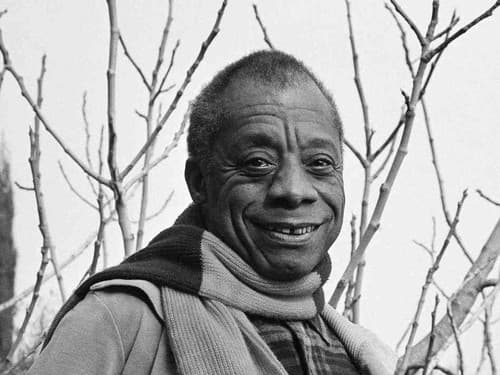
James Arthur Baldwin was an American writer. He garnered acclaim for his work across several forms, including essays, novels, plays, and poems. His first novel, Go Tell It on the Mountain, was published in 1953; decades later, Time magazine included the novel on its list of the 100 best English-language novels released from 1923 to 2005. His first essay collection, Notes of a Native Son, was published in 1955.
Similar books
- Homegoing
Yaa Gyasi
4.4 (175k) average on GoodreadsLiterary FictionA sprawling family saga spanning generations and continents, dealing with the legacy of history and race.
- The Color Purple
Alice Walker
4.2 (521k) average on GoodreadsHistorical FictionWalker's novel powerfully depicts the struggles of Black women. Baldwin's work, in contrast, offers an expansive and intimate male perspective on trauma, fame, and the search for love and acceptance within a deeply homophobic society, providing a crucial counterpoint to narratives centered on female experience.
- Nineteen Eighty-Four
George Orwell
4.2 (5.5M) average on GoodreadsFictionWinston Smith dreams of truth and rebellion in a world where Big Brother watches all, but he confronts the terrifying power of a regime that controls not just actions, but thoughts.
- The Frozen River
Ariel Lawhon
4.4 (600k) average on GoodreadsFictionIn 1789 Maine, a heroic midwife's diary helps her expose a murder and get justice in a town that wants to silence her.
- A Man Called Ove
Fredrik Backman
4.4 (569k) average on GoodreadsFictionA stubborn widower, who lives by strict rules, finds his quiet world changed by a lively new family next door, making him face his past and find happiness in human connection.
- The Art of Racing in the Rain
Garth Stein
4.2 (452k) average on GoodreadsFictionThrough the eyes of Enzo, a wise and observant dog, a race car driver's family navigates a journey of love, loss, and resilience, learning that life's most important lessons often come in the curves, not just on the straightaways.






Enjoyed the summary?
A summary gives you the shape of the book. The book itself has the detail, the examples and the voice.
Find Just Above My Head on AmazonAs an Amazon Associate, BookBrief earns from qualifying purchases. How we're funded