
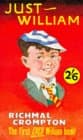
Synopsis
Covers the whole plot, including the ending.
- Difficulty
- Easy
- Pacing
- Moderate
- Mood
- Humorous, Nostalgic, Lighthearted, Charming
- Read it if
- You enjoy classic children's literature, tales of mischievous boys, and humorous episodic adventures with a nostalgic charm.
- Skip it if
- You prefer fast-paced, plot-driven narratives or stories with deep character development and serious themes.
Just William Plot Summary
Covers the whole plot, including the ending.
William's Unconventional Solutions to Everyday Problems
The book introduces William Brown, a mischievous eleven-year-old, and his gang, the Outlaws (Ginger, Henry, and Douglas). William often disagrees with adults, especially his parents, older sister Ethel, and older brother Robert. In one early event, William decides to help his mother by cleaning a room, but he uses a garden hose indoors. This floods the house and makes his family angry. His intentions are usually good, or at least he thinks they are justified, but his actions always lead to funny results and more frustration from those around him.
The Outlaws' Quest for Adventure and Misunderstanding
William and the Outlaws often look for adventure, which usually means they misunderstand situations or try to 'help' in ways that cause problems. For example, they might try to 'capture' a supposed spy, who is an innocent villager, or try to 'rescue' someone who does not need rescuing. This leads to misunderstandings and comical chases. They are loyal to each other, but their lack of planning and active imaginations make them a strong force of accidental trouble in their quiet village. Their 'fort' in the woods is where they plan these doomed adventures.
William's Endeavors in Matchmaking and Social Engineering
William often gets involved in his older siblings' lives, Ethel and Robert, usually causing them trouble. In one instance, he decides Ethel should marry a rich local man, Mr. Bott, not because he cares about her happiness, but because he thinks Mr. Bott has a car and many sweets. William tries to make this happen by sending anonymous letters, spreading rumors, and even trying to push Ethel and Mr. Bott together. His interference, as expected, embarrasses Ethel and confuses the adults, failing to get what he wants.
The Perils of William's Entrepreneurial Spirit
Wanting pocket money or to fund a new plan, William often tries to start businesses. These ventures always fail. He might try to sell 'secret' formulas or 'valuable' items he found (which are usually worthless or taken from his own home). For example, he might try to sell his family's old furniture or his sister's discarded jewelry to unsuspecting villagers. Then, his parents discover the missing items and trace them back to William. He is not good at business, and his methods are often dishonest, though always with a childish reason behind them.
William's Encounters with Authority and Discipline
William's actions often put him against authority figures, including his parents, teachers, and the local vicar. His parents often punish him by sending him to bed early or taking away treats, but these rarely stop him for long. He is good at twisting adult logic to fit his own goals or finding loopholes in rules. For example, if told not to play with mud, he might argue that he is playing with 'earth' or 'soil.' These encounters show the age difference and William's strong spirit against adult attempts to control him.
The Art of Evasion and Misdirection
When caught or facing consequences for one of his plans, William is good at avoiding and misdirecting. He might blame one of the Outlaws, pretend not to know, or invent long, unlikely stories to explain himself. For example, after breaking something valuable, he might try to hide the evidence and then claim a phantom burglar was responsible. While these tactics rarely fool his parents for long, they provide much of the book's humor, showing William's quick thinking and his desperate attempts to avoid punishment, even when his guilt is clear to everyone else.
William's Grand Plan to Run Away
Feeling misunderstood and unappreciated by his family after another punishment, William decides to run away from home. He thinks he can make his own way. His plan is to take a job as a boot boy at a large nearby house, seeing it as the first step towards an independent and adventurous life. He carefully plans his departure, leaving a dramatic note for his family. However, his experience as a boot boy is not the exciting adventure he imagined; it involves hard work and strict rules, making him quickly rethink the benefits of home life.
The Reality of Running Away and the Comfort of Home
William's time as a boot boy is a surprise. He finds the work boring and the household rules much stricter than anything his parents imposed. The reality of taking care of himself quickly makes him dislike his romantic idea of running away. He misses his comfortable bed, his mother's cooking, and even the usual arguments with his siblings. After a short time, William, feeling homesick and disappointed, returns home, where his family greets him with relief and frustration. This experience, though brief, gives him a momentary appreciation for the comforts and safety of his home, though his mischievous nature does not change.
William's Role in Community Events and Festivities
William often finds himself involved in community events, like village fairs, school plays, or charity drives. His involvement, however, never goes smoothly. If he is supposed to be a page in a play, he will make up lines or forget his cues, turning a serious performance into a joke. If he is helping at a fair, he will accidentally release animals, disrupt stalls, or cause a general rush. His presence guarantees that any organized event will become a delightful mess, much to the annoyance of adults trying to keep order, but often to the secret amusement of some onlookers and certainly to the delight of the Outlaws.
The Unending Cycle of Mischief and Forgiveness
Throughout the stories, William's actions cause endless problems for his family and the community. Yet, despite the chaos he creates, there is affection and tolerance for him. His parents, though often frustrated, never truly give up on him. His siblings, while often victims of his plans, also sometimes rely on him or are impressed by his cleverness. The book always ends with William either avoiding serious punishment or being forgiven, ready for his next adventure. This pattern shows William's unchanging character as the lovable rogue, ensuring that the next chapter will bring more of William's mischief.
Just William Characters
William Brown
Protagonist
The mischievous, imaginative, and perpetually disheveled leader of the Outlaws.
William is an eleven-year-old boy with a mop of unruly brown hair and an innate ability to create chaos wherever he goes. He is the leader of his gang, the Outlaws (Ginger, Henry, and Douglas), and views the world through a lens of adventure and self-interest. He is fiercely independent, often misunderstanding adult rules and social conventions, which leads to his many predicaments. Despite his constant mischief, he possesses a strong sense of loyalty to his friends and an innocent, if misguided, desire to do good or, at least, to achieve his own goals, which usually involve sweets, freedom, or avoiding schoolwork. His quick wit and persuasive arguments often allow him to escape immediate consequences, though not without leaving a trail of exasperation.
Relationships: Ginger (best friend and fellow Outlaw); Henry (fellow Outlaw); Douglas (fellow Outlaw); Mr. Brown (father, often exasperated); Mrs. Brown (mother, often exasperated but also affectionate); Ethel Brown (older sister, often a victim of his schemes); Robert Brown (older brother, often annoyed by William)
Ginger
Supporting
William's loyal best friend and the most adventurous of the Outlaws.
Ginger is William's closest confidant and the most enthusiastic member of the Outlaws. He is almost always by William's side, ready to participate in any scheme, no matter how outlandish or ill-conceived. While not as clever or imaginative as William, Ginger's unwavering loyalty and willingness to follow William's lead make him an essential part of the gang's dynamic. He often mirrors William's excitement and shares in the consequences, providing a reliable sounding board and co-conspirator for William's grand plans. He rarely questions William's authority as leader.
Relationships: William Brown (best friend and leader); Henry (fellow Outlaw); Douglas (fellow Outlaw)
Henry
Supporting
A cautious and slightly less enthusiastic member of the Outlaws.
Henry is one of the Outlaws, known for being a bit more cautious and less prone to impulsive decisions than William or Ginger. He often expresses doubts or concerns about William's more outrageous plans, though he rarely outright refuses to participate. His quieter nature provides a slight contrast to the boisterous energy of William and Ginger. Despite his reservations, his loyalty to the gang and his desire for adventure ensure he's always present for the escapades, often serving as a voice of mild apprehension before the inevitable chaos ensues.
Relationships: William Brown (leader of his gang); Ginger (fellow Outlaw); Douglas (fellow Outlaw)
Douglas
Supporting
The youngest and most easily led member of the Outlaws.
Douglas is the smallest and youngest member of the Outlaws. He is easily swayed by William's suggestions and often struggles to keep up with the older boys. His role is often to provide an additional body for the gang's numbers and to react with wide-eyed wonder or terror to the unfolding events. He is less vocal than the others but is a constant presence in their adventures, embodying the innocent, impressionable nature of a younger child caught up in the schemes of his older, more dominant friends. He rarely contributes ideas but is always game for whatever William proposes.
Relationships: William Brown (leader of his gang); Ginger (fellow Outlaw); Henry (fellow Outlaw)
Mrs. Brown
Supporting
William's long-suffering but ultimately loving mother.
Mrs. Brown is William's mother, a woman who is constantly exasperated by her youngest son's antics but possesses an underlying love and patience for him. She is often depicted as being at her wit's end, dealing with the fallout of William's schemes – whether it's a flooded house, missing items, or social embarrassment. She tries to instill discipline but often finds herself outmaneuvered by William's logic or sheer will. Despite her frequent scoldings and punishments, she is always relieved when William is safe, and she provides the comforting anchor of home life that William occasionally, reluctantly, appreciates.
Relationships: William Brown (son, source of constant worry and amusement); Mr. Brown (husband); Ethel Brown (daughter); Robert Brown (son)
Mr. Brown
Supporting
William's father, who often tries to be stern but is just as often outwitted.
Mr. Brown is William's father, a man who strives to maintain order and discipline in his household but frequently finds his authority undermined by William's ingenious, if mischievous, logic. He is often the one to deliver stern lectures or mete out punishments, such as sending William to bed without supper. However, he is just as prone to being exasperated, bewildered, or even secretly amused by William's antics. His attempts at being a strict disciplinarian are often thwarted, highlighting the challenge William poses to conventional parental authority.
Relationships: William Brown (son, source of exasperation); Mrs. Brown (wife); Ethel Brown (daughter); Robert Brown (son)
Ethel Brown
Supporting
William's older sister, concerned with social standing and often a victim of his schemes.
Ethel is William's older sister, a young woman in her late teens or early twenties who is deeply concerned with her social life, appearances, and attracting suitable suitors. She is often mortified by William's crude behavior and his tendency to disrupt her carefully cultivated image and romantic endeavors. William's interference in her life, particularly his attempts at matchmaking or exposing her secrets, is a recurring source of conflict. She sees William as a constant embarrassment and an obstacle to her social aspirations, often reacting with dramatic despair to his antics.
Relationships: William Brown (younger brother, source of embarrassment); Mr. Brown (father); Mrs. Brown (mother); Robert Brown (brother)
Robert Brown
Supporting
William's older brother, who tries to be sophisticated but is easily annoyed by William.
Robert is William's older brother, a young man who, like Ethel, is concerned with his social life and appearing sophisticated. He often attempts to ignore William or to assert his authority as the older brother, but William invariably finds a way to disrupt his plans or expose his vulnerabilities. Robert is often depicted as being preoccupied with his own interests and generally annoyed by William's childishness. He finds William's antics childish and embarrassing, especially when they impact his own social standing or romantic pursuits. He is less dramatic than Ethel but equally exasperated by William.
Relationships: William Brown (younger brother, source of annoyance); Mr. Brown (father); Mrs. Brown (mother); Ethel Brown (sister)
Violet Elizabeth Bott
Supporting
A spoiled, lisping girl with an unrequited crush on William.
Violet Elizabeth is the daughter of the wealthy Mr. Bott and a constant irritant to William. She is a spoiled, lisping girl who has an unrequited crush on William and frequently tries to join the Outlaws, much to their dismay. She uses her 'I'll scream and scream and scream till I'm sick!' threat to get her way, a tactic that often works on adults and occasionally on William himself, who finds her presence unbearable. Her attempts to befriend William usually involve her interfering in his plans or demanding his attention, making her a formidable, albeit childish, antagonist.
Relationships: William Brown (object of her affection, unwilling friend); Mr. Bott (father); The Outlaws (desperate to join)
Just William Themes
Childhood Mischief vs. Adult Authority
A main theme is the constant conflict between William's wild childhood mischief and adults' attempts to create order and discipline. William often misunderstands or ignores adult rules, leading to funny situations where his childish logic goes against adult reasoning. This happens when he cleans a room with a hose or tries to 'help' his sister's romantic life, always resulting in adult frustration but rarely a lasting change in William's behavior. The adults, despite their efforts, cannot truly control William's spirit, showing how childhood innocence and rebellion endure.
“''But I was only playing!' William protested, as he always did, no matter the extent of the damage.”
Misunderstanding and Misinterpretation
Many funny situations come from William and the Outlaws misunderstanding adult conversations, social cues, or situations. They often misinterpret innocent events as big adventures or conspiracies, making them get involved in ways that cause problems. For example, a casual remark about a 'spy' might send them on a chase after an unsuspecting neighbor. This theme shows the difference between the complexities of the adult world and a child's simple, imaginative view, where every ordinary event can become an exciting adventure, often with bad but funny results for everyone.
“'They were talking about a secret, so I knew it must be important,' William explained, after having disrupted a quiet tea party.”
The Power of Imagination
William's imagination drives his adventures. He turns ordinary situations into extraordinary ones, seeing spies, treasure, or grand plans where adults see only everyday life. This imagination, while causing trouble, also makes his world exciting. His ability to create detailed reasons for his actions, even when clearly wrong, shows his creative mind. The Outlaws' games, their fort, and their 'missions' all come from this strong imagination, creating a distinct, often chaotic, reality for them within the ordinary adult world.
“It wasn't just a pond, it was a dangerous swamp, and we were explorers finding a new land!”
Loyalty and Friendship
Despite their occasional disagreements and William's clear leadership, the loyalty among the Outlaws (William, Ginger, Henry, and Douglas) is a consistent theme. They stay together through everything, sharing in the planning, doing, and often the results of their plans. This bond is central to their identity as a gang, giving William his necessary support system and Ginger, Henry, and Douglas a sense of belonging and adventure. Even when one of them doubts, the group's desire for adventure and their loyalty to William's leadership keeps them united against the adult world.
“'An Outlaw never deserts another Outlaw,' William declared, even as they fled from an angry farmer.”
Plot Devices & Literary Techniques
Episodic Structure
Each chapter functions as a self-contained short story.
The book employs an episodic structure, where each chapter presents a new, largely independent adventure or misadventure of William and the Outlaws. While William's character and the core relationships remain consistent, there isn't a single overarching plot arc that spans the entire book. Each episode begins with a new problem or idea that William conceives, escalates through his attempts to 'solve' it, and concludes with the humorous fallout, often returning William to his starting point ready for the next escapade. This structure allows for a variety of scenarios and keeps the focus firmly on William's unchanging, mischievous nature.
Situational Irony
William's good intentions lead to disastrous outcomes.
Situational irony is a frequent device, where William's attempts to help or improve a situation invariably lead to the opposite effect. For example, his sincere desire to clean a room results in a flood, or his attempt to facilitate his sister's marriage causes social embarrassment. The humor often stems from the contrast between William's self-assured belief in his own cleverness and the inevitable, comical failure of his plans. This irony highlights the gap between his perception and reality, and the unpredictable nature of his interventions in the adult world.
Comic Relief
William's antics and dialogue provide consistent humor.
William's character and his interactions with the adult world are the primary source of comic relief. His innocent yet often destructive schemes, his convoluted logic, and his unique way of speaking provide constant humor. The reactions of the exasperated adults, particularly his parents and siblings, also contribute to the comedy, as they are repeatedly outwitted or mortified by William's behavior. The book relies heavily on this consistent stream of light-hearted humor to entertain its young audience, making even serious moments of punishment feel ultimately jovial.
Stock Characters (with a twist)
Familiar character types are given unique, humorous personalities.
The book utilizes several stock character types common in children's literature, such as the mischievous boy, the long-suffering parents, the vain older sister, and the loyal gang of friends. However, Crompton imbues these archetypes with distinct, humorous personalities. William himself is the quintessential mischievous boy, but his level of ingenious chaos and his persuasive, if flawed, logic elevate him beyond a simple stereotype. Ethel's vanity and Robert's attempts at sophistication are exaggerated for comedic effect, making them relatable yet uniquely funny foils for William.
Just William Quotes
“William was a small boy and he was dressed in a very dirty suit, and his hair, which was usually a mass of tangled brown curls, was plastered flat to his head with some sticky substance.”
“William was not a bad boy. He was just a boy.”
“It was one of William's most cherished theories that anything could be made into anything else if you only tried hard enough.”
“He knew he was going to be famous, and he had a feeling it would be quite soon.”
“William's brain was a seething mass of plots, plans, and schemes.”
“He always knew exactly what he wanted and usually got it, by hook or by crook.”
“William had a perfect genius for getting into scrapes, and an even more perfect genius for getting out of them.”
“The Outlaws were always ready for an adventure, and William was always ready to lead them.”
“Grown-ups were, in William's opinion, a race apart, mysterious, unfathomable, and frequently annoying.”
“He had a way of making everything seem perfectly reasonable to himself, even when it was utterly preposterous to everyone else.”
“William had never been one to let the truth stand in the way of a good story.”
“He was quite sure that the world was created for his own especial benefit.”
“Life, to William, was a glorious series of experiments, some of which turned out rather better than others.”
Quiz
10 questions on the plot and the characters. Each answer comes with a short explanation.
Question 1
What is William's surname?
- Brown
- Jones
- Smith
- Davies
Show answer
A. Brown William's full name is William Brown, a fact established early in the series and central to his identity.
Question 2
What is the name of William's gang?
- The Mischief Makers
- The Outlaws
- The Adventurers
- The Secret Seven
Show answer
B. The Outlaws William's gang is famously known as 'The Outlaws,' and their adventures together form a significant part of the stories.
Question 3
Which family member does William often try to 'help' by arranging their romantic life, usually with disastrous results?
- His mother
- His brother Robert
- His sister Ethel
- His father
Show answer
C. His sister Ethel William frequently meddles in his older sister Ethel's love life, often attempting to 'marry her off' to various unsuitable candidates, leading to comedic situations.
Question 4
What is the primary motivation for William to take a job as a boot boy in one of his schemes?
- To earn money for sweets
- To escape from his family and run away
- To impress a girl he likes
- To learn a useful trade
Show answer
B. To escape from his family and run away William's decision to become a boot boy is part of a grander, often ill-conceived, plan to run away from home and start a new life.
Question 5
What is William's usual attitude towards school and lessons?
- He is an eager and diligent student.
- He finds it mostly boring and tries to avoid it or disrupt it.
- He excels in all subjects, especially arithmetic.
- He is indifferent, neither liking nor disliking it.
Show answer
B. He finds it mostly boring and tries to avoid it or disrupt it. William consistently views school as a tedious obligation, preferring to spend his time on adventures and mischief rather than academics.
Question 6
Which of William's adult neighbors is often the target or unwitting participant in his schemes, usually to their exasperation?
- Mr. Cranberry
- Mr. Bott
- Mr. Henderson
- Mr. Peterson
Show answer
B. Mr. Bott Mr. Bott is a recurring character who frequently finds himself on the receiving end of William's chaotic antics, whether it's having his property damaged or his peace disturbed.
Question 7
What common theme runs through most of William's adventures and escapades?
- A desire for wealth and luxury
- An innocent intention that spirals into unforeseen chaos and disruption
- A genuine attempt to help others, always successful
- A deliberate effort to break rules and cause harm
Show answer
B. An innocent intention that spirals into unforeseen chaos and disruption William's actions are often rooted in a childish logic or an attempt to solve a problem, but his methods invariably lead to unintended and often hilarious chaos for those around him.
Question 8
How does William typically view the 'grown-up' world and its rules?
- He respects and adheres to all adult rules without question.
- He sees them as arbitrary, inconvenient, and often ripe for circumvention.
- He tries to understand and emulate adult behavior.
- He is completely unaware of any rules or expectations.
Show answer
B. He sees them as arbitrary, inconvenient, and often ripe for circumvention. William constantly clashes with adult authority and rules, viewing them as obstacles to his freedom and fun, or simply failing to grasp their importance.
Question 9
Which of the following is NOT a typical member of William's gang, The Outlaws?
- Ginger
- Henry
- Douglas
- Hubert Lane
Show answer
D. Hubert Lane Hubert Lane is often presented as William's rival or an antagonist, typically a more 'respectable' or priggish boy, rather than a member of his loyal Outlaws.
Question 10
What is William's general attitude towards dogs, particularly his own?
- He is afraid of them and keeps his distance.
- He adores them and considers them loyal companions in his adventures.
- He sees them as useful tools for his schemes but has no affection.
- He is allergic to them and avoids contact.
Show answer
B. He adores them and considers them loyal companions in his adventures. William has a great affection for dogs, especially his own mongrel, Jumble, who often accompanies him on his escapades and is considered a valued member of his world.
Just William FAQ
What is "Just William" about?
"Just William" is a classic children's book series about the mischievous 11-year-old William Brown, who, along with his gang 'The Outlaws' (Ginger, Henry, and Douglas), constantly finds himself in comical scrapes and adventures. Whether it's disrupting adult events, trying to earn money for sweets, or simply following his own peculiar logic, William's schemes invariably lead to chaos and exasperation for his family and the local community.
Why should I read "Just William"?
You should read "Just William" for its timeless humor, charming portrayal of childhood mischief, and delightful characterizations. Richmal Crompton's witty observations on the clash between the rigid adult world and William's imaginative, often chaotic, perspective offer laugh-out-loud moments and a nostalgic trip to a simpler, albeit more troublesome, time.
What is the background/setting of "Just William"?
The stories are set in a quaint, unnamed English village during the early to mid-20th century, a time characterized by strict social norms, country houses, and a relatively innocent childhood. The setting provides a perfect backdrop for William's anachronistic behavior and his constant clashes with the polite society his family tries to uphold, often involving village fetes, school plays, and local gatherings.
What are the most memorable quotes?
While "Just William" is more known for its situational humor than specific quotes, William's frequent exclamations like 'Bother!' or 'I'm going to be a hero!' capture his indomitable spirit. The recurring phrase 'He was a good-natured, dirty, untidy, and altogether delightful boy' encapsulates the author's affectionate view of her protagonist.
What writing style does the author use?
Richmal Crompton employs a clear, engaging, and often humorous narrative style, using sophisticated vocabulary that subtly highlights the absurdity of William's actions from an adult perspective. She frequently uses irony and understatement to describe William's grand plans and their inevitable, disastrous outcomes, making the stories enjoyable for both children and adults.
What minor details add significant meaning?
The consistent exasperation of William's older siblings, Robert and Ethel, who are perpetually trying to appear sophisticated and grown-up, highlights the generational gap and the unchanging nature of sibling dynamics. Also, the meticulous descriptions of the adults' social anxieties and their attempts to maintain appearances underscore the societal pressures William inadvertently disrupts.
What are some subtle foreshadowing moments?
Often, William's initial, seemingly innocent questions or observations at the beginning of a chapter subtly foreshadow the elaborate (and doomed) scheme he will concoct. For instance, his sudden interest in a neighbor's pet or a local event often signals that he will soon involve himself, usually with chaotic results, in that very situation.
What unexpected character connections exist?
While not 'unexpected' in a dramatic sense, the grudging admiration and occasional complicity of William's dog, Jumble, provides a consistent, non-verbal connection. Jumble often benefits from William's schemes (like getting extra food) or inadvertently aids them, acting as William's loyal, if sometimes bewildered, accomplice.
What are unspoken character motivations?
William's primary unspoken motivation is a profound desire for freedom, adventure, and often, simply to alleviate boredom. He isn't malicious, but his actions are driven by an unshakeable belief in his own logic and a rejection of the arbitrary rules imposed by adults, which he rarely understands or deems necessary.
What psychological complexities do characters exhibit?
William exhibits a fascinating blend of childlike naivety and shrewd, if misguided, ingenuity. He often misinterprets adult conversations and motivations, but then devises incredibly elaborate plans based on those misunderstandings, showcasing a complex, albeit immature, problem-solving mind that continually surprises and confounds those around him.
What are the major emotional turning points?
The stories don't feature grand emotional arcs but rather a series of mini-climaxes where William's schemes reach their peak of chaos, often resulting in his temporary banishment or a stern lecture. For William, the emotional turning point is usually the moment he realizes his latest brilliant plan has gone spectacularly awry, leading to a brief moment of self-pity before he bounces back with a new idea.
How do relationship dynamics evolve?
The core relationship dynamics—William vs. his family, William vs. The Outlaws, William vs. Ginger's sister, Violet Elizabeth Bott—remain largely static, emphasizing the unchanging nature of childhood and family life. While adults perpetually hope William will 'grow out of it,' his essential character and his family's exasperated affection for him persist throughout the series.
Which parts remain ambiguous or open-ended?
The future consequences of William's actions are often left ambiguous. While he usually faces immediate punishment or reprimand, the long-term impact on the people he's annoyed or the property he's damaged is rarely detailed. This ambiguity allows the reader to focus on the humor of the moment rather than dwelling on lasting repercussions.
What are controversial scenes or decisions?
Given its time period and genre, 'Just William' doesn't feature deeply controversial scenes. However, some readers today might find William's occasional class-based mischief or his treatment of rival children (like Hubert Lane) to be a bit rough, though it's always portrayed within the context of innocent, albeit boisterous, childhood play.
"Just William" ending explained: how it ends & what it means
The 'Just William' series doesn't have a definitive ending in the traditional sense, as the books are episodic and follow William's continuous adventures. Each book typically concludes with William either escaping punishment, receiving a mild reprimand, or, more often, already planning his next misadventure. The lack of a final resolution signifies the enduring spirit of childhood mischief and William's timeless character, suggesting his adventures will continue indefinitely.
About the author
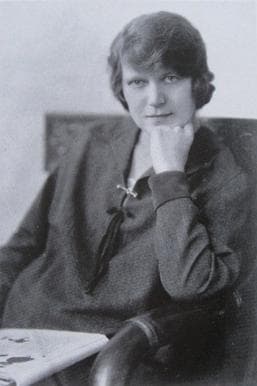
Richmal Crompton was an English author best known for her children's fiction, particularly the "Just William" series, which features the mischievous adventures of a young boy named William Brown. The series, first published in the 1920s, has remained popular for its humorous portrayal of childhood and social dynamics. Crompton's works continue to be enjoyed by readers of all ages.
Similar books
- The Worst Witch
Jill Murphy
4.0 (18k) average on GoodreadsFantasyFollows a well-meaning but accident-prone character whose attempts to do good often result in chaos.
- Harry Potter and the Sorcerer's Stone
J.K. Rowling
4.5 (7M) average on GoodreadsFantasyRescued from a miserable life under the stairs, an orphaned boy discovers he's a wizard destined for a magical school, where he uncovers a dangerous secret tied to the dark wizard who murdered his parents.
- The Hobbit, or There and Back Again
J.R.R. Tolkien
4.3 (2.9M) average on GoodreadsFantasyA comfort-loving hobbit named Bilbo Baggins is whisked away by a mischievous wizard and a band of dwarves on an unexpected journey to reclaim stolen treasure from a fearsome dragon, discovering courage and a magical ring along the way.
- Harry Potter and the Goblet of Fire
J.K. Rowling
4.6 (2.6M) average on GoodreadsFantasyA bewildered Harry Potter, underage and thrust into a deadly Triwizard Tournament, must brave dragons, mermaids, and a resurgent dark magic to survive a year that will forever alter the wizarding world.
- Harry Potter and the Order of the Phoenix
J.K. Rowling
4.5 (2.5M) average on GoodreadsFantasyIn a year of oppressive secrets and the threat of Voldemort, Harry Potter and Dumbledore's Army secretly train for war, shown through Jim Kay and Neil Packer's dark illustrations.
- The Lightning Thief
Rick Riordan
4.3 (2M) average on GoodreadsFantasyThrust into a world of mythological monsters and divine treachery, an ordinary boy discovers he's the son of Poseidon and must embark on a perilous quest across modern America to prevent an Olympian war.





Enjoyed the summary?
A summary gives you the shape of the book. The book itself has the detail, the examples and the voice.
Find Just William on AmazonAs an Amazon Associate, BookBrief earns from qualifying purchases. How we're funded