
Synopsis
Covers the whole plot, including the ending.
- Difficulty
- Medium
- Pacing
- Variable
- Mood
- Mysterious, Adventurous, Suspenseful, Atmospheric, Whimsical
- Read it if
- You love intricate world-building, a sense of childlike wonder mixed with genuine peril, and a thrilling adventure story with a touch of magic and a philosophical undercurrent.
- Skip it if
- You prefer fast-paced action from the very beginning, or are not a fan of stories with a more deliberate, atmospheric build-up and a younger protagonist.
La Belle Sauvage Plot Summary
Covers the whole plot, including the ending.
The Trout Inn and Whispers of Dust
Eleven-year-old Malcolm Polstead lives with his parents and dæmon, Asta, at the Trout Inn on the River Thames in Oxford. He helps his parents run the inn and often hears what its customers say. One day, he finds a secret message in a book, meant for a spy named Hannah Relf, asking about a substance called Dust. Malcolm is interested in the mystery and soon meets Hannah Relf, who asks him to look for anything unusual. Meanwhile, the Sisters of Godstow Priory, across the river, often visit the inn. Malcolm learns they are caring for a baby named Lyra, who interests various groups, including the Magisterium and Lord Asriel.
Strange Visitors and Growing Threats
As winter continues and the rain increases, Malcolm sees strange visitors at the Trout. He sees Lord Asriel, who is hiding, and Magisterium agents, specifically Mrs. Coulter and her golden monkey dæmon. Mrs. Coulter's presence is unsettling; she asks people about Lyra and acts with authority. Malcolm also meets the kind but careful Dr. Ivarsson, a scholar, and Gerard Bonneville, a man with a hyena dæmon who seems to be following Lyra. Malcolm feels Lyra is in danger and that he needs to protect her.
The Alethiometer's Revelation and a Warning
Malcolm's friend, Alice Parslow, a kitchen hand at the Trout, also notices the growing tension. One day, Malcolm hears Hannah Relf and Dr. Ivarsson talk about an 'Alethiometer,' a truth-telling device, and its link to Lyra. Soon after, he meets Coram Van Texel, a gyptian, who warns him about Lyra's danger and the Magisterium's wish to control her because of a prophecy. Coram tells Malcolm to be ready to help Lyra when the time comes. This meeting strengthens Malcolm's resolve to protect the baby.
The Great Flood Begins
The rain continues for weeks, causing the River Thames to rise. The water steadily floods the Trout's cellars, then the ground floor. Malcolm and his family prepare for the worst, moving their things upstairs. Oxford is threatened, and people start to leave. The flood becomes a major part of the story, separating characters and creating new dangers. Malcolm realizes the rising water will make protecting Lyra harder, but also offer a way to escape.
Rescuing Lyra from Godstow Priory
As the flood gets worse, Malcolm, using his canoe 'La Belle Sauvage,' decides he must go to Godstow Priory. He knows Lyra is there and fears she is not safe. Alice Parslow, despite being scared, insists on going with him. They paddle through the flooded streets of Oxford, dealing with strong currents and debris. At the priory, they find it partly underwater and threatened by both the rising water and Magisterium agents. Malcolm and Alice bravely get Lyra and escape the priory just as it becomes too dangerous.
Flight Down the Flooded Thames
With Lyra safe in La Belle Sauvage, Malcolm and Alice start their journey down the flooded Thames. The river is dangerous, full of debris and strong currents. They face constant danger from the weather and from those chasing Lyra. Gerard Bonneville, with his hyena dæmon, becomes their main enemy, following them closely. They also meet other survivors and refugees, some helpful, others dangerous. Malcolm's knowledge of the river and his canoe skills are tested as they try to escape their pursuers and find safety.
Encounters and Escapes
During their journey, Malcolm, Alice, and Lyra meet various people. They get help from some gyptians, including Coram, who gives them supplies and advice. They also meet a scholar named Dr. Ivarsson, who offers them a temporary place to stay and shares more about Dust and the prophecy about Lyra. However, Bonneville remains a threat, leading to several close calls and fights. Malcolm's will to protect Lyra grows with each challenge, and Alice proves to be a brave companion, despite her initial fears.
Bonneville's Capture and the Fairy Tale
Gerard Bonneville eventually captures Malcolm, Alice, and Lyra. He takes them to an abandoned house, where he torments them, showing his obsession with Lyra and his belief in her importance. During this ordeal, Malcolm faces Bonneville's twisted desires. Lyra's dæmon, Pantalaimon, communicates with Malcolm, guiding him to a hidden room. There, Malcolm has a strange, dream-like experience with a 'fairy tale' world, where he sees a bit of Dust and the multiverse.
The Rose Garden and a Glimpse of the Future
After the surreal experience in the hidden room, Malcolm and Alice escape Bonneville, leaving him trapped. They continue their journey, finding themselves in a rose garden where time seems different. Here, they meet a mysterious figure who gives them advice and hints at Lyra's importance and future. This meeting adds to the supernatural elements and suggests the larger cosmic struggle around Lyra. They realize how many forces are interested in the baby.
The Magisterium's Intervention and Lyra's Transfer
As Malcolm and Alice continue, the Magisterium's influence becomes more direct. Agents eventually stop them and take Lyra. Despite Malcolm's and Alice's efforts, Lyra is placed under the care of Jordan College, Oxford, where she will be raised by the Master. This outcome, though seemingly safe, is sad, as Malcolm must part with the baby he risked everything to protect. The novel ends with Lyra at Jordan College, setting up her future adventures in 'Northern Lights' (The Golden Compass).
La Belle Sauvage Characters
Malcolm Polstead
Protagonist
An observant and courageous eleven-year-old boy who becomes Lyra's protector.
Malcolm is an intelligent, resourceful, and deeply empathetic eleven-year-old boy who works at his family's inn, The Trout. He possesses a keen sense of observation and a strong moral compass, which leads him to uncover the intrigue surrounding Lyra Belacqua. His dæmon, Asta, is a pine marten, reflecting his cautious yet agile nature. Malcolm is driven by a powerful sense of responsibility and a desire to do what is right, even when it puts him in immense danger. He is exceptionally skilled with his canoe, La Belle Sauvage, a talent that proves crucial during the great flood. His journey transforms him from an ordinary boy into a selfless hero.
Relationships: Asta (his dæmon, constant companion and reflection of his soul); Alice Parslow (friend and co-rescuer of Lyra); Lyra Belacqua (the baby he protects); Hannah Relf (initial contact in the spy world); Coram Van Texel (gyptian who advises and helps him)
Asta
Supporting
Malcolm's dæmon, a pine marten, representing his conscience and spirit.
Asta is Malcolm's dæmon, initially a pine marten, though her form can still change at this age. She is an extension of Malcolm's soul and consciousness, always by his side, offering comfort, advice, and sometimes a dose of reality. Her animal form often reflects Malcolm's inner state and abilities; as a pine marten, she embodies his cautious agility and resourcefulness. Asta shares Malcolm's growing concern for Lyra and his determination to protect her. Her bond with Malcolm is profound, showcasing the unique spiritual connection between humans and dæmons in this world.
Relationships: Malcolm Polstead (her human, inseparable bond); Lyra Belacqua (shared protective instinct)
Alice Parslow
Supporting
A kitchen hand at The Trout who accompanies Malcolm on his mission to protect Lyra.
Alice is a practical, initially somewhat cynical, and strong-willed kitchen hand at The Trout. She is a few years older than Malcolm and initially resists getting involved in the dangerous intrigue surrounding Lyra. However, her inherent goodness and courage compel her to join Malcolm in his rescue mission. Alice is resourceful and capable, proving to be a valuable companion during their perilous journey down the flooded Thames. Her dæmon is a magpie, reflecting her sharp wit and sometimes thieving tendencies. She develops a deep bond with Lyra and Malcolm, overcoming her fears to become a brave protector.
Relationships: Malcolm Polstead (friend and fellow protector); Lyra Belacqua (the baby they protect)
Lyra Belacqua
Protagonist (Infant)
The infant at the center of a prophecy and the target of various powerful factions.
Lyra is a baby at the beginning of 'La Belle Sauvage,' the central figure of a great prophecy concerning Dust and the fate of the multiverse. She is the illegitimate daughter of Lord Asriel and Mrs. Coulter, placed in the care of the Sisters of Godstow Priory. Her existence draws the attention of both benevolent and malevolent forces, including the Magisterium, who view her as a threat. Though an infant, her presence drives the entire plot, inspiring Malcolm's heroic journey. She is innocent and vulnerable, yet already possesses an innate connection to the cosmic forces at play.
Relationships: Malcolm Polstead (her primary protector); Alice Parslow (her secondary protector); Lord Asriel (her biological father); Mrs. Coulter (her biological mother)
Gerard Bonneville
Antagonist
A sinister scholar with a hyena dæmon, obsessed with Lyra and the secrets she holds.
Gerard Bonneville is a chilling and predatory scholar with a hyena dæmon. He is obsessed with Lyra Belacqua, believing her to be the key to unlocking immense power or knowledge. Bonneville is a former scholar, now disgraced, who works for shadowy factions within the Magisterium or independently. He is cruel, manipulative, and psychologically abusive, deriving pleasure from tormenting his victims. His pursuit of Lyra is relentless, making him the primary physical threat to Malcolm and Alice during their escape. His hyena dæmon perfectly reflects his savage and opportunistic nature.
Relationships: Lyra Belacqua (his object of obsession); Malcolm Polstead (his primary obstacle); Alice Parslow (his secondary obstacle)
Mrs. Coulter
Antagonist
Lyra's brilliant and terrifying mother, an agent of the Magisterium with a golden monkey dæmon.
Mrs. Coulter is Lyra's biological mother, a powerful and enigmatic woman with a golden monkey dæmon. She is beautiful, intelligent, and charismatic, yet possesses a cold, manipulative, and ruthless nature. As a high-ranking agent of the Magisterium, she is involved in their schemes to control or suppress Dust. Her interest in Lyra is complex, a mix of possessiveness and a desire to exploit her daughter's destiny. Her presence in Oxford, along with her terrifying dæmon, signals grave danger for Lyra and anyone who tries to protect her. She represents the institutional threat to freedom and knowledge.
Relationships: Lyra Belacqua (her biological daughter); Lord Asriel (Lyra's biological father, her former lover)
Lord Asriel
Supporting
Lyra's fiercely independent father, a controversial explorer and scholar.
Lord Asriel is Lyra's biological father, a powerful and controversial figure known for his explorations and independent thinking, often at odds with the Magisterium. He is a man of immense will and ambition, willing to defy authority to pursue his research into Dust and other worlds. He appears briefly in Oxford, clearly on the run, indicating the high stakes involved in his activities. His presence hints at the larger cosmic conflict that Lyra is destined to be a part of. His dæmon is a snow leopard, reflecting his fierce and solitary nature.
Relationships: Lyra Belacqua (his biological daughter); Mrs. Coulter (Lyra's biological mother, his former lover)
Coram Van Texel
Supporting
A wise and respected gyptian elder who offers Malcolm guidance and assistance.
Coram Van Texel is a wise and respected gyptian, a member of the nomadic river people. He possesses deep knowledge of the river and the hidden currents of power in their world. Coram is one of the first to warn Malcolm about the grave danger Lyra is in and provides him with crucial advice and assistance during their escape. His dæmon is a cat, reflecting his quiet wisdom and observant nature. He represents a benevolent, ancient force that stands in opposition to the oppressive Magisterium, and his guidance is invaluable to Malcolm.
Relationships: Malcolm Polstead (mentor and ally); Lyra Belacqua (protector and supporter)
Hannah Relf
Supporting
A spy working against the Magisterium, who initially draws Malcolm into the intrigue.
Hannah Relf is a spy working for a clandestine organization that opposes the Magisterium. She is the recipient of the secret message Malcolm finds, and she is the one who first asks Malcolm to keep his eyes open for suspicious activities. Hannah is sharp, cautious, and dedicated to her cause, providing Malcolm with an initial glimpse into the dangerous world of espionage and political intrigue. Her dæmon is a crow, reflecting her intelligence and secretive nature. She serves as Malcolm's first connection to the larger conflict surrounding Dust and Lyra.
Relationships: Malcolm Polstead (her informant and protégé); Dr. Ivarsson (colleague in intelligence gathering)
Dr. Ivarsson
Supporting
A reclusive scholar who provides refuge and information to Malcolm about Dust and the Alethiometer.
Dr. Ivarsson is a reclusive but knowledgeable scholar who lives in the flooded countryside. He has a deep understanding of Dust, the Alethiometer, and the theological and scientific implications surrounding them. He is wary of the Magisterium and is secretly working against their oppressive agenda. Dr. Ivarsson provides Malcolm, Alice, and Lyra with temporary refuge and crucial information, explaining some of the complex forces at play. His dæmon is a badger, reflecting his solitary nature and his deep connection to the earth and hidden knowledge.
Relationships: Malcolm Polstead (recipient of his knowledge and aid); Hannah Relf (colleague in intelligence gathering)
La Belle Sauvage Themes
Innocence and Protection
A main theme is protecting infant Lyra's innocence from the Magisterium and other bad people. Malcolm's journey is about his sense of responsibility to keep her safe, showing the fight to preserve purity against evil. The novel shows how vulnerable innocence can be and how far ordinary people will go to defend it, even against supernatural threats and institutions. Lyra, as this innocence, is an important symbol.
“He knew that he had been given a task, a sacred task, to protect this child.”
The Nature of Dust and Knowledge
'La Belle Sauvage' discusses Dust, which represents consciousness, free will, and knowledge. The Magisterium wants to control Dust, seeing it as a source of sin or rebellion. Others, like Lord Asriel and some scholars, want to understand it. The book explores the conflict between rigid beliefs and open inquiry, with Dust symbolizing the dangerous but important search for truth. Malcolm's experiences hint at Dust's deeper meaning.
“Dust was knowledge, and knowledge was dangerous, especially to those who wished to control it.”
Authority vs. Freedom
The conflict between the Magisterium and people seeking freedom and truth is a strong theme. The Magisterium is a strict, authoritarian power that wants to control thought, belief, and human nature. Characters like Malcolm, Hannah Relf, and the gyptians resist this control, valuing personal freedom and knowledge. The novel explores the dangers of unchecked power and the courage needed to defy it, even against big odds. The flood itself can be seen as nature disrupting order.
“The Magisterium feared anything they could not control, and Lyra was the very essence of the uncontrolled.”
The Hero's Journey and Coming of Age
Malcolm's journey is a coming-of-age story where an ordinary boy is put into unusual situations and finds his inner strength. He faces challenges, overcomes fears, and makes sacrifices, changing from an inn-keeper's son to a brave protector. His bond with Asta and his relationship with Alice grow as they deal with the flooded world's dangers. This theme shows how courage, responsibility, and selflessness develop when facing great difficulty, marking Malcolm's move from childhood to a more adult understanding of the world.
“He had never imagined he would be called upon to do anything so brave, but the baby needed him.”
The Power of Nature and the Supernatural
The flood is a symbol of nature's destructive and changing power, reflecting the societal changes and fantasy elements in the story. The river, usually calm, becomes a dangerous, unpredictable force that changes the land and makes characters adapt. The story also includes supernatural elements, like the 'fairy tale' world and the influence of other realms, hinting at the unseen forces that control their world and Lyra's future. Nature is both an obstacle and a helper for Malcolm's quest.
“The river was no longer a friend, but a monstrous, living thing, intent on swallowing everything.”
Plot Devices & Literary Techniques
The Great Flood
A catastrophic natural disaster that reshapes the setting and propels the narrative.
The unprecedented, prolonged flooding of the River Thames is a central plot device. It physically isolates characters, destroys infrastructure, and creates immense peril, transforming familiar Oxford into a treacherous watery landscape. The flood forces Malcolm to use his canoe, La Belle Sauvage, as the primary means of transport and escape, directly enabling the journey downriver with Lyra. It also symbolizes the disruption of order and the overwhelming forces that humanity, and particularly the Magisterium, cannot control, mirroring the larger conflict surrounding Dust.
La Belle Sauvage (the Canoe)
Malcolm's beloved canoe, serving as a symbol of freedom, agency, and his means of escape.
Malcolm's canoe, christened 'La Belle Sauvage,' is more than just a vessel; it is a symbol of his independence, his connection to the natural world, and his capacity for heroism. It becomes the literal vehicle for Lyra's rescue and escape, navigating the dangerous floodwaters. The canoe represents Malcolm's agency and determination in a world where powerful forces seek to control destiny. Its name, 'The Beautiful Savage,' also hints at the untamed, natural spirit that Malcolm embodies in his defiance of authority.
The Dæmon
An externalized soul-companion, reflecting and influencing its human's character.
Dæmons are a fundamental element of Philip Pullman's world, serving as the physical manifestation of a human's soul. Asta, Malcolm's dæmon, and Pantalaimon, Lyra's dæmon, are crucial to character development and interaction. Dæmons reflect their human's personality, fears, and courage. Their ability to communicate with their humans provides an internal dialogue for the characters. The forms of dæmons (e.g., Mrs. Coulter's golden monkey, Bonneville's hyena) often reveal the true nature of their human, adding depth and symbolism to character portrayal.
The Secret Message/Espionage
The initial catalyst that draws Malcolm into the world of intrigue and danger.
The discovery of a hidden message intended for a spy, Hannah Relf, about 'Dust' is the inciting incident that pulls Malcolm out of his ordinary life. This plot device introduces the element of espionage and mystery, gradually revealing the existence of secret organizations, hidden agendas, and the dangerous forces at play. It serves to establish the high stakes and the pervasive nature of the conflict, demonstrating how even an innocent boy can stumble upon profound secrets that shape the fate of the world.
The Alethiometer/Prophecy
A truth-telling device and a foretold destiny, driving much of the conflict around Lyra.
While the Alethiometer itself is not actively used by Malcolm in this book, its existence and its connection to Lyra are frequently mentioned, along with prophecies surrounding her. This device foreshadows Lyra's future importance and the cosmic scale of the conflict she is destined to participate in. It serves as a powerful MacGuffin, driving various factions to seek or control Lyra, believing her to be central to unlocking or understanding profound truths about Dust and the multiverse. It imbues Lyra with immense significance even as an infant.
La Belle Sauvage Quotes
“Every human is a universe, and a universe is nothing without a soul to perceive it.”
“You don't choose your daemon; your daemon chooses you.”
“Fear is a powerful thing, Malcolm. It can make you do things you never thought you would.”
“The past is never dead. It's not even past.”
“Knowledge is power, but it's also a burden.”
“The greatest adventures often begin with the smallest choices.”
“There are more things in heaven and earth, Malcolm, than are dreamt of in your philosophy.”
“Even in the darkest times, there is always a flicker of hope.”
“Sometimes, the hardest thing to do is to simply keep going.”
“The world is full of wonders, if only you know where to look.”
“Children see things adults often miss.”
“Loyalty is a precious thing, not to be given lightly.”
“Danger lurks in the most unexpected places.”
“The river knows more than we do. It has seen everything.”
Quiz
10 questions on the plot and the characters. Each answer comes with a short explanation.
Question 1
What is the name of the inn run by Malcolm Polstead's father?
- The Golden Compass
- The Trout
- The Red Lion
- The Green Dragon
Show answer
B. The Trout Malcolm's father runs an inn called The Trout, located on the banks of the river Thames, which serves as a central hub for news and gossip.
Question 2
What is the name of Malcolm Polstead's dæmon?
- Pantalaimon
- Stelmaria
- Asta
- Salcilia
Show answer
C. Asta Malcolm's dæmon is named Asta. Her presence is consistent with the lore of dæmons being the externalized soul of a human.
Question 3
What dangerous substance does Malcolm first catch wind of through a secret message?
- Anima
- Aether
- Dust
- Quintessence
Show answer
C. Dust Malcolm finds a secret message inquiring about a dangerous substance called Dust, which is a central element in the larger His Dark Materials universe.
Question 4
Which character is described as having an 'evil monkey for a dæmon'?
- Lord Asriel
- The spy who asks Malcolm to keep his eyes open
- The beautiful woman
- The Egyptian named Coram
Show answer
C. The beautiful woman The description 'a beautiful woman with an evil monkey for a dæmon' refers to Mrs. Coulter, a significant antagonist in the His Dark Materials series, who is introduced here.
Question 5
What is the primary natural phenomenon occurring during the winter in which the story takes place?
- Unceasing snowstorms
- A prolonged drought
- Unceasing rain
- Severe heatwaves
Show answer
C. Unceasing rain The story is set during 'a winter of unceasing rain,' which causes the river Thames to flood and creates many of the challenges Malcolm faces.
Question 6
Who is the baby girl that all the suspicious characters are asking about?
- Alice Parslow
- Lyra
- Jessie
- Annie
Show answer
B. Lyra All the characters, including Lord Asriel and agents from the Magisterium, are asking about 'a girl—just a baby—named Lyra,' who is Lyra Silvertongue, the protagonist of His Dark Materials.
Question 7
What organization do the 'enforcement agents' mentioned in the summary belong to?
- The Royal Guard
- The Scholastic Sanctuary
- The Magisterium
- The Consistorial Court of Discipline
Show answer
C. The Magisterium The enforcement agents are described as being 'from the Magisterium,' the powerful and oppressive religious authority in this world.
Question 8
Why does Malcolm's ability to 'notice everything but is not much noticed himself' make him an ideal spy?
- It allows him to blend in easily and gather information without drawing suspicion.
- It means he is physically imposing and can intimidate others for information.
- It suggests he has a natural talent for inventing gadgets and disguises.
- It implies he has connections with powerful political figures.
Show answer
A. It allows him to blend in easily and gather information without drawing suspicion. His unnoticed nature allows him to observe and overhear without being perceived as a threat or a target, making him an effective, unassuming spy.
Question 9
What is the significance of the river Thames in the context of the story's setting and plot?
- It is a symbolic representation of the unchanging nature of the world.
- It provides a quiet, secluded escape for characters wishing to avoid the conflict.
- It becomes a dangerous, central thoroughfare for travel and escape due to unceasing rain and flooding.
- It is the primary source of the mysterious substance, Dust.
Show answer
C. It becomes a dangerous, central thoroughfare for travel and escape due to unceasing rain and flooding. The inn is on the banks of the Thames, and the 'unceasing rain' suggests the river will play a crucial role as a setting for travel, danger, and escape, especially with the mention of 'braving any danger...to bring her safely through the storm.'
Question 10
The summary states that Lyra 'draws people in like magnets.' What does this characteristic imply about her role in the narrative?
- She possesses a unique physical ability to manipulate metal objects.
- Her presence is a catalyst for events and attracts the attention of various powerful factions.
- She is literally a magnet, a scientific anomaly.
- She is a shy and reclusive character who prefers solitude.
Show answer
B. Her presence is a catalyst for events and attracts the attention of various powerful factions. The phrase 'draws people in like magnets' indicates that Lyra's very existence and presence are central to the unfolding conflict, making her a focal point for the intrigue and the various characters seeking her.
La Belle Sauvage FAQ
What is 'La Belle Sauvage' about?
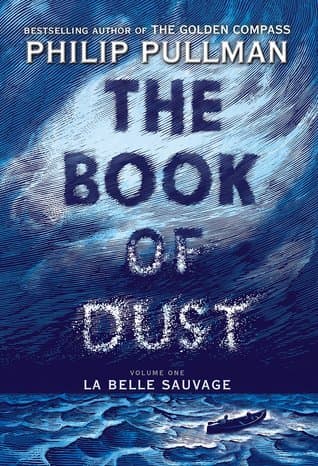
'La Belle Sauvage' is the first book in Philip Pullman's 'The Book of Dust' trilogy, serving as a prequel to 'His Dark Materials'. It follows young Malcolm Polstead and his dæmon Asta as they become entangled in a dangerous plot surrounding a baby named Lyra Belacqua. The story explores the origins of Dust, the oppressive power of the Magisterium, and a perilous journey down a flooded Thames river.
Why should I read 'La Belle Sauvage'?
You should read 'La Belle Sauvage' to delve deeper into the rich world of 'His Dark Materials', experiencing the origins of beloved characters like Lyra Belacqua and Lord Asriel. It offers a thrilling adventure with elements of espionage, a compelling coming-of-age story for Malcolm, and a deeper exploration of the philosophical and political underpinnings of Pullman's universe, particularly regarding Dust and the Magisterium's influence.
What is the background/setting of 'La Belle Sauvage'?
The book is set in an alternate Oxford, England, roughly ten years before the events of 'Northern Lights' ('The Golden Compass'). The world is similar to our own but features dæmons, visible manifestations of human souls, and is under the pervasive control of the Magisterium, a powerful religious authority. A massive, unceasing flood of the River Thames plays a critical role, transforming the landscape into a treacherous waterway.
What writing style does the author use?
Philip Pullman employs a rich, descriptive prose style that is both accessible for young adult readers and profound enough to engage adults. He masterfully blends elements of adventure, mystery, and philosophical inquiry, creating vivid imagery and a strong sense of atmosphere, particularly during the flood. His narrative voice is omniscient, allowing insight into various characters' thoughts and the broader political landscape.
What minor details add significant meaning?
The regular visits of Sister Benedicta and her inquiries about Lyra's well-being, initially seeming innocuous, subtly highlight the Magisterium's early interest and control over Lyra's fate. Also, the casual conversations Malcolm overhears at the Trout Inn, often dismissed as gossip, are crucial in piecing together the larger conspiracy involving Dust and the various factions vying for Lyra.
What are some subtle foreshadowing moments?
The early mentions of 'Dust' as a dangerous, heretical substance, long before its true nature is revealed, subtly hint at its central importance to the entire trilogy. Furthermore, the constant surveillance and fear surrounding the Magisterium's agents, like the Consistorial Court of Discipline, foreshadow the oppressive power they will wield and the dangers Malcolm and Lyra will face in defying them.
What unexpected character connections exist?
The most significant unexpected connection is Malcolm Polstead's role as Lyra Belacqua's protector and rescuer in her infancy, establishing a foundational link between them long before Lyra's own adventures. Additionally, the brief but impactful appearance of Lord Asriel, Lyra's father, showcases his early defiance of the Magisterium and his complex, often ruthless, commitment to his research, setting the stage for his later actions.
What are unspoken character motivations?
Lord Asriel's motivation to leave baby Lyra with the nuns, despite his clear affection, hints at a deeper plan or understanding of her destined importance, which he cannot openly reveal. Similarly, Hannah Relf's seemingly simple request for Malcolm to be her 'eyes and ears' conceals her true identity as a spy and her commitment to protecting Lyra and the truth about Dust, even at great personal risk.
What psychological complexities do characters exhibit?
Malcolm Polstead grapples with the psychological complexity of transitioning from an observant, relatively innocent boy to a resourceful, courageous hero burdened with the immense responsibility of protecting an infant. His quiet nature masks a deep moral compass and an unexpected capacity for bravery and sacrifice, forcing him to confront fear and make difficult choices beyond his years.
What are the major emotional turning points?
A major emotional turning point is when Malcolm fully commits to protecting Lyra, realizing the immense danger she is in from the Magisterium and the terrifying Mrs. Coulter. This shift from passive observer to active participant marks his coming-of-age. Another is the harrowing journey through the flooded landscape, which tests Malcolm's resolve and forces him to confront his deepest fears for Lyra's safety and his own.
How do relationship dynamics evolve?
The relationship between Malcolm and his dæmon Asta evolves from a typical boy-dæmon bond to a partnership of profound trust and interdependence, particularly during their perilous journey. Malcolm's initial, almost unconscious, bond with baby Lyra deepens into a fierce, protective love, highlighting his nascent paternal instincts and foreshadowing Lyra's capacity to inspire loyalty in others.
Which parts remain ambiguous or open-ended?
The exact nature and full implications of Dust remain largely ambiguous, hinted at as both dangerous heresy and essential truth. The ultimate goals of the Magisterium's various factions regarding Lyra and Dust are also not fully revealed, leaving readers to question the true extent of their power and knowledge. The fate of certain minor characters after the flood also remains somewhat open.
What are controversial scenes or decisions?
Mrs. Coulter's intense and disturbing pursuit of Lyra, particularly her manipulation and the predatory nature of her dæmon, is a controversial aspect, showcasing her chilling capacity for evil. Lord Asriel's decision to abandon Lyra, even if for a grander purpose, can also be seen as controversial due to its emotional impact and the immediate danger it places Lyra in.
'La Belle Sauvage' ending explained: how it ends & what it means
The book ends with Malcolm successfully delivering baby Lyra to Jordan College, placing her in the care of the Master, fulfilling the prophecy or destiny set for her. The journey has transformed Malcolm, leaving him with a deeper understanding of the world's dangers and the complex nature of Dust. It signifies Lyra's safe arrival at the starting point of 'His Dark Materials', setting the stage for her future adventures and the ongoing conflict over Dust.
About the author

Sir Philip Nicholas Outram Pullman is an English writer. His books include the fantasy trilogy His Dark Materials and The Good Man Jesus and the Scoundrel Christ, a fictionalised biography of Jesus. In 2008, The Times named Pullman one of the "50 greatest British writers since 1945". In a 2004 BBC poll, he was named the eleventh most influential person in British culture. He was knighted in the 2019 New Year Honours for services to literature.
Similar books
- Coraline
Neil Gaiman
4.0 (23k) average on GoodreadsFantasyFeatures a brave young protagonist in a dark, magical, and perilous adventure.
- A Wizard of Earthsea
Ursula K. Le Guin
4.0 (241k) average on GoodreadsFantasyWhile both create rich fantasy worlds with profound philosophical underpinnings and coming-of-age narratives, Le Guin's A Wizard of Earthsea is arguably more streamlined and impactful in its thematic delivery, focusing on balance and responsibility with a tighter plot. La Belle Sauvage sometimes struggles with narrative cohesion by comparison.
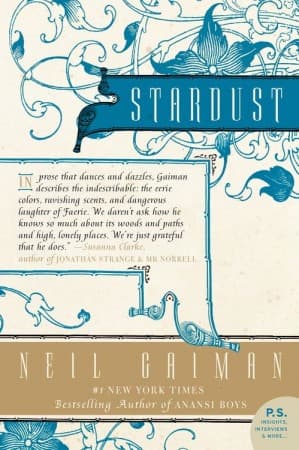
- Stardust
Neil Gaiman
4.1 (359k) average on GoodreadsFantasyGaiman's Stardust offers a more whimsical and tightly plotted fairy tale that is perhaps more immediately engaging for a broad young adult audience. Pullman's prequel, while intellectually stimulating, can feel comparatively dense and less fantastical in its direct adventure, despite its eventual exciting climax.
- Harry Potter and the Sorcerer's Stone
J.K. Rowling
4.5 (7M) average on GoodreadsFantasyRescued from a miserable life under the stairs, an orphaned boy discovers he's a wizard destined for a magical school, where he uncovers a dangerous secret tied to the dark wizard who murdered his parents.
- The Hunger Games
Suzanne Collins
4.3 (6.4M) average on GoodreadsFantasyIn a future where children fight to the death on live television, Katniss Everdeen volunteers for the arena, turning a death sentence into a fight for survival and a spark of rebellion.
- 1984
George Orwell
4.2 (3.1M) average on GoodreadsPoliticsIn a future where surveillance and thought control are absolute, a man's search for truth clashes with the Party, showing that hope can be a form of rebellion.





Enjoyed the summary?
A summary gives you the shape of the book. The book itself has the detail, the examples and the voice.
Find La Belle Sauvage on AmazonAs an Amazon Associate, BookBrief earns from qualifying purchases. How we're funded