

Synopsis
Covers the whole plot, including the ending.
- Difficulty
- Medium
- Pacing
- Fast
- Mood
- Suspenseful, Intense, Gritty, Conspiratorial
- Read it if
- You enjoy high-stakes FBI thrillers with a lone wolf protagonist, intricate conspiracies, and a race against time.
- Skip it if
- You prefer character-driven dramas over plot-heavy action, or dislike stories where the protagonist is constantly under suspicion.
Last Man Standing Plot Summary
Covers the whole plot, including the ending.
The Ambush in the Alley
FBI Hostage Rescue Team (HRT) leader Web London and his six-member team respond to a hostage situation in a dark Washington D.C. alley. They believe they are rescuing a child, but instead, they are ambushed by a coordinated, professional hit squad. The attack is quick and brutal, killing all of Web's teammates - Tony, Joe, Vince, Eddie, Sam, and Linda. Web, shot multiple times and severely wounded, survives by pretending to be dead. He watches his friends being killed and sees the attackers' efficiency. This leaves him with deep guilt and a strong need for answers.
The FBI Investigation and Web's Isolation
The FBI begins a full investigation into the killings. Special Agent Roger Weston, a senior agent from Internal Affairs, leads the inquiry. Because Web London is the only survivor and the ambush is unexplained, suspicion quickly falls on him. Weston, thorough and firm, questions Web about every detail of his story. Web's memory, broken by trauma and a concussion, offers little clarity, which increases Weston's doubts. Isolated and grieving, Web is recovering from severe physical injuries and fighting for his reputation and freedom against an agency that now sees him as a possible traitor or killer.
The Mysterious Assassin and Web's Escape
While recovering in the hospital, a professional assassin targets Web London. The attacker, a cold and precise operative, tries to finish what started in the alley. Web, still weak but driven by instinct, escapes the assassination attempt. This confirms his belief that the ambush was not random and that he is still a marked man. This incident strengthens his conviction that he cannot trust the official investigation and must find the truth himself. His escape from the hospital makes him a fugitive, further complicating his situation with the FBI and adding urgency to his search.
Enter Kate Adams
Desperate, Web London seeks out Dr. Kate Adams, a former FBI profiler who is now a therapist. Web had met Kate during a difficult hostage situation where she provided important psychological insights. Although she is hesitant to get involved in a case that implicates the FBI, Kate's professional integrity and her past respect for Web lead her to listen. She helps him process his broken memories and trauma, slowly putting together clues that the official investigation overlooked or dismissed. She becomes his only trusted ally in his fight against an unknown enemy.
Unraveling the Conspiracy
As Web London and Kate Adams investigate, they uncover a conspiracy that goes beyond a simple ambush. Their search leads them to a top-secret government program called 'Camelot.' This program, hidden in extreme secrecy, seems linked to the events in the alley. They learn that Camelot recruits and trains skilled individuals for secret operations, working outside normal oversight. The realization that such a powerful and covert entity is involved raises the stakes, suggesting that the ambush was not just about eliminating Web's team but silencing a larger threat to Camelot's existence.
The Identity of the Assassin
Using Web's recovered memories and Kate Adams' profiling skills, they identify the lead assassin as Daniel Clark, a former elite military operative whom Web once knew and respected. Clark, now a key operative within the Camelot program, planned the ambush and the attempts on Web's life. This discovery is a blow to Web, as it means someone he trusted has been corrupted by the system he is fighting. It also shows the deep reach and ruthlessness of Camelot.
The True Target of the Ambush
Web London and Kate Adams eventually piece together the real reason for the ambush. The hostage situation in the alley was a trap, but not mainly for Web's HRT team. The real target was a high-level defector from the Camelot program who was trying to leak damaging information. Web's team accidentally stumbled into an operation to silence this defector. The HRT team was collateral damage, killed because they witnessed the defector's assassination and were too dangerous to leave alive. Web's survival was an unexpected problem for Camelot.
Confrontation with Roger Weston
Web London, with evidence and a clearer picture of the conspiracy, confronts Special Agent Roger Weston. He tells Weston the truth about Camelot and the real reason for the ambush, showing how the FBI's investigation was misled. Weston, a man of integrity despite his initial suspicions, must rethink everything he believed. The confrontation is tense, but Web convinces Weston that the FBI has been an unwitting pawn in a larger, more sinister game. This shifts Weston's focus from prosecuting Web to finding the truth about Camelot.
The Showdown with Camelot
With Weston's reluctant help in providing information, Web London and Kate Adams find a main Camelot facility. Knowing they are outmatched, they plan to infiltrate it to gather proof of the program's illegal activities and expose its leaders. The infiltration is dangerous, leading to a direct confrontation with Daniel Clark and other Camelot operatives. Web, using his HRT training and driven by revenge for his fallen team, fights to expose the truth and bring down the organization responsible for his friends' deaths.
Justice and Aftermath
In the final confrontation, Web London gets undeniable evidence of Camelot's existence and its illegal operations. With this evidence, aided by Roger Weston, the program is exposed to the government and the public. Daniel Clark and other key operatives are caught or stopped. The victory is hard-won and does not bring back his team, but Web finds some justice and closure. He begins to heal from his physical and psychological wounds, with Kate Adams by his side, ready to rebuild his life after facing a government conspiracy.
Principal Figures
Web London
Protagonist
Elite FBI HRT leader and the sole survivor of a brutal ambush.
Web London is a highly skilled and decorated FBI Hostage Rescue Team leader, known for his tactical prowess, leadership, and unwavering commitment to his team. He is deeply principled and haunted by the loss of his entire squad. After the ambush, he is physically injured and psychologically traumatized, suffering from fragmented memories and survivor's guilt. His determination to uncover the truth about his team's murder drives him, even when he becomes the prime suspect. He possesses a strong moral compass and an innate ability to connect with people, even in the most dire circumstances.
Relationships: Kate Adams (trusted ally, romantic interest); Roger Weston (initial antagonist, later reluctant ally); Daniel Clark (former acquaintance, now primary antagonist)
Dr. Kate Adams
Supporting
Former FBI profiler, now a therapist, who becomes Web's closest ally.
Dr. Kate Adams is an intelligent, insightful, and empathetic former FBI profiler with a keen understanding of human psychology. She left the Bureau to become a therapist, but her past expertise proves invaluable when Web London seeks her help. She initially maintains a professional distance but is drawn into Web's case by his sincerity and the injustice of his situation. Kate provides critical psychological insights, helps Web process his trauma, and uses her analytical skills to piece together the fragments of the conspiracy. She is courageous and stands by Web even when it puts her own life at risk.
Relationships: Web London (trusted ally, romantic interest)
Special Agent Roger Weston
Antagonist/Supporting
Internal Affairs agent initially investigating Web, later an ally.
Roger Weston is a seasoned and meticulous FBI Internal Affairs agent. He is dedicated to upholding the integrity of the Bureau and is initially convinced of Web London's guilt, approaching the investigation with an unyielding, by-the-book attitude. Weston is intelligent and thorough, but his adherence to protocol makes him initially blind to the deeper conspiracy. Despite his stern demeanor, he is ultimately a man of principle. Once confronted with irrefutable evidence, he shifts his focus from prosecuting Web to exposing the true perpetrators, demonstrating a commitment to justice above all else.
Relationships: Web London (initial adversary, later reluctant ally)
Daniel Clark
Antagonist
Cold, professional assassin and key operative of the Camelot program.
Daniel Clark is a highly trained and utterly ruthless operative, a former elite military professional who now works for the clandestine Camelot program. He is the lead assassin responsible for the ambush that killed Web London's team and subsequently attempts to eliminate Web. Clark is depicted as cold, efficient, and devoid of remorse, driven by his loyalty to Camelot's objectives. He possesses exceptional combat and tactical skills, making him an incredibly dangerous adversary. His past connection to Web, however brief, adds a layer of personal betrayal to the conflict.
Relationships: Web London (primary adversary, former acquaintance)
The Director of Camelot (Unnamed)
Antagonist
The shadowy, powerful figure behind the clandestine Camelot program.
This character represents the ultimate power and secrecy behind the Camelot program. While largely unseen and unnamed for much of the novel, their influence is pervasive. They are the mastermind orchestrating the illegal operations, the cover-ups, and the assassinations. This individual embodies the corrupting nature of unchecked power within a covert government entity. Their motivations are centered on maintaining the program's secrecy and perceived national security objectives, regardless of the ethical cost or human lives sacrificed. Their existence highlights the novel's theme of government overreach and abuse of power.
Tony
Mentioned
Member of Web London's HRT team, killed in the ambush.
Tony was a valued member of Web London's FBI HRT team, loyal and skilled. His death, along with the rest of the team, serves as the catalyst for Web's desperate search for truth and justice. While not extensively developed as an individual character, his presence and the memory of his camaraderie with Web underscore the profound loss and guilt Web experiences throughout the story.
Relationships: Web London (teammate, friend)
Themes & Insights
Justice vs. Vengeance
The novel explores the line between Web London's desire for justice for his fallen teammates and his personal quest for revenge. Initially, Web is driven by anger and a need to make the killers pay. As he uncovers the larger conspiracy, his motivation changes to exposing the truth and dismantling the corrupt system. This theme is shown by Web's brutal fights and his willingness to break rules, contrasted with Kate Adams's focus on gathering evidence for a legitimate resolution. The ending suggests that true justice, though painful, offers more lasting closure than simple revenge.
“He wasn't just fighting for his life anymore. He was fighting for their memory, for a justice that the world seemed intent on denying.”
Government Corruption and Abuse of Power
A main theme is the danger of unchecked power in secret government operations. The Camelot program shows the extreme risks of secrecy and operating outside legal and ethical rules. The program's willingness to kill its own defectors and an entire FBI HRT team highlights the corruption that can grow when power is used without accountability. This theme is reinforced by the initial cover-up and the FBI's unwitting involvement, showing how even good institutions can be manipulated by those in the shadows, as seen when Agent Weston slowly realizes the depth of the conspiracy.
“The greatest threats often came not from outside, but from within the very institutions sworn to protect.”
Trauma and Recovery
Web London's journey is deeply rooted in his struggle with trauma, guilt, and broken memories. The psychological impact of witnessing his team's massacre is clearly shown, affecting his ability to recall events and trust others. Dr. Kate Adams is important here, as she helps Web confront his psychological wounds, putting together his memories for both the investigation and his mental healing. This theme highlights the long process of recovering from extreme violence and betrayal, showing that emotional wounds heal slower than physical ones.
“The bullet wounds would mend, but the scars on his soul, the faces of his fallen team, would never truly fade.”
Trust and Betrayal
The story is full of themes of trust and betrayal. Web London's world shatters when he realizes he cannot trust his own agency, as they suspect him and are manipulated by Camelot. The betrayal is made worse by finding out that Daniel Clark, a man he once knew, is responsible for the ambush. Web's slow and careful building of trust with Kate Adams becomes key to his survival and investigation. This theme explores how betrayal can come from unexpected places and how trust, once broken, is hard to rebuild, forcing characters to rethink their alliances and beliefs.
“In this shadow world, trust was a luxury he could no longer afford, and betrayal a weapon wielded by unseen hands.”
Plot Devices & Literary Techniques
The Sole Survivor Trope
Web London being the only survivor of the HRT massacre.
This classic thriller device immediately isolates Web London, making him both the primary witness and the prime suspect. It creates intense dramatic irony and fuels the mystery, as only Web holds the key to what truly happened, even if his memory is fragmented. This isolation also forces him to act outside official channels, driving the independent investigation and increasing the stakes as he fights against an entire system that distrusts him. It's a powerful narrative engine for both personal trauma and external conflict.
Fragmented Memory/Amnesia
Web's concussion and trauma-induced memory gaps.
Web London's fragmented memories of the ambush serve as a crucial plot device, initially hindering the FBI's investigation and fueling suspicion against him. As the story progresses, the slow, painful recovery of these memories, often triggered by therapy sessions with Kate Adams or traumatic flashbacks, provides key pieces of the puzzle. This device allows for a gradual revelation of the conspiracy, building suspense and keeping the reader guessing alongside Web as he reconstructs the truth, mirroring his psychological journey of healing.
The Unlikely Ally
Dr. Kate Adams, the therapist and former profiler, aiding Web.
The introduction of Dr. Kate Adams as Web London's only trusted ally is a key plot device. As a former FBI profiler turned therapist, she brings a unique blend of psychological insight and investigative experience to the narrative. Her role is to help Web process his trauma and piece together his fragmented memories, providing the intellectual and emotional support he desperately needs. This partnership allows for the exploration of Web's internal state while also advancing the external plot, contrasting Web's action-oriented approach with Kate's analytical and empathetic methods.
The Shadowy Government Program
The existence of 'Camelot' as the ultimate antagonist.
The clandestine 'Camelot' program functions as the overarching antagonist and the source of the conspiracy. This device creates a sense of immense, almost insurmountable power and secrecy that Web London and Kate Adams must confront. It allows the narrative to explore themes of government overreach, unchecked power, and the ethical compromises made in the name of national security. The hidden nature of Camelot ensures that the threat is pervasive and difficult to pinpoint, raising the stakes and making the protagonists' quest all the more dangerous and challenging.
Last Man Standing Quotes
“He knew it for a certainty, the way you know the sun will rise. He was going to die.”
“The past was never truly dead. It was merely waiting for the opportune moment to strike.”
“Trust was a luxury he couldn't afford, a weakness in a world that preyed on it.”
“Some secrets were meant to stay buried, but the earth had a funny way of giving them up.”
“Every step he took was a gamble, every decision a potential death sentence.”
“The quiet was often more terrifying than the storm, because in the quiet, your own thoughts could kill you.”
“Justice wasn't about fairness; it was about balance. And sometimes, balance required a heavy hand.”
“He was a ghost in his own life, haunting the edges of a world that no longer made sense.”
“The truth was a weapon, and like all weapons, it could cut both ways.”
“Sometimes, the only way to find out who your enemies were was to stand alone.”
“Hope was a dangerous thing, easily crushed, but sometimes, it was all you had left.”
“The line between hunter and hunted blurred, a constant shift in the deadly dance.”
“There was no such thing as a clean fight, only survivors and the dead.”
“He had walked through fire before, but this time, the fire was inside him.”
Quiz
10 questions on the plot and the characters. Each answer comes with a short explanation.
Question 1
What is the name of the FBI unit that Web London is a part of?
- SWAT Team
- Hostage Rescue Team
- Tactical Operations Group
- Special Weapons and Tactics
Show answer
B. Hostage Rescue Team Web London is the sole survivor of an ambush on his FBI Hostage Rescue Team.
Question 2
Where does the ambush of Web London's team take place?
- A deserted warehouse
- A crowded market
- A dark alley
- An abandoned factory
Show answer
C. A dark alley The book opens with Web London's FBI Hostage Rescue Team being ambushed in a dark alley.
Question 3
What is the initial reaction of the FBI towards Web London after the ambush?
- They immediately offer him commendations.
- They assume he is a hero.
- Suspicion surrounding him deepens.
- They assign him to a desk job.
Show answer
C. Suspicion surrounding him deepens. As the FBI investigates the ambush, suspicion surrounding Web London, the sole survivor, deepens.
Question 4
Who does Web London seek help from in his desperate search for the killer of his friends?
- His former commanding officer
- An unlikely ally
- A private investigator
- His family members
Show answer
B. An unlikely ally Web London needs help from an unlikely ally in his desperate search for the killer of his friends.
Question 5
What is the primary motivation behind the force Web London finds himself up against?
- To recover stolen government secrets
- To eliminate Web London and finish the job started in the alley
- To frame Web London for the ambush
- To recruit Web London into their organization
Show answer
B. To eliminate Web London and finish the job started in the alley Web finds himself up against a force intent on finishing the job that began in the alley, implying their primary goal is to eliminate him.
Question 6
What is a key theme explored in 'Last Man Standing' regarding Web London's situation?
- The importance of teamwork in law enforcement.
- The struggle for justice when facing betrayal and institutional suspicion.
- The psychological impact of combat on soldiers.
- The complexities of international espionage.
Show answer
B. The struggle for justice when facing betrayal and institutional suspicion. The synopsis highlights Web's isolation, the FBI's suspicion, and his desperate search for truth, indicating a theme of fighting for justice against overwhelming odds and internal doubt.
Question 7
What is the immediate consequence for Web London after he survives the ambush?
- He is promoted within the FBI.
- He is placed on administrative leave.
- He becomes the prime suspect in the investigation.
- He is offered a new assignment.
Show answer
C. He becomes the prime suspect in the investigation. The text states that 'suspicion surrounding Web deepens,' indicating he becomes a focus of the investigation, likely as a suspect.
Question 8
Without revealing the antagonist's identity, what characteristic best describes the 'force' Web London is up against?
- A foreign intelligence agency.
- A rogue domestic terrorist group.
- A persistent and deadly entity with a clear agenda against him.
- A powerful criminal syndicate involved in drug trafficking.
Show answer
C. A persistent and deadly entity with a clear agenda against him. The description states Web is 'up against a force intent on finishing the job that began in the alley,' implying a persistent and lethal threat specifically targeting him.
Question 9
What kind of internal conflict is Web London likely experiencing, given the circumstances?
- Guilt over past mistakes unrelated to the ambush.
- Struggling with survivor's guilt while fighting for his reputation and life.
- Debating whether to leave the FBI or not.
- Worrying about his financial future.
Show answer
B. Struggling with survivor's guilt while fighting for his reputation and life. As the sole survivor of an ambush on his team, and with suspicion falling on him, Web would undoubtedly be grappling with survivor's guilt in addition to fighting to clear his name and stay alive.
Question 10
How does the synopsis suggest Web London will primarily operate in his quest for answers?
- By relying solely on official FBI channels and procedures.
- By going rogue and seeking unconventional assistance.
- By attempting to rejoin his team despite the circumstances.
- By accepting witness protection.
Show answer
B. By going rogue and seeking unconventional assistance. The phrase 'needs help from an unlikely ally' strongly implies he cannot rely on official channels and must seek assistance outside the norm, suggesting a 'going rogue' approach.
Last Man Standing FAQ
What is the central premise of 'Last Man Standing'?
The book centers on FBI HRT agent Web London, the sole survivor of a brutal ambush that kills his entire team. As the FBI investigates, Web becomes a prime suspect, forcing him to go rogue and uncover the truth behind the attack and clear his name, all while being hunted by the real perpetrators.
Who is Web London and what is his role at the beginning of the story?
Web London is an elite FBI Hostage Rescue Team (HRT) operative, highly skilled and dedicated. At the story's outset, he is leading his team on a mission when they are catastrophically ambushed, an event that profoundly changes his life and sets the plot in motion.
What specific event triggers the main conflict for Web London?
The main conflict is triggered when Web London's entire FBI HRT unit is ambushed and massacred in a dark alley, leaving him as the sole survivor. This event immediately places him under suspicion by his own agency and propels him into a desperate search for answers and justice.
Who is the unlikely ally Web London turns to for help?
Web London turns to psychiatrist Dr. Claire Daniels, who initially evaluates him for psychological fitness after the ambush. Despite her professional distance, she becomes an unexpected confidante and crucial ally as Web navigates the dangerous investigation and his own trauma.
What is the primary motivation of the antagonists in 'Last Man Standing'?
The antagonists are motivated by a deep-seated conspiracy involving powerful figures who seek to eliminate anyone who could expose their illegal activities and corruption. They target Web's team because they inadvertently stumbled upon a critical piece of their operation, making them a liability.
Are there any clues to the ambush's true nature before Web realizes it's an inside job?
Yes, subtle inconsistencies in the official investigation, the rapid shift of suspicion onto Web, and the lack of any clear enemy target during the ambush itself hint that something is amiss. Web's own fragmented memories and instincts also suggest a deeper, more personal betrayal.
How does the author use Web's memory gaps to build suspense?
Web's fragmented memories of the ambush are a central plot device, initially making him doubt his own sanity and culpability. The author uses these gaps to create suspense by slowly revealing crucial details through flashbacks and Web's determined efforts to piece together the truth, keeping the reader guessing alongside him.
What is the significance of the 'ghost' Web sometimes sees?
The 'ghost' Web sometimes sees is a manifestation of his trauma and survivor's guilt, often appearing as one of his fallen teammates. It represents his subconscious processing of the horrific event and his desperate need for answers, serving as a psychological anchor and a symbol of his burden.
Does the book reveal any past connections between Web and the conspirators before the ambush?
While Web doesn't have direct, personal past connections with the high-level conspirators, the investigation reveals that his HRT unit was unknowingly targeted because of their operational effectiveness and proximity to sensitive intelligence related to the conspirators' illicit activities, making them a threat.
How does survivor's guilt impact Web London's actions throughout the novel?
Survivor's guilt profoundly affects Web, driving his relentless pursuit of the truth and justice for his fallen teammates. It manifests as a deep sense of responsibility and a desperate need for atonement, fueling his determination even when facing immense personal danger and institutional opposition.
What psychological challenges does Dr. Claire Daniels face in her role with Web?
Dr. Daniels faces the challenge of maintaining professional objectivity while developing empathy for Web, who is both her patient and a fugitive. She must discern truth from trauma-induced confusion, all while navigating the ethical implications of aiding someone accused by the FBI, testing her professional boundaries.
How does the betrayal by his own agency affect Web's mental state?
The betrayal by his own agency, the FBI, profoundly shatters Web's trust and sense of identity, pushing him into a state of paranoia and isolation. It compounds his trauma, forcing him to question everything he believed in and making him rely solely on his own instincts and the few people he comes to trust.
In what ways does Web London demonstrate resilience despite his profound trauma?
Web demonstrates remarkable resilience by refusing to succumb to despair, paranoia, or the pressure from his own agency. He channels his trauma into a relentless drive for justice, adapting to life on the run and utilizing his specialized skills to outmaneuver powerful enemies, showcasing his mental toughness.
Could Web London have avoided suspicion from the FBI, or was it inevitable given the circumstances?
Given that Web was the only survivor of a highly unusual ambush, suspicion was almost inevitable, especially once the conspirators began manipulating evidence. His initial confusion and trauma also made him an easy target for those trying to frame him, making his predicament extremely difficult to avoid.
Is the ending of 'Last Man Standing' ambiguous, or does it provide clear closure?
The ending provides a relatively clear resolution to the immediate conspiracy and Web's quest for justice, identifying the perpetrators and clearing his name. However, it leaves some lingering questions about the long-term psychological impact on Web and the potential for future threats, hinting at a nuanced closure.
To what extent is 'Last Man Standing' a commentary on institutional corruption?
'Last Man Standing' serves as a strong commentary on institutional corruption, portraying how power can be abused within seemingly trustworthy organizations like the government and intelligence agencies. It highlights how high-ranking individuals can manipulate systems and betray their own for personal gain, creating a deeply cynical view of authority.
How does the book's title, 'Last Man Standing,' reflect Web London's journey?
The title directly reflects Web's journey as the sole survivor of the ambush, but also metaphorically refers to his solitary fight against a vast conspiracy. He is the 'last man standing' not just physically, but also in his determination to uphold justice when others, even within his own agency, have failed or turned against him.
Are there any moral ambiguities in Web London's actions as he seeks justice?
Web London's actions do contain moral ambiguities, as he operates outside the law, uses deception, and sometimes resorts to violent means to achieve his goals. While driven by a righteous cause, his methods push the boundaries of legality and ethics, forcing the reader to question if the ends justify the means.
About the author

David Baldacci is a globally best-selling author known for his gripping thrillers. His prolific career includes numerous New York Times bestsellers such as 'The Escape,' 'Memory Man,' and 'Wish You Well.' Baldacci masterfully blends suspense, intricate plots, and compelling characters, making him a prominent figure in the fiction genre.
Similar books
- The Innocent
David Baldacci
3.8 (2k) average on GoodreadsHistorical FictionFeatures a government assassin on the run and uncovering a conspiracy.
- The Lincoln Lawyer
Michael Connelly
4.2 (193k) average on GoodreadsThrillerA legal thriller with a protagonist unraveling a complex mystery.
- Presumed Innocent
Scott Turow
4.1 (107k) average on GoodreadsThrillerA legal thriller where a protagonist is accused of a crime and must clear his name.
- The Da Vinci Code
Dan Brown
3.9 (1.9M) average on GoodreadsThrillerWhile both Baldacci's Last Man Standing and Brown's The Da Vinci Code feature a solitary expert (Web London and Robert Langdon, respectively) unraveling a vast conspiracy, Baldacci's work is more grounded in contemporary law enforcement and political intrigue. Brown's novel leans heavily into historical and religious puzzles, creating a different kind of intellectual challenge. Baldacci focuses on internal FBI corruption and a more direct, physical threat, whereas Brown's threats are often tied to ancient secret societies. Baldacci's pacing is arguably more consistently action-driven, while Brown intersperses action with extensive historical exposition.
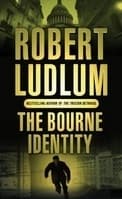
- The Bourne Identity
Robert Ludlum
4.0 (397k) average on GoodreadsThrillerLudlum's The Bourne Identity shares significant thematic similarities with Last Man Standing, particularly the amnesia-stricken protagonist (Jason Bourne) piecing together his past while being hunted by shadowy government forces. Both novels excel at creating a sense of paranoia and relentless pursuit. However, Baldacci's Web London, while isolated, retains his memory of the core event, making his quest about discovering 'who' rather than 'what.' Ludlum's Bourne is a more existential hero, grappling with his very identity, whereas Web's identity is largely stable, his crisis stemming from betrayal. Ludlum's prose is often denser and more labyrinthine, while Baldacci maintains a more direct, cinematic style.
- Angels & Demons
Dan Brown
3.9 (2.7M) average on GoodreadsThrillerA Harvard symbologist races through Rome's ancient sites, deciphering cryptic clues to unmask the Illuminati and stop a vengeful plot to destroy the Vatican with a stolen antimatter weapon.





Enjoyed the summary?
A summary gives you the shape of the book. The book itself has the detail, the examples and the voice.
Find Last Man Standing on AmazonAs an Amazon Associate, BookBrief earns from qualifying purchases. How we're funded