

Synopsis
Covers the whole plot, including the ending.
- Difficulty
- Easy
- Pacing
- Moderate
- Mood
- Glamorous, Dramatic, Heartbreaking, Reflective
- Read it if
- You enjoy stories about the high-stakes world of celebrity, marital drama, and a woman finding her independence amidst chaos.
- Skip it if
- You dislike romance novels with significant focus on the downsides of fame or infidelity as a central plot point.
Last Night at Chateau Marmont Plot Summary
Covers the whole plot, including the ending.
A Life in Flux
Brooke and Julian are an ordinary New York couple. Brooke, a publicist, takes on most of their financial burden, working two jobs. Julian, her husband, is a talented but struggling musician, playing in small clubs and dreaming of a breakthrough. Their life includes shared dreams, mutual support, and the everyday challenges of a young couple in a big city. They are in love, and Brooke believes in Julian's musical talent, always encouraging him. Their apartment, though small, is a home filled with music and their shared past, a contrast to the glamour that will soon engulf them.
The Big Break
One night, a Sony music executive sees Julian perform in a small club. Impressed by his talent and voice, the executive offers him a record deal. This changes Brooke and Julian's lives. Overnight, Julian goes from an unknown artist to a rising star. The initial excitement is huge, filled with celebration and the promise of a future they had only dreamed of. Brooke is proud and supportive, believing this is the reward for Julian's hard work. They both imagine a new life of comfort and success, unaware of the pressures and changes that fame will bring.
Ascension to Stardom
Julian's debut album is a huge success, making him a pop culture star. Their lives transform quickly. They move from their cozy New York apartment to a luxurious loft, and soon, Julian travels constantly for tours, interviews, and photo shoots. Brooke, initially excited, finds herself more and more in the world of celebrity: exclusive parties, designer clothes, and constant media attention. She tries to adapt, attending glamorous events with Julian, but often feels like an outsider in this new, superficial environment. The closeness of their old life begins to fade under the constant spotlight.
The Price of Fame
As Julian's fame grows, so does the constant intrusion of the paparazzi. Brooke, once an anonymous publicist, now becomes a target. Every outing is a potential photo opportunity, every personal moment examined. She struggles with the constant surveillance, the flashbulbs, and feeling hunted. Her once private life is now public, and she often feels exposed and vulnerable. The media's constant attention starts to affect her, making her question the true cost of Julian's success and her own ability to handle this new reality.
Whispers and Doubts
Amid the whirlwind of fame, Brooke notices unsettling changes in Julian. He becomes more distant, focused on his career, and increasingly surrounded by a new group of people. Their private conversations become less frequent, replaced by quick calls and brief moments together. Brooke feels a growing sense of isolation, struggling to connect with the man she married. Doubts start to form, fueled by gossip columns and the seductive nature of Julian's new world. She wonders if the man she loves is slowly slipping away, consumed by his new celebrity.
The Chateau Marmont Incident
The story reaches its turning point during a trip to Los Angeles. Julian is at the height of his fame, and they are staying at the Chateau Marmont. One night, a photograph of Julian in a compromising position with another woman at a party at the Chateau Marmont is published on the front pages of tabloids worldwide. This image devastates Brooke. The public humiliation, with the apparent betrayal, shatters her trust and their seemingly perfect life. The incident becomes a brutal public spectacle, forcing Brooke to face the realities of Julian's fame and the fragility of their marriage.
Public Humiliation and Personal Crisis
After the Chateau Marmont scandal, Brooke enters a deep personal crisis. The media hounds her, her heartbreak a public spectacle. Friends and family offer support, but the weight of the betrayal and public judgment is immense. Julian, while apologetic, struggles to understand the depth of Brooke's pain, often downplaying the incident. Brooke withdraws, trying to process the events and decide the fate of her marriage. She questions everything she believed about her husband and their relationship, feeling lost and exposed.
Seeking Solace and Self-Discovery
Overwhelmed by the scandal and Julian's inability to truly understand her pain, Brooke decides to create some distance. She finds refuge away from the media and Julian, seeking peace and time to heal. During this period, she begins to rediscover herself, separate from Julian's fame. She thinks about her own goals and identity, realizing how much of herself she had given up for his career. This time of reflection is important for Brooke, allowing her to gain perspective, process her emotions, and begin to understand what she truly wants for her future.
Julian's Efforts to Reconcile
As Brooke distances herself, Julian begins to understand the seriousness of his actions and the potential loss of his wife. He tries to win her back, expressing real regret and promising to change. He realizes that his pursuit of fame had blinded him to what truly mattered – his relationship with Brooke. He tries to reconnect with her on a deeper level, reminding her of their shared past and the love they once had. His attempts, though sincere, face a difficult battle against Brooke's shattered trust and new independence.
A Crossroads
Brooke is at a critical point, torn between her love for Julian and the deep hurt he caused. She struggles with whether their marriage can survive such a public betrayal and if Julian can truly change. She weighs the memories of their past happiness against the pain of the present. This decision is not just about forgiveness, but about her own self-worth and future. She must decide if she is willing to risk more heartbreak or if it is time to start a new path, separate from Julian's world. The choice is agonizing, with no easy answers.
Finding Her Voice
During her reflection, Brooke also focuses on her own career and goals. She had put her professional life on hold to support Julian, but now she begins to reclaim it. She uses her skills and experience, finding new opportunities and showing her abilities. This professional comeback is a step in her journey of self-discovery, giving her a sense of accomplishment and independence that does not rely on Julian's fame. It shows her strength and resilience, proving she can build a fulfilling life on her own terms.
The Final Decision
After much thought, Brooke makes her final decision about her marriage to Julian. She confronts him, stating her pain, her needs, and her vision for her future. The outcome shows her growth through the ordeal. Whether she chooses to reconcile with Julian on new terms, demanding a change in their dynamic, or decides to walk away, the decision is hers. It means she refuses to be defeated by heartbreak and headlines, choosing instead to move towards a future where her own happiness and integrity are most important.
Last Night at Chateau Marmont Characters
Brooke
Protagonist
Julian's wife, a hardworking publicist who endures the highs and lows of his fame.
Brooke begins as a grounded, supportive, and loving wife, working hard to support her struggling musician husband, Julian. She is practical and resilient, often putting Julian's needs and dreams before her own. As Julian's fame escalates, Brooke struggles to adapt to the superficial world of celebrity, feeling increasingly isolated and out of place. She values privacy, authenticity, and the simple joys of their shared life. Her journey is one of profound heartbreak, self-discovery, and ultimately, empowerment as she reclaims her identity.
Relationships: Julian (Husband, initially deeply loving and supportive; later strained by fame, betrayal, and a struggle for understanding.); Friends/Family (Source of emotional support and grounding during her crisis.)
Julian
Antagonist/Love Interest
Brooke's husband, a struggling musician who achieves overnight superstardom.
Julian starts as a talented, passionate musician who is deeply in love with Brooke and grateful for her support. However, as he gains fame, he becomes increasingly swept up in the celebrity lifestyle, losing touch with his former self and the values he once held. He becomes somewhat oblivious to Brooke's struggles and the impact of his actions, displaying a degree of immaturity and self-absorption. While he expresses remorse for his betrayal, his journey is about realizing the true cost of fame and the importance of his relationship.
Relationships: Brooke (Wife, initially his biggest supporter; later his relationship with her is strained by his fame and betrayal.); Sony Executive (His professional mentor and catalyst for his fame.)
Sony Executive (Unnamed)
Supporting
The music industry professional who discovers Julian and launches his career.
This character represents the powerful forces within the music industry that can elevate an artist to superstardom. They are astute and business-minded, recognizing Julian's talent and potential for commercial success. While their actions are beneficial to Julian's career, they also inadvertently set in motion the chain of events that lead to the couple's struggles. This executive embodies the allure and the demands of the celebrity machine, often seen in the periphery, orchestrating Julian's ascent.
Relationships: Julian (Professional mentor and business partner.); Brooke (Indirectly impacts her life by making Julian famous.)
Paparazzi/Media
Antagonistic Force
The relentless and intrusive force that exposes and exploits Julian and Brooke's private life.
While not a single character, the paparazzi and the broader media act as a collective antagonistic force in the novel. They are portrayed as ruthless, intrusive, and insatiable, constantly hounding Julian and Brooke for scandalous stories and pictures. Their presence represents the loss of privacy inherent in celebrity and the destructive power of public scrutiny. They are the direct cause of Brooke's public humiliation and a constant source of stress, embodying the oppressive side of fame.
Last Night at Chateau Marmont Themes
The Corrupting Nature of Fame
The novel shows how fame can change people and relationships. Julian, initially a humble musician, becomes self-absorbed and distant, losing sight of his values and the people who matter. The constant attention from the paparazzi and the allure of celebrity erode his character and the intimacy of his marriage. Brooke is also affected, struggling with the loss of privacy and the superficiality of her new world. The Chateau Marmont incident is the peak of fame's destructive power, showing how fragile their love is under the constant spotlight.
“Heartbreak, headlines and Hermes – welcome to Brooke's new world…”
Identity and Self-Discovery
Brooke's journey is about reclaiming her identity. By supporting Julian, she slowly loses herself, becoming 'Julian's wife' instead of an individual. The crisis of the Chateau Marmont forces her to face who she is outside of her marriage and Julian's fame. Her retreat and subsequent focus on her career show her journey of self-discovery, where she learns to prioritize her own needs, goals, and self-worth. She becomes stronger and more independent, no longer defined only by her relationship.
“It's time for Brooke to decide if she's going to sink or swim…”
The Fragility of Love and Trust
The story is about testing Brooke and Julian's love and trust. Their relationship, once strong and supportive, is strained by Julian's fame and broken by his betrayal. The scandalous picture from the Chateau Marmont is a deep breach of trust that threatens their entire marriage. The novel explores whether love can survive such a public and personal blow, and what it takes to rebuild or move on from such a deep wound. It looks at the complexities of forgiveness and the lasting impact of betrayal.
“Can her marriage survive the events of that fateful night at Chateau Marmont?”
Public vs. Private Life
A central theme is the contrast between the public image of celebrities and their private lives. Julian and Brooke's private moments become material for tabloids, and their personal struggles play out on a global stage. The novel highlights the constant intrusion of the media and its devastating impact on personal relationships. Brooke's struggle with the paparazzi shows the loss of privacy that comes with fame, making it almost impossible for them to handle their challenges away from public scrutiny.
“But Julian's new-found fame means that Brooke must face the savage attentions of the ruthless paparazzi.”
Plot Devices & Literary Techniques
The Inciting Incident: Julian's Discovery
The event that sets the entire plot in motion.
Julian's unexpected discovery by a Sony executive serves as the inciting incident. This single event fundamentally alters the trajectory of Brooke and Julian's lives, propelling them from a modest, private existence into the dazzling, yet dangerous, world of celebrity. Without this discovery, the subsequent conflicts, betrayals, and Brooke's journey of self-discovery would not occur. It's the catalyst that transforms their relationship and introduces the central themes of fame and its corrupting influence.
The Turning Point: The Chateau Marmont Picture
The moment of peak crisis that forces the protagonist to make a crucial decision.
The scandalous photograph of Julian at the Chateau Marmont is the novel's unequivocal turning point. This public humiliation and betrayal shatters Brooke's world, forcing her to confront the reality of Julian's actions and the state of their marriage. It's the point of no return, making it impossible for Brooke to ignore the problems in her relationship or the destructive nature of Julian's fame. This event directly leads to her period of introspection and her ultimate decision about her future.
Symbolism: Chateau Marmont
A location that represents the allure and danger of the celebrity world.
The Chateau Marmont itself functions as a potent symbol. Historically known as a playground for Hollywood's elite and a site of both glamour and scandal, it perfectly embodies the intoxicating yet perilous nature of fame. It's where Julian's public image and private betrayal collide, becoming the physical location where their marriage publicly unravels. The hotel represents the seductive facade of celebrity that ultimately leads to their downfall, a place where secrets are exposed and lives are irrevocably changed.
Last Night at Chateau Marmont Quotes
“The Chateau, it was a place where people came to reinvent themselves, to escape, to be seen, to disappear.”
“Fame, she was quickly learning, was like a high-speed train you'd accidentally boarded, and there was no emergency brake.”
“He had a way of looking at her that made her feel like the only person in a room full of hundreds.”
“Sometimes, the biggest dreams come true in the most unexpected, and frankly, inconvenient ways.”
“Being famous didn't make you happy. It just made you famous, which was an entirely different, and often lonelier, state of being.”
“You can't go back and change the beginning, but you can start where you are and change the ending.”
“The hardest part wasn't the cameras, or the rumors, or the constant scrutiny. It was trying to figure out who she was, underneath it all.”
“Love, true love, wasn't about grand gestures or red carpets. It was about the quiet moments, the knowing glances, the shared laughter.”
“She missed her old life, not because it was better, but because it was hers, and she knew it.”
“Sometimes, you have to lose yourself completely to find out who you're really meant to be.”
“The Chateau didn't judge. It merely observed, and sometimes, it whispered secrets.”
“She was learning that happily ever after wasn't a destination, but a journey, full of wrong turns and unexpected detours.”
“It was amazing how quickly the extraordinary became ordinary when it was your everyday.”
“Maybe some stories didn't need a perfect ending, just an honest one.”
Quiz
10 questions on the plot and the characters. Each answer comes with a short explanation.
Question 1
Before Julian's music career took off, what was Brooke's primary role in their financial stability?
- She was a part-time model.
- She was the breadwinner, working two jobs.
- She managed Julian's struggling music career.
- She inherited a small trust fund.
Show answer
B. She was the breadwinner, working two jobs. The synopsis explicitly states Brooke was the breadwinner, working two jobs, while Julian was a struggling musician.
Question 2
What event triggers the significant change in Brooke and Julian's life?
- Brooke receives a major promotion at work.
- Julian wins a prestigious music award.
- Julian is discovered by a Sony executive.
- They move to Los Angeles for a new beginning.
Show answer
C. Julian is discovered by a Sony executive. Julian's discovery by a Sony exec is the catalyst for his overnight success and their subsequent lifestyle change.
Question 3
Which city is initially described as Brooke and Julian's home before Julian's fame?
- Los Angeles
- New York
- Miami
- London
Show answer
B. New York The summary states they 'live a happy life in New York' before Julian's success.
Question 4
What is the primary challenge Brooke faces as a result of Julian's new-found fame?
- She struggles to adapt to their new lavish lifestyle.
- She has to deal with the savage attentions of the ruthless paparazzi.
- Julian neglects her for other women.
- She misses her old, less glamorous life.
Show answer
B. She has to deal with the savage attentions of the ruthless paparazzi. The summary highlights that 'Julian's new-found fame means that Brooke must face the savage attentions of the ruthless paparazzi.'
Question 5
What specific type of event leads to Brooke's world being turned 'upside down'?
- Julian announces he's leaving her for another woman.
- A scandalous picture hits the front pages.
- Brooke loses her job due to Julian's fame.
- Julian's music career suddenly declines.
Show answer
B. A scandalous picture hits the front pages. The summary states, 'And when a scandalous picture hits the front pages, Brooke's world is turned upside down.'
Question 6
The title of the book, 'Last Night at Chateau Marmont,' directly refers to what critical element of the plot?
- The location where Julian first met the Sony executive.
- The setting for their first major celebrity party.
- The location where a fateful and scandalous event occurred.
- Their favorite quiet getaway spot in Los Angeles.
Show answer
C. The location where a fateful and scandalous event occurred. The book's title directly links to the question 'Can her marriage survive the events of that fateful night at Chateau Marmont?', indicating it's the site of a critical, scandalous event.
Question 7
What is Julian's profession, which leads to his overnight success?
- Actor
- Musician
- Writer
- Artist
Show answer
B. Musician The summary clearly states Julian is a 'struggling musician husband' who is 'discovered by a Sony exec' and becomes an 'overnight success'.
Question 8
The change in Brooke and Julian's lifestyle is characterized by their move to which city's trendy hotspots?
- New York
- Miami
- Los Angeles
- Las Vegas
Show answer
C. Los Angeles After Julian's success, they start 'jetting off to the trendiest hotspots in LA', indicating a shift to Los Angeles.
Question 9
What is the central conflict or dilemma Brooke faces by the end of the provided synopsis?
- Whether to pursue her own career ambitions or support Julian's.
- Whether her marriage can survive the scandal and fame.
- How to escape the paparazzi permanently.
- If she should move back to New York without Julian.
Show answer
B. Whether her marriage can survive the scandal and fame. The final questions posed in the summary are 'Can her marriage survive the events of that fateful night at Chateau Marmont? It's time for Brooke to decide if she's going to sink or swim…', directly pointing to the survival of her marriage as the central dilemma.
Question 10
The phrase 'Heartbreak, headlines and Hermes' from the description suggests what aspect of Brooke's new world?
- Her passion for fashion and gossip magazines.
- The blend of personal emotional turmoil with public scrutiny and luxury.
- Her job involves reporting on celebrity scandals and selling luxury goods.
- She becomes a celebrity stylist known for her expensive taste.
Show answer
B. The blend of personal emotional turmoil with public scrutiny and luxury. This phrase encapsulates the themes: 'Heartbreak' for emotional turmoil, 'headlines' for public scrutiny/paparazzi, and 'Hermes' for the luxury and glamour associated with their new celebrity lifestyle.
Last Night at Chateau Marmont FAQ
What is the central conflict Brooke faces as Julian's career takes off?
Brooke's central conflict revolves around adapting to Julian's sudden fame and the intense public scrutiny that comes with it. She struggles with the loss of their private life, the constant paparazzi attention, and the lavish, often superficial, new world they inhabit.
How does Julian's personality change, or not change, with his newfound success?
While Julian initially seems overwhelmed by his success, he gradually becomes more comfortable with the spotlight, sometimes appearing oblivious to Brooke's discomfort. He embraces the celebrity lifestyle, which creates a growing rift between him and Brooke, who values their pre-fame normalcy.
What role does the Chateau Marmont play in the story's climax?
The Chateau Marmont serves as the setting for the pivotal event where a scandalous picture of Julian and another woman is taken, leading to widespread tabloid coverage. This incident directly triggers the crisis in Brooke and Julian's marriage and forces Brooke to confront the reality of their changed lives.
Who is the 'other woman' involved in the scandal at the Chateau Marmont?
The 'other woman' involved in the scandalous picture at the Chateau Marmont is a young, aspiring actress or model who is eager to be seen with Julian. Her presence is a stark symbol of the temptations and superficiality that fame brings into Julian's life.
What is Brooke's profession before Julian's success, and how does it contrast with her new reality?
Before Julian's success, Brooke works two jobs, likely in more ordinary, less glamorous fields, making her the primary breadwinner. This starkly contrasts with her new reality of attending exclusive parties and being defined by her husband's fame, highlighting her struggle with identity.
Are there any subtle hints about Julian's potential infidelity or attraction to the celebrity lifestyle before the Chateau Marmont incident?
Yes, there are subtle hints, such as Julian's increasing comfort with female attention at parties and his growing distance from Brooke, often prioritizing industry events over their time together. These moments foreshadow the eventual scandal and his immersion in the celebrity world.
How does the author use fashion and luxury brands to illustrate the couple's changing status?
The author uses fashion and luxury brands, like Hermes, to explicitly illustrate their changing status. Brooke's initial disinterest or unfamiliarity with these brands contrasts with Julian's rapid embrace and expectation of such extravagance, symbolizing their divergence.
Is there a recurring motif or symbol that represents Brooke's desire for her old life?
While not explicitly stated, Brooke's continued attachment to her New York apartment or her preference for quiet evenings over lavish parties could be interpreted as a recurring motif. These simple desires symbolize her longing for the normalcy and privacy of her pre-fame life with Julian.
What role do Brooke's friends or family play in her adaptation to Julian's fame?
Brooke's friends often serve as a grounding force, reminding her of who she was before Julian's fame and offering perspective on the superficiality of their new world. Her interactions with them highlight her isolation within the celebrity sphere and her struggle to maintain her identity.
How does Brooke's self-esteem evolve throughout the story, particularly in relation to Julian's fame?
Brooke's self-esteem initially suffers as she feels overshadowed by Julian's fame and struggles to find her place. However, as she confronts the challenges, she gradually regains her sense of self-worth, realizing her value extends beyond being Julian's wife, ultimately empowering her to make difficult decisions.
What psychological impact does constant paparazzi attention have on Brooke?
The constant paparazzi attention has a significant psychological impact on Brooke, leading to anxiety, paranoia, and a profound sense of invasion of privacy. She feels constantly judged and scrutinized, which erodes her sense of security and freedom, making her feel trapped and exposed.
Does Julian demonstrate any psychological guilt or conflict over the changes in their relationship?
Julian demonstrates some initial guilt and conflict, particularly when he sees Brooke's distress. However, as he becomes more engrossed in his career, his guilt seems to diminish, replaced by a focus on his success, suggesting a psychological shift in his priorities.
How does Brooke's decision to 'sink or swim' reflect her psychological journey of independence?
Brooke's decision to 'sink or swim' directly reflects her psychological journey towards independence. It signifies her choice to stop being a passive victim of circumstances and actively take control of her life, whether that means fighting for her marriage or choosing a new path for herself.
Could Julian's initial 'struggling musician' persona be seen as a form of manipulation, even if unconscious, to garner Brooke's support?
It's debatable whether Julian's 'struggling musician' persona was manipulative. While it certainly fostered Brooke's support and sense of purpose as the breadwinner, it's more likely he was genuinely struggling. His subsequent actions, however, reveal a self-absorption that contrasts with his earlier dependency.
Is the novel suggesting that fame is inherently corrupting, or is it more nuanced?
The novel presents a nuanced view, suggesting that fame isn't inherently corrupting but rather amplifies existing character traits and creates immense pressure. For Julian, it exposes his latent self-centeredness, while for Brooke, it tests her resilience and ultimately strengthens her independence.
What does the ending imply about Brooke's future and her personal growth?
The ending implies that Brooke has undergone significant personal growth, moving from a dependent wife to an independent woman capable of making difficult choices. Her future, regardless of her marital status, suggests a path where she prioritizes her own well-being and identity, no longer defined solely by Julian's success.
How does the book challenge or reinforce traditional gender roles within a marriage?
The book challenges traditional gender roles by initially portraying Brooke as the breadwinner and Julian as the struggling artist. However, it then reinforces traditional expectations when Julian becomes famous, and Brooke is expected to fill the supportive 'celebrity wife' role, which she ultimately rejects.
Is there an argument to be made that Brooke was too naive about the realities of fame?
One could argue Brooke was initially too naive about the realities of fame, particularly the invasive nature of the paparazzi and the temptations of the celebrity world. Her innocence highlights the stark contrast between her old life and the harsh truths of Julian's new one, leading to her painful awakening.
About the author

Lauren Weisberger is an American author known for her fiction, particularly in the realm of contemporary women's literature. She gained widespread recognition with her debut novel, The Devil Wears Prada, which explores the fashion industry, followed by works such as Chasing Harry Winston, Everyone Worth Knowing, and Last Night at Chateau Marmont.
Similar books
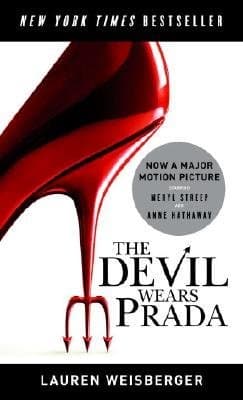
- The Devil Wears Prada
Lauren Weisberger
3.8 (786k) average on GoodreadsRomanceFeatures a relatable female protagonist navigating a high-pressure, glamorous world and demanding relationships.
- Daisy Jones & The Six
Taylor Jenkins Reid
4.2 (272k) average on GoodreadsHistorical FictionExplores the rise to fame of a musician, the pressures of celebrity, and the impact on personal relationships.
- The Seven Husbands of Evelyn Hugo
Taylor Jenkins Reid
4.3 (222k) average on GoodreadsHistorical FictionDelves into the complex private lives of celebrities, the sacrifices made for fame, and public perception versus reality.
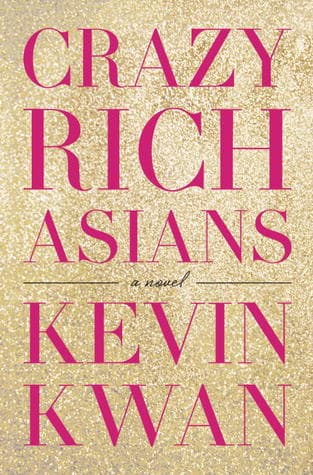
- Crazy Rich Asians
Kevin Kwan
3.9 (335k) average on GoodreadsRomanceBoth Weisberger and Kwan write about aspirational lifestyles and the challenges faced by protagonists thrust into new, opulent worlds. However, Kwan's Crazy Rich Asians excels in its vibrant world-building, intricate character relationships, and sharp, often satirical, social commentary on wealth and class. While Last Night at Chateau Marmont focuses on individual struggle within a glamorous setting, Kwan's novel provides a broader cultural canvas, exploring family dynamics and societal expectations with more humor and ethnographic detail. Weisberger's romance often takes precedence over broader social observations, whereas Kwan deftly weaves both into a richer tapestry.
- The Hunger Games
Suzanne Collins
4.3 (6.4M) average on GoodreadsFantasyIn a future where children fight to the death on live television, Katniss Everdeen volunteers for the arena, turning a death sentence into a fight for survival and a spark of rebellion.
- The Great Gatsby
F. Scott Fitzgerald
3.9 (3.8M) average on GoodreadsHistorical FictionIn the opulent Roaring Twenties, a mysterious millionaire's lavish parties hide his desperate, tragic pursuit of a lost love, exposing the emptiness within the American Dream.




Enjoyed the summary?
A summary gives you the shape of the book. The book itself has the detail, the examples and the voice.
Find Last Night at Chateau Marmont on AmazonAs an Amazon Associate, BookBrief earns from qualifying purchases. How we're funded