

Synopsis
Covers the whole plot, including the ending.
- Difficulty
- Easy
- Pacing
- Moderate
- Mood
- Nostalgic, Wholesome, Instructive, Gentle
- Read it if
- You enjoy classic boarding school stories with a focus on character development and moral lessons.
- Skip it if
- You prefer complex plots, modern writing styles, or stories without clear-cut good/bad characters.
Last Term at Malory Towers Plot Summary
Covers the whole plot, including the ending.
Return to Malory Towers and New Responsibilities
The Sixth Formers, including Darrell Rivers, Sally Hope, Alicia Johns, and Mary-Lou, return for their final term at Malory Towers. Darrell is Head Girl, a role she takes seriously, aiming to set a good example. Her first job is to manage the new girls, especially Suzanne, a French girl who struggles with English and school customs, and Amanda, a talented but arrogant gymnast who immediately clashes with the other girls. Darrell often mediates disputes and encourages younger students, while also handling her friendships and the demands of her new leadership.
Suzanne's Struggles and Amanda's Arrogance
Suzanne continues to have trouble adjusting to Malory Towers. Her poor English makes her feel alone, and she often misunderstands instructions, leading to small problems. Mary-Lou, always kind, helps Suzanne with her studies and makes her feel more at home. Meanwhile, Amanda's gymnastic skills make her feel superior. She boasts and often dismisses others' achievements, especially in games. This attitude creates tension among her classmates, particularly sports-loving girls like Sally and Belinda, who find her self-importance annoying.
Belinda's Artistic Passion and Amanda's Jealousy
Belinda Towers, usually quiet, shows a remarkable talent for drawing and painting. Miss Williams, the art mistress, is impressed and encourages Belinda. Belinda spends more time in the art room, improving her skills. Surprisingly, Amanda, who usually only cares about gymnastics, shows a hint of jealousy towards Belinda's art success. She makes a few sharp comments about Belinda's 'messy' art and tries to downplay her achievements, showing a competitive side that goes beyond her own sport.
Gwen's Return and Attempts at Reformation
Gwen Lacey, known for her snobbery and manipulation in earlier books, returns to Malory Towers after being away. She seems to have matured, showing politeness and a touch of humility, which surprises her old classmates. Darrell and Sally are cautiously hopeful that Gwen has truly changed. However, Gwen's old habits soon reappear. She subtly undermines others, complains about small issues, and tries to get special favors, annoying the Sixth Formers.
The Twins' Mischief and Darrell's Dilemma
Connie and Ruth Batten, mischievous twins in the lower forms, cause minor chaos. They constantly play pranks, break rules, and get into trouble, often trying to fool their teachers and prefects. Darrell, as Head Girl, often deals with their antics. She tries to balance discipline and understanding, wanting to guide them without being too harsh. The twins' energy and knack for trouble test Darrell's patience and leadership, forcing her to be firm but fair.
The Swimming Gala and Amanda's Fall
The annual swimming gala arrives, and Amanda, confident in her skills, expects to win every race. She boasts endlessly, irritating her classmates. However, during one key race, she makes a careless mistake due to overconfidence, or perhaps a moment of distraction, and loses. The unexpected defeat greatly hurts her pride. This public 'fall' humbles Amanda, making her face the fact that she is not perfect and that arrogance can lead to failure. It is a major turning point in her character.
Gwen's Schemes and Exposure
Gwen, unable to truly change, tries to manipulate situations to her benefit. She tries to cause trouble between students, spread rumors, and generally make herself seem more important. She tries to gain sympathy by faking illness or exaggerating small complaints. However, her old friends, especially Alicia, are aware of her tricks. Alicia, with her sharp mind, sees through Gwen's act and eventually exposes her manipulative behavior. Gwen is then reprimanded by Miss Grayling and loses the little respect she had gained.
Suzanne's Breakthrough and Integration
With Mary-Lou's help and her own hard work, Suzanne's English skills greatly improve. She becomes more confident in speaking and understanding, allowing her to join in school life more fully. She starts to make friends and enjoy activities, no longer feeling like an outsider. Her change shows the power of kindness and persistence. She becomes a valued member of the Sixth Form, showing how Malory Towers can help students from different backgrounds.
The Farewell Concert and Belinda's Success
As the term ends, a farewell concert is planned to celebrate the departing Sixth Formers. Belinda is asked to design the program and stage decorations, showing her artistic talent. Her work is beautiful and praised by teachers and students, solidifying her reputation as a skilled artist. This public recognition is a moment of triumph for Belinda, who often felt overshadowed by louder personalities. It highlights her unique contribution to the school and her successful development.
Reflections and Future Plans
On their last night, the Sixth Formers gather, recalling their years at Malory Towers. Darrell, Sally, Alicia, and the others reflect on their growth, the lessons learned, and the strong friendships they have made. They discuss their future plans, whether university, art school, or other paths. Darrell, having successfully handled her role as Head Girl, feels a sense of accomplishment and readiness for the next stage of her life. There is a mix of nostalgia and excitement as they prepare to leave Malory Towers and begin their adult lives.
Principal Figures
Darrell Rivers
Protagonist
The responsible and fair Head Girl of the Sixth Form.
Darrell has matured significantly over her years at Malory Towers, evolving from a hot-tempered new girl into a respected leader. As Head Girl, she is conscientious, fair-minded, and takes her responsibilities seriously, always striving to do the right thing. She possesses a strong sense of justice and is a natural mediator, though she occasionally struggles with the weight of her duties and the imperfections of her friends. Her journey has been about learning self-control and leadership.
Relationships: Sally Hope (Best friend, confidante); Alicia Johns (Close friend, often a source of amusement and practical advice); Mary-Lou (Younger friend she looks out for); Miss Grayling (Respected headmistress)
Sally Hope
Supporting
Darrell's calm and sensible best friend.
Sally is Darrell's steadfast best friend, known for her calm demeanour, common sense, and quiet strength. She is a reliable and loyal friend, often offering sensible advice and a steadying influence to Darrell. Sally is practical and grounded, not easily swayed by drama, and provides a quiet contrast to the more boisterous personalities in the Sixth Form. She embodies the stable and supportive friendship that is a hallmark of Malory Towers.
Relationships: Darrell Rivers (Best friend, confidante); Alicia Johns (Close friend); Daphne Millicent Hope (Younger sister)
Alicia Johns
Supporting
The quick-witted and mischievous, yet loyal, friend.
Alicia is the sharpest and most mischievous of the group, known for her quick wit, clever pranks, and sometimes sarcastic humour. While she can be impish, she is also fiercely loyal to her friends and possesses a keen sense of observation, often seeing through others' facades. She provides much of the comic relief, but also demonstrates an underlying maturity and fairness when it truly matters. Alicia's intelligence is undeniable, whether applied to studies or practical jokes.
Relationships: Darrell Rivers (Close friend); Sally Hope (Close friend); Betty Hill (Best friend, partner in crime)
Mary-Lou
Supporting
The kind-hearted and gentle girl who helps new students.
Mary-Lou is the kindest and most gentle of the Malory Towers girls. She is known for her empathy, compassion, and willingness to help others, especially those who are struggling or feeling out of place. Though initially timid, she has grown into a more confident young woman, but retains her core sweetness. Her selflessness makes her a beloved figure, and her efforts to integrate new students like Suzanne are central to the term's events.
Relationships: Darrell Rivers (Friend, looked up to); Suzanne (Protector, friend, mentor); Gwendoline Lacey (Friend (though often manipulated by Gwen in earlier books))
Gwen Lacey
Antagonist/Supporting
The snobbish and manipulative girl who struggles to truly change.
Gwen is a recurring character who often acts as a foil to the other girls. She is snobbish, self-pitying, and prone to manipulation, always seeking attention and special treatment. Despite attempts to reform, her fundamental character flaws often resurface, causing friction and annoyance. She struggles with genuine self-improvement and often falls back into old habits of complaining and trying to gain advantage, making her a source of exasperation for Darrell and her friends.
Relationships: Darrell Rivers (Acquaintance, object of Gwen's envy); Alicia Johns (Often the target of Alicia's sharp observations)
Suzanne
Supporting
A new French girl who struggles with English and school customs.
Suzanne is a new student from France who joins the Sixth Form. She initially struggles significantly with the English language and the unfamiliar customs and routines of Malory Towers. This language barrier and cultural difference make her feel isolated and often lead to misunderstandings. She is sensitive and initially quite shy, but with the kindness and help of Mary-Lou, she gradually gains confidence and integrates into school life, demonstrating resilience and a desire to adapt.
Relationships: Mary-Lou (Friend, helper, mentor); Darrell Rivers (Head Girl, authority figure)
Amanda
Supporting
A talented but arrogant gymnast who learns humility.
Amanda is a new girl in the Sixth Form, an exceptional gymnast who is extremely proud of her abilities. Her talent is undeniable, but it is overshadowed by her arrogance, boastfulness, and tendency to look down on others, especially in sports. She believes herself superior and struggles with humility, which makes her unpopular. Her journey in the book involves a significant humbling experience that forces her to re-evaluate her attitude and learn the value of modesty.
Relationships: Belinda Towers (Initially dismissive, then jealous of her artistic talent); Darrell Rivers (Head Girl, attempts to guide Amanda)
Belinda Towers
Supporting
The quiet girl who discovers and develops her artistic talent.
Belinda is a quieter, less prominent member of the Sixth Form, initially seeming unremarkable. However, she possesses a hidden and exceptional talent for art. She is dedicated to her craft and finds joy and fulfillment in drawing and painting. Her artistic success brings her out of her shell and earns her recognition and respect, even from unexpected quarters like Amanda. She represents the idea that talent can be found in unexpected places and that quiet dedication can lead to great achievement.
Relationships: Amanda (Recipient of Amanda's initial scorn and later jealousy); Miss Williams (Art teacher, mentor)
Connie and Ruth Batten
Mentioned
Mischievous twins in the lower forms who cause minor trouble.
Connie and Ruth are a pair of energetic and mischievous twins in the lower forms of Malory Towers. They are known for their playful pranks, their knack for bending rules, and their tendency to get into minor scrapes. They represent the younger, less mature students who still need guidance and discipline, providing challenges for Darrell in her role as Head Girl. Their antics are usually harmless but require consistent oversight.
Relationships: Darrell Rivers (Head Girl, authority figure they sometimes try to outwit)
Miss Grayling
Supporting
The wise and respected headmistress of Malory Towers.
Miss Grayling is the headmistress of Malory Towers, a wise, fair, and authoritative figure. She is deeply committed to the welfare and development of her students, instilling values of honesty, kindness, and responsibility. She trusts her Head Girl, Darrell, but also provides guidance and intervenes when necessary, particularly in serious matters. Her presence ensures the moral compass of the school remains true and she offers a steady, guiding hand to the girls.
Relationships: Darrell Rivers (Head Girl, student she trusts and guides)
Themes & Insights
The Responsibilities of Leadership
This theme is key, seen through Darrell's experience as Head Girl. She learns that leadership means setting an example, mediating disputes, and guiding younger students with patience. Her struggles with Gwen, Amanda, and the twins highlight the constant demands and moral choices of her role. She consistently puts the school's welfare and her peers' development above personal feelings, showing true leadership.
“Darrell felt the weight of her responsibilities heavy upon her. It was not enough to be good herself; she had to make sure the others were good too.”
Growth and Maturation
The final term shows the culmination of the girls' development over their years at Malory Towers. Characters like Darrell, Sally, and Alicia show their maturity in handling complex situations and supporting each other. Even new girls like Suzanne and Amanda grow personally, with Suzanne overcoming shyness and language barriers, and Amanda learning humility after her fall. The book shows how the school helps build character and prepares the girls for the wider world.
“They had all changed so much since they first came to Malory Towers. They were ready for the world now.”
The Power of Kindness and Empathy
Mary-Lou's kindness towards Suzanne is a clear example of this theme. Her patient help and understanding allow Suzanne to overcome her difficulties and fit into the school. This shows how simple acts of empathy can greatly affect others, building a sense of belonging and overcoming barriers. It contrasts sharply with the negative effects of Gwen's self-serving behavior and Amanda's arrogance, showing the positive power of genuine compassion.
“Mary-Lou, with her kind heart, understood what Suzanne was feeling and made it her business to help her.”
Humility vs. Arrogance
This theme is best shown by Amanda. Her initial arrogance and boasting about her gymnastic skills lead to her downfall at the swimming gala. This humbling experience forces her to face her pride and start learning modesty. In contrast, Belinda's quiet talent and lack of self-importance lead to genuine admiration and success, reinforcing the idea that true worth is not in boasting but in real ability and a humble spirit. Gwen's inability to give up her self-importance also fits this theme.
“It was a bitter pill for Amanda to swallow, but it did her a world of good. She had been far too pleased with herself.”
The Enduring Value of Friendship
Despite challenges, the core friendships among Darrell, Sally, Alicia, and Mary-Lou remain strong. They support each other, offer advice, and share both triumphs and disappointments. Their bond shows the lasting connections made during their school years, preparing them for future relationships. The shared history and mutual understanding provide a comforting background to the individual struggles and successes of the girls.
“No matter what happened, they knew they would always have each other. Their Malory Towers friendships would last a lifetime.”
Plot Devices & Literary Techniques
The 'New Girl' Archetype
Introduces new characters to disrupt and develop existing dynamics.
The introduction of Suzanne and Amanda serves as a classic Blyton device to introduce new challenges and opportunities for character development. Suzanne's struggles with language and culture allow Mary-Lou to demonstrate her kindness and highlight the theme of integration. Amanda's arrogance provides a foil for the established girls and leads to a clear lesson in humility, directly impacting the plot through her actions at the swimming gala and her interactions with Belinda.
The Head Girl Role
A position of authority that tests leadership and moral character.
Darrell's appointment as Head Girl is a central plot device. It immediately places her in a position of authority and responsibility, forcing her to mediate disputes, enforce rules, and set an example. This role is a direct catalyst for many of the plot points, as Darrell's decisions and interactions with the other girls (like Gwen, Amanda, and the twins) drive the narrative and showcase her growth as a leader. It's the ultimate test of her character development.
The Return of the 'Troublemaker'
Brings back a familiar character to test the group's patience and reinforce themes.
Gwen Lacey's return to Malory Towers is a specific plot device. She serves as a consistent, though less severe, source of conflict and annoyance. Her inability to truly change highlights the theme of inherent character and the difficulty of genuine reformation. Her subtle manipulative attempts allow Alicia to demonstrate her perceptiveness and Darrell to practice patience and firm leadership, reinforcing the established dynamics and values of the school without introducing entirely new, high-stakes drama.
The School Event/Competition
Provides a focal point for character actions and consequences.
The swimming gala and the farewell concert are examples of this device. The swimming gala serves as the stage for Amanda's public humbling, directly illustrating the consequences of her arrogance. The farewell concert, on the other hand, provides a platform for Belinda's artistic triumph and for the girls to reflect on their shared experiences. These events are not just background details but crucial moments where character traits are revealed and plot developments culminate.
Last Term at Malory Towers Quotes
“Darrell Rivers had found it difficult to get through her first term without being expelled, and now she was head of the school!”
“It was strange to think that they would all be leaving Malory Towers soon, going out into the big world.”
“A good Head Girl isn't just someone who keeps rules, it's someone who inspires others to be their best.”
“There was a time when I thought I'd never be able to control my temper, but Malory Towers taught me a lot.”
“The feeling of being grown-up was exciting, but also a little bit scary.”
“Friendship means being there for each other, even when things are difficult.”
“You can't always get what you want, but you can always try your best with what you have.”
“Malory Towers isn't just a school, it's a home, and we'll always carry a piece of it with us.”
“The final term was a blur of exams, goodbyes, and promises to meet again.”
“It's not just about what you learn from books, but what you learn about life and people.”
“To be truly happy, you must be honest with yourself and with others.”
“The world is waiting for you, full of adventures and new challenges.”
“They had come as girls, full of mischief and dreams, and now they were leaving as young women, ready to face the world.”
Quiz
10 questions on the plot and the characters. Each answer comes with a short explanation.
Question 1
Which character becomes the Head Girl of Malory Towers in 'Last Term at Malory Towers'?
- Alicia Johns
- Gwendoline Lacey
- Darrell Rivers
- Sally Hope
Show answer
C. Darrell Rivers Darrell Rivers, a long-standing and responsible character, is appointed Head Girl for her final term at Malory Towers.
Question 2
What significant event happens to Mary-Lou in her final term that tests her character?
- She wins the school's sports cup.
- She is accused of cheating in an exam.
- She has to deal with her younger sister, Catherine, who is unruly.
- She falls out with her best friend, Betty.
Show answer
C. She has to deal with her younger sister, Catherine, who is unruly. Mary-Lou struggles with the responsibility of looking after her younger sister, Catherine, who proves to be a handful and causes trouble.
Question 3
What is the primary reason for Gwendoline Lacey's continued unhappiness and eventual departure from Malory Towers?
- She fails all her final exams.
- Her father loses all his money, and she can no longer afford the fees.
- She is expelled for a serious breach of rules.
- She decides to run away to become an actress.
Show answer
B. Her father loses all his money, and she can no longer afford the fees. Gwendoline's father's financial ruin means she cannot continue at Malory Towers, forcing her to leave and face a more challenging future.
Question 4
Which new character, known for her artistic talent, struggles with arrogance and a lack of humility?
- Connie
- Amanda
- Suzanne
- Felicity
Show answer
C. Suzanne Suzanne, a new French girl, is a talented artist but initially shows a great deal of pride and dismissiveness towards others' work.
Question 5
What is the main theme explored through the character development of the girls in their last term?
- The importance of academic success above all else.
- The transition from childhood to adulthood and facing real-world responsibilities.
- The superiority of certain social classes.
- The thrill of breaking school rules without consequences.
Show answer
B. The transition from childhood to adulthood and facing real-world responsibilities. The final term emphasizes the girls' growth, the challenges of leaving school, and preparing for the responsibilities and changes that adulthood brings.
Question 6
How does Darrell handle the conflict between Mary-Lou and her sister Catherine during her head girl duties?
- She ignores the situation, hoping it will resolve itself.
- She punishes Catherine severely without understanding the full context.
- She mediates between the sisters, offering advice and support to Mary-Lou.
- She tells Mary-Lou to send Catherine home.
Show answer
C. She mediates between the sisters, offering advice and support to Mary-Lou. Darrell, as Head Girl, takes on a mentoring role, helping Mary-Lou to understand and manage her difficult sister, Catherine.
Question 7
Which character struggles with her studies and is pressured by her parents to achieve academically, leading to her being withdrawn from school?
- Irene
- Julie
- Bill
- Clarissa
Show answer
B. Julie Julie is another character whose time at Malory Towers ends due to her parents' dissatisfaction with her academic progress and their decision to send her elsewhere.
Question 8
What is the general feeling among the girls as they approach their final departure from Malory Towers?
- Overwhelming excitement and eagerness to leave.
- A mix of sadness, nostalgia, and anticipation for the future.
- Indifference and a lack of emotional connection to the school.
- Relief that they no longer have to follow school rules.
Show answer
B. A mix of sadness, nostalgia, and anticipation for the future. The girls experience a bittersweet blend of emotions, reflecting on their time at Malory Towers while looking forward to their next steps in life.
Question 9
How does the character of Felicity Rivers, Darrell's younger sister, evolve in this final book?
- She becomes more rebellious and causes trouble for Darrell.
- She remains unchanged, a quiet and background character.
- She shows signs of maturity and responsibility, preparing to take on a leadership role.
- She becomes best friends with Gwendoline Lacey.
Show answer
C. She shows signs of maturity and responsibility, preparing to take on a leadership role. Felicity, having grown throughout the series, begins to demonstrate the qualities needed for leadership, hinting at her future role in the school.
Question 10
What is the significance of the final school play or concert mentioned in 'Last Term at Malory Towers'?
- It is cancelled due to a lack of interest from the girls.
- It serves as a final opportunity for the girls to showcase their talents and camaraderie before leaving.
- It is disrupted by a major prank, leading to severe consequences.
- It is entirely focused on a serious academic debate.
Show answer
B. It serves as a final opportunity for the girls to showcase their talents and camaraderie before leaving. The final school performance is a traditional Malory Towers event, serving as a memorable and unifying experience for the girls as their time at the school comes to an end.
Last Term at Malory Towers FAQ
What is the main plot point of 'Last Term at Malory Towers'?
The primary plot focuses on Darrell Rivers' final term at Malory Towers, where she holds the esteemed position of Head Girl. This term is marked by her navigating the challenges of leadership, managing disruptive new girls, and observing significant changes and maturing in her long-time friends as they prepare for life beyond school.
Who are the new characters introduced in this book, and what role do they play?
Two significant new characters are Moira and Gwen. Moira, a rather spoiled and attention-seeking girl, initially causes trouble by stirring up jealousy and acting out. Gwen, on the other hand, is a shy and homesick girl who struggles to adapt to school life, highlighting the pastoral side of Darrell's Head Girl duties.
How does Darrell's role as Head Girl affect her relationships with her friends?
Darrell's Head Girl responsibilities often put her in a difficult position, requiring her to be impartial and enforce rules, even with her closest friends like Sally and Alicia. This sometimes creates tension, as her friends must learn to respect her authority while also valuing their personal bond, showcasing the complexities of leadership.
What significant changes do readers see in Alicia Johns in this final book?
Alicia undergoes a notable transformation, becoming more responsible and less prone to pranks, especially after the incident with the firework. She even takes on the role of Games Captain, demonstrating a newfound maturity and dedication to her duties, much to the surprise and pleasure of her friends and teachers.
What is the resolution for Moira and Gwen by the end of the term?
Moira eventually settles down after a period of rebellion and attention-seeking, learning to be a more cooperative member of the school. Gwen, after struggling with homesickness and shyness, finds her footing and begins to enjoy school life, indicating her successful integration into the Malory Towers community.
Are there any subtle hints about the girls' future careers or lives beyond school?
The book subtly hints at future paths, particularly with Alicia's strong performance as Games Captain suggesting a potential career in sports or physical education. While not explicitly stated, the girls' developing interests and responsibilities provide glimpses into their potential post-Malory Towers lives, aligning with their established personalities.
How does the school's response to the firework incident involving Alicia reflect its values?
The school's handling of the firework incident, while initially stern, emphasizes reform and understanding over simple punishment. Miss Grayling and Miss Peters focus on Alicia's remorse and potential for growth, demonstrating Malory Towers' core value of character development and giving girls opportunities for redemption.
Is there any foreshadowing of the school's future after the main characters leave?
The book doesn't explicitly foreshadow the school's future, but the successful integration of new girls like Gwen and the continued emphasis on Malory Towers' traditions and values suggest its enduring nature. The cycle of older girls leading and younger girls learning implies the school will continue to thrive with new generations of pupils.
What is the significance of the midnight feast tradition in this final book?
The midnight feast, a recurring motif throughout the series, serves as a nostalgic and bonding ritual in this last book. It symbolizes the girls' enduring friendship and shared experiences, providing a final, cherished moment of youthful rebellion and camaraderie before they transition into adulthood and leave Malory Towers.
How does Darrell's internal conflict about leadership manifest throughout the term?
Darrell frequently grapples with the burden of responsibility, questioning her decisions and worrying about being too harsh or too lenient. Her internal monologues reveal her struggle to balance authority with empathy, especially when dealing with friends or challenging personalities like Moira, showcasing the psychological toll of leadership.
Discuss the psychological impact of homesickness on Gwen and how she overcomes it.
Gwen experiences profound homesickness, manifesting as shyness, withdrawal, and a reluctance to participate. Her journey to overcome it involves small acts of kindness from other girls, gentle encouragement from teachers, and finding a sense of belonging through shared activities, illustrating the importance of peer support and a nurturing environment.
What psychological factors contribute to Moira's initial disruptive behavior?
Moira's disruptive behavior stems from a combination of being spoiled, seeking attention, and potentially feeling insecure in a new environment. Her actions are a cry for recognition and a way to assert herself, revealing underlying psychological needs for validation and control that she initially expresses maladaptively.
How do the girls' reactions to leaving Malory Towers reflect their individual coping mechanisms?
Each girl displays different coping mechanisms: Darrell feels a mix of sadness and anticipation for the future, Sally is quietly reflective, and Alicia looks forward to new challenges. These varied responses highlight their distinct personalities and how they process significant life transitions, from apprehension to excitement.
Is 'Last Term at Malory Towers' a satisfying conclusion to the series, and why?
Many readers find it a satisfying conclusion as it brings closure to the main characters' journeys, showing their growth and maturity. It ties up loose ends, demonstrates the enduring values of Malory Towers, and leaves a sense of nostalgia while hinting at the girls' readiness for the next stage of their lives.
How does the book's portrayal of leadership differ from earlier books where Darrell was just a prefect?
As Head Girl, Darrell faces more complex moral dilemmas and must consider the welfare of the entire school, not just a single form. Her leadership is less about enforcing rules and more about nurturing and guiding, requiring a deeper level of empathy, strategic thinking, and emotional intelligence than her prefect duties.
Does the book suggest that Malory Towers' system is perfect, or are there subtle criticisms?
While largely positive, the book subtly acknowledges imperfections, particularly through the challenges Darrell faces with difficult students like Moira, suggesting that even the best systems require constant effort and adaptation. It highlights that individual personalities can test the boundaries of any structure, showing a realistic view of school life.
What is the overarching message about friendship conveyed in this final installment?
The overarching message emphasizes the enduring power and evolution of friendship. The book shows that true friends support each other through challenges, celebrate successes, and accept changes, ultimately forming bonds that last beyond school years and prepare them for future relationships and life's complexities.
How does the book reflect the societal expectations for young women of its time?
The book subtly reflects societal expectations by emphasizing qualities like responsibility, leadership, good sportsmanship, and the development of character suitable for future roles, whether in domestic life or emerging professional fields. While not overtly prescriptive, it promotes virtues valued for women's contributions to society during that era.
About the author
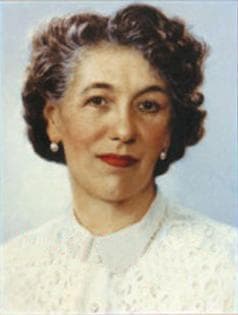
Enid Blyton was a British author known for her children's fiction, particularly adventure stories. Her notable works include "Five on a Treasure Island," "First Term at Malory Towers," "The Folk of the Faraway Tree," "Five Go Adventuring Again," "Five Run Away Together," and "Five on Kirrin Island Again," which have captivated young readers for generations.
Similar books
- First Term at Malory Towers
Enid Blyton
4.1 (16k) average on GoodreadsChildren'sThe first book in the same beloved series, establishing the world and characters.
- Harry Potter and the Sorcerer's Stone
J.K. Rowling
4.5 (7M) average on GoodreadsFantasyRescued from a miserable life under the stairs, an orphaned boy discovers he's a wizard destined for a magical school, where he uncovers a dangerous secret tied to the dark wizard who murdered his parents.
- The Hobbit, or There and Back Again
J.R.R. Tolkien
4.3 (2.9M) average on GoodreadsFantasyA comfort-loving hobbit named Bilbo Baggins is whisked away by a mischievous wizard and a band of dwarves on an unexpected journey to reclaim stolen treasure from a fearsome dragon, discovering courage and a magical ring along the way.
- Harry Potter and the Goblet of Fire
J.K. Rowling
4.6 (2.6M) average on GoodreadsFantasyA bewildered Harry Potter, underage and thrust into a deadly Triwizard Tournament, must brave dragons, mermaids, and a resurgent dark magic to survive a year that will forever alter the wizarding world.
- Harry Potter and the Order of the Phoenix
J.K. Rowling
4.5 (2.5M) average on GoodreadsFantasyIn a year of oppressive secrets and the threat of Voldemort, Harry Potter and Dumbledore's Army secretly train for war, shown through Jim Kay and Neil Packer's dark illustrations.
- The Lightning Thief
Rick Riordan
4.3 (2M) average on GoodreadsFantasyThrust into a world of mythological monsters and divine treachery, an ordinary boy discovers he's the son of Poseidon and must embark on a perilous quest across modern America to prevent an Olympian war.






Enjoyed the summary?
A summary gives you the shape of the book. The book itself has the detail, the examples and the voice.
Find Last Term at Malory Towers on AmazonAs an Amazon Associate, BookBrief earns from qualifying purchases. How we're funded