

Core Idea
- Difficulty
- Easy
- Read it if
- You appreciate dark humor, are looking for an inspiring story about overcoming adversity with a positive attitude, or want to gain perspective on living with a disability.
- Skip it if
- You are easily offended by jokes about disability or sensitive topics, or prefer a purely academic or clinical discussion of health challenges.
Key Takeaways from Laughing at My Nightmare
Humor as a Coping Mechanism
Embracing laughter to navigate life's most challenging circumstances.
Burcaw shows that humor is not just a small distraction but an important coping method. Facing a progressive, life-threatening disease like spinal muscular atrophy (SMA), he chooses to find the humor in his daily struggles. This is not about ignoring pain or difficulty, but about seeing it differently, making it less scary and easier to handle. His wit helps him calm uncomfortable situations, connect with others, and keep a strong sense of purpose and hope. It is a way to fight despair, proving that even in the toughest parts of life, laughter can be a guide.
“If I didn't laugh at my own life, I'd probably just cry all the time. And who wants to do that?”
In the book: Shane recounts numerous anecdotes where his self-deprecating humor breaks tension, such as awkward social interactions, explaining his condition to strangers, or even discussing intimate details of his care.
Try this: Cultivate a habit of finding humor in minor inconveniences or personal struggles. Practice self-deprecating jokes (when appropriate) to lighten moods and build rapport. View challenges not just as obstacles, but as potential material for future comedic reflection.
Related ideas: coping-mechanisms, humor-therapy, resilience
Redefining 'Normal'
Challenging societal norms and embracing a unique path.
Burcaw's memoir shows that 'normal' is an idea often shaped by those without disabilities. He lives a life that goes against what people might expect for someone with his physical limits, from having a romantic relationship to traveling and building a career. He does not try to be 'normal' in the traditional sense. Instead, he creates a fulfilling life on his own terms. This encourages readers to question their own ideas of what a 'good' or 'successful' life looks like, emphasizing that individual happiness matters more than fitting into societal plans.
“My 'normal' might look different than yours, but it's still just my normal.”
In the book: His relationship with his girlfriend, Anna, is a central theme, openly discussing the physical and emotional intricacies that challenge typical romantic narratives. His pursuit of higher education and professional aspirations also highlight this.
Try this: Identify areas where you might be conforming to societal expectations rather than pursuing your true desires. Actively challenge your own biases about what others 'should' or 'can' do based on their circumstances. Celebrate individuality in yourself and others.
Related ideas: disability-rights, social-inclusion, identity-formation
The Power of Perspective
Shifting your viewpoint can transform your reality.
A main message of the book is how much perspective can change things. Burcaw could easily focus on the limits SMA puts on him, but he consciously chooses to focus on what he can do and the unique experiences his condition brings. This is not naive optimism, but a deliberate mental practice. By seeing challenges as chances or simply as parts of his unique journey, he stays positive and controls his emotional state. This teaches that while circumstances may be fixed, how we interpret and respond to them is always within our control, fundamentally changing our experience of life.
“It's all about how you look at it. You can either focus on what you can't do, or you can focus on what you can.”
In the book: He often contrasts how he perceives his situation versus how others (strangers, doctors) sometimes react with pity, illustrating the stark difference in internal experience based on perspective.
Try this: When facing a difficult situation, consciously list three things you can still do or three positive aspects of the situation. Practice gratitude for what you have, rather than lamenting what you lack. Seek out different viewpoints from others to broaden your own perspective.
Related ideas: cognitive-reframing, mindfulness, positive-psychology
Navigating Awkwardness with Grace
Turning uncomfortable social situations into opportunities for connection.
Burcaw's life is full of situations most people would find very awkward, from explaining his condition to new people to dealing with physical intimacy. Instead of avoiding these moments, he faces them directly, often using humor to ease tension. This approach not only makes interactions smoother but also teaches others and builds real connections. His willingness to be open about his experiences is a strong lesson in handling social discomfort, suggesting that honesty and humor work better than avoidance or pretense.
“Awkward moments are inevitable, especially for me. The trick is to lean into them, not run away.”
In the book: He humorously describes the 'limp handshake' dilemma and how he developed strategies to manage it, or the uncomfortable questions strangers sometimes ask, which he answers with wit rather than offense.
Try this: When you encounter an awkward social situation, instead of panicking, try to acknowledge the elephant in the room with a lighthearted comment. Practice being more open about minor personal quirks or challenges to build deeper connections. Don't be afraid to ask clarifying questions if you're unsure how to proceed in an interaction.
Related ideas: social-intelligence, empathy, communication-skills
Living Life Without Regret
Embracing a 'YOLO' philosophy when facing an uncertain future.
Given SMA's progressive nature, Burcaw is always aware of his mortality and the chance that his physical abilities will lessen. This awareness, instead of causing fear, drives a strong 'you-only-live-once' (YOLO) attitude. He prioritizes experiences, relationships, and pursuing his passions with an urgency many people without disabilities often lack. This is a powerful reminder to all readers to live fully, take calculated risks, and prioritize what truly matters, rather than delaying happiness or dreams because of fear or complacency. It is a call to action to see life's temporary nature as a motivator.
“When you know your time might be limited, you learn to make every moment count. No regrets, just living.”
In the book: His decision to travel, pursue a serious relationship, and commit to his writing career despite his physical challenges and the uncertainties of his health.
Try this: Make a list of things you'd regret not doing if your time were limited and start taking steps to accomplish them. Say 'yes' to new experiences, even if they seem daunting. Regularly reflect on your priorities and ensure your actions align with your values.
Related ideas: existentialism, carpe-diem, life-purpose
The Unsung Heroes of Caregiving
Acknowledging the immense dedication and sacrifice of those who provide support.
While the memoir is mainly Shane's story, it shows the important role of his caregivers, especially his parents. Their tireless dedication, emotional strength, and practical help are the foundation for Shane's independence and adventures. This is a vital recognition of the often-unseen sacrifices made by family members and professional caregivers in supporting individuals with significant physical needs. It encourages readers to appreciate the unseen work and deep love involved in caregiving, building greater empathy for both the person receiving and the person providing care.
“My life is possible because of the people who literally help me live it, every single day.”
In the book: Shane frequently mentions the daily routines and assistance provided by his parents, from helping him eat and shower to driving him everywhere. He also touches on the challenges and humor involved in having personal care assistants.
Try this: Express gratitude to the caregivers in your life, whether professional or familial. Offer practical support or respite to friends or family members who are caregivers. Educate yourself on the challenges faced by caregivers and advocate for better support systems for them.
Related ideas: caregiver-support, family-dynamics, empathy
Beyond Physical Limitations
True strength and identity reside in character, not physicality.
Burcaw's story powerfully challenges the societal tendency to link physical ability with worth or capability. Despite major physical limits, he shows great intelligence, emotional depth, and a lively personality. His story stresses that a person's true identity, strength, and potential come from their character, mind, and spirit, not from how their body functions. This encourages readers to look beyond surface appearances and physical traits when judging themselves and others, promoting a more inclusive and human-focused understanding of what it means to be 'whole.'
“My body might be broken, but my spirit isn't. That's where the real me lives.”
In the book: His sharp wit, engaging writing style, and the depth of his reflections throughout the book are clear evidence of his intellectual and emotional strength, independent of his physical state.
Try this: Challenge your own internal biases about people with disabilities. Focus on developing your intellectual curiosity, emotional intelligence, and character traits rather than solely on physical prowess. Seek out diverse voices and perspectives to broaden your understanding of human potential.
Related ideas: inner-strength, self-worth, disability-advocacy
The Importance of Self-Advocacy
Taking charge of your narrative and demanding respect.
Throughout his memoir, Burcaw consistently advocates for himself, whether correcting misunderstandings, asserting his independence, or simply asking to be treated as a capable adult. He does not wait for others to understand his needs or respect his boundaries; he actively communicates them. This is an important lesson in personal empowerment, especially for people who might feel overlooked or misunderstood. Self-advocacy is not about being aggressive, but about clearly and confidently stating one's needs, desires, and rights. It is about taking charge of one's life and refusing to be defined by others' perceptions or limits.
“If I don't speak up for myself, who will?”
In the book: His humorous but firm responses to intrusive questions from strangers, his clear communication with caregivers, and his determination to live independently as much as possible, all demonstrate self-advocacy.
Try this: Practice clearly communicating your needs and boundaries in various situations. Learn to say 'no' when necessary. Research your rights and resources if you feel marginalized in any area of your life. Don't be afraid to correct misinformation about yourself or your community.
Related ideas: empowerment, assertiveness, communication
Laughing at My Nightmare Quotes
“I can’t walk. I can’t move my arms. I can’t even scratch my own nose. But I can laugh. And I can make other people laugh. And that, to me, is a superpower.”
“My disability is a part of me, but it doesn’t define me. My sense of humor, my intelligence, my kindness—those are the things that define me.”
“Life isn't about waiting for the storm to pass. It's about learning to dance in the rain.”
“Sometimes, the biggest challenges in life are also the biggest opportunities for growth.”
“If you can find humor in the darkest moments, you can get through anything.”
“People often assume that because I'm in a wheelchair, I'm also deaf or mentally impaired. It's frustrating, but I try to use it as an opportunity to educate.”
“My biggest fear isn't dying; it's living a life without meaning.”
“Laughter is truly the best medicine. It's free, it has no side effects, and it works every time.”
“Don't let anyone tell you what you can or cannot do. Only you know your own limits, and even those are often just self-imposed.”
“Being different isn't a curse; it's a superpower. It allows you to see the world from a unique perspective.”
“The greatest lesson my disability has taught me is empathy.”
“It's okay to be sad, angry, or frustrated. But don't let those feelings consume you. Find a way to move forward, even if it's just one small step at a time.”
“My life isn't a tragedy. It's an adventure.”
Quiz
10 questions on the main ideas. Each answer comes with a short explanation.
Question 1
What is the primary medical condition Shane Burcaw lives with, as detailed in 'Laughing at My Nightmare'?
- Muscular Dystrophy
- Cerebral Palsy
- Spinal Muscular Atrophy
- Multiple Sclerosis
Show answer
C. Spinal Muscular Atrophy The book explicitly states that Shane has spinal muscular atrophy, a central aspect of his life and the challenges he describes.
Question 2
What is a recurring theme Shane uses to cope with the difficulties of his condition in 'Laughing at My Nightmare'?
- Stoicism and quiet acceptance
- Reliance on medical advancements only
- Acerbic wit and humor
- Strict adherence to routine
Show answer
C. Acerbic wit and humor The book's description and content heavily emphasize Shane's use of 'acerbic wit and a hilarious voice' to navigate his challenges.
Question 3
At what age is Shane Burcaw when the memoir 'Laughing at My Nightmare' primarily takes place?
- Seventeen
- Twenty-one
- Thirty
- Thirteen
Show answer
B. Twenty-one The book's summary clearly states it describes his challenges as a 'twenty-one-year-old'.
Question 4
How does Shane's 'you-only-live-once' perspective manifest in his approach to relationships, as discussed in the book?
- By avoiding romantic relationships due to his condition.
- By cautiously pursuing relationships only with those who fully understand his medical needs.
- By embracing the challenges and joys of having a girlfriend, despite potential awkwardness.
- By focusing solely on platonic friendships to avoid romantic complications.
Show answer
C. By embracing the challenges and joys of having a girlfriend, despite potential awkwardness. The summary mentions 'from awkward handshakes to having a girlfriend', indicating he embraces such experiences despite his condition, aligning with a YOLO perspective.
Question 5
Shane frequently uses self-deprecating humor. What is the likely effect of this on the reader's perception of his challenges?
- It diminishes the seriousness of his life-threatening disease.
- It makes his experiences less relatable to a general audience.
- It allows readers to connect with him on a human level and appreciate his resilience.
- It suggests he is in denial about the severity of his condition.
Show answer
C. It allows readers to connect with him on a human level and appreciate his resilience. His humor, described as 'acerbic wit', helps bridge the gap between his unique challenges and relatable human experiences, fostering connection rather than dismissal or denial.
Question 6
Beyond his personal story, what broader perspective does Shane Burcaw offer readers regarding his life-threatening disease?
- A detailed medical journal of SMA treatment protocols.
- An eye-opening insight into the realities and challenges of living with a severe illness.
- A critique of the healthcare system's failures.
- A guide for caregivers of individuals with SMA.
Show answer
B. An eye-opening insight into the realities and challenges of living with a severe illness. The summary explicitly states he 'offers an eye-opening perspective on what it is like to have a life threatening disease,' going beyond just his personal narrative.
Question 7
How does Shane's description of 'awkward handshakes' serve as a microcosm for the larger challenges he faces?
- It highlights his preference for non-physical greetings.
- It demonstrates how seemingly simple social interactions become complex due to his physical limitations.
- It is an isolated incident not representative of broader issues.
- It shows his frustration with others' inability to perform a proper handshake.
Show answer
B. It demonstrates how seemingly simple social interactions become complex due to his physical limitations. The phrase 'awkward handshakes' is used to exemplify how even ordinary social interactions are complicated by his physical condition, making them a recurring source of humor and challenge.
Question 8
Given the 'Young Adult' genre classification, what can readers infer about the narrative style and focus of 'Laughing at My Nightmare'?
- It employs highly academic language and complex philosophical arguments.
- It primarily focuses on medical terminology and scientific explanations of SMA.
- It uses relatable language and explores themes pertinent to adolescence and young adulthood, like relationships and identity, through his unique lens.
- It is a fictional story with elements of fantasy.
Show answer
C. It uses relatable language and explores themes pertinent to adolescence and young adulthood, like relationships and identity, through his unique lens. A Young Adult memoir typically uses accessible language and explores themes common to the age group (e.g., identity, relationships, navigating challenges) but from the author's specific perspective, which aligns with the book's description of 'relatable to teens'.
Question 9
While the book is humorous, what underlying message does Shane convey about facing adversity, particularly a life-threatening one?
- Adversity is best ignored or downplayed.
- Humor can be a powerful tool for resilience and maintaining a positive outlook even in dire circumstances.
- One should always seek pity and sympathy from others.
- Serious conditions require a purely serious and somber approach.
Show answer
B. Humor can be a powerful tool for resilience and maintaining a positive outlook even in dire circumstances. Shane's use of humor and 'you-only-live-once' perspective, despite having a 'life threatening disease', strongly suggests that humor and a positive outlook are key to resilience in the face of adversity.
Question 10
How does Shane's memoir challenge common perceptions or stereotypes about individuals with severe physical disabilities?
- By portraying them as perpetually sad and isolated.
- By showing that humor, relationships, and a full life are possible and pursued despite significant physical limitations.
- By focusing exclusively on the medical aspects, rather than personal experiences.
- By suggesting they require constant external motivation to enjoy life.
Show answer
B. By showing that humor, relationships, and a full life are possible and pursued despite significant physical limitations. The book's premise, with Shane's humor, girlfriend, and 'you-only-live-once' perspective, actively counters stereotypes of people with severe disabilities leading unfulfilled or humorless lives, instead highlighting their capacity for joy and normalcy.
Laughing at My Nightmare FAQ
What is 'Laughing at My Nightmare' about?
'Laughing at My Nightmare' is a memoir by Shane Burcaw, a young man living with spinal muscular atrophy. He uses acerbic wit and humor to describe the everyday challenges and unique experiences of his life, from relationships to navigating a world not always built for him.
Does Shane Burcaw's book offer advice for living with a disability?
While not a self-help book, Shane's memoir provides an honest and often humorous perspective on living with a life-threatening disease. Readers can find inspiration in his 'you-only-live-once' approach and his ability to find humor in difficult situations.
What is spinal muscular atrophy, the condition Shane Burcaw has?
Spinal muscular atrophy (SMA) is a genetic disease that affects the nerve cells that control voluntary muscle movement. It leads to muscle weakness and wasting, impacting various physical functions, which Shane describes throughout his book.
Is 'Laughing at My Nightmare' suitable for young adults?
Yes, the book is categorized as Young Adult due to its relatable themes of growing up, relationships, and self-acceptance, all told through the eyes of a twenty-one-year-old. Shane's voice and experiences resonate well with a teen audience.
How does Shane Burcaw's memoir differ from other disability narratives?
Shane's book stands out with its exceptionally strong emphasis on humor and wit, rather than focusing solely on the struggles or inspirational aspects of disability. He brings a refreshingly candid and often hilarious perspective to his experiences, making it distinct from more somber narratives.
Does Shane discuss his romantic relationships in the book?
Yes, Shane openly shares his experiences with having a girlfriend and navigating romantic relationships. He delves into the unique challenges and humorous situations that arise, providing an honest look at love and intimacy with a disability.
What kind of humor can I expect in 'Laughing at My Nightmare'?
Readers can expect acerbic wit, self-deprecating humor, and a generally lighthearted approach to serious topics. Shane uses humor to tackle everything from awkward social interactions to the realities of his medical condition, making for an engaging read.
Will reading this book change my perspective on disability?
Many readers report that Shane's book offers an eye-opening perspective on what it's like to live with a life-threatening disease. His honesty, humor, and 'you-only-live-once' attitude can challenge preconceptions and foster greater understanding and empathy.
About the author

Shane Burcaw is an author known for his non-fiction work that explores his experiences living with muscular dystrophy. His book "Laughing at My Nightmare" combines humor and personal anecdotes to discuss the challenges he faces and the importance of positivity. Burcaw's writing aims to inspire and educate readers about disability and resilience.
Similar books
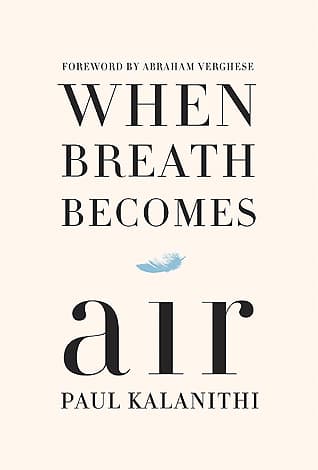
- When Breath Becomes Air
Paul Kalanithi
4.4 (415k) average on GoodreadsBiographyExplores confronting a terminal illness with profound introspection, though Burcaw's tone is lighter.
- The Fault in Our Stars
John Green
4.2 (3.6M) average on GoodreadsYoung AdultYoung adult novel about living with serious illness, focusing on love, life, and finding meaning.
- Furiously Happy: A Funny Book About Horrible Things
Jenny Lawson
3.9 (125k) average on GoodreadsPsychologyMemoir that uses humor to cope with mental illness and life's absurdities.
- Maybe You Should Talk to Someone: A Therapist, Her Therapist, and Our Lives Revealed
Lori Gottlieb
4.4 (124k) average on GoodreadsPsychologyGottlieb's book explores human vulnerability and coping through the lens of therapy and professional insight, offering a more introspective and analytical perspective on emotional challenges. Burcaw's approach is purely experiential, personal, and focuses on humor as a primary coping mechanism, rather than professional intervention.
- The Diving Bell and the Butterfly
Jean-Dominique Bauby
4.0 (60k) average on GoodreadsBiographyBauby's memoir, written after he suffered locked-in syndrome, offers a profound and often melancholic reflection on extreme physical limitation and internal experience. While both deal with severe disability, Burcaw's tone is significantly more humorous, outward-looking, and focused on active engagement with the world through wit, contrasting with Bauby's more introspective and literary exploration of confinement.
- The Diary of a Young Girl
Anne Frank
4.2 (2.7M) average on GoodreadsBiographyDuring the Nazi occupation, a teenage girl's diary, written from a secret annex, shares observations on humanity, hope, and the wait for freedom.



Enjoyed the summary?
A summary gives you the shape of the book. The book itself has the detail, the examples and the voice.
Find Laughing at My Nightmare on AmazonAs an Amazon Associate, BookBrief earns from qualifying purchases. How we're funded