
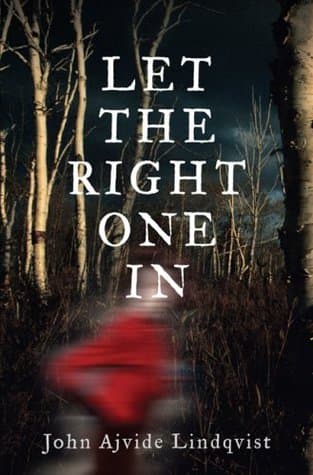
Synopsis
Covers the whole plot, including the ending.
- Difficulty
- Medium
- Pacing
- Moderate
- Mood
- Dark, Atmospheric, Melancholy, Disturbing, Tender
- Read it if
- You enjoy dark, unconventional coming-of-age stories blended with horror, focusing on the complexities of friendship and morality.
- Skip it if
- You prefer traditional vampire lore or are sensitive to graphic violence and themes of child abuse.
Let the Right One In Plot Summary
Covers the whole plot, including the ending.
The New Neighbor and the First Victim
Twelve-year-old Oskar, a lonely and bullied boy in Blackeberg, Stockholm, in 1981, spends his nights fantasizing about revenge against his tormentors, often practicing with a knife. He notices a new neighbor move in—a pale, thin child named Eli, who seems his age but has an unsettling presence. Eli only comes out at night, wears old clothes, and smells strange. At the same time, the community is scared because Jocke, a local man, is found in a park, completely drained of blood. Police suspect a ritual killing, but the public does not know the true nature of the crime.
A Strange Friendship Blooms
Oskar, drawn to Eli, begins to talk to them through their shared wall, using Morse code. Eli's knowledge seems to be much older than their apparent twelve years. Their talks move to late-night meetings in the snowy courtyard, where Eli, despite claiming to be cold, never shivers. Eli tells Oskar to fight his bullies, giving him a new sense of strength. Meanwhile, other victims are found, including Jocke, whose body is drained of blood. Eli is the one doing it, relying on their caretaker Håkan to get blood, a task Håkan is failing at.
Håkan's Failed Hunt and Eli's Desperation
Håkan, Eli's elderly human helper, cannot get Eli the blood they need. Driven by Eli's hunger and his own poor health, Håkan tries to kidnap a young man from a public bathhouse. His plan goes wrong; two teenagers find him, and in a panic, he spills the collected blood. While escaping, he is badly hurt when acid meant for his victim splashes on his face, disfiguring him and stopping him from helping Eli. This incident puts Eli in a difficult spot, forcing them to hunt alone, a task they hate.
Eli's First Independent Kill
With Håkan hurt, Eli's hunger becomes too much. They stalk a local man, Jocke, known for his cats. Eli ambushes him in the dark, brutally attacking and draining his blood. This is a desperate act for Eli, who prefers not to kill directly. The discovery of Jocke's body increases fear in Blackeberg, leading to a police investigation that cannot explain the killings. Oskar, meanwhile, becomes more confident, inspired by Eli, and finally stands up to his main bully, Conny, hitting him with a pole.
Oskar's Growing Suspicion
Oskar's friendship with Eli grows, filled with shared secrets and late-night adventures. One night, while Oskar is in the woods, he finds Eli feeding on a cat. The horrific sight confirms his growing suspicions: Eli is a vampire. Despite the shock, Oskar's feelings for Eli remain strong. He feels a deep connection to Eli, seeing their vampirism not as monstrous but as part of their unique and vulnerable life. This event strengthens Oskar's desire to protect Eli.
Eli's Confession and Past
Eli, sensing Oskar's acceptance, tells him more. They reveal they are not a girl, but were castrated centuries ago, explaining their unclear gender and the deep pain from it. Eli shares parts of their long, lonely life, talking about constant hunger and the burden of living forever. This confession binds Oskar to Eli even more, as he sees past the monstrous appearance to the deep suffering and loneliness in Eli's life. Oskar, in turn, finds comfort in Eli understanding his own pain and isolation.
The Attack on Virginia and the Hospital Visit
Virginia, a local woman and Jocke's girlfriend, finds Eli feeding from her cat and is violently attacked by Eli, who drains her blood. Virginia survives but is badly hurt and hospitalized, slowly becoming a vampire. The attack leaves Eli weak, having drunk tainted blood from Virginia, who had been drinking alcohol. Oskar visits Virginia in the hospital, seeing her worsening condition and her strange dislike of light and human food, which helps him understand Eli's world and the terrible results of their life.
Virginia's Transformation and Demise
Virginia's condition gets worse in the hospital. She becomes very sensitive to light, craves blood, and dislikes normal food, showing she is becoming a vampire. Unable to handle the horrifying changes and the instinct to be violent, Virginia makes a desperate choice. She exposes herself to direct sunlight, which kills a vampire, choosing to burn to death rather than become a monster. Her painful death is seen by her heartbroken boyfriend, Lacke, who is devastated by her suffering and loss.
The Confrontation at the Apartment
Lacke, heartbroken and seeking answers after Virginia's death, tracks Eli to their apartment building. He finds Eli sleeping in their bathtub and, realizing they are responsible for Virginia's fate, tries to kill them with a knife. Oskar, who has become very protective of Eli, intervenes just in time, shouting a warning that distracts Lacke. Eli, awake, quickly disarms and kills Lacke, drinking his blood. This event further shows Oskar's commitment to Eli, as he actively helps protect them, even if it means aiding in a murder.
Eli's Departure
With Lacke's death and more police attention, Eli's continued presence in Blackeberg becomes too risky. They realize they must leave to protect themselves and Oskar. Eli says a tearful goodbye to Oskar, promising to return for him. Oskar is again alone, but he carries the deep impact of his relationship with Eli, changed forever by their bond and the dark secrets he now shares. He returns to his solitary life, but with new strength and lingering hope.
The Final Showdown at the Pool
Oskar's bullies, led by Jille, trap him at the local swimming pool, intending to drown him as a final act of torment. Oskar is pushed underwater and held down. Just as he is about to pass out, Eli, who has unexpectedly returned, attacks. Eli tears apart Jille and the other bullies, dismembering them in a horrific show of vampire power. Oskar is saved, and the remaining bullies are traumatized. Eli's return is a terrifying act of protection, strengthening their bond with Oskar.
A New Beginning
After the pool massacre, Oskar goes to a children's home. The police investigation into the brutal killings at the pool continues, but no one can explain the supernatural violence. Oskar, however, knows the truth. One night, Eli appears at the children's home, having followed Oskar. The two leave Blackeberg together, with Eli hidden in a trunk, traveling by train to an unknown place. Their future is uncertain, but they are together, bound by their unique and strong bond, ready to face the world as a pair.
Let the Right One In Characters
Oskar
Protagonist
A lonely, bullied 12-year-old boy who finds an unlikely friend in a vampire.
Oskar is a sensitive and introverted 12-year-old living in Blackeberg. He is relentlessly bullied at school, which fuels his dark fantasies of revenge. He is observant, imaginative, and deeply lonely, often finding solace in his own thoughts and in the quiet solitude of his apartment building. His moral compass is complex, as he grapples with the violence he experiences and the violence he witnesses Eli commit, yet he remains fiercely loyal to his friend.
Relationships: Eli (Deep, codependent friendship, bordering on love and familial bond.); Conny (Main bully, source of Oskar's torment.); Mother (Distant and somewhat oblivious to Oskar's suffering.)
Eli
Deuteragonist/Vampire
An ancient, enigmatic vampire trapped in the body of a 12-year-old child.
Eli is a centuries-old vampire, appearing as a pre-pubescent child. They are pale, thin, and possess an unsettling stillness. Eli is profoundly lonely, burdened by their immortality and the constant need for blood. Despite their monstrous nature, Eli exhibits moments of profound vulnerability, wisdom, and a childlike innocence. Their past is tragic, including a forced castration that defines their gender ambiguity. Eli yearns for connection and is deeply protective of Oskar, seeing in him a kindred spirit.
Relationships: Oskar (Deep, codependent friendship, bordering on love and familial bond, with Eli acting as protector.); Håkan (Long-standing familiar and caretaker, a relationship of dependency and quiet affection.); Virginia (Victim of Eli's desperate hunger.)
Håkan
Supporting/Familiar
Eli's aging human familiar, tasked with procuring blood.
Håkan is an elderly man who has served as Eli's familiar for many years. He is deeply devoted to Eli, enduring the moral degradation of his role out of love and loyalty. He is quiet, weary, and clearly suffering from the toll his life has taken. His attempts to provide for Eli become increasingly desperate and clumsy as his age and health decline, ultimately leading to his disfigurement and demise.
Relationships: Eli (Master-servant relationship, but also one of deep, paternalistic devotion and sacrifice.)
Virginia
Supporting/Victim
A local woman who becomes Eli's victim and undergoes a tragic transformation.
Virginia is a local woman and Lacke's girlfriend. She is portrayed as somewhat ordinary, with a love for her cats and a normal life. Her encounter with Eli is purely accidental, leading to her being bitten and slowly turning into a vampire. Her struggle with the transformation, her horror at her changing nature, and her ultimate choice to die rather than become a monster, highlight the devastating impact of Eli's existence on human lives.
Relationships: Lacke (Girlfriend.); Eli (Victim and source of transformation.)
Lacke
Supporting/Avenger
Virginia's heartbroken boyfriend, who seeks revenge on Eli.
Lacke is Virginia's devoted boyfriend. He is deeply in love with her and is utterly devastated by her slow, agonizing death and transformation. His grief turns into a burning desire for revenge when he realizes the true nature of the creature responsible. He is driven by love and a sense of justice, leading him to confront Eli, a confrontation that ultimately costs him his life.
Relationships: Virginia (Boyfriend, deeply in love.); Eli (Antagonist, target of his revenge.)
Conny
Supporting/Antagonist
Oskar's primary bully at school.
Conny is one of Oskar's main tormentors at school. He represents the everyday cruelty and power dynamics that Oskar faces. He is a typical schoolyard bully, deriving pleasure from making others suffer. His actions are a significant driving force behind Oskar's initial fantasies of revenge and his growing assertiveness, especially after Eli encourages him to fight back.
Relationships: Oskar (Bully and victimizer.)
Jille
Supporting/Antagonist
Leader of the bullies who attempts to drown Oskar.
Jille is the most aggressive and sadistic of Oskar's bullies, taking over as the main tormentor in the latter part of the story. He is characterized by his extreme cruelty and his willingness to go to dangerous lengths to harm Oskar, culminating in the attempted drowning at the swimming pool. His actions directly provoke Eli's most brutal intervention, highlighting the extreme measures Eli will take to protect Oskar.
Relationships: Oskar (Main tormentor, attempts to murder him.)
Jocke
Mentioned/Victim
The first blood-drained victim found in Blackeberg.
Jocke is the first person discovered completely drained of blood in Blackeberg. His death sets the stage for the mystery and fear that pervades the community. He serves as an early indicator of Eli's presence and the horrific nature of the killings, creating a sense of dread and unease.
Let the Right One In Themes
Loneliness and Isolation
Both Oskar and Eli are isolated. Oskar is an outcast at school, ignored by his parents, and struggles to connect with others. Eli, as an ancient vampire, is always alone, unable to form lasting human connections and burdened by their secret. Their shared loneliness brings them together, creating a unique bond where they find comfort and understanding. This theme appears in Oskar's solitary knife practice and Eli's quiet, nocturnal life before they meet.
“'Be me, for a while,' Eli said. 'Be me and feel what it's like. Just for a while.”
The Nature of Good and Evil
The novel blurs the lines between good and evil. Eli, a creature that kills to survive, is shown with vulnerability and even innocence, especially in their friendship with Oskar. In contrast, Oskar's human bullies, though children, commit disturbing acts of cruelty. The story makes the reader feel for a 'monster' while questioning the goodness of 'normal' humans. This is clear when Oskar accepts Eli's vampirism, finding it less monstrous than the human cruelty he faces.
“'I'm not a girl,' Eli said. 'I'm not a boy. I'm a thing.”
Love and Acceptance
At its core, the story is a dark love story about unconditional acceptance. Oskar accepts Eli for who they are, despite their vampirism and past. He sees past the monstrous appearance to the lonely being underneath, offering a friendship Eli has likely never known. Eli, in turn, protects Oskar and gives him a sense of belonging. Their bond goes against societal norms and moral judgments, representing a powerful, if unusual, form of love and mutual reliance. Their final departure together shows this deep acceptance.
“'You're not bad,' Oskar said. 'You're just... different.”
Childhood Trauma and Survival
The novel explores the harsh realities of childhood trauma, especially through Oskar's experience with constant bullying. His violent fantasies are a coping mechanism, and his friendship with Eli helps him survive. Eli's own 'childhood' is one of eternal trauma, marked by their transformation and castration. Both characters are survivors, finding strength and resilience in their bond to navigate their violent and isolating worlds. Oskar's decision to fight back against Conny, inspired by Eli, shows this theme.
“'Squeal,' Conny said. 'You're a pig. Oink, oink.”
Plot Devices & Literary Techniques
Vampirism as a Metaphor for Otherness
Eli's vampirism symbolizes profound alienation and difference.
Eli's vampirism functions not just as a supernatural element but as a powerful metaphor for being an outsider. Their need for blood, their nocturnal existence, and their ancient age set them apart from humanity, mirroring Oskar's own feelings of being different and ostracized. This device allows the author to explore themes of identity, otherness, and acceptance through a fantastical lens, making Eli's struggles relatable to anyone who has felt alienated.
The Absence of Parental Figures
Oskar's distant parents create a void that Eli fills.
Oskar's parents are largely absent or emotionally detached. His mother is often preoccupied, and his father lives separately. This parental void creates a profound loneliness in Oskar, making him vulnerable and receptive to Eli's friendship. This device highlights Oskar's isolation and underscores the intensity of his bond with Eli, who becomes a surrogate family figure, offering protection and understanding that his biological parents fail to provide.
The Setting of Blackeberg
A drab, suburban setting contrasts sharply with the supernatural horror.
The mundane, slightly decaying Stockholm suburb of Blackeberg in the early 1980s serves as a stark contrast to the horrific and supernatural events unfolding within it. This contrast heightens the sense of dread and unease, making the fantastical elements feel more jarring and real. The ordinary setting emphasizes that horror can exist anywhere, even in the most unremarkable places, mirroring the idea that monstrousness can hide in plain sight or within seemingly innocent figures.
The Morse Code Communication
A unique method of communication that symbolizes their secret world.
Oskar and Eli initially communicate through Morse code by tapping on their shared apartment wall. This device symbolizes their secret, isolated world and the unique bond they forge away from the scrutiny of others. It represents their inability to openly connect with the 'normal' world and underscores the intimacy and trust developing between them, as they share their thoughts in a language only they understand.
Let the Right One In Quotes
“Oskar felt like a dog, a dog that had been kicked, and he had to go home to his master to be petted.”
“She was like a cat, an alley cat, and he was a dog, a pampered house dog.”
“To be able to live, you have to be able to kill.”
“He knew that he loved her. He knew that he was afraid of her.”
“The world was a dark place, and he was just a small, insignificant part of it.”
“She was always hungry. She was always cold. She was always alone.”
“He imagined what it would be like to be strong, to be able to defend himself, to be able to fight back.”
“Blood was life. Blood was death.”
“The darkness was not empty. It was full of things that moved, things that watched.”
“He had found a friend in the darkness, a friend who was as lonely and strange as he was.”
“Sometimes it felt good to be afraid. It meant you were alive.”
“The snow fell, silent and relentless, covering everything in a white shroud.”
“She was a monster, but she was his monster.”
“He wanted to be like her. He wanted to be strong. He wanted to be free.”
Quiz
10 questions on the plot and the characters. Each answer comes with a short explanation.
Question 1
In what Swedish suburb do the main events of 'Let the Right One In' take place?
- Södermalm
- Blackeberg
- Gamla stan
- Djurgården
Show answer
B. Blackeberg The story is set in the working-class Stockholm suburb of Blackeberg, where Oskar and Eli live.
Question 2
What is Oskar's primary motivation for fantasizing about revenge against his bullies?
- He wants to impress Eli with his strength.
- He is constantly tormented and humiliated at school.
- He dreams of becoming a famous martial artist.
- His parents encourage him to fight back.
Show answer
B. He is constantly tormented and humiliated at school. Oskar is a victim of severe bullying at school, which leads him to fantasize about violent retribution.
Question 3
What peculiar skill does the new girl, Eli, demonstrate to Oskar early in their acquaintance?
- She can speak multiple languages fluently.
- She can solve a Rubik's Cube instantly despite never seeing one before.
- She has an uncanny ability to predict the future.
- She can play complex classical music on the piano.
Show answer
B. She can solve a Rubik's Cube instantly despite never seeing one before. Eli solves a Rubik's Cube with no prior experience, highlighting her unusual nature and intelligence.
Question 4
What is the true nature of Eli's condition, revealed through the course of the novel?
- She has a rare genetic blood disorder.
- She is an alien stranded on Earth.
- She is a vampire, requiring blood to survive.
- She suffers from extreme photophobia.
Show answer
C. She is a vampire, requiring blood to survive. Eli is a vampire, eternally twelve years old, who needs to consume blood to live.
Question 5
How does Håkan, Eli's adult guardian, primarily obtain blood for her in the beginning of the story?
- He buys it from a black market dealer.
- He drains the blood from unsuspecting victims he abducts.
- He steals it from hospital blood banks.
- He sacrifices animals from nearby farms.
Show answer
B. He drains the blood from unsuspecting victims he abducts. Håkan is the one responsible for the initial murders, as he kills people to provide Eli with blood.
Question 6
What significant event leads to Eli having to fend for herself and hunt for blood directly?
- Håkan abandons her after a failed hunt.
- Håkan is severely injured and disfigured during a botched attempt to get blood.
- Eli decides she no longer wants Håkan's help.
- The police arrest Håkan for his crimes.
Show answer
B. Håkan is severely injured and disfigured during a botched attempt to get blood. Håkan is attacked by dogs and disfigured while trying to obtain blood, rendering him unable to continue assisting Eli in the same way.
Question 7
What is the ultimate fate of Jocke, the local drunkard who becomes a victim of Eli?
- He is saved by the intervention of other residents.
- He is turned into a vampire by Eli.
- He is found drained of blood and frozen solid.
- He manages to escape Blackeberg and disappear.
Show answer
C. He is found drained of blood and frozen solid. Jocke, after being attacked by Eli, is found dead in the frozen lake, having been drained of his blood.
Question 8
What is the significant detail about Eli's gender that is revealed to Oskar?
- Eli was born intersex.
- Eli was born male but was castrated long ago.
- Eli can change gender at will.
- Eli identifies as gender-neutral.
Show answer
B. Eli was born male but was castrated long ago. Eli reveals to Oskar that 'she' was born a boy but was castrated centuries ago, adding complexity to her identity.
Question 9
How does the novel explore the theme of childhood innocence and its corruption?
- Through Oskar's idyllic family life and Eli's joyful nature.
- By depicting Oskar's exposure to violence and Eli's predatory existence, both isolated and forced to mature quickly.
- By showing children playing harmless games in a safe environment.
- Through adults shielding children from all harsh realities.
Show answer
B. By depicting Oskar's exposure to violence and Eli's predatory existence, both isolated and forced to mature quickly. The novel contrasts the typical notion of childhood with Oskar's violent fantasies and Eli's necessity to kill, highlighting how their 'innocence' is twisted by their circumstances.
Question 10
What is the final, climactic act of violence that solidifies the bond between Oskar and Eli?
- Oskar helps Eli escape from the police.
- Eli saves Oskar from being drowned by his bullies in the swimming pool.
- Oskar helps Eli hunt down and kill a new victim.
- They both confront and defeat the original killer of Blackeberg.
Show answer
B. Eli saves Oskar from being drowned by his bullies in the swimming pool. Eli brutally intervenes and kills Oskar's bullies when they try to drown him in the swimming pool, saving his life and cementing their connection.
Let the Right One In FAQ
What is the central premise of 'Let the Right One In'?
The novel centers on the unlikely friendship between Oskar, a bullied and lonely 12-year-old boy, and Eli, a centuries-old vampire trapped in the body of a 12-year-old, who moves into his apartment building in Blackeberg, Sweden, during the autumn of 1981. Their bond forms amidst a series of gruesome, blood-draining murders plaguing the suburb, which are directly linked to Eli's need to survive.
Who are the main protagonists and what are their primary struggles?
Oskar is a severely bullied boy, fantasizing about revenge and struggling with loneliness and a distant home life. Eli is an ancient vampire, eternally trapped in a child's body, who struggles with the constant need for human blood to survive and the moral implications of their existence, relying on an older human companion for sustenance.
How does the setting of Blackeberg in 1981 influence the story?
The drab, socialist-era suburb of Blackeberg in 1981 provides a stark, isolated backdrop for the supernatural events, emphasizing the loneliness and mundane lives of its inhabitants. The lack of pervasive technology also allows the gruesome murders and Eli's unusual nature to go largely unnoticed or misattributed, fostering a sense of creeping dread and local superstition.
What role does Håkan, Eli's initial guardian, play in the narrative?
Håkan is Eli's human familiar and protector, responsible for obtaining blood for Eli. His increasingly desperate and clumsy attempts to secure victims, driven by his devotion to Eli, highlight the moral decay inherent in their symbiotic relationship and ultimately lead to his demise and Eli's vulnerability.
What is the significance of the Rubik's Cube in Oskar and Eli's first interactions?
The Rubik's Cube serves as an immediate point of connection and curiosity between Oskar and Eli. Eli's ability to solve it instantly despite never having seen one before subtly hints at their ancient intelligence and non-human nature, piquing Oskar's interest and establishing an early, intriguing bond.
Is Eli male or female, and how does the book address this?
The book explicitly reveals that Eli was castrated centuries ago and is neither male nor female in the conventional sense, having been a boy before becoming a vampire. This detail adds a layer of complexity to Eli's identity and vulnerability, challenging traditional gender norms and deepening the mystery surrounding their past.
How does the 'letting in' rule for vampires manifest in the book, and what are its implications?
The classic vampire rule that they cannot enter a home without an invitation is strictly observed, manifesting in Eli's bleeding and suffering when attempting to enter Oskar's apartment uninvited. This rule underscores Eli's vulnerability and dependence on human acceptance, making Oskar's eventual invitation a profound act of trust and love.
What is the implied fate of Jocke, the man who is attacked and turned into a vampire?
Jocke, after being attacked by Eli and surviving, becomes a vampire himself, though a feral and uncontrolled one due to incomplete transformation. His tragic fate, culminating in his self-immolation after being exposed to sunlight, serves as a grim example of the devastating consequences of Eli's existence and the horror of vampirism.
How does Oskar's fascination with violence and revenge develop throughout the story?
Oskar's fascination with violence begins as a coping mechanism for his bullying, manifesting in fantasies and collecting newspaper clippings about murders. His relationship with Eli, who embodies actual violence, both fuels and eventually channels this fascination, culminating in his decisive, protective act against the bullies at the swimming pool.
Analyze the psychological impact of loneliness on both Oskar and Eli.
Loneliness is a profound motivator for both characters; Oskar's isolation makes him receptive to Eli's presence, while Eli's centuries of existence highlight an eternal solitude. Their bond provides a unique solace, filling the void left by absent parents for Oskar and the lack of true companionship for Eli, creating a symbiotic emotional dependency.
How does Eli's ancient nature influence their emotional and social development, despite their child-like appearance?
Eli's ancient age grants them immense wisdom and a detached perspective on human life, yet their arrested physical development keeps them perpetually in a child's body, limiting certain social interactions and fostering a sense of eternal otherness. This creates a fascinating dissonance between their profound experience and their innocent facade, making them both powerful and vulnerable.
Discuss the nature of love and dependency between Oskar and Eli.
Their relationship transcends typical childhood friendship, evolving into a profound and co-dependent love where Oskar finds protection and belonging, and Eli finds genuine companionship and a new source of care. This bond is complex, blurring lines between innocence, survival, and the dark realities of Eli's vampiric existence, ultimately transforming both characters.
Is Eli a purely evil entity, or are there redeeming qualities?
Eli is not purely evil; while they commit horrific acts to survive, their actions stem from an inherent need rather than malice, and they display genuine affection and protectiveness towards Oskar. The novel portrays Eli as a complex being, burdened by their nature and capable of empathy, complicating a simplistic good-vs-evil interpretation.
What does the ending, with Oskar and Eli on a train, signify for their future?
The ending, with Oskar accompanying Eli on a train, suggests a future where Oskar has fully embraced Eli's world and chosen to be their new protector/familiar. It signifies a radical departure from Oskar's old life, implying a perpetual journey and a commitment to their unique, isolated existence, with Oskar likely taking on Håkan's former role.
How does the novel challenge or conform to traditional vampire lore?
The novel adheres to classic vampire lore regarding bloodlust, aversion to sunlight, and the 'letting in' rule, but challenges traditional tropes by portraying Eli as a child, stripping away romanticized notions of vampirism, and focusing on the mundane horror and psychological toll of their existence. It grounds the supernatural in a gritty, realistic setting.
What is the significance of the title 'Let the Right One In'?
The title directly refers to the vampire lore that a vampire cannot enter a home without an invitation, symbolizing the necessity of trust and acceptance for Eli to exist in the human world. It also metaphorically suggests Oskar's emotional 'invitation' to Eli, allowing a dangerous but deeply needed connection into his lonely life.
Does the novel endorse Oskar's transformation and alliance with Eli?
The novel presents Oskar's transformation and alliance with Eli ambiguously. While it offers him an escape from bullying and loneliness, it also pulls him into a dark, violent world, suggesting a loss of innocence and a morally compromised future. It allows readers to interpret whether his choice is ultimately redemptive or tragic.
How does the author use the mundane details of suburban life to heighten the horror?
Lindqvist masterfully juxtaposes the everyday banality of Blackeberg—its apartment blocks, playgrounds, and ordinary residents—with the gruesome, supernatural violence. This contrast makes the horror more visceral and unsettling, as the familiar becomes tainted by the unimaginable, highlighting how easily evil can hide in plain sight.
About the author
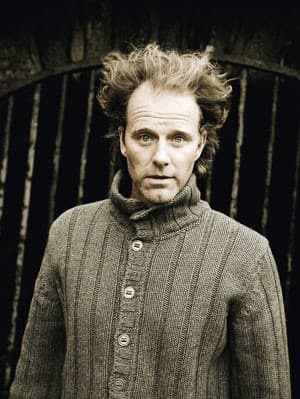
John Ajvide Lindqvist is a Swedish author known for his contributions to contemporary fiction, particularly in the horror genre. He is best known for his novel "Let the Right One In," which explores themes of loneliness and the supernatural, as well as "Handling the Undead," which delves into the complexities of life and death.
Similar books
- Interview With The Vampire
Anne Rice
4.0 (485k) average on GoodreadsFantasyExplores the psychological depth and moral ambiguity of vampirism through a protagonist's perspective.
- The Ocean at the End of the Lane
Neil Gaiman
4.0 (481k) average on GoodreadsFantasyFeatures a child protagonist encountering ancient, supernatural beings and grappling with dark realities.
- Frankenstein: The 1818 Text
Mary Shelley
3.8 (1.2M) average on GoodreadsFantasyExamines themes of monstrosity, loneliness, and the search for companionship from a sympathetic 'monster' perspective.
- Twilight
Stephenie Meyer
3.9 (842) average on GoodreadsLiterary FictionUnlike Twilight, which romanticizes vampirism and focuses on an idealized, often sanitized, teenage romance, Let the Right One In presents vampirism as a brutal, often horrifying necessity for survival. Lindqvist's work delves into the darker, grittier aspects of both adolescence and monstrous existence, avoiding the glamour often associated with Meyer's vampires. The emotional stakes are higher and the moral landscape far more ambiguous.
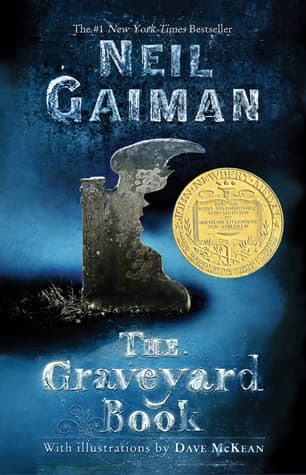
- The Graveyard Book
Neil Gaiman
4.1 (438k) average on GoodreadsFantasyWhile both novels feature children raised in unusual, supernatural circumstances, Gaiman's The Graveyard Book adopts a largely whimsical and hopeful tone, with a clearer distinction between benevolent and malevolent forces. Lindqvist's narrative, however, is far bleaker and more morally ambiguous, blurring the lines between good and evil. The 'monsters' in Let the Right One In are not simply villains but complex beings driven by primal needs, forcing a more uncomfortable introspection from the reader.
- Angels & Demons
Dan Brown
3.9 (2.7M) average on GoodreadsThrillerA Harvard symbologist races through Rome's ancient sites, deciphering cryptic clues to unmask the Illuminati and stop a vengeful plot to destroy the Vatican with a stolen antimatter weapon.





Enjoyed the summary?
A summary gives you the shape of the book. The book itself has the detail, the examples and the voice.
Find Let the Right One In on AmazonAs an Amazon Associate, BookBrief earns from qualifying purchases. How we're funded