
Synopsis
Covers the whole plot, including the ending.
- Difficulty
- Easy
- Pacing
- Moderate
- Mood
- Heartwarming, Charming, Comforting, Hopeful
- Read it if
- You enjoy heartwarming stories about starting over, the power of community, and the simple joys of baking, with a touch of romance.
- Skip it if
- You prefer high-stakes plots, dark themes, or dislike food-centric narratives and gentle, character-driven stories.
Little Beach Street Bakery Plot Summary
Covers the whole plot, including the ending.
A New Beginning, or Rather, an Ending
Polly Waterford, after her shared design business fails and her relationship with Chris ends, finds herself bankrupt and homeless. Her only option is to move to a small, run-down flat above an empty shop in the remote Cornish fishing village of Polbearne. She chose the place because of its very low rent. The flat is in bad shape, and the village is charming but isolated. Polly initially feels lost and alone, missing her old life and struggling to get used to her new surroundings, which are very different from her previous city life.
The Comfort of Kneading
To fill her days and distract herself, Polly starts baking bread in the small, old oven in her new flat. This is not just a hobby; it is a deep passion she had ignored. Kneading dough, feeling the textures, and watching the bread rise gives her comfort and purpose. She bakes different kinds of loaves, trying out various flours and methods. Her bread quickly becomes known among her new acquaintances, who love the delicious smells from her flat and the quality of her baking.
Nurturing a New Skill and a Puffin
One day, on the beach, Polly finds an injured baby puffin. She takes it in, names it Neil, and nurses it back to health, an act that connects her more to Polbearne. Meanwhile, her baking continues to impress. Reuben, a local fisherman, becomes a regular customer, and soon other villagers, drawn by the smell and word-of-mouth, start asking for her bread. Polly finds herself making more and more loaves, selling them from her window, and slowly building ties with the close-knit community, who are initially cautious but eventually welcoming.
The Arrival of Huckle
Polly's baking takes a new turn when she meets Huckle, a charming American beekeeper who lives on the island. He gives her his excellent local honey, which Polly uses in her bread. This adds a unique sweetness and flavor that makes her products stand out. Their interactions are filled with growing attraction and playful talk. Huckle is interested in Polly's passion and strength, and he becomes an important person in her life, offering companionship and a new ingredient that improves her craft.
A Developing Enterprise
As demand for Polly's bread grows, she begins to think about turning her hobby into a formal business. She starts baking a wider range of goods, including pastries and special breads, using local ingredients like olives and chorizo, which she gets from Reuben's fishing trips. The empty shop below her flat, which she first saw as a sign of her despair, now looks like a possible bakery. She imagines turning the derelict space into a lively shop, a dream that gives her a new sense of purpose and hope.
The Bakery Takes Shape
With new determination, Polly decides to open a real bakery. The villagers, who have grown fond of her and her delicious bread, support her. Reuben helps with renovations, and other locals offer their skills and time. The once-empty shop slowly becomes a charming, working bakery. This group effort strengthens Polly's place in the community, showing their acceptance and support for her venture. The bakery becomes a symbol of her new beginning and her connection to Polbearne.
Chris's Return and Old Wounds
Just as Polly's life seems to be settling, her ex-boyfriend, Chris, reappears in Polbearne. He tries to get back together with her, expressing regret for his past actions and appealing to their shared history. His presence brings back old worries and doubts for Polly, making her question her progress and the stability of her new life. She struggles to balance her past with her present, and Chris's return creates tension and emotional upset, forcing her to face the reasons for their breakup and the choices she has made.
A Difficult Choice
Chris's continued attempts to win Polly back, along with his offer of a seemingly stable, familiar life, pose a big challenge. Polly feels torn between the comfort of her past relationship, despite its flaws, and the exciting, uncertain future she is building in Polbearne with Huckle. Her feelings for Huckle have grown, and the idea of leaving her bakery and the community she has come to love is upsetting. She must make a difficult decision that will shape the rest of her life, choosing between two very different paths.
The Grand Opening and a Declaration
Polly successfully opens the Little Beach Street Bakery, which the villagers greet with great excitement. The bakery quickly becomes a beloved spot in Polbearne. During the opening, Polly firmly rejects Chris's attempts to win her back, realizing her future is in Polbearne. She acknowledges her true feelings for Huckle, and they share a heartfelt moment, solidifying their romantic connection. This marks a clear turning point for Polly, as she fully embraces her new life and the love she has found.
A New Chapter
With her bakery thriving and her relationship with Huckle blooming, Polly finds deep happiness and belonging in Polbearne. She continues to bake with passion; her creations become a cornerstone of the community. Her bond with Huckle deepens, and Neil the puffin, now recovered, remains a quirky companion. Polly has built a successful business and a fulfilling life, surrounded by friends and love, showing that even unexpected detours can lead to wonderful places.
Principal Figures
Polly Waterford
Protagonist
A baker who rebuilds her life and finds love in a remote Cornish village.
Polly is a resilient and creative woman who, after a devastating personal and professional setback, is forced to start anew. Initially feeling lost and broken, she rediscovers her passion for baking, which becomes her anchor and her path to recovery. She is kind-hearted, determined, and possesses a quiet strength that allows her to adapt and thrive in an unfamiliar environment. Her love for baking is profound, a form of therapy and self-expression. She is also compassionate, evidenced by her care for Neil the puffin.
Relationships: Chris (Ex-boyfriend, business partner (initially), caused financial ruin); Huckle (Love interest, local beekeeper, source of inspiration); Reuben (Friend, local fisherman, supports her bakery efforts); Neil (Rescued baby puffin, companion)
Huckle
Love Interest
An enigmatic American beekeeper who supplies Polly with honey and becomes her romantic partner.
Huckle is a charming, laid-back American beekeeper living on the island near Polbearne. He is observant, kind, and possesses a quiet wisdom. His connection to nature and his bees reflects a grounded and thoughtful personality. He is immediately drawn to Polly's spirit and her delicious bread, offering her honey that elevates her baking. He provides a gentle, supportive presence in Polly's life, never pushing but always there, allowing their relationship to develop organically.
Relationships: Polly Waterford (Love interest, future partner); His bees (His livelihood and passion)
Reuben
Supporting
A local fisherman who becomes Polly's first regular customer and friend.
Reuben is a gruff but good-hearted local fisherman. He is one of the first villagers to recognize the quality of Polly's bread and becomes a loyal customer. Beneath his rough exterior, he is supportive and caring, helping Polly with the renovations of her bakery and offering practical advice and friendship. He represents the authentic, hardworking spirit of the Polbearne community and plays a significant role in Polly's integration into village life.
Relationships: Polly Waterford (Friend, customer/supplier relationship)
Chris
Antagonist/Ex-boyfriend
Polly's ex-boyfriend who caused their financial ruin and attempts to win her back.
Chris is Polly's former boyfriend and business partner. He is charming but ultimately irresponsible and selfish, having made poor financial decisions that led to their bankruptcy. He resurfaces in Polbearne attempting to rekindle his relationship with Polly, representing her past and the temptation of a familiar, albeit flawed, life. His presence creates conflict and forces Polly to confront her past and make a definitive choice about her future.
Relationships: Polly Waterford (Ex-boyfriend, former business partner)
Neil
Supporting/Symbolic
An injured baby puffin rescued and cared for by Polly.
Neil is a baby puffin that Polly finds injured on the beach and nurses back to health. He becomes her constant companion in the early days of her isolation in Polbearne. Neil symbolizes Polly's capacity for nurturing and her gradual healing; as he recovers, so does she. He also represents her connection to the wild, natural beauty of her new home and the unexpected joys that can be found even in difficult circumstances.
Relationships: Polly Waterford (Caretaker and companion)
Mrs. Higgins
Supporting
A kind and gossipy elderly resident of Polbearne.
Mrs. Higgins is a quintessential village matriarch, observant and prone to gossip but ultimately kind-hearted and supportive of Polly. She represents the initial cautious curiosity of the Polbearne community towards an outsider but eventually becomes a loyal customer and friend. She provides a sense of local color and helps to integrate Polly into the social fabric of the village.
Relationships: Polly Waterford (Customer and friend)
Kerensa
Supporting
Local shopkeeper and friend to Polly.
Kerensa is a friendly and supportive local shopkeeper in Polbearne. She is one of the first people to genuinely welcome Polly to the village and offers her practical advice and friendship. She represents the more open-minded and welcoming side of the small community, providing Polly with a much-needed connection during her initial struggles.
Relationships: Polly Waterford (Friend)
Themes & Insights
Starting Over and Resilience
The novel explores starting over after great loss. Polly Waterford loses her business, home, and relationship, forcing her to move to an isolated village. Her journey shows great resilience as she rebuilds her life from nothing. She turns her grief and despair into a driving force, using her love for baking to create a new identity and purpose. This theme is clear in her willingness to embrace the run-down flat, her determination to learn about Polbearne, and her decision to open the Little Beach Street Bakery.
“Sometimes you have to step outside of the life you've known to find the one you're meant to live.”
The Healing Power of Hobbies and Passion
Polly's love for baking bread is not just a hobby; it is her salvation. In her darkest times, kneading, proving, and baking gives her comfort, structure, and a sense of achievement. Her love for bread-making grows from a personal coping method into a successful business, connecting her with the community and leading her to love. The detailed descriptions of baking highlight how engaging deeply with a craft can be healing and transformative, offering a path to self-discovery and fulfillment.
“She poured all her frustrations, all her anxieties, all her sorrows into the dough, and as it rose, so did her spirits.”
Community and Belonging
Initially, Polly feels like an outsider in the close-knit Cornish village of Polbearne. However, through her delicious bread and her kindness (like rescuing Neil the puffin), she slowly earns the villagers' trust and affection. The community's eventual acceptance, their help in renovating her shop, and their loyalty as customers highlight the importance of belonging. The bakery becomes a central place, symbolizing Polly's success and her integration into the community, where she finds friendship and support.
“It turned out that sometimes, all you needed was a little bread and a lot of kindness to make a place feel like home.”
Love in Unexpected Places
The novel explores how love can grow in unexpected places and situations. Polly, heartbroken and vowing off romance, feels drawn to Huckle, the charming and unique beekeeper. Their relationship develops slowly, built on shared interests (like food and nature) and mutual respect, rather than grand romantic gestures. This theme shows that true love often appears when one is least looking for it, and that opening oneself to new experiences and people can lead to deep happiness.
“She hadn't come to Polbearne looking for love, but sometimes, love just found you.”
Plot Devices & Literary Techniques
The Dilapidated Flat/Shop
A physical space that mirrors Polly's emotional state and later symbolizes her rebirth.
Initially, the tiny, run-down flat above an abandoned shop in Polbearne reflects Polly's own broken and desolate emotional state. It is a place of forced isolation and despair. As Polly begins to heal and find her purpose through baking, the shop below transforms into the vibrant Little Beach Street Bakery. This physical transformation parallels Polly's personal journey from ruin to resilience, symbolizing her ability to rebuild her life and create something beautiful and thriving from nothing.
Neil the Puffin
A rescued animal that symbolizes Polly's nurturing spirit and her own journey of healing.
Neil, the injured baby puffin Polly rescues, serves as a powerful symbol. His vulnerability and need for care mirror Polly's own initial state of helplessness. As Polly nurtures Neil back to health, she simultaneously nurtures herself, finding purpose and compassion. Neil's eventual recovery and ability to fly again parallel Polly's own journey of healing, growth, and finding her independence and strength. He also connects her to the natural, wild beauty of Polbearne.
The Act of Baking
A therapeutic and transformative activity that drives the plot and character development.
Baking bread is not merely a hobby for Polly; it's a central plot device. It acts as a coping mechanism for her grief and stress, providing a meditative and productive outlet. It's through her baking that she connects with the community, establishes her new identity, and eventually builds a successful business. The sensory details of flour, yeast, and rising dough are woven throughout the narrative, highlighting how this creative process is fundamental to Polly's emotional and practical journey, leading her to self-discovery and a new life.
The Remote Cornish Village of Polbearne
The isolated setting acts as both a refuge and a catalyst for change.
Polbearne's remote and close-knit nature serves as a crucial plot device. Its isolation forces Polly to confront herself and prevents her from easily escaping her problems. The small community, initially wary, eventually offers her the support and sense of belonging she desperately needs. The village's unique character, with its fishing industry, local honey, and strong traditions, provides the ingredients and the backdrop for Polly's transformation, proving that sometimes the best place to find yourself is far away from everything familiar.
Little Beach Street Bakery Quotes
“Polly had learned the hard way that sometimes the only way to get through something was to get through it.”
“The smell of baking bread was a hug, a promise, a memory, all rolled into one.”
“Sometimes the bravest thing you can do is ask for help.”
“There was a certain peace in knowing exactly what you were meant to do, even if it was just baking bread.”
“It was amazing how much trouble one small puffin could cause, and how much joy.”
“Love, she was learning, wasn't about grand gestures but tiny, consistent kindnesses.”
“You can't outrun your problems, but you can certainly out-bake them.”
“Sometimes the most beautiful things grow in the most unexpected places.”
“A good loaf of bread was a testament to patience, skill, and a little bit of magic.”
“The sea always had a way of putting things into perspective.”
“It was impossible to feel truly alone when you had a warm loaf of bread and a friendly puffin.”
“New beginnings were always messy, but they were also full of possibility.”
“The best ingredients weren't just about quality, but about the love you put into using them.”
“Small towns had a way of wrapping around you, for better or worse.”
Quiz
10 questions on the plot and the characters. Each answer comes with a short explanation.
Question 1
What kind of shop is Polly's flat located above when she first moves to Polbearne?
- A fish and chips shop
- An abandoned shop
- A local pub
- A bookstore
Show answer
B. An abandoned shop Polly's flat is described as being 'above an abandoned shop' when she first moves to Polbearne.
Question 2
What is Polly's favorite hobby that she dedicates herself to in Polbearne?
- Knitting
- Painting
- Making bread
- Gardening
Show answer
C. Making bread Polly 'throws herself into her favorite hobby: making bread' to distract herself from her troubles.
Question 3
What ingredient does Polly receive from a 'handsome local beekeeper'?
- Fresh eggs
- Local honey
- Organic flour
- Wild berries
Show answer
B. Local honey The text states Polly works with 'the local honey-courtesy of a handsome local beekeeper.'
Question 4
What is the name of the sleepy seaside resort Polly moves to?
- Seaview Cove
- Polbearne
- Harbor's End
- Baywater
Show answer
B. Polbearne Polly moves to the 'sleepy seaside resort of Polbearne' after her relationship ends.
Question 5
How does Polly's bread-making evolve from a hobby to something more significant?
- She starts selling her bread at a local farmers' market immediately.
- She realizes she needs to make money and forces herself to bake.
- Her passion develops, and each loaf becomes better as she pours her emotions into it.
- A local chef discovers her talent and offers her a job.
Show answer
C. Her passion develops, and each loaf becomes better as she pours her emotions into it. The description notes her 'relaxing weekend diversion quickly develops into a passion' and 'as she pours her emotions into kneading and pounding the dough, each loaf becomes better than the last.'
Question 6
What is the primary emotional state Polly is trying to escape when she moves to Polbearne?
- Boredom
- Loneliness and heartbreak from a ruined relationship
- Financial difficulties
- Stress from her previous job
Show answer
B. Loneliness and heartbreak from a ruined relationship Polly moves 'Amid the ruins of her latest relationship' to distract her from her 'troubles,' indicating heartbreak and loneliness.
Question 7
Which of these ingredients is mentioned as something Polly uses to make her bread magic?
- Cinnamon and raisins
- Chocolate chips and sprinkles
- Nuts and seeds, olives and chorizo
- Apples and cheddar
Show answer
C. Nuts and seeds, olives and chorizo The text specifically states, 'Soon, Polly is working her magic with nuts and seeds, olives and chorizo.'
Question 8
What does Polly ultimately discover through her baking and new life in Polbearne?
- That she prefers city life to the countryside.
- A bright new life and unexpected reserves of determination and creativity.
- That she should have stayed with her previous relationship.
- That she is not cut out for self-employment.
Show answer
B. A bright new life and unexpected reserves of determination and creativity. The summary concludes, 'she bakes and bakes . . . and discovers a bright new life where she least expected it,' drawing on 'reserves of determination and creativity Polly never knew she had.'
Question 9
What is the significance of Polly pouring her emotions into kneading and pounding the dough?
- It makes the bread taste worse due to her negative feelings.
- It is a therapeutic process that improves her baking and helps her heal.
- It is merely a physical exercise with no emotional impact.
- It causes her to abandon baking altogether.
Show answer
B. It is a therapeutic process that improves her baking and helps her heal. The text states, 'As she pours her emotions into kneading and pounding the dough, each loaf becomes better than the last,' implying a therapeutic and transformative effect on both her baking and her well-being.
Question 10
The description highlights that Polly discovers a new life 'where she least expected it.' What does this imply about her initial expectations or outlook?
- She expected to find success immediately in Polbearne.
- She was hopeful for a new life from the start.
- She likely felt lost or without prospects after her relationship ended, making her new life an unexpected positive turn.
- She had a detailed plan for her future in Polbearne.
Show answer
C. She likely felt lost or without prospects after her relationship ended, making her new life an unexpected positive turn. Moving 'amid the ruins of her latest relationship' to a 'lonely flat' suggests a low point. Discovering a new life 'where she least expected it' implies she had little hope or anticipation of such a positive outcome, making it a pleasant surprise.
Little Beach Street Bakery FAQ
What prompts Polly Waterford's move to Polbearne?
Polly moves to Polbearne after her candle-making business with her boyfriend, Chris, goes bankrupt and their relationship crumbles. She's left with significant debt and no place to live, prompting her to seek the cheapest accommodation she can find, which happens to be a dilapidated flat above an abandoned shop.
How does Polly initially finance her bread-making hobby?
Polly initially bakes in secret, using the tiny oven in her rundown flat. She uses her remaining meager funds to buy flour and basic ingredients, often having to make difficult choices between necessities and baking supplies, reflecting her financial struggles.
Who is Huckle and what is his role in Polly's life?
Huckle is a handsome American beekeeper who lives on the island of Mount Polbearne and supplies Polly with local honey for her bread. He becomes a significant romantic interest for Polly, offering her stability, kindness, and a shared appreciation for the simple, natural life, contrasting sharply with her past relationships.
What challenges does Polly face in establishing her bakery business?
Polly faces numerous challenges, including a lack of proper equipment, initial skepticism from locals, and the logistical difficulties of baking in a tiny flat. She also has to contend with the landlord's resistance to her converting the shop below, and a rival baker who sees her as competition.
How does the community of Polbearne react to Polly and her bread?
Initially, the community is somewhat wary and reserved, especially due to Polly being an outsider. However, as the irresistible aroma of her bread fills the streets and people taste her delicious creations, they slowly warm to her, eventually embracing her and her bakery as a beloved local fixture.
What is the significance of the puffin, Neil, in the story?
Neil is an injured puffin that Polly rescues and nurses back to health, living in her flat. He symbolizes Polly's own journey of healing and finding a new home, and his presence often provides comedic relief and emotional comfort, highlighting her nurturing nature.
How does the physical setting of Polbearne influence Polly's transformation?
The isolated, close-knit seaside community of Polbearne, with its wild beauty and slower pace of life, forces Polly to confront her past and embrace a simpler existence. The raw elements of the sea and the island's self-sufficiency encourage her independence and creativity, far from the consumerism of her previous life.
What role does Chris, Polly's ex-boyfriend, play after their breakup?
Chris reappears in Polbearne later in the story, attempting to win Polly back and perhaps exploit her newfound success. His return serves as a test for Polly, forcing her to reflect on her growth and decide if she truly wants to return to her old life or fully embrace her new one with Huckle.
Are there any subtle clues about Huckle's background or past that are revealed before his full story?
Huckle's initial reticence about his past and his decision to live a solitary life on the island hint at a previous difficult experience or a desire for escape. His calm demeanor and focus on nature suggest a deliberate choice to distance himself from a more complicated or demanding life, which is later revealed to be linked to his family's wealth.
How does Polly's relationship with bread-making evolve from hobby to passion to livelihood?
Initially, bread-making is a coping mechanism for Polly's grief and stress. As she gains confidence and finds joy in the process, it becomes a genuine passion. The positive reactions from others then transform it into a viable livelihood, demonstrating her resilience and ability to turn adversity into opportunity.
What psychological factors contribute to Polly's initial reluctance to embrace her new life in Polbearne?
Polly's initial reluctance stems from deep-seated feelings of failure, embarrassment, and loss following her business bankruptcy and breakup. She carries the weight of past mistakes and is wary of trusting new people or situations, making her resistant to fully investing in Polbearne until she finds a sense of purpose through her baking.
How does Polly's self-worth change throughout the book, and what contributes to this shift?
Polly's self-worth initially plummets after her business failure, leaving her feeling inadequate. Her ability to create something beautiful and delicious with her own hands, the positive feedback from customers, and the genuine affection from Huckle and the community gradually rebuild her confidence, showing her inherent value beyond financial success.
Discuss the theme of finding 'home' in the novel. Is it a physical place, a feeling, or both for Polly?
For Polly, 'home' evolves from being a physical place she merely inhabits to a profound feeling of belonging and peace. Polbearne becomes home not just because she lives there, but because she finds her passion, builds meaningful relationships, and establishes a sense of purpose, creating a true sense of emotional and physical anchorage.
How does the novel challenge or reinforce traditional romantic comedy tropes?
The novel reinforces tropes with its charming setting, quirky characters, and clear romantic leads. However, it challenges them by focusing heavily on Polly's personal growth and self-discovery as central to her happiness, rather than solely her romantic relationship, making her journey of self-sufficiency equally important to the love story.
What is the implied message about the importance of 'making' versus 'consuming' in modern life?
The book strongly advocates for the value of 'making' and creation over 'consuming.' Polly's joy and success come from her hands-on craft, contrasting with her previous, less fulfilling life centered on a consumer-driven business. It suggests that true satisfaction is found in tangible effort and contribution.
Could Polly's initial resistance to accepting help from others be seen as a strength or a weakness?
Polly's initial resistance is a complex mix. It's a weakness in that it prolongs her struggles, stemming from pride and fear of further failure. However, it's also a strength, as it forces her to rely on her own creativity and resilience, ultimately empowering her to build her business independently before accepting support.
What does the contrast between Polbearne and Polly's previous life in Plymouth symbolize?
Plymouth, with its urban setting and association with her failed business and relationship, symbolizes Polly's past failures and the pressures of a more materialistic, fast-paced life. Polbearne, in contrast, symbolizes a fresh start, simplicity, community, and the opportunity for authentic self-discovery and healing.
How does the author use sensory details, particularly smell and taste, to enhance the story?
The author extensively uses vivid sensory details, especially the smell of baking bread and the taste of fresh ingredients, to immerse the reader in Polly's world. These details not only make the food appealing but also evoke feelings of comfort, warmth, and home, drawing the reader deeper into Polly's emotional journey and the atmosphere of the bakery.
About the author

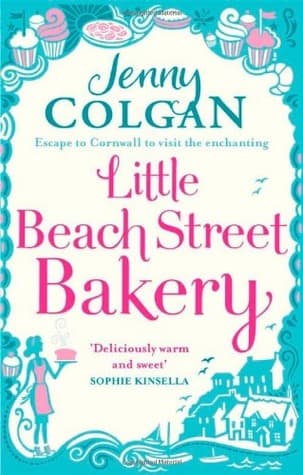
Jenny Colgan is a British author known for her fiction, particularly in the realm of contemporary romance and feel-good stories. One of her notable works is "Little Beach Street Bakery," which combines themes of love, friendship, and the joys of baking in a charming coastal setting. Colgan's writing often features strong female protagonists and a blend of humor and warmth.
Similar books
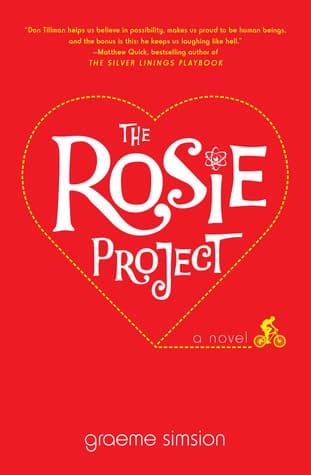
- The Rosie Project
Graeme Simsion
4.0 (447k) average on GoodreadsRomanceFeatures an endearing protagonist finding love in an unexpected way and a charming, lighthearted tone.
- Chocolat
Joanne Harris
4.0 (113k) average on GoodreadsFantasyCenters on a woman using food to transform a small, insular community and find her place.
- A Man Called Ove
Fredrik Backman
4.4 (569k) average on GoodreadsFictionExplores themes of community, finding connection, and overcoming grief with a blend of humor and warmth.
- The Hunger Games
Suzanne Collins
4.3 (6.4M) average on GoodreadsFantasyIn a future where children fight to the death on live television, Katniss Everdeen volunteers for the arena, turning a death sentence into a fight for survival and a spark of rebellion.
- The Great Gatsby
F. Scott Fitzgerald
3.9 (3.8M) average on GoodreadsHistorical FictionIn the opulent Roaring Twenties, a mysterious millionaire's lavish parties hide his desperate, tragic pursuit of a lost love, exposing the emptiness within the American Dream.
- The Fault in Our Stars
John Green
4.2 (3.6M) average on GoodreadsYoung AdultA girl with a terminal illness finds her story rewritten when a charming boy with a similar past enters her life at a cancer support group, leading to a star-crossed romance.





Enjoyed the summary?
A summary gives you the shape of the book. The book itself has the detail, the examples and the voice.
Find Little Beach Street Bakery on AmazonAs an Amazon Associate, BookBrief earns from qualifying purchases. How we're funded