
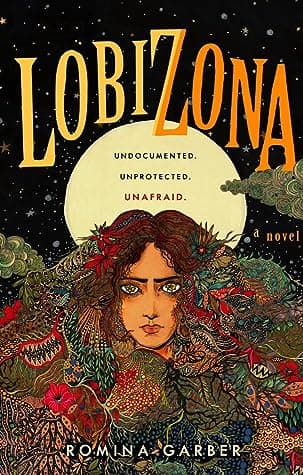
Synopsis
Covers the whole plot, including the ending.
- Difficulty
- Medium
- Pacing
- Moderate
- Mood
- Mysterious, Empowering, Cultural, Suspenseful
- Read it if
- You love rich mythology, strong female protagonists discovering their power, and stories that blend real-world issues with fantasy.
- Skip it if
- You prefer fantasy without allegorical social commentary or slower-paced world-building.
Lobizona Plot Summary
Covers the whole plot, including the ending.
A Life in Hiding and a Shattered Reality
Manuela Azul lives a secret life in Miami, staying in her apartment as an undocumented immigrant with her mother, Celeste, and her grandmother, Perla. Manu has unusual silver eyes, a secret she must keep hidden. Her only link to the outside is her mother's work and rare, supervised trips. One night, their life changes when a strange man attacks Perla, badly hurting her. As Manu and Celeste take Perla to the hospital, immigration agents arrest Celeste. Manu is left alone and scared. She has a mysterious 'Z' emblem from Perla's things, her only clue to her family's secrets and the attack.
Escape and a Mysterious Symbol
Afraid for her safety and deportation, Manu leaves the hospital, leaving Perla. She is troubled by the attack and her mother's arrest, feeling completely alone. The 'Z' emblem becomes her only focus. After a difficult trip through the city, she finds herself drawn to a building that, up close, has a hidden entrance with the same 'Z' symbol. Manu goes inside, needing answers and a sense of belonging she has never had. This marks her leaving her old life and entering a new world.
Arrival at El Laberinto and New Rules
Manu enters El Laberinto, a hidden school and community for brujas (witches) and lobizones (werewolves) in the Florida Everglades. She quickly learns this world has old, strict rules from Argentine folklore: only seventh consecutive daughters are brujas, and only seventh consecutive sons are lobizones. Any difference, especially a female lobizona or a male brujo, is 'illegitimate' and punished. Manu's silver eyes, which glow when she uses magic, make her stand out. She gets a dorm and starts to learn the social rules and magic training, always afraid her true nature will be found out.
Training, Friendships, and Suspicions
Manu struggles to fit in but finds a friend in Tiago, a kind lobizón. She also bonds with Catalina, another bruja. During training, Manu discovers she has strong, unique magic, more than a typical bruja. Her silver eyes, which she learns are a sign of her power, make her noticeable. Her unusual abilities and unknown past, though, draw the attention of the school's leaders, especially the Headmistress and the lobizones' Alpha. Manu tries to blend in, but her power makes her visible, making her consider she might be one of the 'illegitimate' beings.
Unveiling the Curse of the Seventh Child
Through talks, old texts, and her own feelings, Manu learns about the lobizona curse. The seventh consecutive son is a lobizón, and the seventh consecutive daughter is a bruja. However, a female lobizona is a forbidden anomaly, seen as a monster that brings bad luck. Manu starts to think her father, whom she thought was dead and a criminal, was involved in this world, and that her own life is part of this cursed family line. She realizes her 'illegality' is more than just her immigration status; it is part of her in this hidden society.
The Truth of Her Identity
Wanting answers, Manu secretly investigates her past. She finds old letters and clues that show the truth: she is not a bruja, but a lobizona – a forbidden female werewolf. Her mother, Celeste, had hidden this, fearing for Manu's life in a society that would condemn her. Manu's father, a powerful lobizón, had broken the rules to be with Celeste, a bruja. This led to Manu's birth and their family being targeted by traditional groups in El Laberinto. This explains her unique powers and silver eyes; she is the ultimate 'illegal' being.
Betrayal and Confrontation
Manu's identity as a lobizona is found out, leading to a fight with the Headmistress and the Alpha. She is called an abomination, her existence a threat to their order. Tiago, who is close to Manu, is caught between loyalty to his pack and his feelings for her. The leaders demand Manu be given over for 're-education' or removal. Manu, now knowing the danger she is in, refuses. She sees her only choice is to fight for her right to exist and challenge the old laws that condemn her.
Flight and a Desperate Plan
With Tiago's help, Manu escapes El Laberinto, leaving the only community she has known. She is now an outcast from both human and supernatural worlds. Her first goal is to save her mother from immigration and find a way to challenge El Laberinto's strict system. She realizes her unique existence is not a curse, but a way to bring change. Manu starts to gather information and look for other 'illegitimate' beings or allies who might help her break down the oppressive rules of their world, starting with the idea of 'illegality.'
The Fight for Acceptance
Manu, now fully embracing her identity as a lobizona, faces the elders of El Laberinto. She demands her mother's release and argues for the right of all 'illegitimate' beings to exist. She challenges the old traditions that call them monsters. She uses her unique powers, mixing bruja magic with lobizón strength, to show her existence is not a flaw but a new, strong type of being. Her defiance causes a split in the community, with some starting to question the old ways. Tiago stands with her, showing a growing movement for change among the lobizones.
A New Beginning, A Continued Struggle
Manu's stand leads to a temporary agreement. While old traditions are not immediately changed, her mother is released from immigration custody, a big win. Manu and Tiago, with other allies, start to plan for a more open future in El Laberinto. Manu accepts her role as a symbol of change, knowing the fight for full acceptance and equality for all 'illegitimate' beings will be long. She is no longer hiding; she is a leader, ready to create a new path where differences are celebrated, not condemned, and where no one is called 'illegal' for existing.
Principal Figures
Manuela 'Manu' Azul
Protagonist
An undocumented immigrant who discovers she is a forbidden female werewolf, or lobizona.
Manu is a resilient and intelligent teenager who has spent her life in hiding, first as an undocumented immigrant, then as a secret 'illegitimate' supernatural being. She possesses unusual silver eyes that glow when she uses magic, a key indicator of her true nature. Manu is driven by a deep need for belonging and a fierce loyalty to her mother. Her journey is one of self-discovery, challenging societal norms and embracing her unique identity. She transforms from a fearful, confined girl into a powerful leader advocating for acceptance.
Relationships: Celeste Azul (Mother, fiercely protective); Perla (Surrogate grandmother, mentor); Tiago (Love interest, loyal ally); Catalina (Friend, fellow bruja)
Celeste Azul
Supporting
Manu's protective mother, a bruja who hid Manu's true nature.
Celeste is Manu's mother, a bruja who has sacrificed everything to protect her daughter from the dangers of both the human and supernatural worlds. She is resourceful and fiercely loving, enduring a life of hiding and poverty to keep Manu safe. Her arrest by ICE is the catalyst for Manu's journey into El Laberinto. Celeste represents the theme of maternal sacrifice and the desperate measures parents take to shield their children from harm, especially when those children are deemed 'illegal'.
Relationships: Manuela 'Manu' Azul (Daughter, primary focus of her protection); Perla (Friend, co-conspirator in hiding Manu)
Tiago
Supporting
A kind-hearted lobizón who becomes Manu's ally and love interest.
Tiago is a lobizón at El Laberinto who befriends Manu and eventually becomes her love interest. He is observant, empathetic, and possesses a strong moral compass. Unlike many of the more traditional lobizones, Tiago is open-minded and willing to question the rigid rules of their society. He is crucial to Manu's survival and her understanding of the lobizón world. His loyalty to Manu ultimately leads him to defy his own community's strictures, making him a symbol of hope for change.
Relationships: Manuela 'Manu' Azul (Love interest, loyal ally); Alpha (Leader of his pack, whom he eventually defies)
Perla
Supporting
Manu's surrogate grandmother, whose attack triggers the plot.
Perla is Manu's surrogate grandmother, a wise and loving figure who has helped Celeste raise and protect Manu. Her attack by an unknown assailant is the inciting incident of the novel, forcing Manu out of her sheltered existence. Perla represents the hidden dangers and secrets surrounding Manu's past, and her injury serves as a catalyst for Manu's journey of discovery. She embodies the quiet strength and resilience of those who live on the margins.
Relationships: Manuela 'Manu' Azul (Surrogate granddaughter); Celeste Azul (Friend, co-conspirator)
Headmistress
Antagonist
The strict, traditional leader of El Laberinto.
The Headmistress is the formidable and unyielding leader of El Laberinto, dedicated to upholding the ancient laws and traditions of the bruja and lobizón community. She represents the rigid, conservative forces that demonize 'illegitimate' beings like Manu. Her authority is absolute, and she views Manu's existence as a dangerous aberration that threatens the stability of their society. She is a powerful antagonist, embodying the systemic prejudice Manu must overcome.
Relationships: Manuela 'Manu' Azul (Antagonist, enforcer of rules against her); Alpha (Co-leader, upholder of tradition)
Alpha
Antagonist
The leader of the lobizón pack, a staunch traditionalist.
The Alpha is the powerful and imposing leader of the lobizón pack within El Laberinto. He is a staunch traditionalist, deeply committed to the ancient laws that dictate the roles of lobizones and brujas, and that condemn 'illegitimate' beings. He views Manu as a dangerous anomaly that must be contained or eliminated to maintain order. His authority and physical power make him a significant threat to Manu, representing the patriarchal and rigid aspects of the supernatural society.
Relationships: Manuela 'Manu' Azul (Antagonist, enforcer of rules against her); Headmistress (Co-leader, upholder of tradition); Tiago (Leader of his pack, whom Tiago eventually defies)
Catalina
Supporting
A fellow bruja student at El Laberinto and Manu's friend.
Catalina is a bruja student at El Laberinto who becomes one of Manu's first friends in the new, confusing world. She helps Manu navigate the social dynamics and rules of the school. Catalina represents the potential for friendship and solidarity within the community, even among those who initially accept the established norms. Her presence provides Manu with a sense of camaraderie amidst the challenges she faces.
Relationships: Manuela 'Manu' Azul (Friend, fellow student)
Manu's Father
Mentioned
A powerful lobizón whose forbidden relationship with Celeste led to Manu's birth.
Manu's father is deceased before the start of the novel, but his legacy profoundly impacts Manu's life. He was a powerful lobizón who defied the ancient laws by falling in love with Celeste, a bruja, leading to Manu's birth as a forbidden lobizona. He is initially portrayed as a 'criminal' by Celeste to protect Manu, but later revealed to be a tragic figure who challenged the system for love. His actions are the root cause of Manu's 'illegality' and the family's flight.
Relationships: Celeste Azul (Forbidden lover); Manuela 'Manu' Azul (Father)
Themes & Insights
Identity and Belonging
Manu's life is defined by her search for identity and belonging. As an undocumented immigrant, she is 'illegal' in the human world. As a lobizona, she is 'illegal' in the supernatural world. The book explores the pain of being an outcast and finding self-acceptance. Manu's silver eyes and unique powers show her struggle to bring her different identities together and find a place where she is accepted for who she is, not defined by rules or borders. Her acceptance of her lobizona identity is a strong statement about finding belonging within herself.
“Some people ARE illegal. Lobizonas do NOT exist. Both of these statements are false.”
The Concept of 'Illegality' and Borders
The book questions the idea of 'illegality' for both people and supernatural beings. Manu's status as an undocumented immigrant mirrors her status as a forbidden lobizona; in both worlds, her existence is a crime. The story criticizes the unfairness of borders—both physical country borders and the lines between acceptable and unacceptable beings—and the oppressive systems built on them. It argues that no one should be 'illegal' just for existing, showing how such labels can make people seem less human.
“It wasn't just my U.S. residency that was illegal. . . .it was my entire existence.”
Tradition vs. Progress
El Laberinto has old, strict traditions from Argentine folklore, especially about the roles of brujas and lobizones and the condemnation of 'illegitimate' beings. Manu's existence challenges these traditions, making the community face its biases. The conflict between the Headmistress and Alpha (representing tradition) and Manu (representing progress and change) drives much of the story. The book explores how hard it is to change old beliefs and the courage needed to create a new, more open path. It suggests that real strength is in adapting and accepting, not in sticking to the past.
“The rules were ancient, carved into the very stone of El Laberinto, and they were meant to be unbreakable.”
Family and Sacrifice
Family and sacrifice are important themes, especially through Manu and her mother, Celeste. Celeste makes big sacrifices, living in hiding and in poverty, to protect Manu from both human authorities and the supernatural world. Perla also represents a family bond formed through shared struggles and love. The book explores how far family members will go to protect each other, especially when facing threats. It also looks at the secrets families keep, even with good intentions, and how those secrets affect trust and identity.
“My mother had built a wall of secrets around me, brick by brick, out of love and fear.”
Feminism and Empowerment
Manu's journey is feminist. As a female lobizona, she defies a male-dominated system that tells women what they can and cannot be, calling her an 'abomination' for having powers usually for males. Her refusal to hide or be quiet, and her fight for her right to exist, is a strong statement of female power. She challenges the limits placed on women in both the human and supernatural worlds, arguing for a future where women, and all marginalized groups, can define themselves and use their own power.
“I was a monster to them, a defiance of their ancient laws. But I was also me, and I wouldn't hide anymore.”
Plot Devices & Literary Techniques
The 'Z' Emblem
A mysterious symbol that guides Manu to El Laberinto.
The 'Z' emblem serves as a crucial plot device, acting as a direct clue that guides Manu from her shattered life in Miami to the hidden world of El Laberinto. Initially found among Perla's belongings, it represents the first concrete link to Manu's unknown past and her father's secrets. Its recurring appearance on the entrance to El Laberinto solidifies its role as a key to unlocking the supernatural world. The emblem symbolizes destiny and the unavoidable pull of Manu's true heritage, propelling the narrative forward and initiating her journey of self-discovery.
The Curse of the Seventh Child
A folklore-based system that dictates supernatural identity and 'illegality'.
This ancient folklore-based 'curse' is the foundational plot device that establishes the rules and conflicts of the supernatural world. It dictates that only seventh consecutive sons are lobizones and seventh consecutive daughters are brujas, making any deviation, especially a female lobizona like Manu, an 'illegitimate' and condemned being. This device creates the central conflict of Manu's existence, driving her persecution and her fight for acceptance. It is a powerful metaphor for societal prejudices and arbitrary classifications, directly linking Manu's 'illegality' in the human world to her 'illegality' in the magical one.
Manu's Silver Eyes
A physical manifestation of Manu's unique power and forbidden identity.
Manu's unusual silver eyes are a prominent symbol and plot device. They initially serve as a physical marker of her difference, a secret she must hide. Later, they become a visible manifestation of her unique, combined bruja and lobizón powers, glowing intensely when she uses magic. These eyes make her stand out in El Laberinto, attracting both fear and suspicion, and ultimately revealing her true, forbidden identity. The eyes are a constant reminder of her 'illegality' but also a source of her strength, representing the undeniable truth of who she is and her potential to challenge the established order.
El Laberinto
A hidden, labyrinthine school and community for brujas and lobizones.
El Laberinto functions as both a setting and a significant plot device. It is a hidden, magical school and community that serves as Manu's entry point into the supernatural world. Its labyrinthine nature symbolizes the complex, often confusing, and restrictive rules of this society. As a sheltered, self-contained world, it allows for the intense focus on the traditions and prejudices of the bruja and lobizón community, directly contrasting with the outside human world. El Laberinto becomes the arena where Manu must confront her identity, challenge ancient laws, and fight for her right to exist.
Lobizona Quotes
“I'm not a human. I'm not a lobizón. I'm a hybrid, and that means I'm both.”
“In the Septibol, we don't hide who we are. We celebrate it.”
“The moon doesn't care about borders. It shines on everyone.”
“Fear is a cage. But courage is the key.”
“We are all stories in the end. Make yours a good one.”
“Magic isn't about power. It's about connection.”
“Sometimes the bravest thing you can do is ask for help.”
“The world tries to put us in boxes, but we are too wild to be contained.”
“Home isn't a place. It's the people who see you.”
“Every full moon is a reminder that we are part of something bigger.”
“You don't have to choose one side of yourself. You can be whole.”
“In the darkness, we find our own light.”
“The Septibol isn't perfect, but it's ours to change.”
“Love doesn't ask for papers. It just is.”
Quiz
10 questions on the plot and the characters. Each answer comes with a short explanation.
Question 1
What is Manu's full name in the book?
- Manuela Rosa
- Manuela Azul
- Manuela Luna
- Manuela Verde
Show answer
B. Manuela Azul Manu's full name is Manuela Azul, which is explicitly stated in the book's description. The name 'Azul' (meaning 'blue' in Spanish) connects to her unusual eyes that play a key role in the story.
Question 2
What event shatters Manu's protective bubble and sets the main plot in motion?
- Her mother reveals the truth about her father
- Her surrogate grandmother is attacked and her mother is arrested by ICE
- She discovers the 'Z' emblem in her apartment
- She is confronted by her father's crime family
Show answer
B. Her surrogate grandmother is attacked and her mother is arrested by ICE The attack on Manu's surrogate grandmother and her mother's arrest by ICE are the pivotal events that force Manu out of her confined life in Miami and lead her to investigate her past.
Question 3
According to Argentine folklore in the book, what happens to the seventh consecutive daughter?
- She becomes a lobizón (werewolf)
- She is born a bruja (witch)
- She gains the ability to see the future
- She is cursed to live in isolation
Show answer
B. She is born a bruja (witch) The book's world-building is based on Argentine folklore where the seventh consecutive daughter is born a bruja (witch) and the seventh consecutive son is a lobizón (werewolf). This is central to Manu's heritage and the secret society she discovers.
Question 4
What clue does Manu investigate that leads her to the secret world?
- A photograph of her father
- A mysterious 'Z' emblem
- A letter from Argentina
- A key to a hidden apartment
Show answer
B. A mysterious 'Z' emblem After her life unravels, Manu follows the only clue she has: a mysterious 'Z' emblem, which eventually guides her to a hidden world connected to Argentine folklore and her father's past.
Question 5
Why is Manu's entire existence considered illegal in the secret world she discovers?
- Because she is an undocumented immigrant in the U.S.
- Because she is a bruja who should not exist according to their laws
- Because she is a hybrid of bruja and lobizón heritage
- Because she escaped from her father's crime family
Show answer
C. Because she is a hybrid of bruja and lobizón heritage Manu learns that her unusual eyes indicate she is a hybrid—part bruja and part lobizón—which is forbidden in the secret society's laws, making her existence illegal beyond just her immigration status.
Question 6
What aspect of Manu's appearance allows her to belong in the secret world?
- Her Argentine accent
- Her ability to speak Spanish fluently
- Her unusual eyes
- A birthmark shaped like a 'Z'
Show answer
C. Her unusual eyes Manu's unusual eyes, which are a physical trait tied to her heritage, serve as a key identifier in the secret world, helping her connect to her roots and the supernatural society.
Question 7
Where does Manu trace her real heritage back to?
- A hidden village in the Andes Mountains
- A cursed city in Argentina
- An ancient forest in Patagonia
- A coastal town in Uruguay
Show answer
B. A cursed city in Argentina As Manu uncovers her story, she traces her lineage to a cursed city in Argentina, which is deeply connected to the folklore and magic system of the secret world.
Question 8
What is the primary theme highlighted by the statement 'Some people ARE illegal. Lobizonas do NOT exist. Both of these statements are false.'?
- The importance of family loyalty
- The conflict between science and magic
- The intersection of immigration status and supernatural identity
- The power of friendship in overcoming adversity
Show answer
C. The intersection of immigration status and supernatural identity This statement encapsulates the book's core theme: Manu faces dual layers of illegality—her undocumented status in the human world and her forbidden hybrid nature in the supernatural world—exploring issues of belonging and identity.
Question 9
How does Manu's father's criminal past connect to the secret world she discovers?
- He was a leader in the secret society who betrayed them
- His crimes in Argentina were cover-ups for supernatural activities
- He stole magical artifacts from the cursed city
- He was hunting lobizones for the government
Show answer
B. His crimes in Argentina were cover-ups for supernatural activities Manu learns that her father's Argentine crime-family activities were intertwined with the supernatural world, serving as a facade or consequence of dealings within the secret society, which adds depth to her investigation.
Question 10
What does the term 'lobizona' imply about Manu's role in the story?
- She is a female werewolf, defying the folklore that only males can be lobizón
- She is a witch who can transform into a wolf
- She is a guardian of the secret world
- She is a cursed seventh daughter destined for tragedy
Show answer
A. She is a female werewolf, defying the folklore that only males can be lobizón The title 'Lobizona' suggests Manu breaks norms: in Argentine folklore, lobizón refers to a male werewolf (seventh son), but as a female with werewolf traits, she challenges the established rules, symbolizing her hybrid and illegal nature.
Lobizona FAQ
What is 'Lobizona' about?
'Lobizona' follows Manuela 'Manu' Azul, an undocumented immigrant in Miami who discovers she's part of a hidden magical world based on Argentine folklore. After her mother's arrest by ICE, Manu investigates her heritage and learns she's a lobizona—a rare female werewolf—navigating both human immigration laws and magical society's rules that declare her existence illegal.
Why should I read 'Lobizona'?
This book uniquely blends contemporary immigration issues with Argentine folklore and magical world-building. It explores themes of identity, belonging, and systemic oppression through Manu's dual struggle as an undocumented immigrant and a magical being whose very nature is outlawed in both worlds.
What is the background/setting of 'Lobizona'?
The story begins in contemporary Miami, where Manu lives in confinement due to her undocumented status, then expands to El Laberinto—a hidden magical society connected to Argentine folklore. This world operates under rules where seventh consecutive daughters become brujas (witches) and seventh sons become lobizones (werewolves), with Manu's existence as a female werewolf breaking fundamental laws.
What are the most memorable quotes?
Key quotes include the opening lines: 'Some people ARE illegal. Lobizonas do NOT exist. Both of these statements are false.' and Manu's realization: 'It's not just my U.S. residency that's illegal... it's my entire existence.' These encapsulate the novel's central conflict about systemic illegality and identity.
What writing style does the author use?
Romina Garber employs a first-person narrative from Manu's perspective, blending lyrical descriptions of Argentine folklore with tense, contemporary prose. The style shifts from claustrophobic scenes in Miami to expansive magical world-building, mirroring Manu's journey from confinement to self-discovery.
What minor details add significant meaning?
Manu's unusual eyes—described as having 'constellations' in them—are initially presented as a medical oddity but later revealed as a magical trait marking her as a lobizona. The mysterious 'Z' emblem she investigates connects not only to her father's criminal past but to the magical society's symbols, tying together her human and supernatural heritage.
What are some subtle foreshadowing moments?
Early mentions of Manu's physical strength and heightened senses during her confined Miami life subtly hint at her werewolf nature before the magical reveal. The attack on her surrogate grandmother Perla serves as both a human-world crisis and a trigger that exposes the magical threats connected to her father's past.
What unexpected character connections exist?
Manu's father, whom she believed was part of an Argentine crime family, is actually connected to the magical world's conflicts. Her journey reveals that human-world criminals and magical society outlaws are sometimes the same people, blurring lines between ordinary and supernatural threats.
What are unspoken character motivations?
Manu's mother keeps her heritage secret not just to protect her from ICE, but from magical authorities who would persecute her for being a lobizona. Supporting characters in El Laberinto often hide their true alliances regarding magical law reform, creating tension between surface loyalty and secret rebellion.
What psychological complexities do characters exhibit?
Manu grapples with internalized illegality—feeling 'too much' for the human world yet 'illegal' in the magical one. Secondary characters like Cata, a bruja, struggle with societal expectations versus personal ethics, particularly around the rigid gender roles in magical society that Manu's existence challenges.
What are the major emotional turning points?
Key emotional moments include Perla's attack shattering Manu's fragile safety, her mother's ICE arrest forcing her to act independently, discovering her werewolf nature in El Laberinto, and realizing that both her human and magical societies declare her existence invalid. Each revelation strips away layers of protection but strengthens her self-determination.
How do relationship dynamics evolve?
Manu's relationship with her mother shifts from protective dependence to strained partnership as secrets unravel. In El Laberinto, she forms alliances with brujas and lobizones who initially view her with suspicion, gradually building trust through shared resistance against oppressive systems in both magical and human realms.
Which parts remain ambiguous or open-ended?
The full extent of Manu's father's legacy and his connections to both criminal and magical worlds isn't completely resolved, leaving room for exploration in sequels. The ultimate fate of the cursed Argentine city mentioned in folklore remains mysterious, suggesting deeper historical conflicts yet to be uncovered.
What are controversial scenes or decisions?
Manu's decision to embrace her lobizona identity despite it being outlawed challenges both magical tradition and human assimilation expectations. The ICE arrest scene starkly portrays immigration enforcement trauma, while magical society's gender-based restrictions spark debate about systemic inequality across different realms.
'Lobizona' ending explained: how it ends & what it means
The novel ends with Manu accepting her dual identity as undocumented immigrant and lobizona, rejecting both societies' attempts to erase her. She begins to gather allies in El Laberinto who question oppressive laws, setting up future resistance. This conclusion emphasizes that belonging must be claimed rather than granted, with Manu positioned to challenge illegality in all its forms.
Similar books
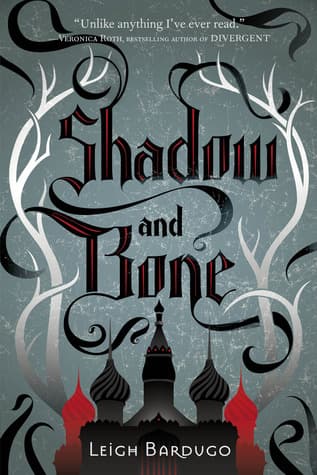
- Shadow and Bone
Leigh Bardugo
4.0 (307k) average on GoodreadsFantasyWhile Bardugo's Grishaverse also builds a unique world inspired by diverse cultures (primarily Russian), "Lobizona" offers a more deeply embedded and focused exploration of a single, underrepresented folkloric tradition (Argentine), giving it a distinct and authentic cultural voice. "Lobizona" also leans more heavily into social commentary.
- A Court of Thorns and Roses
Sarah J. Maas
4.2 (476k) average on GoodreadsFantasyMaas's series is known for its fast-paced romance and action, often prioritizing plot momentum and character relationships. "Lobizona," in contrast, provides a more nuanced and slower-burn exploration of identity, systemic injustice, and the internal struggles of its protagonist, offering greater thematic depth beyond typical fantasy adventure and romance tropes.
- Harry Potter and the Sorcerer's Stone
J.K. Rowling
4.5 (7M) average on GoodreadsFantasyRescued from a miserable life under the stairs, an orphaned boy discovers he's a wizard destined for a magical school, where he uncovers a dangerous secret tied to the dark wizard who murdered his parents.
- The Hunger Games
Suzanne Collins
4.3 (6.4M) average on GoodreadsFantasyIn a future where children fight to the death on live television, Katniss Everdeen volunteers for the arena, turning a death sentence into a fight for survival and a spark of rebellion.
- 1984
George Orwell
4.2 (3.1M) average on GoodreadsPoliticsIn a future where surveillance and thought control are absolute, a man's search for truth clashes with the Party, showing that hope can be a form of rebellion.
- Divergent
Veronica Roth
4.2 (2.9M) average on GoodreadsFantasyIn a society divided by virtues, a sixteen-year-old's difference from the norm starts a rebellion that threatens her world.





Enjoyed the summary?
A summary gives you the shape of the book. The book itself has the detail, the examples and the voice.
Find Lobizona on AmazonAs an Amazon Associate, BookBrief earns from qualifying purchases. How we're funded