

Synopsis
Covers the whole plot, including the ending.
- Difficulty
- Medium
- Pacing
- Moderate
- Mood
- Intense, Bitter, Disillusioned, Angsty
- Read it if
- You want to experience a foundational work of post-war British theatre, exploring themes of class, disillusionment, and raw human emotion through sharp, intense dialogue.
- Skip it if
- You prefer a plot-driven narrative, dislike characters who are difficult and verbally abusive, or are sensitive to domestic conflict.
Look Back in Anger Plot Summary
Covers the whole plot, including the ending.
Sunday Morning Drudgery
The play starts on a dull Sunday afternoon in the small, one-room Midlands apartment shared by Jimmy Porter, his upper-class wife Alison, and his Welsh friend Cliff Lewis. Jimmy, a university-educated but working-class man, reads newspapers and constantly criticizes everything from the Sunday papers to church bells and the English middle class. He especially targets Alison, who quietly irons clothes, for her 'posh' background and her family's perceived idleness. Cliff tries to calm Jimmy's verbal attacks, comforting Alison, but Jimmy's rant continues, showing his deep frustration with their stagnant lives and his inability to achieve anything meaningful despite his intelligence. The air is thick with unspoken resentment and a strong sense of boredom.
Escalating Tensions and Physicality
Jimmy's verbal attacks grow stronger, focusing on Alison's family, especially her mother. He criticizes Alison's passivity and her inability to react to his provocations. The tension escalates to a physical struggle when Jimmy playfully shoves Cliff into Alison, causing them to fall and burn Alison's arm with the iron. The accident briefly breaks the pattern of verbal abuse, showing a hint of concern from Jimmy. Cliff, always the peacemaker, tends to Alison's burn. This event highlights the unstable nature of their relationships and the fine line between affection and aggression in their home, suggesting a deeper, more complicated dynamic beneath Jimmy's anger.
Alison's Confession to Cliff
After Jimmy leaves to get cigarettes, Alison tells Cliff about the huge emotional toll Jimmy's constant criticism takes on her. She says she feels trapped and that she has loved Jimmy since they first met, despite his difficult nature. She talks about their rebellious courtship, her family's disapproval, and the painful separation from them after she married Jimmy. Alison admits she wishes she could have a child, believing it might bring them closer, but Jimmy seems to resent the idea. Her vulnerability with Cliff shows her isolation and her desperate desire for a different life, while also revealing the deep, though troubled, love she has for Jimmy.
Helena Charles Arrives
Helena Charles, an actress friend of Alison's from her privileged past, arrives to stay. Her presence immediately changes the dynamic, as she represents the world Jimmy hates. Jimmy is openly hostile towards Helena, making sarcastic remarks about her acting career and her conservative views. He sees her as a symbol of the superficiality and hypocrisy of the upper-middle class. Alison, while initially happy to see her friend, becomes increasingly uncomfortable caught between Jimmy's aggression and Helena's quiet disapproval. Helena's arrival sets the stage for more conflict, threatening the already shaky balance of the apartment and increasing Jimmy's feelings of being misunderstood and marginalized.
Jimmy's Rage at Helena and Alison's Choice
Jimmy's dislike for Helena grows, leading to a direct confrontation where he mocks her moral stance. He also continues his verbal attack on Alison, accusing her of being emotionally dead. The tension becomes too much, and Alison, influenced by Helena's suggestion, decides to leave Jimmy. She finally tells Jimmy she is pregnant, hoping it might soften him, but he remains unmoved, dismissing it as another attempt to manipulate him. His reaction confirms her decision to leave, and she asks Helena to tell Jimmy once she has gone, unable to face him herself. This marks a turning point, as Alison's long patience finally breaks.
Alison's Departure and Helena's Confession
Alison leaves the apartment, leaving a note for Jimmy. Helena, after Alison's departure, confronts Jimmy, giving a passionate speech condemning his cruelty and the suffering he causes. Jimmy, surprisingly, does not react with his usual anger but is left stunned. Later, Helena tells Cliff she has fallen in love with Jimmy, despite seeing how he treated Alison. Cliff, though hurt by Alison's departure, also understands Helena's conflicted feelings. This revelation sets up a dramatic shift in the play's relationships, as Helena, initially a symbol of the 'enemy' to Jimmy, now finds herself drawn into his chaotic world, directly replacing Alison.
Helena Moves In
Several months pass. Helena has moved into the apartment with Jimmy, and they have started an affair. The scene mirrors the opening, with Jimmy still reading the Sunday papers, but now Helena is ironing. The atmosphere is different; Helena tries to bring order and respectability to the household, even attending church. However, Jimmy's basic character remains unchanged; he still delivers his cynical rants, though perhaps with a slightly softer tone directed at Helena. Cliff, still present, observes this new arrangement with a mix of sadness and quiet acceptance. The daily routine is re-established, but the underlying tensions and Jimmy's restless dissatisfaction continue, suggesting that this new arrangement is also fragile.
Cliff's Farewell
Cliff, feeling more and more like an outsider in the new dynamic between Jimmy and Helena, announces his decision to leave the apartment. He realizes that his role as a mediator and confidant has lessened, and the space he once occupied with Alison is no longer his. His departure is moving, as he is the only character who consistently offers unconditional affection and support to both Jimmy and Alison. Before he leaves, he shares a moment of real tenderness with Jimmy, acknowledging their bond despite Jimmy's difficult nature. Cliff's exit marks the final breakup of the original trio, leaving Jimmy and Helena to face their complicated relationship without his grounding presence.
Alison's Return
Alison unexpectedly returns to the apartment, looking disheveled and heartbroken. She has suffered a miscarriage, losing the baby she was carrying. Her return throws the apartment into chaos. Helena, faced with Alison's suffering and her own betrayal, feels immense guilt. Alison, now without her former composure, confesses her despair and the deep pain of losing her child. Jimmy, initially cold and dismissive, is finally broken by the news of the miscarriage. The loss of their child, a symbol of their failed potential, brings a raw, emotional intensity to the scene, forcing all three characters to confront the results of their actions and the true depth of their shared tragedy.
Helena's Departure and Reconciliation
Overwhelmed by guilt and the raw emotion of Alison's return, Helena decides to leave Jimmy, recognizing their relationship cannot continue. Her departure clears the way for Jimmy and Alison to confront each other. Alison, now completely broken, begs Jimmy for forgiveness, expressing the depth of her pain and her understanding of his own suffering. Jimmy, finally seeing Alison vulnerable and without her defenses, responds with a rare tenderness. They fall into their old game of 'squirrel and bear,' a private, affectionate ritual that symbolizes their unique, troubled bond. The play ends with their reconciliation, a bittersweet acceptance of their shared pain and their inability to truly live without each other, despite the suffering they cause.
Look Back in Anger Characters
Jimmy Porter
Protagonist/Anti-hero
A working-class intellectual full of rage and frustration.
Jimmy is a highly intelligent, university-educated man who feels stifled and disillusioned by post-war Britain's class system and lack of opportunities. He channels his frustration into relentless verbal abuse, particularly towards his wife, Alison, and the upper-middle class she represents. He runs a sweet-stall, a job far beneath his intellectual capabilities, which only fuels his bitterness. Jimmy is complex, capable of both immense cruelty and unexpected tenderness, especially towards Cliff. His anger is a mask for his sensitivity and a deep yearning for genuine passion and engagement in a world he perceives as apathetic.
Relationships: Alison Porter (Husband-wife, love-hate, deeply dysfunctional, co-dependent); Cliff Lewis (Best friends, surrogate brother, physical affection, emotional support); Helena Charles (Antagonistic at first, then lovers, a temporary replacement for Alison)
Alison Porter
Protagonist/Victim
Jimmy's long-suffering, upper-class wife.
Alison is Jimmy's wife, from an upper-middle-class background, whose quiet endurance of his verbal abuse defines much of her character. She is passive and seemingly emotionally detached, a trait Jimmy constantly criticizes. Her marriage to Jimmy alienated her from her family, leaving her isolated. Despite her outward calm, she is deeply unhappy and longs for a child, believing it might salvage her marriage. Her journey involves a slow breaking point, a brief escape, and a devastating return, ultimately revealing her profound vulnerability and her complex, enduring love for Jimmy.
Relationships: Jimmy Porter (Wife-husband, love-hate, deeply dysfunctional, co-dependent); Cliff Lewis (Confidant, close friend, platonic affection); Helena Charles (Close friend from her past, then betrayer, then fellow victim)
Cliff Lewis
Supporting
Jimmy's kind-hearted, working-class Welsh friend.
Cliff is Jimmy's friend and cohabitant, a simple, warm-hearted Welshman who works with Jimmy at the sweet-stall. He acts as a buffer between Jimmy and Alison, offering comfort to Alison and diffusing Jimmy's anger with good-natured banter. Cliff is affectionate and physically demonstrative, providing the only consistent emotional warmth in the household. He represents uncomplicated loyalty and genuine human connection, contrasting sharply with Jimmy's intellectualized rage. His presence is a grounding force, and his eventual departure signifies the crumbling of their fragile domestic unit.
Relationships: Jimmy Porter (Best friends, surrogate brother, physical affection, emotional support); Alison Porter (Confidant, close friend, platonic affection)
Helena Charles
Supporting/Catalyst
Alison's conventional actress friend who becomes Jimmy's lover.
Helena is an actress and a friend of Alison's, representing the conventional, upper-middle-class world that Jimmy despises. Initially, she is appalled by Jimmy's treatment of Alison and urges her to leave. However, she unexpectedly finds herself drawn to Jimmy's intensity and passion, ultimately becoming his lover after Alison's departure. Helena tries to bring order and respectability to Jimmy's life, but she cannot fundamentally change him. Her presence acts as a catalyst for Alison's departure and return, and her own moral conflict highlights the destructive power of the relationships within the flat.
Relationships: Alison Porter (Close friend from her past, then betrayer, then fellow victim); Jimmy Porter (Antagonistic at first, then lovers, a temporary replacement for Alison)
Colonel Redfern
Mentioned
Alison's retired, colonialist father.
Colonel Redfern is Alison's father, a retired military officer from the British Raj. He appears briefly in Act Two, visiting Alison after her departure from Jimmy. He embodies the nostalgic, complacent values of a bygone imperial era that Jimmy so vehemently despises. He is kind and gentle but largely out of touch with modern realities and Alison's struggles. His character serves to highlight the vast class and generational divide between Jimmy and Alison's family, and his inability to truly understand Alison's predicament underscores her isolation.
Relationships: Alison Porter (Father-daughter, loving but distant and uncomprehending); Jimmy Porter (Son-in-law (estranged), object of contempt)
Look Back in Anger Themes
Anger and Frustration
The main theme is Jimmy Porter's intense, often misdirected, anger. It comes from his disappointment with the social and political situation of post-war Britain, where he, an intelligent working-class man, feels a lack of purpose and opportunity. His anger is a desperate cry against indifference and the loss of real passion. He uses it to get a reaction, any reaction, from those around him, especially Alison, whom he sees as representing a complacent, emotionally numb society. This theme shows up in his constant verbal attacks and cynical monologues, as seen from the very first scene where he criticizes the Sunday papers and church bells.
“I suppose people of our generation aren't able to die for good causes any longer. We had all that done for us, in the 'thirties and 'forties, when we were still kids. There aren't any good, brave causes left.”
Class Conflict and Social Disillusionment
The play clearly shows the tensions from class differences in 1950s Britain. Jimmy, a working-class intellectual, resents Alison's upper-middle-class background and the perceived privilege and emotional detachment it represents. He feels that the traditional class structure stifles talent and prevents real social mobility. His 'sweet-stall' job, despite his university education, constantly reminds him of his unfulfilled ambitions. The play criticizes the perceived indifference and hypocrisy of the established order, and Jimmy's outbursts are a rebellion against a society he believes has failed its younger generation. His rants against Alison's family, especially her mother, directly show this class-based resentment.
“I can't believe I've been married to a woman for five years who can't even remember the name of a flower.”
Love, Betrayal, and Co-dependency
At its core, the play explores the complex, destructive, yet undeniable love between Jimmy and Alison. Their relationship involves a cycle of abuse, suffering, and a deep, almost unhealthy co-dependency. Jimmy's constant torment of Alison is a twisted way of needing her to feel and react, while Alison's passive endurance comes from a deep, if self-sacrificing, love and a sense of belonging she finds only with him. The theme of betrayal appears with Helena's affair with Jimmy, making the emotional situation more complicated. Ultimately, their reconciliation, marked by the 'squirrel and bear' game, suggests a tragic inability to break free from their toxic yet deeply connected existence.
“If you've ever had a child, you'd know. It's like having a part of your own body torn out.”
Emotional Expression vs. Apathy
A key tension in the play is between Jimmy's powerful, often volatile, emotional expression and the perceived emotional indifference of those around him, especially Alison. Jimmy craves real passion and desperately needs others to experience life with the same intensity as he does. He sees Alison's quiet endurance as a lack of feeling, a 'deadness' that infuriates him. His rants are an attempt to shock people into feeling something, anything. The play suggests that while Jimmy's methods are destructive, his underlying desire for authentic emotional engagement is valid in a world he sees as increasingly uncaring. Alison's eventual breakdown and raw display of grief after her miscarriage is a moment where she finally matches Jimmy's intensity.
“Oh, heavens, how I long for a little ordinary human enthusiasm. Just enthusiasm—that's all. I want to hear a warm, thrilling voice cry out Hallelujah! Hallelujah! I'm alive!”
Plot Devices & Literary Techniques
Verbal Abuse as a Weapon
Jimmy's relentless use of language to provoke and control.
Jimmy Porter's primary weapon is his intelligence and his command of language, which he uses to launch relentless verbal assaults on Alison and Helena. This serves multiple purposes: it expresses his deep-seated frustration and anger, it's an attempt to provoke a reaction from Alison, and it's a way to assert dominance and control in his relationships. His long, cynical monologues are a defining feature of the play, showcasing his intellect while simultaneously highlighting his destructive tendencies. This device establishes the oppressive atmosphere of the flat and the emotional toll it takes on the characters.
The 'Squirrel and Bear' Game
A private, childish ritual symbolizing Jimmy and Alison's unique bond.
The 'squirrel and bear' game is a recurring, private ritual between Jimmy and Alison, where they adopt the personas of a small, vulnerable squirrel and a large, protective bear. This device serves as a powerful symbol of their complex, co-dependent relationship. It represents their shared history, their moments of tenderness and affection amidst the abuse, and their unique, almost childlike, intimacy. Its reappearance at the play's end signals their reconciliation, suggesting that despite everything, they are inextricably bound by this deeply personal and dysfunctional bond, finding comfort in their shared world.
The Cramped Flat Setting
A physical representation of the characters' emotional confinement.
The entire play takes place in a single, cramped, one-room flat. This physical setting is a powerful plot device, symbolizing the emotional and social confinement of the characters, particularly Jimmy and Alison. The lack of space intensifies the claustrophobia of their relationships, making escape difficult and amplifying the tension of Jimmy's outbursts. It highlights their stagnant lives and the feeling of being trapped. The constant proximity forces confrontations and underscores the inescapable nature of their interdependence, contributing to the play's intense, pressure-cooker atmosphere.
The Miscarriage
A tragic event that serves as a catalyst for emotional breakthrough and reconciliation.
Alison's miscarriage is a pivotal plot device. It is the ultimate catalyst that breaks Alison's passive endurance, bringing her back to Jimmy in a state of raw, undeniable grief. The loss of their child, a symbol of their potential future and a possible escape from their cycle of despair, finally shatters Jimmy's emotional defenses. It forces him to confront the depth of his own pain and allows for a moment of genuine, albeit tragic, emotional connection and reconciliation with Alison. This event underscores the profound consequences of their destructive relationship and the fragility of their hopes.
Look Back in Anger Quotes
“Oh, God, I wish I was a man. I'm not a woman. I'm a machine.”
“I suppose people of our generation aren't able to have a good time. We're too old, and we're too young.”
“There aren't any good, brave causes left. If there are, I don't know about them. If there aren't, then there aren't.”
“I want to hear a little ordinary, real human screaming once in a while.”
“You see, I'm not a gentleman. I don't like to be treated like one.”
“It's no good deceiving yourself about love. It's a disease.”
“If you've no world of your own, it's rather pleasant to know what some other world is like.”
“Why do we let them get away with it? Why do we let them get away with it?”
“I don't think I'll ever be able to surrender to anyone again.”
“I hate the sound of the church bells. They're so smug.”
“I want to be a bear, and I want you to be a squirrel, and I want to cuddle you up in my big, strong arms and make sounds.”
“I rage, and I rage, and I rage. And you just sit there, and you don't even care.”
“Nobody could accuse me of being an intellectual.”
“I just want to be loved. Just for once.”
Quiz
10 questions on the plot and the characters. Each answer comes with a short explanation.
Question 1
What is Jimmy Porter's primary occupation at the beginning of the play?
- A university lecturer
- Running a sweet-stall
- A newspaper journalist
- An aspiring actor
Show answer
B. Running a sweet-stall Jimmy Porter owns and runs a sweet-stall, though he often complains about its triviality and the lack of fulfillment it offers.
Question 2
Who is Alison Porter's brother, who comes to stay with them?
- Cliff Lewis
- Colonel Redfern
- Hugh Tanner
- Nigel Power
Show answer
. Alison's brother, Nigel Power, is mentioned as an MP and is presented as a symbol of the establishment Jimmy despises.
Question 3
What object does Jimmy often use as a symbol of his domestic frustration and the 'bloody' state of their lives?
- His trumpet
- The ironing board
- Newspapers
- His old university scarf
Show answer
B. The ironing board The ironing board is a recurring prop, symbolizing the mundane domesticity and Alison's quiet suffering under Jimmy's tirades.
Question 4
What is the primary reason Helena Charles comes to stay with the Porters?
- To offer Alison a job opportunity
- To attend a local theatre production
- To escape her own failing marriage
- To deliver a message from Alison's parents
Show answer
B. To attend a local theatre production Helena Charles, an actress, comes to stay with them because she has a part in a local repertory theatre production.
Question 5
What significant event leads Alison to finally leave Jimmy for the first time?
- Jimmy physically assaults Cliff
- Jimmy's verbal abuse becomes unbearable after a particularly cruel remark about her family
- Helena persuades her to leave after witnessing Jimmy's cruelty
- She receives news of her father's serious illness
Show answer
C. Helena persuades her to leave after witnessing Jimmy's cruelty Helena, after witnessing Jimmy's relentless verbal attacks on Alison, directly advises and helps Alison to leave him.
Question 6
What is the metaphorical significance of 'squirrels and bears' in the play?
- It represents Jimmy's childhood fantasies
- It's a private game of affection and escape between Jimmy and Alison
- It symbolizes the class divide between Jimmy and Alison's families
- It's a reference to a children's book Jimmy despises
Show answer
B. It's a private game of affection and escape between Jimmy and Alison The 'squirrels and bears' game is a tender, almost childlike private world that Jimmy and Alison share, representing a brief, idealized escape from their harsh reality.
Question 7
What is Cliff Lewis's role in the Porter household?
- He is Jimmy's business partner in the sweet-stall
- He is a lodger who provides emotional support to both Jimmy and Alison
- He is Alison's secret lover
- He is a distant relative of Jimmy's
Show answer
B. He is a lodger who provides emotional support to both Jimmy and Alison Cliff lives with Jimmy and Alison, acting as a buffer and a source of genuine affection and comfort for both, particularly Alison.
Question 8
What news does Alison bring upon her return to Jimmy at the end of the play?
- That she has found a new job and independence
- That her father has passed away
- That she has had a miscarriage
- That she plans to divorce him
Show answer
C. That she has had a miscarriage Alison returns to Jimmy, having suffered a miscarriage, a deeply tragic event that momentarily breaks through Jimmy's cynicism.
Question 9
Which social class does Jimmy Porter most strongly identify with, despite his university education and aspirations?
- The upper class, due to his wife's background
- The working class, from which he originates and whose struggles he champions
- The intellectual elite, like his university friends
- The aspiring middle class, seeking upward mobility
Show answer
B. The working class, from which he originates and whose struggles he champions Jimmy constantly refers to his working-class background and feels a strong affinity with the common man, often using it to criticize Alison's more privileged upbringing.
Question 10
What is the central theme of Jimmy Porter's 'anger' as depicted in the play?
- His frustration with Alison's infidelity
- His rage against the perceived stagnation, hypocrisy, and lack of passion in post-war British society
- His personal jealousy of Cliff's relationship with Alison
- His bitterness over his own career failures and lack of recognition
Show answer
B. His rage against the perceived stagnation, hypocrisy, and lack of passion in post-war British society Jimmy's anger is primarily directed at the complacency, class rigidity, and emotional emptiness he perceives in Britain after the war, particularly among the upper and middle classes.
Look Back in Anger FAQ
What is the central conflict driving the plot of 'Look Back in Anger'?
The central conflict revolves around the volatile relationship between Jimmy Porter, an educated but working-class 'angry young man,' and his upper-middle-class wife, Alison Porter. Their marriage is a battleground reflecting class tensions, generational disillusionment, and Jimmy's deep-seated resentment against the perceived apathy and stagnation of post-war British society, which he projects onto Alison and her family.
Who are the main characters and what is their relationship to each other?
The main characters are Jimmy Porter, a cynical and intellectual working-class man; Alison Porter, his long-suffering, upper-middle-class wife; Cliff Lewis, Jimmy's warm and easygoing Welsh friend who lives with them; and Helena Charles, Alison's sophisticated actress friend who comes to stay and eventually becomes Jimmy's lover. Cliff acts as a mediator, while Helena disrupts the already fragile domestic dynamic.
Where and when does the play primarily take place?
The play is set in a one-room flat in a large Midlands town in England, specifically in the living room/bedroom. It takes place over several months in the mid-1950s, capturing the specific post-World War II atmosphere of social stagnation and disillusionment that defined the era for many young people.
What is the significance of the sweet-stall business that Jimmy and Cliff run?
The sweet-stall business is significant because it symbolizes Jimmy's underemployment and the lack of meaningful opportunities available to him despite his education. It represents a mundane, unfulfilling existence, contrasting sharply with his intellectual capabilities and his desire for something more, highlighting the frustration of his social position.
How does Helena Charles's arrival impact Jimmy and Alison's marriage?
Helena Charles's arrival acts as a catalyst, exacerbating the existing tensions in Jimmy and Alison's marriage. Initially, she sides with Alison, urging her to leave Jimmy, but eventually, she succumbs to Jimmy's charisma and replaces Alison, leading to Alison's departure and a new, equally volatile, relationship dynamic.
What is the meaning behind Alison's 'squirrel and bear' game with Jimmy?
The 'squirrel and bear' game is a private fantasy world Alison and Jimmy created, where she is a timid squirrel and he is a powerful bear. It represents their longing for innocence, warmth, and protection, a retreat from the harsh realities of their life, and a fragile attempt to connect in a way that avoids their usual destructive patterns. It's a poignant symbol of their lost tenderness.
What is the significance of Jimmy's constant reading of newspapers and intellectual magazines?
Jimmy's constant reading signifies his intellectual hunger and his engagement with the wider world, contrasting sharply with his provincial existence. It highlights his frustration at being sidelined and unable to apply his intellect meaningfully. It also serves as a source for his critical commentary on society and politics, fueling his rants.
How does the sound of the church bells outside the flat contribute to the play's atmosphere?
The church bells, particularly on Sunday mornings, create an oppressive atmosphere of conventionality and stagnation that Jimmy despises. For him, they symbolize the complacent, unchanging, and hypocritical aspects of the traditional British society he rails against, emphasizing his feeling of being trapped and out of sync with the world around him.
What is the significance of Alison's ironing throughout the play?
Alison's constant ironing symbolizes her domestic entrapment and the mundane, repetitive nature of her existence within the flat. It represents her passive acceptance of her role and her inability to escape the confines of her marriage and the life Jimmy has imposed upon her, even as she physically endures his verbal assaults.
How does Jimmy Porter's character embody the 'angry young man' archetype?
Jimmy Porter embodies the 'angry young man' archetype through his articulate, often vitriolic, critiques of the establishment, social class, and the perceived apathy of his generation. He is highly educated but feels disenfranchised, expressing his frustration through verbal aggression, cynicism, and a profound sense of disillusionment with post-war Britain's lack of purpose and opportunity.
Analyze Alison Porter's passivity and her eventual breakdown.
Alison's passivity stems from a combination of her upbringing, which taught her deference, and her emotional exhaustion from Jimmy's relentless verbal abuse. Her eventual breakdown, triggered by the loss of her child, is a dramatic manifestation of her suppressed pain and trauma. It forces her to confront the destructive reality of her marriage and finally assert her own needs, leading to her temporary departure.
What psychological needs does Cliff Lewis fulfill for both Jimmy and Alison?
Cliff Lewis fulfills a crucial psychological role as an emotional anchor and mediator. For Jimmy, he is a loyal, uncritical friend who provides companionship and a sounding board, absorbing some of Jimmy's aggression without retaliating. For Alison, Cliff offers warmth, physical comfort, and a non-judgmental presence, providing a much-needed escape from Jimmy's hostility and a sense of gentle understanding.
How does Helena Charles's character reveal aspects of Jimmy's complex personality?
Helena's character reveals Jimmy's capacity for both intense cruelty and an undeniable, if twisted, magnetism. Her initial moral condemnation of Jimmy, followed by her succumbing to his charm and entering into a relationship with him, highlights his persuasive power and the destructive cycle he perpetuates. Her presence also exposes his need for a strong, challenging partner, even if he must dominate them.
Is Jimmy Porter a sympathetic character, or is he purely a villain? Discuss.
Jimmy Porter is a complex character who elicits mixed reactions. While his verbal cruelty and emotional abuse of Alison are undeniably villainous, his articulate frustration, his genuine passion for social justice, and his deep-seated pain make him somewhat sympathetic. He is a product of his circumstances, lashing out at a world he feels has failed him, making him a tragic figure rather than a pure villain.
What is the play's commentary on social class in post-war Britain?
The play offers a biting commentary on social class, highlighting the frustrations of working-class intellectuals like Jimmy, who feel trapped and undervalued despite their education. It exposes the lingering class divisions and the perceived complacency of the upper-middle class, as embodied by Alison and her family, who Jimmy sees as representing the stagnant status quo.
Does the ending of the play offer any hope for Jimmy and Alison's future, or is it cyclical despair?
The ending of the play is ambiguous, offering a cyclical return to their 'squirrel and bear' game, which can be interpreted in multiple ways. While it suggests a deep-seated, perhaps unbreakable, bond and a return to their familiar patterns, it also implies a cycle of despair where neither character truly grows or escapes their destructive dynamic. Hope is minimal, tinged with a sense of inevitability.
How does the play challenge traditional notions of masculinity and domesticity?
The play challenges traditional notions by presenting Jimmy as a highly intellectual but domestically unsuited man who struggles with providing for his family in a conventional sense. His 'masculinity' is expressed through verbal aggression rather than traditional strength, and the domestic sphere is depicted as a battleground rather than a haven, subverting expectations of harmonious home life and male roles.
What is the significance of Alison's miscarriage in the context of the play's themes?
Alison's miscarriage is a pivotal event, serving as a brutal awakening for her. It symbolizes the death of any potential future and innocence within their destructive marriage and forces her to confront the true cost of Jimmy's emotional abuse. It also represents the ultimate sacrifice she makes, bringing her to a point of profound grief and forcing her to demand change.
About the author

John Osborne was a British playwright and novelist known for his contributions to the theatre in the mid-20th century. He is best known for his play "Look Back in Anger," which is often credited with ushering in a new wave of realism in British drama. His works frequently explore themes of discontent and social issues.
Similar books
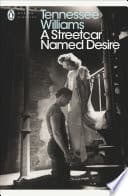
- A Streetcar Named Desire
Tennessee Williams
4.0 (261k) average on GoodreadsFictionExplores intense domestic conflict, dysfunctional relationships, and raw emotional power within a confined setting.
- Death of a Salesman
Arthur Miller
3.5 (186k) average on GoodreadsFictionExamines post-war disillusionment, the failure of dreams, and family tension, though with a different focus on class and ambition.
- Nineteen Eighty-Four
George Orwell
4.2 (5.5M) average on GoodreadsFictionWinston Smith dreams of truth and rebellion in a world where Big Brother watches all, but he confronts the terrifying power of a regime that controls not just actions, but thoughts.
- The Frozen River
Ariel Lawhon
4.4 (600k) average on GoodreadsFictionIn 1789 Maine, a heroic midwife's diary helps her expose a murder and get justice in a town that wants to silence her.
- A Man Called Ove
Fredrik Backman
4.4 (569k) average on GoodreadsFictionA stubborn widower, who lives by strict rules, finds his quiet world changed by a lively new family next door, making him face his past and find happiness in human connection.
- The Art of Racing in the Rain
Garth Stein
4.2 (452k) average on GoodreadsFictionThrough the eyes of Enzo, a wise and observant dog, a race car driver's family navigates a journey of love, loss, and resilience, learning that life's most important lessons often come in the curves, not just on the straightaways.





Enjoyed the summary?
A summary gives you the shape of the book. The book itself has the detail, the examples and the voice.
Find Look Back in Anger on AmazonAs an Amazon Associate, BookBrief earns from qualifying purchases. How we're funded